
American airline fleets once looked very different, filled with jets and turboprops whose names now read like aviation history. Their fleet counts and service dates show how quickly the industry replaced one generation of aircraft with the next. Here are twelve types that have vanished from US passenger service, each tied to a number worth remembering.
Help yourself and the planet: The Cool Down makes it easy to help yourself while helping the planet, with smart, simple changes to save more and waste less in your everyday life.
We may earn a commission if you sign up.
1. Douglas DC-8: First Of The Big Jets
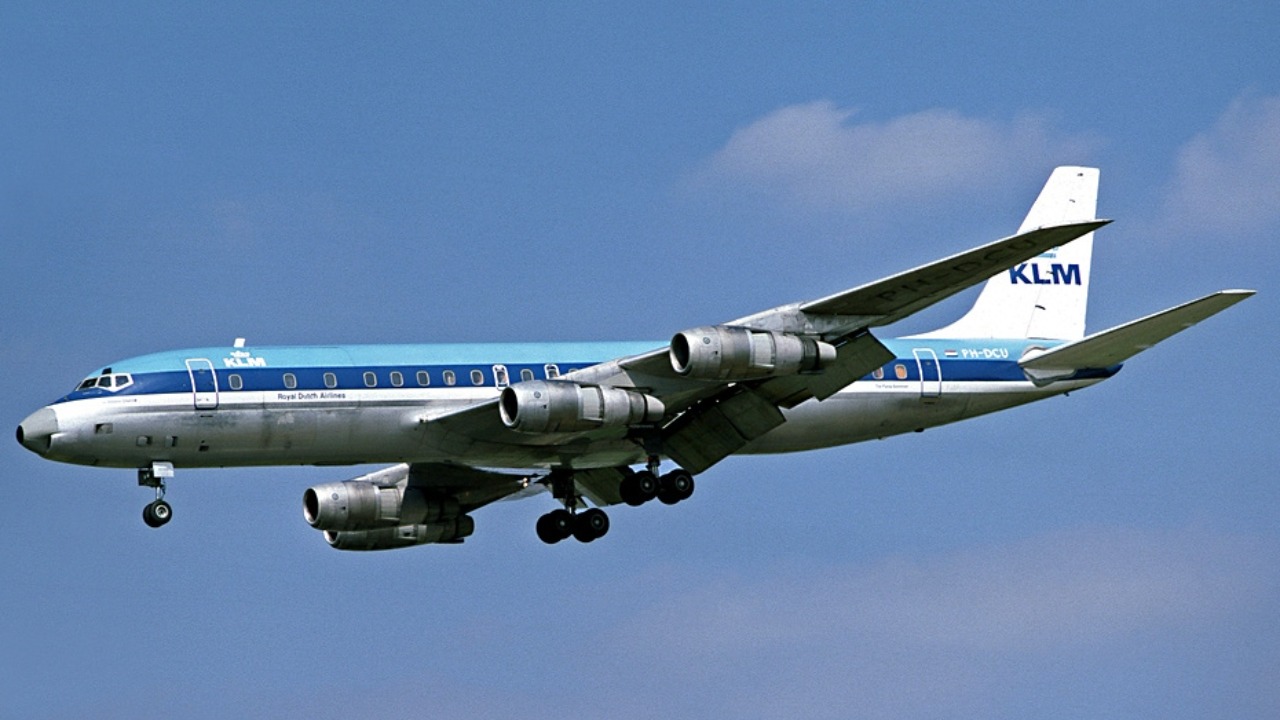
The DC-8 entered service on Sept. 18, 1959 with United and Delta, and the Boeing production history records 556 built across seven major variants. By January 2013, fewer than 40 still flew worldwide.
The collapse from hundreds of airframes to a handful shows how thoroughly newer, quieter and more efficient aircraft displaced the early jet age. For the American traveler, the type survives mainly in photographs and museum collections rather than on any departure board.
2. Sud Aviation Caravelle: French Jet On United
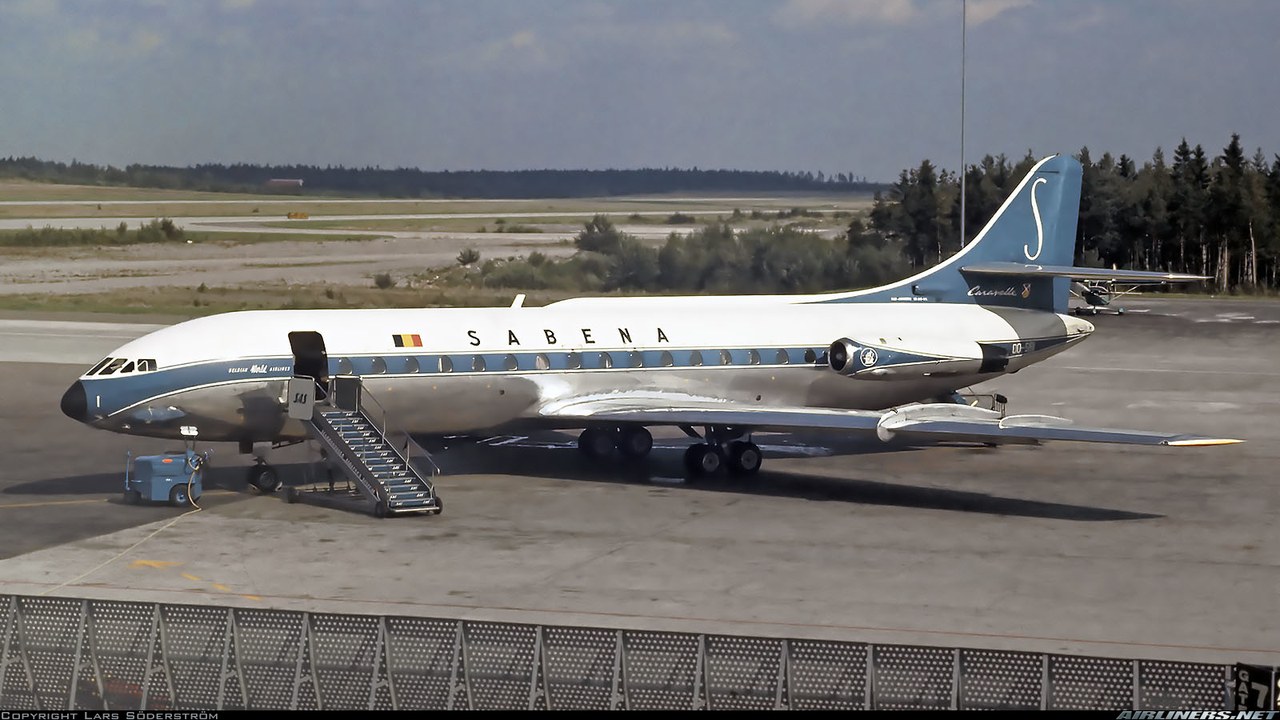
United flew 20 French-built Caravelles from 1961 to 1970, a span documented in the United Airlines fleet table for the carrier. The type was a foreign design operating in a fleet otherwise dominated by American manufacturers.
That makes the Caravelle a reminder that US airlines once bought European jets when the home market had not yet filled every niche. The modest fleet and short run mark it as a distinctive chapter.
3. Convair 880: Delta’s Fast Convair
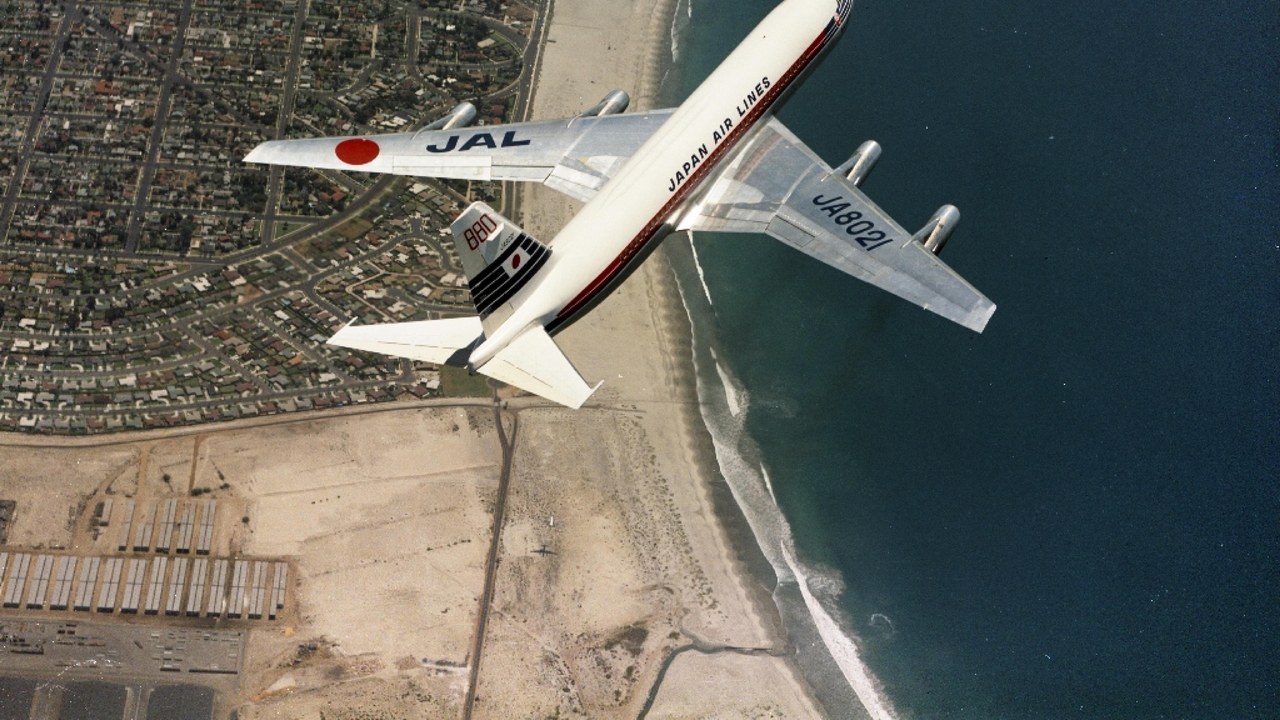
Delta flew 17 Convair 880s from 1960 to 1973, according to the Delta fleet table. The aircraft belonged to the first wave of jets that replaced propeller airliners on major domestic routes.
That fleet was small by later standards, which helps explain why the model never became a household name. Its Delta career is a useful marker of how brief some early jet designs were in regular service, and of how fast the technology moved.
4. Convair 990 Coronado: American’s Coronado Era
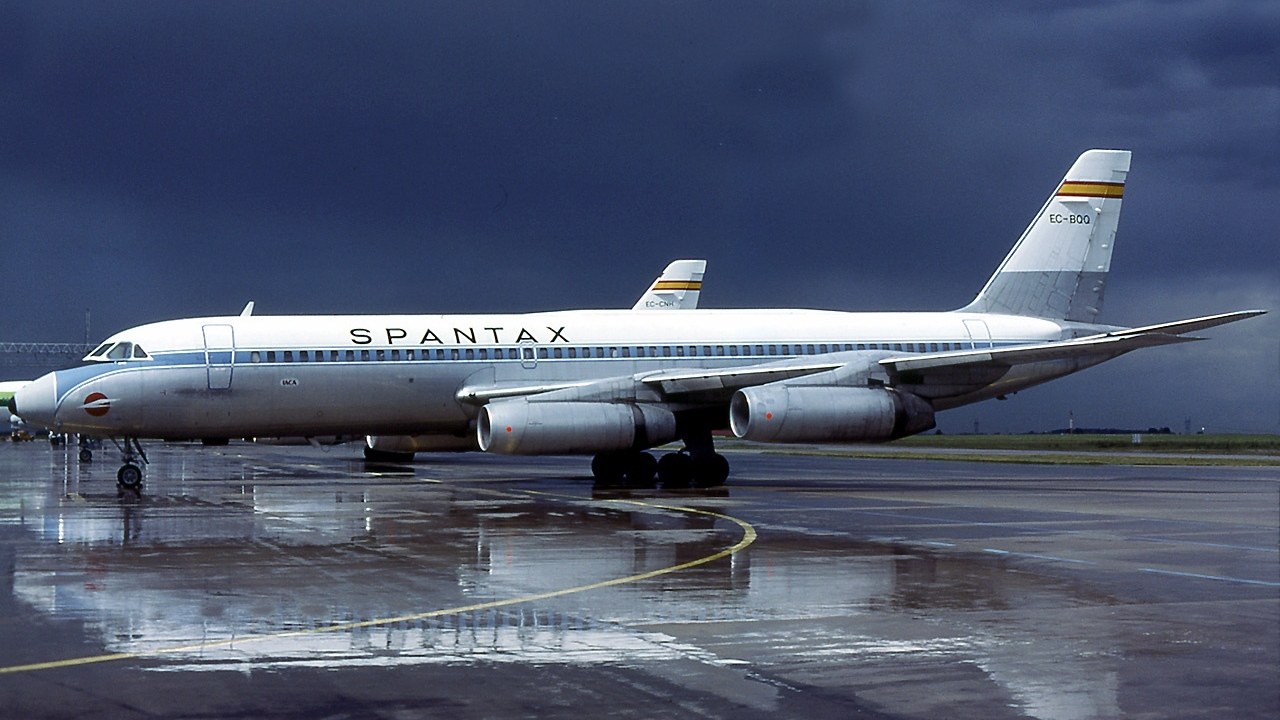
American flew 20 Convair 990s from 1962 to 1972, as the American Airlines fleet table lists. The 990 Coronado was a stretched, faster development of the same design family as the 880.
Its tenure with American shows that airlines were willing to try specialized types and then retire them quickly once better economics arrived. It stands as a niche jet in a decade of rapid change, remembered by enthusiasts more than by the flying public.
5. Lockheed L-188 Electra: Turboprop With A Short Run
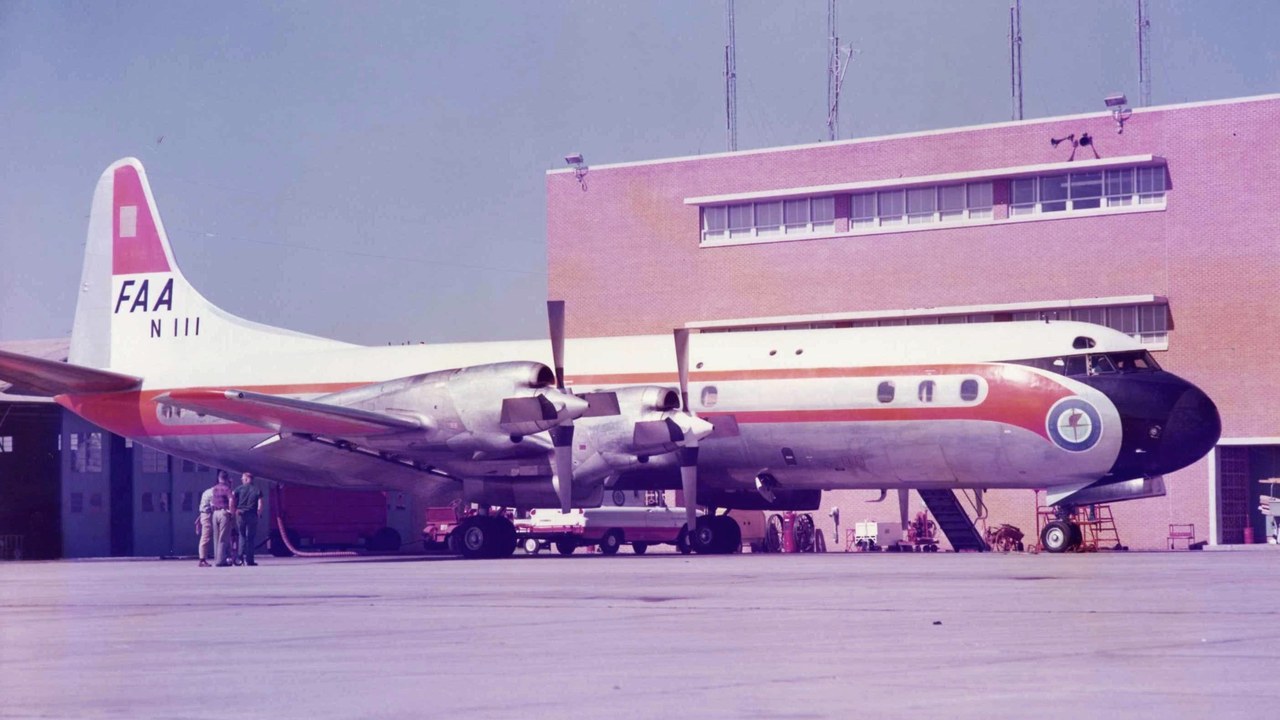
American flew 35 Lockheed Electras from 1958 to 1972, the span shown in the American retired-fleet record. The Electra was a four-engine turboprop that served as a bridge between piston airliners and pure jets.
That tenure and fleet size give it a respectable run among the older types here. The Electra also illustrates that not every jet-age replacement was itself a jet, and that propeller power still had a place in the early 1960s.
6. BAC One-Eleven: British Twinjet At American
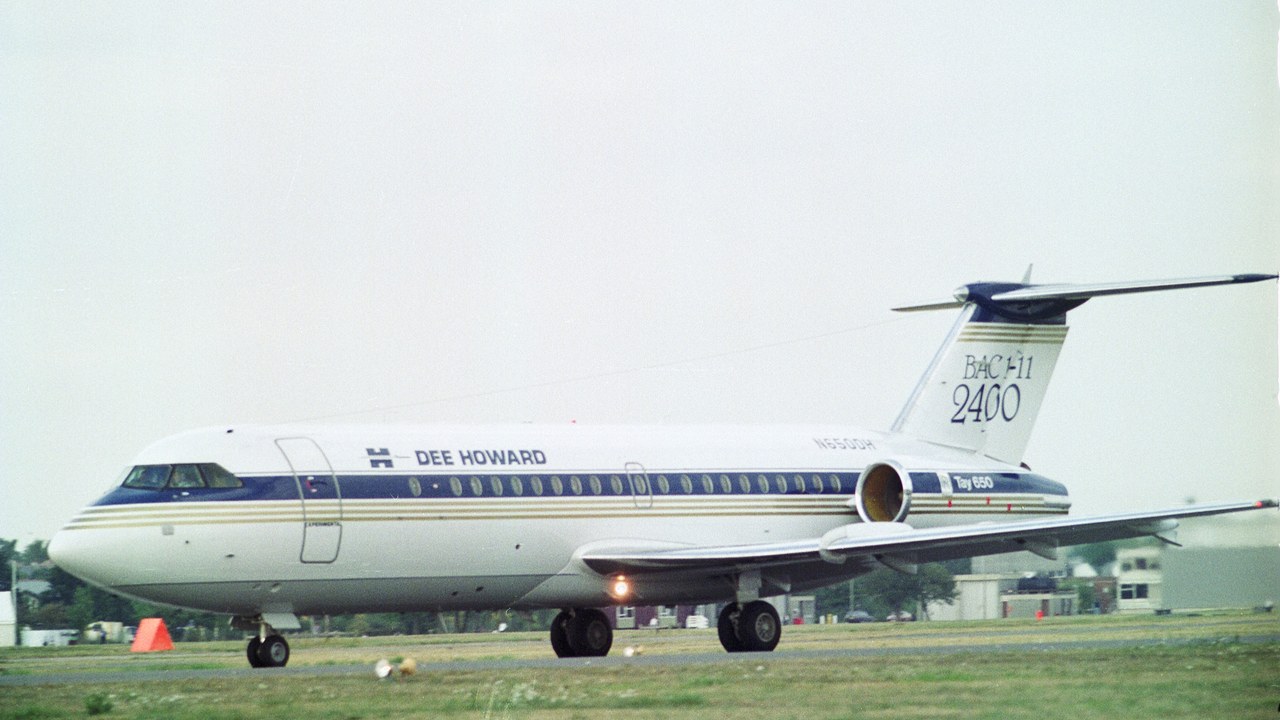
American flew 30 British-built BAC One-Elevens from 1965 to 1973, according to the American Airlines fleet history. The twinjet was a short-haul design meant to bring jet service to routes that propeller airliners had served.
For passengers it brought jet speed to routes that had waited for it. Its American career shows a competent foreign design that nonetheless lost out in the long run as airlines standardized on other types and moved on.
7. Boeing 720: Shortened Boeing 707 Sibling
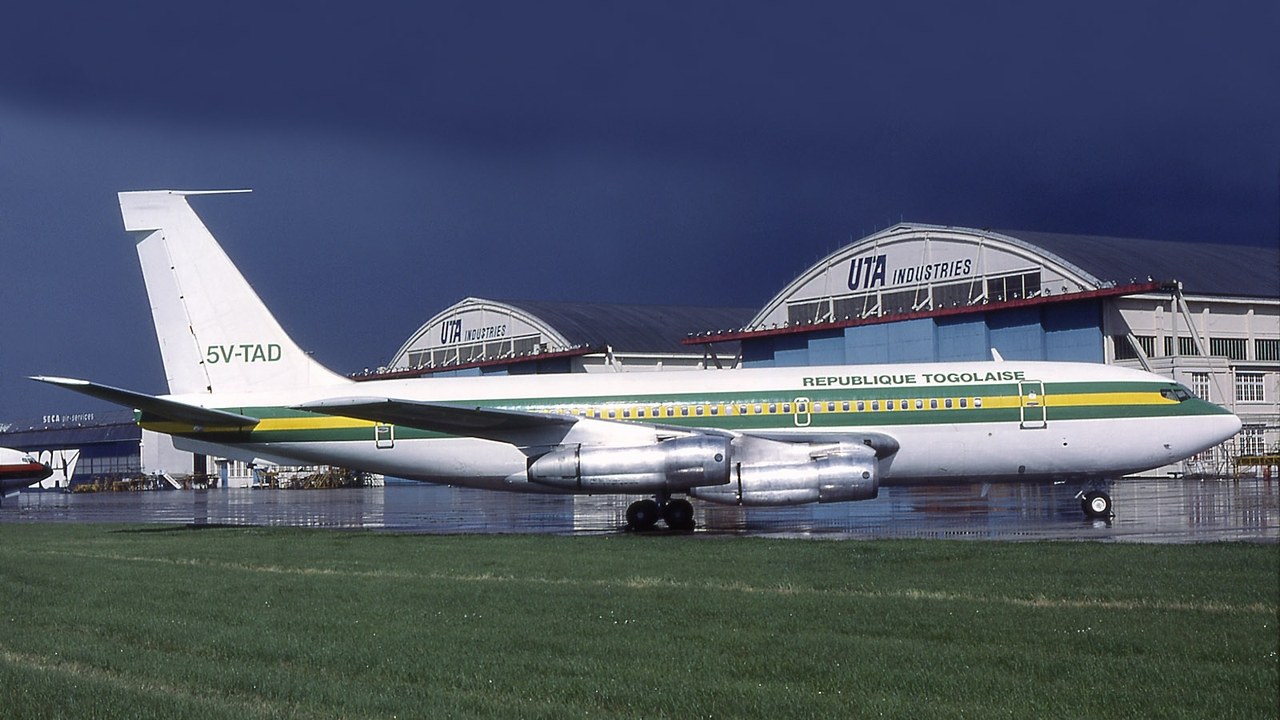
Boeing built 154 examples of the Boeing 720, the shortened 707 sibling, between 1959 and 1967, as the company history record confirms. It was a close relative of the more famous 707 rather than a wholly separate design.
The 720 is a good example of how one successful airframe spawned variants tuned for different route lengths. Its modest production total, set against the 707, explains why it is remembered as a footnote.
8. Lockheed L-1011 TriStar: Delta’s Wide TriStar
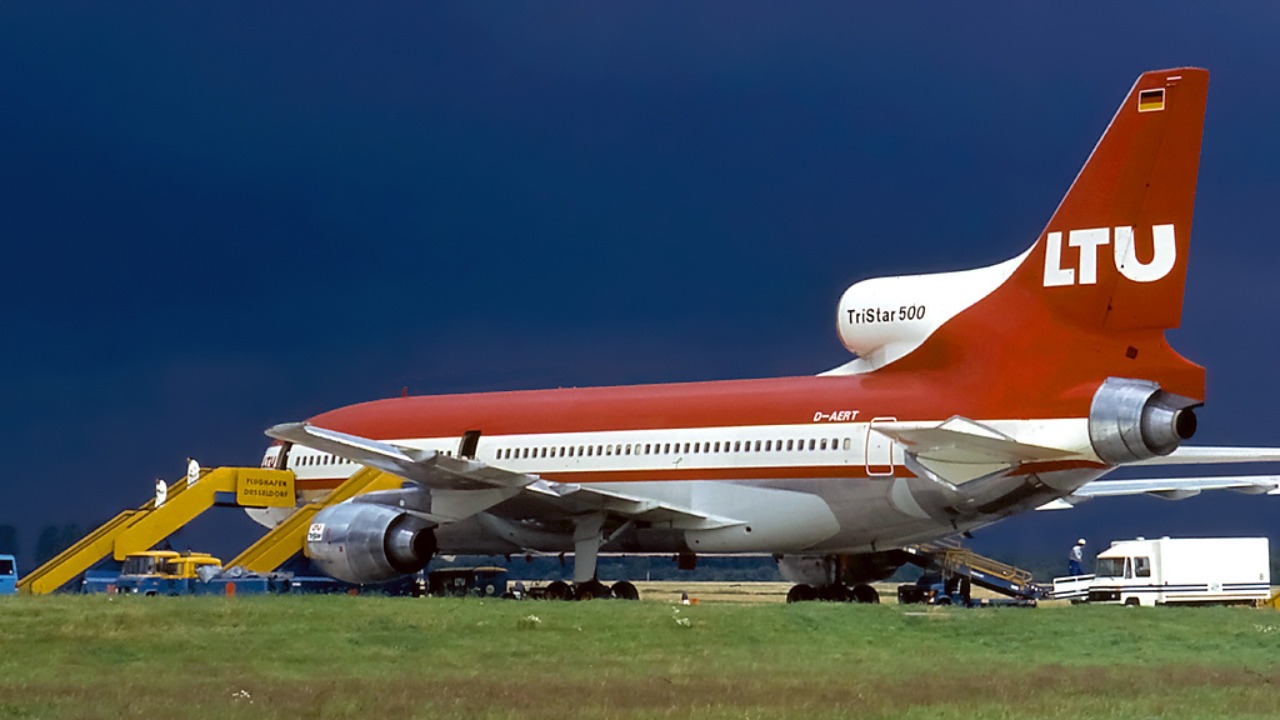
Delta flew 70 Lockheed L-1011 TriStars from 1973 to 2001, a record preserved in the Delta fleet table. The three-engine widebody served the airline for nearly three decades.
That fleet size and span of service make it one of the most substantial entries on the list. Its retirement closed out a long era of trijet widebodies at Delta, and the type is still remembered fondly by those who followed the airline.
9. McDonnell Douglas MD-80: American’s Long MD-80 Run
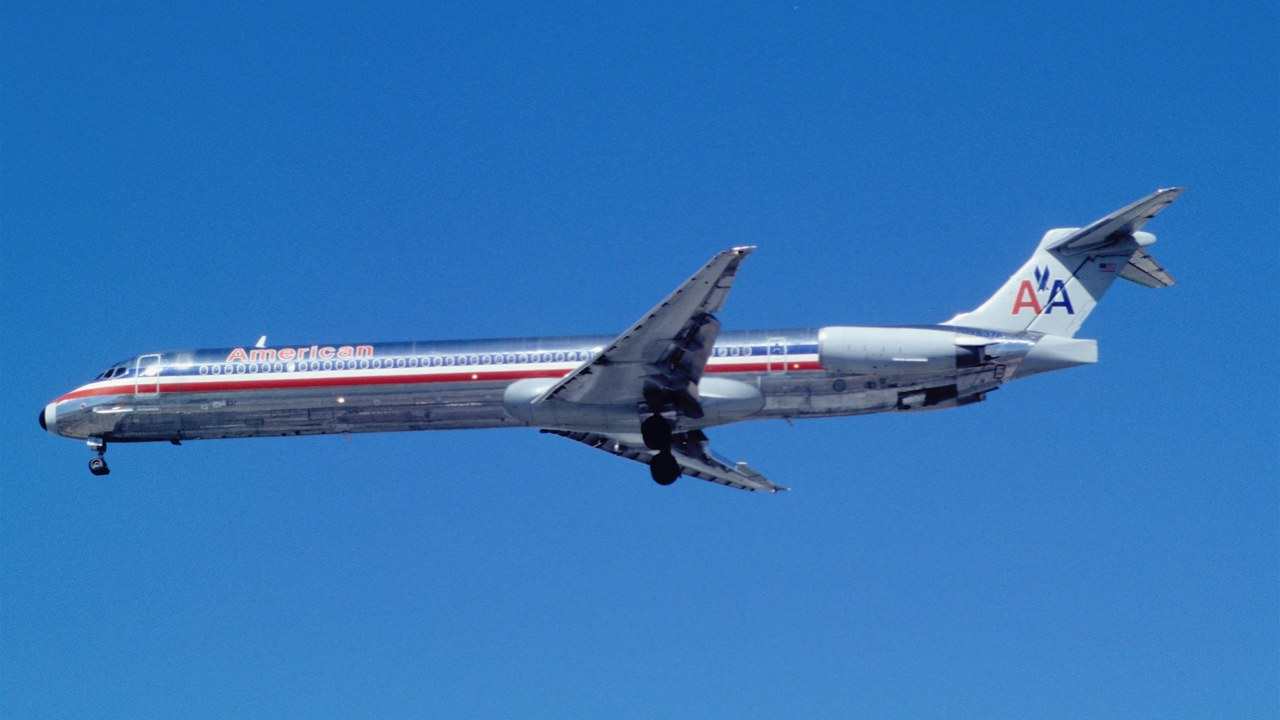
American alone flew 383 McDonnell Douglas MD-80s over 36 years, ending with its last flight on Sept. 4, 2019, according to Airline Geeks reporting. No other figure on the list matches that count for a single carrier.
The MD-80 was the workhorse of a generation of domestic flying, so its exit marked the end of an unmistakable sound and silhouette at American airports. Its fleet count shows how central it once was.
10. Fokker 100: Dutch Jet For American
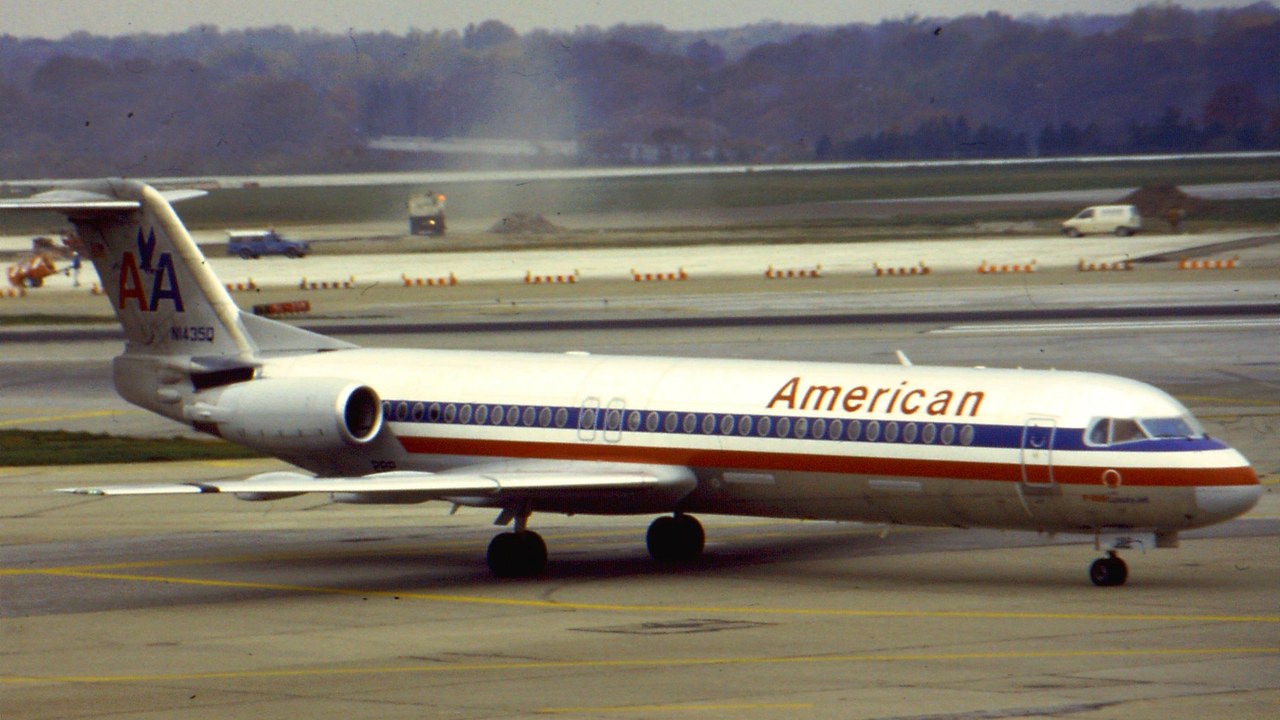
American flew 75 Fokker 100s from 1991 to 2004, a span listed in the American Airlines fleet record. The Fokker 100 was a Dutch-built regional jet that filled the gap between turboprops and larger narrowbodies.
A fleet of 75 is substantial, and it shows a major American carrier committing seriously to a European design. The type has since disappeared from US passenger service entirely, replaced by aircraft from other builders and by newer regional jets.
11. McDonnell Douglas MD-11: Last Delivery Of The Trijet
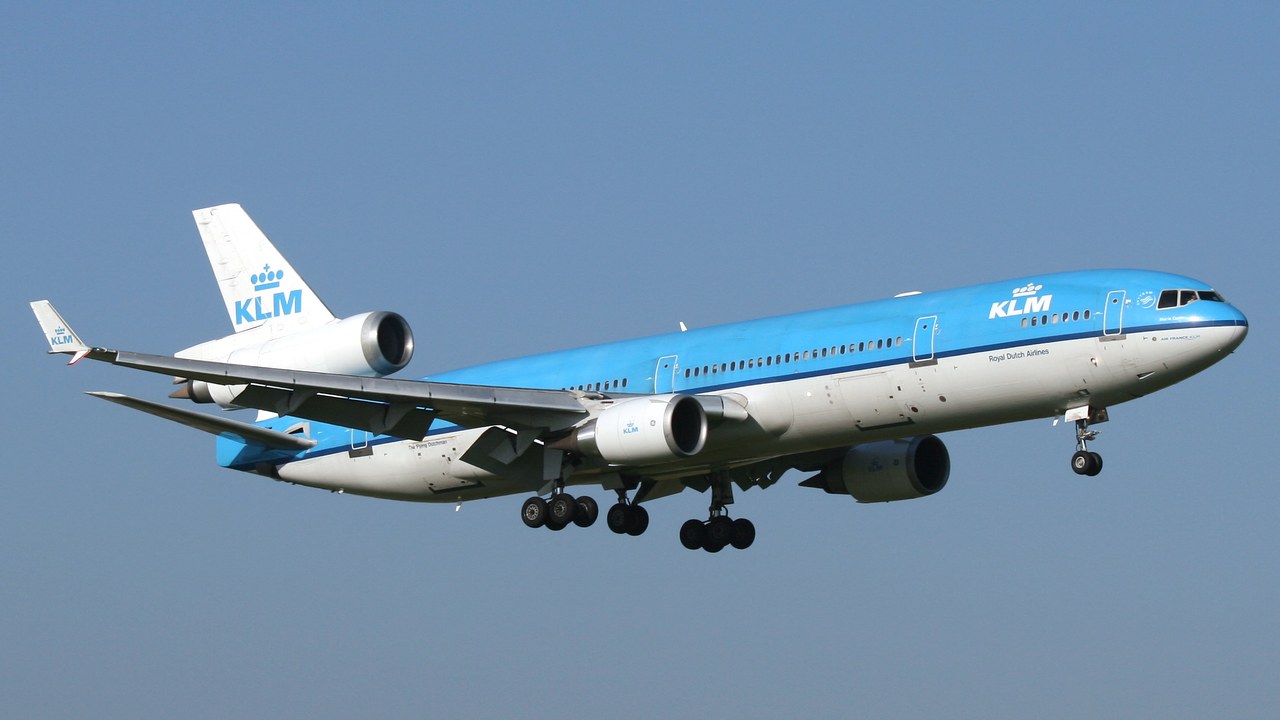
Boeing ended MD-11 production in 2000 after 200 were built, and the last was delivered Feb. 22, 2001, per the Boeing history document. The MD-11 was a three-engine widebody derived from the earlier DC-10.
The total shows a relatively small production run for a widebody, one that ended soon after the program matured. For readers following the type, the delivery date is a clear point where new supply stopped and the existing fleet began its slow decline.
12. McDonnell Douglas MD-90: Final MD Family Jet
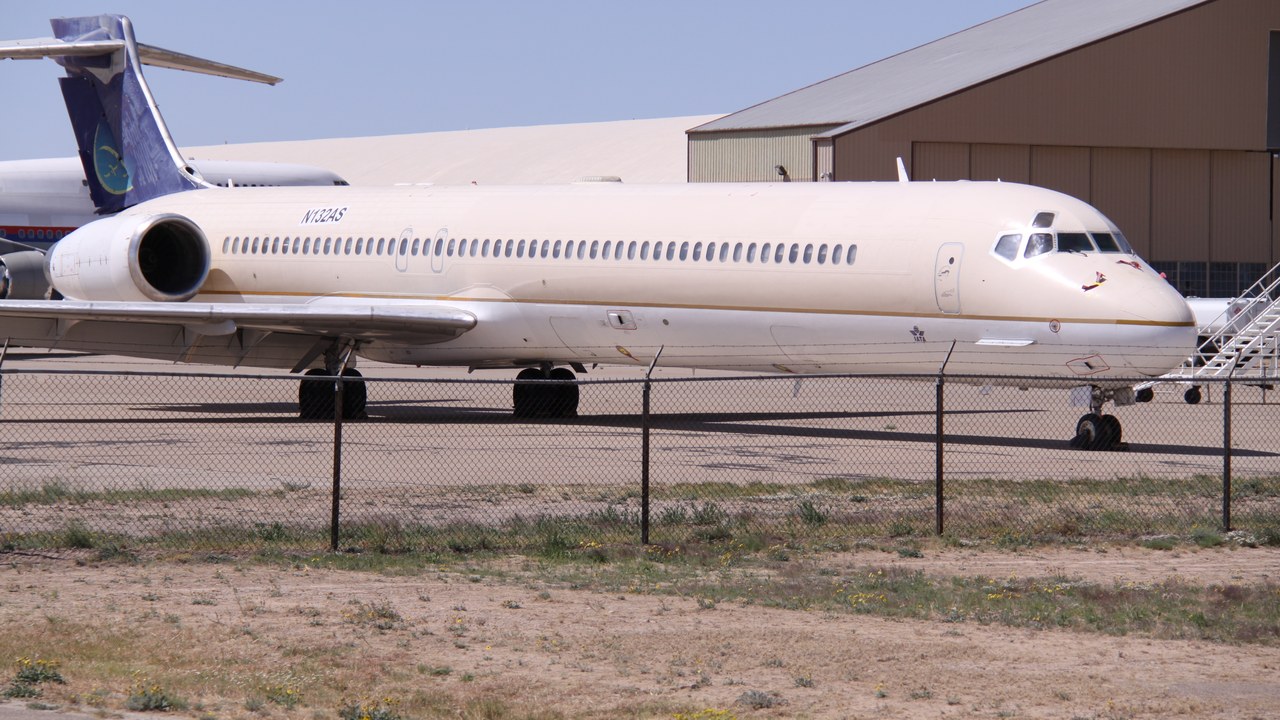
Boeing delivered 116 MD-90s between 1995 and 2000, according to the Boeing history document. The MD-90 was a stretched, updated member of the MD-80 family built with newer engines.
The type arrived near the end of the family’s story, which is why its total is much smaller than the MD-80 numbers elsewhere in this gallery. It closes the list as a late and relatively short-lived successor to a very popular airliner.
Help yourself and the planet: Get The Cool Down →
We may earn a commission if you sign up.
More from Morning Overview
- Tropical Storm Rachel is dumping up to 12 inches on four Mexican states on its way to major hurricane strength
- The FTC says Lens.com doubled the price shoppers saw in Google ads
- Common allergy, bladder and sleep pills tied to sharply higher dementia odds
- NOAA now gives this winter a 75% chance of the strongest El Nino since 1950
