
Pyramids were built by many cultures across Africa, Europe, Asia and the Americas, often for different reasons and from different materials. Some were royal tombs, some were temples, and one is a vast earthen mound in the American Midwest. Here are ten pyramids that show how widespread the form became.
Help yourself and the planet: The Cool Down makes it easy to help yourself while helping the planet, with smart, simple changes to save more and waste less in your everyday life.
We may earn a commission if you sign up.
1. Step Pyramid of Djoser: Stepped Beginning
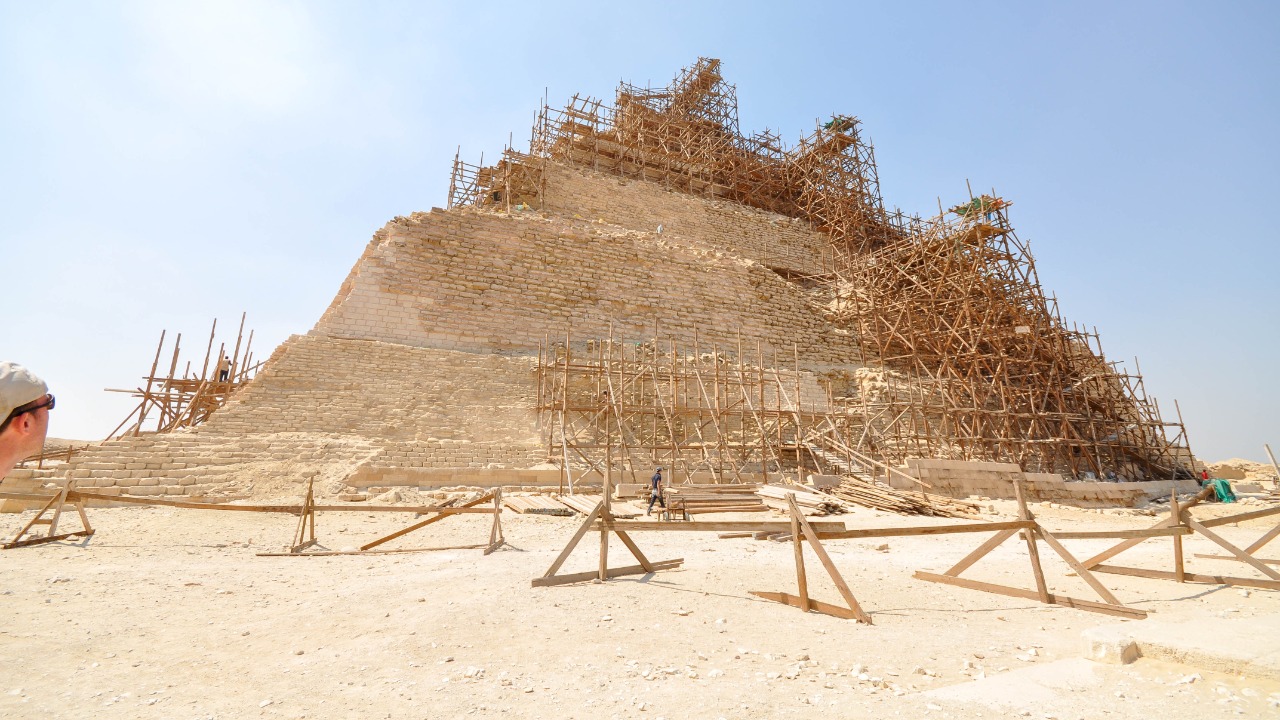
The Step Pyramid of Djoser was built for Pharaoh Djoser (2630–2611 B.C.) by the architect Imhotep, and it rises some 200 feet at Saqqara, according to a Smithsonian pyramid survey. Its stacked platforms mark a stage before the smooth-sided pyramids that later became the Egyptian standard.
Visitors to Saqqara see the design in an early form, with each level visibly set back from the one below. The structure is a useful starting point for anyone tracing how pyramid building developed in Egypt.
2. Bent Pyramid: Sneferu’s Bent Pyramid
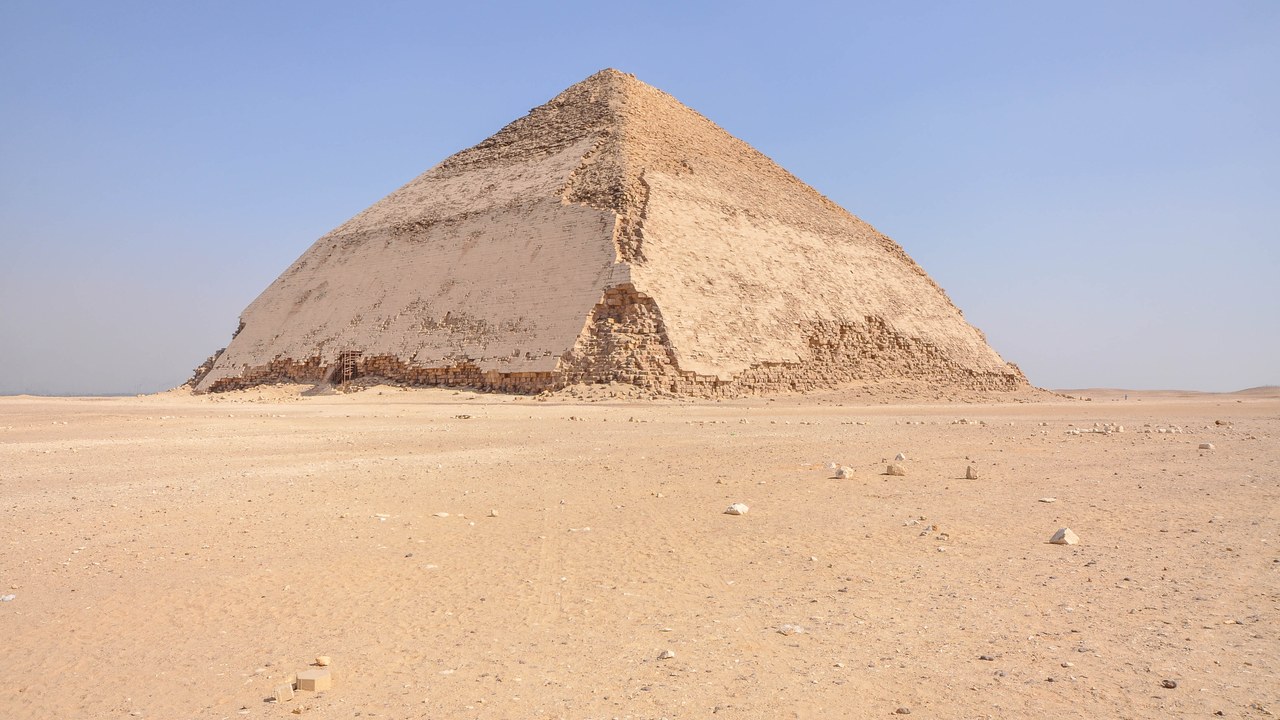
Egypt opened Sneferu’s Bent Pyramid at Dahshur to the public in July 2019, as Gulf Today’s report on the opening reported. The monument takes its name from its changing angle, which gives the sides a bent look unlike the straight faces of better-known pyramids.
The opening made a long-closed site available to travelers who want Egyptian pyramids without the crowds of the most famous plateau. The odd profile is the main attraction, and photographs rarely capture how distinctive it looks in person.
3. Nubian pyramids of Meroë: Kush Built Hundreds
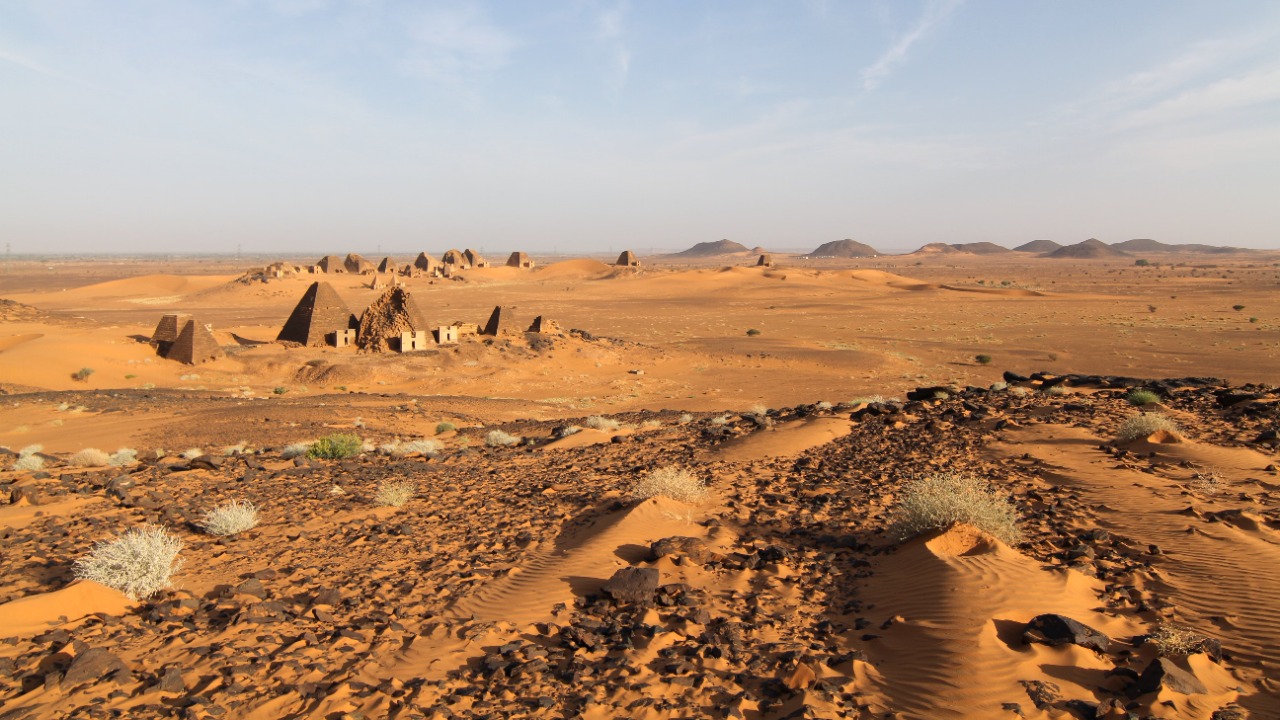
The Kingdom of Kush built more than 255 pyramids at sites including Meroë, El-Kurru, Nuri and Jebel Barkal, according to HeritageDaily’s pyramid roundup. The number surpasses what many people expect, since Egypt usually dominates talk about pyramids.
Meroë is the best-known of these sites, and a Smithsonian profile counts about 40 pyramids there. Nubian pyramids tend to be smaller than the Egyptian examples, so the interest lies in quantity and in a separate royal tradition. Travelers to Sudan’s Nile valley find these tombs in several separate cemeteries.
4. Pyramid of Cestius: Roman Tomb in Rome
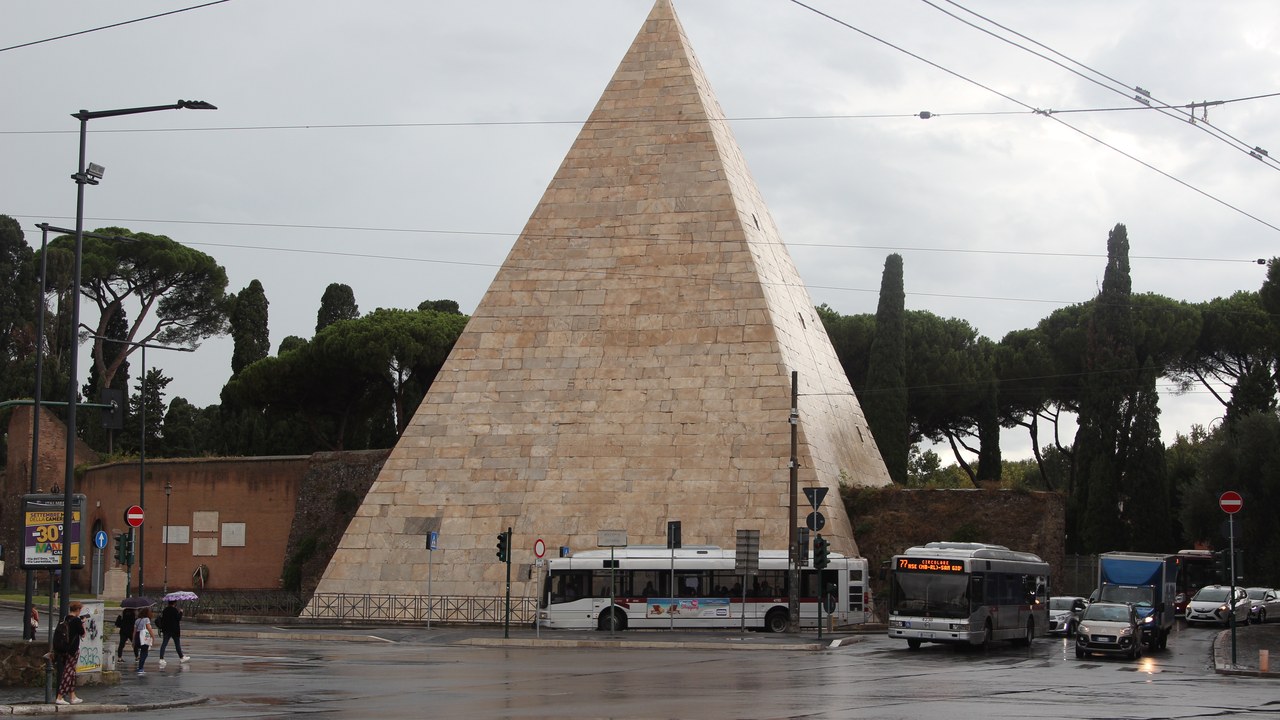
Rome’s Pyramid of Cestius, a tomb for Gaius Cestius from about 18–12 BCE, stands 125 Roman feet (37 m) on a 29.6-meter-square base, as HeritageDaily’s pyramid roundup lists. The structure is a pyramid inside an ancient capital, placed among buildings of a very different style.
Its presence shows that Egyptian forms appealed to Romans, who borrowed the shape for a personal tomb. Visitors can find it in the city itself rather than in a remote archaeological zone, which makes it an easy stop.
5. Pyramid of the Sun: Teotihuacan’s Great Sun
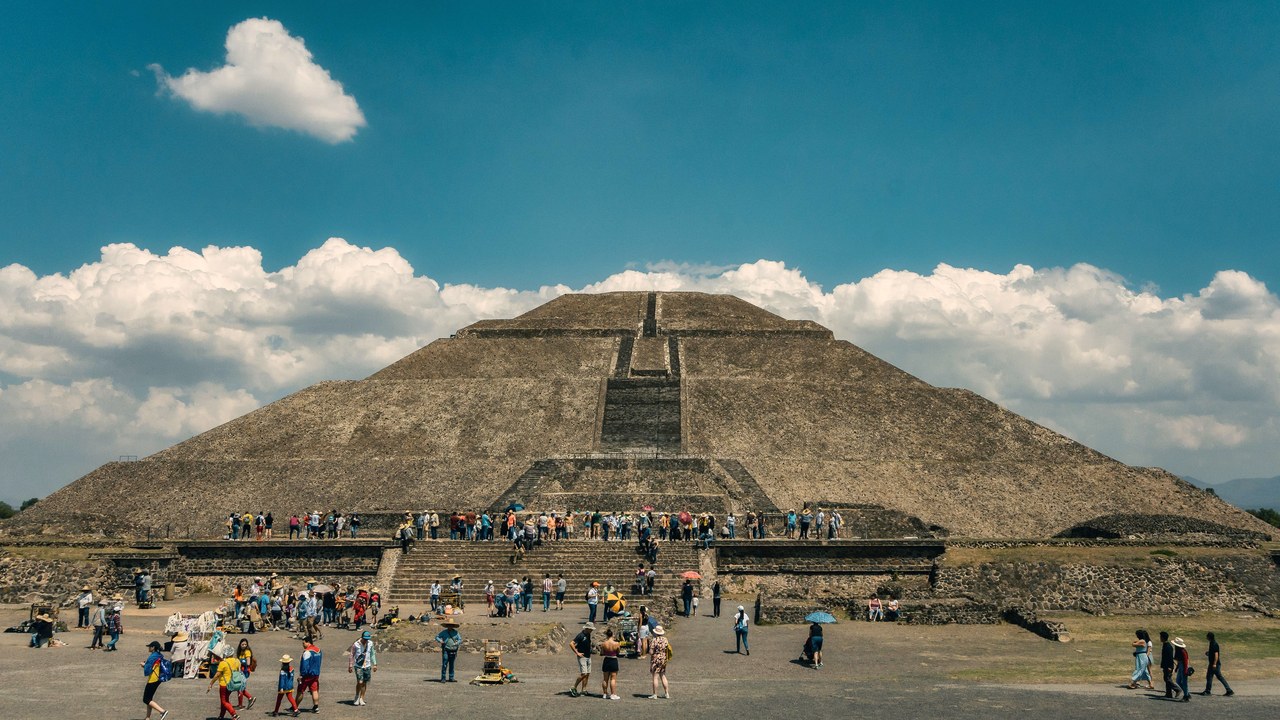
Teotihuacan’s Pyramid of the Sun is a five-stepped structure rising over 200 feet, with sides about 730 feet wide, according to a Smithsonian pyramid survey. It dominates the ancient city in central Mexico and ranks among the largest pyramids in the Americas.
The wide base is as striking as the height. A visitor who climbs the stairs gets a view over the avenue and surrounding monuments, so the pyramid works as both a landmark and a vantage point. Early arrival helps, since the site is large and the stairs are steep.
6. Great Pyramid of Cholula: Largest by Footprint
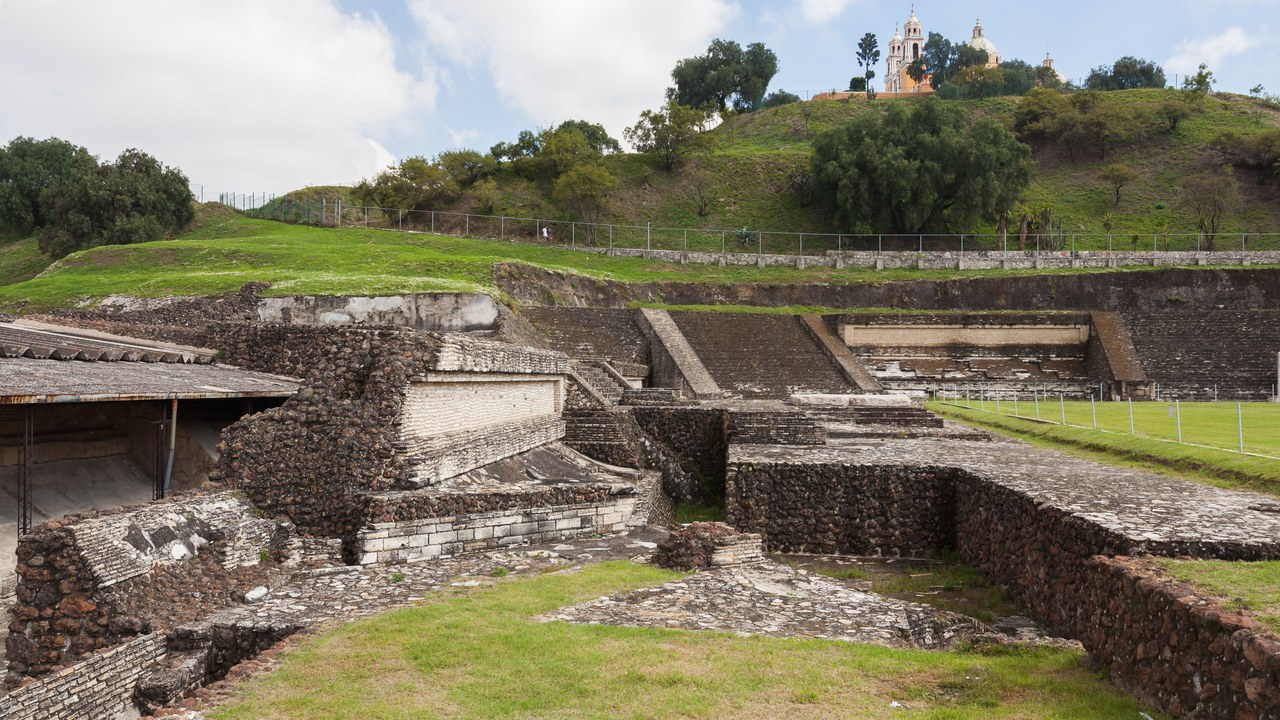
The Great Pyramid of Cholula rises 177 feet, making it one of the world’s largest ancient monuments, and it sits on a complex of nearly 45 acres, per a Smithsonian pyramid survey. Another guide gives the height as 55 meters, or about 180 feet.
The small difference between those heights is a reminder that old monuments are measured in different ways. The more striking number is the footprint, which spreads across a whole complex in Mexico and not a single compact tower.
7. Tikal Temple IV: Tallest at Tikal
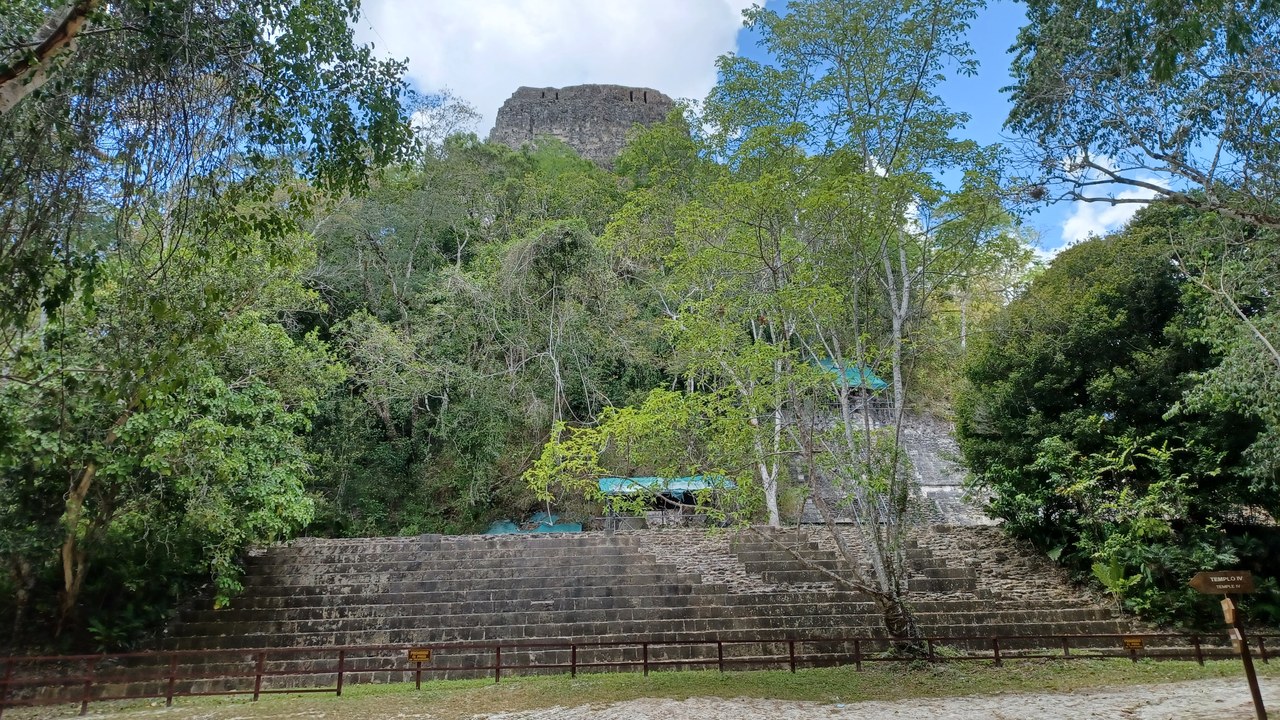
Temple IV is the tallest of Tikal’s Maya pyramids, standing 213 feet in Guatemala’s Peten, according to a Smithsonian pyramid survey. Rising above the forest canopy, it was built as a temple structure at one of the great Maya cities.
The height gives visitors a rare view of the jungle roof and the other temples poking above it. The climb is part of the experience, and the figure of 213 feet makes it one of the tallest monuments on this list.
8. Prasat Thom at Koh Ker: Seven Tiers in Cambodia
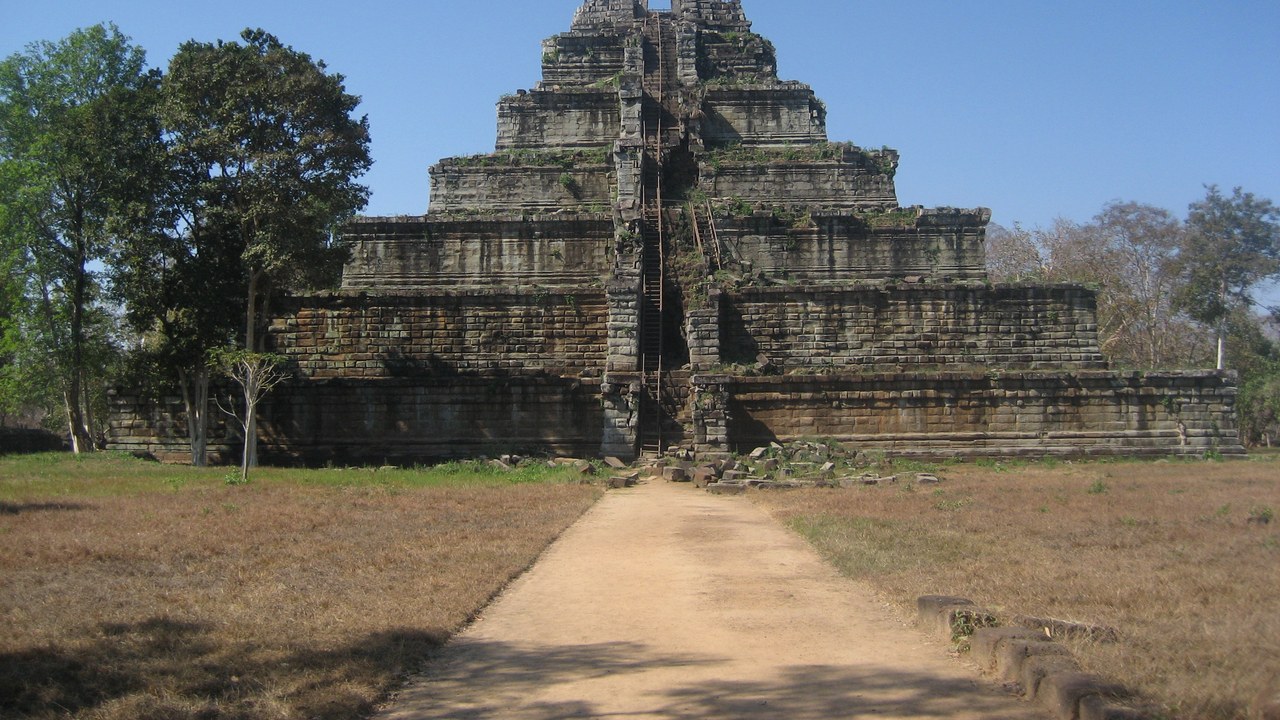
Prasat Thom at Koh Ker is a seven-tiered, 36-meter (118 ft) pyramid in Cambodia, and it was probably the state temple of Jayavarman IV, who ruled 928–941 CE, as HeritageDaily’s pyramid roundup explains. The stepped form places it among the few pyramids in Southeast Asia.
Because the identification as a state temple is stated as probable, the attribution deserves some caution. Even so, the seven tiers and the compact size make it an unusual stop for those who think of Khmer monuments mainly in terms of Angkor.
9. Monks Mound, Cahokia (Illinois): Illinois Earth Pyramid
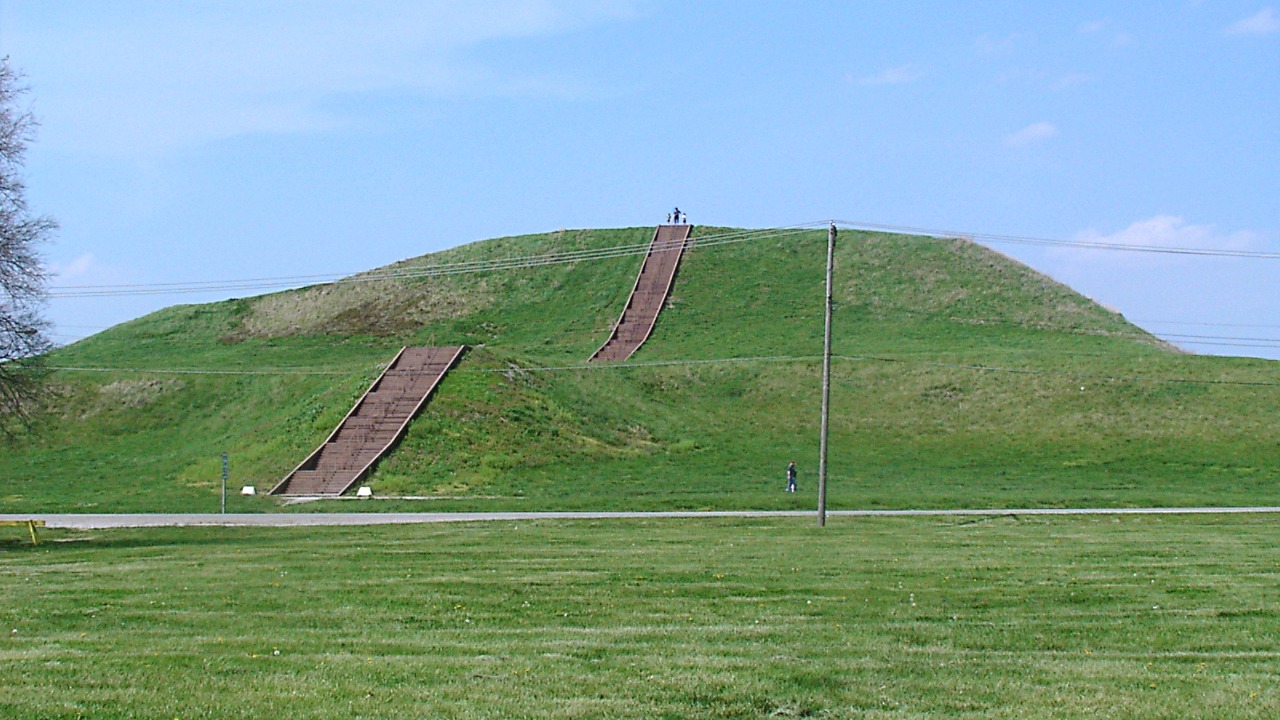
Monks Mound at Cahokia, in Illinois, was completed around 1100 CE from soil and clay, and it has a base larger than the Great Pyramid at Giza, according to HeritageDaily’s pyramid roundup. It is an earthen structure and not a stone one, built by moving large amounts of material.
The comparison with Egypt applies to footprint alone, not height. The mound makes the point that large-scale monument building also happened in North America, and visitors can see it without leaving the American Midwest.
10. El Castillo, Chichén Itzá: Equinox Serpent Shadow
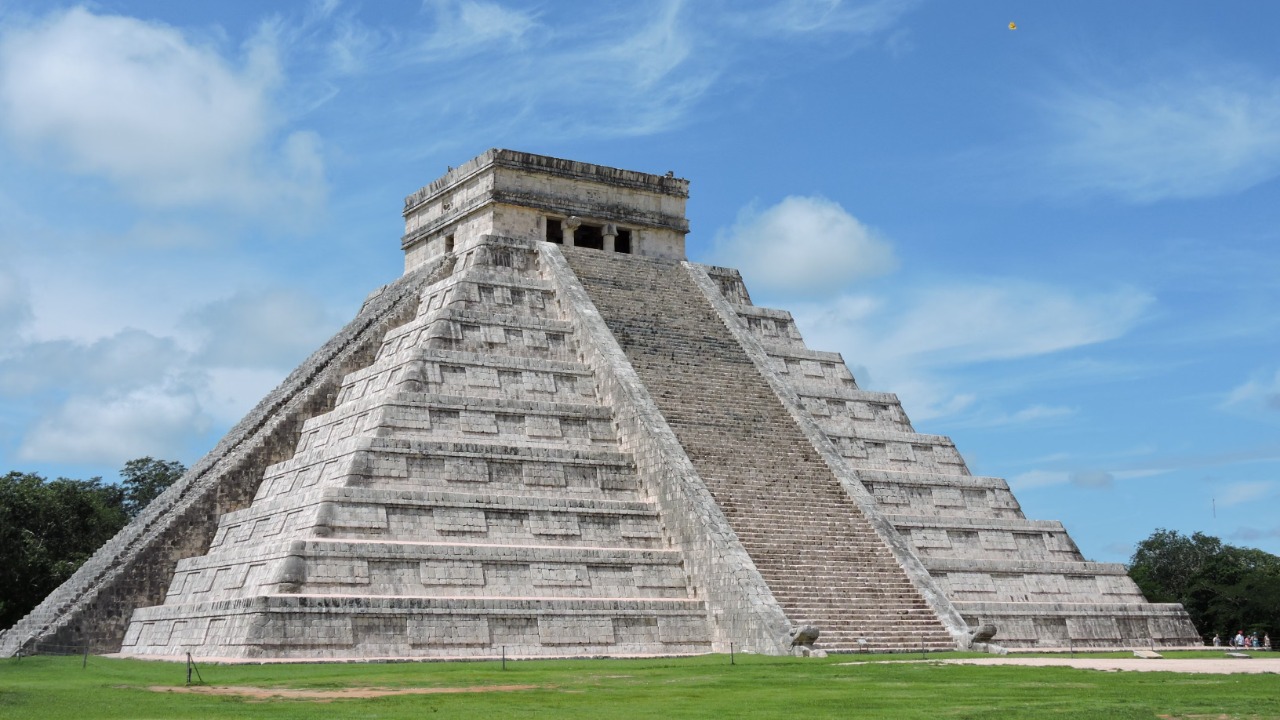
More than 7,000 people gathered at Chichén Itzá for the equinox serpent-shadow show, even under clouds, as Mexico News Daily’s equinox report reported. El Castillo is the pyramid at the center of the event, when light and shadow are said to create the image of a serpent on the staircase.
The crowd size shows how much the monument still draws, even when weather limits the view. Anyone planning a trip around the equinox should expect heavy attendance and should know that clouds can reduce what the shadow looks like.
Help yourself and the planet: Get The Cool Down →
We may earn a commission if you sign up.
More from Morning Overview
- Ford is recalling 223,472 F-150 pickups because the fuel tank can leak or detach
- Hybrids have 15% fewer problems than gas cars, while EVs and plug-in hybrids have about 80% more, Consumer Reports finds
- Regulators cleared the first U.S. small modular reactor, 4 months early
- Lake Powell sank to a record 3,517 feet, nearing the level that stops Glen Canyon Dam’s turbines
