
Presidential travel has run on a long line of purpose-modified aircraft, from propeller transports to modern jetliners and helicopters. Each one reflects the technology, politics and habits of its era. Here are eleven aircraft that carried American presidents, from a wartime transport to the newest Marine One.
Help yourself and the planet: The Cool Down makes it easy to help yourself while helping the planet, with smart, simple changes to save more and waste less in your everyday life.
We may earn a commission if you sign up.
1. Sacred Cow (VC-54C): Birthplace of the Air Force
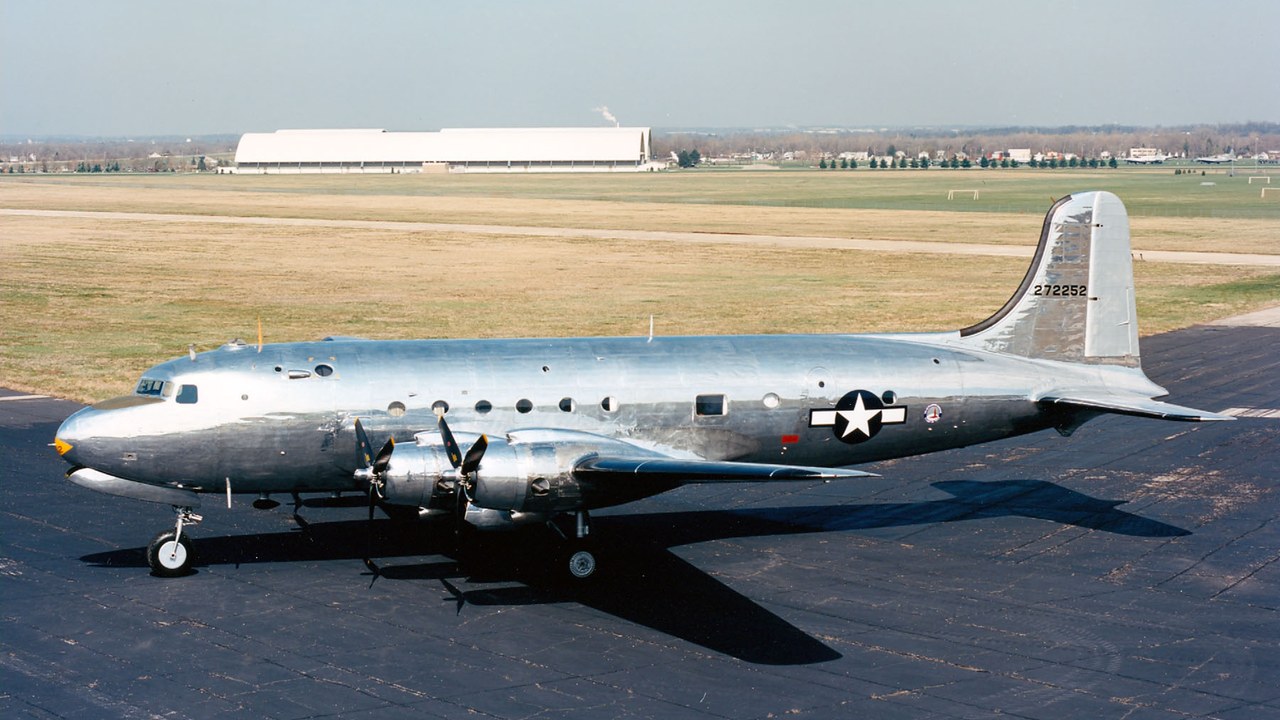
Truman signed the National Security Act aboard the Sacred Cow on July 26, 1947, making it the Air Force’s birthplace.
The plane is therefore tied to a major reorganization of the American military, not just to presidential convenience. Few aircraft can claim a connection to a founding moment for an entire service branch. The plane also served as an early example of the aircraft that would later be associated with the president, and its role at that signing is the detail most often recalled about it.
2. Independence (VC-118): Truman’s Hometown Namesake
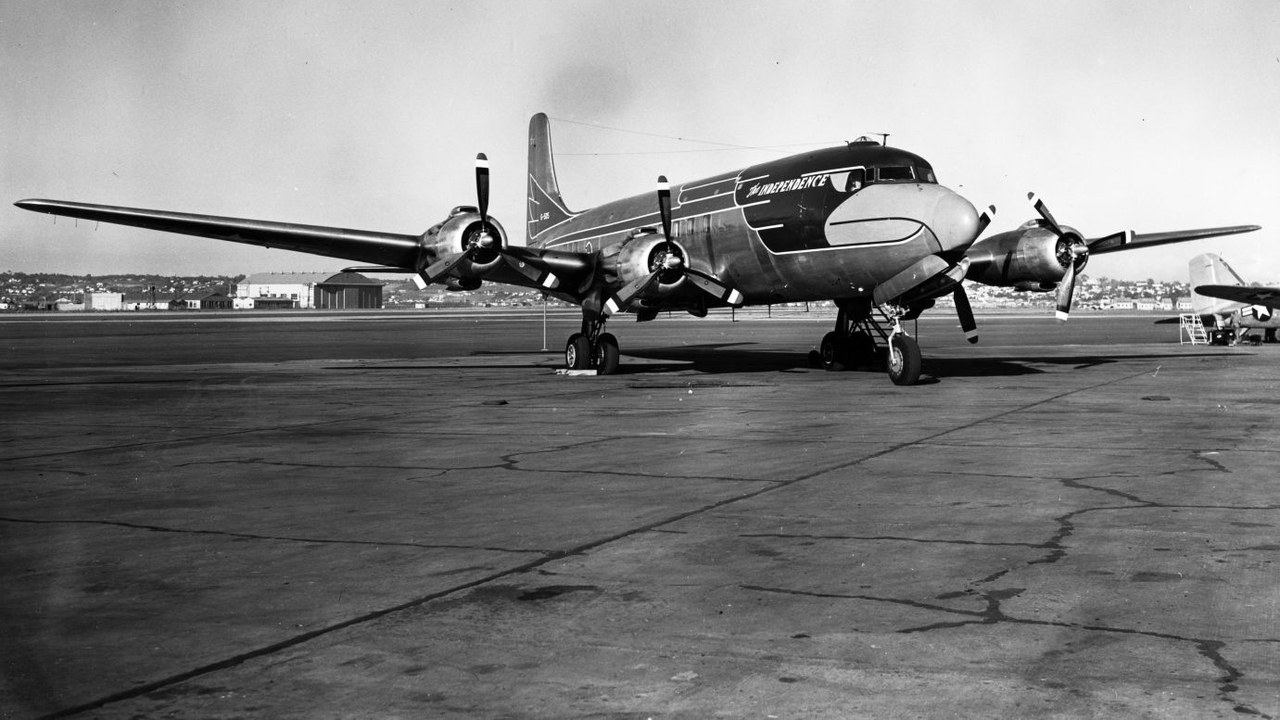
Named for Truman’s hometown, the DC-6-based Independence seated 24 or slept 12 and served him from 1947 to 1953.
The design reflected how presidential flying was changing. Longer trips with passengers and staff needed comfort and workspace, and a purpose-fitted airliner offered both in a way earlier transports had not. It stayed in service through the end of his time in office, which gave it a long run for a propeller airliner and made it a defining aircraft of the Truman era.
3. Columbine II (VC-121A): Origin of a Call Sign
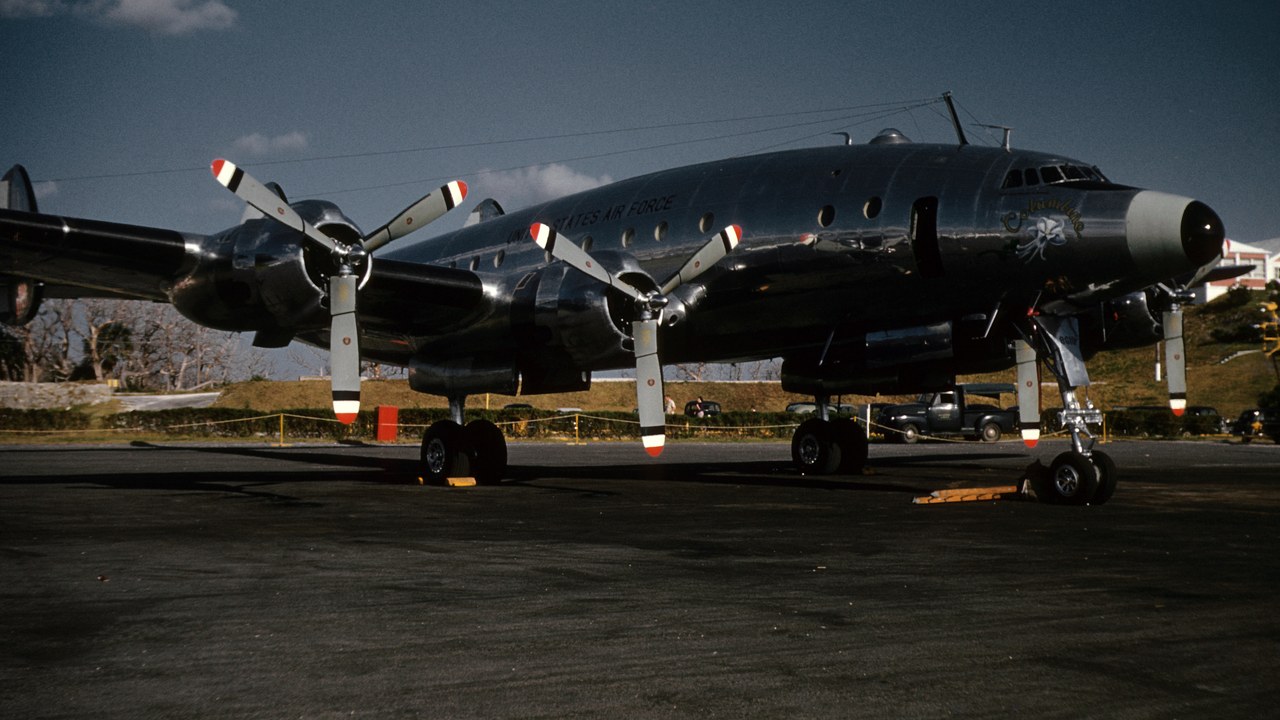
A mix-up between Eastern Air Lines 8610 and Eisenhower’s Air Force 8610 led to Air Force One call sign.
The confusion exposed a real air-traffic hazard, and the fix gave the presidential plane a unique identifier. The name later became the famous shorthand for any aircraft carrying the president. The tale remains one of the best-known origin stories in aviation lore, and it is a handy reminder that even a famous name can begin as an administrative fix.
4. Columbine III (VC-121E): A Flower and a Long Service
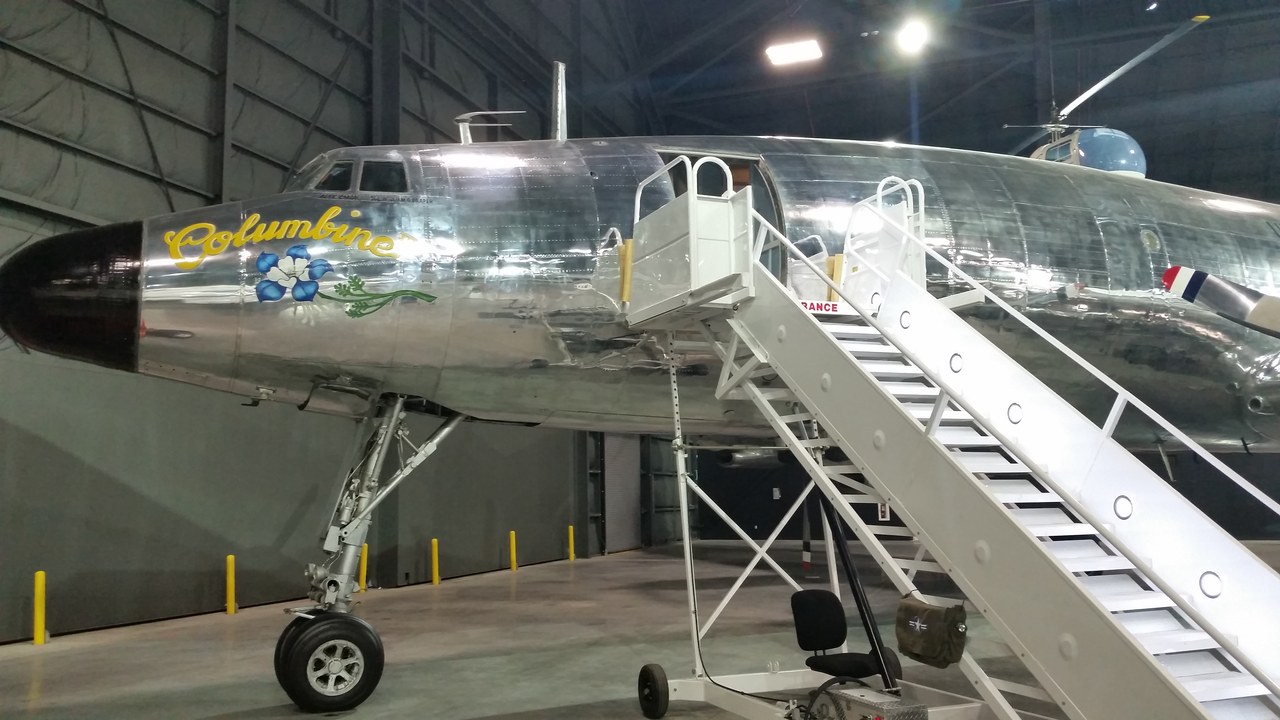
Named for Colorado’s state flower, Eisenhower’s Columbine III served as his aircraft from 1954 to January 1961 and retired in April 1966.
The aircraft covered most of his time in office, which makes it closely identified with the era. It is also a reminder that propeller planes carried presidents well into the jet age. Aircraft names like this one offered a homely touch, a style of naming that gave presidential planes personality before official designations took over.
5. SAM 970 (VC-137B): First Presidential Jet
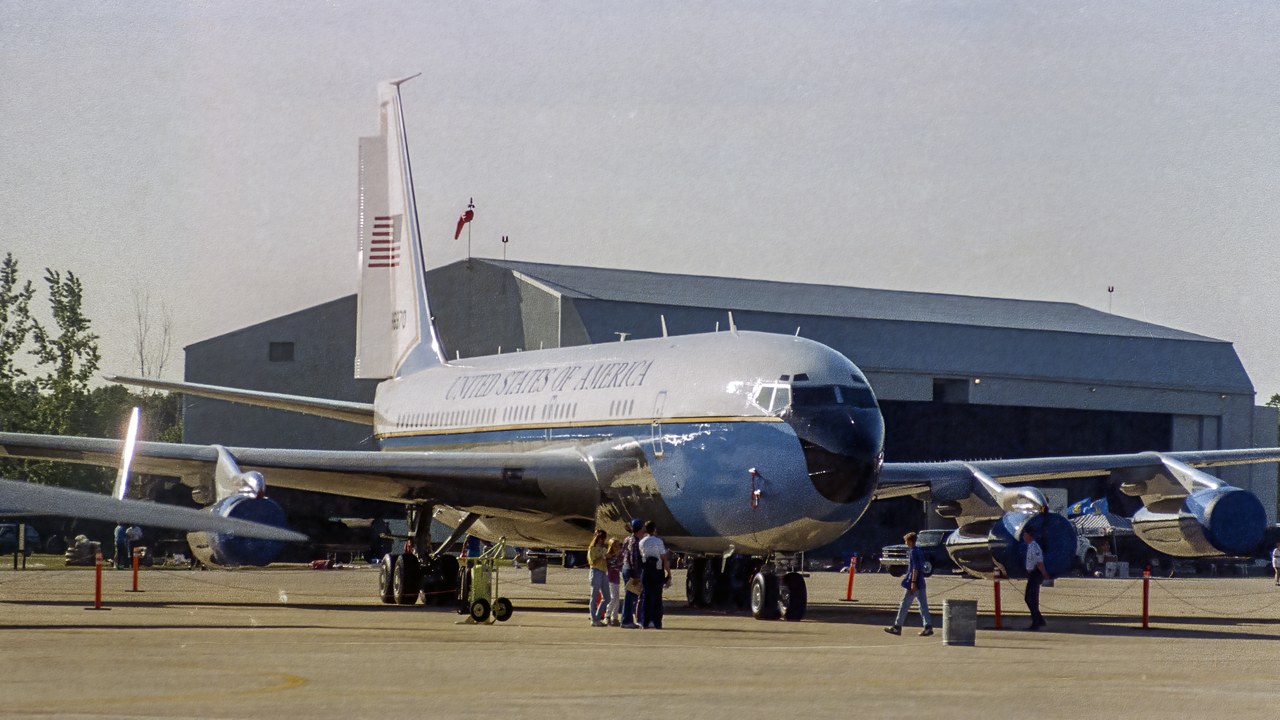
Eisenhower became the first president to fly by jet aboard SAM 970 on August 26, 1959.
The jet cut travel time and signaled a shift in how presidents could meet foreign leaders. After this point, long overseas trips became far easier to schedule than they were in the propeller era. Although the jet was a Boeing military transport, it carried much of the glamor of an airliner, and its place in the record books is secure because of that one August flight.
6. SAM 26000 (VC-137C): Oath Aboard the Jet
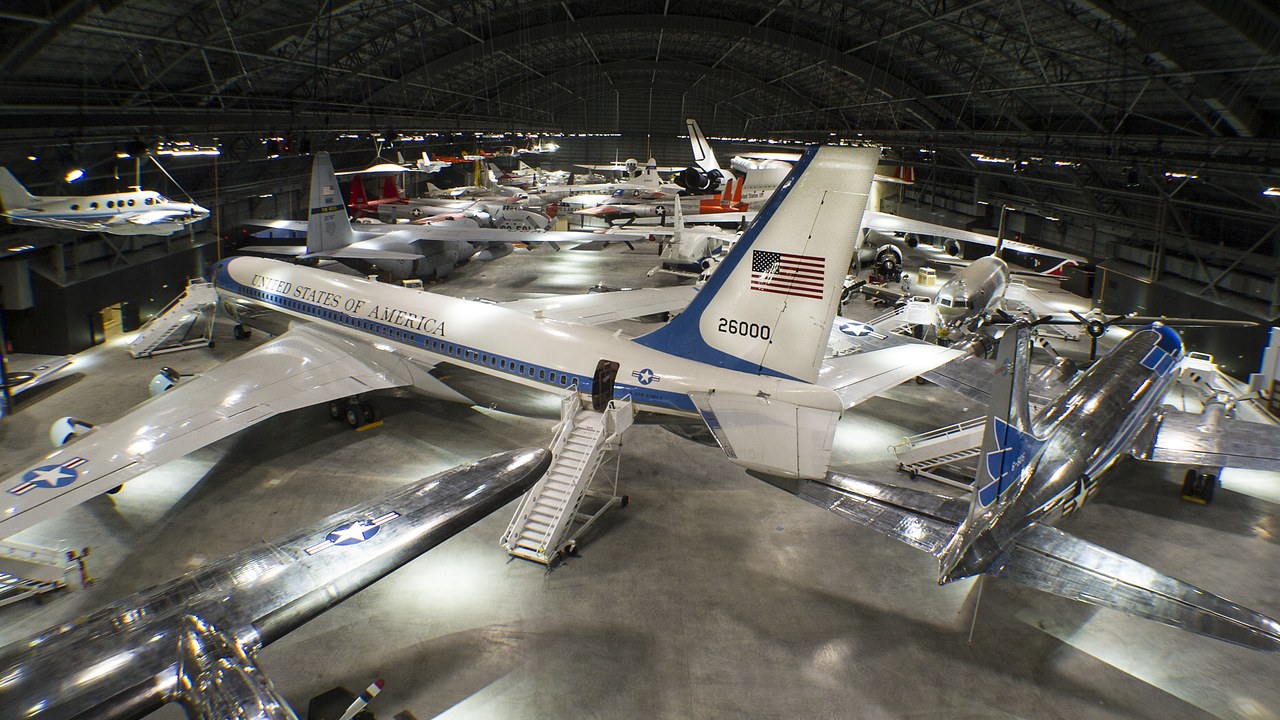
Johnson was sworn in as president aboard SAM 26000 in Dallas on November 22, 1963, during a 36-year career for the aircraft.
The ceremony took place in a cramped cabin on the ground, which is why the plane holds such a grave place in American memory. Its long service afterward carried several later presidents. That distinction means the aircraft is remembered both as a working transport and as a place where the transfer of power took place in a single, hurried ceremony.
7. Boeing VC-25A: The Modern Flagship
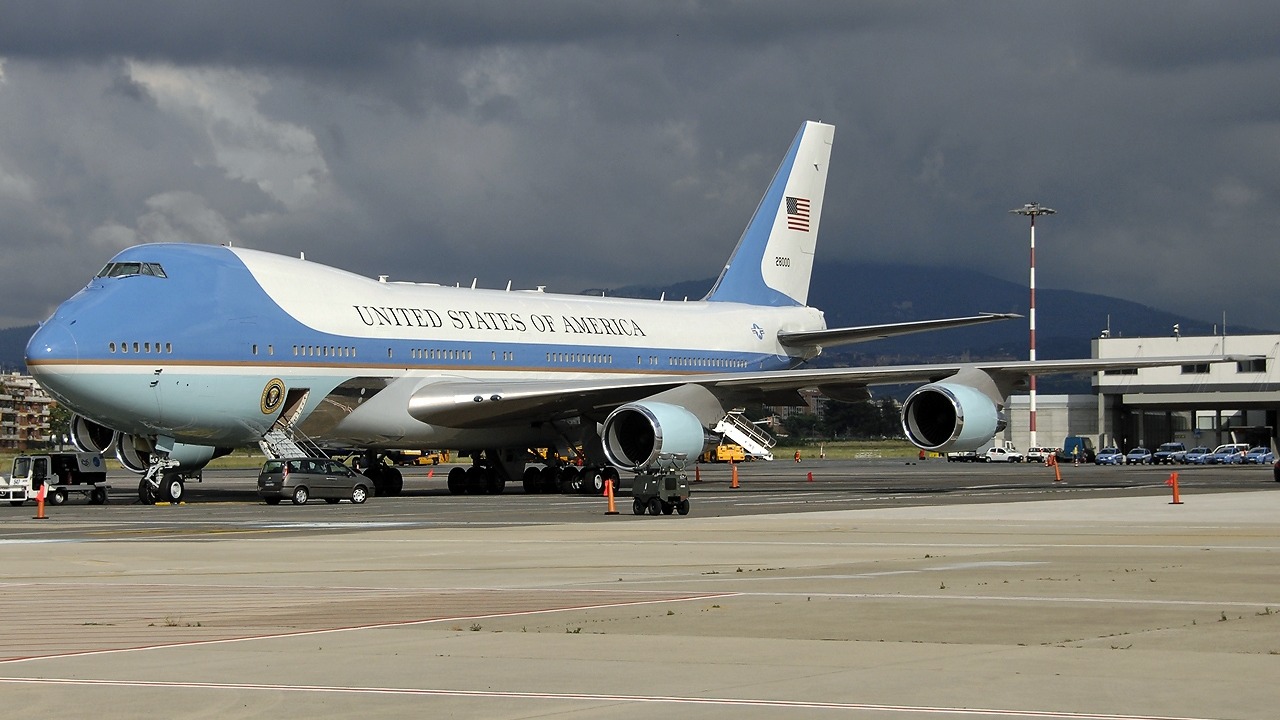
In service since 1990, a VC-25A can carry 102 guests in business-class seating.
These Boeing jumbo jets are the best-known presidential aircraft today. Their size allows staff, guests and press to travel together, turning a flight into a mobile workplace for the head of state. Passengers also benefit from workspace and secure communications equipment, making the cabin more of an office than a lounge. Two of these aircraft serve the role, and their long careers show how presidents expect continuity in their transport. The type has outlasted many administrations.
8. Bell UH-13J Sioux: The First Helicopter
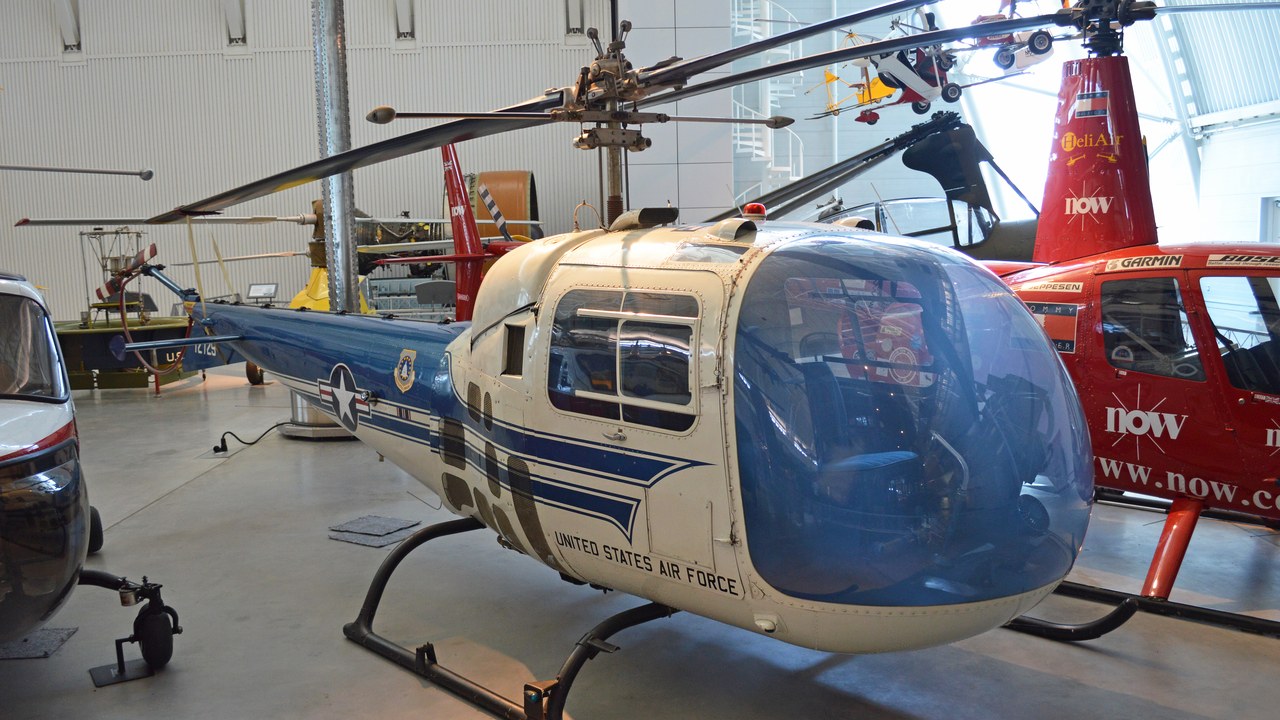
Eisenhower’s 1957 hop to his Pennsylvania home made the Bell UH-13J Sioux the first presidential helicopter.
The short flight opened a new category of presidential travel. A helicopter can land near a destination without a runway, which is still the core reason presidents use them for short trips. The brief hop also showed that rotorcraft were reliable enough for the most protected passenger in the country. That first flight was brief, but it started a tradition that has continued for generations of presidents, and later machines became larger and more capable.
9. Sikorsky H-34: No Air Conditioning Aboard
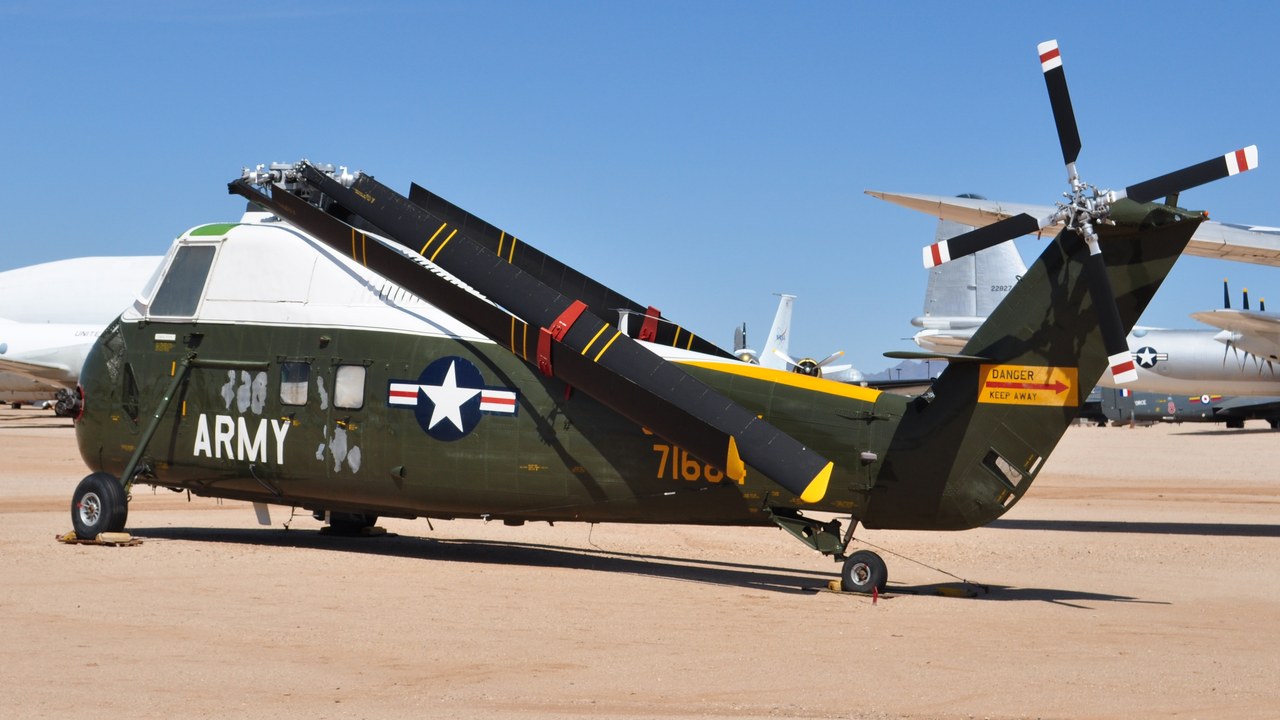
The H-34 flew presidents from 1958 to 1961 without air conditioning or an in-flight lavatory.
Early presidential helicopters were far simpler than the polished machines of later years. Passengers accepted cramped cabins and noise for the convenience of rapid short hops over crowded ground routes. Modern readers may be surprised by how basic it was, but the helicopter was still new technology then. The comparison with today’s equipment shows how far the program has moved.
10. Sikorsky VH-3D Sea King: Fleet of Eleven
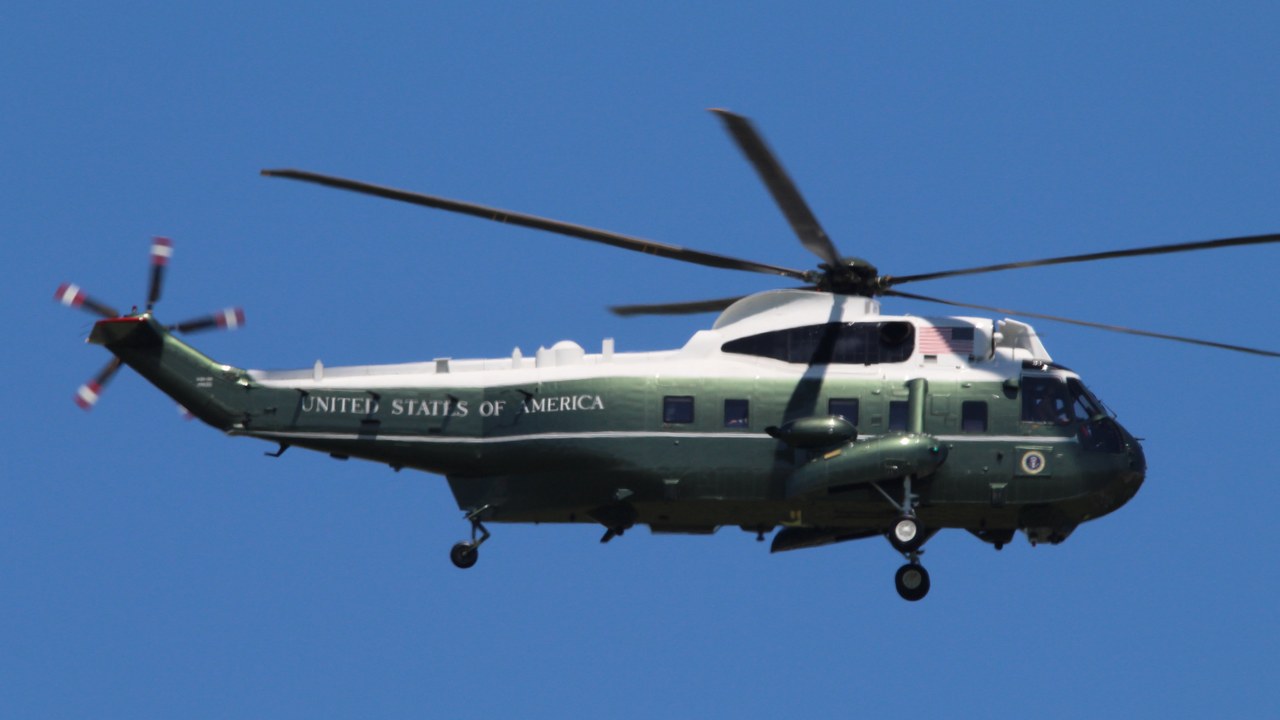
Entering service in 1978, the VH-3D numbered 11 aircraft in the presidential fleet by 2009.
A fleet of that size lets a squadron keep several helicopters ready at once, including decoys and backups. The Sea King carried the role for decades, long enough to become a familiar sight on the White House lawn. The helicopters are flown by Marine crews, which is where the Marine One name comes from, and they have been a familiar part of the presidential routine for many years.
11. Sikorsky VH-92A Patriot: Newest Marine One
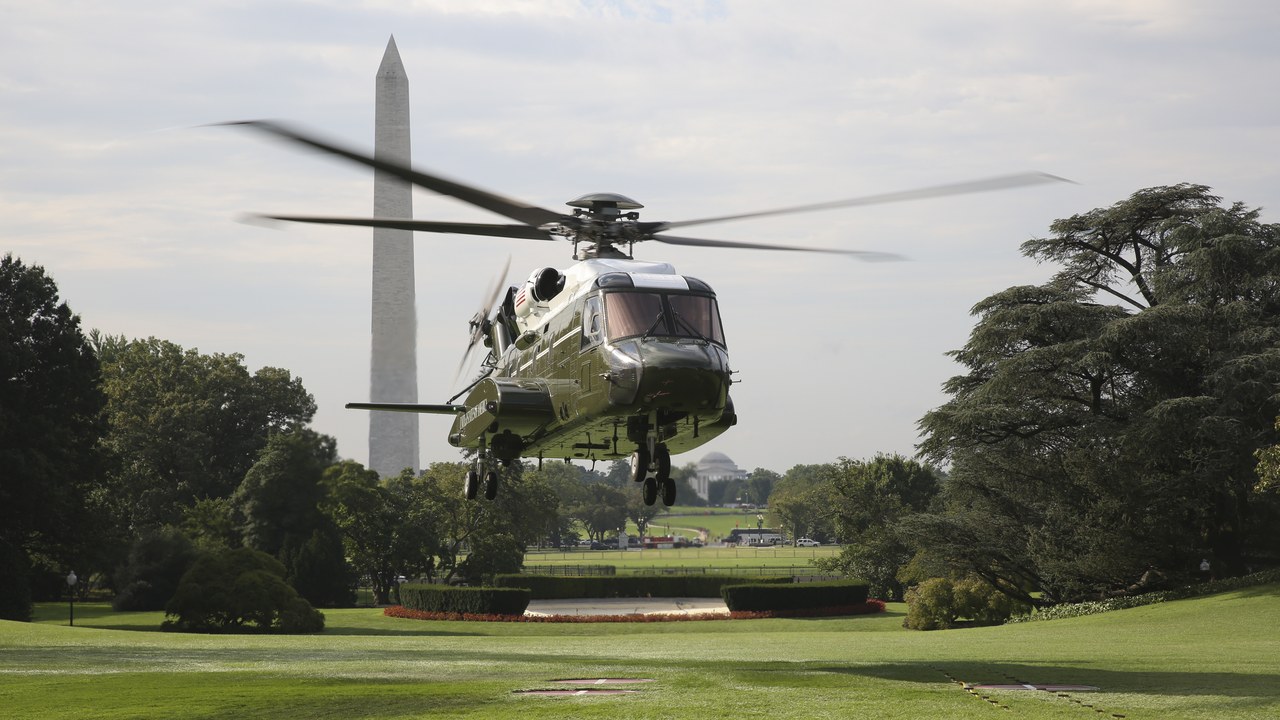
The S-92-based VH-92 made a first Marine One flight on August 19, 2024.
The Patriot is the modern successor to the older Sea King fleet. A newer helicopter brings updated systems and equipment, continuing a tradition of rotor-wing presidential transport that began with the Sioux. The helicopter is flown by Marine crews and will serve presidents for years to come, a sign of how routine rotor-wing travel has become. That makes it the youngest aircraft on this list, bringing the story from a wartime transport right up to the current day.
Help yourself and the planet: Get The Cool Down →
We may earn a commission if you sign up.
More from Morning Overview
- Tropical Storm Rachel is dumping up to 12 inches on four Mexican states on its way to major hurricane strength
- The FTC says Lens.com doubled the price shoppers saw in Google ads
- Common allergy, bladder and sleep pills tied to sharply higher dementia odds
- NOAA now gives this winter a 75% chance of the strongest El Nino since 1950
