
Plenty of famous airliners and VIP planes did not end up in scrapyards, and several can still be visited today. Museums in Seattle, Atlanta and New York keep them on view, some with cabins open to the public. Here are twelve aircraft that remain on display, many of them tourable.
Stay ahead on AI: Join 600,000+ professionals who read The Deep View, the daily newsletter that keeps you up to date with artificial intelligence.
We may earn a commission if you sign up.
1. Boeing 747 ‘City of Everett’: The First of Its Kind
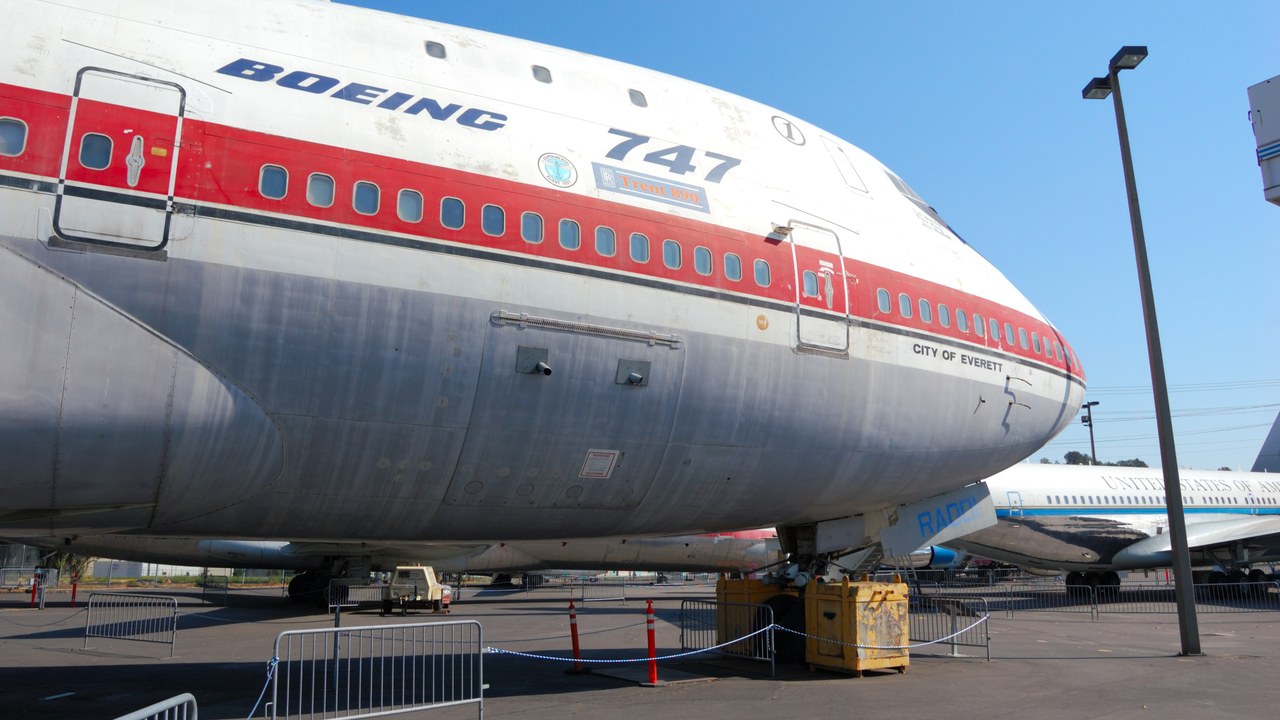
The Museum of Flight shows the first Boeing 747 beside the first 727 and 737 in the world’s only such presentation, and visitors can tour it.
Seeing the three prototypes together traces how Boeing built its jet lineup. The 747 in particular marked a turn toward very large airliners, and walking through one makes that scale easy to appreciate. The setting is a good place for plane fans because it shows airliner development in one place. Large, open interiors also make the tour useful for families and school groups.
2. Concorde: Tour the Concorde
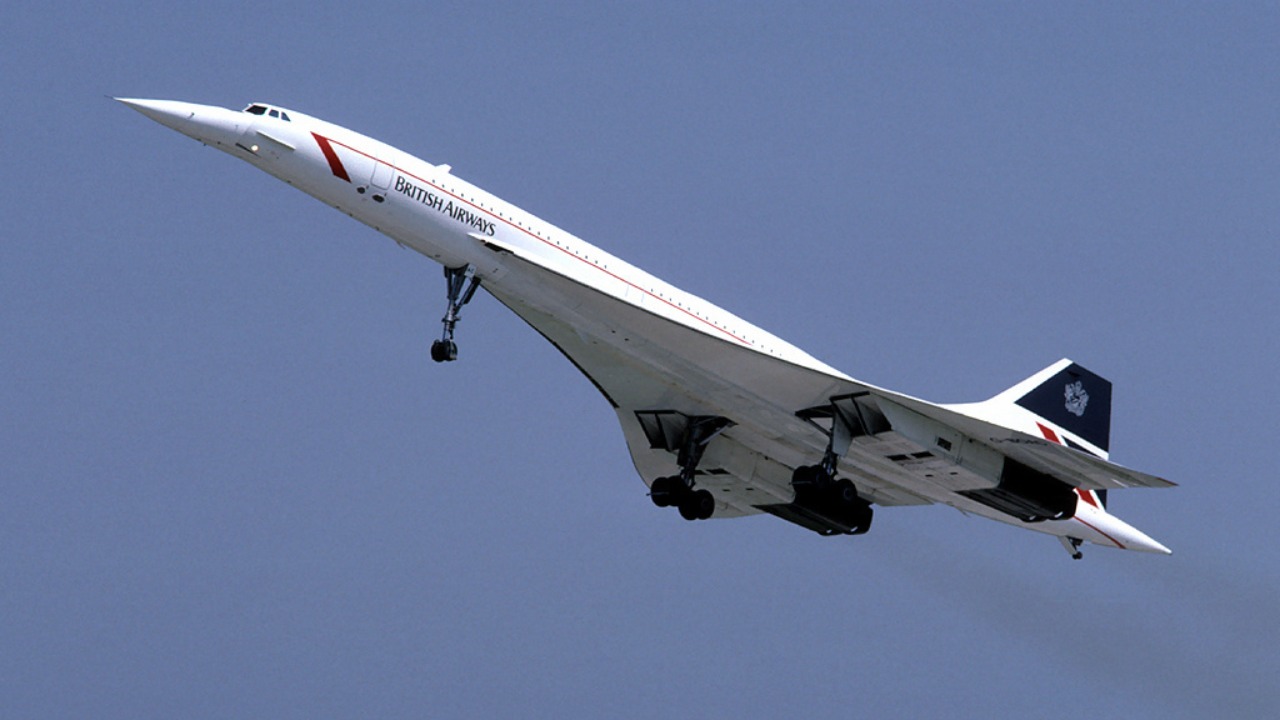
The Museum of Flight’s tourable Concorde is the only West Coast Concorde.
Supersonic airliners vanished from regular service, so any chance to step inside carries extra interest. The narrow cabin and slim shape still look unlike nearly anything flying commercially today. Its droop nose, delta wing and high cruising speed made it the most distinctive airliner of its generation. The Concorde was a technical achievement that ended its commercial career without direct successors. A look at the cabin helps visitors understand why its tickets once carried such prestige.
3. Boeing 727 prototype: Original Three-Engine Jet
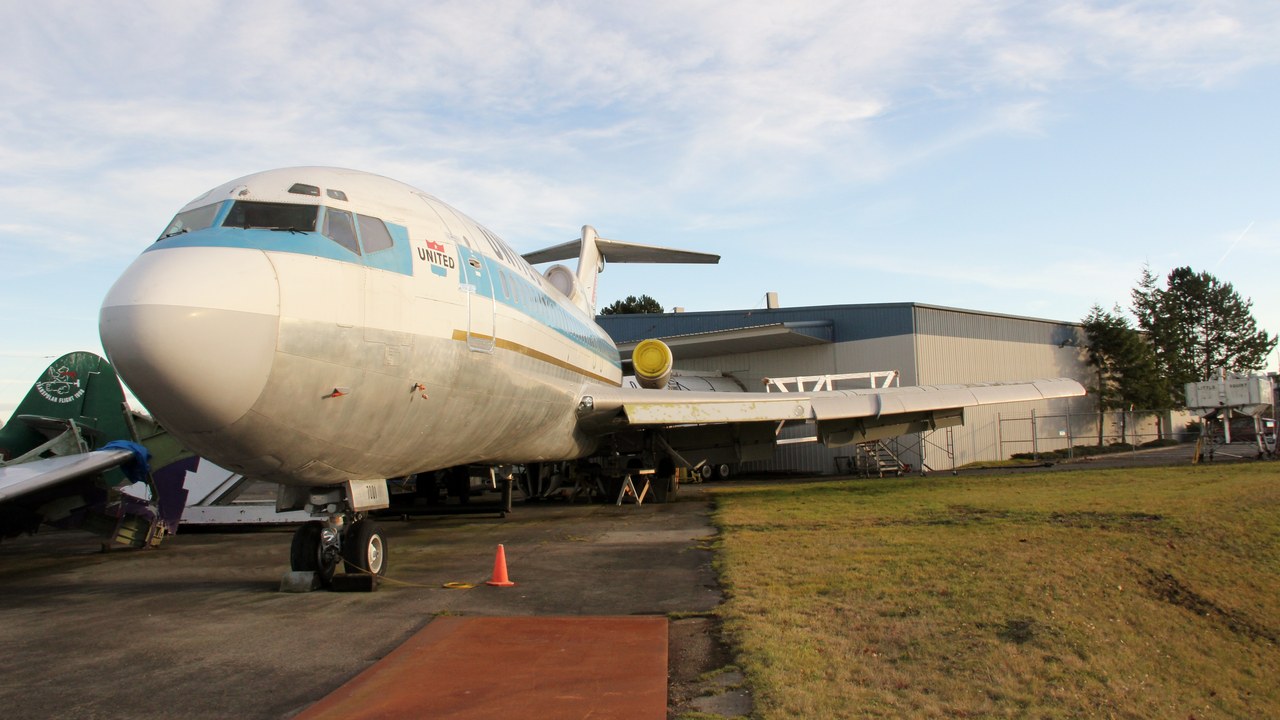
The original Boeing 727 is one of the jets visitors can tour in the 3-acre Aviation Pavilion at the Museum of Flight.
The 727 helped shorten runways and routes for airlines across the country. Boarding the prototype lets visitors compare its more compact cabin with the bigger jets nearby. Though it is old, the prototype remains a rare chance to see the design that launched a very successful airliner family. Its tour also reveals how much airline cabins have changed over the decades.
4. Boeing 787 Dreamliner: A Modern Composite Jet
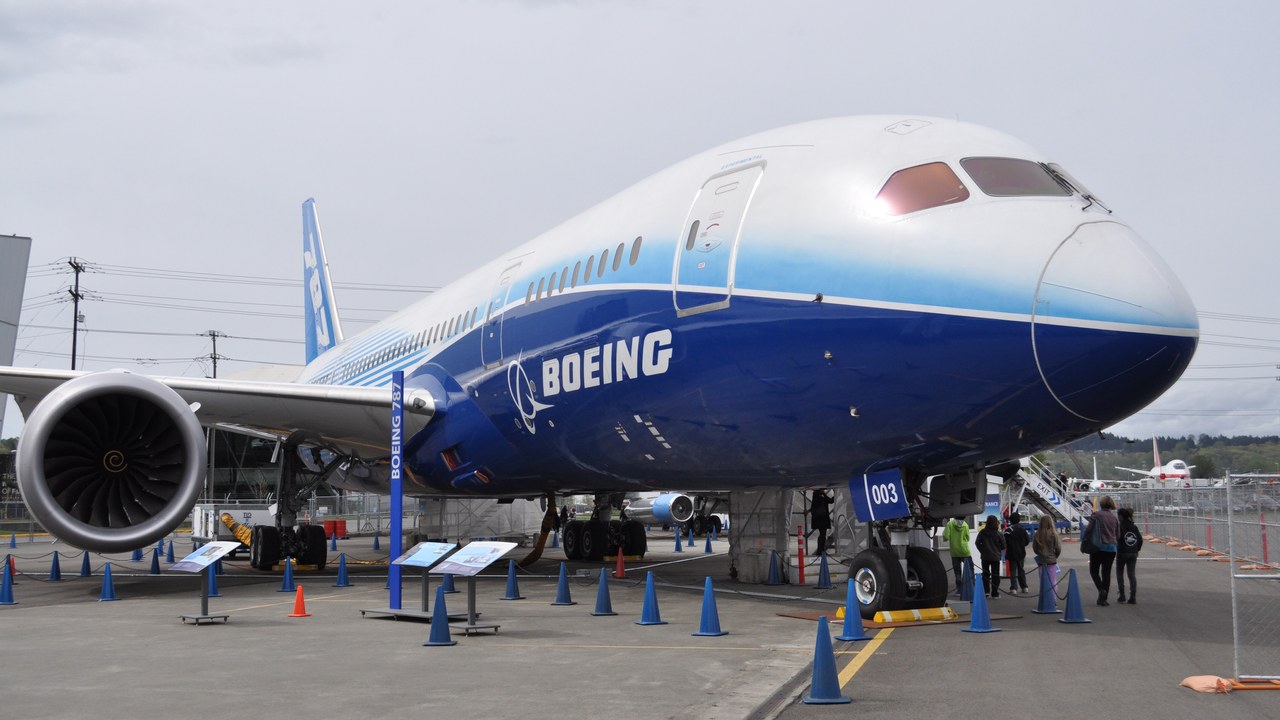
A Boeing 787 Dreamliner is open for tours in the Museum of Flight’s Aviation Pavilion.
It is the newest type among these tourable airliners, so it makes a useful contrast with the older planes around it. The comparison shows how much cabin design and materials have changed. Visitors can see composite construction and large windows firsthand, details that were selling points when the type entered service. It rounds out the museum’s view of the whole jet age.
5. Boeing 707 SAM 970: A Passenger List Like No Other
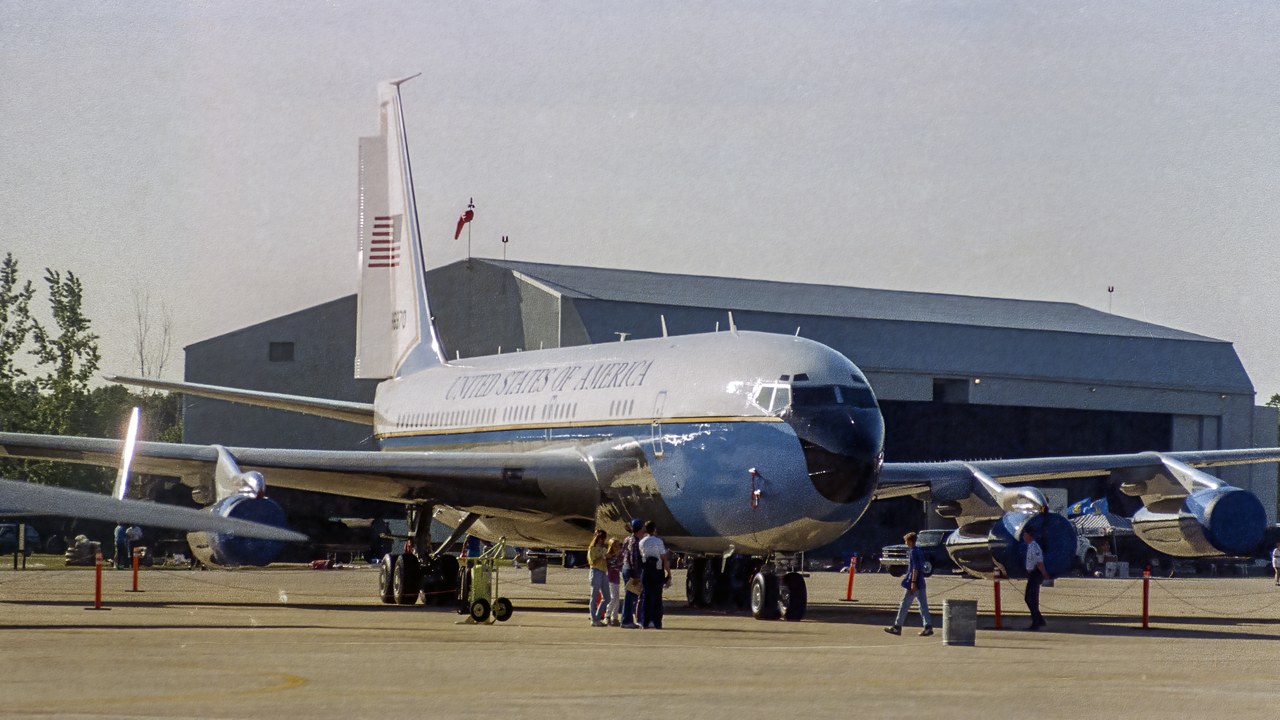
The first presidential jet, on loan to Seattle’s Museum of Flight, flew Eisenhower, Kennedy, Johnson, Nixon and Khrushchev.
Few aircraft have carried such a varied set of world figures. It links Cold War diplomacy to a plane any visitor can see, and shows how the jet age reshaped meetings between leaders. Because the plane now rests on loan rather than in a government museum, the public can see it without special access. The cabin offers a rare, tangible link to leaders of the period.
6. Boeing 747-400 Ship 6301: Millions of Miles
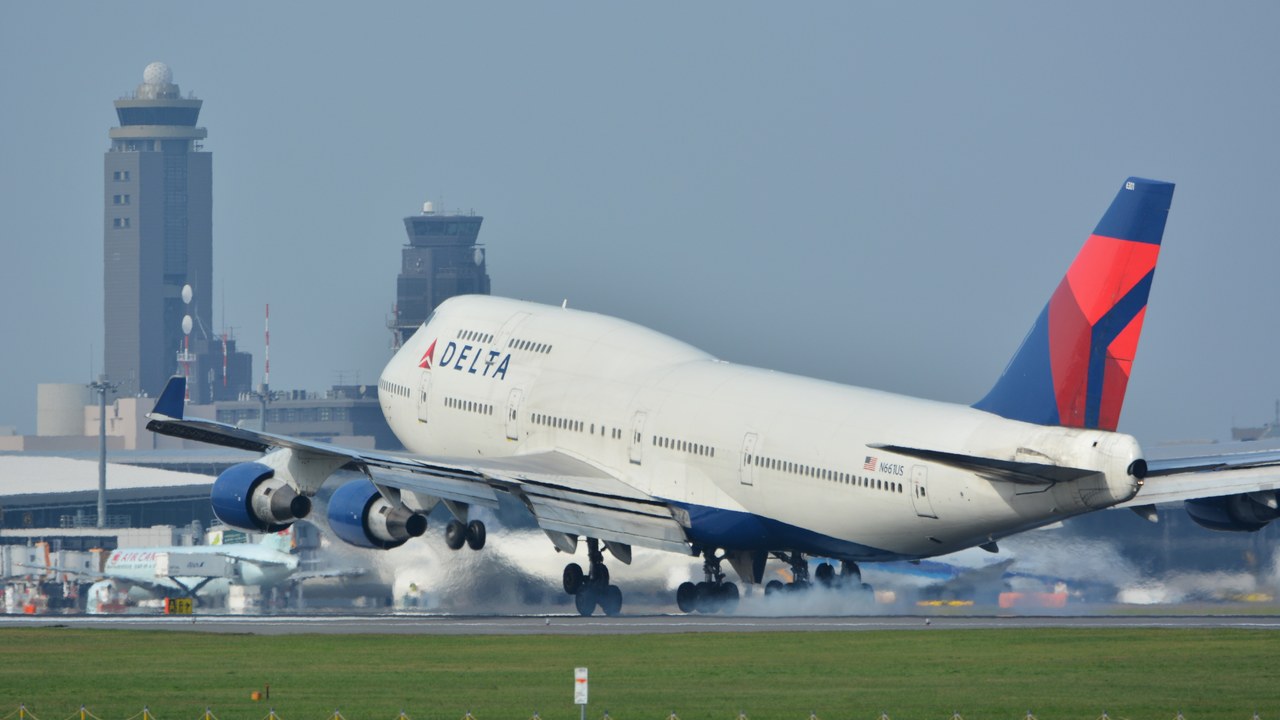
Delta’s museum lets visitors walk through the first 747-400 built, which flew over 61 million miles before retiring in 2015.
That mileage reflects steady long-haul work across many years. Standing inside it gives a sense of how much real airline service a single aircraft can accumulate before it is finally parked. The jumbo jet design endured because of its range and capacity, and the 747-400 was one of its final and most refined versions. Delta’s choice to preserve the first one makes the visit special.
7. Boeing 767 ‘The Spirit of Delta’: Cockpit and Galley Intact
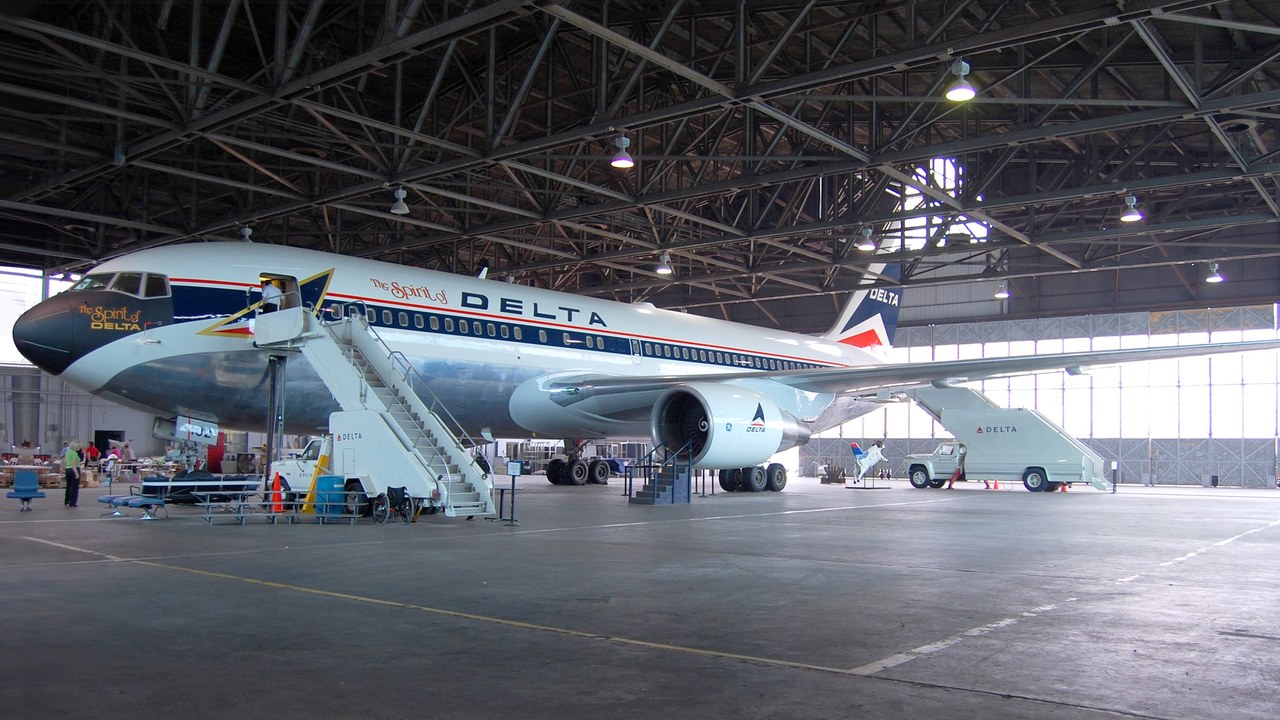
Delta’s first 767-200 arrived at its Atlanta museum on March 3, 2006, with cockpit, galley and first class intact.
Keeping the interior whole turns the jet into a time capsule of air travel for its period. Visitors can see how crews and passengers actually experienced a widebody flight. Delta’s collection treats its jets as part of the company story. A visit to the 767 shows what a widebody trip looked like when Delta began flying the type to far-flung destinations.
8. Douglas DC-3 Ship 41: Delta’s Debut Airliner
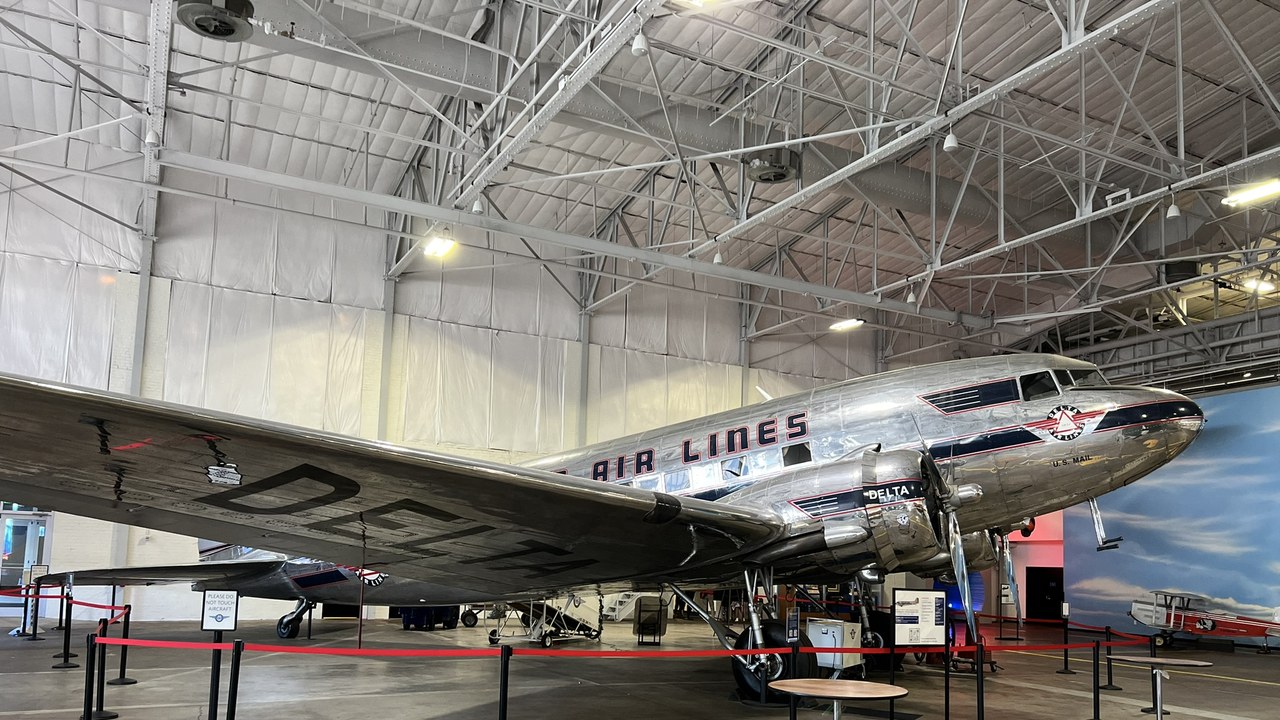
Delta’s museum keeps Ship 41, the first DC-3 to carry Delta passengers, delivered January 4, 1941.
The DC-3 is widely credited with making airline travel practical. Having the airline’s own first example preserved ties a famous aircraft type to a specific company story. The preserved plane also shows how modest early airline travel was compared with today, and it makes a neat starting point for a visit that moves forward through the later jets.
9. McDonnell Douglas DC-9: Oldest in the Fleet
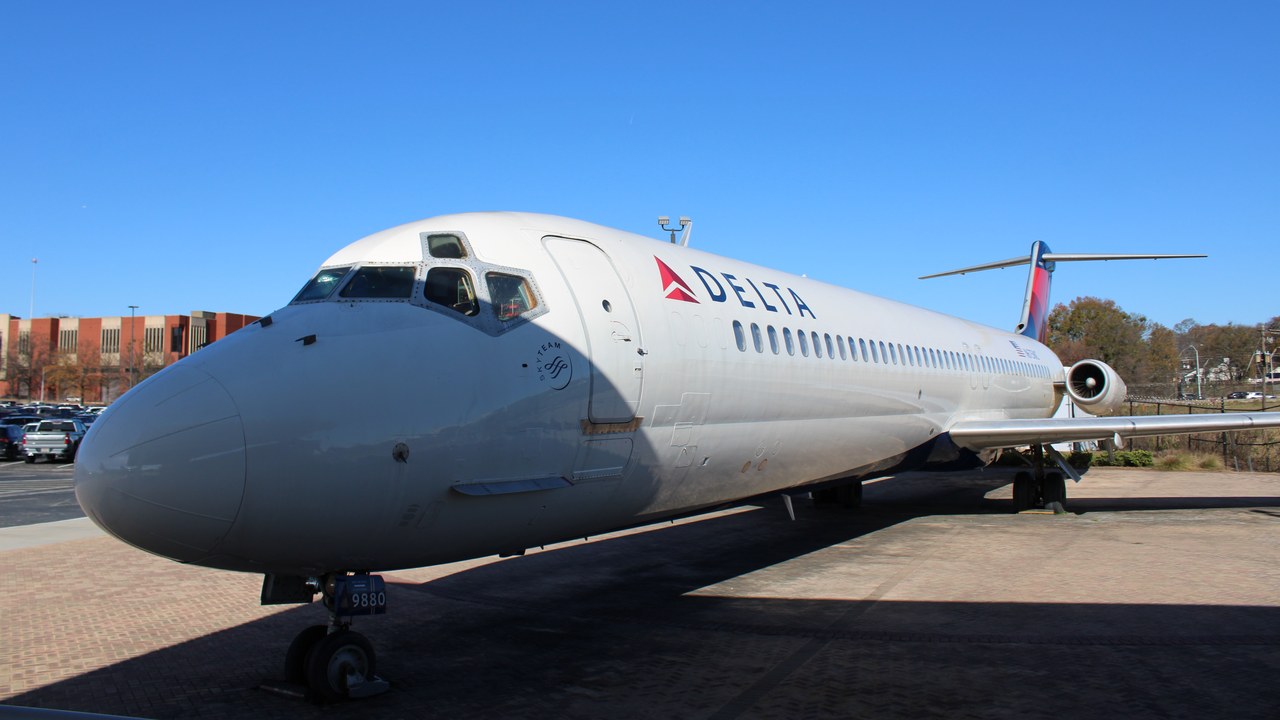
Delta’s DC-9-50 on display was built in 1975 and was the fleet’s oldest aircraft when it retired in 2013.
A working life that long says a lot about the type’s durability. The DC-9 filled short and medium routes for decades, and this example shows how long a well-maintained airliner can last. Its retirement also marked the end of an era for an airline that flew a large share of the type, and the cabin on display offers a throwback to that long chapter.
10. Lockheed Constellation ‘Connie’: A Cocktail Lounge on Wings
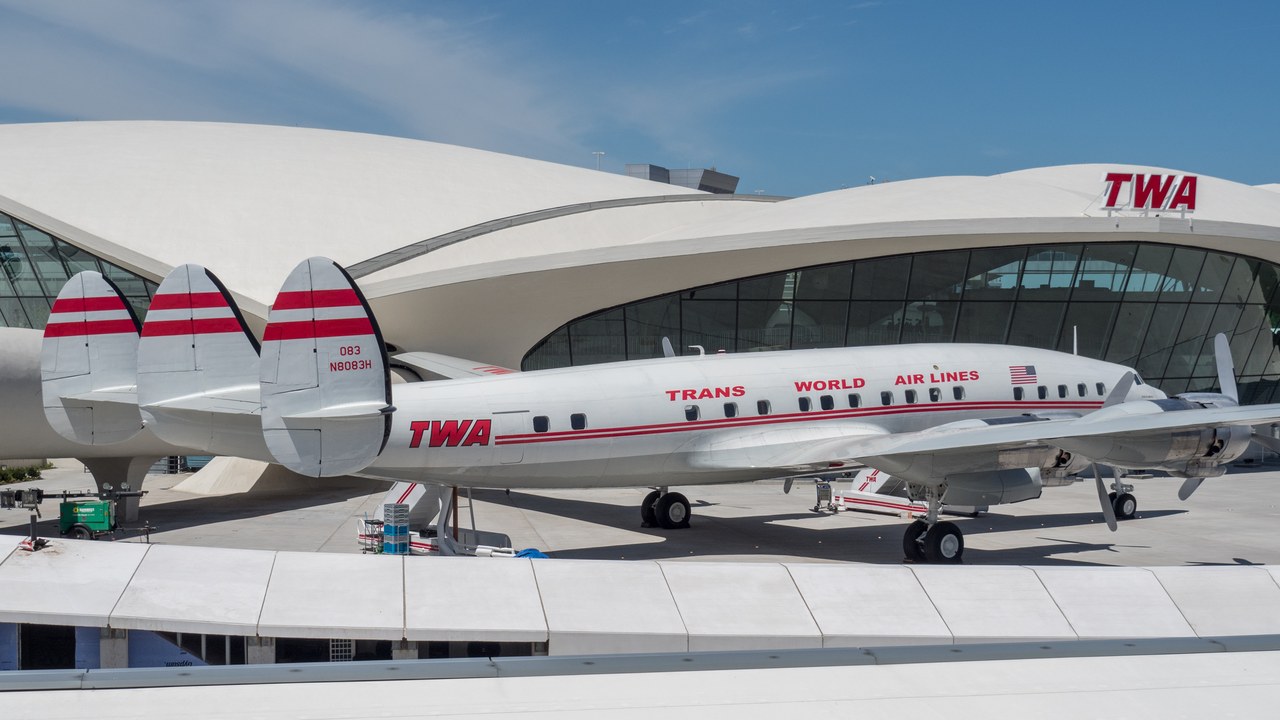
A fully restored 1958 L-1649A Connie with 150-foot wings became a cocktail lounge at JFK’s TWA Hotel in 2019.
Reuse like this keeps an elegant propeller airliner in public view without a traditional museum setting. The triple tail and curved body remain some of the most recognizable shapes in airline history. The conversion gave the plane a second career, and visitors can sit inside and enjoy a drink where passengers once crossed the country. It makes the aircraft easier to appreciate than a roped-off exhibit.
11. Douglas VC-118 Independence: Truman’s Plane on Display
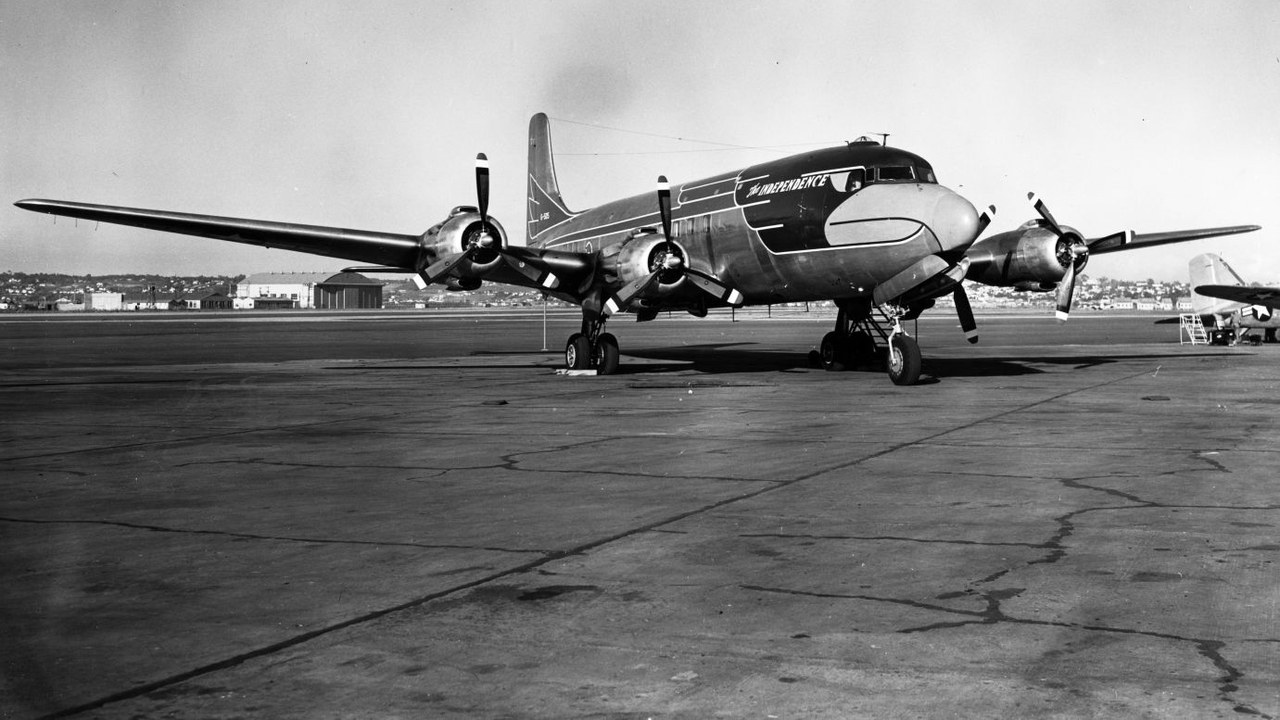
Truman’s DC-6-based presidential plane has been on the Air Force museum since 1965.
The aircraft is also featured in the presidential fleet history, so it appears in both stories. It gives visitors a way to see how a postwar leader traveled. Having it in a national museum places it alongside other well-known aircraft, which helps visitors compare the quality of different eras. It remains accessible to the public free of the usual airport limits.
12. Lockheed VC-121E Columbine III: Ike’s Super Constellation
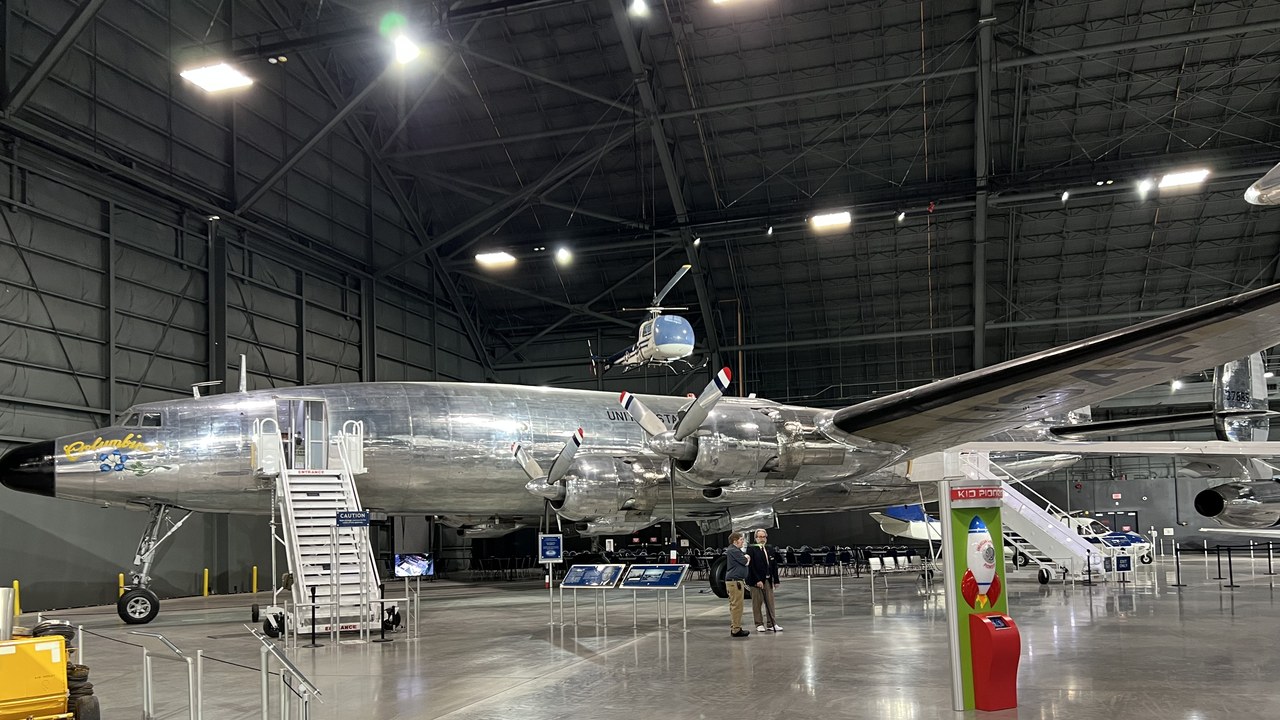
Eisenhower’s Super Constellation was flown to the Air Force museum for permanent display after retiring in April 1966.
The plane’s last flight ended with preservation rather than scrap, so a piece of presidential history stayed intact. The triple-tail Constellation remains a favorite of aviation fans. The decision to retire it in one piece gave aviation fans another reason to visit the museum, and the aircraft still stands as a reminder of the propeller era’s last, grandest airliners.
Stay ahead on AI: Subscribe to The Deep View →
We may earn a commission if you sign up.
More from Morning Overview
