
Every modern car inherits protections that once seemed radical, expensive, or unnecessary to the automakers of earlier decades. The seatbelts, crumple zones, airbags, and anti-lock brakes taken for granted today each debuted on a specific model whose engineers pushed the industry forward. What follows traces nine cars that introduced ideas the whole automotive world eventually adopted.
1. Volvo PV544: The Belt Heard Everywhere
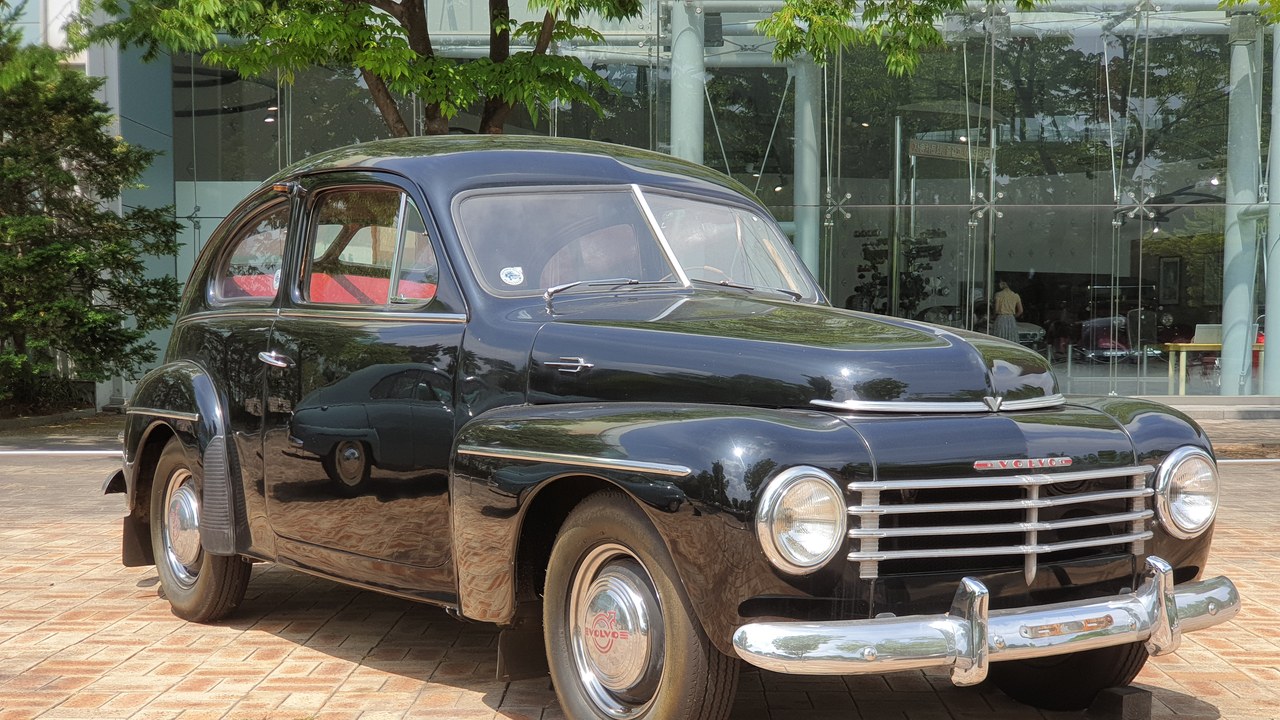
Volvo made the compact Volvo PV544 sedan the first car to offer a modern three-point seatbelt as standard equipment, fitting the now-familiar diagonal-and-lap restraint designed by engineer Nils Bohlin. Rather than guard the design, the company released the patent so rival manufacturers could copy it freely, a decision that spread the technology across the entire industry within years. The humble Swedish sedan effectively established the restraint layout that anchors passengers in every vehicle sold today.
That single choice reshaped survival odds on the road more than almost any feature that followed. Regulators later mandated three-point belts nearly everywhere, but the groundwork traces straight back to this unassuming model and its maker’s willingness to give the idea away.
2. Mercedes-Benz S-Class (W116): Brakes That Refused To Lock

The W116 generation of the Mercedes-Benz S-Class earned its place in history by introducing a production anti-lock braking system, developed jointly with Bosch and offered on the flagship sedan during the late 1970s. The electronically controlled setup kept wheels from seizing during hard stops, letting a driver steer while braking on slick pavement. That combination of shorter, more controllable stops proved so valuable that anti-lock hardware became a near-universal fixture across cars and trucks in the decades afterward.
What began as a costly luxury option is now baseline equipment demanded by safety regulators in much of the world. The technology’s debut on this Mercedes flagship marked the moment braking stopped being purely mechanical and started thinking for itself.
3. Tucker 48: Ahead Of Its Short Life
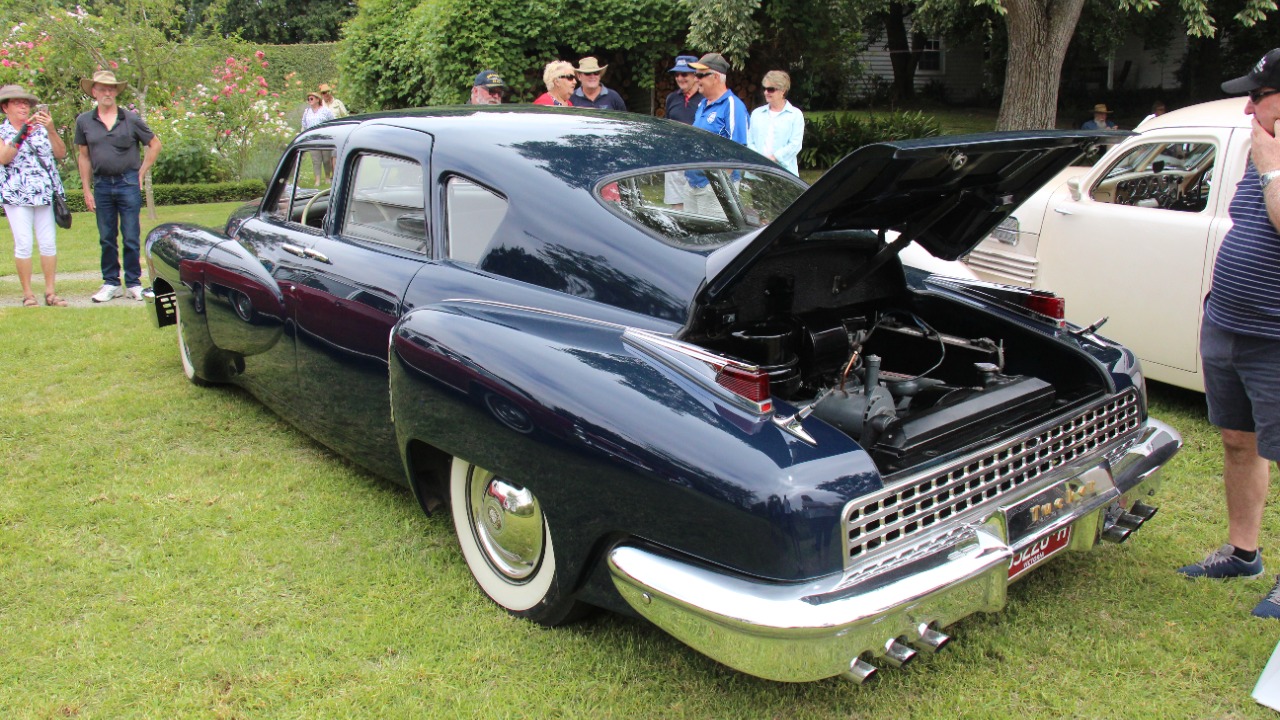
Preston Tucker packed the short-lived Tucker 48 sedan with safety thinking far ahead of its 1940s peers, including a pop-out windshield meant to break away and reduce injuries during a crash. The sedan also featured a padded dashboard and a central directional headlight that turned with the wheels, ideas that mainstream manufacturers largely ignored at the time. Fewer than sixty cars were built before the company collapsed, yet the design signaled where automotive protection was heading.
Many of those concepts resurfaced decades later as standard safety practice, from energy-absorbing interiors to adaptive lighting. The doomed venture is often remembered for its business troubles, but its engineering foreshadowed features drivers would eventually consider ordinary.
4. Saab 99: Built To Take A Hit
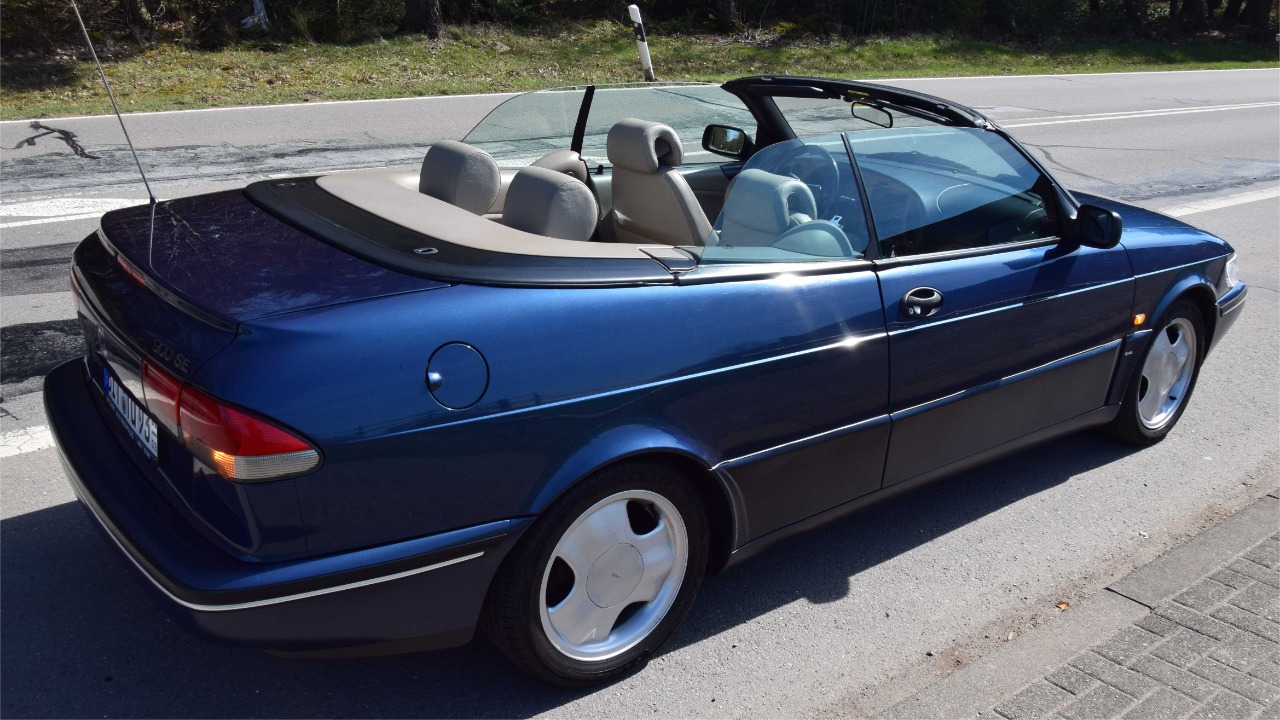
Saab treated occupant protection as a core priority with the compact Saab 99, an early adopter of reinforced side-impact protection and integrated headrests intended to limit whiplash. The Swedish company drew on aircraft engineering roots, building a structure meant to hold together and shield people when struck from the side or rear. Combined with a sturdy passenger cell, these measures made the compact a benchmark for crash resilience before such thinking became routine.
Side-impact beams and standard head restraints are legally required on modern cars, but they were unusual selling points when this model arrived. The 99 helped normalize the idea that a car’s cabin should behave like a protective shell rather than a decorative shape.
5. Volvo 240: A Yardstick For Crash Tests
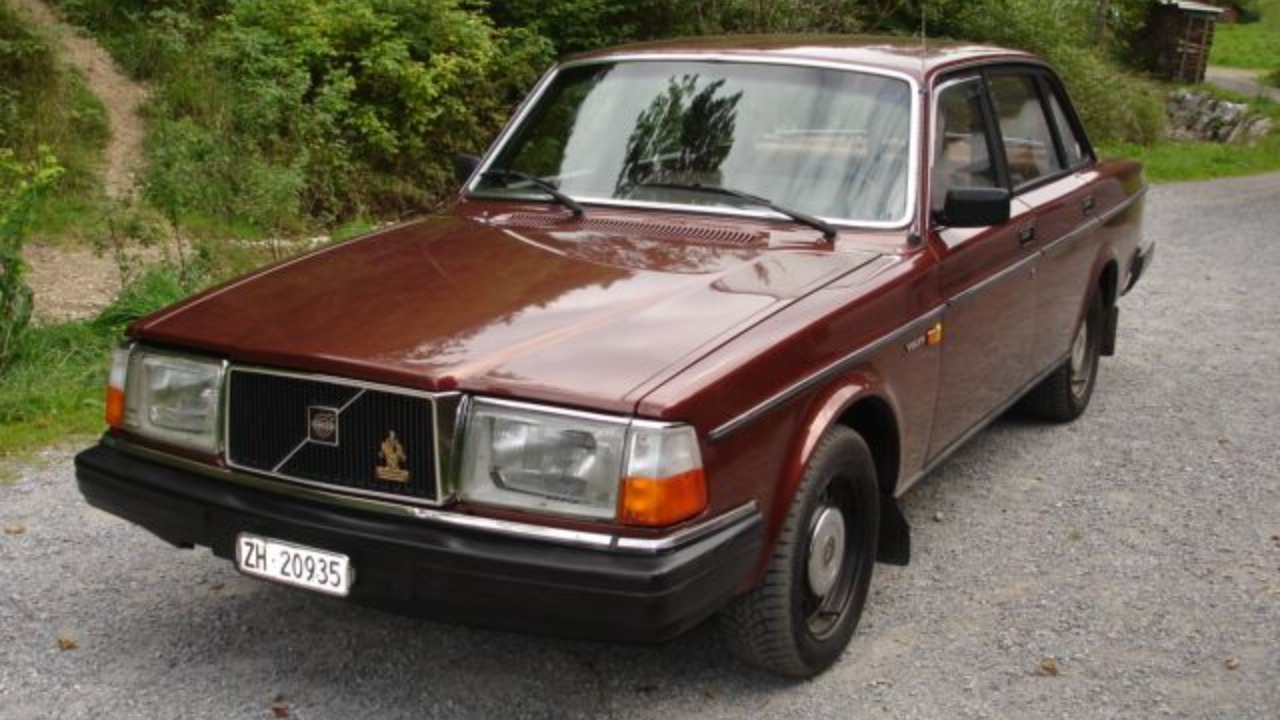
The boxy Volvo 240 sedan became such a respected performer in collision testing that American regulators reportedly used it as a crash-test benchmark when shaping vehicle safety standards. Its predictable crumple structure, strong passenger compartment, and generous safety equipment made the sedan a reference point for what a protective car could achieve. Owners prized the model for durability, but engineers and officials valued how consistently it protected the people inside.
By setting a measurable bar, the 240 nudged the broader industry toward tougher expectations for occupant survival. Its reputation for ruggedness outlived its production run, and the design principles it demonstrated echo through the crash ratings buyers consult today.
6. Volvo Amazon: First With The Front Belts

The stylish Volvo Amazon holds a notable distinction as among the first cars offered with standard front three-point belts, carrying Nils Bohlin’s restraint into a mass-market model early in the belt’s rollout. Fitting the diagonal harness to a family sedan helped demonstrate that the safety device belonged in ordinary driving, not just experimental prototypes. The move reinforced the manufacturer’s growing identity as a company that treated protection as a defining trait.
Placing the three-point belt in everyday cars accelerated public acceptance of a device many drivers initially resisted. The Amazon’s role illustrates how a single carmaker’s persistence turned a novel restraint into an expected fixture behind every steering wheel.
7. Mercedes-Benz S-Class (W126): The Bag That Went Mainstream
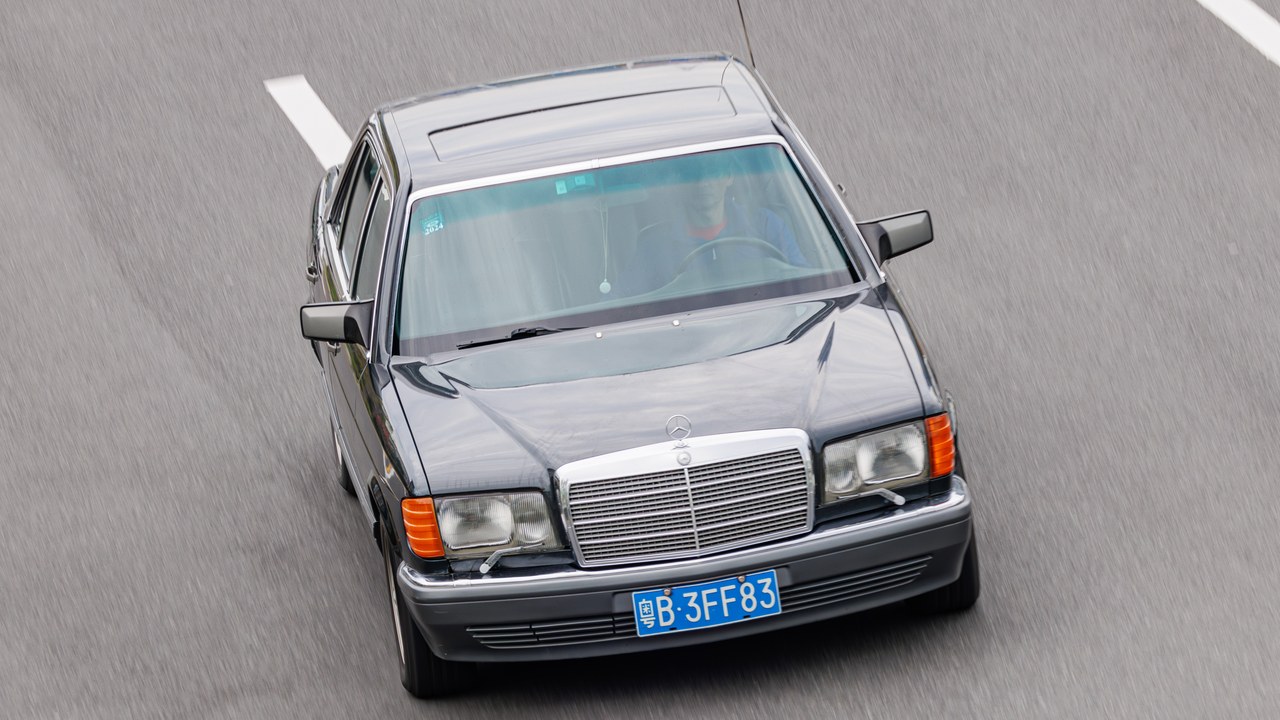
With the W126 S-Class, Mercedes-Benz brought the driver’s airbag to genuine mass production, pairing the inflatable cushion with a seatbelt tensioner as an integrated restraint system during the 1980s. Earlier airbag experiments had struggled with reliability and cost, but this flagship demonstrated that the technology could work dependably in a car sold in large numbers. Offering it on the marque’s most prominent model gave the feature credibility and visibility.
Once buyers saw airbags functioning in a respected luxury sedan, demand and regulation followed, pushing the cushions into cars of every price. The W126 stands as a turning point when the airbag shifted from risky novelty to expected protection.
8. Oldsmobile Toronado: General Motors Tries The Airbag
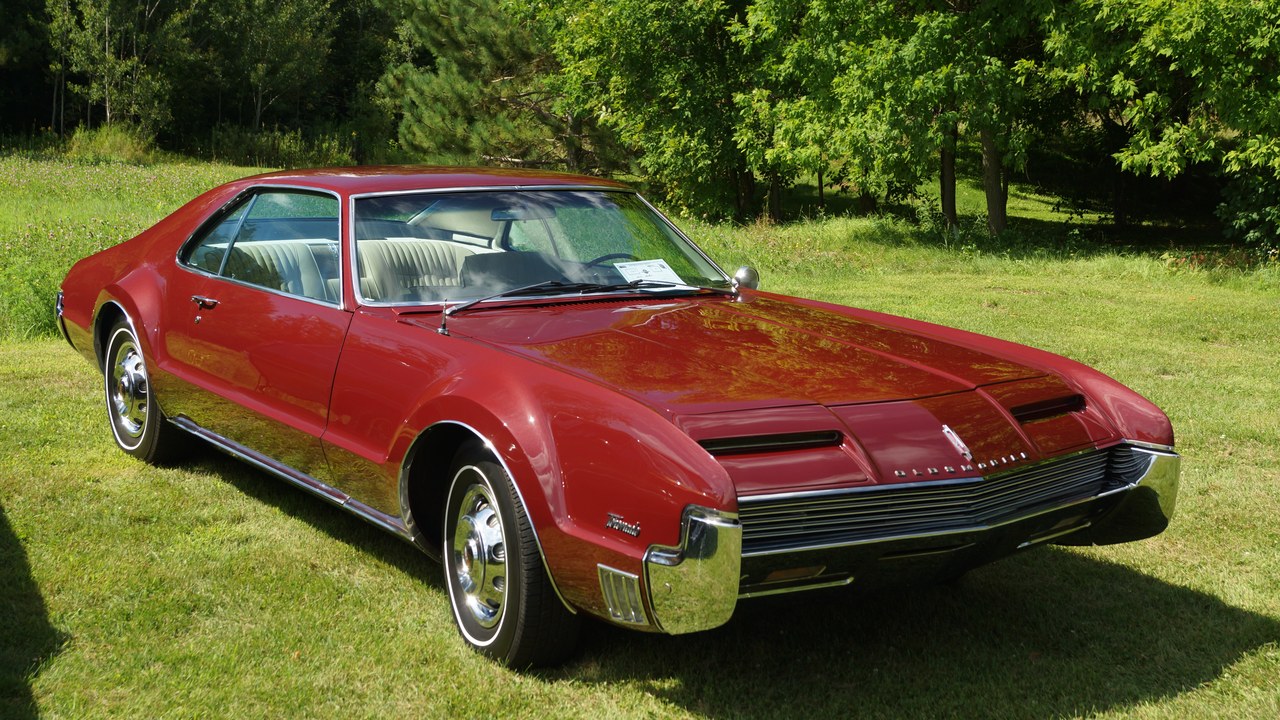
General Motors used the Oldsmobile Toronado as one of the cars in an early airbag pilot program, part of a mid-1970s effort to test the inflatable restraint on real customers before the technology was widely trusted. The optional system, marketed under the Air Cushion Restraint name, deployed in front collisions to cushion occupants beyond what belts alone could offer. Relatively few buyers chose the pricey option at the time.
The experiment gathered valuable real-world data even though the feature was later discontinued amid low demand and high cost. Those early trials helped prove airbags could function outside a laboratory, laying groundwork for the standard front airbags every new car now carries.
9. Cadillac Fleetwood: Luxury Leads The Cushion Charge
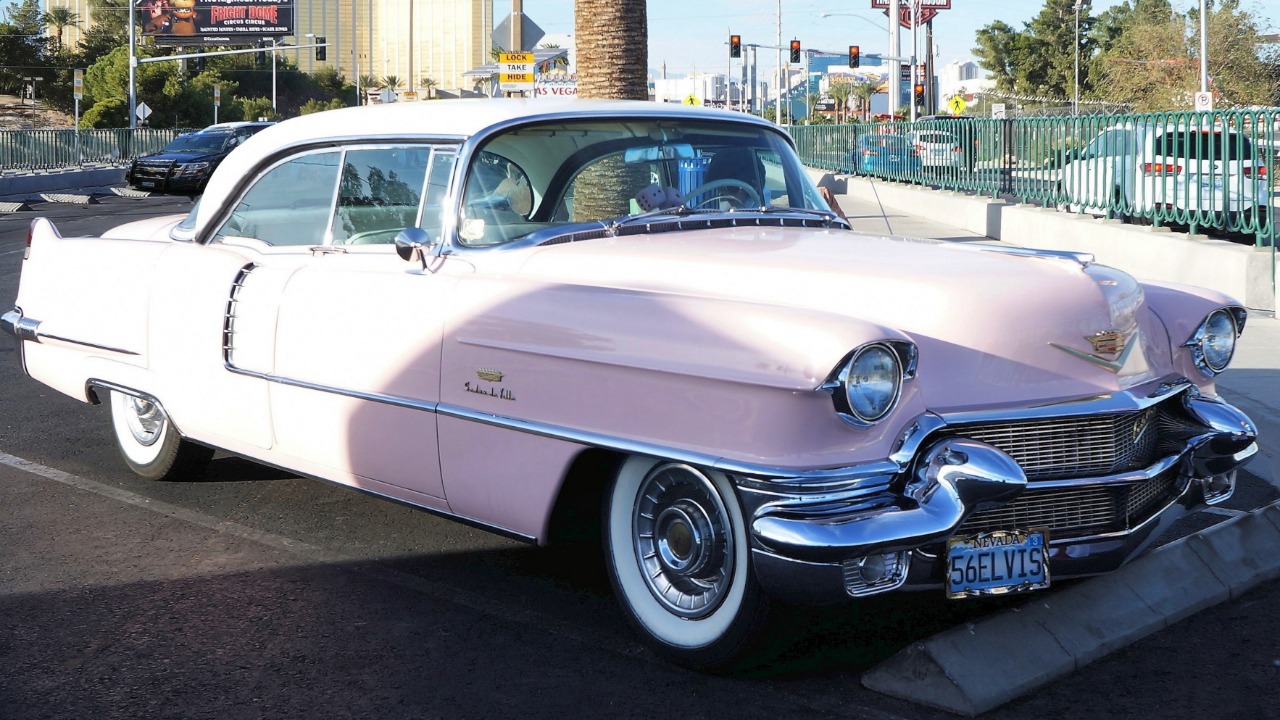
The Cadillac Fleetwood was among the General Motors luxury models that carried the company’s first optional airbags during the 1970s, offering the Air Cushion Restraint System to well-heeled buyers willing to pay for cutting-edge protection. Positioning the technology on a premium nameplate matched a common industry pattern, where expensive flagships absorbed the cost of unproven features first. The Fleetwood’s participation helped keep airbag development alive during years of uncertainty.
Placing early airbags in a flagship gave engineers a platform to refine the systems that eventually reached affordable cars. The luxury sedan’s brief experiment reflects how features once reserved for the wealthy often become universal safety equipment a generation later.
More from Morning Overview
