
Crash-test agencies occasionally fail a car so badly that it earns zero stars rather than a low but passing grade, a rating reserved for buckling structures, missing airbags and safety systems that simply did not work. Two of the cars on this list were electric, showing that a modern drivetrain is no guarantee of basic occupant protection. Here are nine cars that crashed out with a zero-star rating.
1. Renault Duster (Latin America, 2021): Zero Stars, Multiple Failures
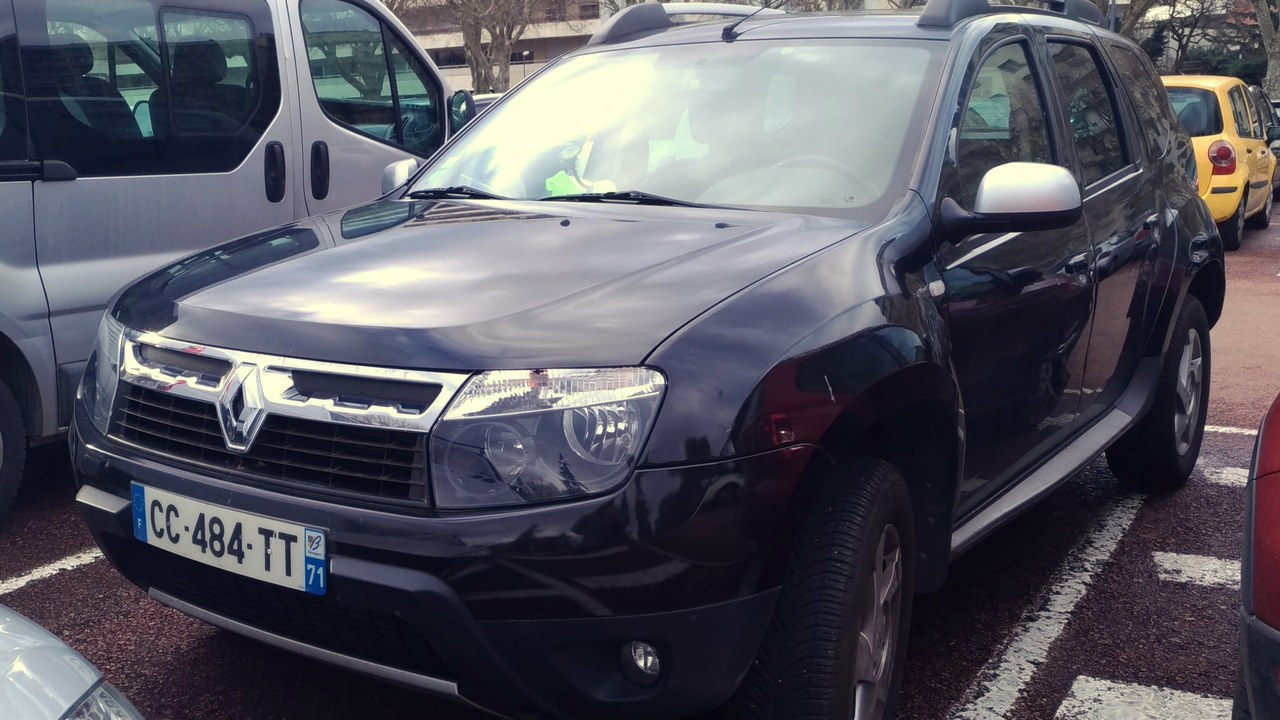
Latin NCAP gave the Latin American-market Renault Duster zero stars in 2021 after testers recorded an unstable structure, a fuel leak during the frontal impact and a door that popped open during the side impact. Any one of those failures alone would have been a serious mark against the car; together they described a structure that did not hold up under a basic crash test.
A fuel leak after a frontal collision adds a fire risk to the crash itself, while a door that opens in a side hit can eject an occupant who would otherwise stay inside the cabin. The result showed how differently the same nameplate can be engineered depending on which market it serves.
2. Suzuki Swift (Latin America, 2021): No Airbags, No Stability Control
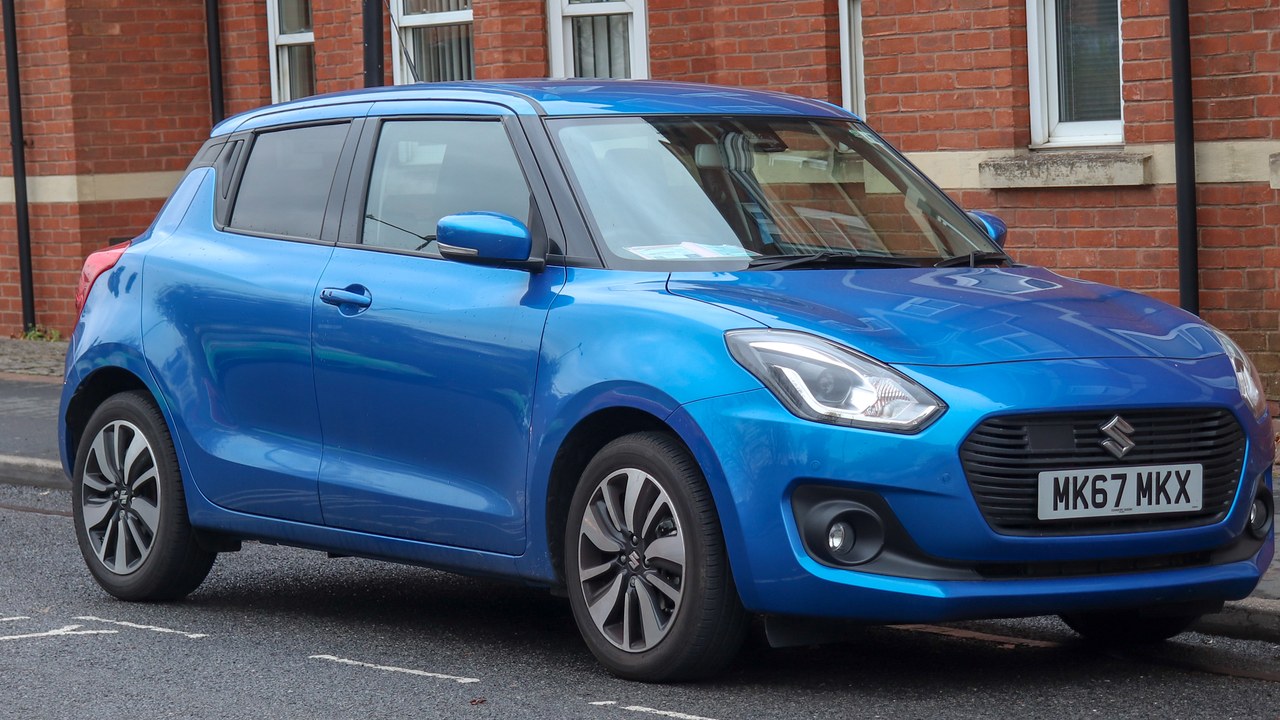
The Latin American-market Suzuki Swift scored zero stars from Latin NCAP in 2021, including a 0% rating for child-occupant protection, with no side head airbags or electronic stability control offered as standard equipment. Leaving out stability control alone put the Swift behind safety features that had already become routine on comparable cars in other markets.
A 0% child-occupant score means the test found essentially nothing protecting younger passengers in the positions tested, a result usually driven by missing restraints or side-impact protection rather than any single flaw. Buyers cross-shopping the same Swift nameplate sold elsewhere would have found a very different level of standard safety equipment.
3. JAC E10X / Sehol E10X: First Zero-Star Electric Car
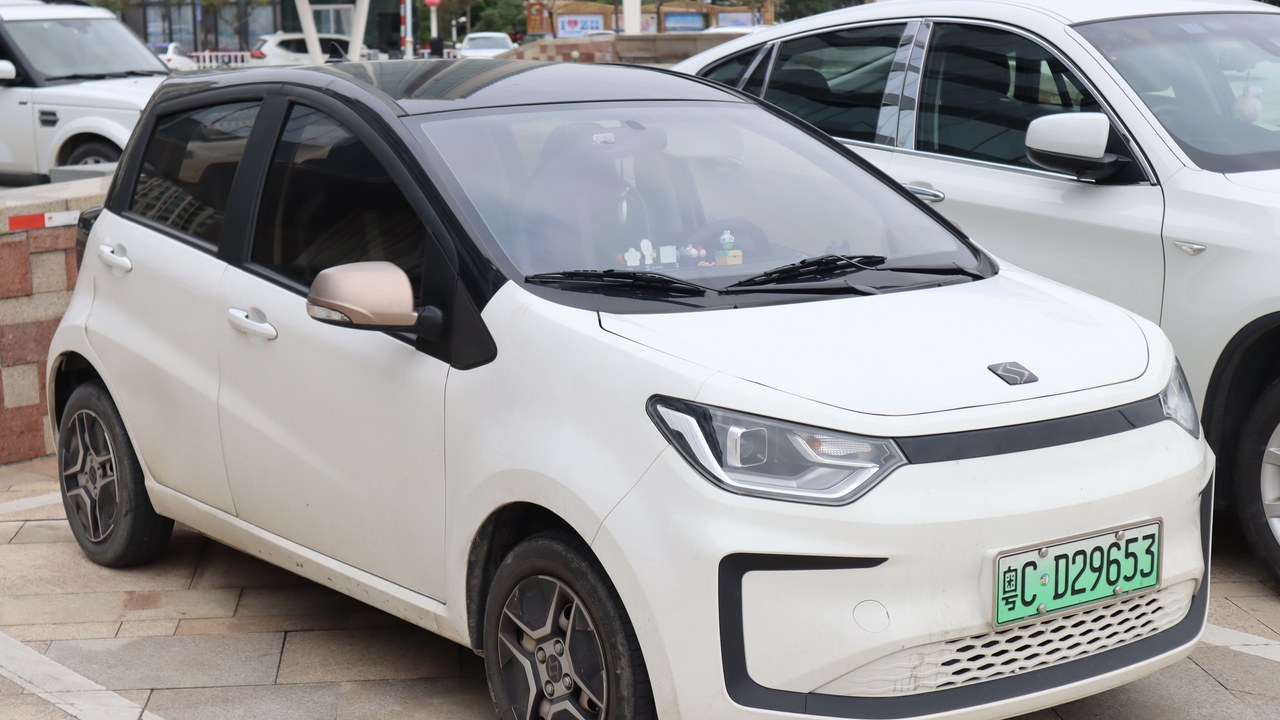
The JAC E10X became Latin NCAP’s first zero-star electric vehicle, scoring 0.00% for adult occupant protection, and testers found that its post-crash system meant to cut off electricity and prevent shock did not work. That failure is specific to electric cars: a gasoline vehicle has no equivalent shock risk for first responders reaching a crash victim.
A malfunctioning shutoff system means rescuers pulling occupants from a wrecked E10X could have faced a live high-voltage system on top of whatever structural damage the crash itself caused. Combined with a 0.00% adult protection score, the result made the E10X a case study in how far behind an early EV’s safety engineering can lag its drivetrain.
4. Citroën C3 Aircross (Latin America, 2024): No Side Head Protection
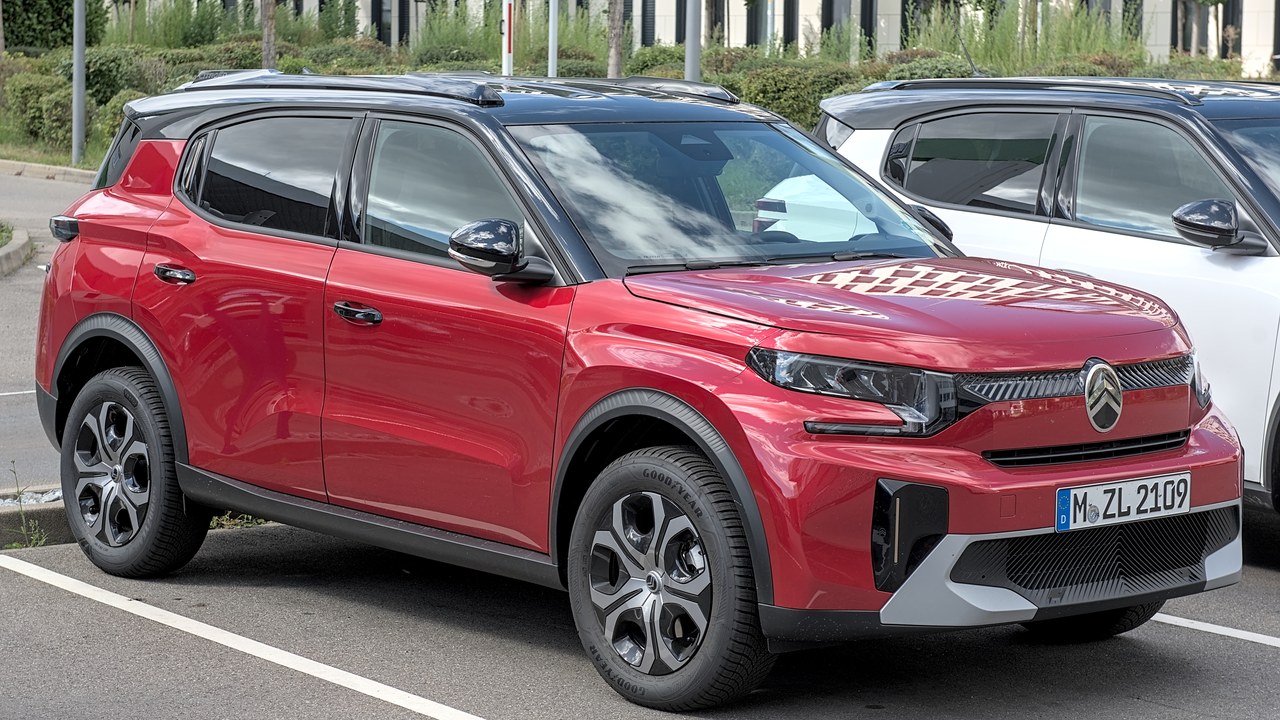
The Latin American Citroën C3 Aircross earned zero stars in 2024 after its side pole impact test scored nothing at all, a result Latin NCAP attributed to the complete lack of side head protection for occupants. A pole test concentrates the force of a crash into a narrow area of the vehicle’s side, and it is designed specifically to catch cars that skimp on head protection in that zone.
Scoring zero rather than merely low on that single test suggests the C3 Aircross offered occupants essentially no defense against the kind of impact the test simulates. It was one of several Stellantis-badged models in the same region to draw a zero-star rating within a few years of each other.
5. Citroën C3 (Latin America, 2023): Unstable Structure, No Options
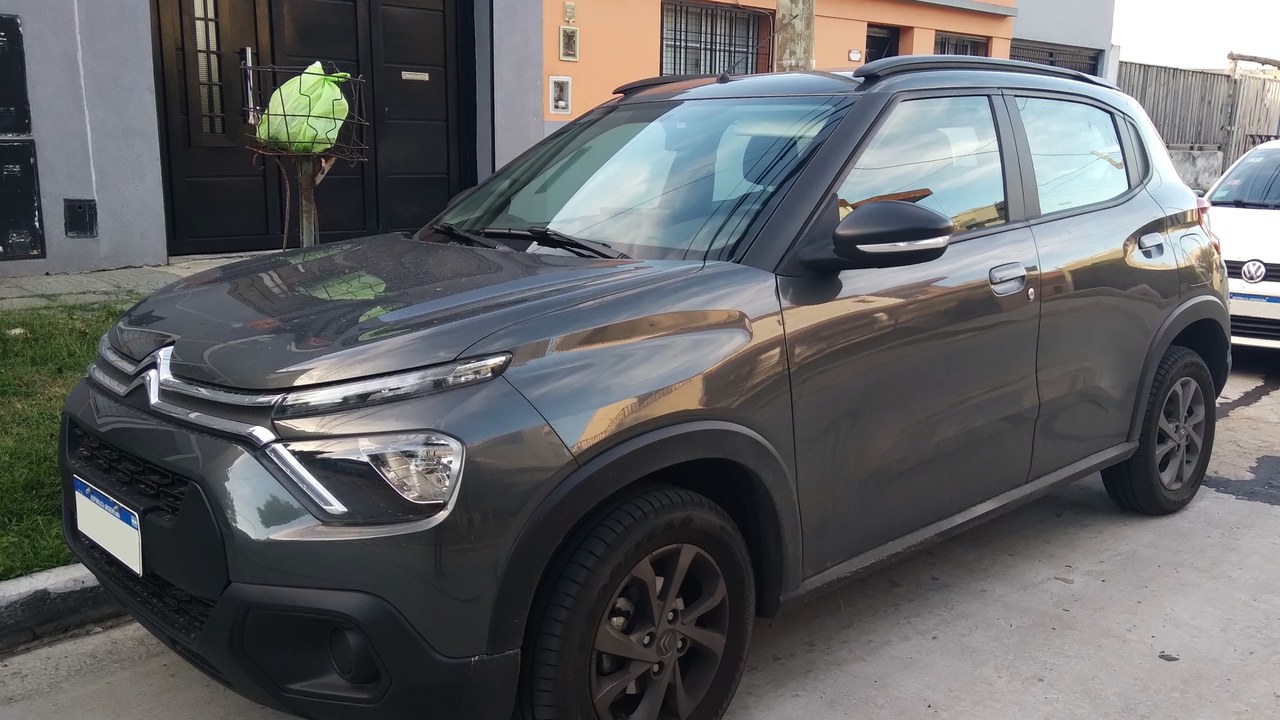
Latin NCAP rated the Latin American Citroën C3 zero stars in 2023, citing an unstable structure and footwell in its crash tests along with the absence of side head protection even as an optional extra. Not offering that protection as an option at all, rather than simply leaving it off as standard, marked the C3 as behind even cars that at least let buyers pay for extra safety.
An unstable footwell can crush inward and trap or injure a driver’s legs regardless of how the rest of the cabin performs, compounding whatever structural weakness the wider body showed. The C3’s result followed a similar zero-star finding for its C3 Aircross stablemate, pointing to a pattern rather than a one-off failure.
6. Renault Zoe (2021): Lowest Score In Eleven Years
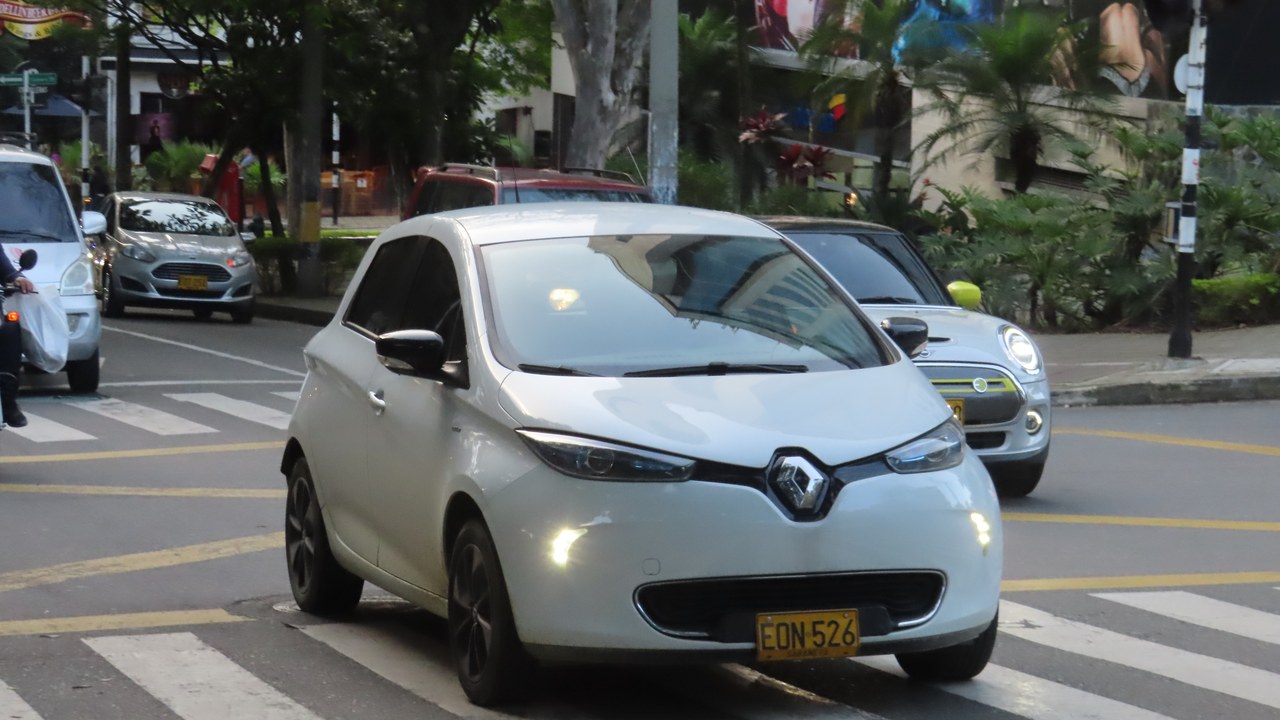
Euro NCAP gave the electric Renault Zoe zero stars in 2021, and its 43% adult-occupant score was, in the testing body’s own words, the lowest it had recorded in eleven years. That figure came from a car sold across Western Europe rather than a market NCAP considers a lower priority, which made the result more surprising than a similar score elsewhere might have been.
Renault had sold the Zoe for years as one of Europe’s most popular electric cars before the retest exposed how much crash protection had lagged behind its sales success. The rating pushed Renault to respond with updates, but the original zero-star Zoe remained on used-car lots long after the news broke.
7. Fiat Punto (2017): First Zero-Star Car In Decades
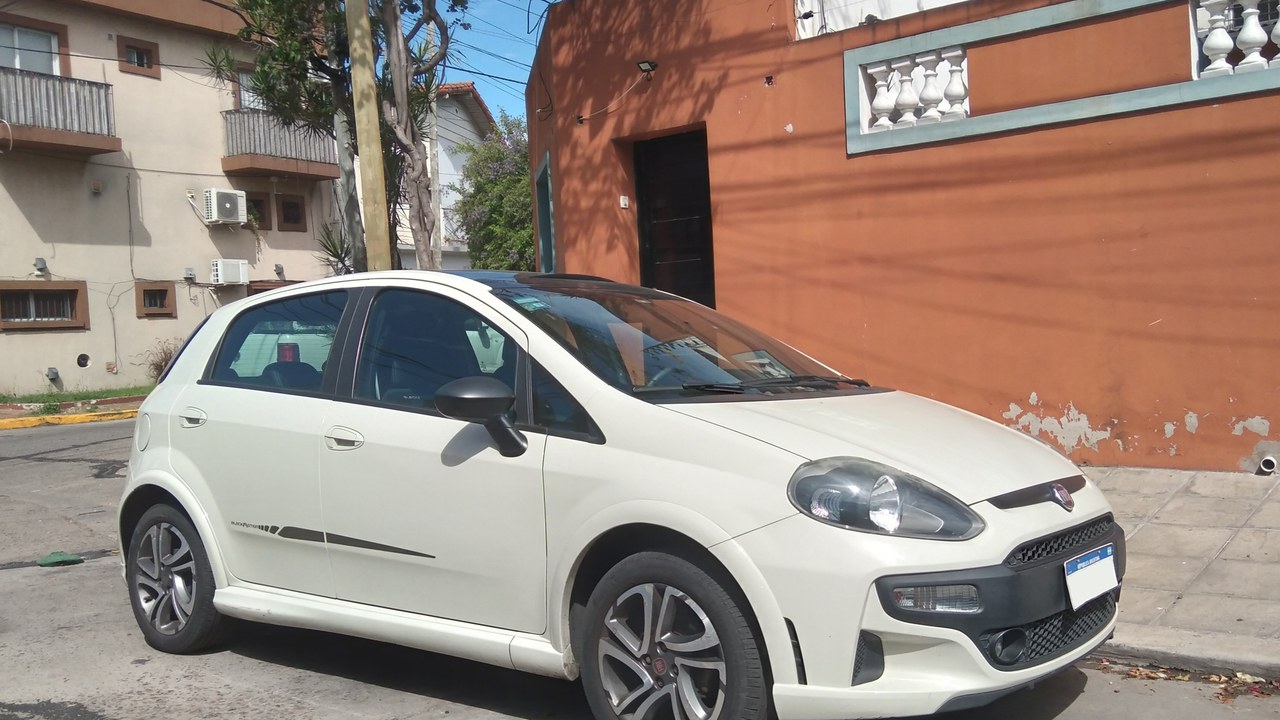
The Fiat Punto became the first car in 20 years to receive a zero-star Euro NCAP rating when it was retested in 2017, a gap that showed how rare a complete safety failure had become by that point. Fiat kept the Punto in production largely unchanged for years after its original launch, and crash-test standards moved well past it in the meantime.
A car that once met the safety expectations of its era can fall to zero stars simply by staying on sale while the testing protocol keeps getting tougher around it. The Punto’s rating became a cautionary example of what happens when a manufacturer keeps selling an aging platform well past its design life.
8. Fiat Panda (2018): One Of Only Three
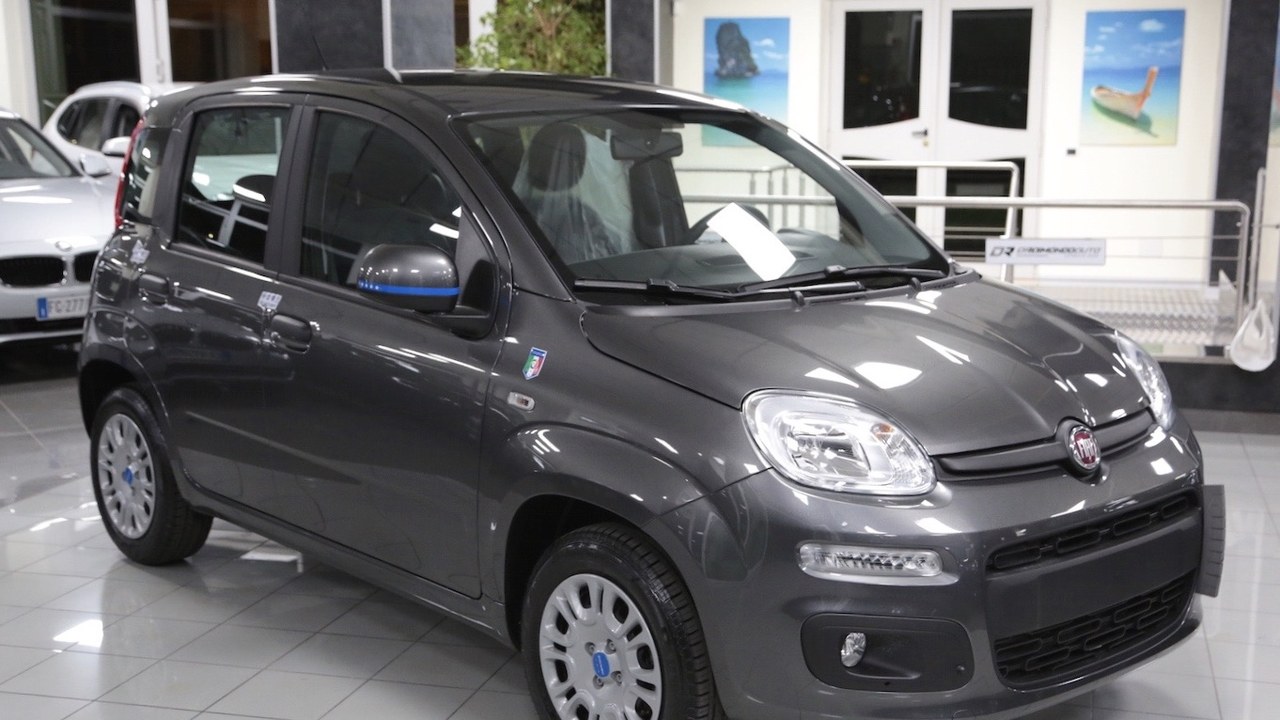
Euro NCAP awarded the Fiat Panda zero stars for safety in 2018, making it one of only three cars to receive that rating in the testing body’s history through 2021. That small a list put the Panda in rare company, alongside the Punto from the same manufacturer and the Zoe from Renault, rather than among the dozens of merely low-scoring cars NCAP tests each year.
Fiat’s decision to keep an older platform on sale rather than update it to meet newer crash standards produced two of that short list of three failures. The Panda’s popularity as a cheap city car in Europe meant plenty of buyers were driving a model NCAP considered to offer no real crash protection.
9. Suzuki Celerio (India, 2016): Zero Airbags, Zero Stars
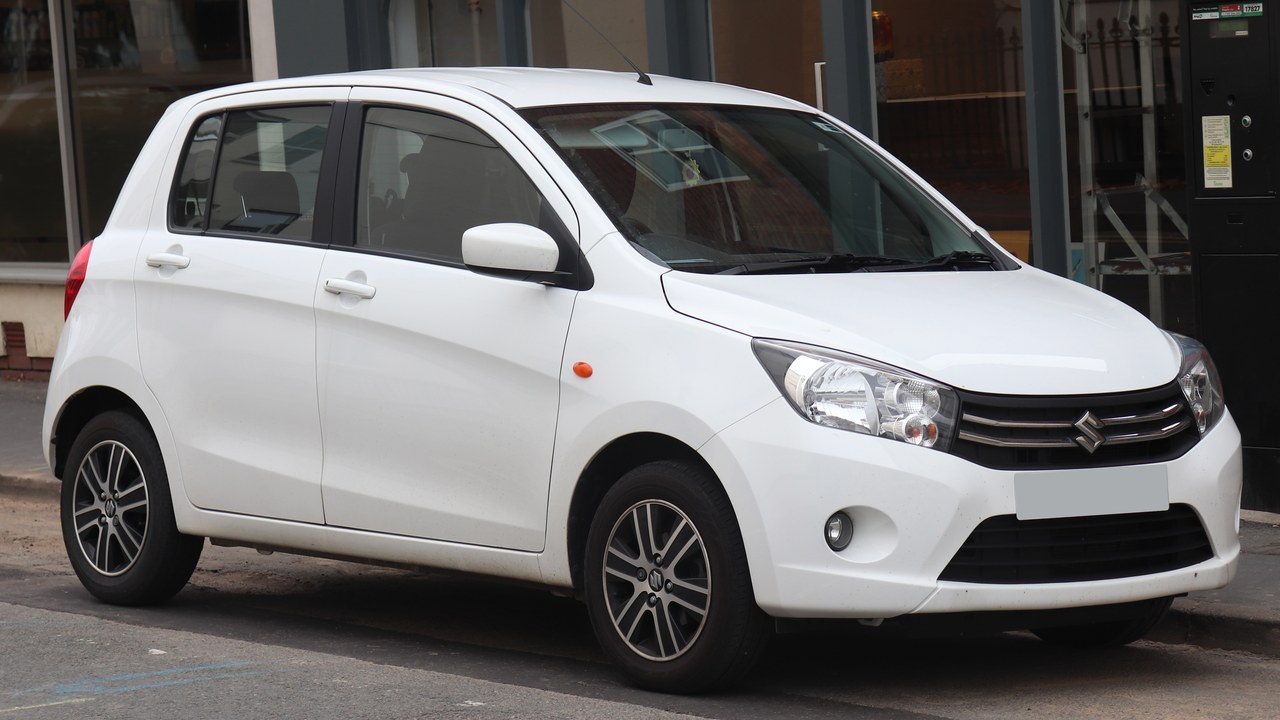
The airbag-free Indian-market Suzuki Celerio scored 0.00 out of a possible 17 points for adult occupant protection when Global NCAP tested it in May 2016, resulting in a zero-star rating. Scoring an exact zero rather than merely low reflected the complete absence of airbags on a car built for one of the world’s largest car markets.
Versions of the same Celerio nameplate sold in other countries came with airbags and different structural specifications, underscoring how much protection could vary by market for a nominally identical car. The test became part of a wider pattern Global NCAP documented in budget cars sold across India during that period.
More from Morning Overview
- A geomagnetic storm is forecast to hit Earth today, pushing the northern lights unusually far south
- A recalled pill hid a stimulant dose linked to heart attacks and death
- Four U.S. startups fired up their first small nuclear reactors, aiming to power AI data centers on-site
- Card skimmers hidden on gas pumps and ATMs are draining accounts, and here’s the tell
