
Police departments buy vehicles on hard numbers, and agencies like the Michigan State Police publish them each year. Top speeds, lap times and stopping distances separate the pursuit-ready from the merely capable. Here are ten police vehicles, from SUVs and pickups to a motorcycle and an electric crossover, and what the figures say about each.
AI, explained every day: The Deep View is the go-to daily newsletter for 600,000+ founders, knowledge workers and professionals who want to stay up to date with artificial intelligence.
We may earn a commission if you sign up.
1. Ford Police Interceptor Utility: The 148 mph Benchmark
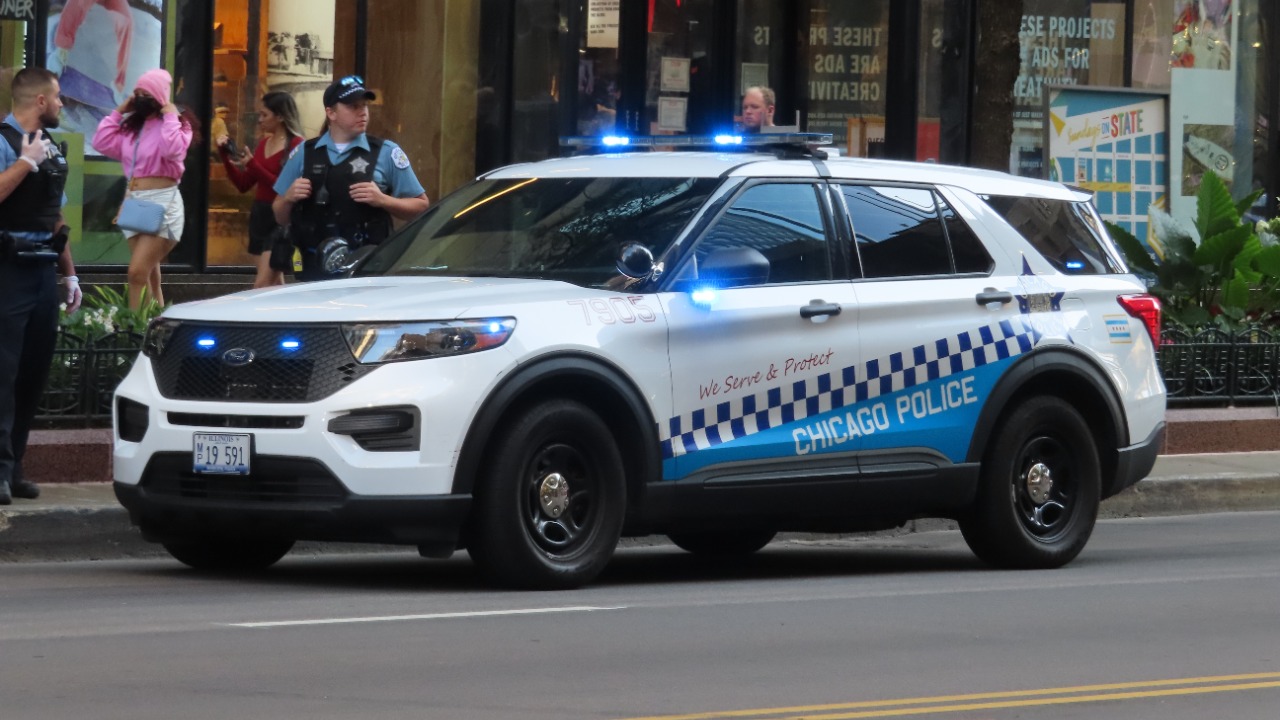
Michigan State Police put the 3.0L EcoBoost all-wheel-drive version of the Ford Police Interceptor Utility through its annual evaluation, and it topped out at 148 mph. The same variant also posted the fastest average lap, at 1:35:39, according to published test results.
That combination of straight-line speed and lap pace makes the police-equipped Explorer the reference point for the rest of the field. The 148 mph figure applies only to the 3.0L EcoBoost AWD variant, so other engine choices should not be assumed to match it.
2. Chevrolet Tahoe: A Full-Size Pursuit Staple
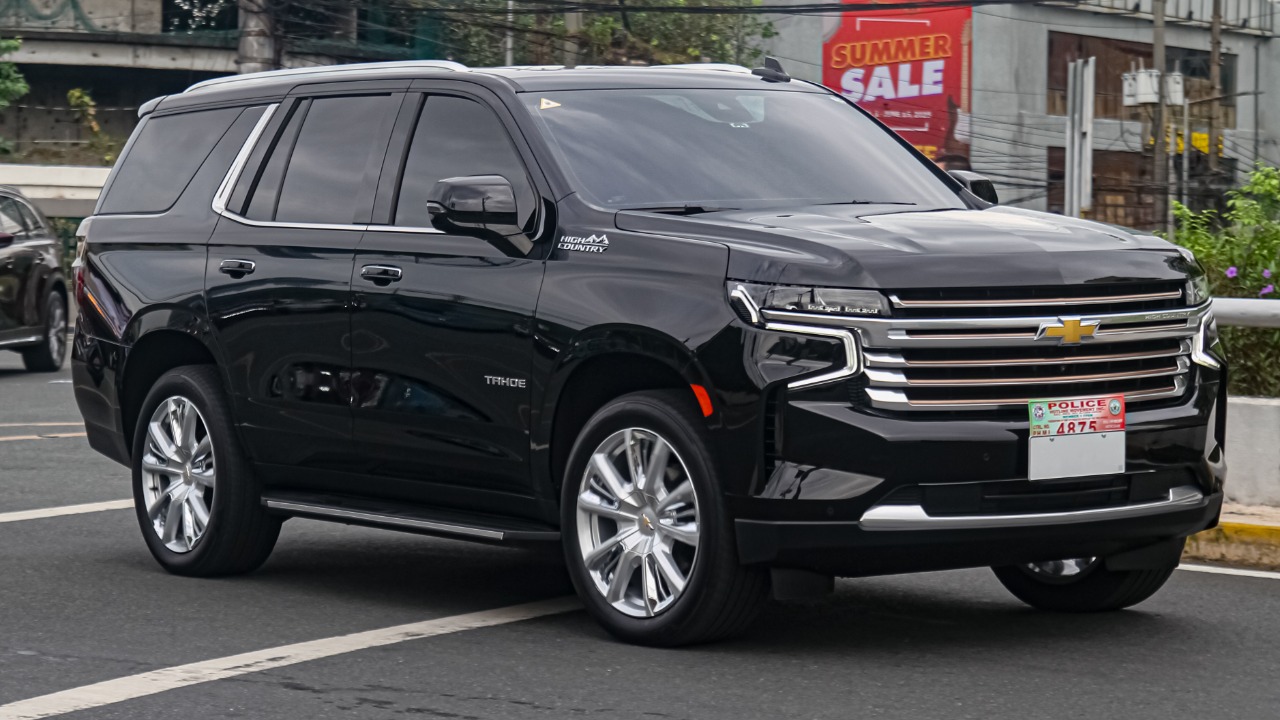
In the same Michigan State Police program, the police-package Chevrolet Tahoe with the 5.3L rear-wheel-drive setup reached a 130 mph top speed. The figure comes from the state police testing results reported by Government Fleet.
A 130 mph ceiling trails the 148 mph Ford by 18 mph, so the larger body gives up some outright pace. Departments weighing extra room for gear and passengers against top-end speed can use that gap as a practical yardstick when comparing the two, alongside price, cargo space and local service support.
3. Dodge Durango: Durango Pursuit Pace
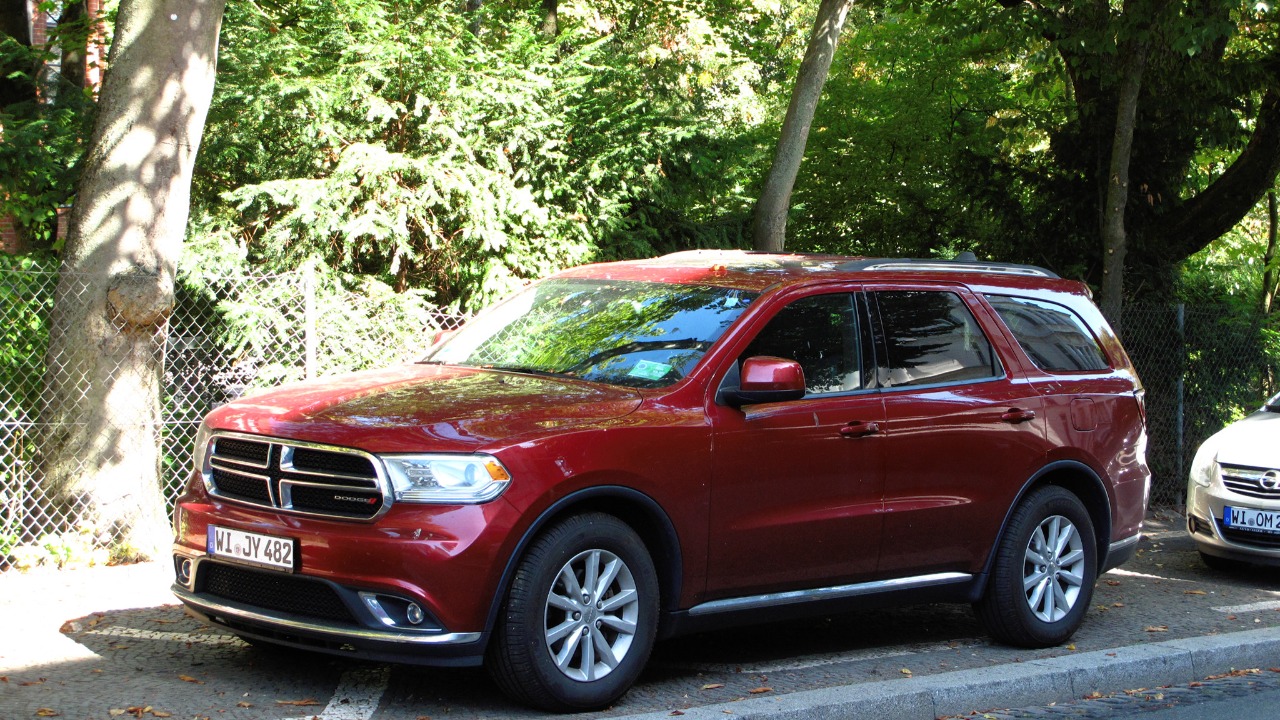
The Dodge Durango pursuit SUV, fitted with the 5.7L engine and all-wheel drive, reached 130 mph and turned a 1:38:30 lap in Michigan State Police testing.
That lap sits behind the 1:35:39 set by the fastest Ford, a gap of just under three seconds. Its 130 mph top speed matches the Chevrolet Tahoe, so the two large SUVs are level on that measure, and the Dodge remains a credible alternative for agencies that prefer it or already maintain Chrysler-family fleets.
4. Chevrolet Blazer EV: The Electric Contender
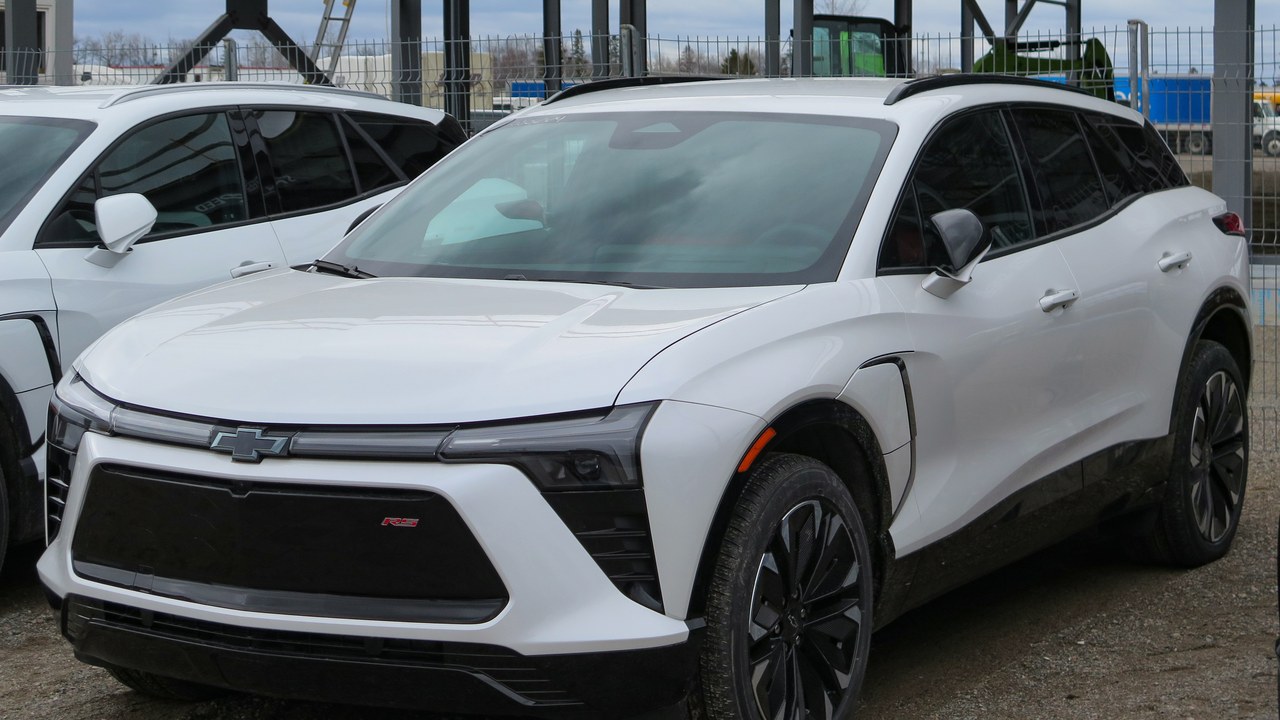
The police-spec Chevrolet Blazer EV with all-wheel drive reached 130 mph during Michigan State Police evaluations. After finishing its laps, the battery averaged 69.5% charge remaining.
The top speed ties the gas-powered Tahoe and Durango, which is notable for an electric patrol vehicle. The leftover charge suggests the pack handled the track work with margin to spare, which is a key question for any fleet considering electrification and its charging demands. Results on a closed track do not settle how it fares on a long shift.
5. Ford F-150 Police Responder: Pickup Power
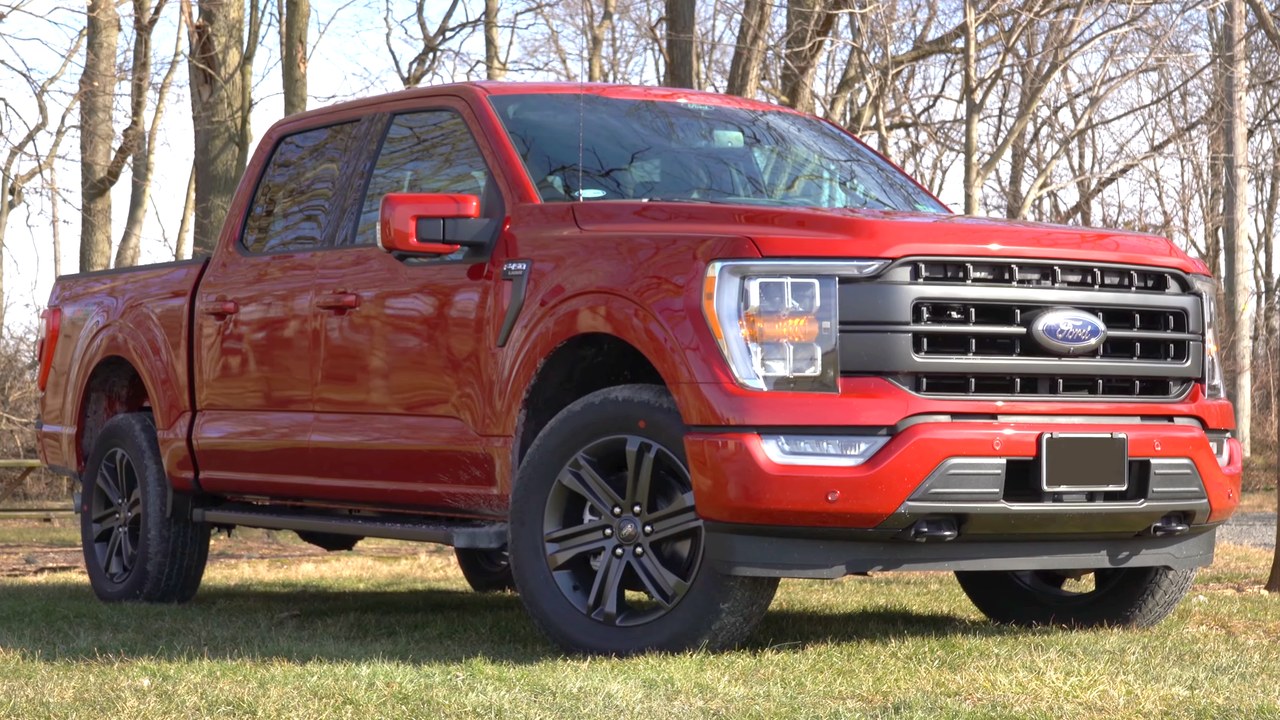
The Ford F-150 Police Responder with the 3.5L EcoBoost and four-wheel drive covered 0-60 mph in 5.68 seconds and reached a 121 mph top speed, based on the 2026 model-year evaluations of Michigan State Police.
Those numbers are quick for a pickup, and the 121 mph ceiling sits below the 148 mph Ford SUV. Trucks trade some top-end speed for cargo room and ground clearance, so agencies that value hauling capacity may accept the difference in return for a bed and a higher stance.
6. Chevrolet Silverado: Z71 Police Truck
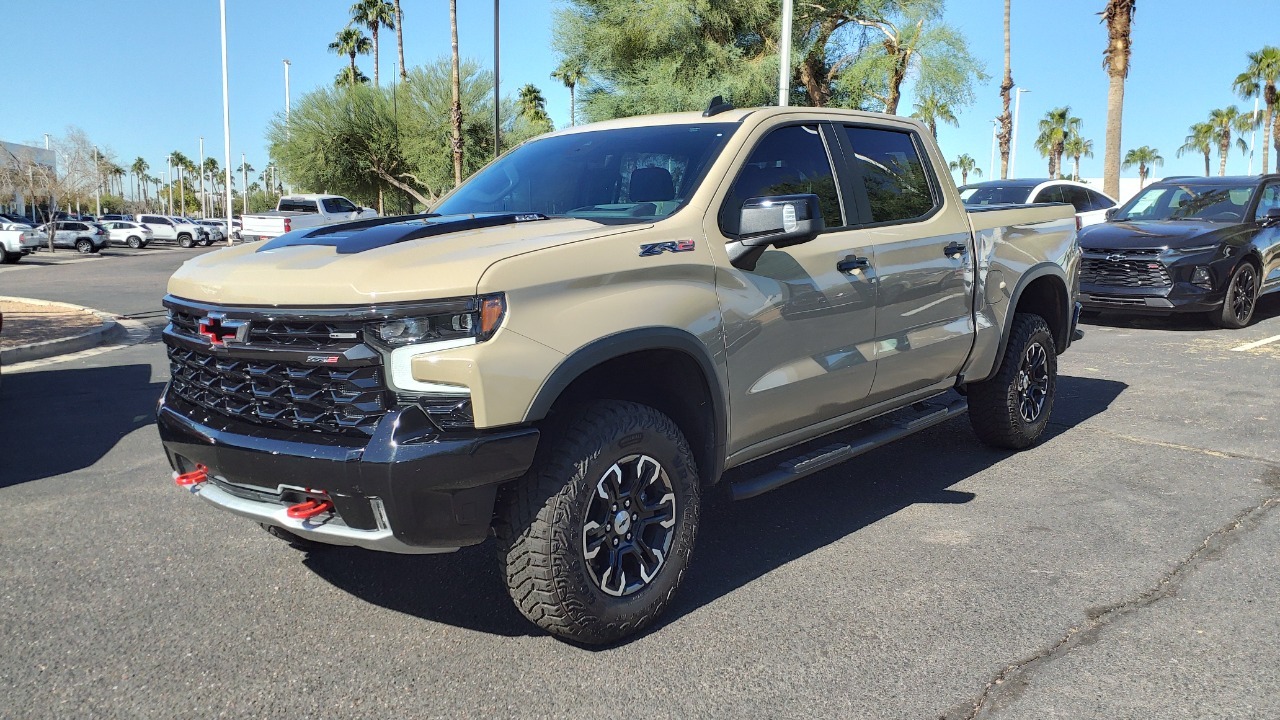
Testing of the Chevrolet Silverado Z71 four-wheel-drive police truck recorded a 0-60 mph time of 7.29 seconds and a 114 mph top speed, according to OFFICER Magazine.
That puts the Silverado well behind the Ford F-150 Police Responder, which reached 60 mph in 5.68 seconds and topped out at 121 mph. For departments that want an off-road-ready truck, the trade-off is a noticeable gap in acceleration, roughly 1.6 seconds to 60 mph, and in top speed. The Z71 badge points to off-road hardware rather than speed.
7. Ram 2500: Slowest on the Sheet
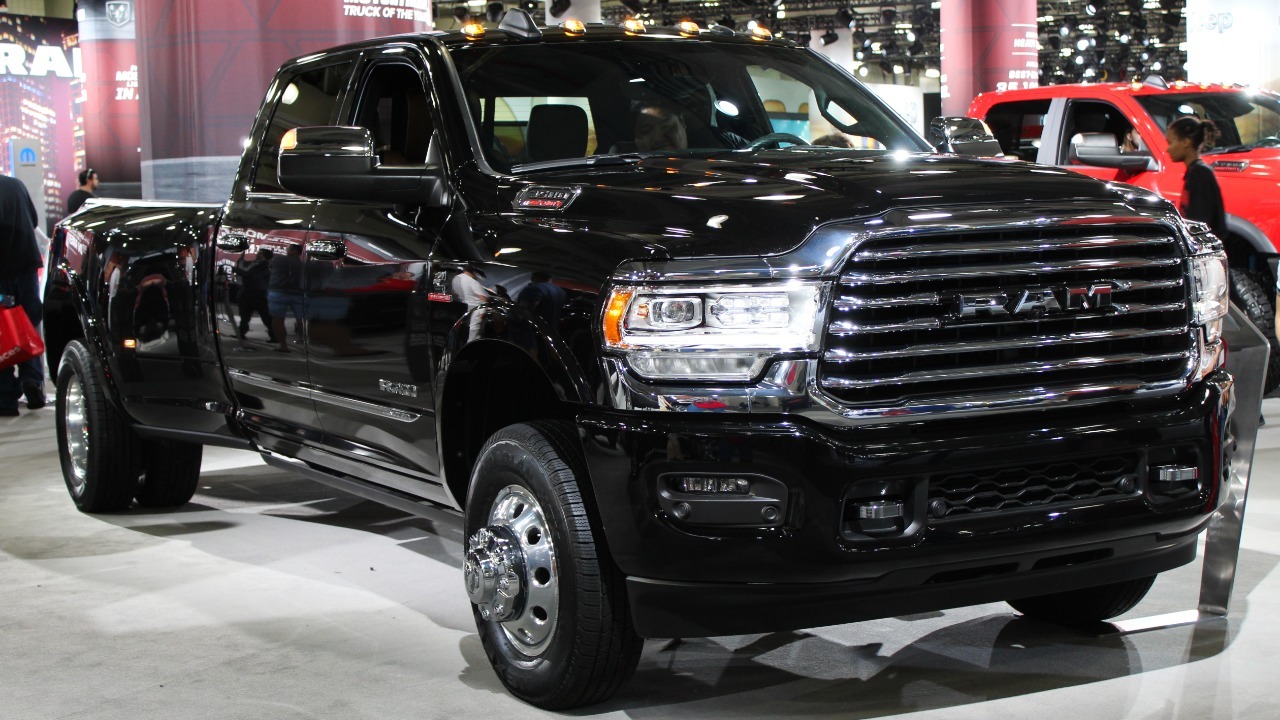
The Ram 2500 with the 6.4L engine and four-wheel drive was the slowest vehicle tested. Michigan State Police data show 0-60 mph in 8.41 seconds, a 103 mph top speed and a 170.13-foot stop from 60.
As a heavy-duty truck, it is built for hauling and rough duty rather than pursuit, so trailing the field is no surprise. The 8.41-second sprint and 103 mph ceiling are the slowest figures reported here, and the long stopping distance is worth noting for any agency weighing it for patrol.
8. Harley-Davidson Road Glide: Two Wheels on Patrol
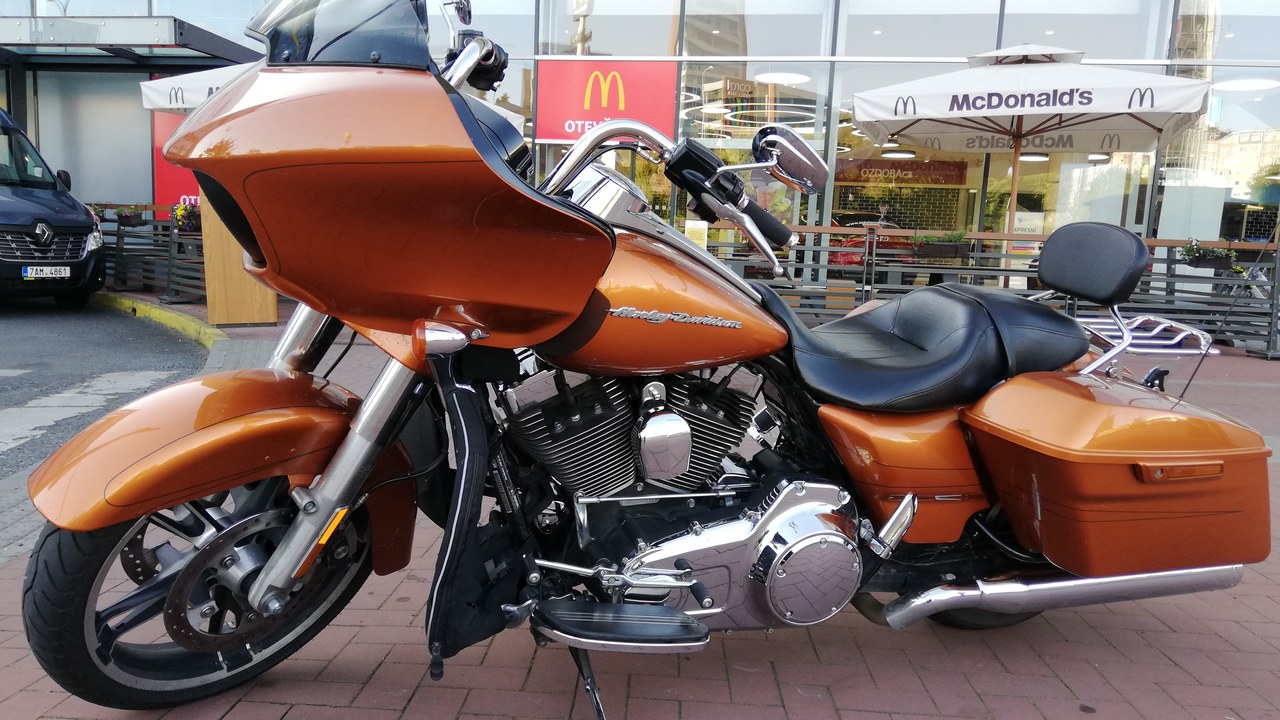
The new 2026 Police Road Glide from Harley-Davidson ran 0-60 mph in 5.05 seconds and reached a 119 mph top speed in the Michigan State Police evaluation.
That 5.05-second sprint is quicker than the 5.68 seconds posted by the F-150 pickup, which shows what a motorcycle’s light weight can deliver. The 119 mph top speed is a little below the pickup’s 121 mph, so the bike wins on acceleration but not on ultimate velocity, a trade-off motor units accept. Only acceleration and top speed are cited for the bike in the source, so its braking and handling remain unreported.
9. Ford Mustang Mach-E: Electric Crossover on Patrol
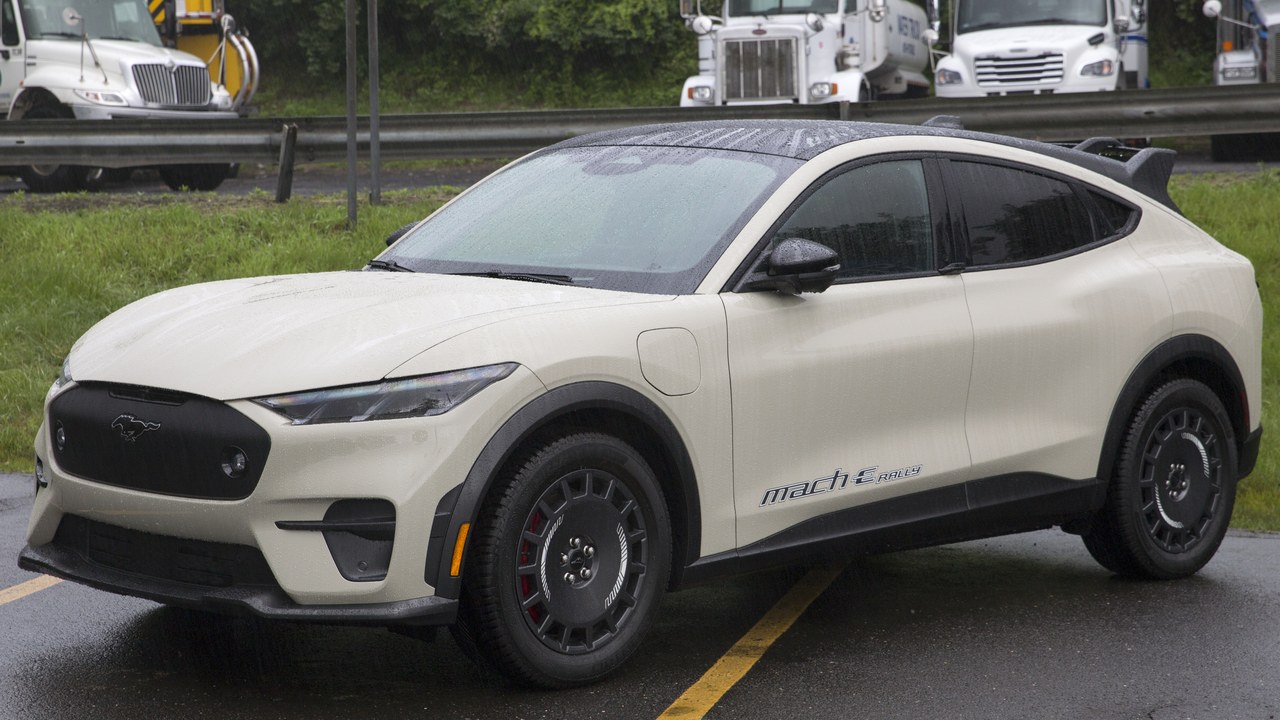
Ford says the police-tested Mustang Mach-E has passed testing with the Michigan State Police and the Los Angeles Sheriff’s Department, as described in a Government Fleet report on the company’s police lineup.
The claim comes from the automaker rather than a published set of lap times, so no speed or acceleration figures accompany it. Even so, clearing two large agencies’ evaluations is a meaningful step for an electric vehicle seeking patrol work, though cost and charging logistics still matter to fleets.
10. Ford Expedition: A 400-Horsepower SSV
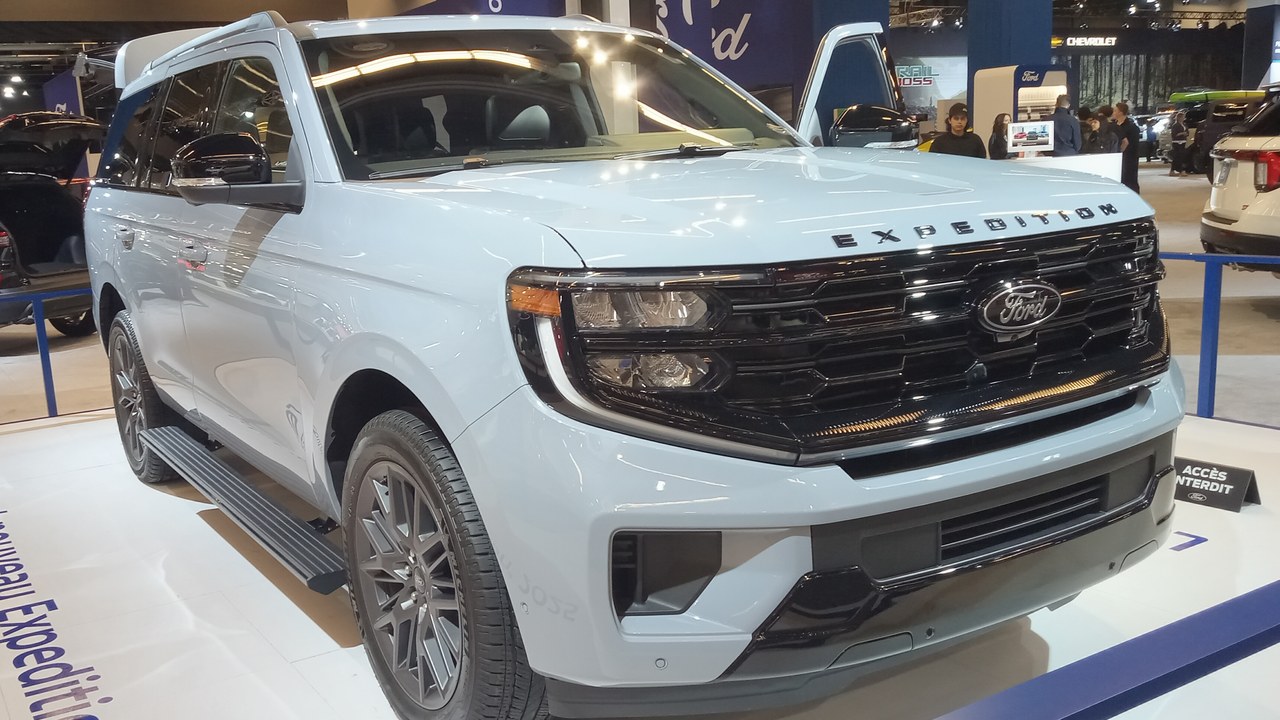
The 2025 Ford Expedition SSV police SUV uses a 3.5-liter EcoBoost V6 rated at 400 hp and 480 lb-ft of torque, according to Government Fleet coverage of its rollout.
Ford introduced it while celebrating 75 years of building police vehicles, positioning the large SUV for agencies that need interior space. The source lists engine output rather than track results, so how it compares with the Tahoe, Durango and Explorer on the track is not established here. Torque of 480 lb-ft suggests strong pulling power, though that is a spec, not a result.
AI, explained every day: Get The Deep View →
We may earn a commission if you sign up.
More from Morning Overview
- The FBI told the rest of ShinyHunters to surrender after a 24-year-old was arrested
- Two passengers died at an Ohio toll plaza, and the NTSB now wants the cash lanes shut
- Long use of a common prostate pill is tied to a higher chance of glaucoma
- Ford is recalling 223,472 F-150 pickups because the fuel tank can leak or detach
