
For decades, American and import SUVs advertised body-on-frame toughness borrowed straight from pickup trucks, with separate ladder chassis built to tow, wade, and take a beating off-road. Automakers began swapping that architecture for car-based unibodies as buyers prioritized ride comfort, fuel economy, and crash safety over off-road capability. Here are eight SUVs whose redesigns quietly traded rugged frames for lighter, car-like structures.
1. Ford Explorer: The Towing Capacity Casualty
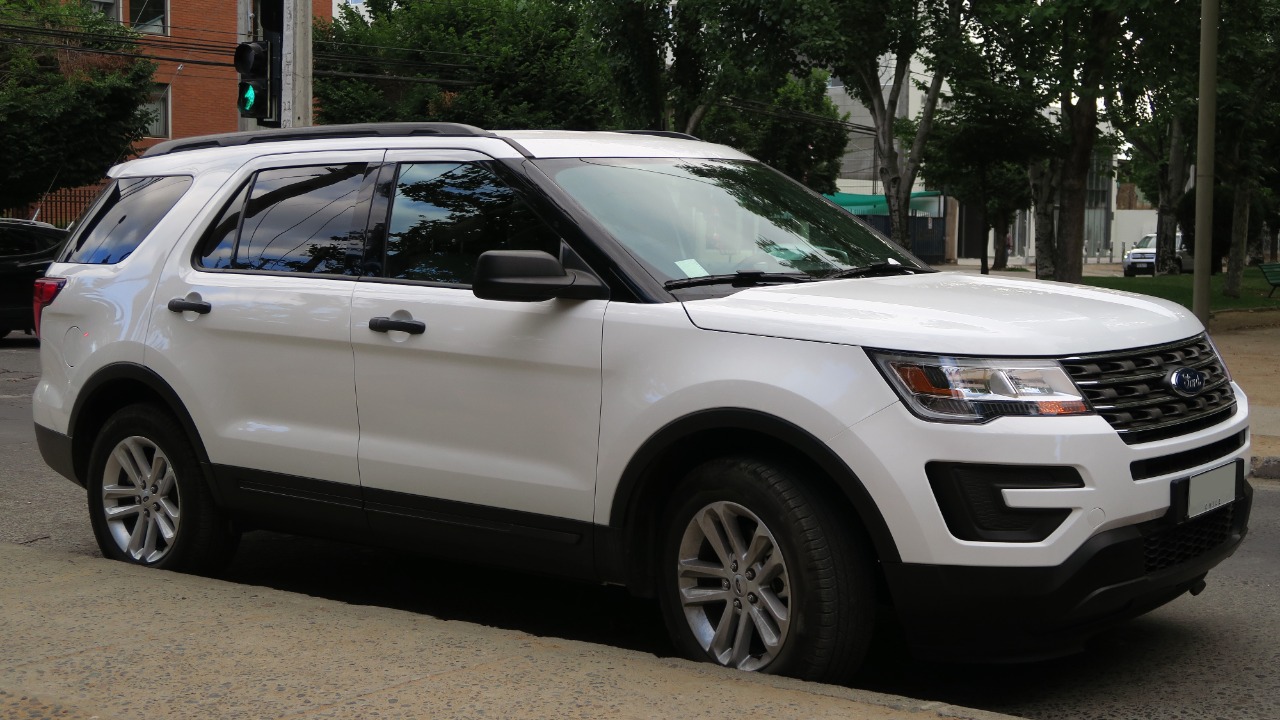
Ford ended the Explorer’s run as a truck-based SUV with the 2011 model year redesign, moving the nameplate onto a car-derived unibody platform shared with the Ford Flex and Taurus. The switch trimmed weight and improved ride quality, but it also cut the Explorer’s maximum tow rating by 2,115 pounds compared with the outgoing body-on-frame generation.
Buyers who wanted the old Explorer’s towing muscle had to look toward Ford’s separate body-on-frame lineup instead, since the unibody version prioritized everyday driving manners over heavy-duty hauling. The tradeoff mirrored a broader shift among midsize SUVs toward car-like comfort at the expense of truck-grade capability.
2. Dodge Durango: The Grand Cherokee’s Twin
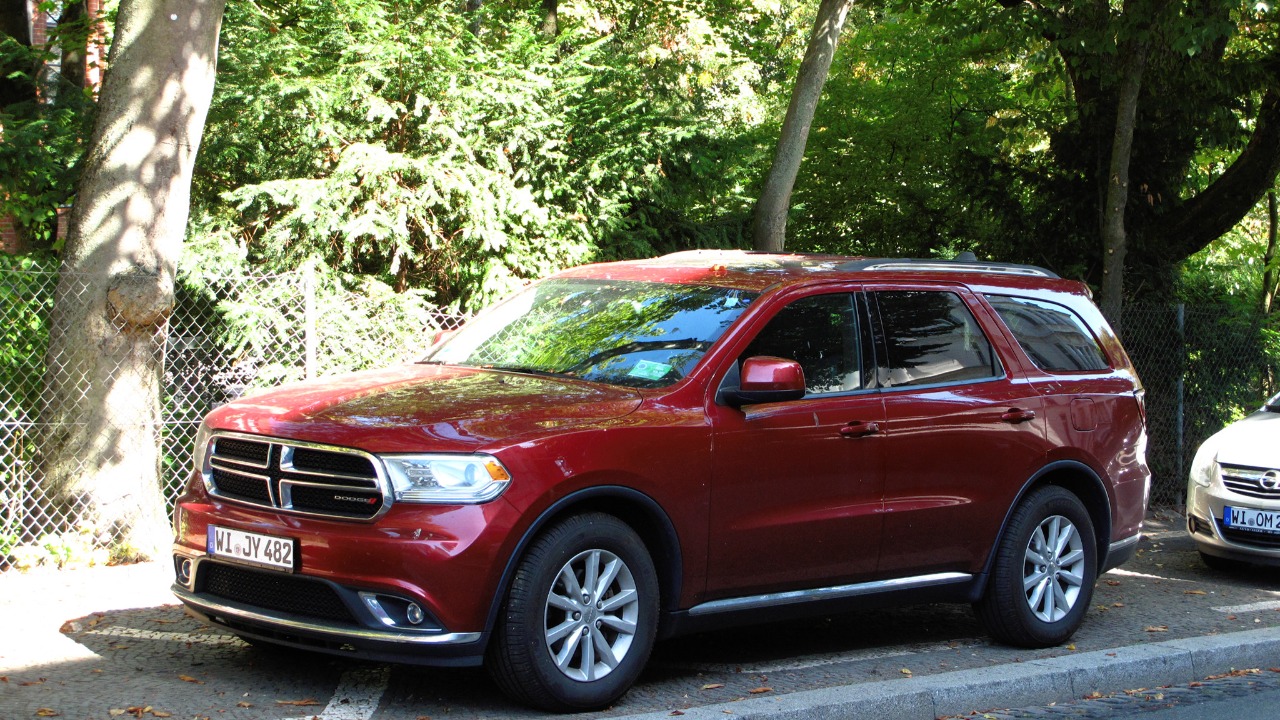
The 2011 Durango redesign put Dodge’s three-row SUV on the same unibody structure as the Jeep Grand Cherokee, replacing the truck-based frame used in earlier Durango generations and marking a shift toward car-like construction across Dodge’s SUV lineup. Federal crash-test records list the redesigned SUV’s curb weight at 5,059 pounds in its heaviest configuration.
Sharing a platform with the Grand Cherokee let Dodge cut development costs while still offering V8 power and respectable towing figures for buyers who missed the old body-on-frame feel. The redesign also brought stiffer crash structures and modern safety features that the truck-based generation it replaced never offered.
3. Jeep Cherokee (XJ): The Unibody Pioneer

Long before unibody SUVs became the norm, the 1984 XJ Cherokee broke ground as the first nonmilitary 4×4 built without a separate ladder frame. Jeep’s engineers shed roughly 1,200 pounds compared with the body-on-frame Cherokee it replaced, all while keeping about 90 percent of the older model’s interior room.
That weight savings translated into sharper handling and better fuel economy without sacrificing the off-road hardware buyers expected, including solid axles and low-range gearing on many trims. The XJ’s unibody approach proved durable enough to influence unibody SUV designs that followed it.
4. Nissan Pathfinder: The Crossover Split

Federal crash testers confirm the Pathfinder’s 2013 redesign, the model year Nissan retired the SUV’s truck-based platform for a unibody structure shared with the company’s crossover lineup. The shift moved the Pathfinder away from body-on-frame siblings and toward the car-based construction most three-row family SUVs use today.
Nissan pitched the switch as a response to buyers who wanted three rows of seating and car-like ride quality rather than heavy-duty towing or serious off-road articulation. The tradeoff mirrored what happened across the segment, as automakers prioritized on-road comfort over the low-range gearing and frame strength that defined earlier truck-based SUVs.
5. Land Rover Discovery: The Aluminum Overhaul
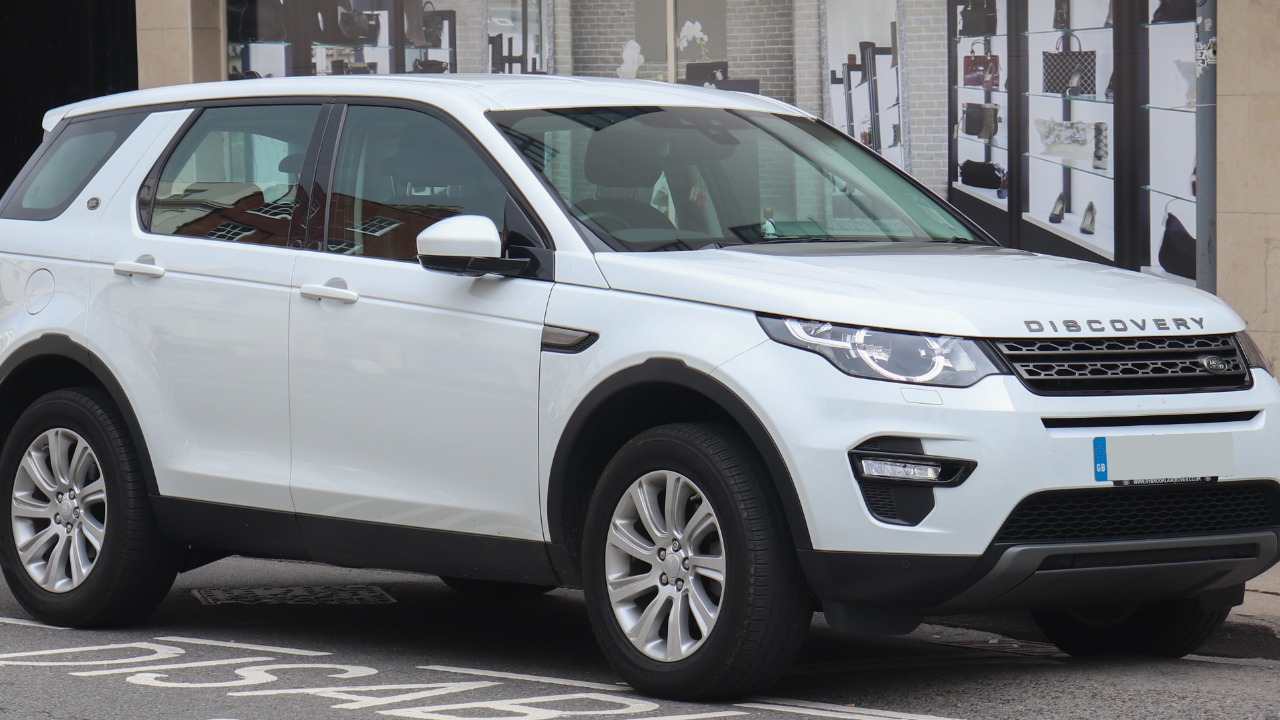
The fifth-generation Discovery’s 2017 switch to an aluminum unibody made it the first Discovery not built on a body-on-frame ladder chassis, a departure from every generation that came before it. The new architecture cut up to 480 kilograms, or roughly 1,060 pounds, compared with its steel-framed predecessor.
Land Rover framed the lighter structure as an upgrade rather than a compromise, arguing it lowered the center of gravity and improved on-road manners without abandoning genuine off-road ability. Purists worried the move signaled a shift away from the brand’s utilitarian roots toward SUVs built more for pavement than expedition trails.
6. Kia Sorento: The Santa Fe Sibling
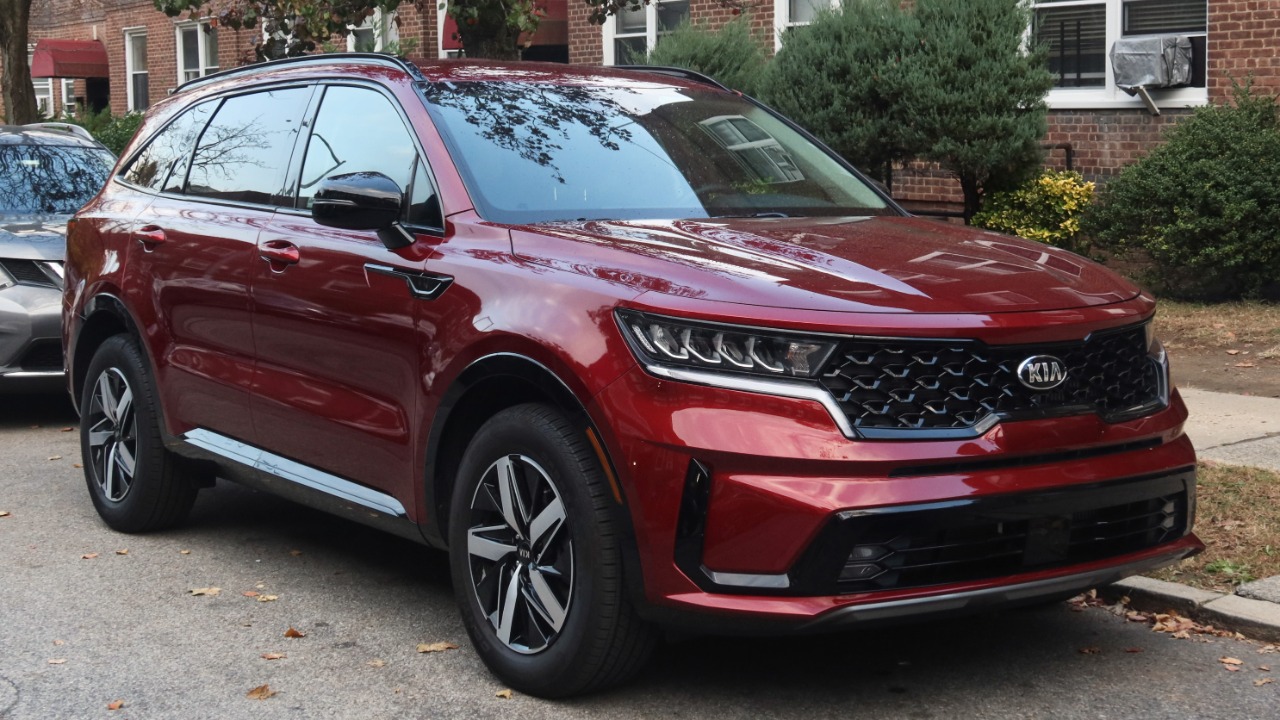
Crash-test data for the redesigned 2011 Sorento lists its curb weight at 4,048 pounds in all-wheel-drive trim, the model year Kia dropped the truck-style frame of the original Sorento for a car platform shared with the Hyundai Santa Fe. The shared architecture let Kia and Hyundai split engineering costs across both brands’ SUV lineups.
The unibody Sorento traded some of its predecessor’s towing capacity and off-road hardware for better fuel economy, quieter cabins, and crash structures that scored well in federal testing. It also opened the door to a wider range of engine and trim choices than the body-on-frame version ever offered.
7. Honda Passport: The Pilot’s Platform-Mate
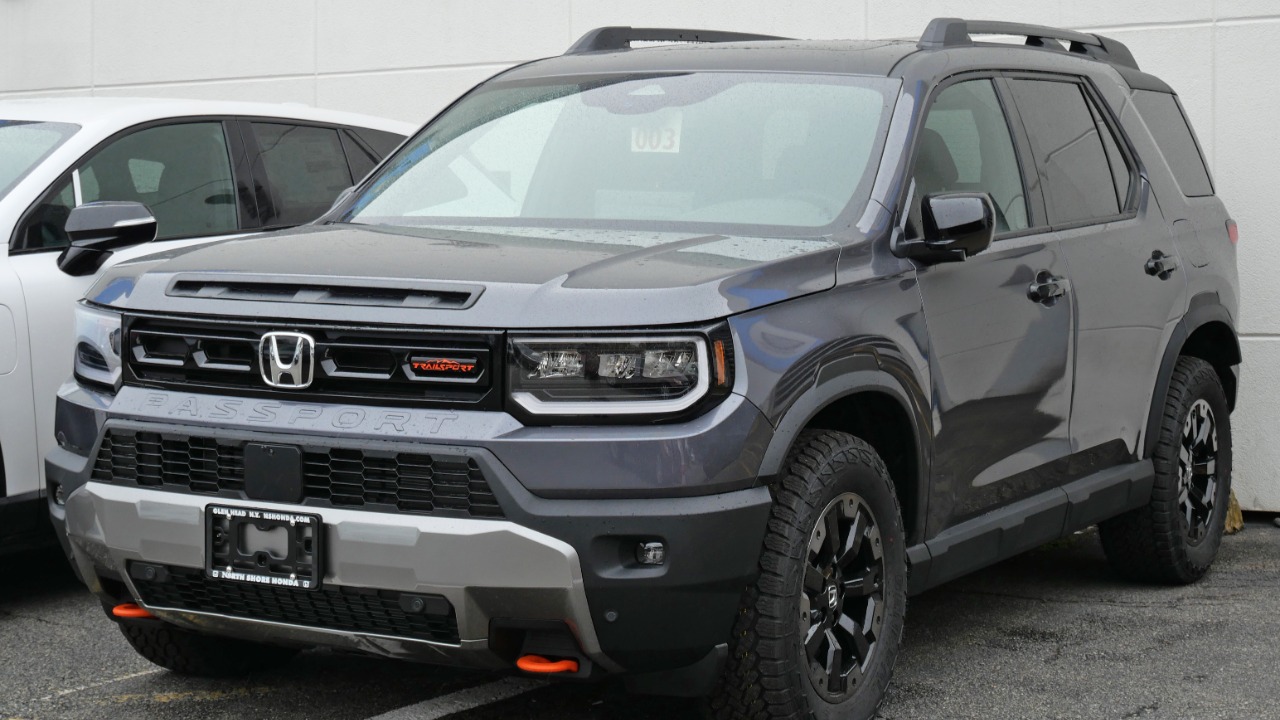
Honda’s own newsroom describes the current Passport as built on the same light-truck architecture as the Pilot crossover, a unibody platform rather than the body-on-frame layout that underpinned the nameplate’s original generation. The automaker rates the redesigned SUV’s maximum tow capacity at 5,000 pounds.
Reviving the Passport name on a unibody platform let Honda position the SUV between the Pilot and the more rugged, separately engineered Ridgeline pickup in its lineup. The approach favors on-road refinement and cargo flexibility over the low-range gearing and frame strength of the nameplate’s earlier body-on-frame version.
8. Suzuki Grand Vitara: The Hybrid Frame Compromise

Suzuki’s 2005 redesign of the Grand Vitara replaced its ladder-frame chassis with a unibody structure that still included a built-in ladder frame for extra stiffness and ground clearance. The hybrid approach let Suzuki keep some off-road credibility while chasing the smoother ride expected of a car-based crossover.
Not every trim kept the old capability intact, though: some three-door Grand Vitara editions lost the ability to lock the center differential and went without low-range gearing entirely. Buyers who wanted the full off-road toolkit had to seek out five-door models or look elsewhere in Suzuki’s lineup.
More from Morning Overview
- A handful of car engines are so tough mechanics say they almost never wear out
- The NSA is again telling phone owners to switch off one location setting
- Supplements now rank as the fifth-leading cause of death from liver disease.
- Herbal supplements are landing Americans in the hospital with liver damage, doctors warn
