
Fuel economy is one of the sharpest ways to judge a small SUV, since a few extra miles per gallon compounds into savings over years of ownership. Hybrid powertrains have narrowed the gap between compact crossovers and much smaller cars, keeping cargo room and ground clearance without the usual fuel penalty. Here are eight small SUVs built around that trade-off, each leaning on hybrid technology to stretch every gallon further.
1. Toyota RAV4 Hybrid: A Regular On The Efficiency List
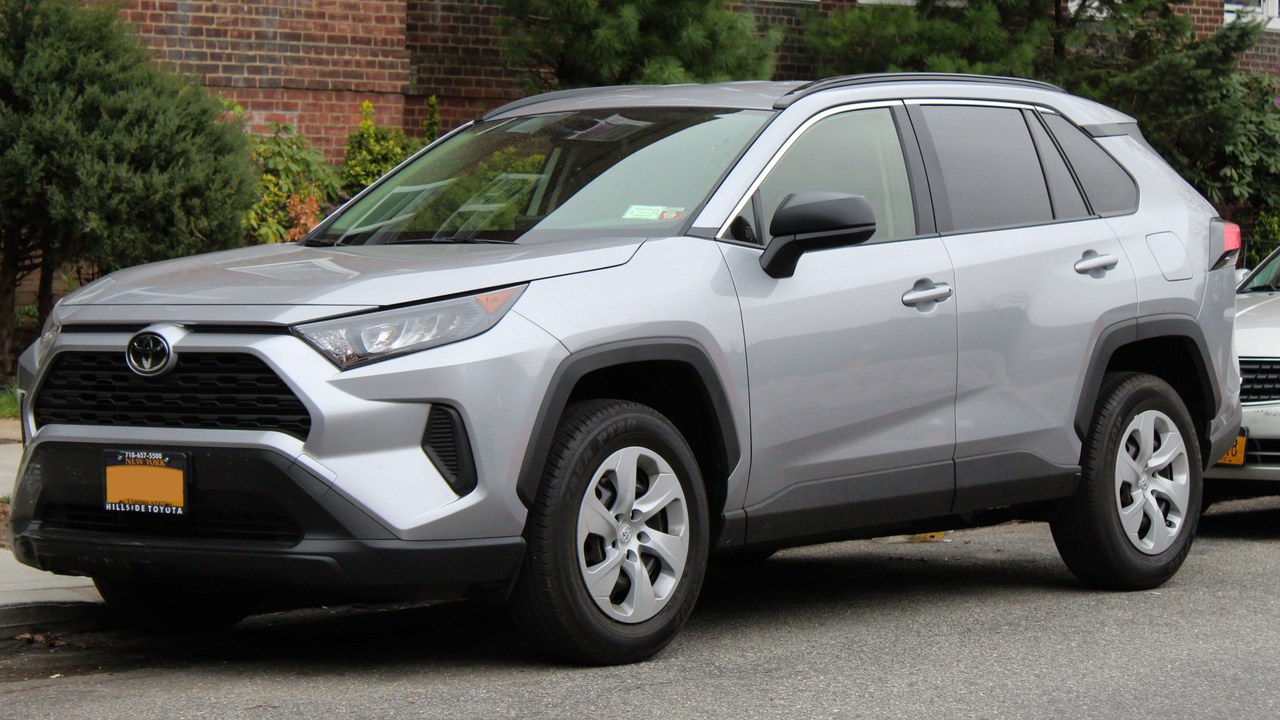
The Toyota RAV4 Hybrid has repeatedly turned up on the federal government’s efficiency rankings for hybrid SUVs, a list built from EPA lab testing rather than dealer brochures. Recent model years have put its combined fuel economy in the high 30s to low 40s per gallon, holding whether the trim sends power to the front wheels or all four. That efficiency comes from pairing a four-cylinder engine with an electric motor, not a smaller, weaker engine.
For a household cross-shopping midsize crossovers, that mileage arrives without sacrificing cargo room or towing capacity a hybrid hatchback could never match. All-wheel drive is available without the usual fuel penalty gasoline-only rivals carry, which matters most in snow-belt states where front-wheel drive alone falls short on ice.
2. Honda CR-V Hybrid: Room To Spare, Mileage To Match
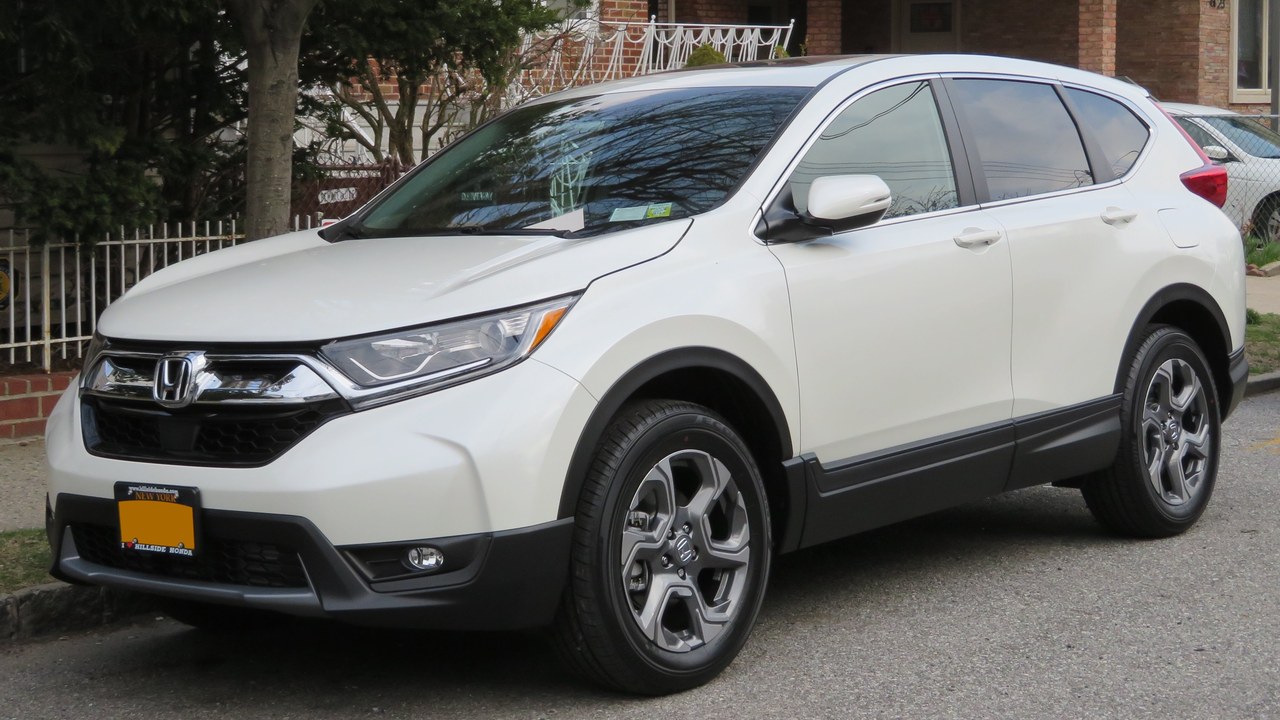
Honda’s CR-V model history documents a hybrid variant added to broaden the lineup’s efficiency without shrinking the cabin that made the CR-V a best-selling compact SUV. The hybrid pairs a gasoline engine with electric motors through a two-motor system Honda has refined across generations rather than launching from scratch. Combined fuel economy has landed near 40 miles per gallon in documented testing for recent model years, competitive with smaller crossovers offering far less room.
Cargo volume and rear legroom stay close to the standard CR-V’s figures, so buyers are not trading practicality for efficiency the way a smaller hybrid hatchback would demand. Honda’s hybrid system has built a long reliability record, mattering to owners planning to keep the vehicle past the loan term.
3. Hyundai Tucson Hybrid: A Long Warranty Backs The Mileage
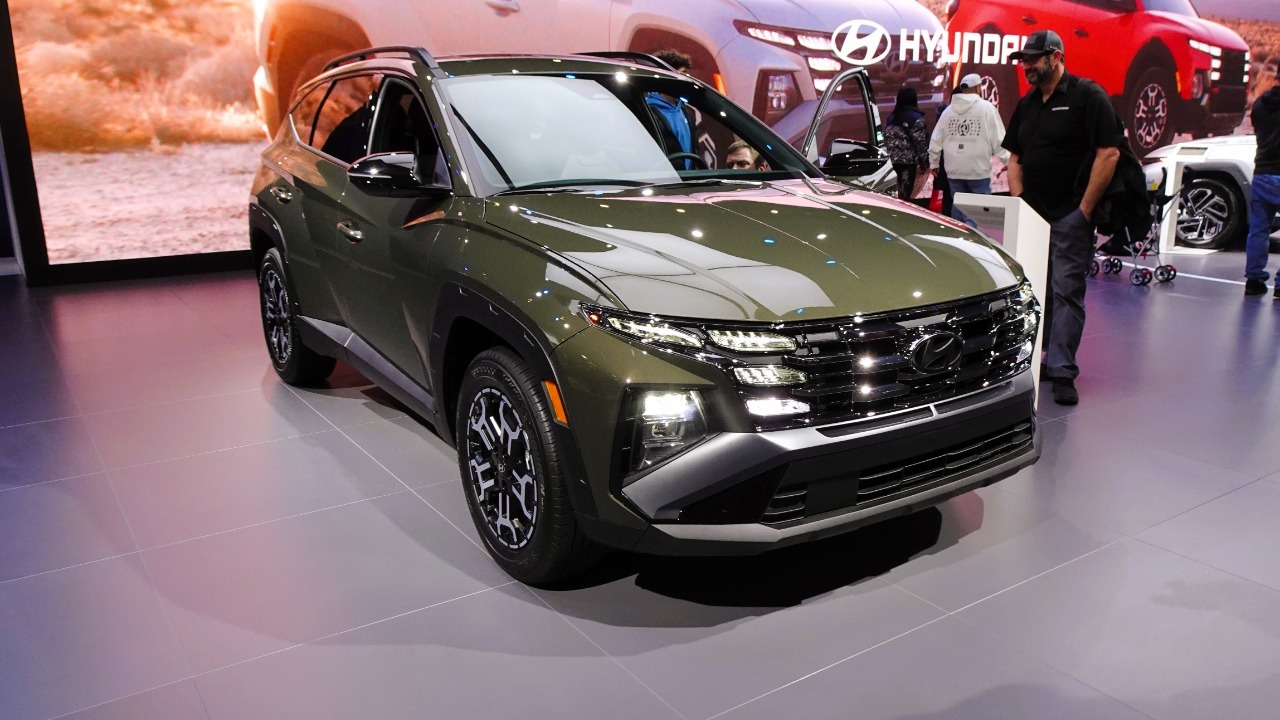
Hyundai’s Tucson production history shows the hybrid variant arriving as part of a push to electrify the compact SUV lineup, not as a low-volume niche trim. Combined fuel economy has been documented in the high 30s per gallon for the hybrid powertrain, a jump over the standard gasoline engine in the same body. The hybrid system pairs a turbocharged four-cylinder with an electric motor for more usable power than most compact hybrids offer.
Hyundai backs the Tucson with one of the longer warranty periods in the compact-SUV class, a detail that matters more on a hybrid where buyers worry about battery repair costs. That combination of mileage and coverage has made the Tucson Hybrid a common cross-shop against Toyota and Honda’s hybrid crossovers.
4. Kia Sportage Hybrid: Shared Hardware, Distinct Styling
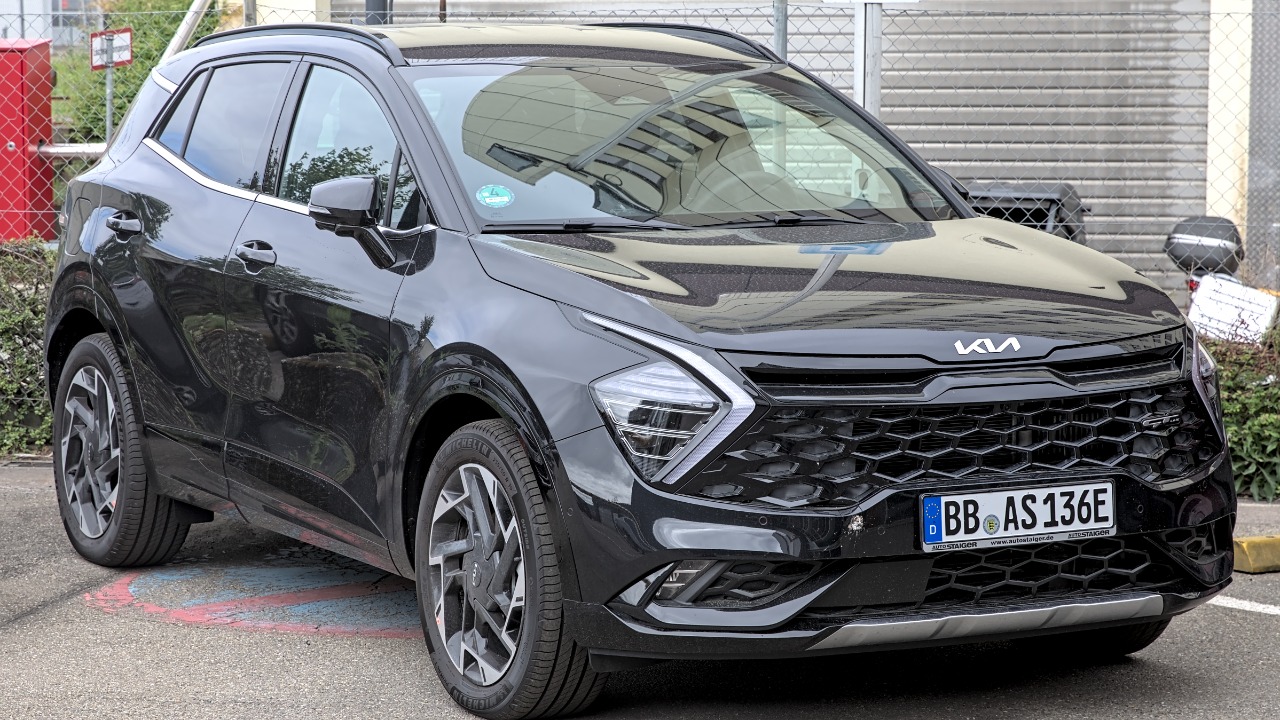
Kia’s Sportage model documentation confirms the Sportage Hybrid shares its powertrain architecture with the Hyundai Tucson Hybrid, since both models come from the same corporate platform and hybrid system. That shared hardware means comparable combined fuel economy in the high 30s per gallon, delivered through a turbocharged four-cylinder paired with an electric motor rather than a smaller, less capable engine. The styling and interior layout diverge sharply from the Tucson, giving buyers a distinct look without giving up the efficiency underneath.
Buyers choosing between the two often decide on design and dealer proximity rather than mechanical differences, since the hybrid systems perform almost identically on paper. Kia’s warranty coverage mirrors Hyundai’s longer terms, which softens the usual hesitation around a hybrid’s more complex driveline.
5. Ford Escape Hybrid: A Commuter’s Long-Running Option
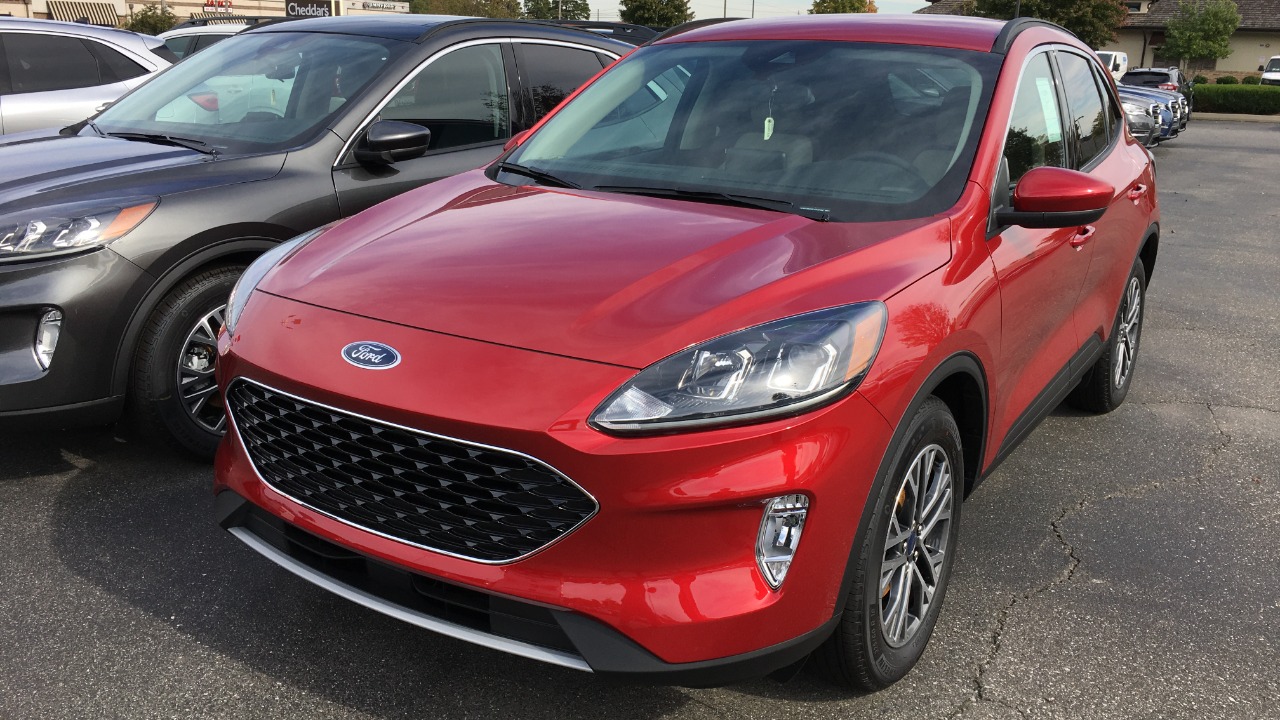
Ford’s Escape production record shows the hybrid variant has run for multiple generations, giving it a longer track record than several newer hybrid crossovers on this list. Front-wheel-drive Escape Hybrid models have documented combined fuel economy in the high 30s to low 40s per gallon, among the stronger figures for a compact SUV built primarily for commuting rather than off-road use. The hybrid pairs a four-cylinder engine with an electric motor through a continuously variable transmission tuned for city driving.
That city-leaning tune means the mileage advantage is most pronounced in stop-and-go traffic, where the electric motor carries more of the workload than it can at steady highway speeds. Commuters logging mostly local miles typically see the strongest real-world results from this powertrain.
6. Toyota Corolla Cross Hybrid: Built Small For City Mileage
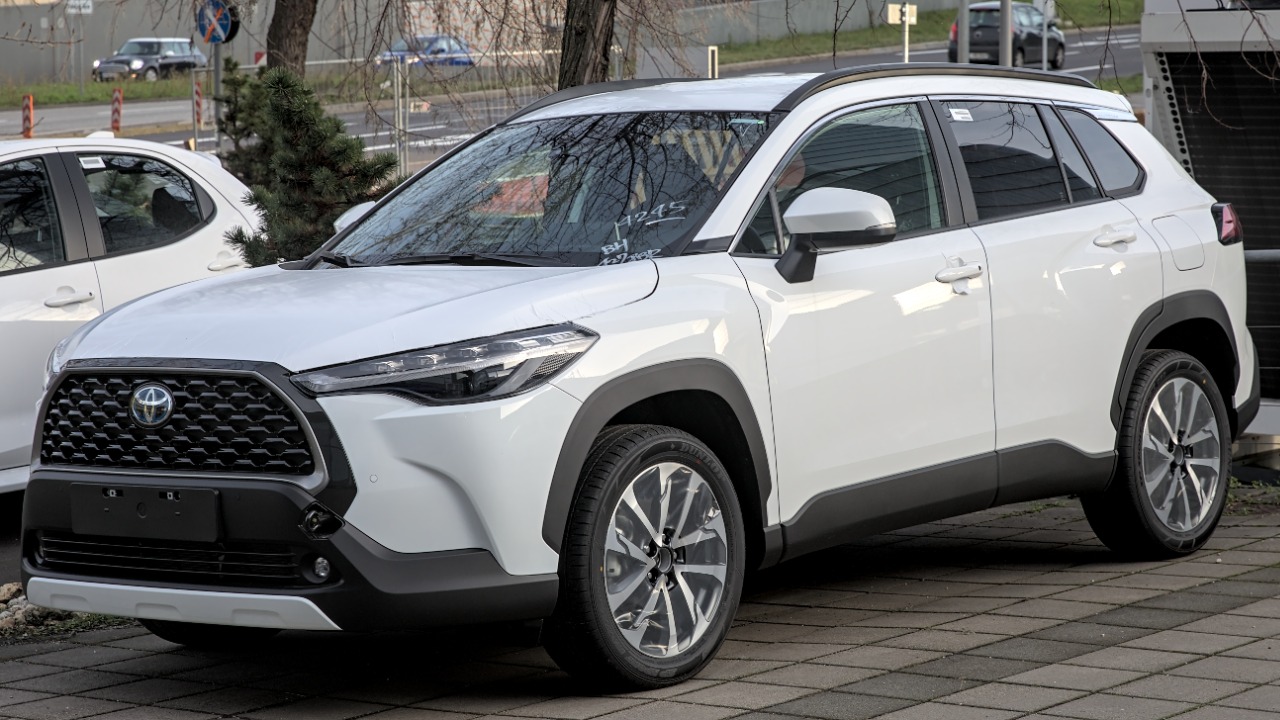
Toyota’s Corolla Cross specifications place the hybrid variant below the RAV4 in size, which lets it post some of the strongest documented fuel-economy figures in the compact-crossover class. Combined mileage has been recorded in the low-to-mid 40s per gallon for the hybrid powertrain, built on the same hybrid architecture Toyota uses across its smaller cars rather than a dedicated SUV system. The smaller footprint trades some cargo space and rear legroom for that mileage advantage over larger hybrid SUVs.
Buyers cross-shopping the RAV4 Hybrid and the Corolla Cross Hybrid are essentially choosing between more interior room and a noticeably better fuel-economy figure, since both share the same underlying hybrid hardware. City-heavy commutes tend to favor the Corolla Cross’s smaller size and lighter weight.
7. Lexus UX 300h: Luxury Badge, Efficiency Figures

Lexus’s UX model overview documents the 300h as the brand’s smallest crossover, built on hybrid hardware shared with Toyota’s compact-car lineup rather than a bespoke luxury drivetrain. Combined fuel economy has been recorded in the low-to-mid 40s per gallon, figures that rival non-luxury hybrid crossovers despite the UX carrying Lexus’s premium interior materials and quieter cabin tuning. The subcompact dimensions keep weight down, which is a major contributor to the strong mileage relative to larger luxury SUVs.
That efficiency lets Lexus market the UX 300h to buyers who want a luxury badge without accepting the fuel costs typically associated with premium SUVs. Cargo space is tighter than in mainstream compact hybrids, a trade-off buyers make for the smaller, more efficient footprint.
8. Subaru Crosstrek Hybrid: All-Weather Grip Without The Penalty
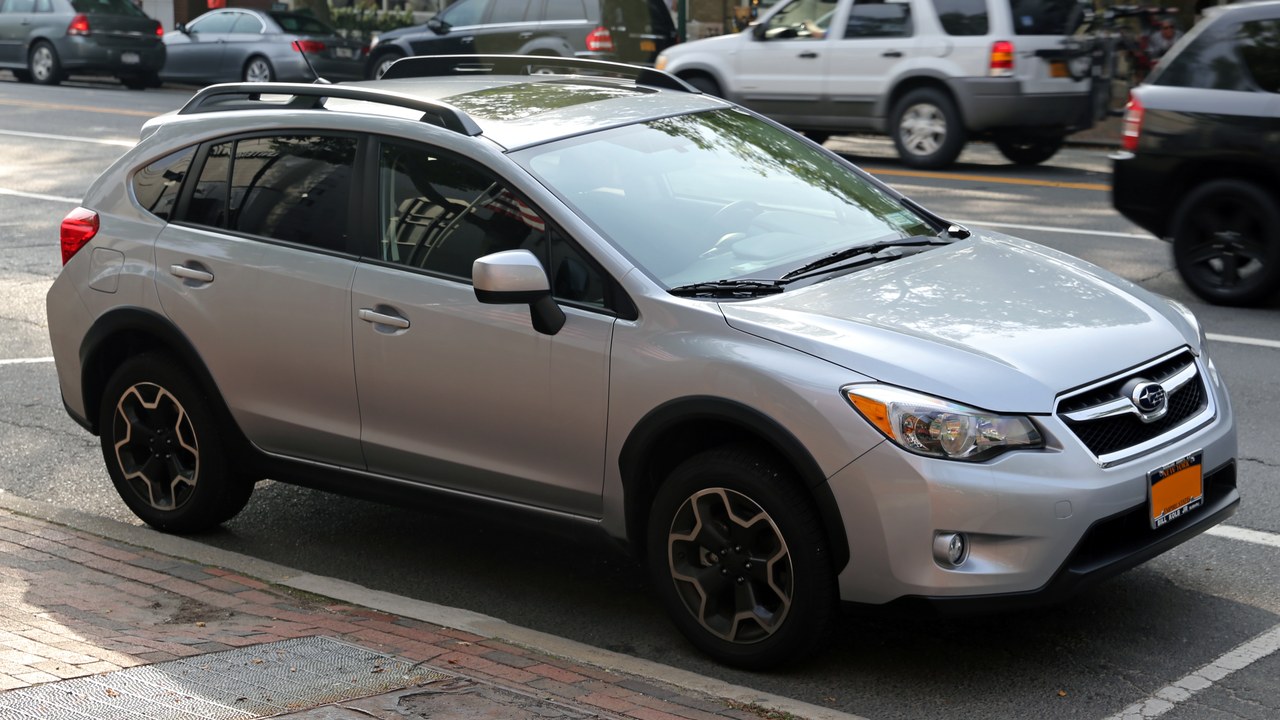
Subaru’s Crosstrek model documentation notes the hybrid variant retains the brand’s standard symmetrical all-wheel drive, a feature most hybrid crossovers on this list only offer as an option that reduces their mileage. That standard AWD has historically come with a smaller documented fuel-economy gain than front-wheel-drive-only hybrid rivals, since all-wheel drive itself carries a mileage cost offsetting part of the hybrid system’s benefit. Subaru frames the tradeoff as worthwhile for buyers who regularly drive in snow, rain or unpaved conditions.
That means the Crosstrek Hybrid’s mileage gain over the standard Crosstrek is real but more modest than the gains posted by front-wheel-drive-focused rivals on this list. Buyers who need dependable all-weather grip get some efficiency benefit, just not the largest number in the group.
More from Morning Overview
- The NSA warns one messaging setting can clone your texts to a stranger
- Security experts still urge phone owners to switch off one location-tracking setting
- Automakers are quietly dropping the stop-start feature many drivers love to hate
- A granite sarcophagus surfaced in Egypt with its original lid still sealed
