
Off-road capability separates from on-road comfort the moment pavement ends, and a handful of SUVs still design around that reality first. Solid axles, low-range transfer cases, locking differentials and real approach angles matter more to these vehicles than cabin hush or infotainment screens. Here are eight SUVs that treat serious trails, not shopping-center parking lots, as their actual job.
1. Jeep Wrangler: The Benchmark Trail Rig
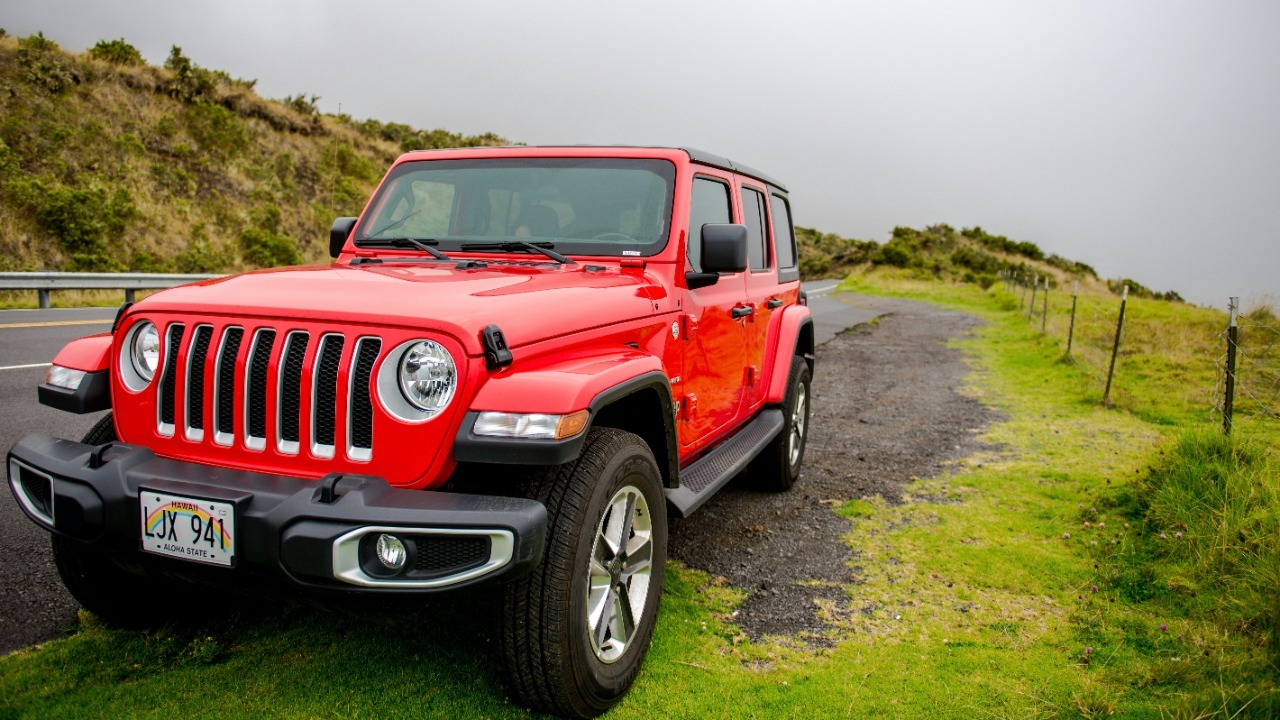
The Wrangler still runs the formula rivals get measured against: solid front and rear axles, a two-speed transfer case, and four-wheel drive built to keep power flowing when a tire lifts off the ground. Rubicon trims add locking front and rear differentials plus a disconnecting sway bar, letting the suspension flex further over broken rock than a standard Wrangler trim allows.
That mechanical simplicity is also why it remains a favorite among owners who repair their own rigs, since axles and transfer cases are straightforward to service compared with the independent suspension setups used on most crossover SUVs.
2. Ford Bronco: Built With Modern Locking Gear
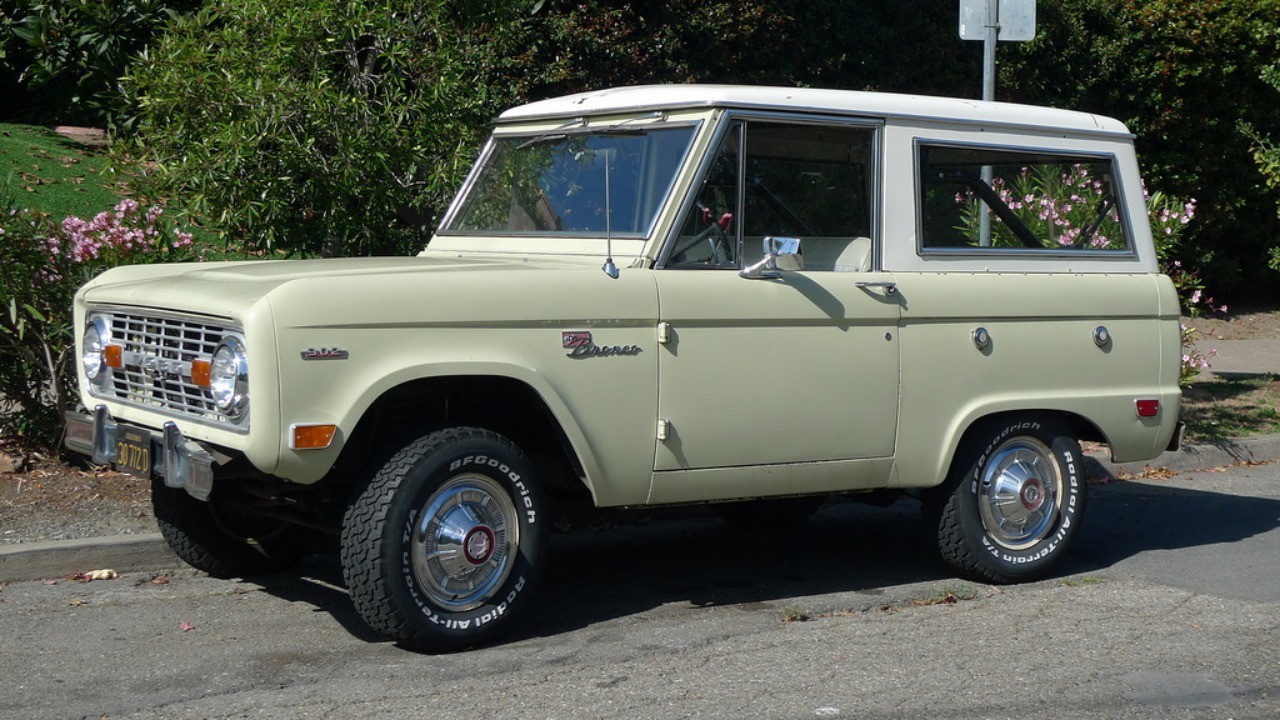
The reborn Bronco pairs an available two-speed transfer case with front and rear locking differentials and an electronically disconnecting front sway bar, a combination Ford badges as the Sasquatch package on select trims. Ground clearance and approach angle both grew over the outgoing model that the Bronco nameplate replaced, giving the SUV more room to clear rocks and ruts without dragging its underbody.
That extra clearance matters most at low speed on rock crawls, where a lower front bumper or rocker panel is the first thing to catch on an obstacle the driver misjudged.
3. Toyota 4Runner: Body-On-Frame With Crawl Control
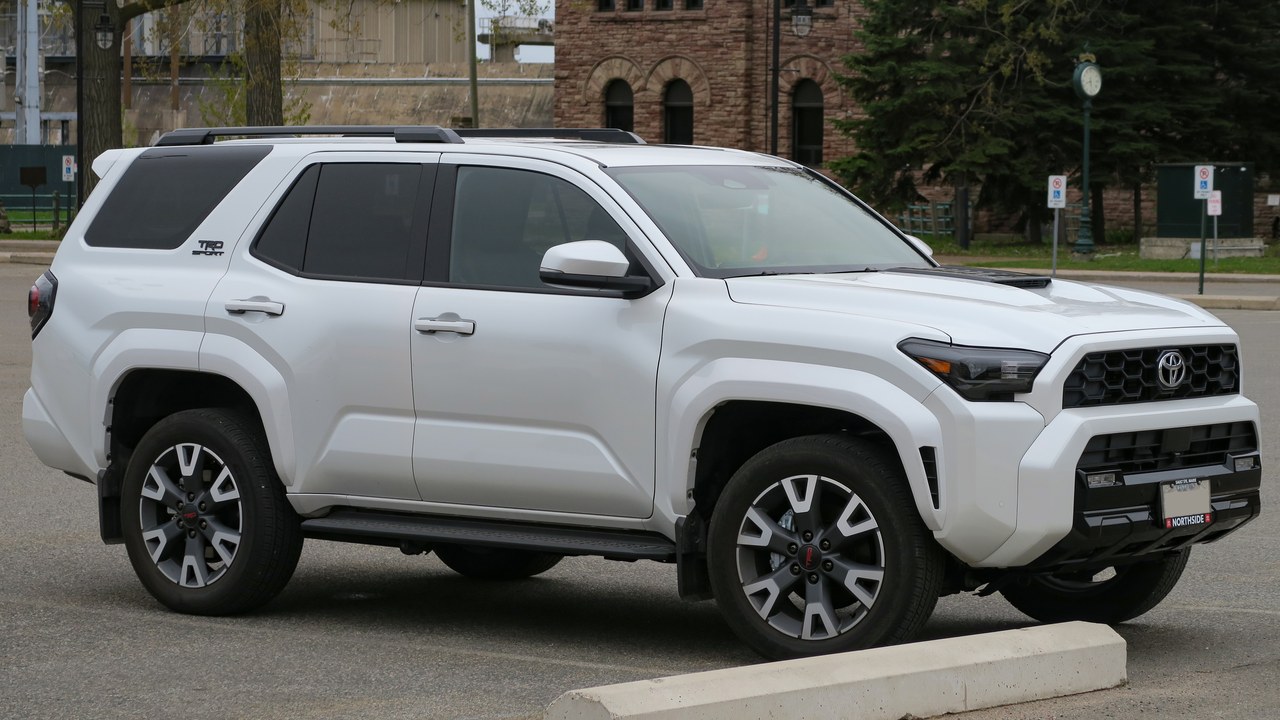
The 4Runner keeps a body-on-frame chassis and, on TRD Off-Road trims, an electronic locking rear differential and Crawl Control, a low-speed system that manages throttle and brakes so the driver can focus on steering across loose or steep terrain. That construction has kept the 4Runner platform largely unchanged for over a decade while most competitors moved to unibody crossovers.
Body-on-frame construction also holds up better to repeated hard impacts on washboard trails, since the body and drivetrain are not asked to absorb chassis flex the way a unibody design does.
4. Land Rover Defender: Built For Deep Water Crossings
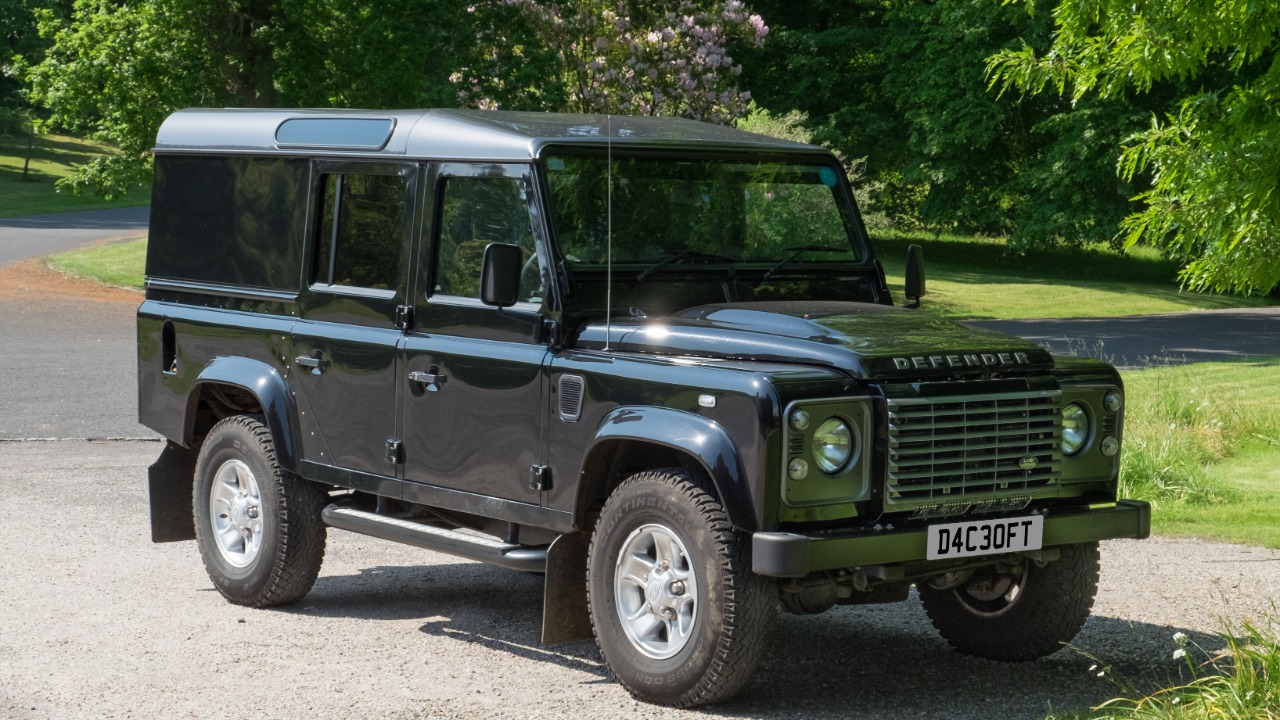
The Defender combines an adjustable air suspension with a wading depth rated among the deepest of any production SUV, letting it cross flooded fords and river crossings that would swamp a lower vehicle. Terrain Response software adjusts throttle mapping, traction control and differential behavior for the surface underneath, a system that traces back to the original Land Rover Defender lineage of go-anywhere utility vehicles.
Raising the air suspension to its tallest setting before a crossing buys extra clearance for the intake and electronics, the detail that separates a planned river crossing from a stalled engine mid-stream.
5. Toyota Land Cruiser: Global Expedition Standard
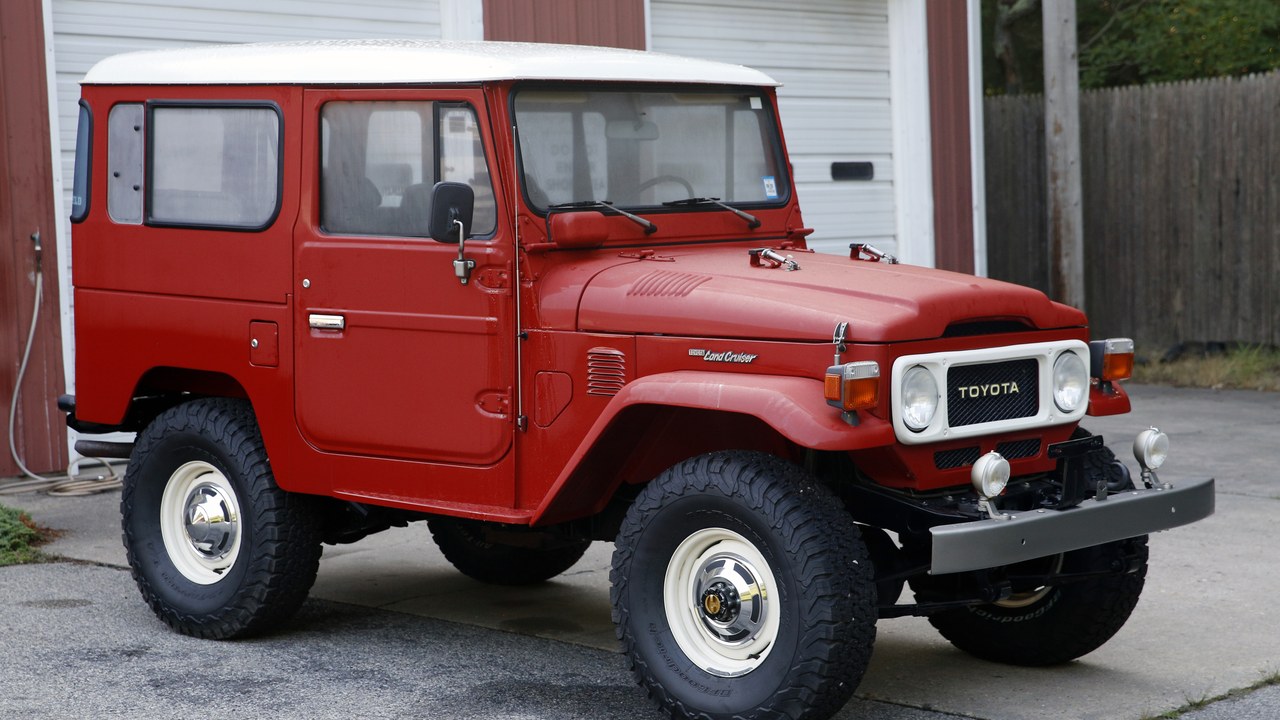
The Land Cruiser built its reputation across deserts, mountains and remote roads where a breakdown can mean days of waiting for help, favoring proven mechanical simplicity and a torquey engine over complexity. Its low-range gearing and available locking differentials let it crawl over rutted tracks at walking pace without straining the drivetrain, a trait that made the Land Cruiser a staple of aid organizations and militaries worldwide.
That same durability record is why resale values for older Land Cruisers stay unusually high, since buyers know a well-maintained example can keep running long after cheaper SUVs need major repairs.
6. Jeep Gladiator: Wrangler Hardware, Pickup Bed
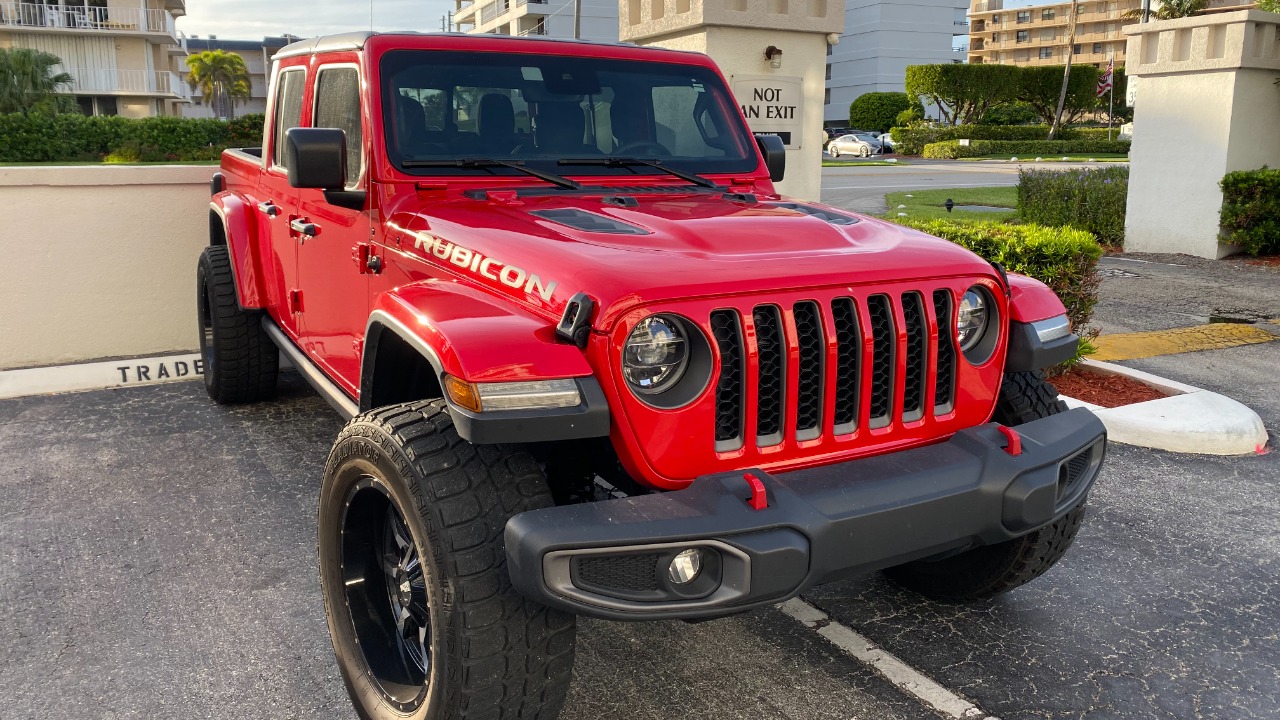
The Gladiator shares its front suspension, transfer case and available locking differentials with the Wrangler, then adds a pickup bed and a longer wheelbase behind the cab. That extra length improves stability towing a trailer to a trailhead but reduces the breakover angle compared with a two-door Wrangler, meaning the Gladiator pickup is more likely to drag its belly cresting a sharp ridge.
Owners who need to haul gear to a remote camp or worksite gain real cargo capacity in exchange for that trade-off, a combination no other Jeep in the lineup offers.
7. Suzuki Jimny: Small Size, Big Capability
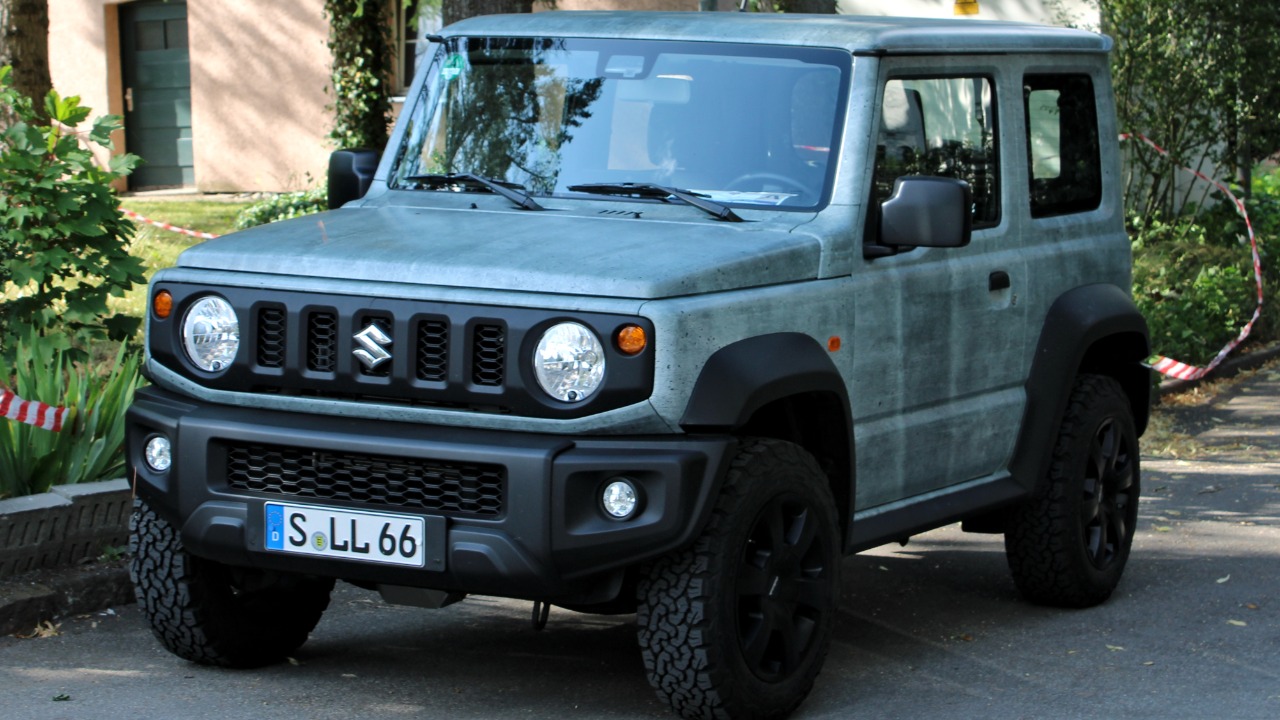
The Jimny pairs a short wheelbase, tall ground clearance and a low-range transfer case with body-on-frame construction, a layout that lets its narrow footprint slot through gaps and squeeze between trees that would stop a wider SUV outright. Its light weight also reduces the strain on the drivetrain when the vehicle is winched or manually lifted out of deep mud, an outcome documented throughout the Jimny’s long history in rough terrain.
Small dimensions do trade away interior space and highway comfort, which is why the Jimny is better suited to tight trails than long, high-speed highway drives.
8. Mercedes-Benz G-Class: Three Locking Differentials, Built In
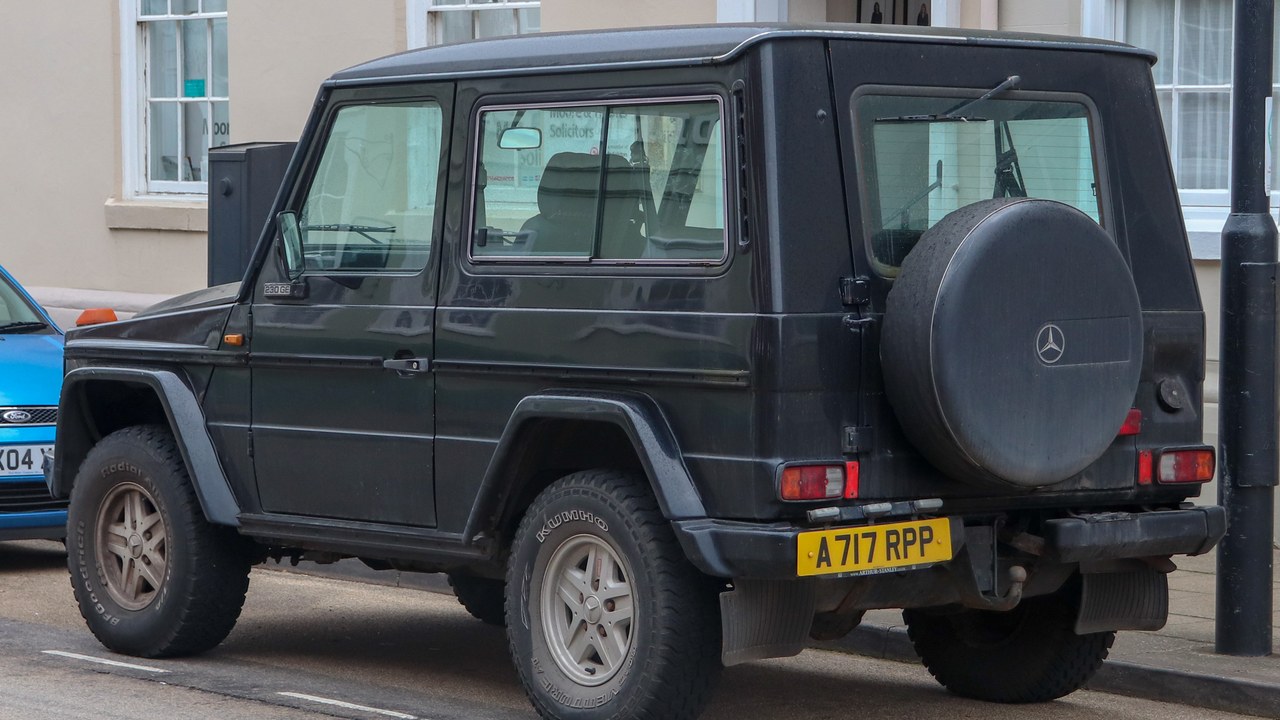
The G-Class ships with front, center and rear locking differentials as standard equipment, a combination few luxury SUVs bother to offer since most buyers never leave pavement. Its boxy, upright body and short overhangs give it steep approach and departure angles, letting the G-Class climb obstacles that would scrape the nose or tail of a lower, longer luxury SUV.
That combination of true off-road hardware and a cabin trimmed to luxury-car standards is the reason the G-Class holds its resale value even as it approaches middle age for the platform.
More from Morning Overview
- Four U.S. startups fired up their first small nuclear reactors, aiming to power AI data centers on-site
- 11 engines built to run well past 200,000 miles
- A handful of car transmissions are so tough that mechanics say they almost never die
- Card skimmers hidden on gas pumps are draining accounts, and there’s a quick way to spot them
