
Used luxury SUVs carry a reputation for expensive repairs, but a handful of models buck that pattern once the original owner moves on. Shared mechanicals with mass-market siblings, simple drivetrains, and a track record of high mileage on the road keep certain nameplates running long after depreciation drops their price. Here are eleven used luxury SUVs that tend to outlast their badge’s reputation for trouble.
1. Lexus RX: The Reliability Benchmark
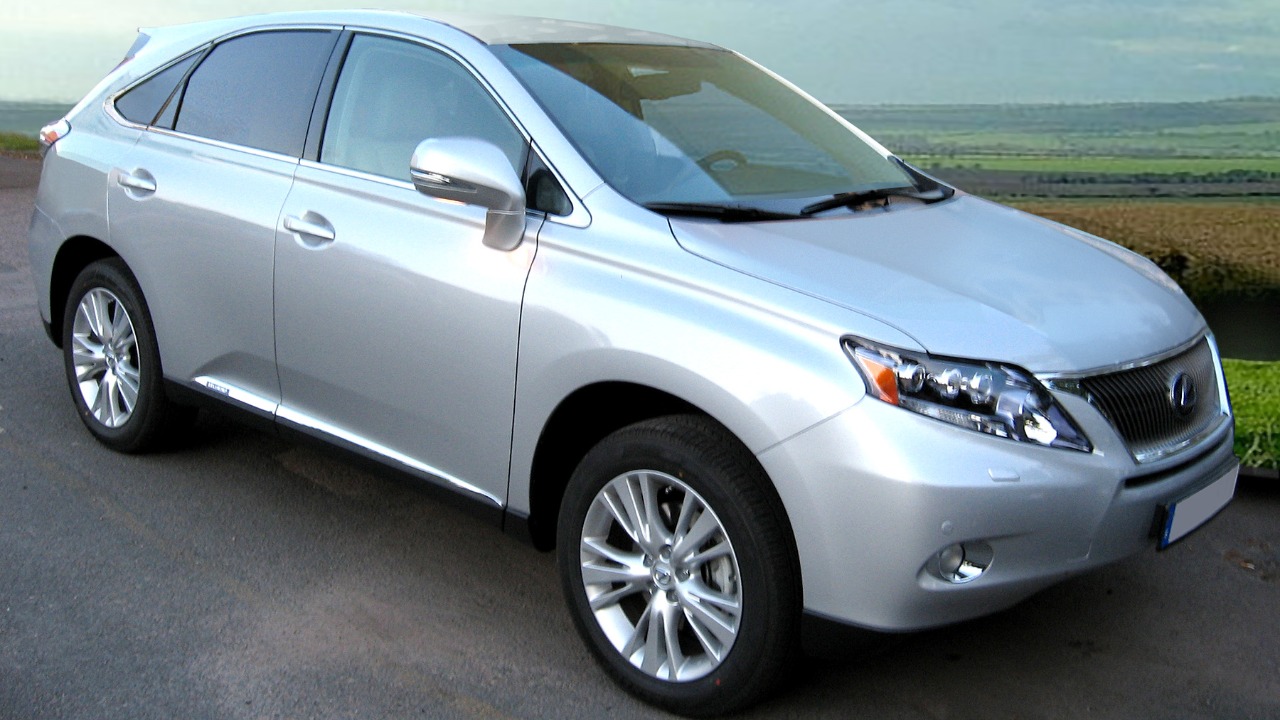
The Lexus RX lineup shares its V6 and hybrid drivetrains with Toyota’s mainstream Highlander and Camry platforms, so parts are common and mechanics already know the internals well. Owners routinely report smooth operation past 150,000 miles with only scheduled maintenance, which is why the RX set the durability standard other luxury crossovers get measured against.
The tradeoff shows up in options: adaptive air suspension and complex infotainment electronics from certain model years cost more to fix than the drivetrain ever does. A used RX without those upgrades is usually the simpler, cheaper one to keep running.
2. Lexus GX: Built On Land Cruiser Bones
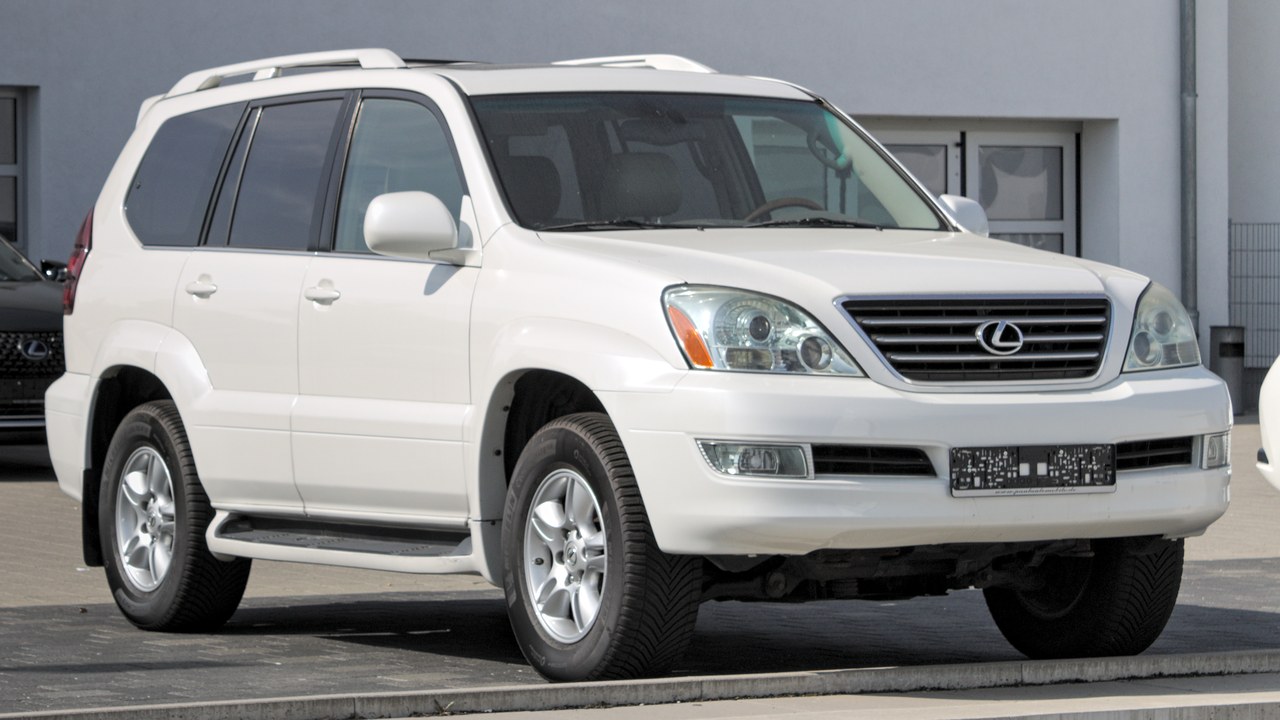
The Lexus GX platform is a badge-engineered Toyota Land Cruiser Prado, riding on the same body-on-frame chassis and a naturally aspirated engine known for surviving hard off-road use with basic upkeep. That heritage carries into daily driving, where high-mileage examples keep running with none of the drivetrain drama that can plague unibody luxury crossovers.
The compromise is refinement rather than durability: a stiffer ride, more road noise, and real off-road hardware that a typical suburban owner rarely uses. Buyers accept the truck-like manners in exchange for a mechanical layout that keeps working long after the interior shows its age.
3. Acura MDX: Honda Mechanicals, Three Rows
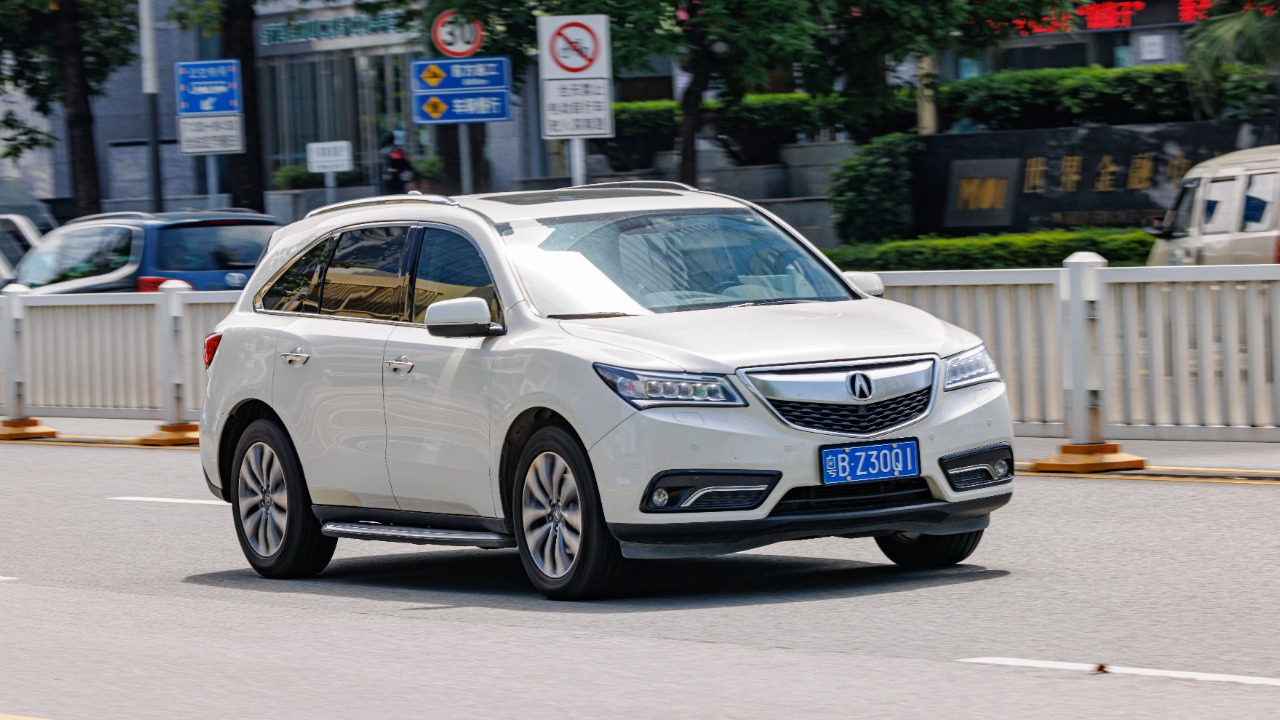
The Acura MDX generation lineup borrows its V6 engine, transmission, and much of its unibody structure from the Honda Pilot, so the engineering Honda validates across a mass-market volume seller ends up under the MDX’s nicer trim. That shared parts bin keeps repair costs and part availability closer to a Honda than a typical luxury three-row.
Where the MDX diverges from its Pilot sibling is added complexity: extra sound insulation, upgraded infotainment, and available all-wheel-drive electronics that cost more to fix when they fail. Sticking with a well-maintained example still nets a three-row that ages more like an appliance than a luxury gamble.
4. Lexus LX: Flagship Built On Toughness
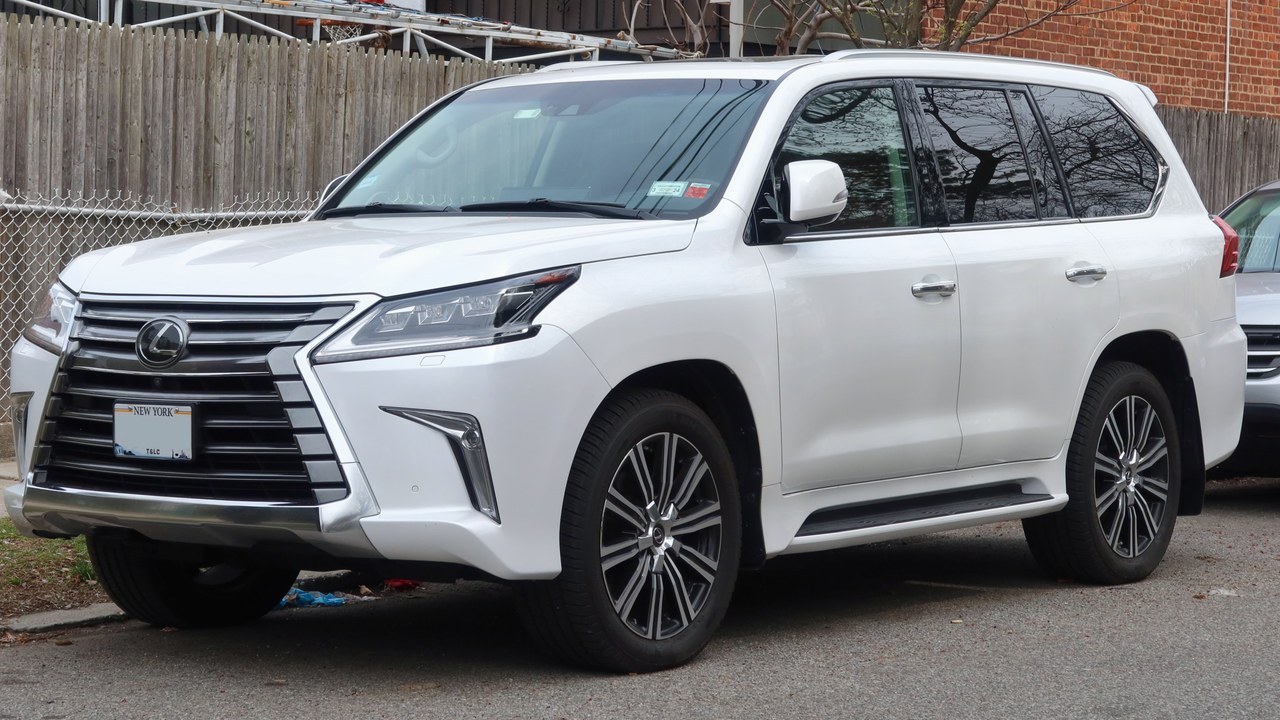
The Lexus LX flagship is built on the same body-on-frame Land Cruiser platform Toyota sells worldwide for government fleets and expedition use, paired with an engine line that has a long history of high-mileage survival. Owners of older examples describe engines and drivetrains that keep running well past typical luxury-SUV lifespans with routine fluid changes.
Cost shows up elsewhere: fuel economy is poor, parts carry a luxury markup over the mechanically similar Land Cruiser, and options like adjustable air suspension add expensive failure points. The core mechanical toughness is real, but the ownership bill leans on how well those extras were maintained.
5. Infiniti QX60: Comfort That Ages Well
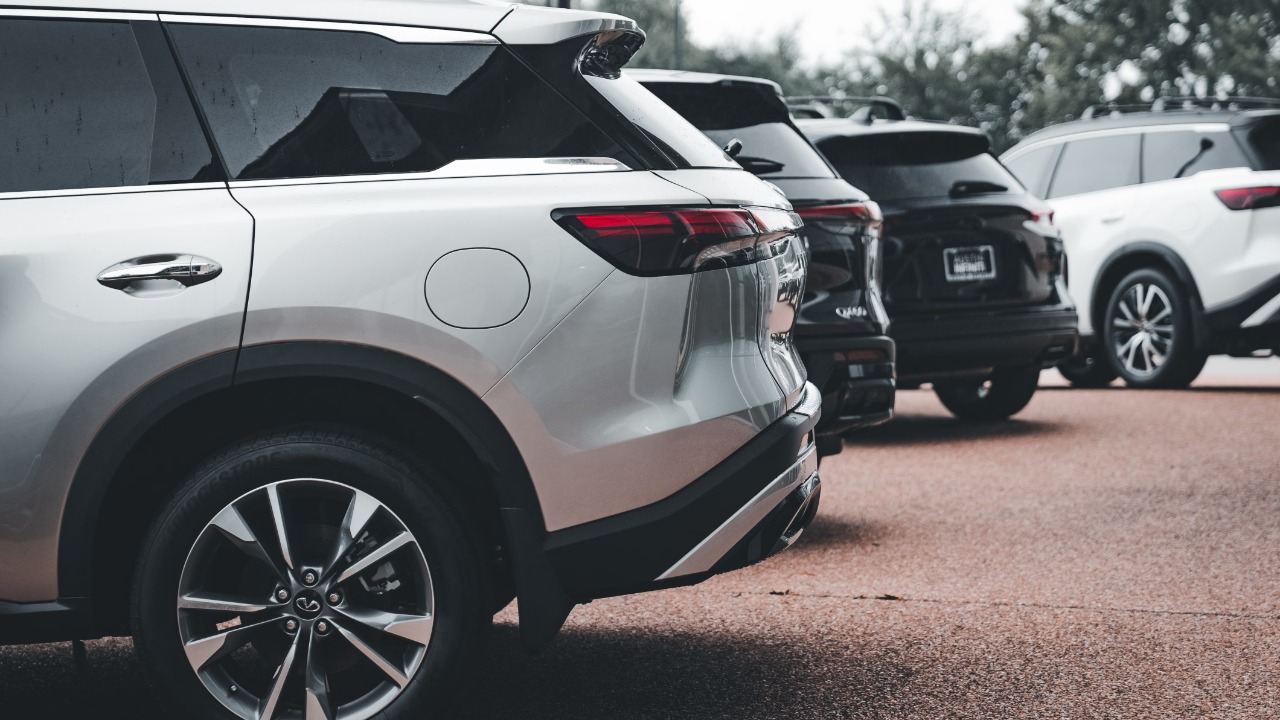
The Infiniti QX60 lineup shares its V6 engine and continuously variable transmission with the Nissan Pathfinder and Murano, giving it a mechanical base that Nissan builds and services at high volume. Later model years smoothed out the early CVT complaints that dogged the first generation, and owners of those refreshed versions report a comfortable, dependable family SUV years into ownership.
Earlier examples are the ones to watch, since transmission behavior and interior material wear were rougher before the mid-cycle updates arrived. A used QX60 from after the refresh is the safer bet for someone chasing low-drama ownership rather than the lowest sticker price.
6. Acura RDX: Compact With A Strong Record
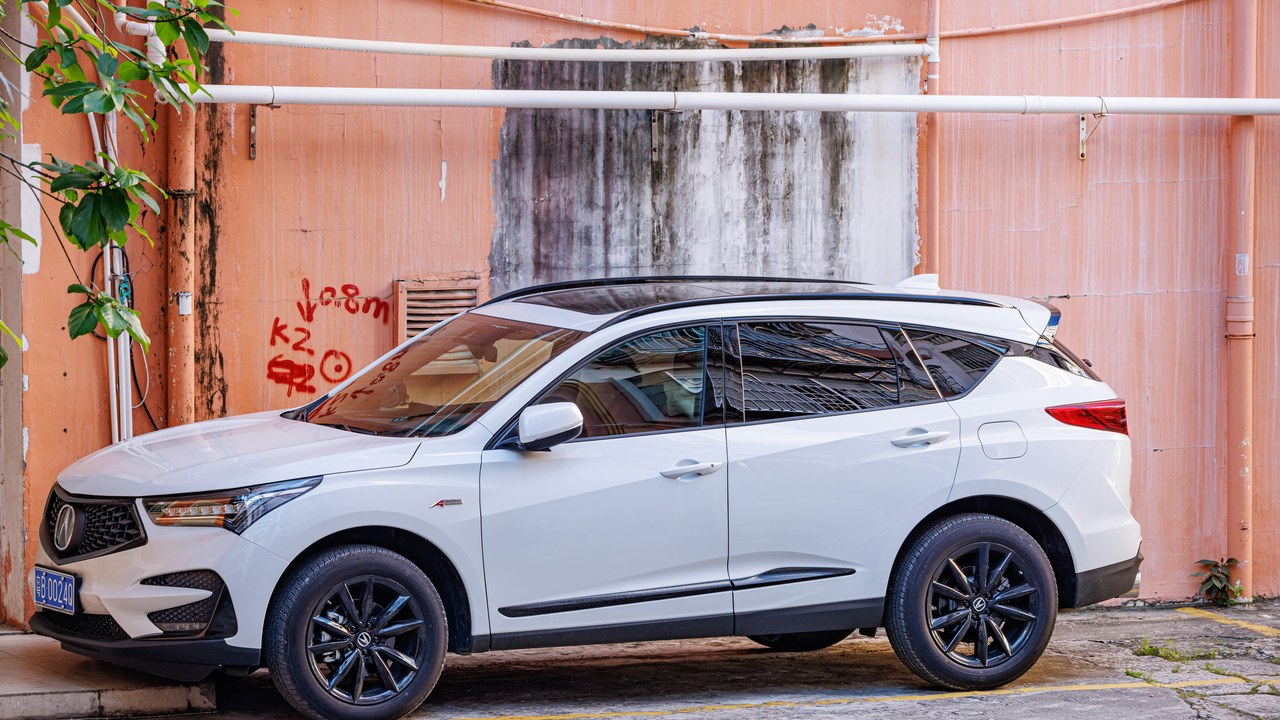
The Acura RDX crossover carries Honda’s compact-SUV engineering into a nicer cabin, using a turbocharged four-cylinder and all-wheel-drive system that Honda has refined across the CR-V and Pilot for years. That shared foundation means routine maintenance stays affordable and parts are easy to source compared with most European compact luxury crossovers.
The RDX’s turbo engine still wants its oil changed on schedule, since turbocharged four-cylinders are less forgiving of neglect than a larger naturally aspirated engine. Kept current on service, it is one of the more affordable compact luxury crossovers to run used.
7. Volvo XC90: Sturdy Swedish Build Quality
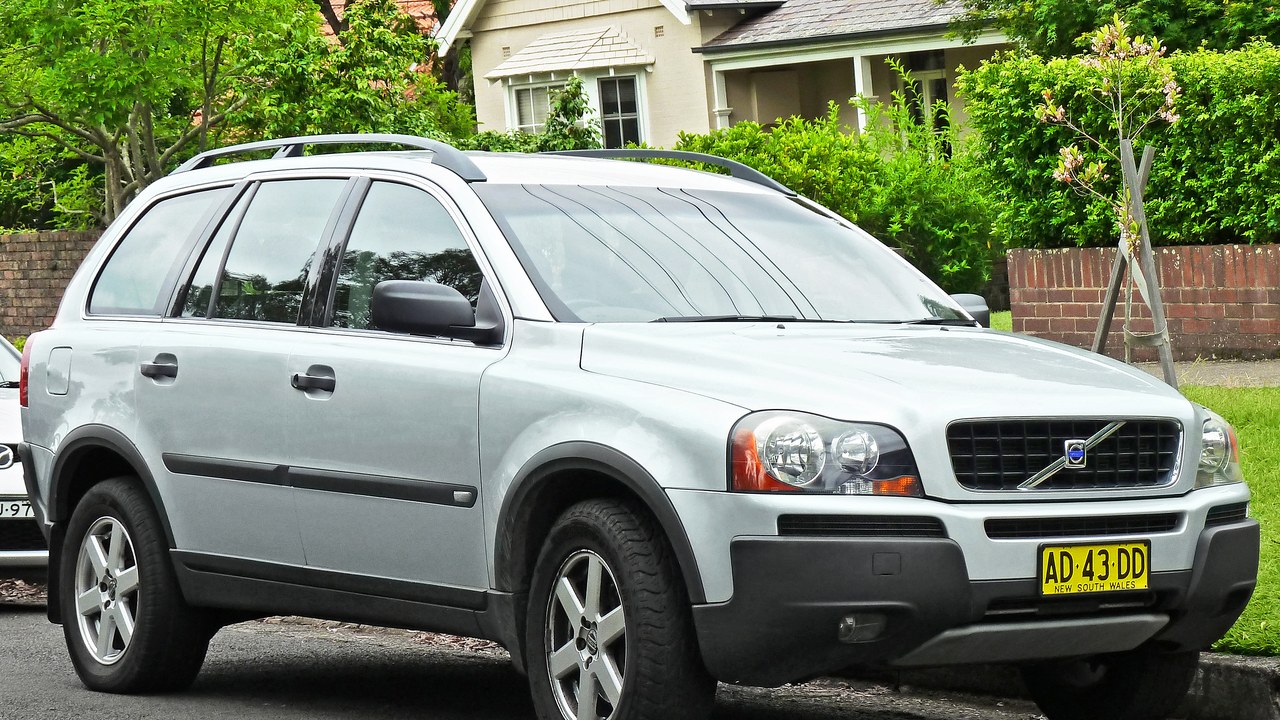
The Volvo XC90 SUV is built around a reinforced unibody structure and a simplified engine lineup, after the second generation moved to a single turbocharged four-cylinder shared across most trims instead of a sprawling range of engines. That consolidation made parts and diagnostic knowledge easier for independent shops to keep on hand.
The newer XC90’s plug-in hybrid trims add battery and electronics complexity that a base gasoline model does not carry, so buyers chasing simplicity tend to favor the non-hybrid versions. Either way, the structure underneath has a strong reputation for holding together over high-mileage ownership.
8. Buick Enclave: Roomy Three-Row That Endures
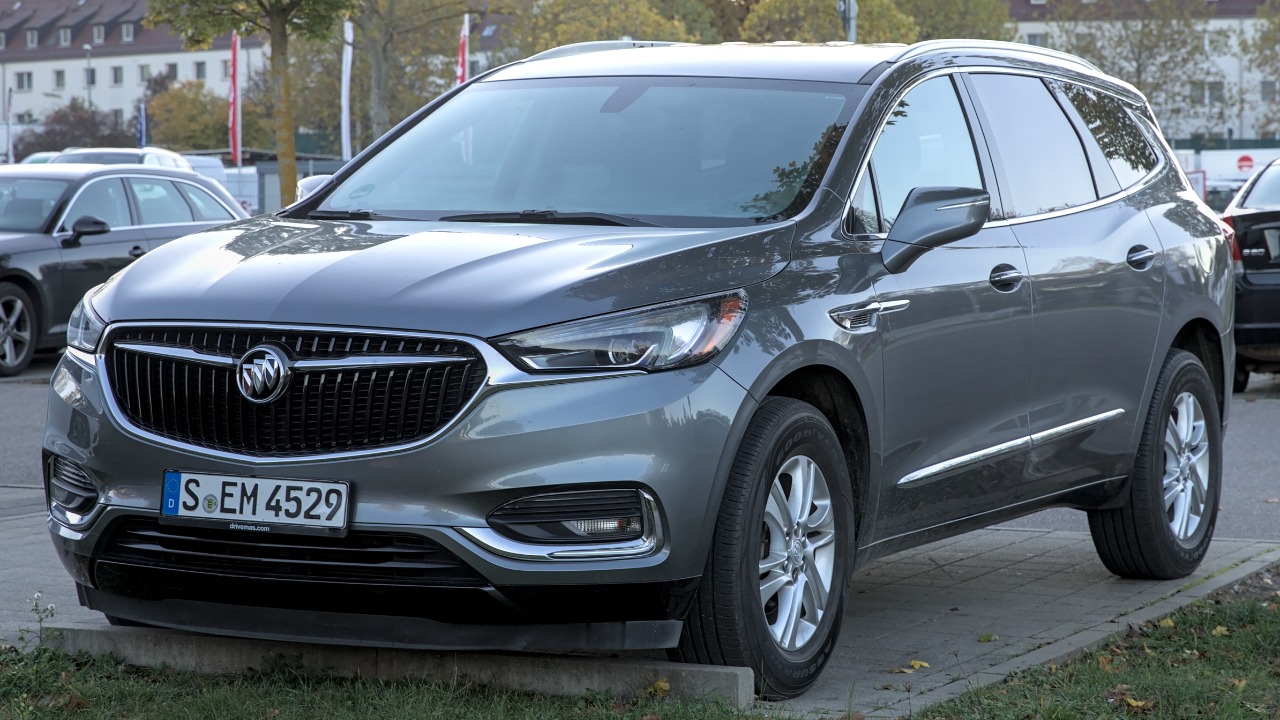
The Buick Enclave three-row shares its V6 engine, transmission, and unibody platform with the Chevrolet Traverse and GMC Acadia, so it draws on GM’s high-volume mainstream parts and service network rather than a low-volume luxury supply chain. That shared base keeps repair costs closer to a Chevrolet than to a European three-row rival.
The Enclave’s extra sound-deadening and upgraded trim pieces are where the badge premium shows up, and those interior components can wear or rattle before the mechanical underpinnings show any strain. A well-kept example still delivers three rows of space without the drivetrain surprises pricier rivals can bring.
9. Lincoln Navigator: Truck Bones, Luxury Skin
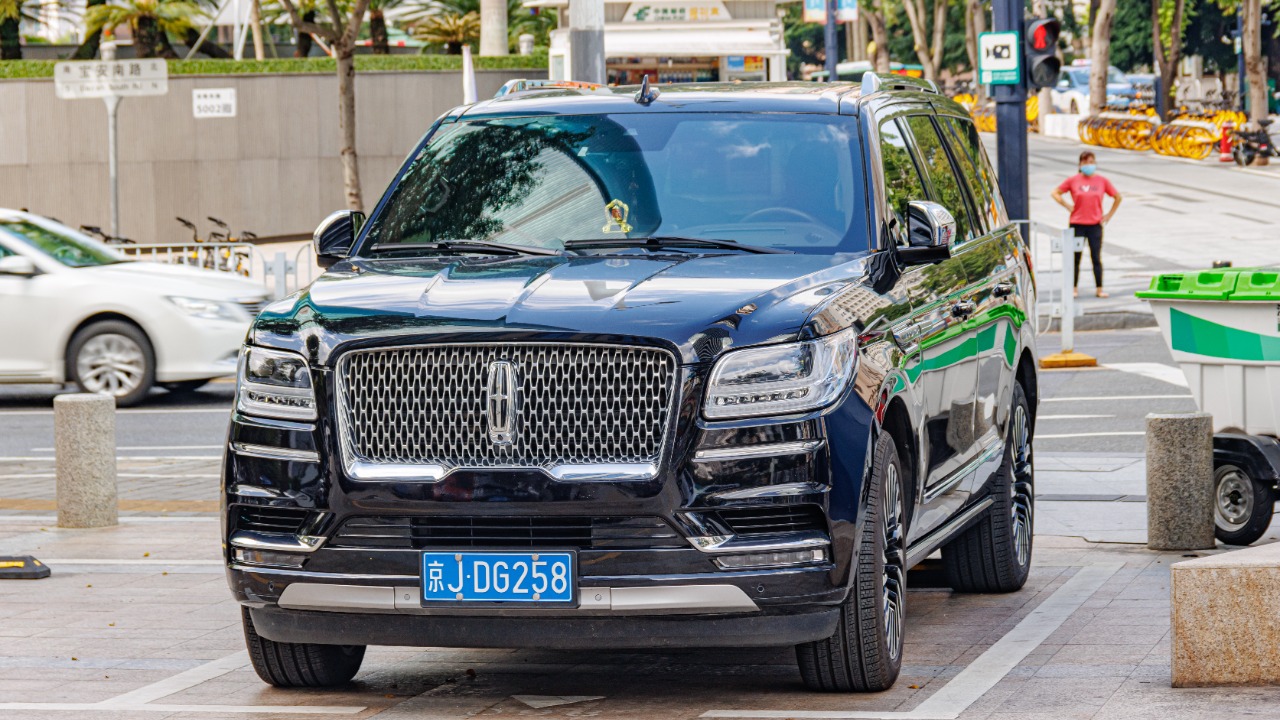
The Lincoln Navigator SUV rides on the same body-on-frame platform and turbocharged V6 as the Ford Expedition, a combination Ford has sold in high volume for years and supports with an equally wide parts network. That truck-based structure gives the Navigator a reputation for absorbing high mileage better than unibody luxury SUVs built for on-road comfort alone.
Air suspension and the Navigator’s extensive power features are the components most likely to need attention as mileage climbs, and repairs on those systems carry a luxury price despite the shared mainstream-truck frame and drivetrain. Budgeting for those extras matters more than worrying about the basic mechanicals.
10. Cadillac Escalade: Full-Size Icon, Truck Underpinnings
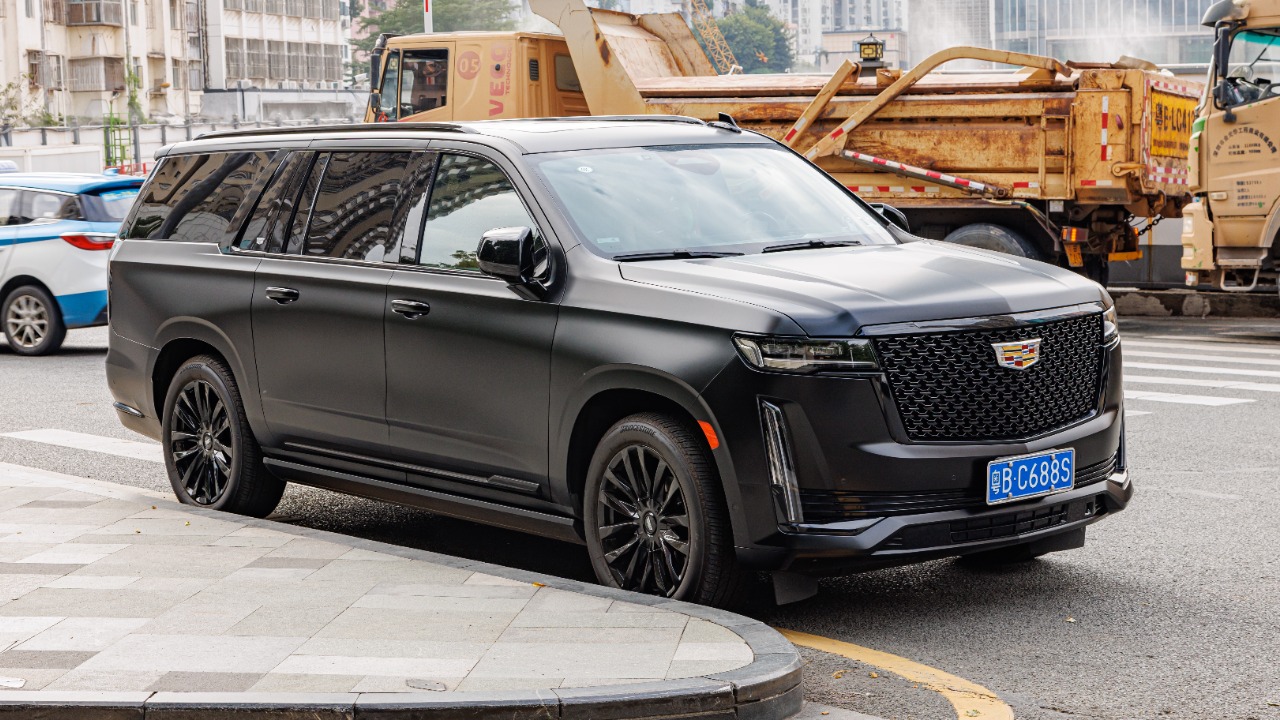
The Cadillac Escalade lineup is built on the same truck platform and V8 engine as the Chevrolet Tahoe and GMC Yukon, giving it access to GM’s most widely serviced drivetrain components. That mainstream truck foundation is a major reason high-mileage Escalades keep showing up on the road well past when many unibody luxury SUVs have been retired.
The Escalade’s air suspension, upgraded infotainment, and extensive interior electronics are the parts that separate it from its Chevrolet cousin, and those add-ons are the pricier items to repair as the vehicle ages. A used Escalade with a documented maintenance history on the drivetrain is usually the safer buy.
11. Lexus NX: Compact Crossover, Strong Record
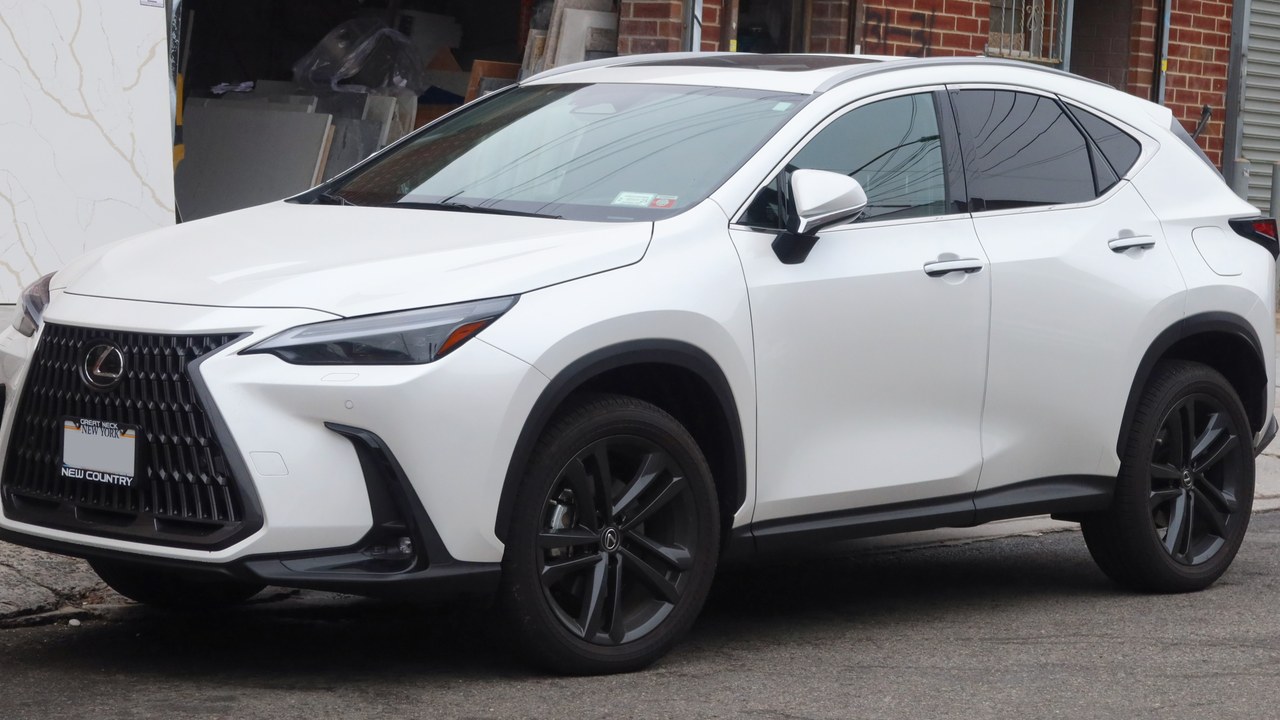
The Lexus NX crossover shares its four-cylinder and hybrid powertrains with Toyota’s RAV4, giving it access to one of the most widely produced and well-understood drivetrains on the road. That common engineering base is a large part of why the NX carries a reputation as one of the more dependable compact luxury crossovers available used.
Its smaller size and tighter engine bay mean routine service can cost more at a dealer than the same work on a RAV4, even though the parts are often interchangeable. Owners who use independent Toyota-familiar shops tend to see the NX’s ownership costs settle closer to its mainstream sibling.
More from Morning Overview
- Supplements now rank as the fifth-leading cause of death from liver disease.
- The NSA is again telling phone owners to switch off one location setting
- Four U.S. startups fired up their first small nuclear reactors, aiming to power AI data centers on-site
- 11 engines built to run well past 200,000 miles
