
Some SUVs are built to be replaced every few years, and others are built to outlast the driveway where they’re parked. Long-term ownership data and mechanics keep flagging the same handful of body-on-frame haulers and simple V6 crossovers as vehicles that shrug off 200,000 miles with nothing more than routine maintenance. Here are ten SUVs that owners routinely push well past that mark.
1. Toyota Land Cruiser: The 250,000-Mile Benchmark
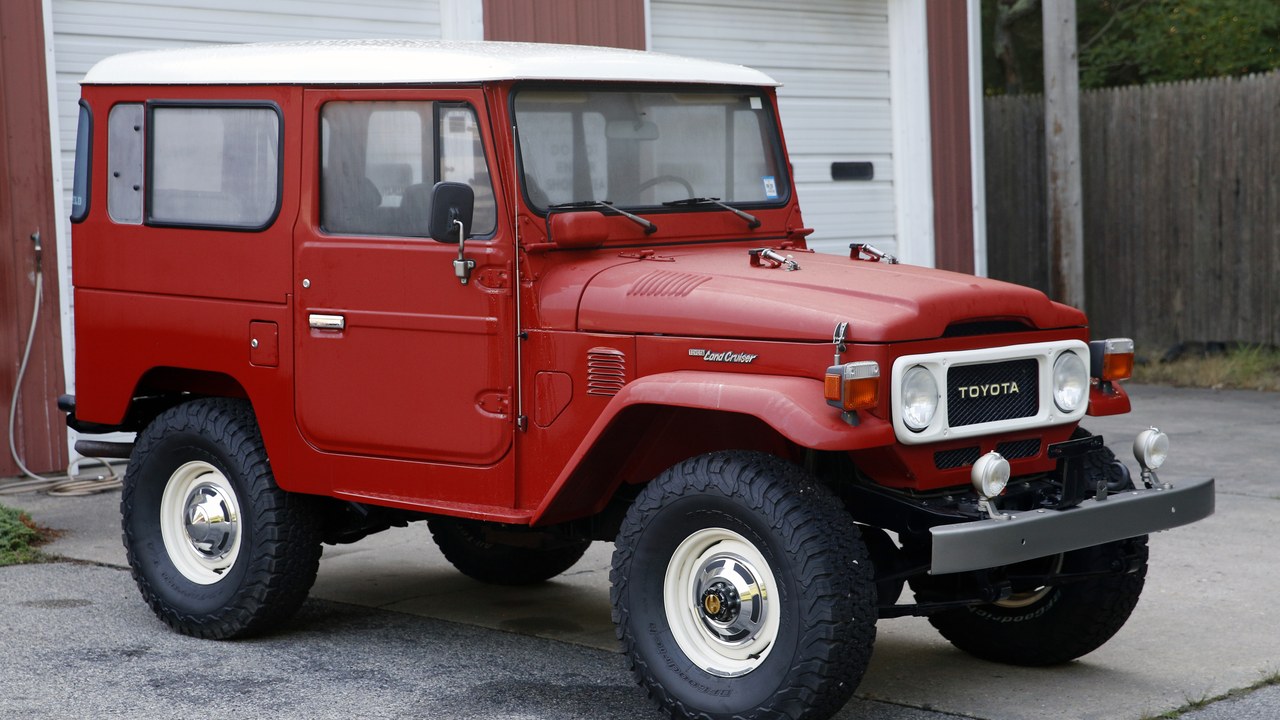
Toyota’s body-on-frame Land Cruiser anchors the top of iSeeCars’ longest-lasting vehicles study, where a slice of the surveyed fleet cleared 250,000 miles. The 5.7-liter V8 and full-time four-wheel-drive system were engineered for Toyota’s global truck lineup, not just comfort, so the mechanicals carry far more reserve capacity than a typical crossover.
Owners who stick to factory service intervals report engines and transmissions that outlast two or three sets of tires and brakes. The tradeoff is a used-market premium: a high-mileage Land Cruiser routinely sells for more than a low-mileage rival from another brand.
2. Toyota 4Runner: Body-On-Frame Simplicity
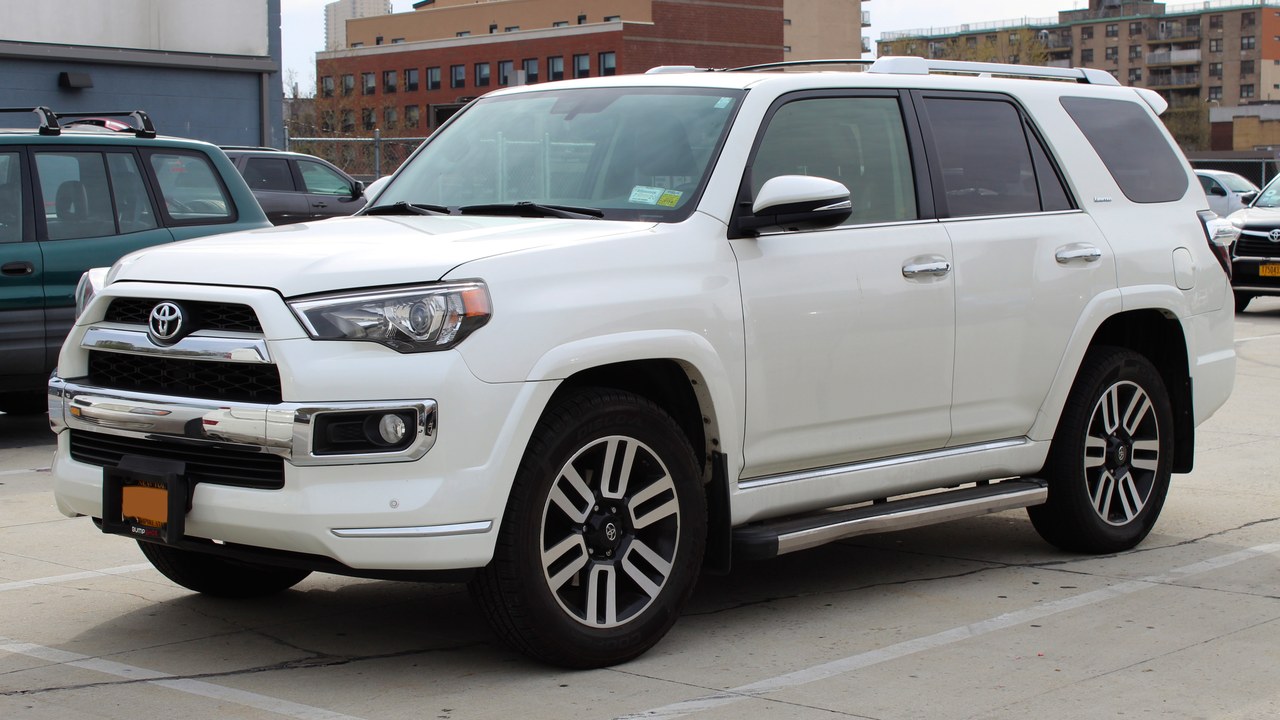
The 4Runner has kept Toyota’s 4.0-liter V6 and a body-on-frame chassis long after most competitors moved to unibody crossovers, a choice 4Runner’s production history ties directly to its reputation among overlanders and rental fleets alike. That simpler drivetrain has fewer failure points than a turbocharged four-cylinder pushed through a CVT.
Independent mechanics frequently cite 300,000-mile 4Runners still running their original transmission. The suspension and interior wear out long before the engine does, which is why used examples with rough cabins but healthy motors remain common at auction.
3. Toyota Sequoia: A Tundra Frame Underneath
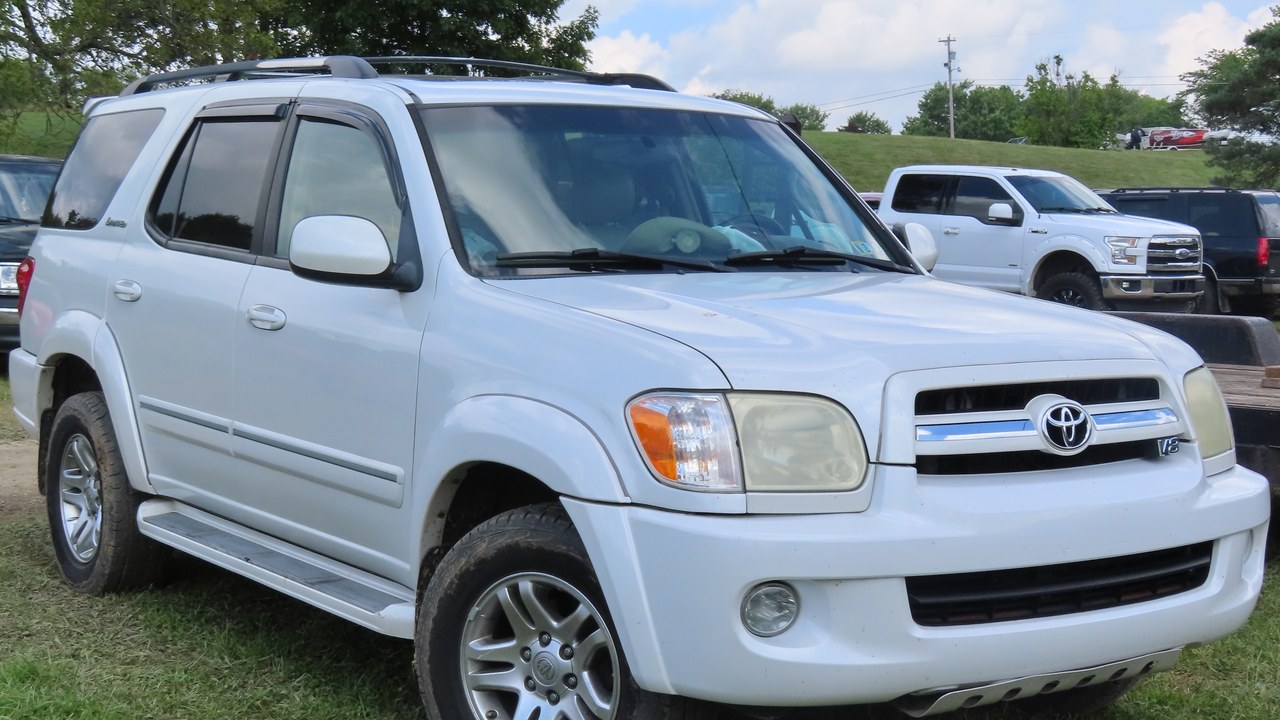
The Sequoia borrows its frame and V8 straight from the Tundra pickup, a lineage Sequoia’s platform overview confirms runs unchanged for over a decade at a stretch. That truck-grade durability lets families and tow-heavy owners push well past 300,000 miles without a major engine rebuild.
Fuel economy suffers next to newer crossovers, but the tradeoff buys a full-size SUV that rarely strands its owner. Rust on older frames in road-salt states is the more common failure point than anything under the hood.
4. Lexus GX: The Luxury Land Cruiser Twin
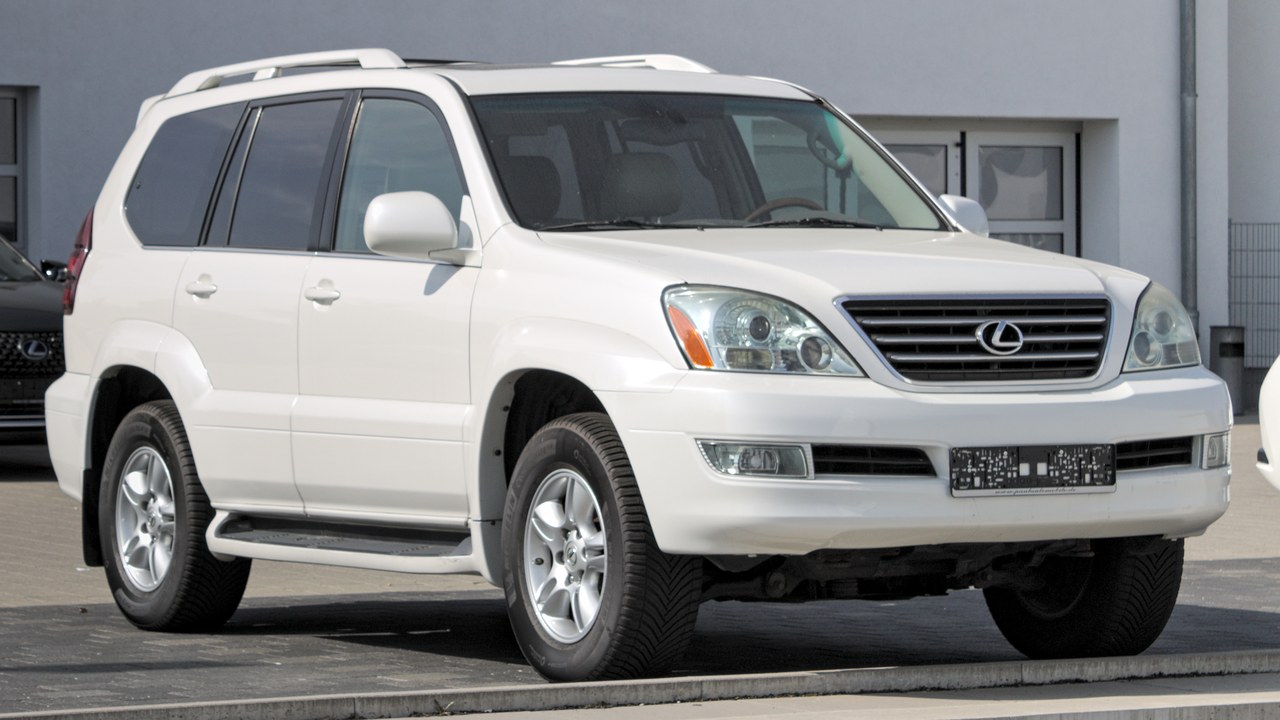
The GX is a badge-and-trim exercise built on the same ladder frame as the Toyota Land Cruiser Prado, a shared-platform fact Lexus GX’s model history lays out in detail. That means the same low-stress V8 or V6 engines and the same reputation for crossing 250,000 miles with only scheduled maintenance.
Buyers pay a premium for leather and quieter cabins, not for extra reliability the Toyota underneath doesn’t already have. High-mileage GX values hold up because used-luxury shoppers know exactly what powertrain they’re getting.
5. Toyota Highlander: The Midsize Mileage Standout
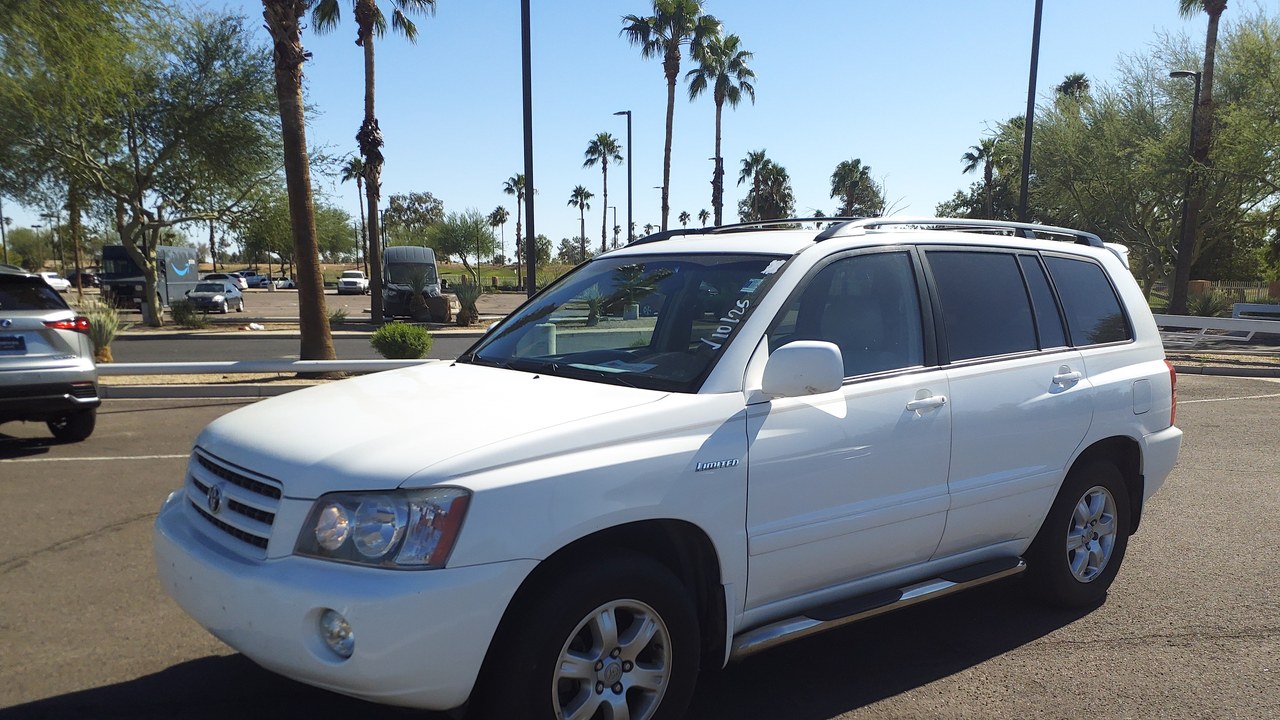
The Highlander swapped Toyota’s truck-based durability for a car-based unibody, yet it still shows up on Highlander’s long-run production notes as one of the midsize SUVs owners report past 200,000 miles most often. Its V6 and later hybrid drivetrain were tuned for longevity over outright power.
Regular transmission fluid changes matter more here than on the body-on-frame models on this list, since the six-speed automatic is the more common wear point. Otherwise the interior and electronics tend to fail long before the powertrain does.
6. Honda Pilot: Honda’s Long-Haul Family Hauler
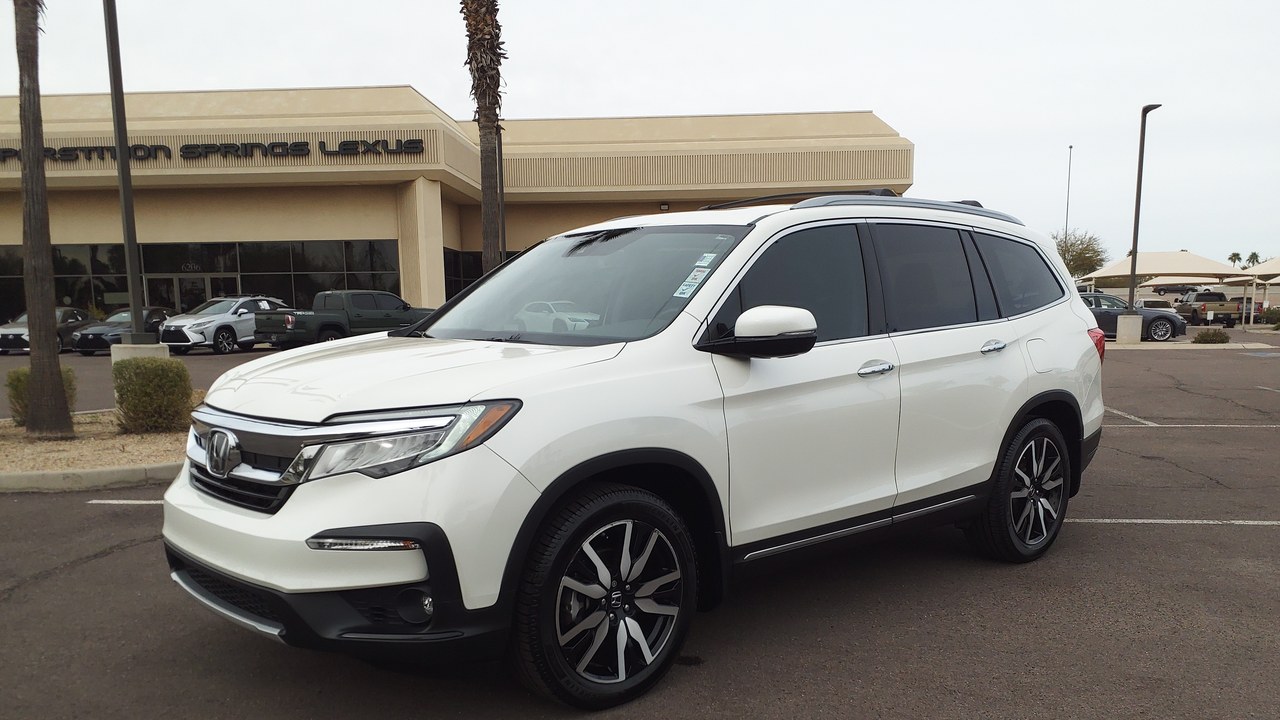
Honda’s Pilot pairs a well-proven V6 with a unibody chassis shared across the brand’s family lineup, a combination Pilot’s model background credits for its reputation among owners who keep vehicles a decade or more. Timing belt and transmission service on schedule are the main levers that keep the mileage climbing.
Early nine-speed automatics in some model years drew complaints, so shoppers hunting a high-mileage Pilot do better sticking to the simpler five- and six-speed versions. Rust in northern climates, not the engine, is usually what ends one first.
7. Chevrolet Suburban: Fleet-Proven Durability
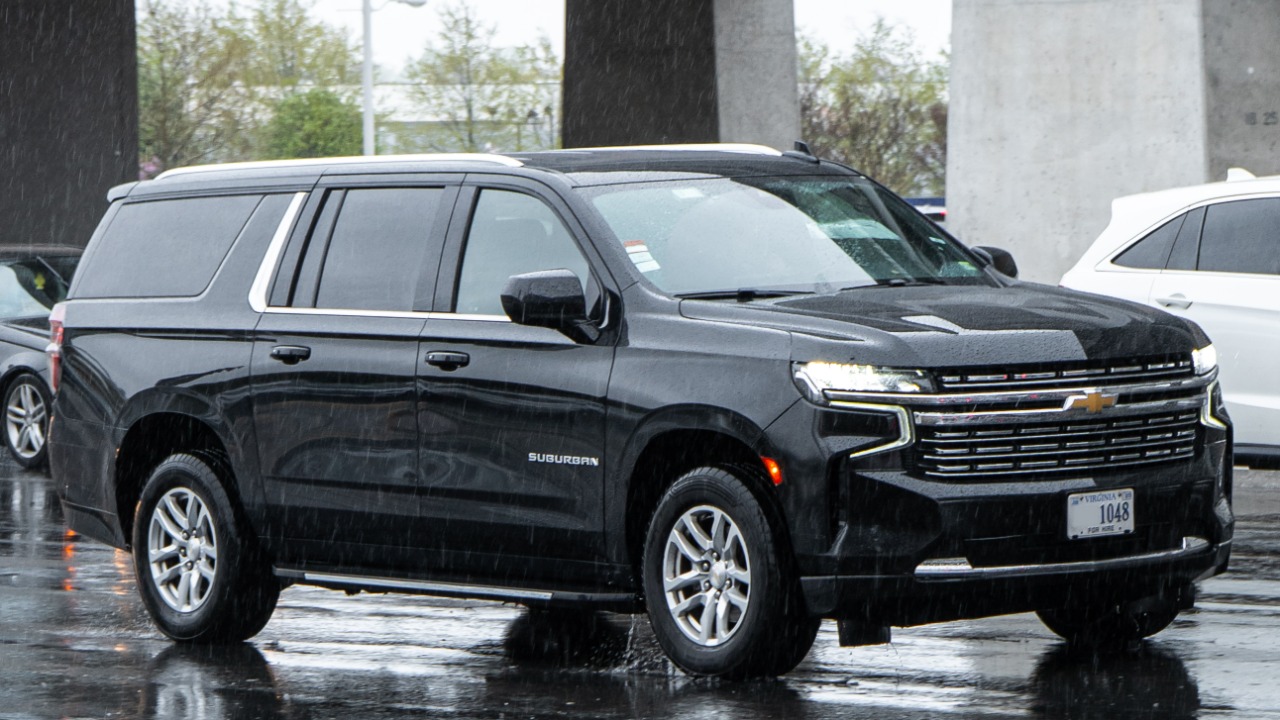
GM’s full-size Suburban runs the same truck frame and small-block V8 family used across police fleets, ambulances and tow rigs, a duty-cycle history Suburban’s fleet-use record documents going back decades. Vehicles built for that kind of abuse tend to have a lot of mileage left over for a private owner.
High-mileage Suburbans are common at government and livery auctions specifically because fleets ran them hard and still didn’t wear out the drivetrain. Buyers just need to budget for the fuel and tire costs of a vehicle this size.
8. Lexus LX: Land Cruiser’s Luxury Sibling
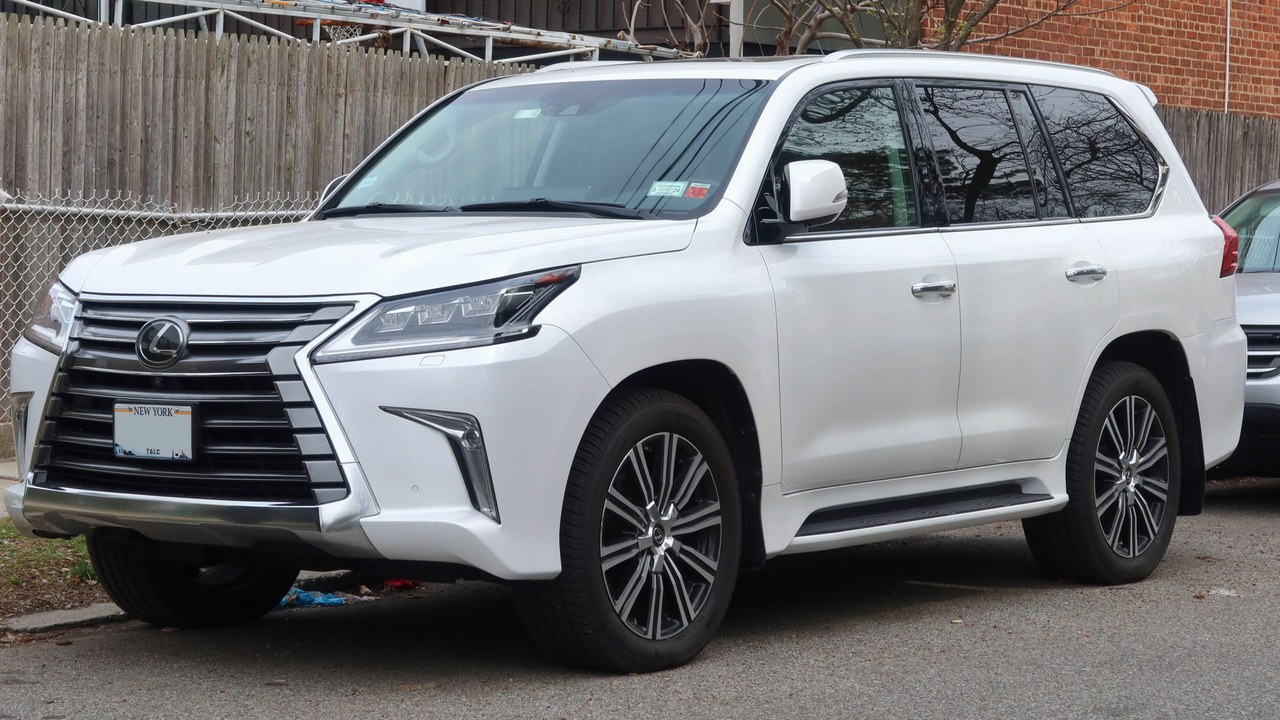
The LX is the Land Cruiser’s luxury twin, built on the same body-on-frame platform that Lexus LX’s shared-chassis background traces directly to Toyota’s global truck architecture, whether the engine under the hood is the older 5.7-liter V8 or the newer twin-turbo V6. That inherited durability is why LX values stay high even on examples well past 150,000 miles.
Air suspension components are the LX’s one meaningfully expensive wear item compared with the Land Cruiser, and owners who skip that repair risk a rougher ride, not engine failure. Scheduled maintenance costs run higher than on a Toyota-badged equivalent, but the drivetrain itself keeps running regardless of which generation it is.
9. Ford Expedition: Two Engines, One Reputation
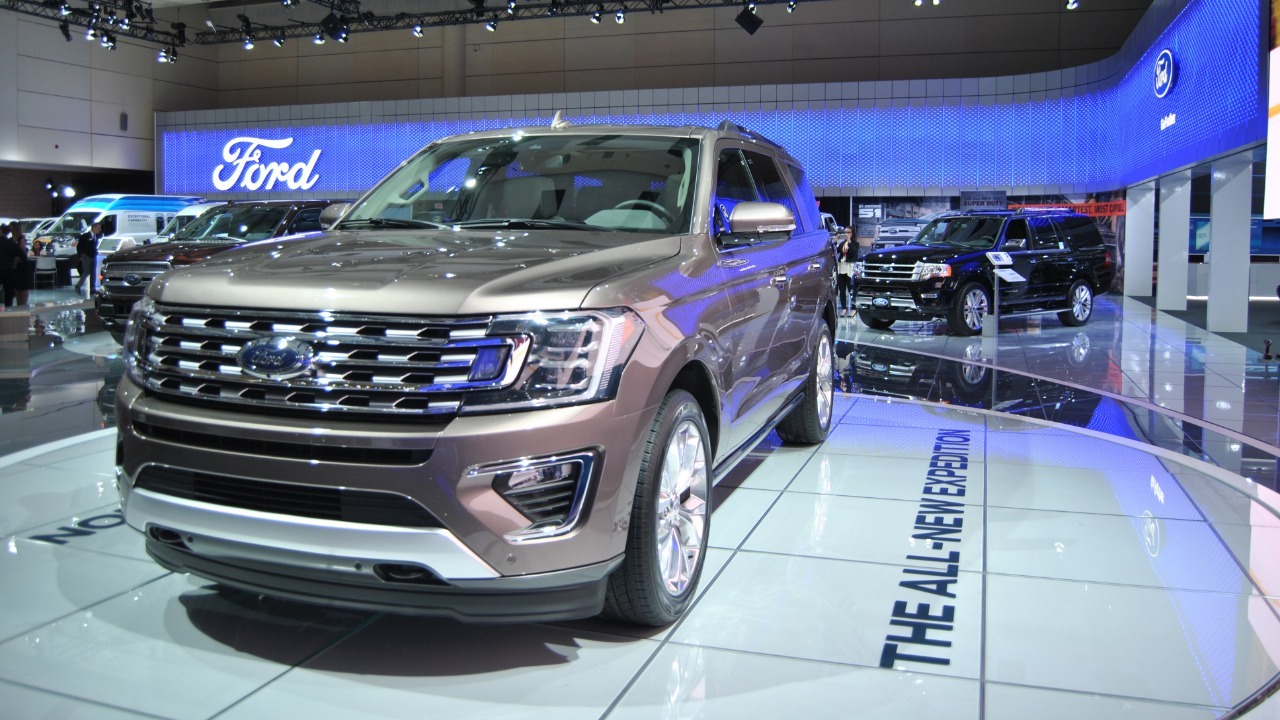
Ford’s Expedition moved to a turbocharged EcoBoost V6 while older generations ran a naturally aspirated V8, and both versions show up in fleet and family use logging heavy annual mileage, per Expedition’s generational overview. Regular oil changes matter more on the turbocharged engine than they did on the old V8.
Owners who neglect that service interval see turbo and cooling-system issues show up earlier than on the simpler older models. Kept current on maintenance, either generation is a common sight well past 200,000 miles.
10. Acura MDX: The Pilot In Acura Clothing
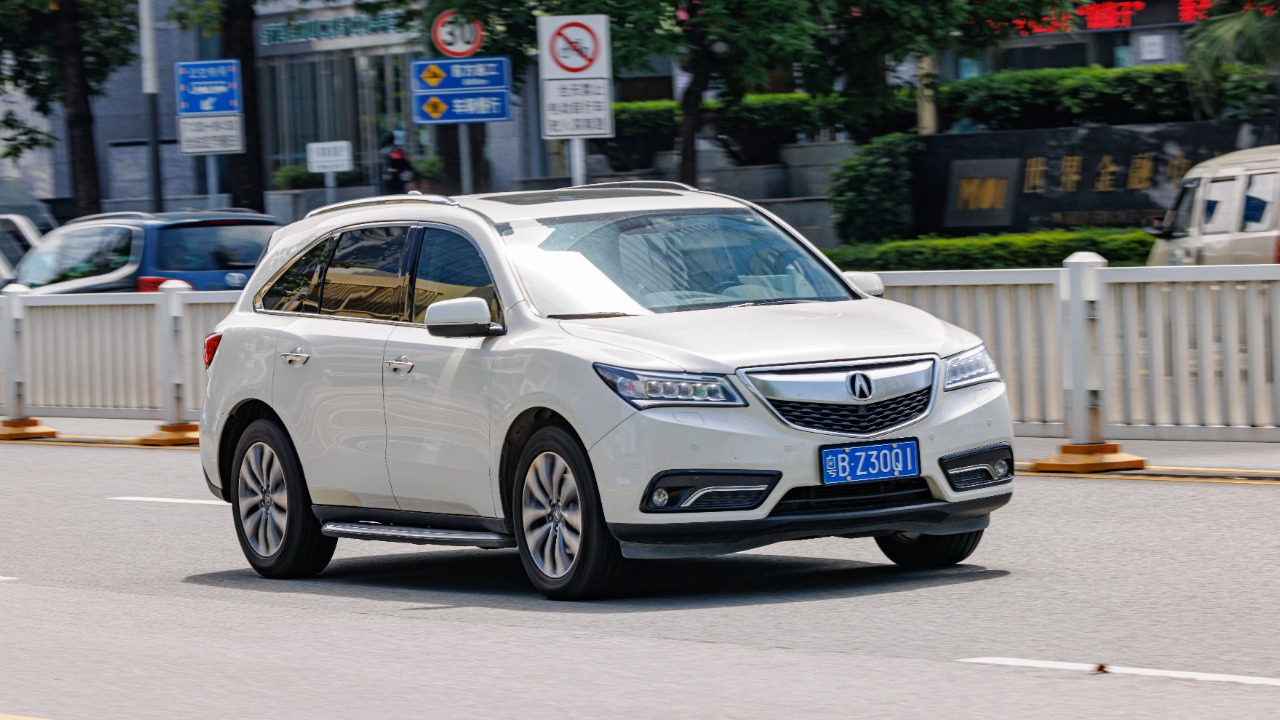
The MDX is Honda’s Pilot dressed in Acura trim, sharing the same V6 and unibody platform that Acura MDX’s platform lineage ties back to the mainstream Honda lineup across several model generations. That shared engineering is why MDX owners report the same high-mileage outcomes as Pilot owners, just with a nicer interior and a higher price tag when new.
The nine-speed automatic in some model years is the MDX’s weak point, mirroring the Pilot’s transmission complaints in those same years. Stick to the simpler transmission generations and the drivetrain routinely outlasts the interior trim, with timing belt service on schedule being the other maintenance item that determines how far it goes.
More from Morning Overview
