
Consumer electronics rarely announce their own funerals; a company just stops shipping while newer gadgets absorb its audience. Some of these products dominated a category for a decade before a memo or a server shutdown marked the real end, while others faded once a single smartphone folded their one function into everything else. Here are nine gadgets that once defined how people listened, worked, and organized their lives.
1. iPod: The Player That Ended
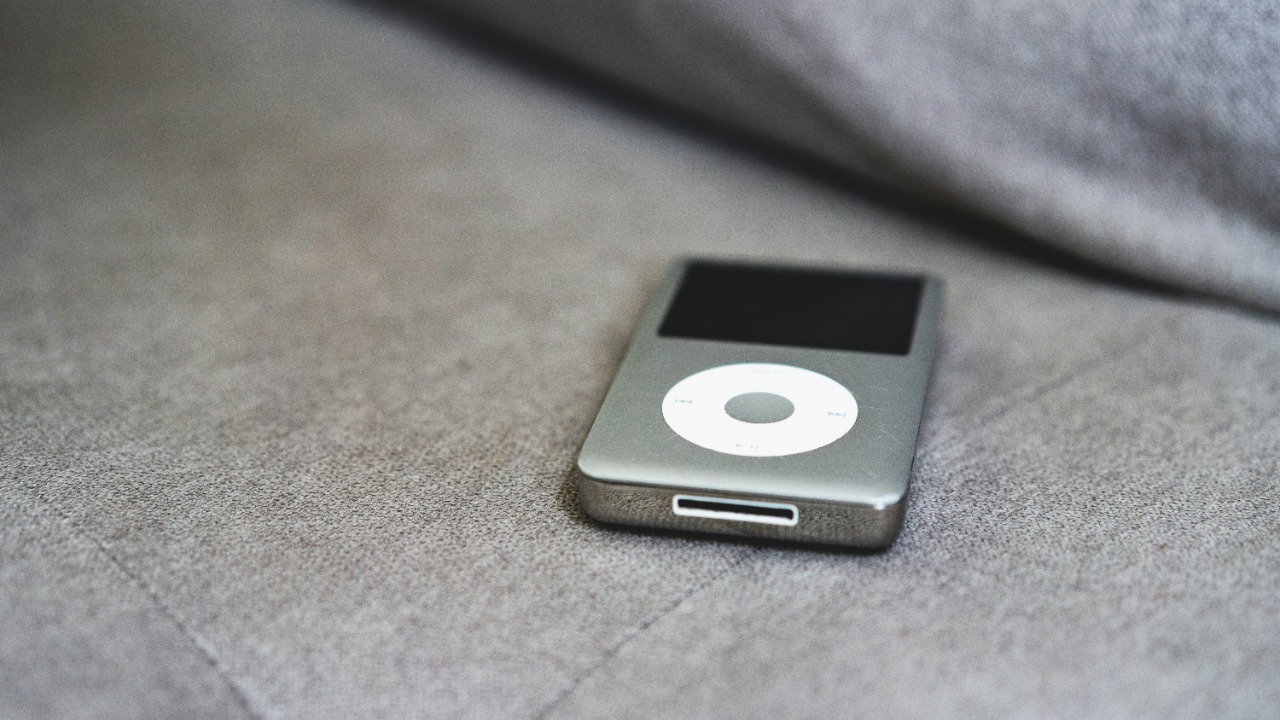
Apple ended the iPod line entirely in May 2022, retiring the iPod touch as the last model still in production after a run that began back in 2001. The lineup had already shrunk to that single lingering model for years, steadily out-competed by the very phone it once complemented, a shift traced on the computing history timeline.
The iPhone absorbed music playback as one feature among dozens, leaving a device built for a single job without a reason to exist for most buyers. Millions of the click-wheel originals remain in drawers and display cases, artifacts of an era when a single-purpose gadget could still be a status symbol.
2. BlackBerry: The Boardroom Keyboard
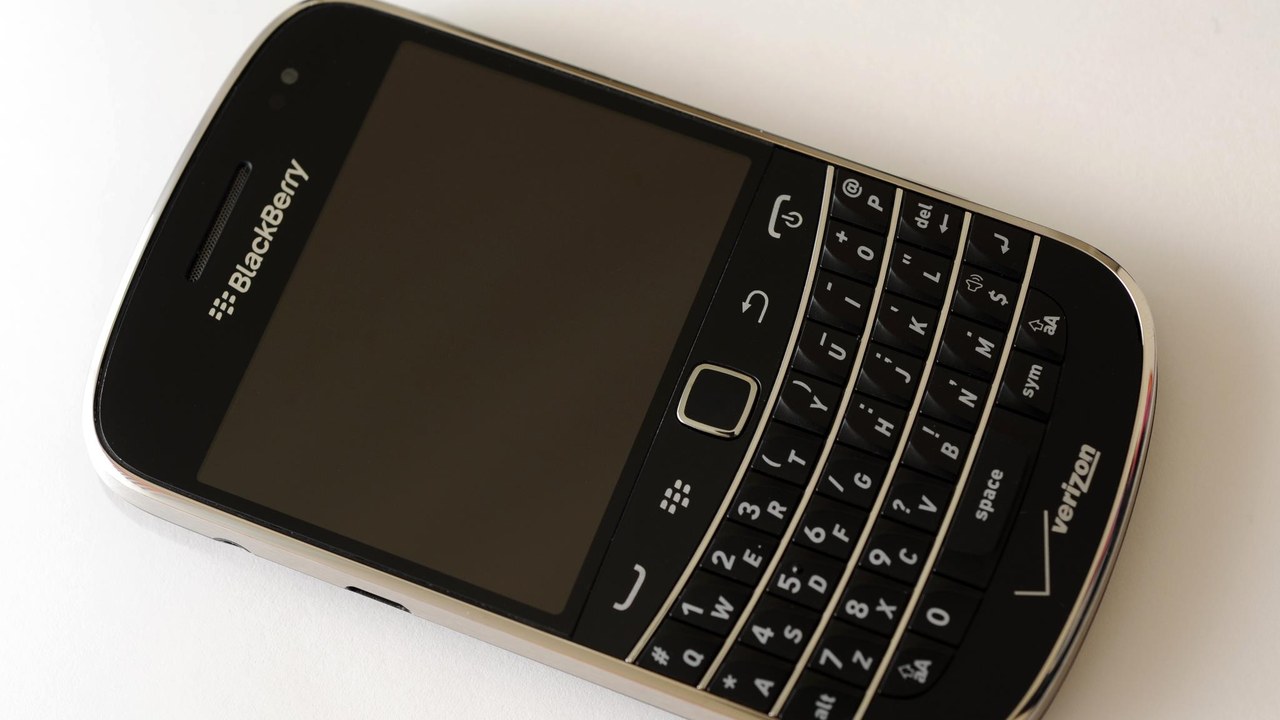
BlackBerry’s physical keyboard once made it the default phone for executives and government offices, prized for encrypted email long before touchscreen rivals existed. That era closed for good on January 4, 2022, when the company shut down the servers that ran its handsets’ messaging and web browsing, a milestone noted on the tech history record.
New BlackBerry-branded devices had already stopped appearing years earlier, but the server shutdown meant even a working handset pulled from a drawer went dark overnight. Touchscreen phones had already won the broader market; the shutdown simply closed the last door still open for holdouts.
3. Google Glass: The Face Computer
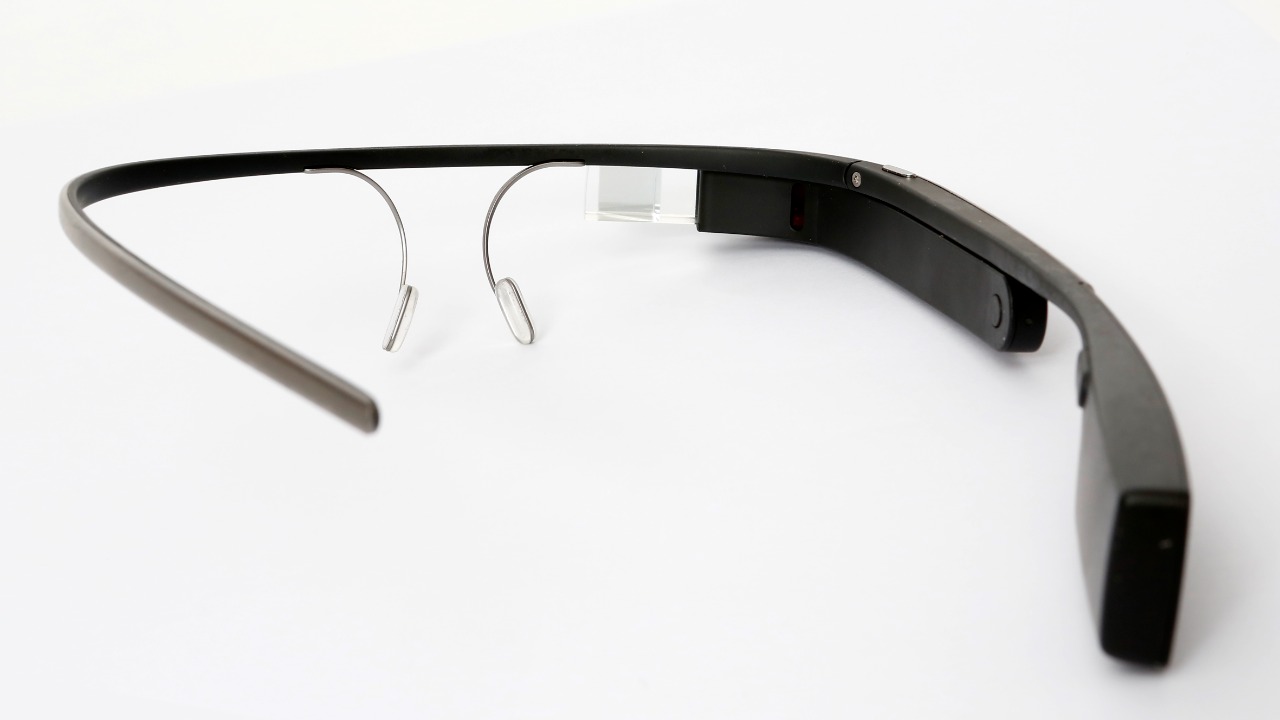
Google Glass launched to consumer buyers in 2013 wrapped in hype about hands-free computing, then retreated to workplace use after privacy backlash and public mockery. The enterprise version that followed lasted a decade past the original hype cycle before Google discontinued it in March 2023, a reversal the industry timeline places among computing’s more public retreats.
Warehouse workers and surgeons had found genuine uses for the enterprise headset even after ordinary shoppers rejected it outright. Its retirement left the smart-glasses idea to newer entrants building on lessons the original device learned the hard way.
4. Windows Phone: Microsoft’s Third Try
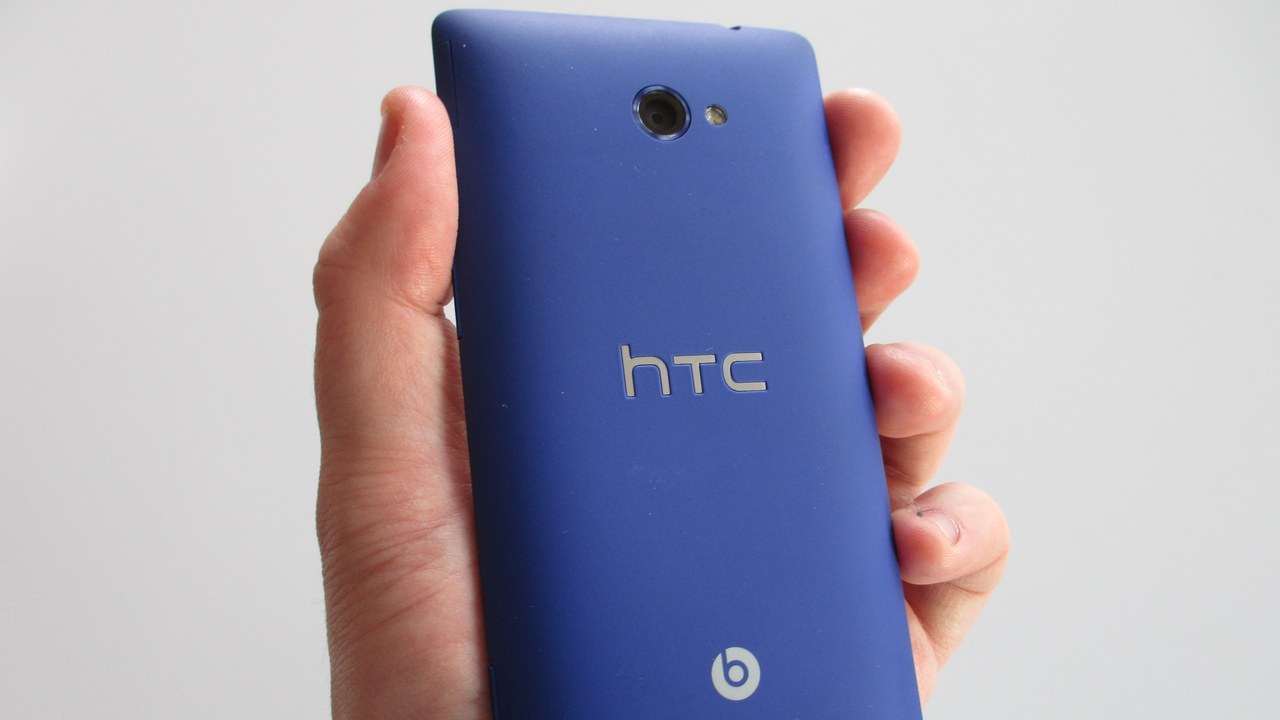
Windows Phone arrived in 2010 as Microsoft’s attempt to build a third mobile ecosystem alongside the two that already dominated, backed by a distinctive tile-based interface. Microsoft ended active development in 2017 and cut off support for the platform entirely by 2020, according to its own product history entry.
App developers had already abandoned the platform years before that official end, leaving loyal users with a phone that could no longer run their banking or messaging apps. Microsoft redirected its mobile ambitions toward building software for rival phones instead of its own hardware.
5. Zune: The Other MP3 Player
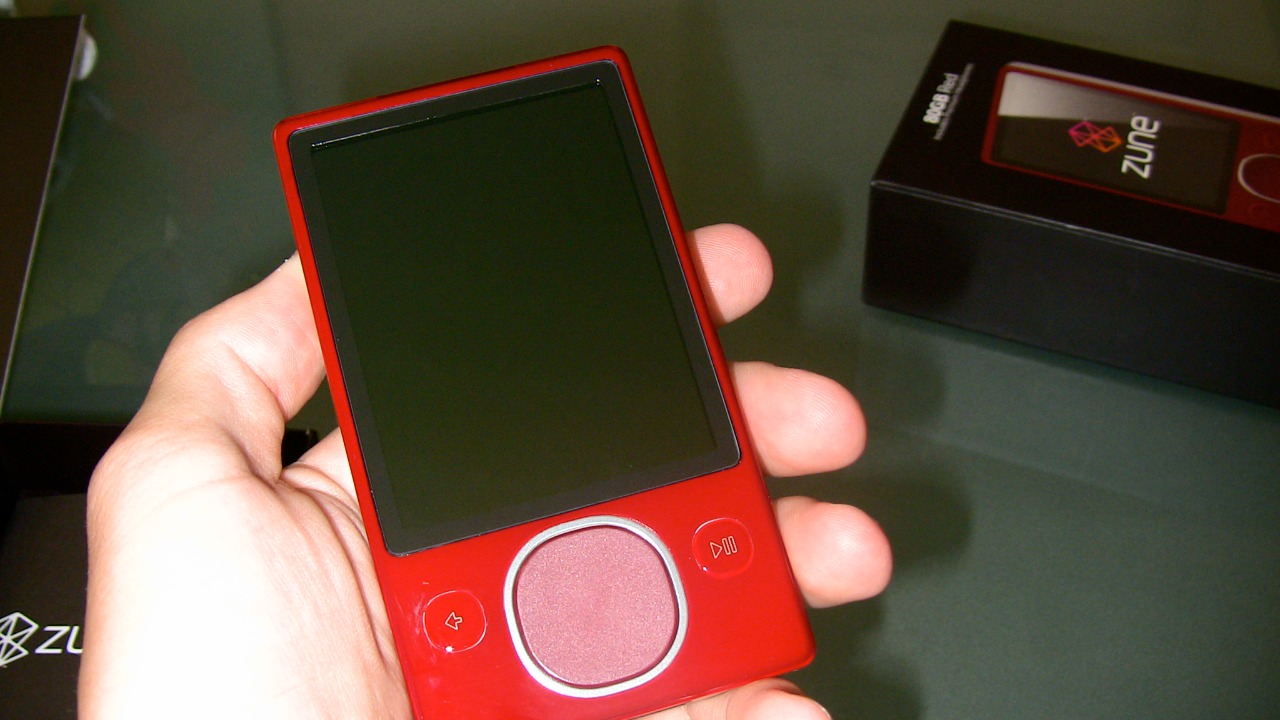
Zune launched in 2006 as Microsoft’s answer to the dominant music player of the day, complete with a wireless song-sharing feature that felt ahead of its time. Microsoft stopped making Zune hardware in 2011 and shut down the Zune Marketplace and remaining software services by 2012, per the device’s official product record.
The player never captured more than a sliver of a market its rival already owned, and Microsoft eventually folded its media ambitions into its console and phone lineups instead. Collectors now prize working units as a footnote to the format wars of the 2000s.
6. Flip Video: The Pocket Camcorder
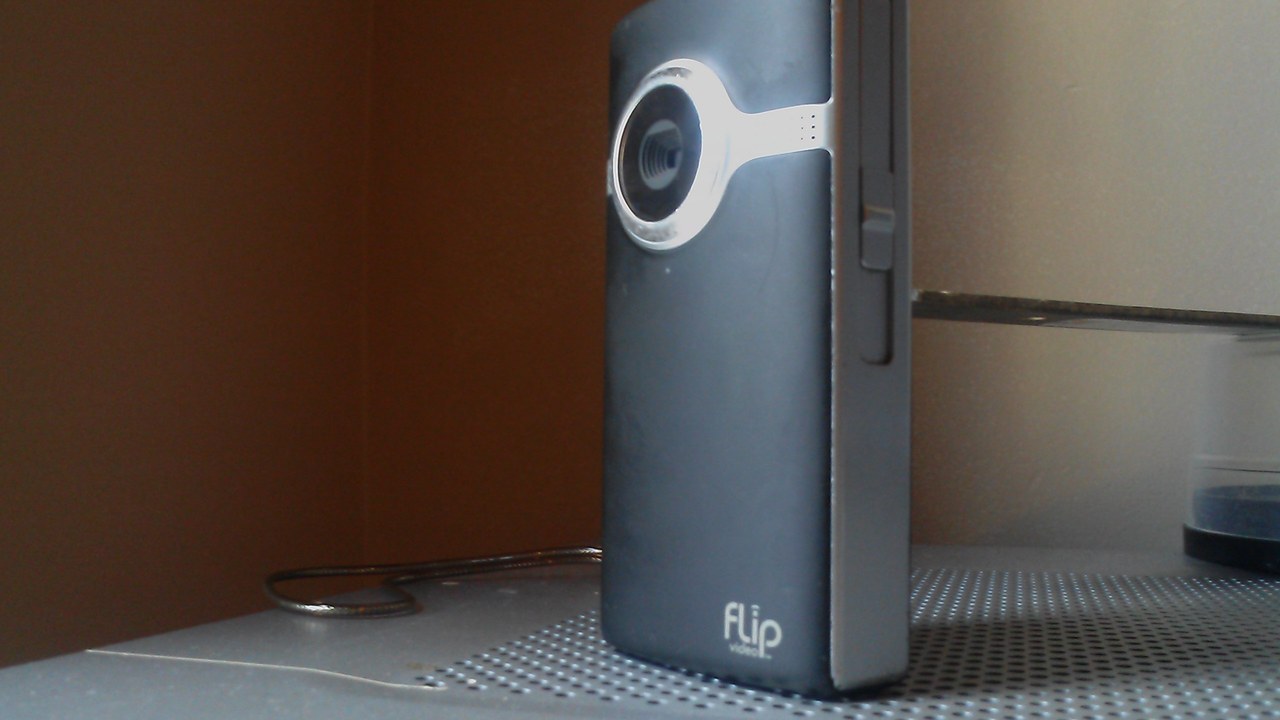
Flip Video camcorders made simple one-button recording popular starting in 2006, briefly commanding a large share of the camcorder market despite skipping nearly every manual control a traditional camcorder offered. Cisco, which had acquired the brand, shut the entire Flip business down in April 2011, a closure documented on the device’s product history page.
Smartphone cameras had already begun matching the Flip’s video quality while adding editing and instant sharing the standalone device could never offer. Within a few years, dedicated pocket camcorders as a category had essentially disappeared from store shelves.
7. HD DVD: The Format That Lost
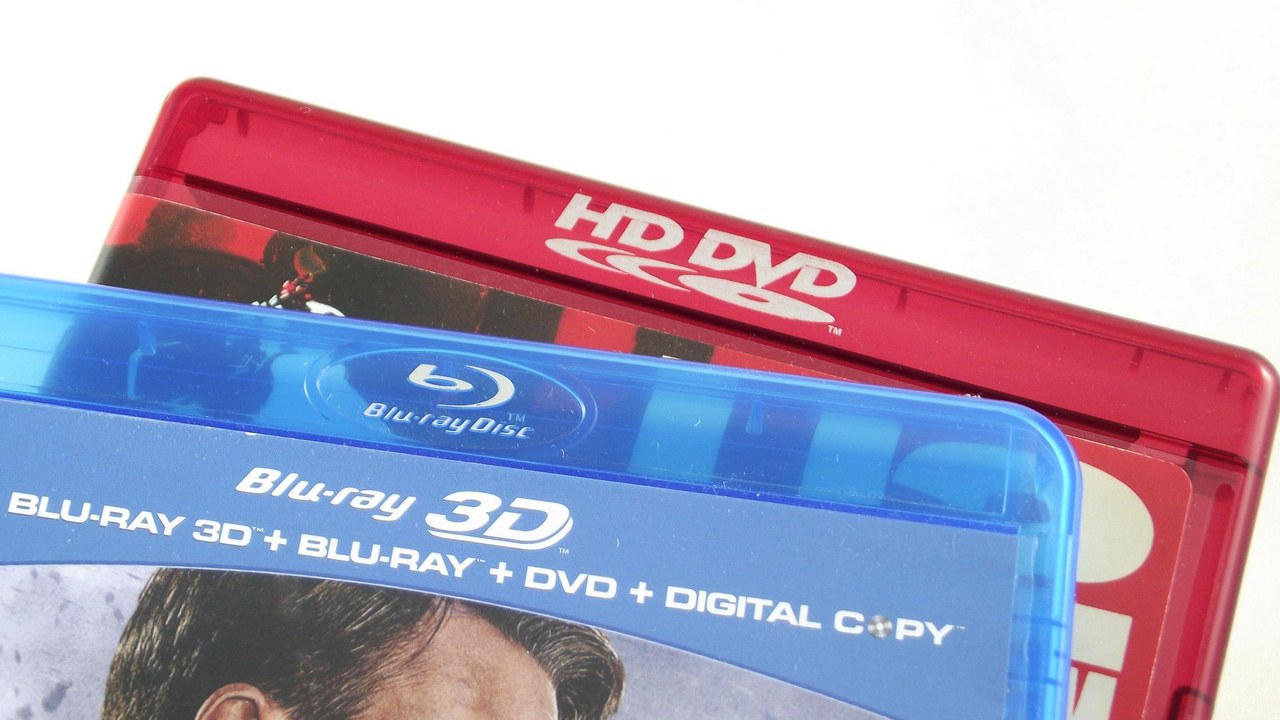
HD DVD launched in 2006 backed by Toshiba as a high-definition successor to the standard DVD, competing directly against a rival format backed by Sony and major movie studios. Toshiba conceded the format war and announced it would stop developing HD DVD players in February 2008, a decision recorded in the format’s technical history.
Major studios and retailers had already begun favoring the rival format exclusively before Toshiba’s announcement, sealing HD DVD’s fate months in advance. Existing players and discs still worked but joined a pile of formats left without a future.
8. Walkman: The Original Portable
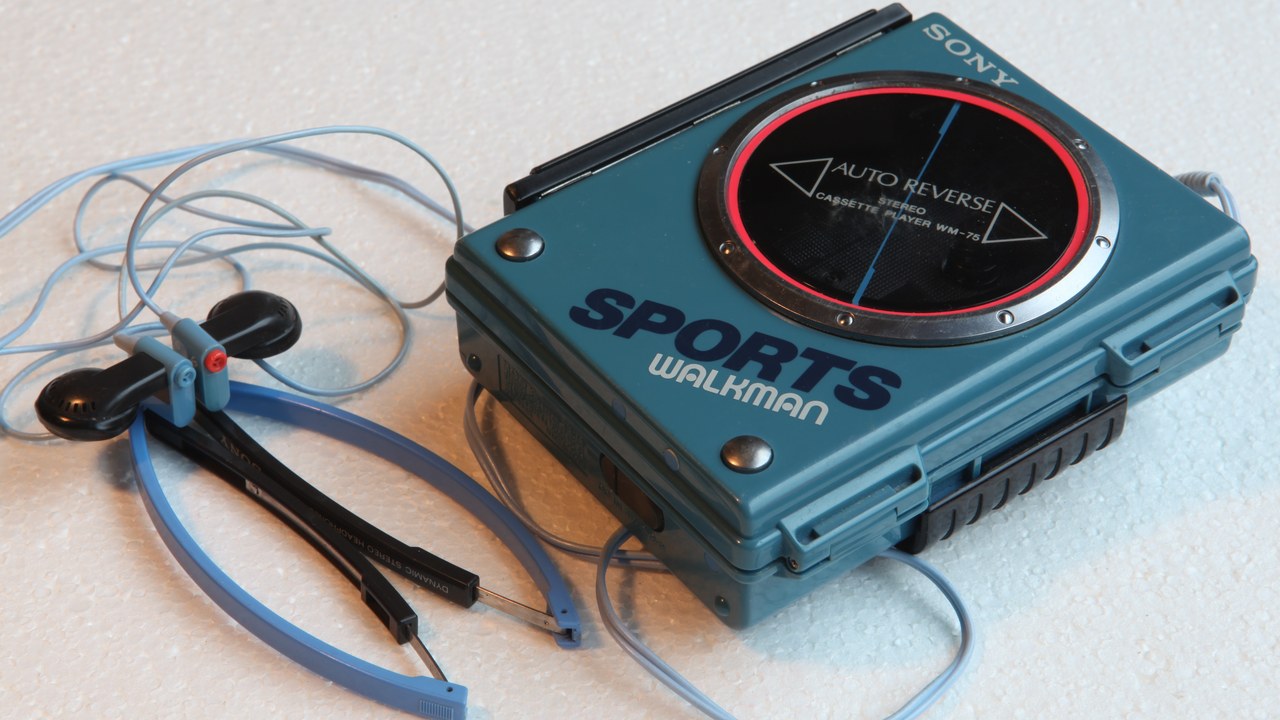
Sony’s cassette Walkman, introduced in 1979, put personal portable music into pockets for the first time and lent its name to an entire category of devices that followed. Sony stopped manufacturing the cassette Walkman for the Japanese market in 2010, closing out the original format, per the model’s manufacturing timeline.
The Walkman name lives on today attached to Sony’s digital audio players, but the cassette mechanism that made the brand famous had already been overtaken by CD and MP3 formats years before that production run stopped. What ended was a specific format, not the brand name that outlived it.
9. PalmPilot: The Original Pocket Organizer
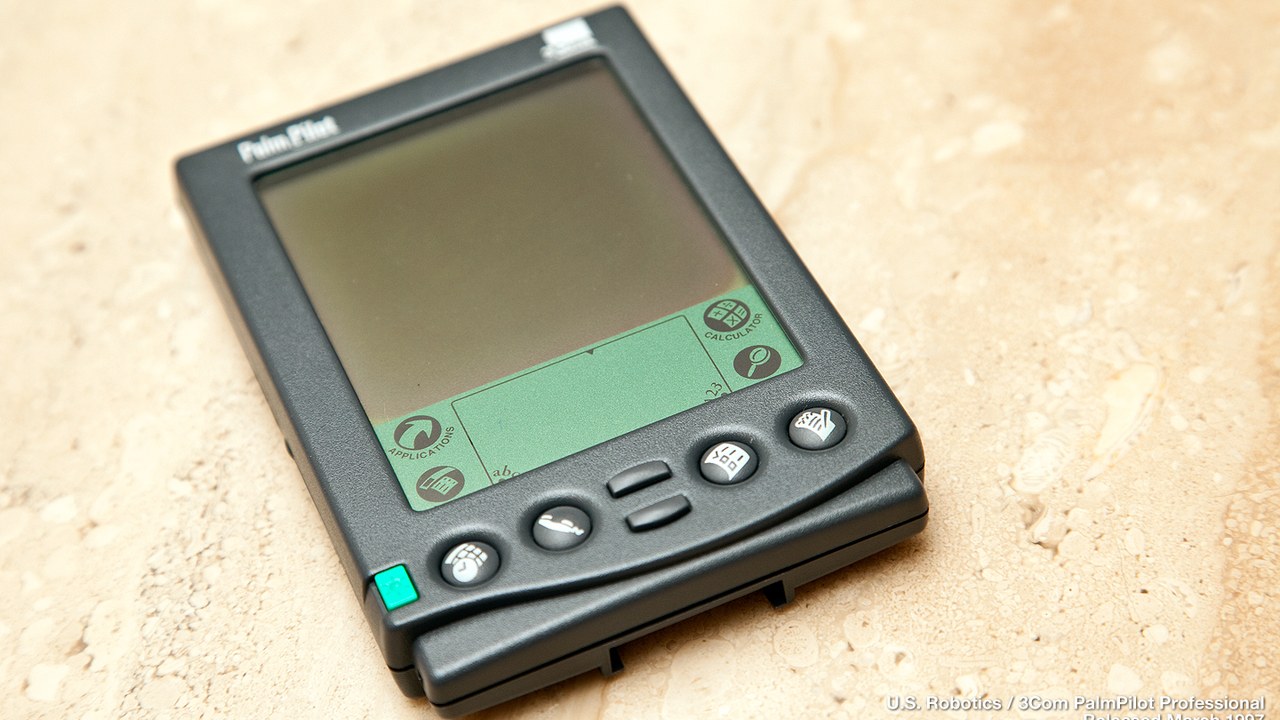
The PalmPilot arrived in 1996 as one of the first handheld organizers to catch on with mainstream buyers, packing a calendar, contacts, and notes into a device smaller than a paperback book. Palm replaced the original PalmPilot line with newer models within two years, and the company’s entire handheld business wound down after Hewlett-Packard later acquired and then shuttered its follow-on devices, a lineage traced on the product’s history page.
Smartphones eventually absorbed every function the PalmPilot pioneered, from scheduling to note-taking, into a single pocket device with far more capability. What began as a category-defining organizer ended up a case study in how an entire category can vanish once a more general device replaces it.
More from Morning Overview
- Card skimmers hidden on gas pumps are draining accounts, and there’s a quick way to spot them
- The NSA warns one messaging setting can clone your texts to a stranger
- Security experts still urge phone owners to switch off one location-tracking setting
- Automakers are quietly dropping the stop-start feature many drivers love to hate
