
The United States has weathered many destructive hurricanes, but a handful stand out for how extreme they were at landfall, measured by wind speed, barometric pressure, or storm surge. Meteorologists rank storms differently depending on which reading they emphasize, and older estimates have been revised as records improved. Here are eight hurricanes that rank among the most powerful to strike the country.
1. Hurricane Katrina: Katrina’s Levee Collapse
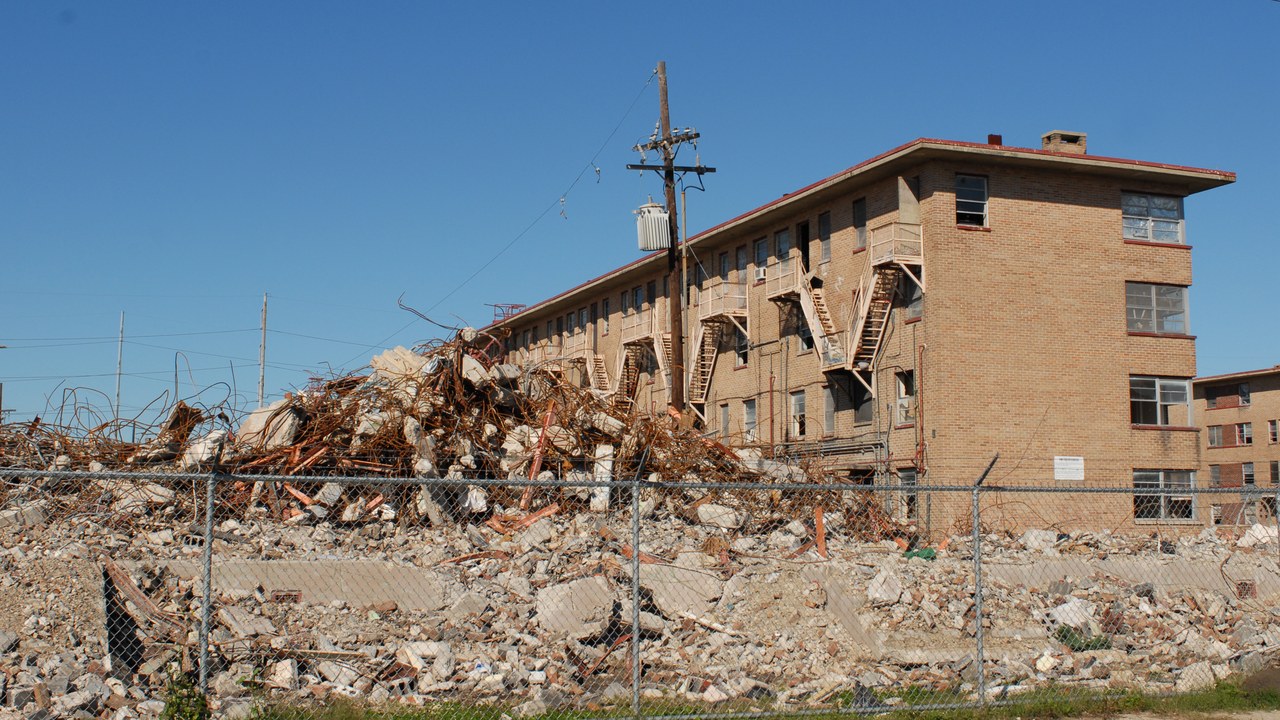
Hurricane Katrina came ashore near Buras, Louisiana, in August 2005 with a central pressure of about 920 millibars, one of the lowest readings ever recorded for a Gulf Coast landfall, ranked under the hurricane intensity scale. The storm had peaked at Category 5 strength over the open Gulf of Mexico before weakening slightly ahead of landfall.
The storm’s surge overwhelmed the levee system protecting New Orleans, flooding roughly 80 percent of the city for weeks and contributing to more than 1,800 deaths across the Gulf Coast region. Katrina forced a multibillion-dollar rebuild of the region’s flood-protection system and changed how federal disaster response is organized nationwide.
2. Hurricane Harvey: Harvey’s Historic Rainfall
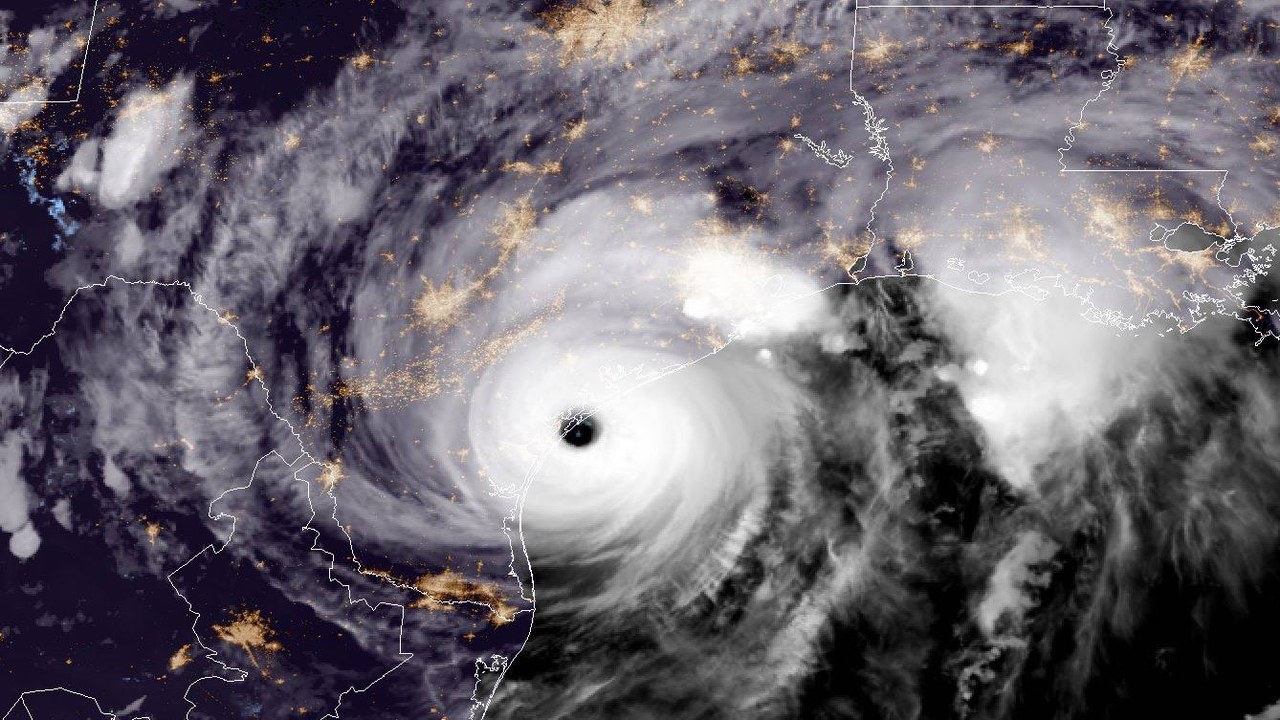
Hurricane Harvey struck near Rockport, Texas, in August 2017 as a Category 4 storm with sustained winds near 130 mph and a central pressure around 937 millibars, a landfall strength tracked on the Saffir-Simpson wind scale. It was the strongest hurricane to hit Texas in more than 50 years.
After landfall, Harvey stalled over the Houston area for days, dropping more than 40 inches of rain in places, a new mainland U.S. tropical-cyclone rainfall record, and pushing floodwater into tens of thousands of homes. The stalling pattern behind the flooding pushed local officials to rework drainage and reservoir planning across the metro area.
3. Hurricane Ian: Ian’s Near-Cat 5 Surge
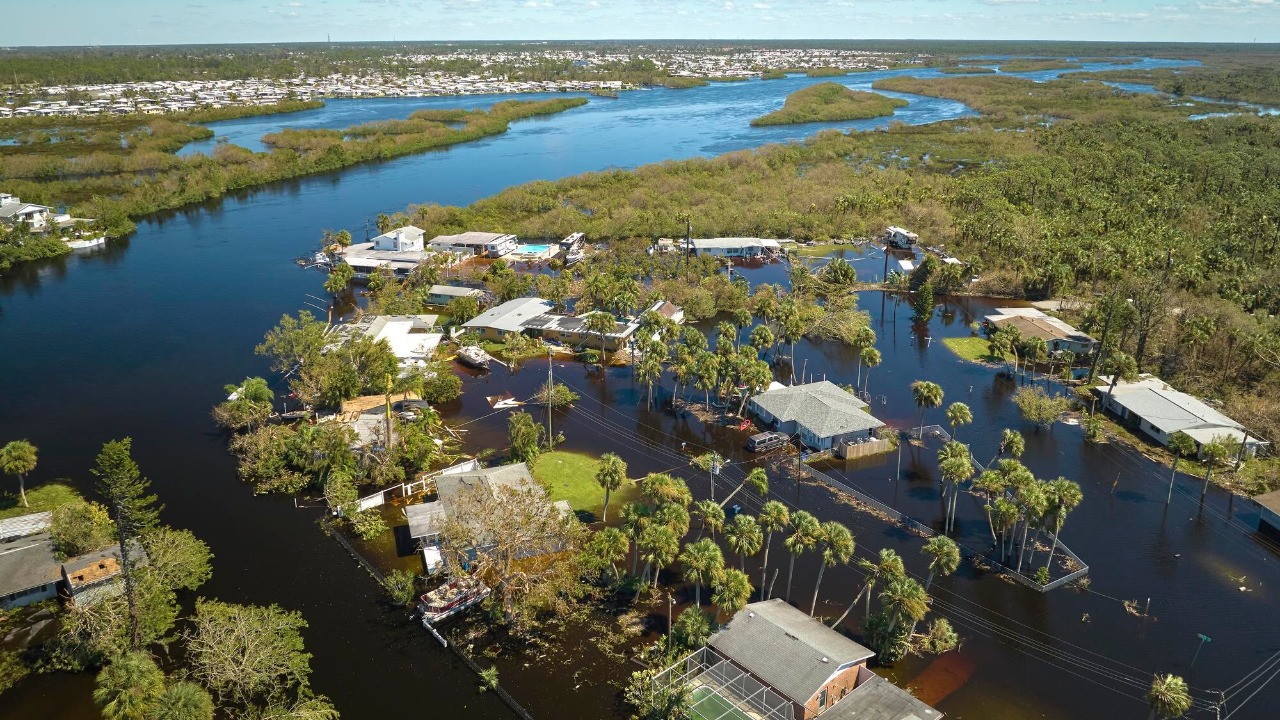
Hurricane Ian made landfall at Cayo Costa, Florida, in September 2022 with 150 mph winds and a central pressure of about 940 millibars, just short of Category 5 strength on the wind-speed classification. Ian had briefly reached Category 5 winds over open water days earlier.
Storm surge reached an estimated 12 to 15 feet along parts of southwest Florida, wrecking barrier-island communities near Fort Myers and Sanibel Island and contributing to well over 100 deaths statewide. Ian went on to become one of the costliest hurricanes in U.S. history and pushed insurers to tighten coastal underwriting standards.
4. Hurricane Michael: Michael’s Panhandle Landfall
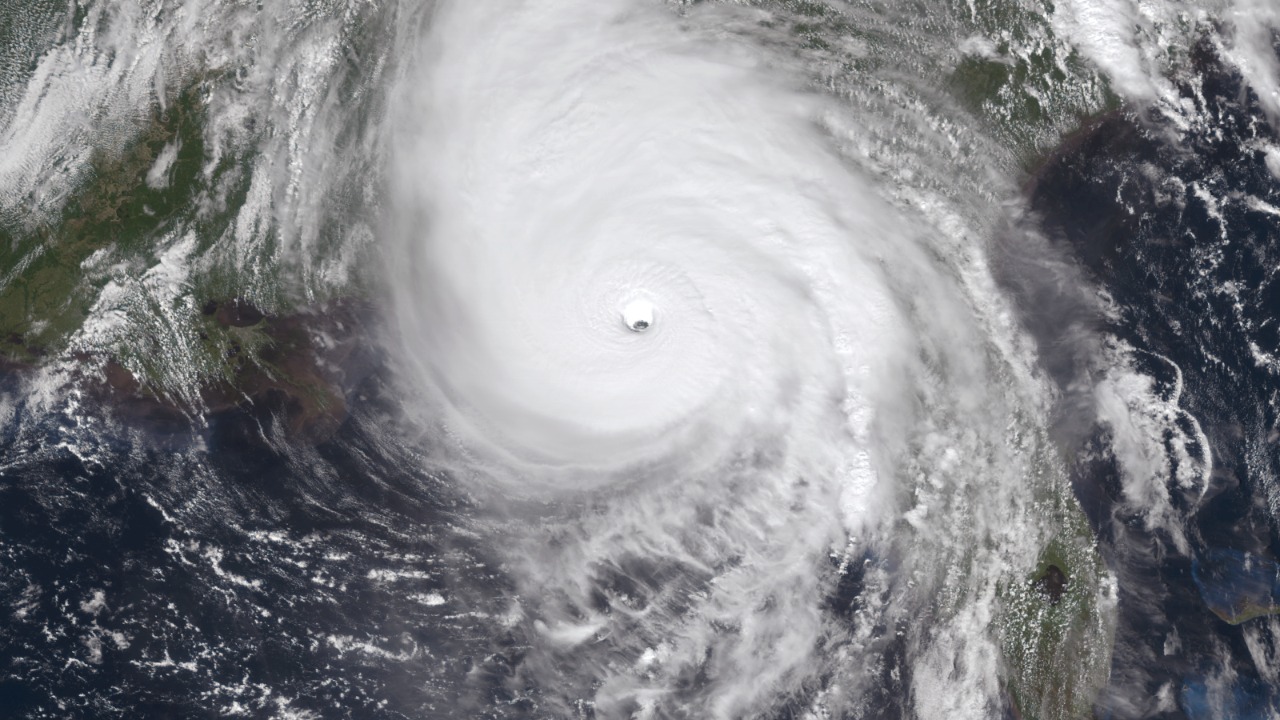
Hurricane Michael came ashore near Mexico Beach, Florida, in October 2018 with 160 mph winds and a central pressure of 919 millibars, the third-lowest ever measured at landfall for a U.S. hurricane, according to the storm’s official record. It intensified rapidly in the final day before striking the coast.
Michael flattened much of the Florida Panhandle’s timber industry and destroyed or damaged thousands of homes along the coast, including heavy structural losses at Tyndall Air Force Base. It stands as one of only a handful of hurricanes confirmed at Category 5 strength at landfall on the U.S. mainland.
5. Hurricane Andrew: Andrew’s Homestead Wipeout
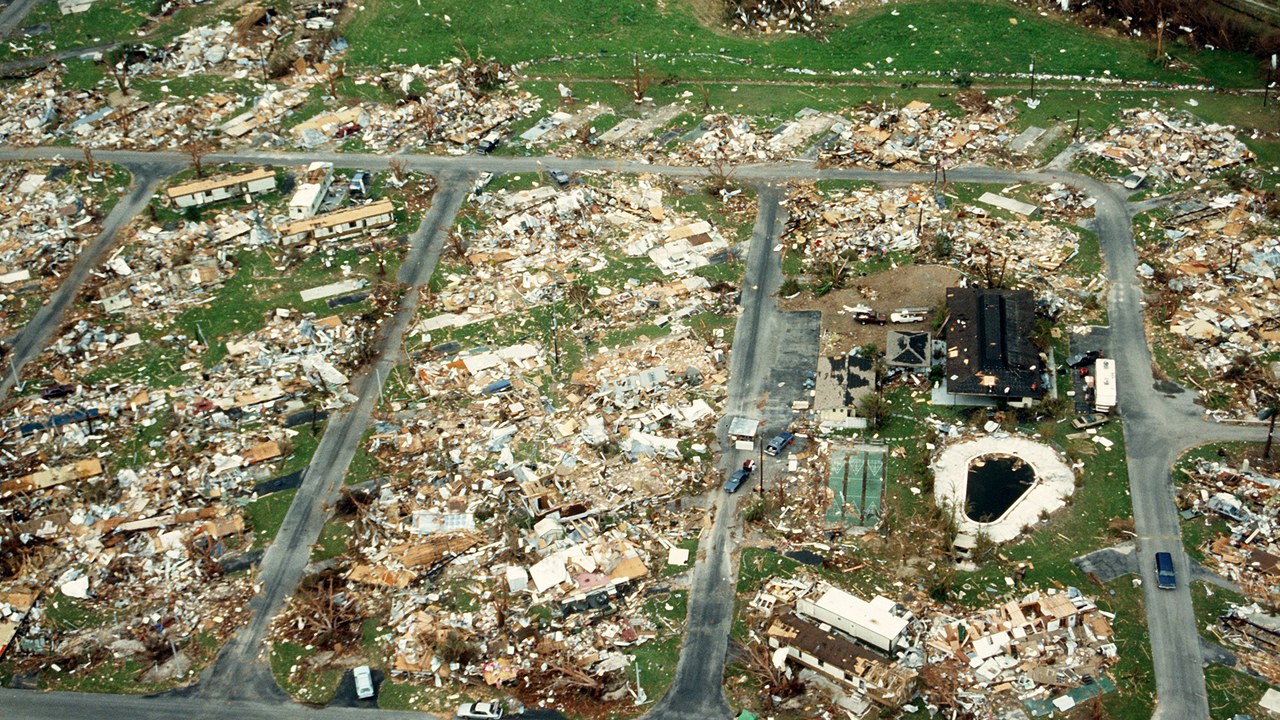
Hurricane Andrew hit South Florida near Homestead in August 1992 with winds later estimated at 165 mph and a landfall pressure of 922 millibars, a Category 5 reading detailed in the storm’s post-analysis. Andrew was a physically compact storm, which concentrated its destructive winds over a narrow track.
The storm leveled entire subdivisions south of Miami, killed dozens of people, and left tens of thousands of households without a home for months. Andrew’s damage total, then a record for a U.S. hurricane, led Florida to rewrite its building codes around stronger wind-resistance standards statewide.
6. Hurricane Sandy: Sandy’s Northeast Surge
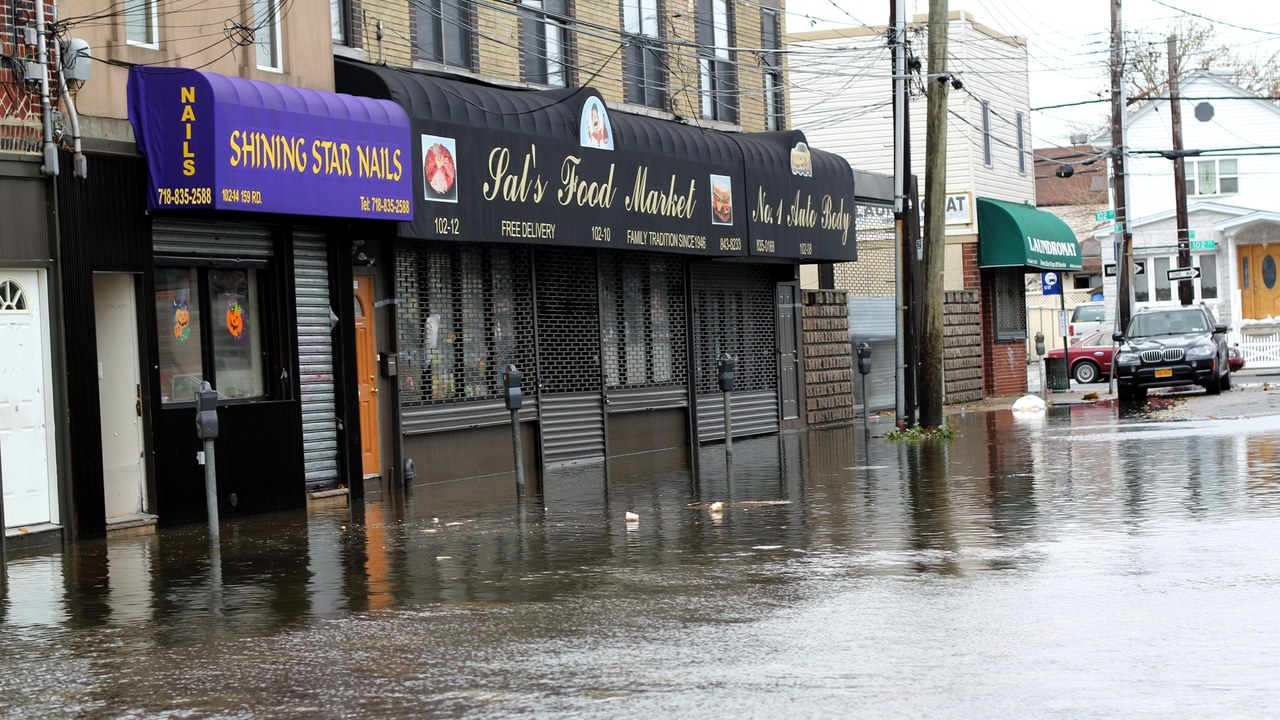
Hurricane Sandy came ashore near Brigantine, New Jersey, in October 2012 with a central pressure near 940 millibars, among the lowest ever recorded for a storm making landfall north of Cape Hatteras, per the storm’s meteorological history. Sandy was transitioning into a post-tropical system as it merged with a winter weather front.
Its unusually wide wind field pushed a storm surge of more than 9 feet into New York Harbor, flooding subway tunnels and coastal neighborhoods across New Jersey and New York and affecting states as far inland as Ohio. Sandy’s toll pushed both states to invest heavily in coastal flood barriers in the years after.
7. Hurricane Maria: Maria’s Grid Collapse
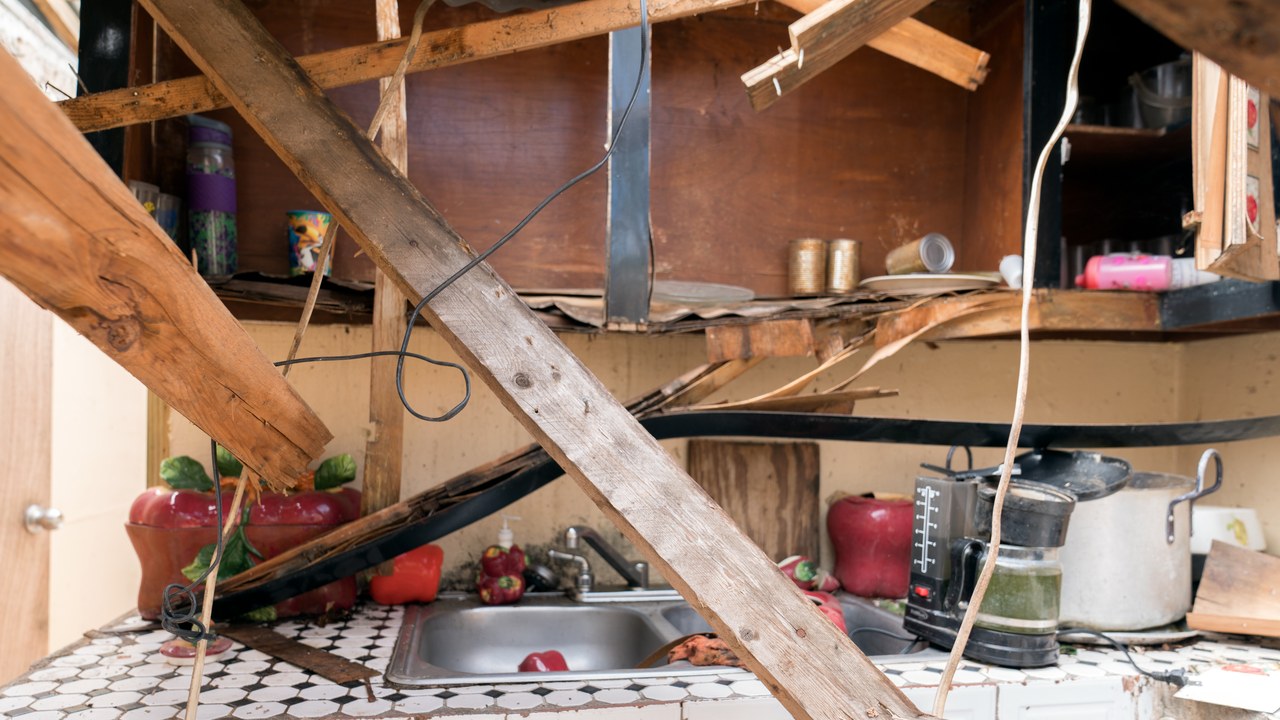
Hurricane Maria struck Puerto Rico in September 2017 with winds near 155 mph and a central pressure of about 908 millibars, among the lowest readings ever logged for a storm hitting the island, according to the storm’s official summary. Rainfall topped 30 inches in some mountain areas, triggering widespread landslides.
The storm destroyed the island’s power grid, leaving many residents without electricity for months in what was then the longest blackout in U.S. history, and an official government review later put the death toll near 3,000. Maria’s aftermath drove a multiyear effort to rebuild Puerto Rico’s grid with more resilient infrastructure.
8. Hurricane Camille: Camille’s Extreme Landfall
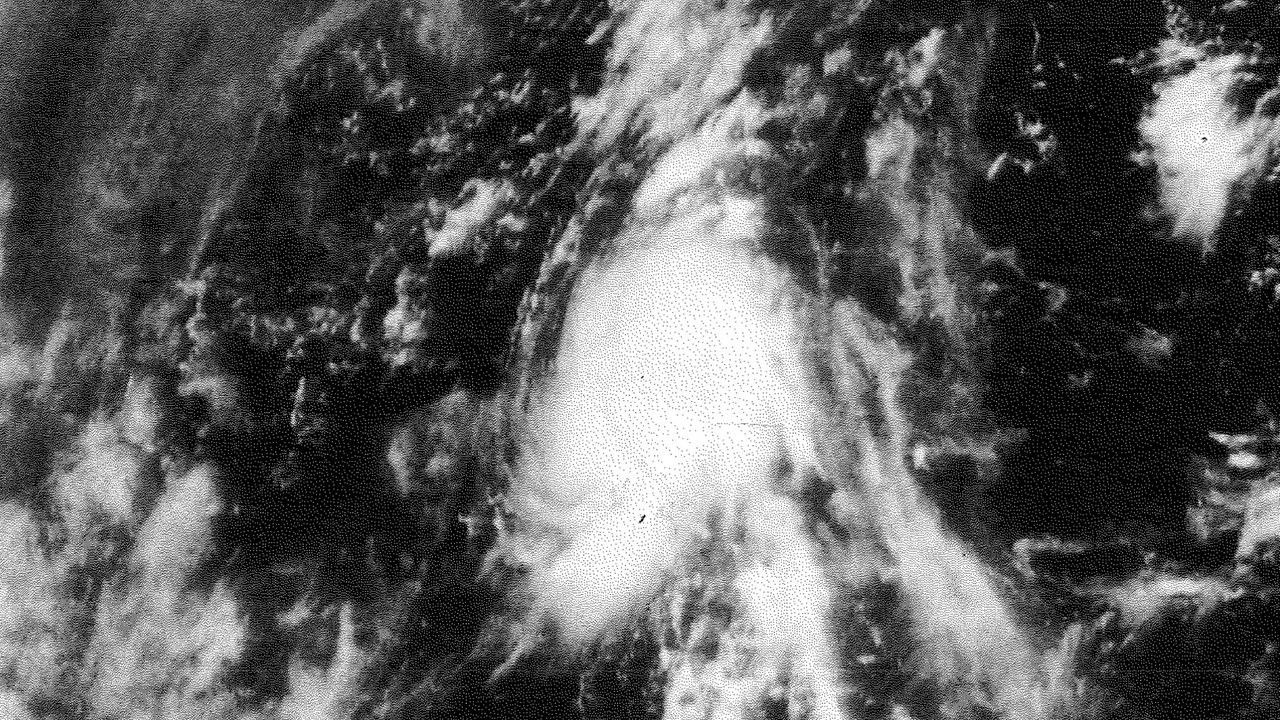
Hurricane Camille made landfall on the Mississippi Gulf Coast in August 1969 with winds estimated near 175 mph and a central pressure of 900 millibars, among the lowest ever measured at landfall in the continental United States, per the storm’s historical record. No aircraft could safely measure Camille’s peak winds at the time, so the figure is a post-storm estimate.
Camille flattened much of the Mississippi coastline, killing dozens along the Gulf, and later dropped torrential rain over Virginia that caused deadly flash floods and mudslides in the mountains days after landfall. It remains one of only a few hurricanes confirmed at Category 5 strength at landfall on the U.S. mainland.
More from Morning Overview
- The NSA warns one messaging setting can clone your texts to a stranger
- Security experts still urge phone owners to switch off one location-tracking setting
- Automakers are quietly dropping the stop-start feature many drivers love to hate
- A granite sarcophagus surfaced in Egypt with its original lid still sealed
