
Deep snow punishes vehicles that rely on size instead of a smart drivetrain, and many pickup trucks with basic four-wheel drive struggle more than drivers expect once conditions turn severe. All-wheel-drive SUVs built around constant power delivery, lower centers of gravity and tuned traction software regularly out-perform trucks in exactly these conditions. Here are eight SUVs that handle deep snow with genuine confidence.
1. Subaru Outback: Wagon Body, Constant Grip
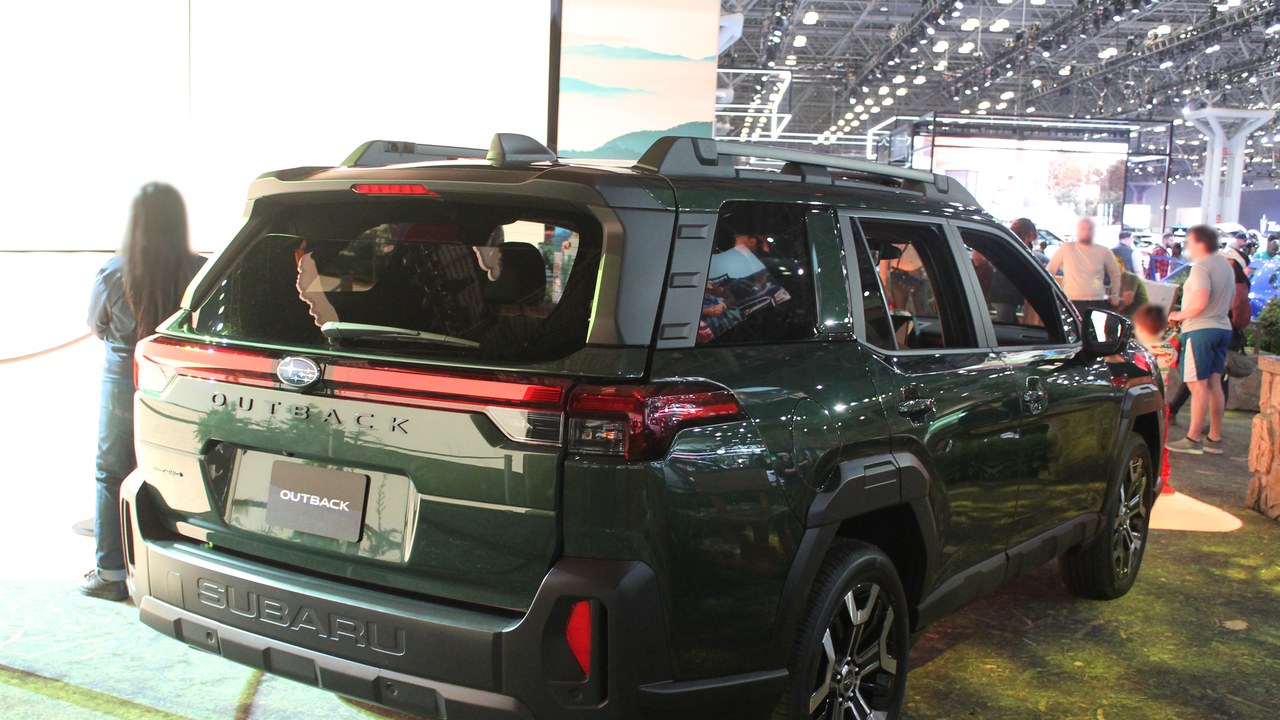
The Subaru Outback pairs a raised wagon body with the brand’s symmetrical all-wheel-drive system, sending power to all four wheels continuously rather than only after slip is detected. That constant engagement, combined with a suspension lifted well above a typical wagon or sedan, gives the Outback traction and clearance that few unmodified trucks can match in fresh snow.
Weight sits low and centered because the drivetrain uses a flat engine layout, so the Outback stays composed on ice-covered hills where a taller, heavier truck can feel unsettled. Owners in mountain and snowbelt regions have long treated it as a default winter vehicle rather than a compromise.
2. Subaru Forester: Tall, Light And Steady
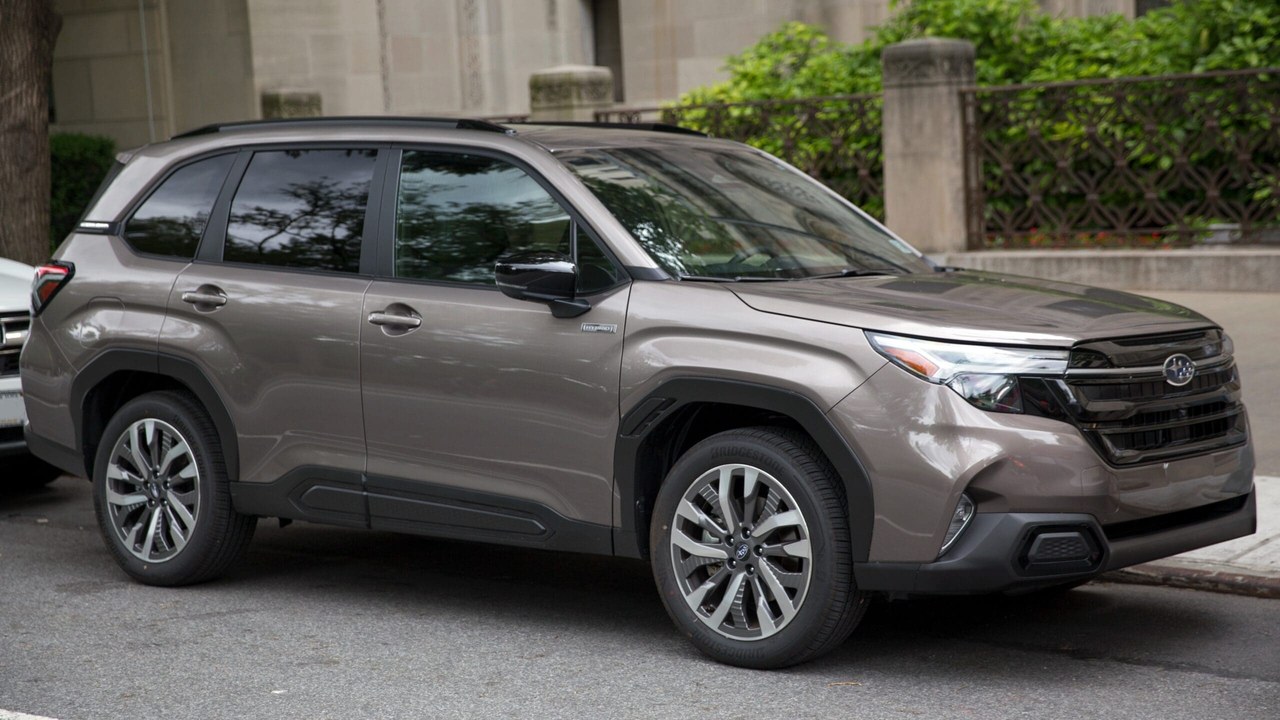
The Subaru Forester keeps the automaker’s symmetrical all-wheel-drive layout but wraps it in a taller, more upright body than the Outback, giving drivers a commanding view of the road and room for winter gear. Its light curb weight relative to its size means the engine works less to keep momentum moving through deep snow.
A dedicated drive setting adjusts throttle response and traction control specifically for low-grip surfaces, holding the Forester steady on packed snow or slush where a heavier body-on-frame truck can lose composure. That mix of low weight, tall stance and constant all-wheel drive has made it a repeat pick for drivers who face rural winter roads daily.
3. Audi Q5: German Engineering, Instant Torque
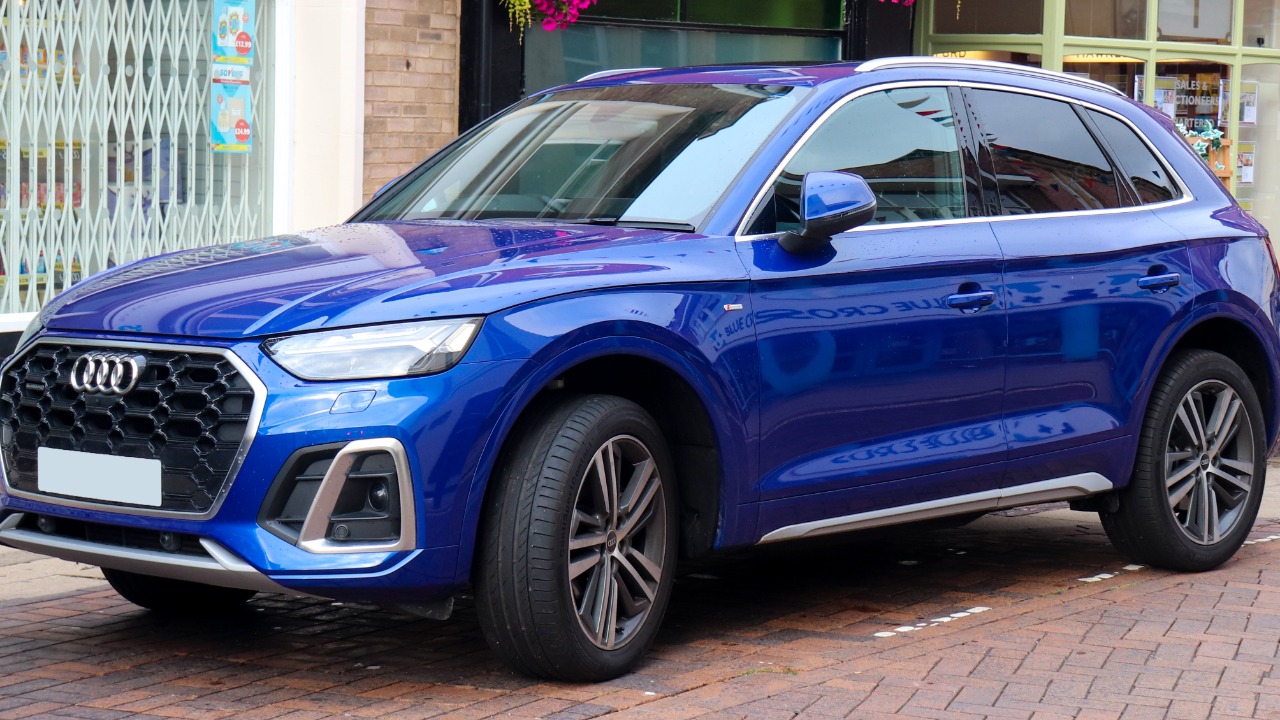
The Audi Q5 relies on quattro all-wheel drive, a system that splits torque between the front and rear axles through a mechanical center differential rather than waiting for wheel slip to react. That immediate, always-on power split gives the Q5 confident traction the moment its tires meet packed snow or ice.
A firmer, lower-riding chassis than a body-on-frame truck also keeps the Q5’s weight centered, so it tracks through corners on slick pavement instead of leaning and pushing wide. The tradeoff is less raw ground clearance than a truck, but on plowed or lightly snowed roads that stability wins out.
4. Toyota RAV4: Everyday Traction, Everywhere Parts
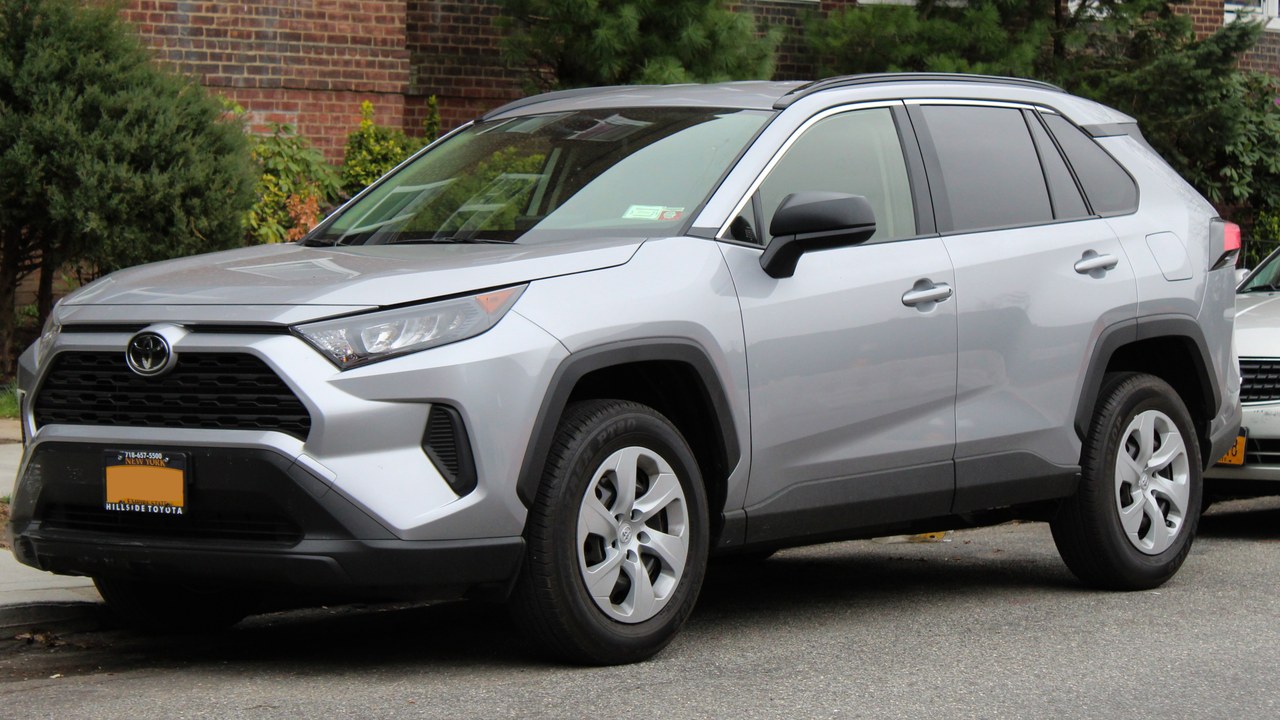
Toyota builds the RAV4 with an available all-wheel-drive system that can actively vary torque between the front and rear wheels, and on higher trims even shift power side to side on the rear axle for extra bite in slick winter conditions. That flexibility lets the RAV4 respond to a sudden icy patch differently than a truck’s simpler four-wheel-drive setup.
Its compact-crossover proportions keep the center of gravity lower than a pickup’s, which helps it hold a line on snow-covered curves. Because it is one of the best-selling SUVs on the road, parts, tires and mechanics familiar with its systems are easy to find wherever winter hits hard.
5. Honda CR-V: Seamless Rear-Axle Response
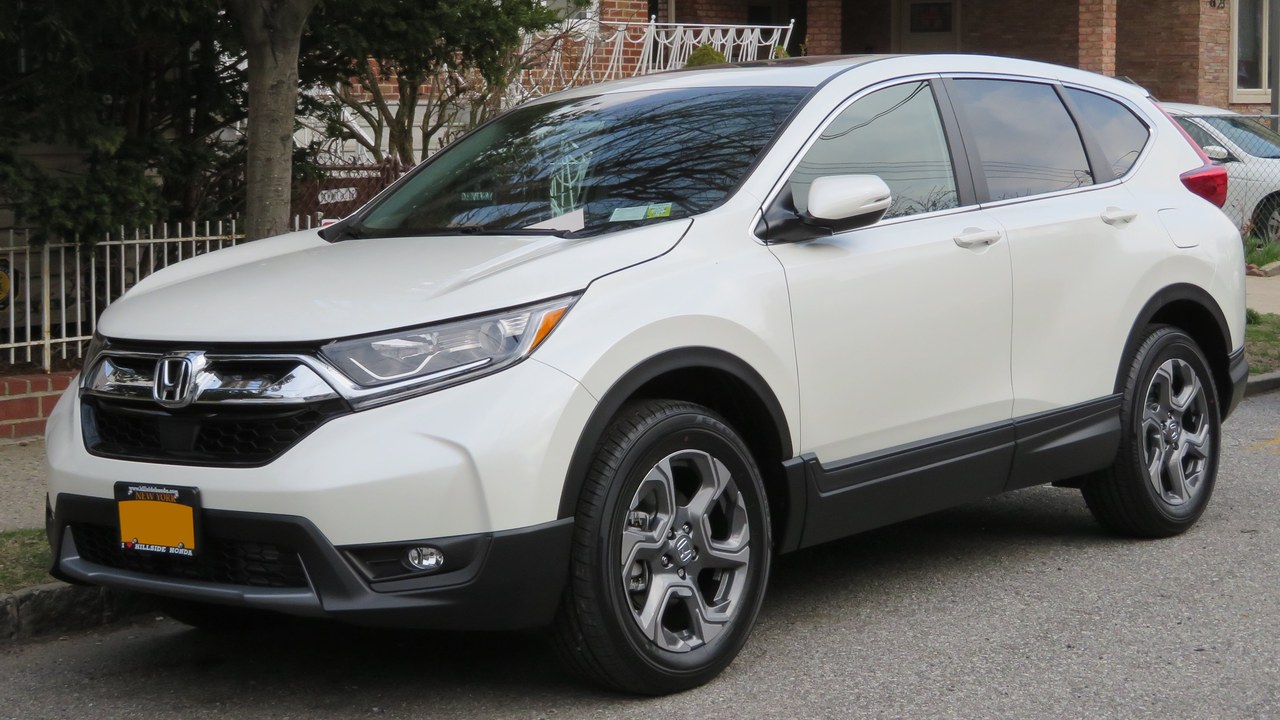
Honda’s Real Time AWD system in the CR-V monitors front-wheel slip and engages the rear axle automatically, redirecting torque before a driver even feels the front tires lose grip on snow or ice. That quick, seamless response is tuned for everyday winter driving rather than rock-crawling, which is exactly the traction most snowy commutes demand.
The CR-V’s unibody construction keeps it lighter and more nimble than a full-size truck, so it accelerates and brakes more predictably on slick roads. Honda has refined this all-wheel-drive system over multiple generations, and it remains one of the most trusted setups in the compact-SUV class.
6. Volvo XC90: Heavy, Composed, Three Rows
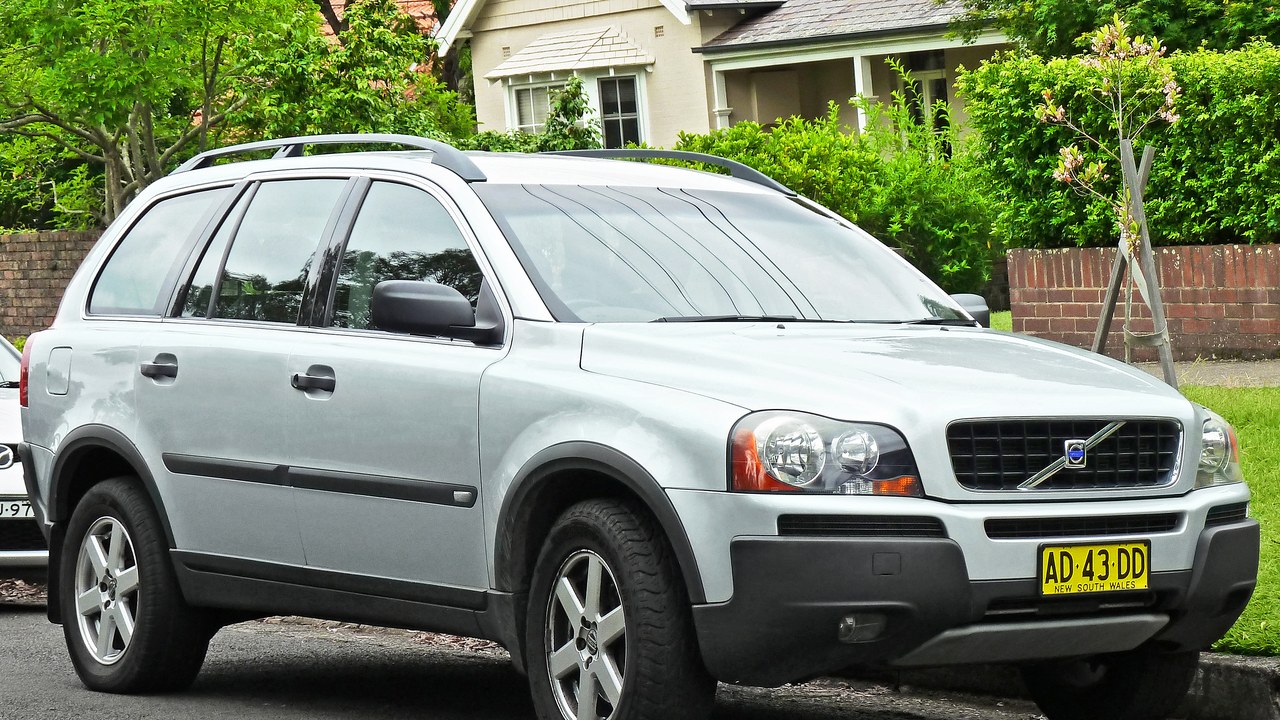
The Volvo XC90 is a full-size, three-row SUV built around a standard all-wheel-drive system, giving it a driveline more capable in snow than its plush cabin might suggest, according to the model’s own published specifications. Because power routes to all four wheels rather than just two, the XC90 keeps momentum on slick uphill grades where a two-wheel-drive vehicle would spin and stall.
Its substantial curb weight, usually a liability in tight handling, actually works in its favor on snow by pressing the tires into the surface for a firmer bite. Combined with a suspension tuned for comfort over rough, snow-rutted roads, the XC90 rides more like a winter cruiser than a typical family SUV.
7. Jeep Grand Cherokee: Trail-Rated Winter Muscle
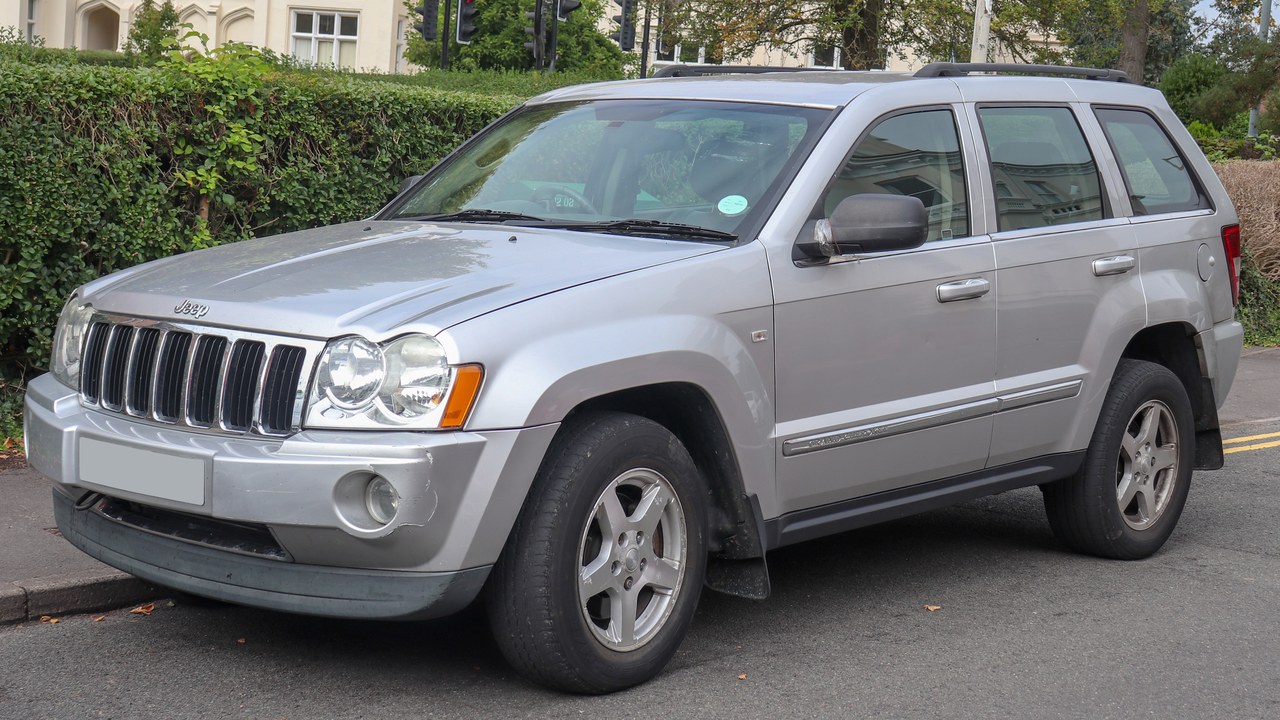
Jeep offers the Grand Cherokee with several four-wheel-drive systems that can lock power to individual wheels, engineering pulled directly from the brand’s off-road heritage. That background means the Grand Cherokee is built to claw through deep, unplowed snow that would stop many crossovers well short of a plowed road.
Available low-range gearing gives it mechanical grip a typical all-wheel-drive SUV cannot replicate once snow gets deep enough to affect the undercarriage. It keeps genuine truck-like capability while still offering a car-like ride on cleared roads, splitting the difference between the two vehicle types on this list.
8. Subaru Crosstrek: Small Footprint, Big Clearance
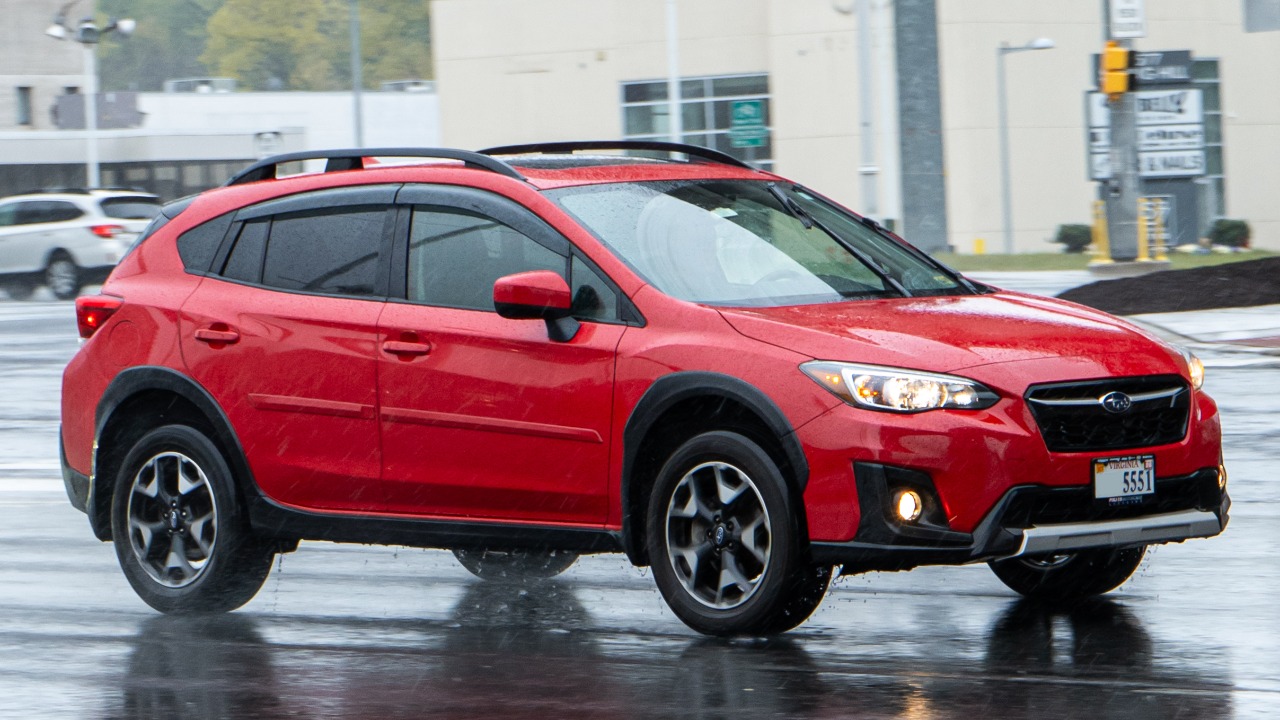
The Subaru Crosstrek takes the compact Impreza platform and lifts it noticeably higher off the ground, pairing that added clearance with the brand’s standard symmetrical all-wheel drive. For its small footprint, that combination gives it more clearance than most compact crossovers, letting it push through snow depths that would drag on a lower car’s underside.
Its light weight and small dimensions make it easy to maneuver on narrow, snow-narrowed rural roads where a full-size truck struggles to turn around. A dedicated low-grip drive mode further tunes throttle and traction response, rounding out a package built specifically for winter usability rather than outright off-road punishment.
More from Morning Overview
- Consumer Reports names the 2026 models it expects to break down the most
- Supplements now rank as the fifth-leading cause of death from liver disease.
- The NSA is again telling phone owners to switch off one location setting
- Four U.S. startups fired up their first small nuclear reactors, aiming to power AI data centers on-site
