
Luxury SUVs often carry a hidden cost that only shows up after the sale: the price of covering them. Size, repair complexity and replacement value all push premiums well above what a typical midsize crossover commands, even before a single claim is filed. Here are eight luxury SUVs that carry some of the steepest insurance costs in their class.
1. Range Rover: The Weight Of Luxury
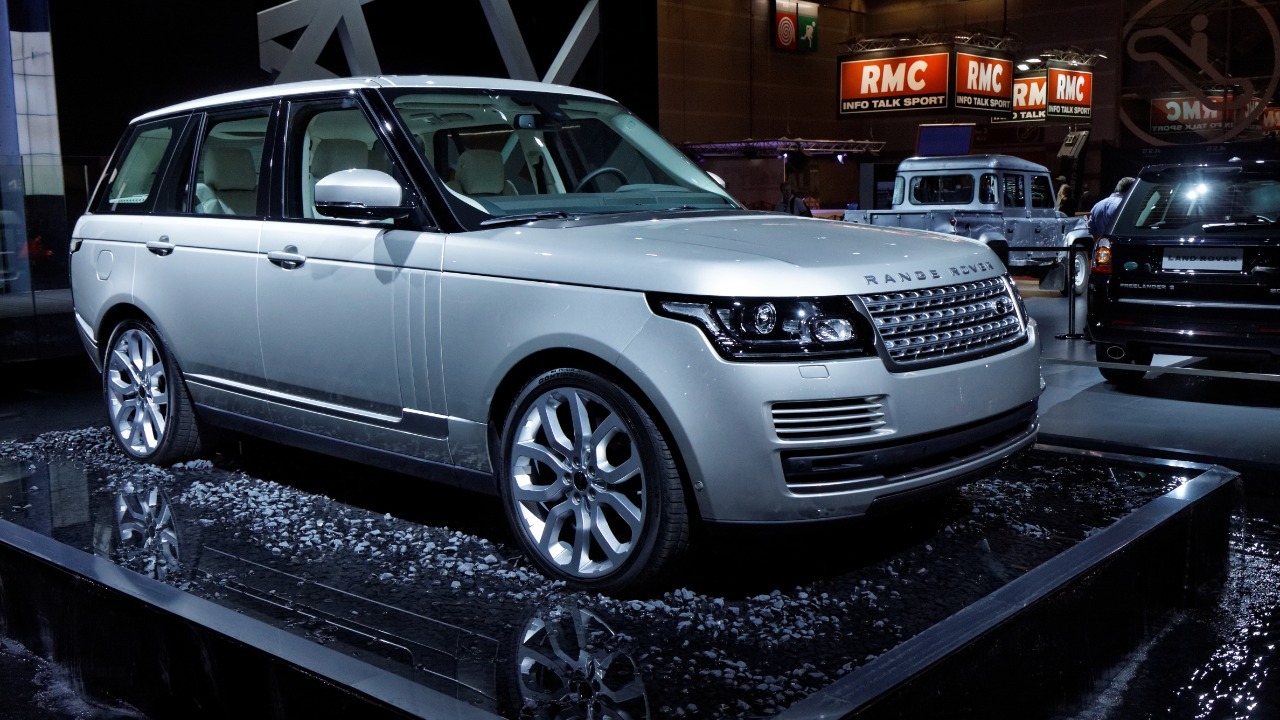
The Range Rover carries one of the highest sticker prices in its class, and insurers price against that replacement value long before a claim is ever filed. Its air suspension, aluminum panels and off-road hardware add repair complexity, a pattern tracked in institutional safety data covering claim severity across full-size luxury SUVs.
The number rarely shows up until a renewal notice arrives, since financing conversations usually center on the monthly payment rather than total ownership cost. A used example with the same drivetrain can still carry a premium rate, because insurers weigh a vehicle’s value and repair profile more heavily than its age.
2. Cadillac Escalade: Built To Be Stolen
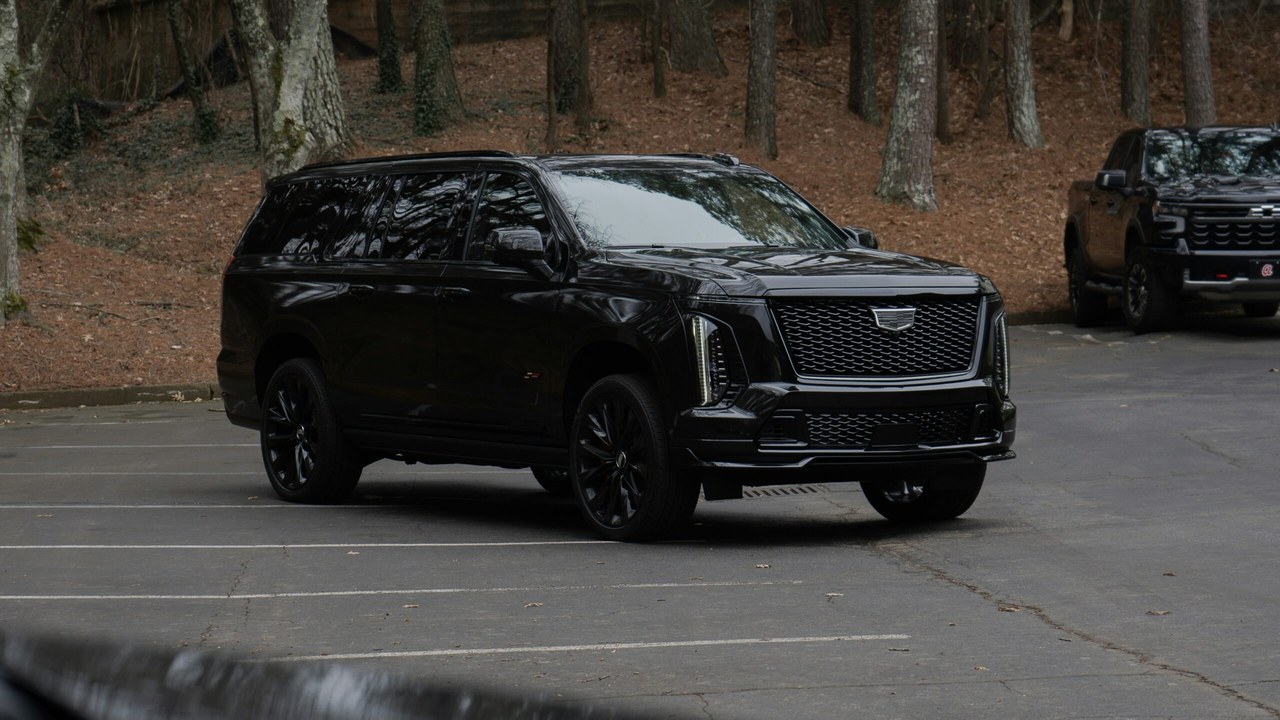
Size and visibility make the Cadillac Escalade a frequent target in theft and claim statistics, and stolen-vehicle rates are one of the clearest cost drivers insurers cite for large luxury SUVs. Its long wheelbase, third-row seating and extensive trim also raise repair estimates after even a modest collision, since panels and sensors are priced to match its premium positioning.
Owners in dense urban areas tend to see the steepest increases, because theft and vandalism claims cluster where the model is most common. Comprehensive coverage, rather than liability, usually carries the heavier share of a full Escalade policy.
3. BMW X7: A Flagship’s Repair Bill
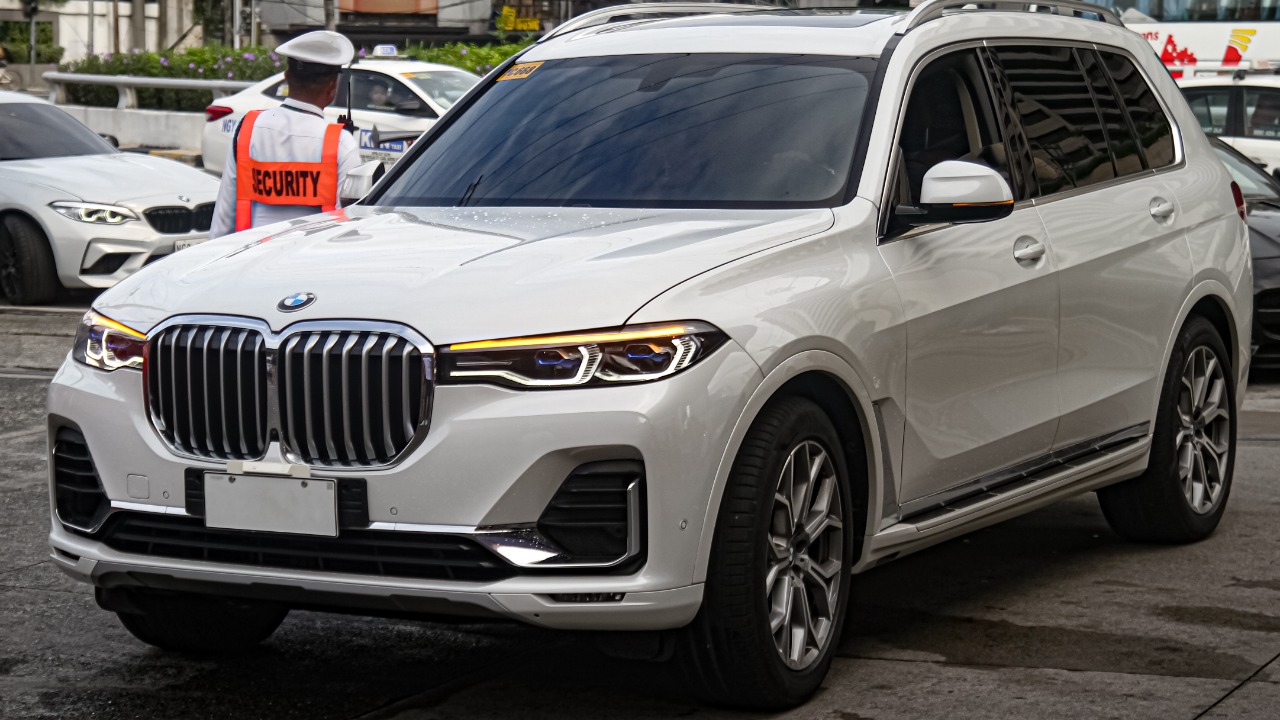
The BMW X7 sits at the top of BMW’s SUV lineup, and its size, adaptive air suspension and driver-assist sensor array are documented in the model’s own technical specifications as more complex than a standard midsize crossover. That complexity translates into higher parts and labor costs whenever a sensor, panel or suspension component needs replacement, and optional laser headlights add another costly repair line.
Buyers drawn to its third-row seating and twin-turbo, M-tuned engine options often underestimate how much those same features cost to insure. A flagship badge tends to bring flagship repair invoices, and insurers weigh both the vehicle’s size and its performance ceiling when setting premiums.
4. Mercedes-Benz GLS: Size Sets The Price
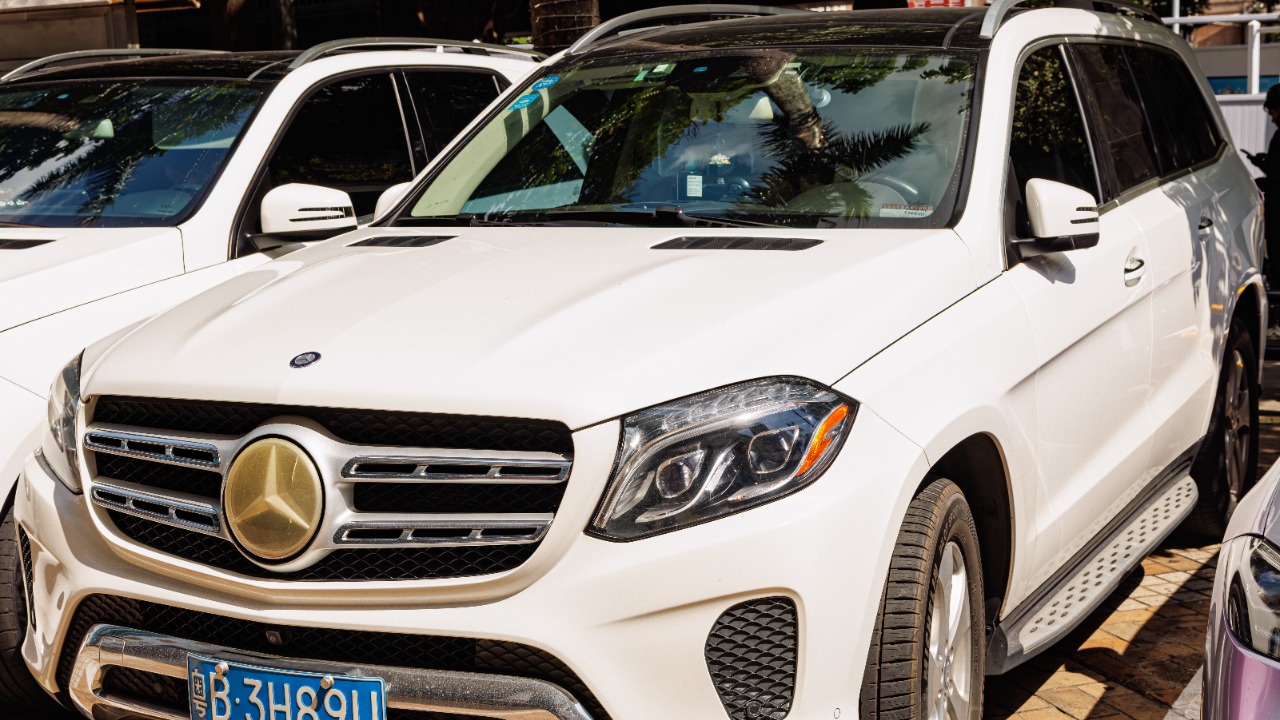
The Mercedes-Benz GLS is among the largest and most expensive vehicles in the brand’s SUV range, and its specifications, cataloged on Mercedes-Benz’s own reference page, show a curb weight and price point well above the average midsize SUV. Both factors feed directly into how insurers calculate replacement and collision-repair exposure.
A three-row cabin built around air suspension and advanced driver-assist hardware adds further repair cost after a crash. Shoppers comparing trims often find the gap between a base model and a fully loaded one shows up again at renewal time.
5. Porsche Cayenne: Performance Has A Price
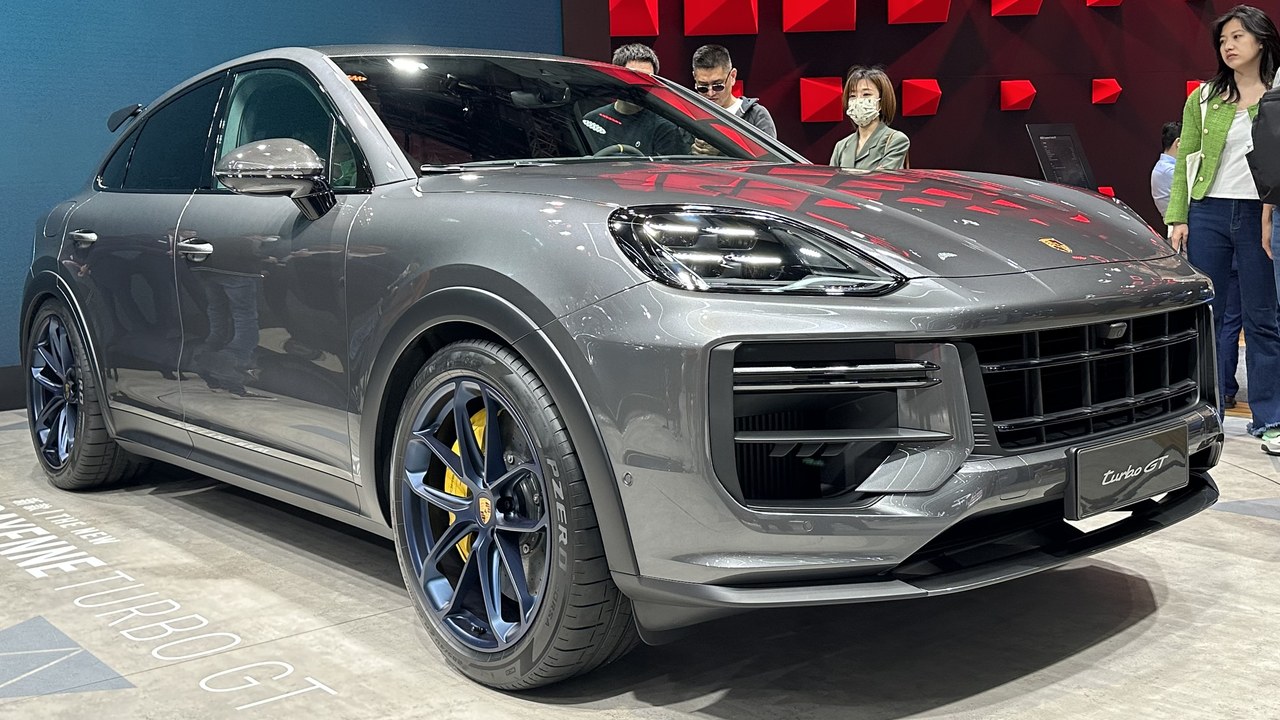
The Porsche Cayenne blends sports-car performance with SUV proportions, and the model’s documented engine and suspension options on its reference entry include turbocharged and high-output variants that carry steep parts costs. Sports suspensions, larger brakes, wider tires and carbon-ceramic options all add to repair estimates after even a modest collision.
Higher trims with more power tend to draw higher premiums, since insurers factor in both replacement value and the likelihood of an aggressive driving claim. A Cayenne bought for its handling often costs more to cover than its size alone would suggest, particularly once a Turbo or GTS badge is involved.
6. Audi Q8: Coupe Styling, Costly Parts
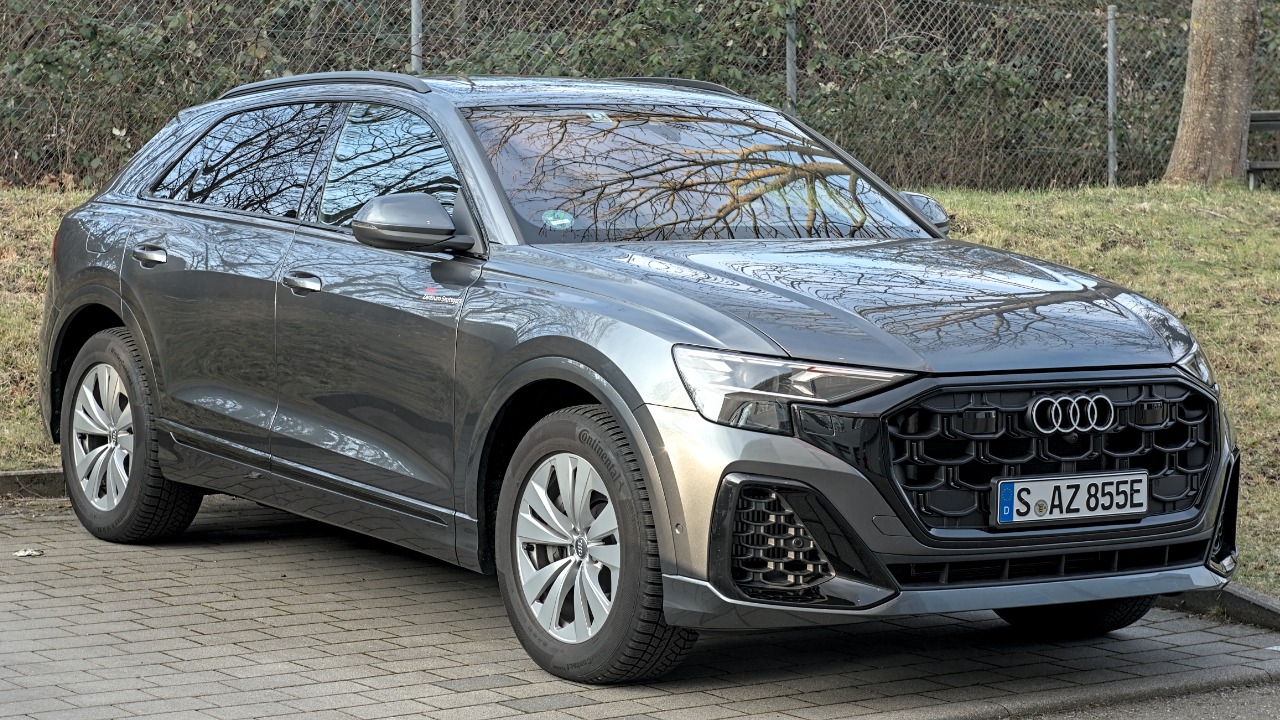
The Audi Q8’s coupe-style roofline, matrix LED lighting and quattro all-wheel-drive system, detailed in its model specifications, add curved glass, specialized body panels and camera-based sensors that cost more to replace than a conventional SUV shape. That styling choice carries a direct repair-cost penalty after even minor rear-end or side damage.
Its position near the top of Audi’s SUV range also means a higher replacement value baked into every policy, and higher trims add adaptive air suspension that raises the estimate further. Owners drawn to the sloped rear window are, in effect, paying extra for it twice: once at purchase and again at every renewal.
7. Tesla Model X: Falcon Doors, Full Price
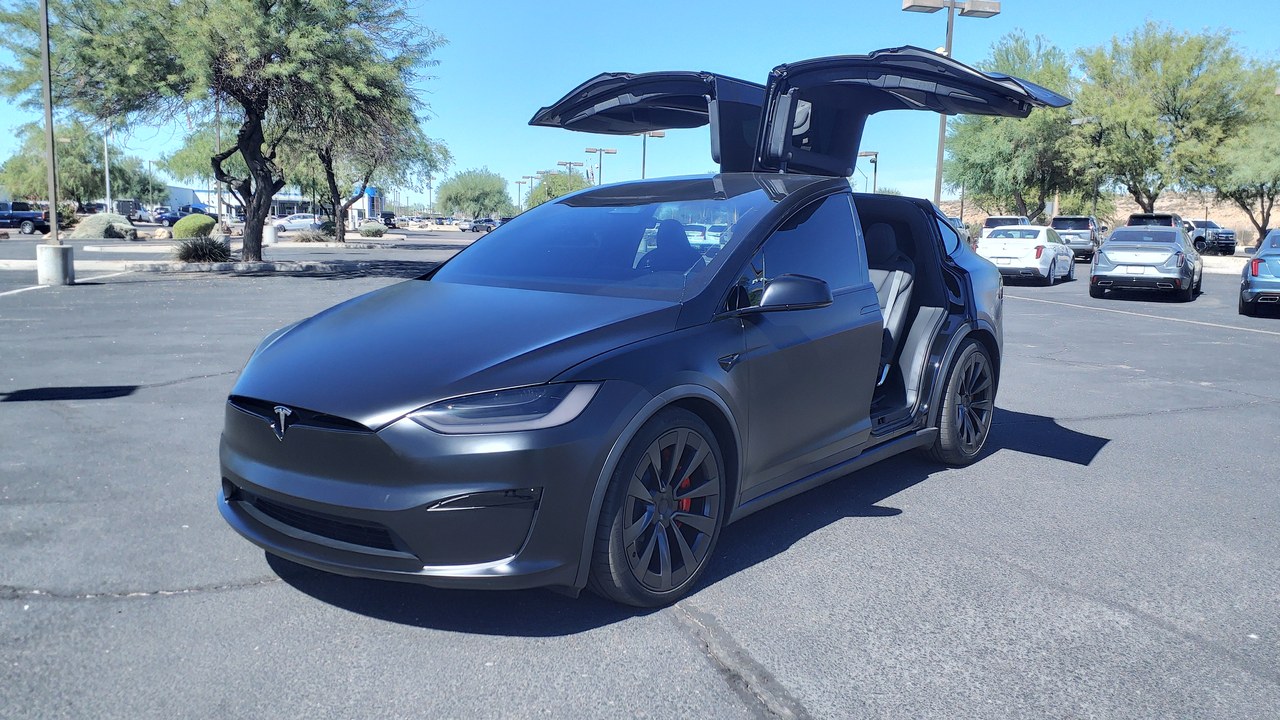
The Tesla Model X uses falcon-wing rear doors and an aluminum-intensive body, features described in its model documentation, that require specialized equipment and trained technicians to repair. Limited body-shop access for those repairs tends to stretch both repair time and cost well beyond a typical SUV claim.
Battery and drive-unit replacement after serious damage adds another layer of expense that insurers price into every policy. A minor fender mishap can still trigger the same specialized-repair chain, which is why coverage on this model runs higher than its size alone would suggest.
8. Lincoln Navigator: Big Frame, Bigger Bill
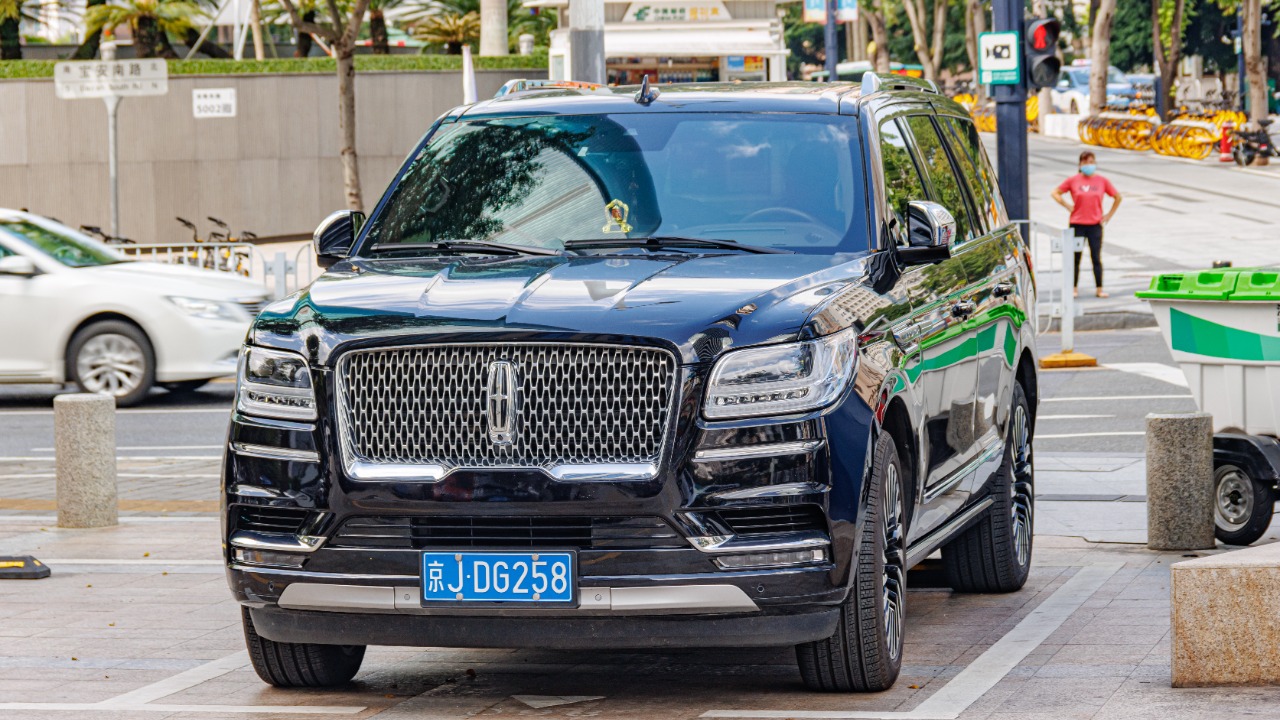
The Lincoln Navigator is a full-size body-on-frame SUV, and its dimensions and trim levels, laid out in its model overview, place it among the largest and most expensive vehicles insurers rate in the class. Its size alone raises the cost of replacement parts, from body panels to the third-row seating structure.
A collision involving a Navigator also tends to produce higher liability exposure, since its mass and height increase the potential severity of damage to whatever it strikes. That combination of high value and high impact risk keeps premiums elevated even for careful drivers.
More from Morning Overview
- Consumer Reports names the 2026 models it expects to break down the most
- Supplements now rank as the fifth-leading cause of death from liver disease.
- The NSA is again telling phone owners to switch off one location setting
- Four U.S. startups fired up their first small nuclear reactors, aiming to power AI data centers on-site
