
Some families replace a household hauler every few years, but a handful of minivans and three-row SUVs earn a full decade of duty instead. Longevity studies and owner-reported mileage point to a short list built around durable powertrains, flexible seating and parts that stay easy to find. Here are nine minivans and three-row SUVs that families tend to keep long past the typical trade-in point.
1. Toyota Sienna: The Hybrid-Only Holdout
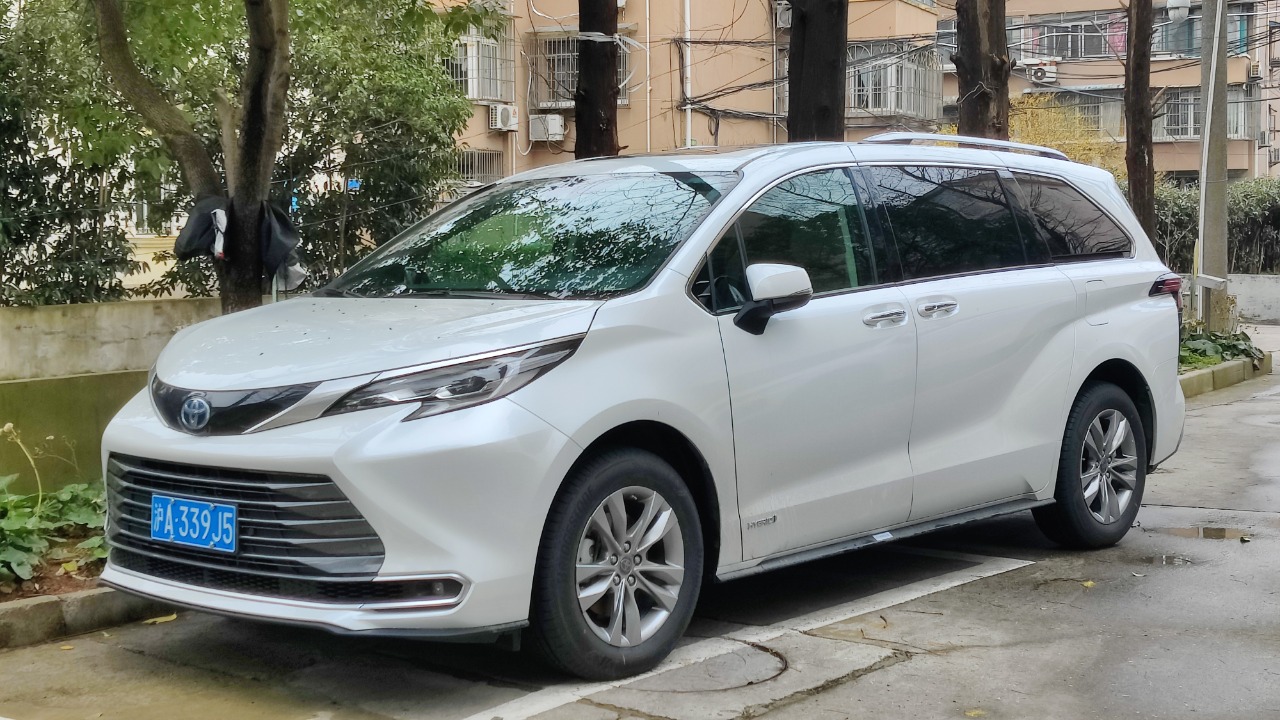
Toyota’s minivan has run hybrid-only since 2021, making it the only minivan sold in the U.S. without a gas-only option. iSeeCars longevity data in the longest-lasting vehicles study ranks the Sienna among family vehicles most likely to reach 200,000 miles, aided by the same hybrid drivetrain that underpins the Camry and RAV4.
Owners report the electric motors ease wear on the transmission compared with older non-hybrid vans that relied solely on a strained V6. Fuel costs also stay lower over a decade of school runs and road trips, and resale value has held up better than most three-row competitors.
2. Honda Odyssey: The 150,000-Mile Regular
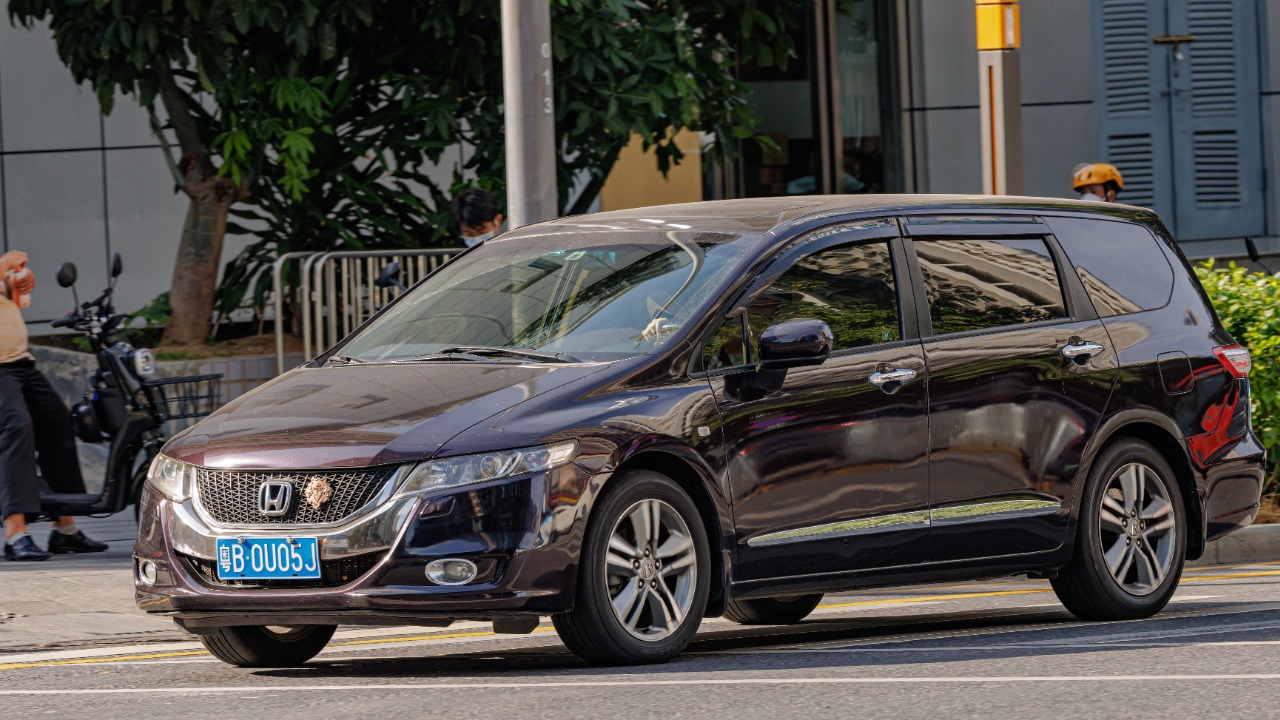
The Odyssey remains a fixture on lists of vans that regularly clear 150,000 miles without major repairs, a reputation built on Honda’s V6 and a durable automatic transmission. The Honda Odyssey’s development history shows the model has stayed on a consistent platform architecture across generations, letting parts and shop familiarity compound over time.
That continuity matters to families who keep a van a decade or more, since replacement parts stay in wide supply and independent shops know the common failure points early. Odyssey resale values consistently sit near the top of the minivan segment for that same reason.
3. Chrysler Pacifica: The Stow-And-Go Standout
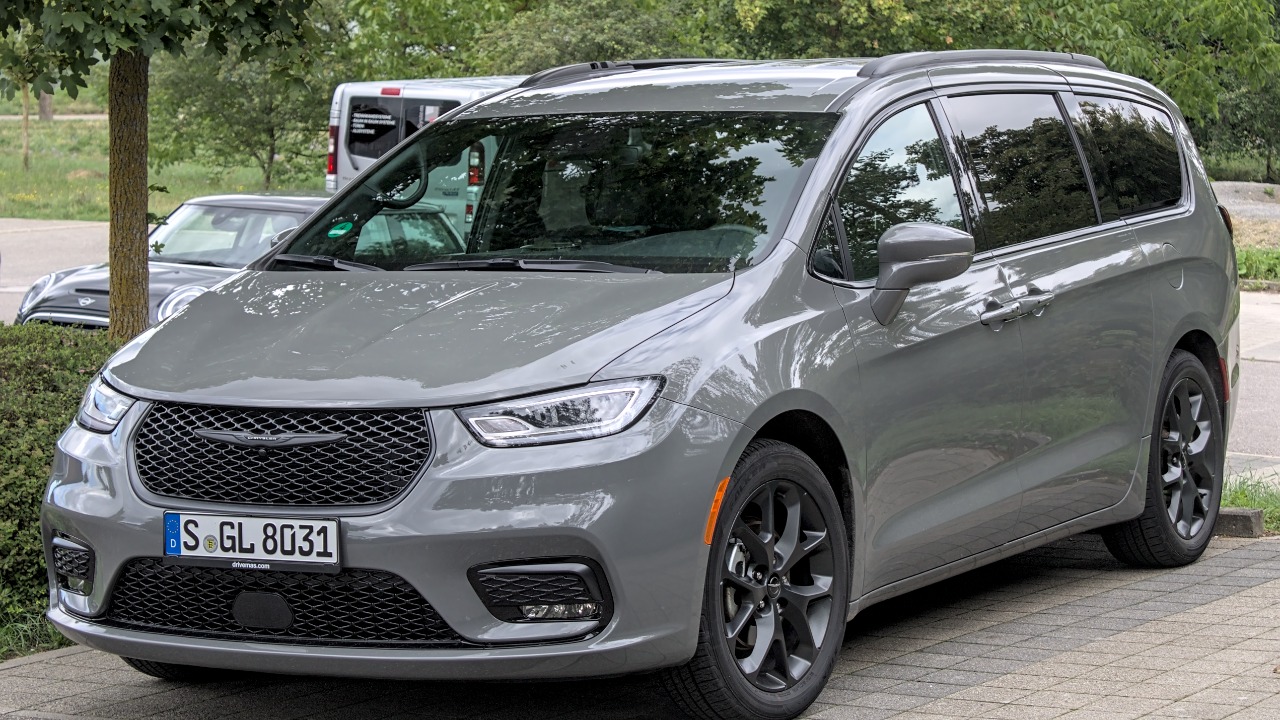
The Pacifica’s stow-and-go second- and third-row seats fold flat into the floor without removing anything, a packaging trick unique among three-row family vehicles. Its model overview also notes a plug-in hybrid variant, which lets some families cover short trips on electricity alone before the gas engine engages.
Families hauling gear for sports, camping or hardware-store runs lean on that folding seat setup for years, since few rivals match the flat cargo floor. Long-term owners report the transmission and the motorized doors on higher trims as the parts most worth watching.
4. Kia Carnival: The SUV-Styled Newcomer
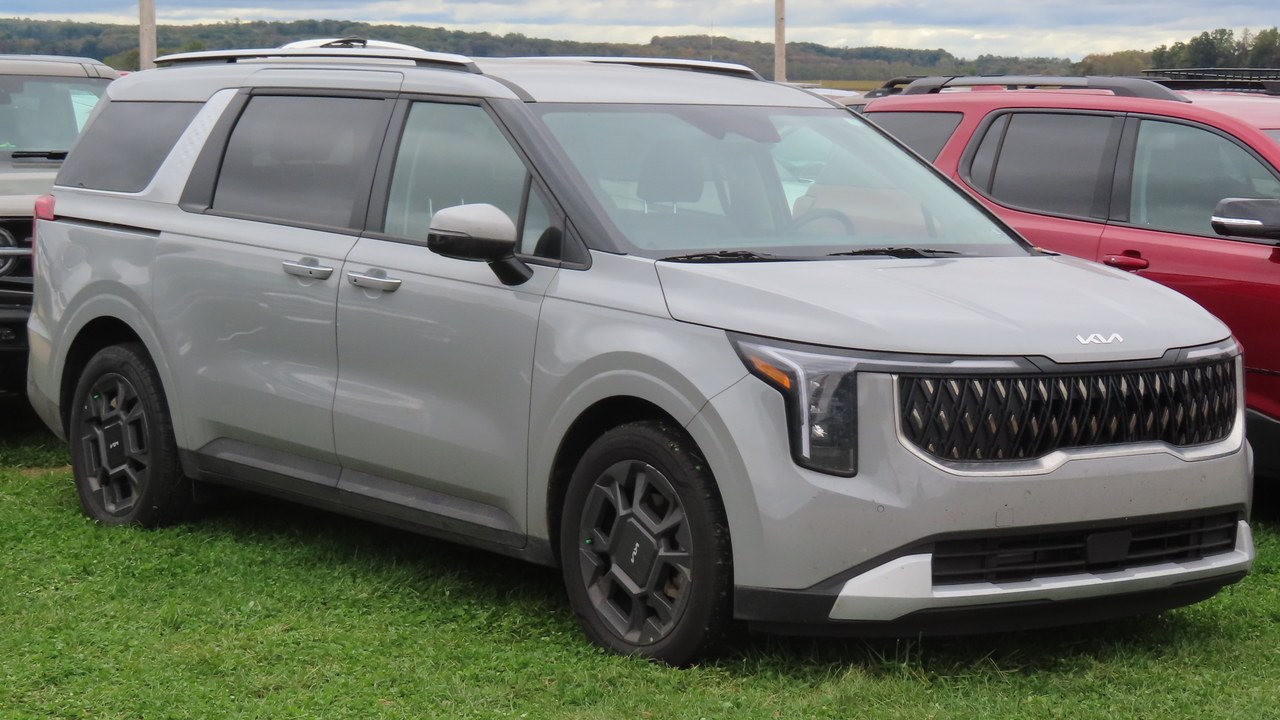
Kia markets the Carnival as an SUV rather than a minivan, but it carries sliding doors and van-style interior packaging underneath that styling, according to its Carnival model profile. It arrived in U.S. showrooms more recently than its rivals, pairing that shorter track record with a longer standard powertrain warranty than most competitors offer.
Families cross-shopping vans now often pick the Carnival specifically because it avoids looking like a traditional minivan while keeping the same cargo and seating flexibility. Its relative youth in the market means decade-plus reliability data is still catching up to older nameplates.
5. Toyota Highlander: The Three-Row Steady Hand
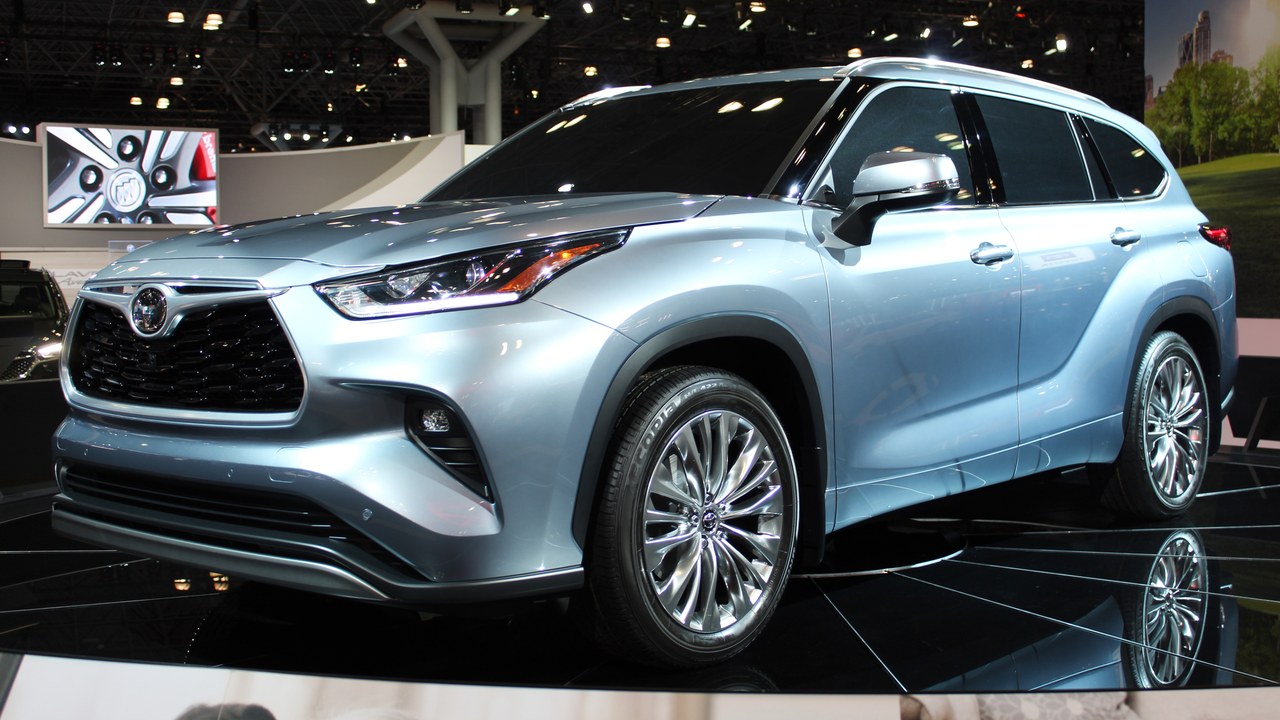
The Highlander has spent close to three decades as one of the steadier midsize three-row SUVs, built on Toyota platform underpinnings shared with the Camry and RAV4, according to its Highlander model history. A hybrid powertrain option since 2020 gives families a fuel-economy edge without sacrificing the third row.
A decade-plus of ownership tends to mean routine maintenance rather than major repairs, which is why used Highlanders command strong prices even past 100,000 miles. Families needing occasional third-row seating for carpools or grandparents favor it over larger, thirstier SUVs.
6. Subaru Ascent: The Standard-AWD Choice
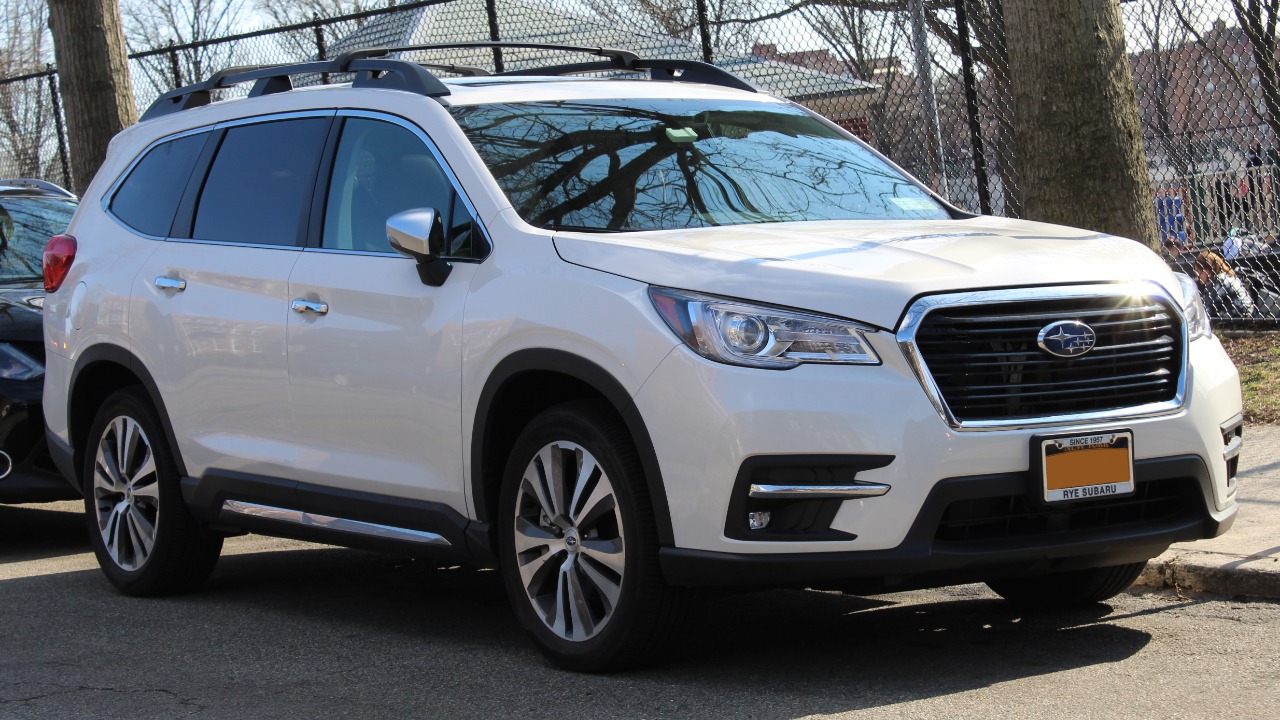
The Ascent is Subaru’s largest model and the only one in its lineup with three rows, pairing standard all-wheel drive with seating for up to eight, as detailed on its Ascent model page. That standard AWD, rather than an optional upgrade, is the main reason snow-belt families single it out.
Owners in mountain and northern states cite predictable winter traction as the deciding factor over rivals that treat all-wheel drive as an extra-cost option. The tradeoff over a decade of ownership is a turbocharged engine that some owners say needs more attentive upkeep than a naturally aspirated rival.
7. Honda Pilot: The V6 Holdover
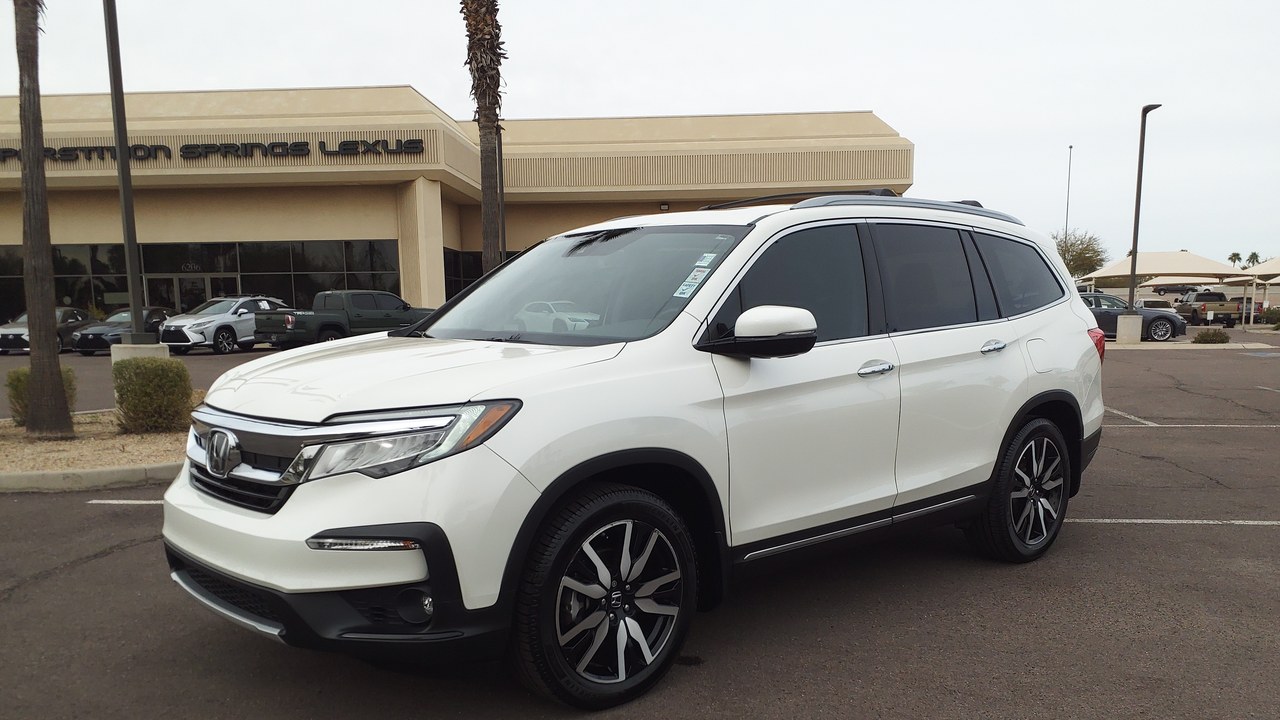
The Pilot pairs Honda’s three-row SUV body with the same V6 engine family that has powered the Odyssey and Ridgeline for years, a combination its Pilot model history credits with a long run of mechanical consistency across generations. That engine has stayed largely unchanged in its fundamentals even as the body style has been redesigned.
Families who keep a Pilot for a decade typically point to that engine’s track record, plus a cabin that scales from seven to eight seats depending on the row-two configuration chosen. Maintenance costs run comparable to other mainstream three-row SUVs rather than the premium end of the segment.
8. Mazda CX-9: The Car-Like Cruiser
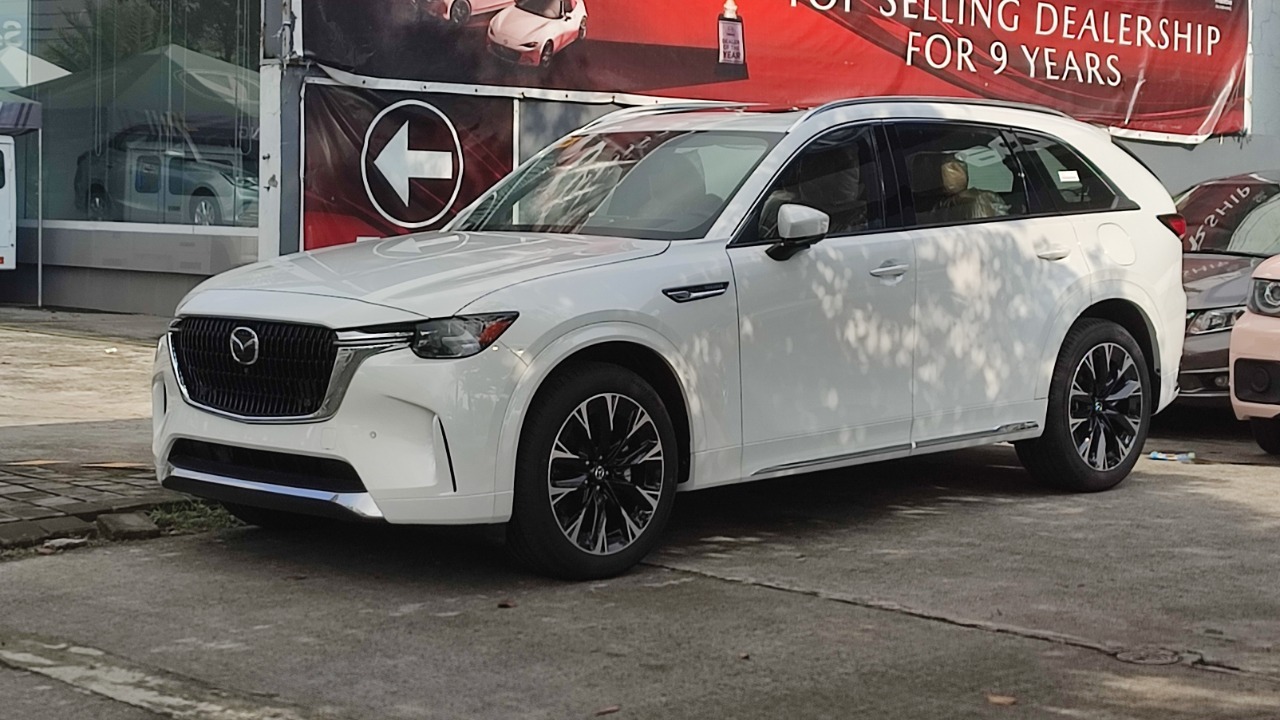
Mazda built the CX-9 with car-like handling atop underpinnings conceptually related to its sedans, and its CX-9 model page describes a turbocharged four-cylinder that replaced an earlier V6 partway through the model’s run. That engine swap gave later years better fuel economy without giving up towing capacity.
Owners keeping a CX-9 past 100,000 miles frequently cite tight body control and a more upscale-feeling cabin than rivals at a similar price point. The third row runs tighter than some competitors, which is the main tradeoff families accept for the smoother ride.
9. Volkswagen Atlas: The Room-To-Spare Hauler
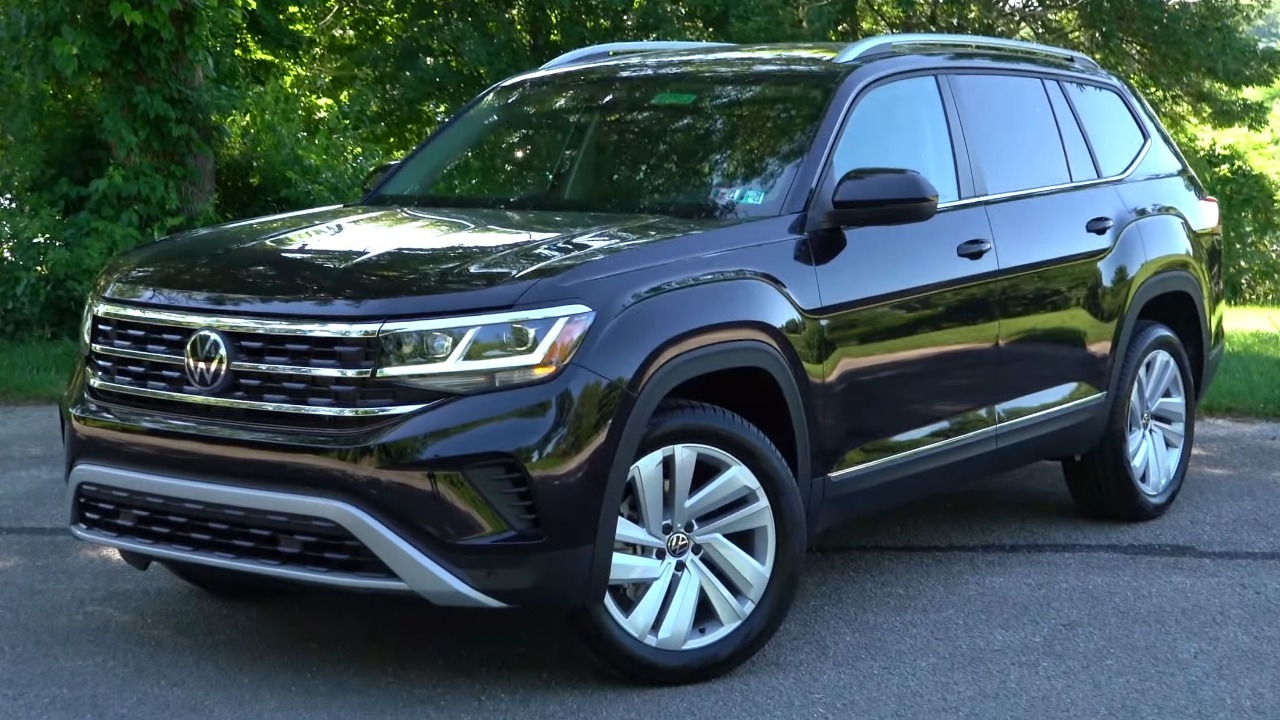
The Atlas is Volkswagen’s largest U.S. model, built specifically for the American three-row market rather than adapted from a smaller global platform, according to its Atlas model profile. Its cargo hold and second-row space run larger than most competitors in the same price bracket.
Families hauling larger loads or taller passengers over long trips cite that extra room as the reason they stay loyal across a decade of ownership. Long-term owners note the V6 and available AWD hold up well, though infotainment glitches show up more often than on Toyota or Honda rivals.
More from Morning Overview
- The NSA is again telling phone owners to switch off one location setting
- Four U.S. startups fired up their first small nuclear reactors, aiming to power AI data centers on-site
- 11 engines built to run well past 200,000 miles
- A handful of car transmissions are so tough that mechanics say they almost never die
