
A rearview camera is supposed to be one of the simplest safety checks in a modern vehicle, a live picture of whatever sits behind the bumper. Software bugs and faulty modules have repeatedly knocked that picture out on ordinary trucks, SUVs and vans, prompting formal NHTSA recall campaigns rather than quiet service bulletins. Here are eight popular models whose rearview camera went dark and how each automaker responded.
1. Jeep Wrangler: Radio Software Freezes The Feed
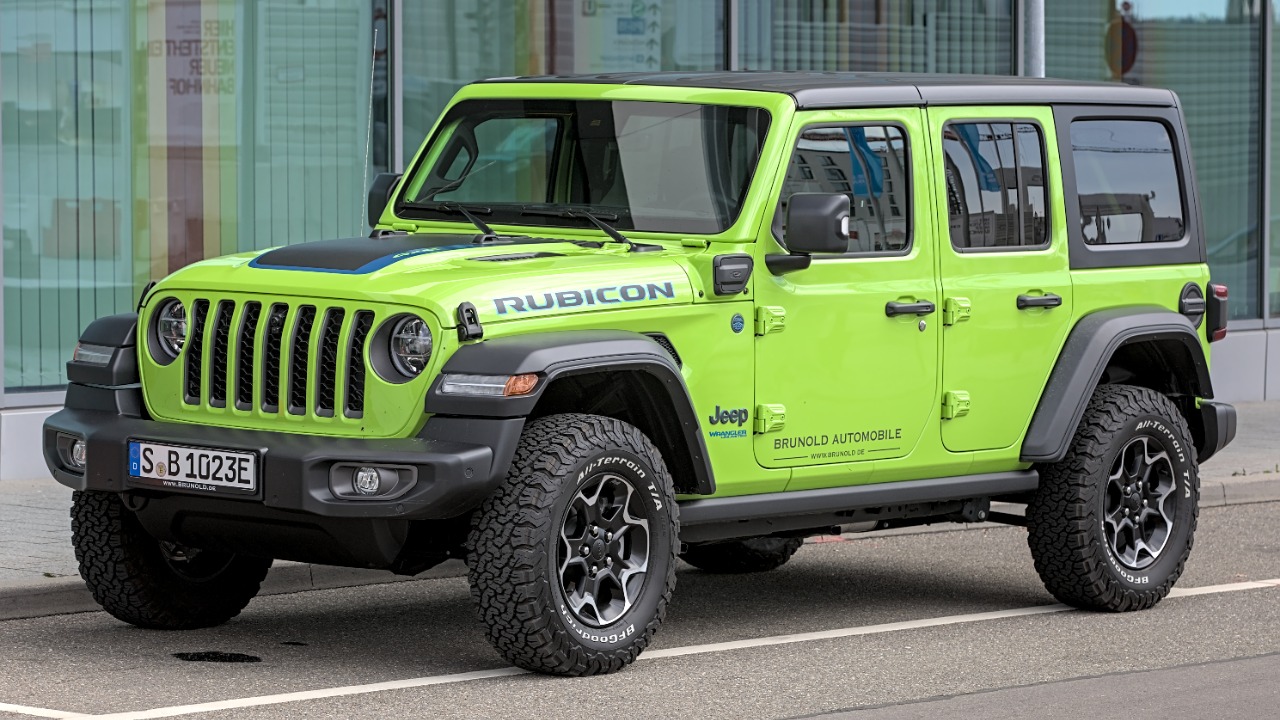
NHTSA campaign 22V638000 covers Jeep Wrangler models whose radio head unit can fail to display the rearview camera image after the transmission is shifted into reverse, according to the recall filing. Instead of a live picture, the touchscreen can stay dark or hold the prior view, leaving no image of pedestrians, low fencing or parked cars behind the bumper.
Dealers correct the defect by reflashing the radio module’s software at no cost, typically completed in under an hour once scheduled. Owners who notice the backup image stuttering, blanking or freezing on reverse should book the update rather than assume a one-time glitch, since the software fault does not resolve on its own.
2. Ram 1500: Trailer Module Blanks The Screen
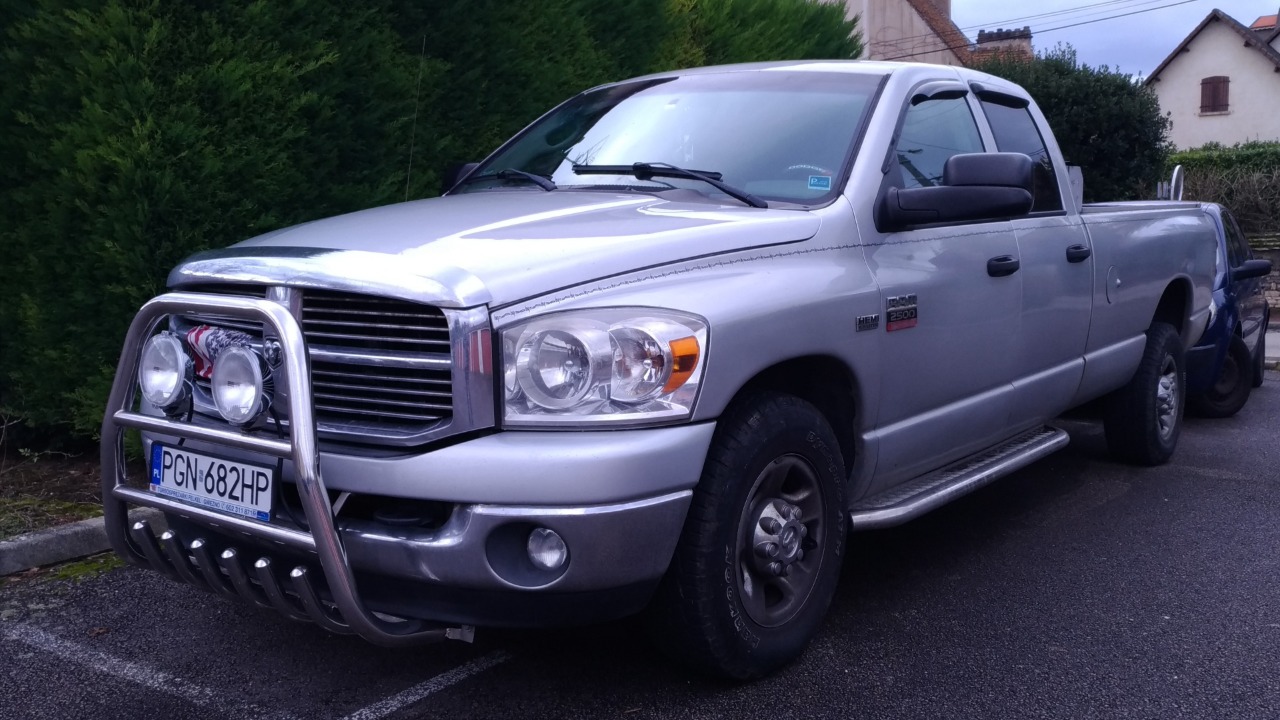
Campaign 21V438000 traces a blank rearview display on the Ram 1500 to the trailer reverse steering control module, documented in the NHTSA record. When the module malfunctions it can interrupt the video signal path shared with the standard backup camera, so the screen goes black precisely when a driver reverses a loaded bed or a hitched trailer past a low obstacle.
Ram dealers replace or reprogram the affected module under the recall at no charge. Because the fault is tied to trailer-steering hardware rather than the camera itself, owners who tow regularly should confirm the fix even after only occasional glitches, since intermittent failures can still leave a rear blind spot at the wrong moment.
3. Honda Odyssey: Media Unit Fault Spans Three Models
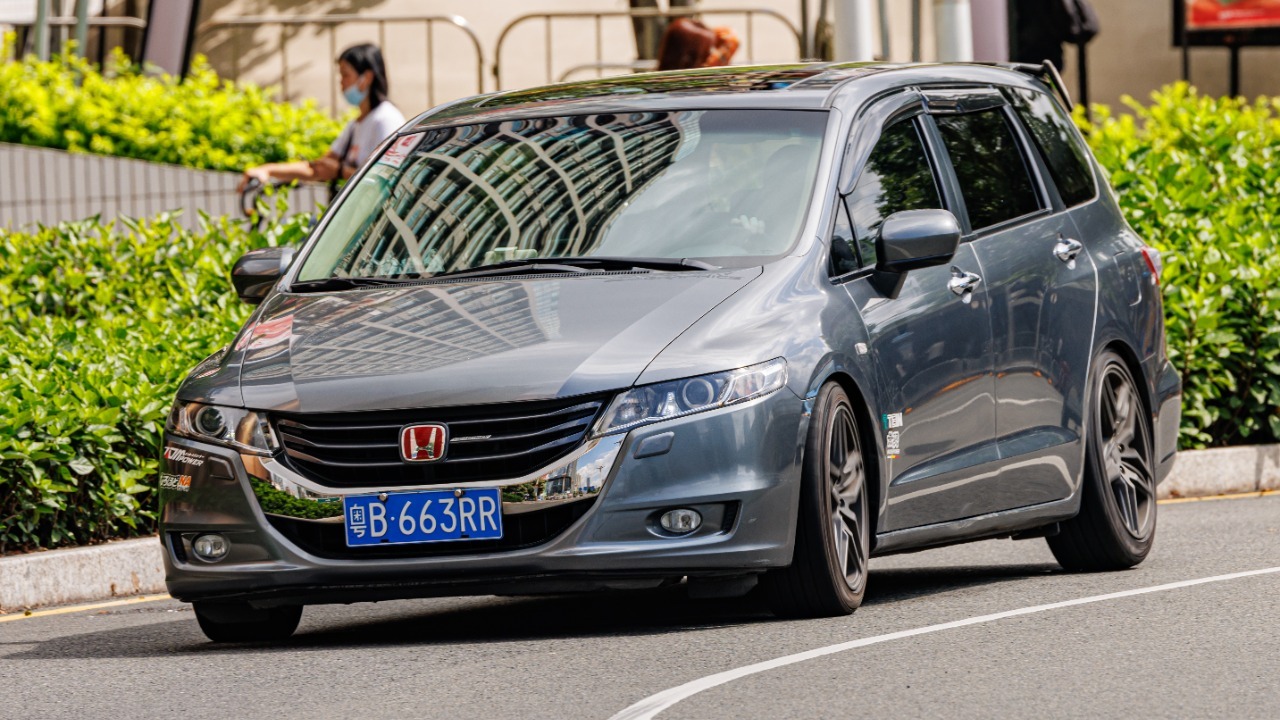
Campaign 23V431000 covers a faulty media unit shared across the Honda Odyssey, Pilot and Passport, according to the recall notice. The shared electronics mean a single component defect can knock out the rearview image on a minivan built for hauling kids and cargo just as easily as on the automaker’s midsize SUVs.
Honda’s remedy is a software update or unit replacement performed at a dealership free of charge to affected owners. Because the same part spans three separate model lines, an Odyssey owner should check the vehicle identification number against the campaign directly rather than assume the recall applies only to SUV variants of the platform.
4. Ford Bronco: Eight-Inch Screen Loses The Picture
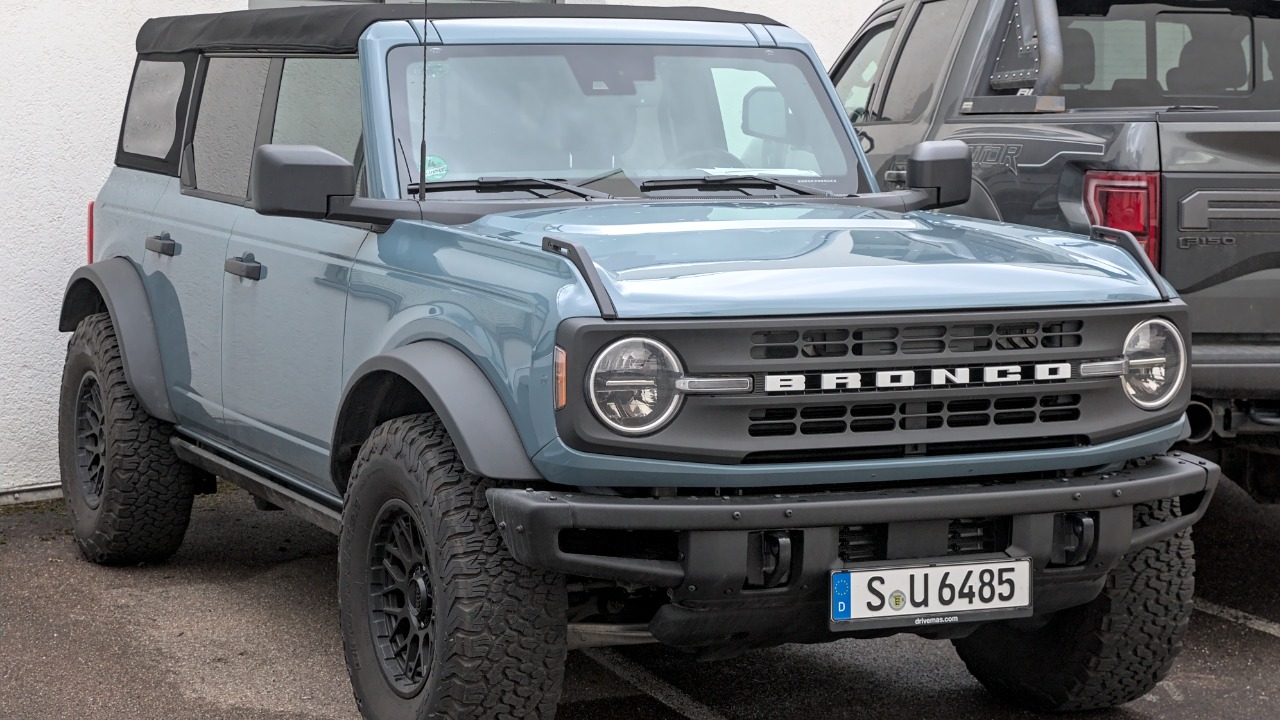
Campaign 22V825000 covers rearview camera systems paired with the Ford Bronco’s 8-inch touchscreen, per the NHTSA filing. On affected trucks the camera image can fail to populate the smaller of Ford’s two available displays, a detail that matters because the 8-inch screen shipped on lower trim levels rather than the range-topping infotainment setup.
Ford dealers address the issue with a software update installed at no cost. Because the fault is tied specifically to the smaller screen hardware, owners of base and mid-trim Broncos have more reason to confirm their vehicle’s status than buyers who opted for the larger factory display, and either group can check eligibility using the vehicle identification number.
5. Nissan Frontier: One Camera Fault, Four Nameplates
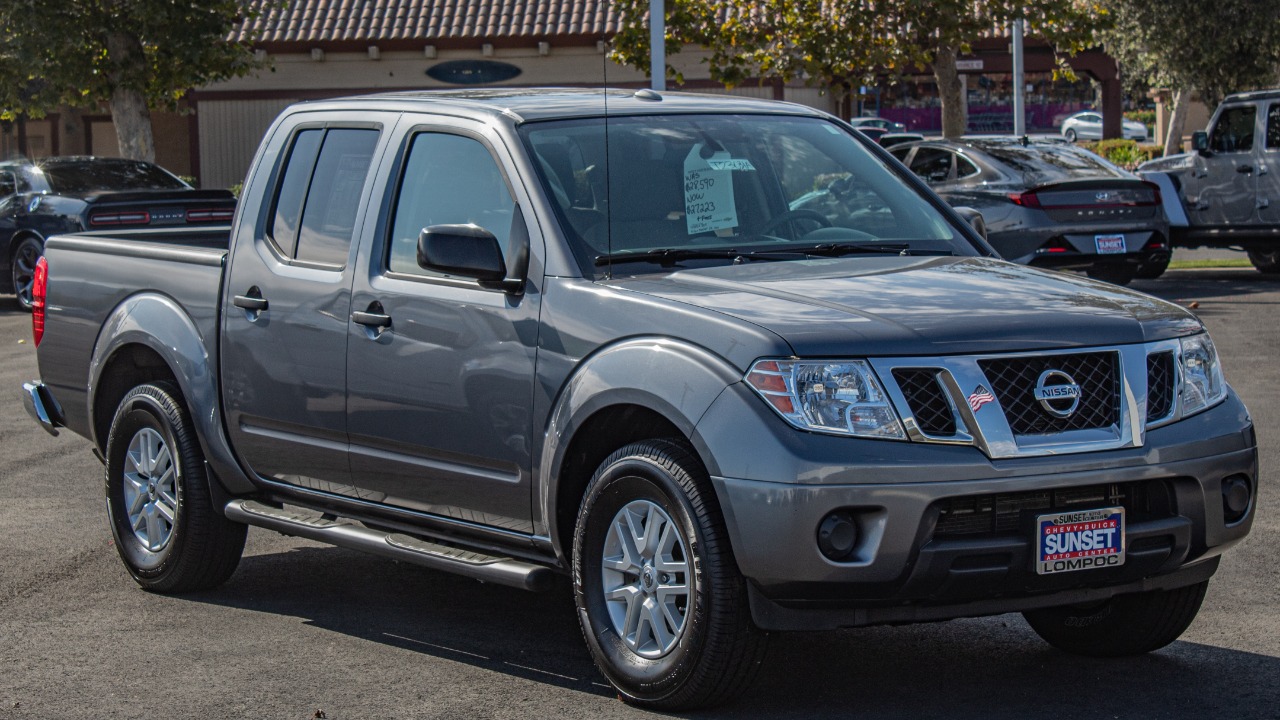
Campaign 22V527000 covers camera faults spanning the Nissan Frontier alongside the Rogue, Pathfinder and Titan, according to the recall record. The shared defect crosses body styles from crossover to midsize pickup, underscoring how a single camera or wiring component sourced across a lineup can ground several unrelated-looking vehicles in the same fix.
Nissan’s remedy is a dealer-performed repair or replacement of the affected camera hardware at no charge. Frontier owners towing or loading truck beds regularly should treat an intermittently blank or flickering backup image as a symptom worth reporting immediately, since a pickup’s longer rear overhang makes the blind spot behind it larger than on a passenger car.
6. Toyota Tundra: Panoramic Monitor Software Slips
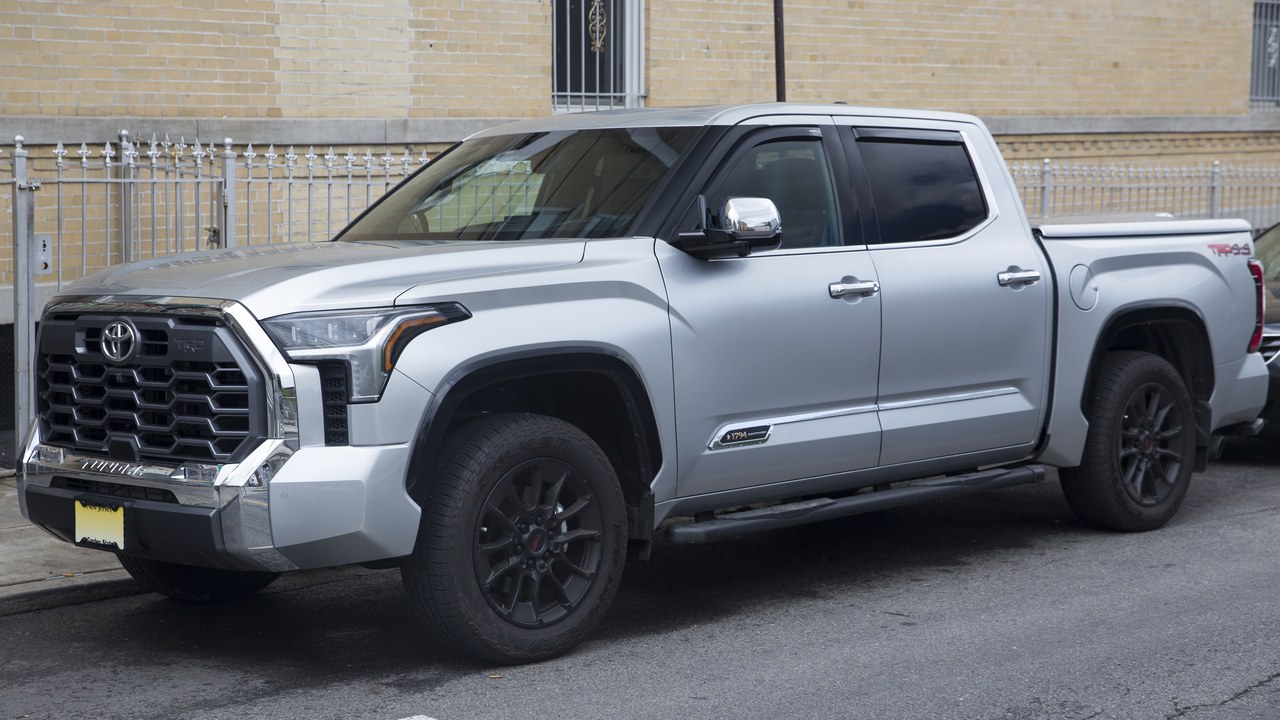
Campaign 22V285000 covers the Panoramic View Monitor software on the Toyota Tundra, documented in the NHTSA filing. The system stitches multiple exterior cameras into one overhead view, and a software error can cause the composite image, including the standard rear feed, to freeze or fail to load when the truck is shifted into reverse.
Toyota’s fix is a free software reflash performed by dealership technicians, generally completed in well under a day once scheduled. Tundra owners who rely on the surround-view display for tight parking or trailer hookups should schedule the update promptly, since a frozen composite image can mask a moving obstacle just outside the frame.
7. Volkswagen Atlas Cross Sport: Range-Wide Rear Camera Recall
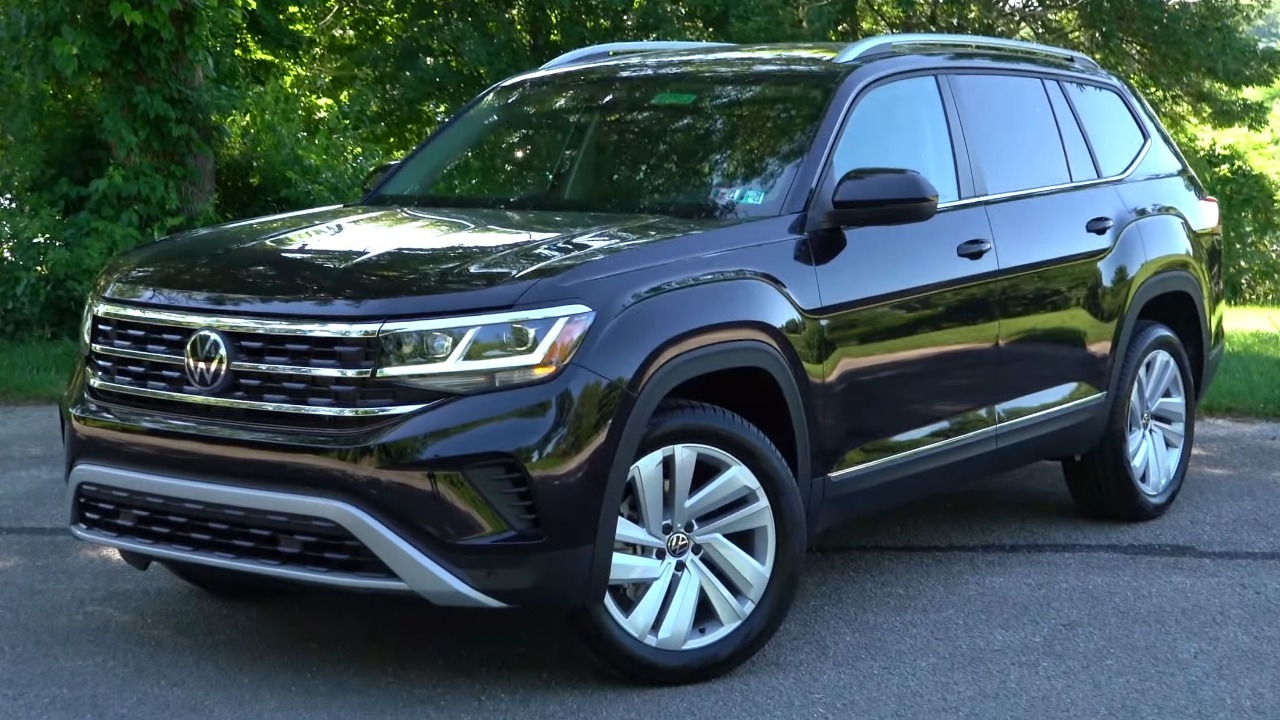
Campaign 20V716000 covers rear camera systems across a swath of the Volkswagen lineup, including the three-row Atlas Cross Sport, per the recall documentation. The scope of the campaign, spanning several nameplates rather than one, points to a shared electrical or software component behind the backup image failure.
Volkswagen dealers replace or reprogram the affected camera component at no cost to the owner. Because the Atlas Cross Sport is a family-oriented three-row SUV, a driver reversing near a driveway or school pickup line has particular reason to confirm the recall has been completed rather than wait for a symptom to appear.
8. Dodge Hornet: Plug-In Hybrid’s Alert Systems Falter
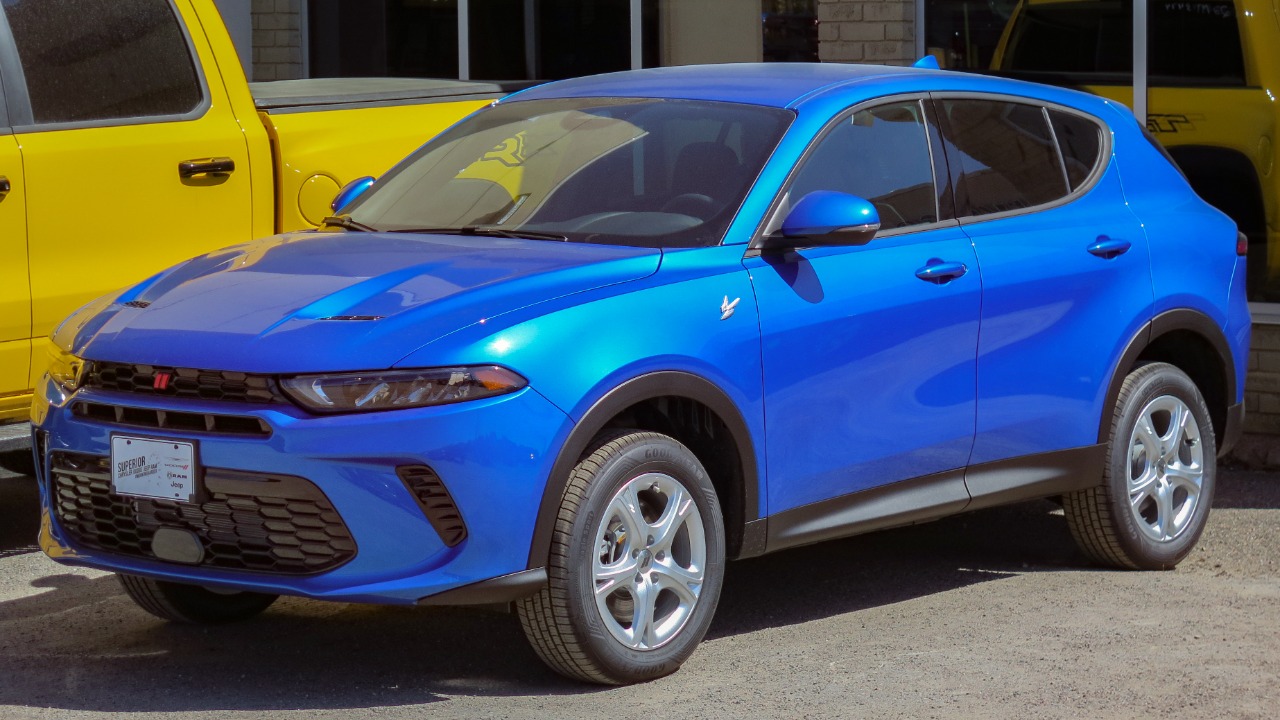
Campaign 23V696000 covers the pedestrian alert and warning systems on the Dodge Hornet plug-in hybrid, according to the NHTSA record. Because the Hornet can move silently on electric power alone, its pedestrian-alert and camera-linked warning functions carry more weight than on a conventional gas-only crossover, making a lapse in either system a sharper safety gap.
Stellantis dealers correct the fault with a software update performed at no charge to the owner. Hornet owners who drive frequently in electric mode, where the vehicle produces little engine noise to warn people nearby, should prioritize the recall repair rather than treat a silent alert system as a minor inconvenience.
More from Morning Overview
