
Longevity takes radically different forms across the living world, from one enduring animal body to a forest of genetically identical stems. Some of these organisms survive through slow metabolism, while others persist by renewing trunks, shoots, or roots over immense spans of time. These eight organisms show how life can stretch a lifespan from centuries into millennia.
1. Methuselah bristlecone pine: A Mountain Pine Has Counted Nearly Five Millennia
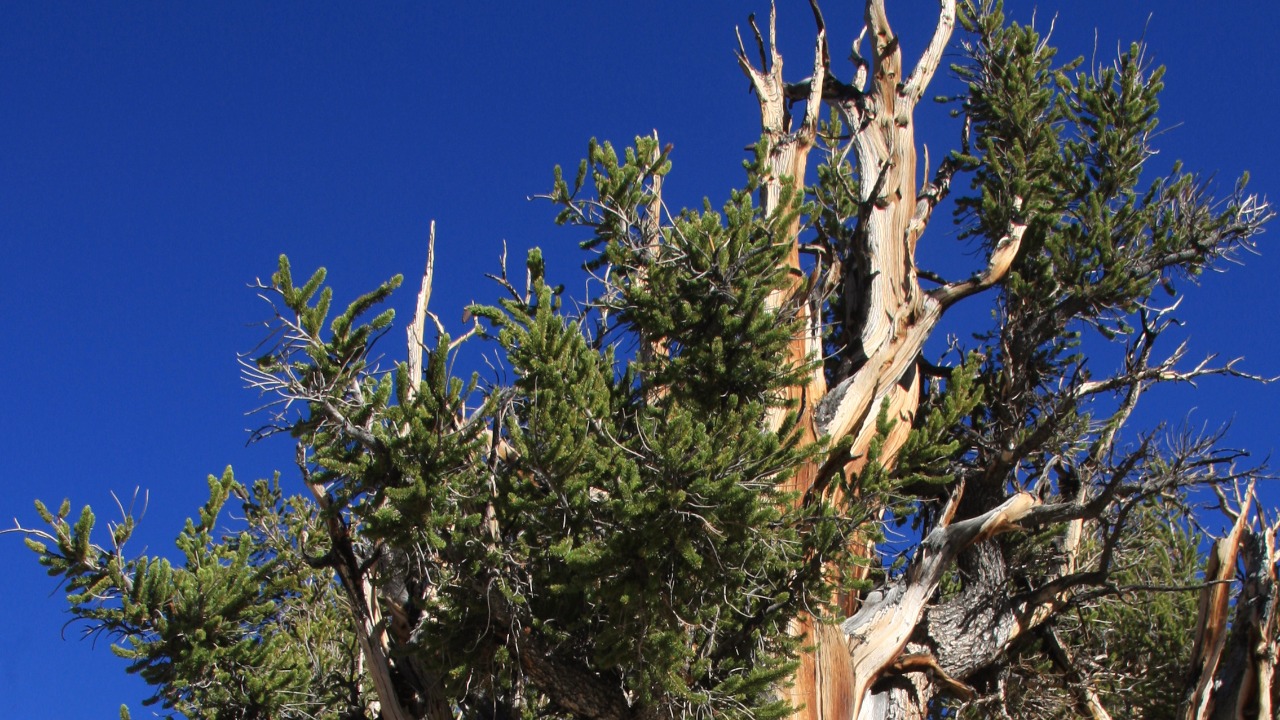
Methuselah is a Great Basin bristlecone pine growing high in California’s White Mountains. The Methuselah tree was identified through tree-ring dating as nearly 5,000 years old, making it one of the oldest known non-clonal trees. Its exact location is withheld from the public, protecting an exceptionally long biological record held within a single living trunk.
Bristlecone pines endure cold, wind, drought, and nutrient-poor mountain soils where few competitors thrive. Dense, resin-rich wood decays slowly, and a damaged tree can keep narrow strips of living tissue connected to surviving branches and roots. The sculpted deadwood surrounding those strips is therefore not simply a sign of decline; it is part of a survival strategy refined in an environment where growth is slow but persistence can be extraordinary.
2. Pando aspen colony: Thousands of Trunks Share One Ancient Root System
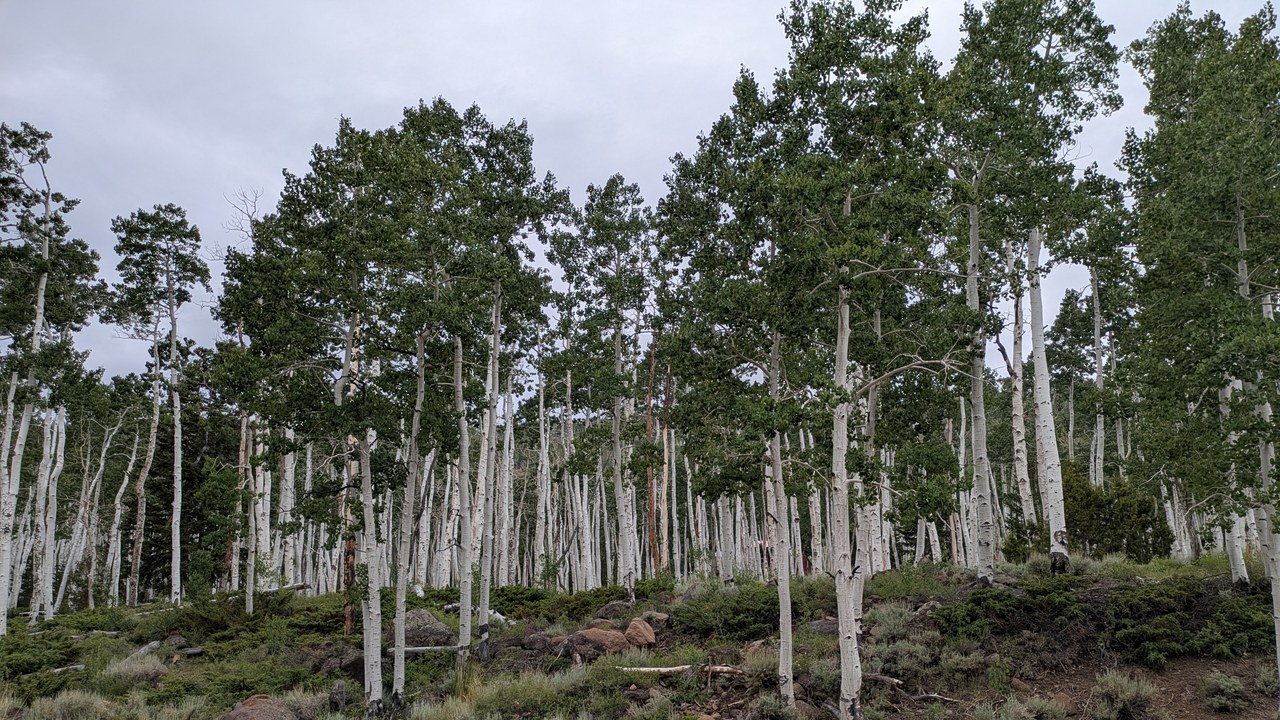
Pando appears to be an aspen forest in Utah, but its 47,000 stems are genetically identical shoots connected to one root system. The Pando colony covers more than 100 acres. Individual trunks live for a fraction of the colony’s total age, while the underlying organism sends up replacements through clonal growth.
That distinction makes Pando’s age difficult to measure, and estimates range across thousands or tens of thousands of years. Its longevity depends on successful regeneration rather than the survival of one visible stem. Browsing animals, drought, disease, and changing fire patterns can interrupt that renewal. Pando demonstrates how a single life can persist as a shifting community of trunks rather than one permanent body.
3. Old Tjikko: A Small Spruce Keeps Rebuilding Above Ancient Roots
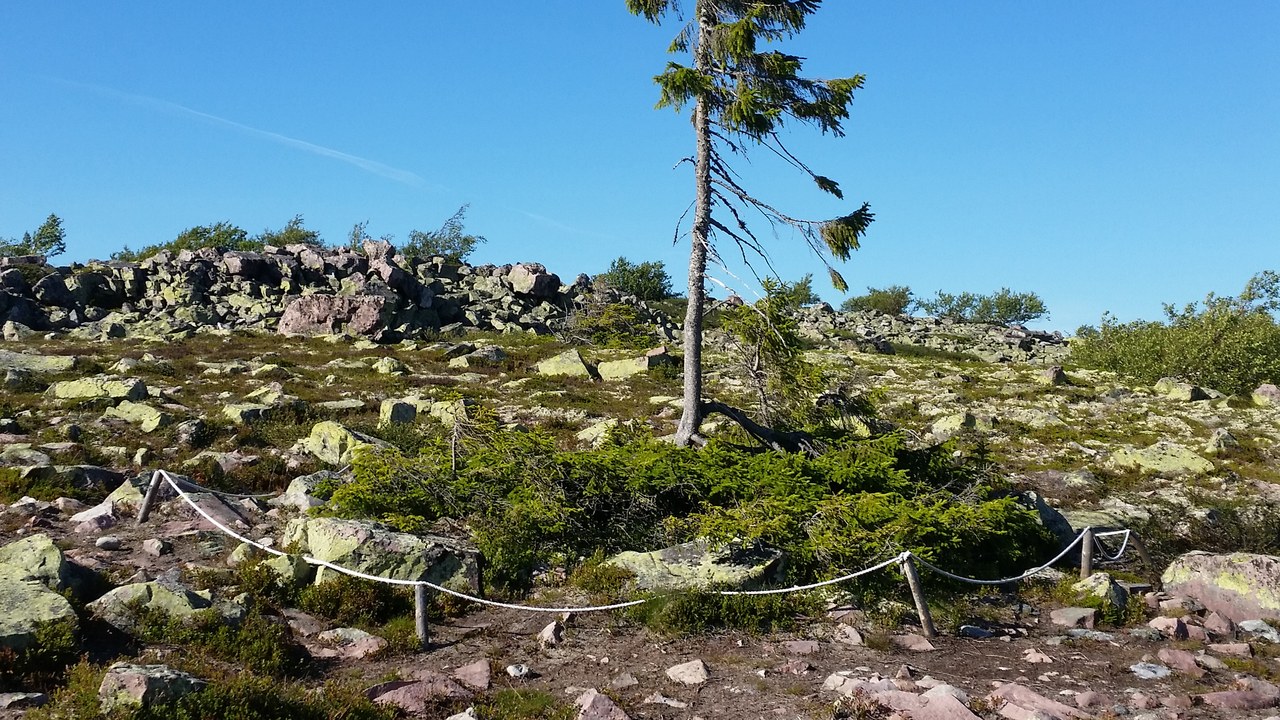
Old Tjikko is a Norway spruce on Sweden’s Fulufjället whose root material has been dated to about 9,500 years ago. The Old Tjikko spruce is clonal, so its visible trunk is much younger than the underground system sustaining it. When a stem dies, the same genetic individual can continue by producing another from surviving roots or low branches.
For much of its history, harsh mountain conditions kept the spruce in a low, shrubby form. A warmer climate has allowed it to grow into the upright tree photographed today. Its modest appearance hides immense continuity rather than a single untouched trunk. Old Tjikko shows why a clonal organism’s age belongs to the system beneath the surface, not necessarily to the wood rising above it.
4. Greenland shark: Cold Water Sustains a Shark for Centuries
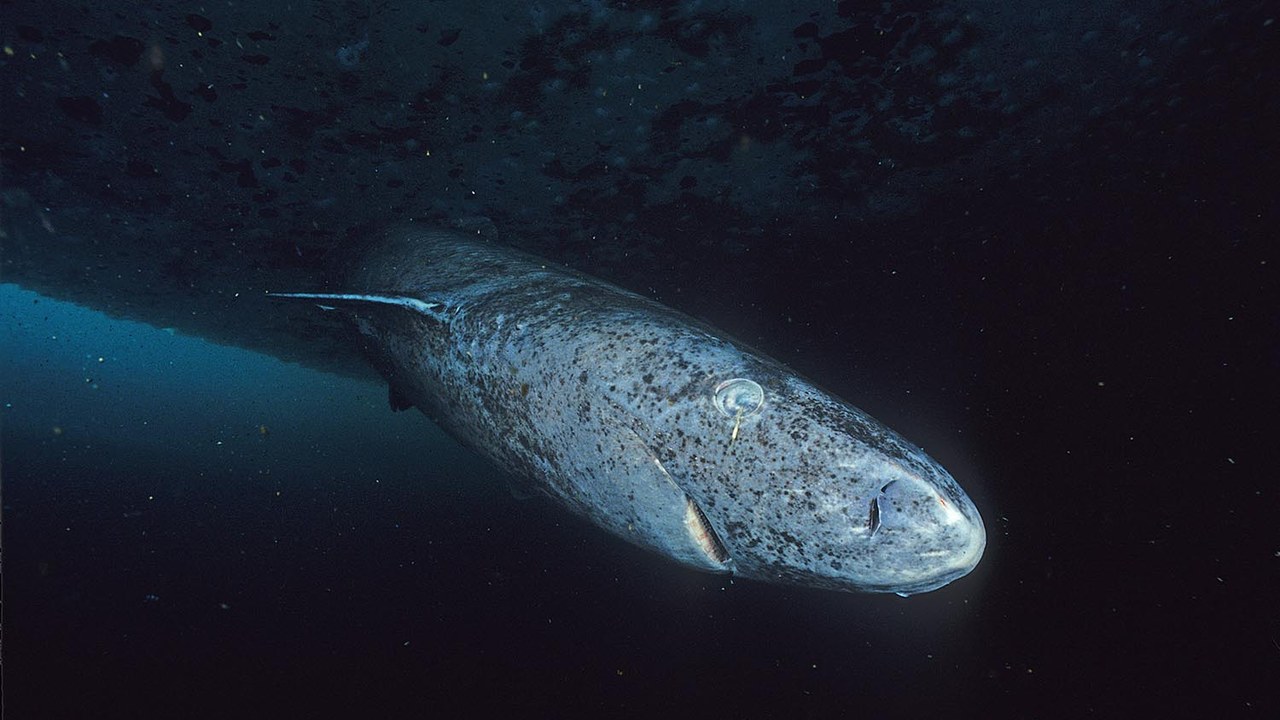
The Greenland shark moves through cold North Atlantic and Arctic waters at an exceptionally slow pace. Britannica’s Greenland shark profile describes a large deep-water predator believed to live for several centuries. Researchers estimate age by examining radiocarbon signals in eye-lens proteins, which form early and remain largely unchanged throughout life.
One study placed the oldest sampled female at roughly four centuries, although individual estimates carry substantial uncertainty. The species grows only a small amount each year and may not reach sexual maturity until well past a human lifetime. Cold temperatures and a slow metabolism are thought to contribute. Among vertebrates, few known animals compress life so dramatically, turning growth, maturity, and reproduction into processes measured across generations.
5. Aldabra giant tortoise: A Giant Tortoise Can Outlive Generations of Keepers
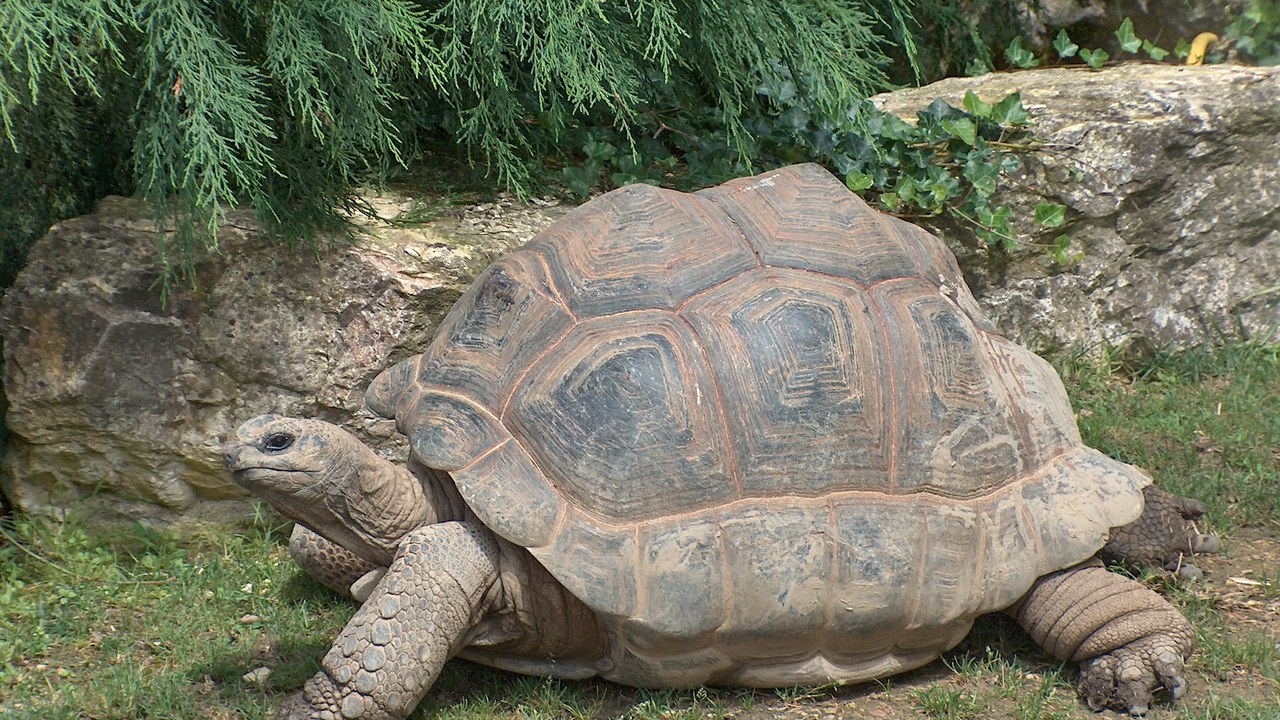
The Aldabra giant tortoise is built for a long life on islands of the western Indian Ocean. The Aldabra giant tortoise is among the world’s largest tortoises, and individuals can survive well over a century. Its heavy shell, slow metabolism, and tolerance for limited food and water suit an environment where endurance matters more than speed.
These tortoises graze on grasses and leaves, browse low branches, and alter island vegetation through movement and feeding. Their lifespan is easier to appreciate than that of a clonal plant: one animal can remain alive through multiple generations of caretakers. Extreme age still requires favorable conditions, including protection from habitat loss, introduced species, disease, and the exploitation that devastated many island tortoise populations.
6. Jomon Sugi: A Weathered Cedar Anchors an Island Forest
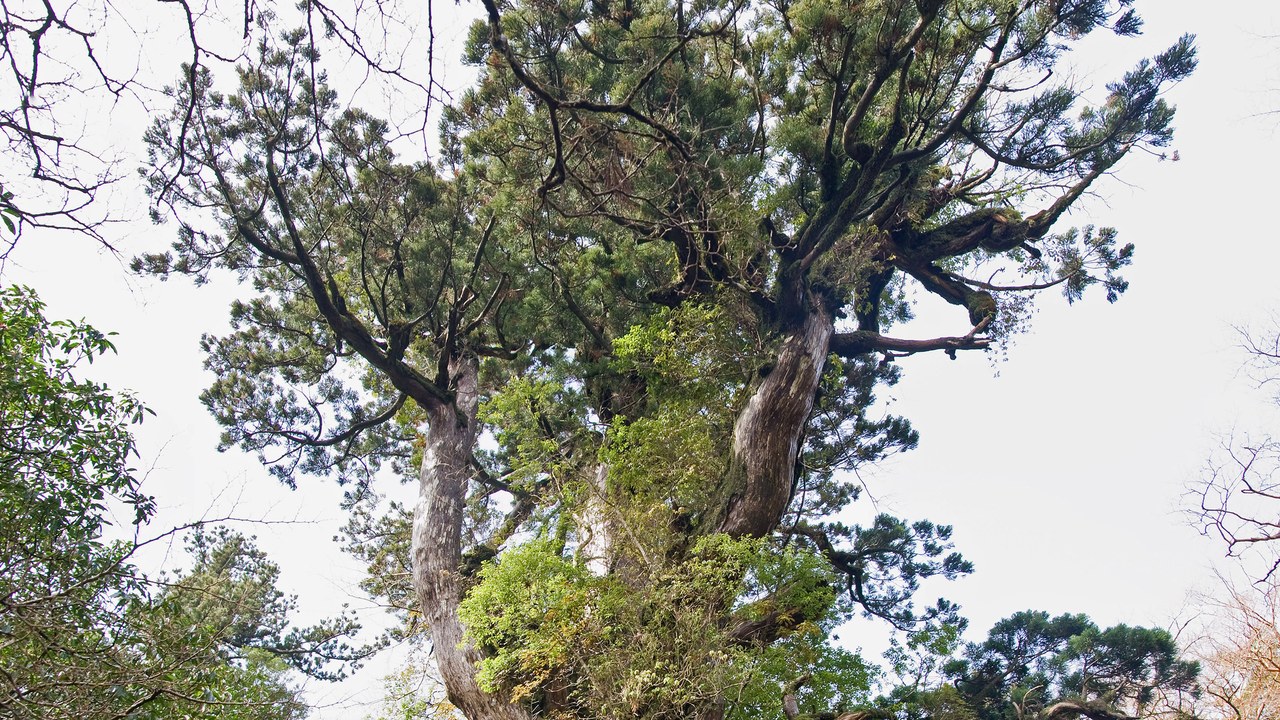
Jomon Sugi is a massive Japanese cedar growing in Yakushima’s misty mountain forest. The Jomon Sugi tree has a deeply furrowed trunk and a circumference exceeding 16 meters, signs of remarkable age. Estimates vary from a little over 2,000 years to several thousand because the living tree cannot be dated like a complete timber sample.
Its name links the cedar to Japan’s prehistoric Jomon period, although the upper age estimate remains debated. Whatever the number, the tree has endured typhoons, heavy rain, and centuries of island change. Yakushima’s ancient cedars grow slowly in demanding conditions, producing dense, resinous wood. Jomon Sugi’s survival also reflects modern protection, with visitors viewing it from a platform that limits damage to its roots.
7. Llangernyw Yew: An Ancient Yew Still Grows Beside a Welsh Church
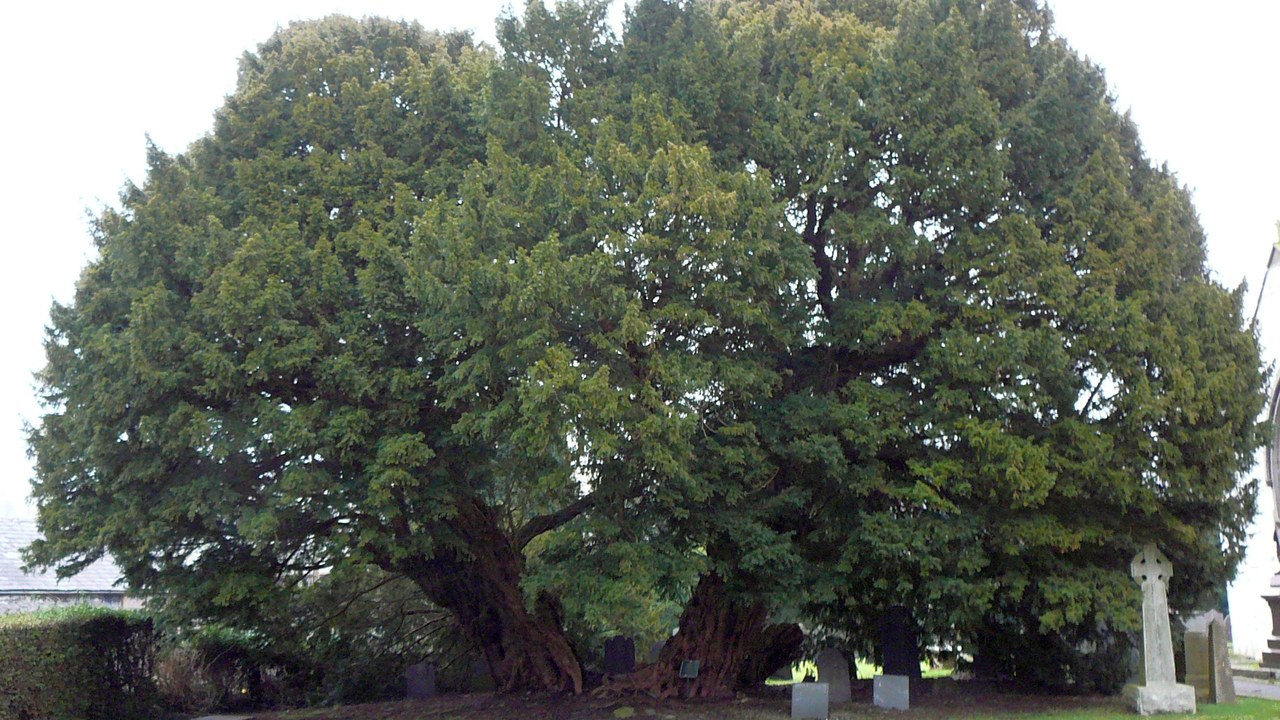
The Llangernyw Yew stands in St. Digain’s churchyard in northern Wales, where its divided trunk surrounds an open central space. The Llangernyw Yew is estimated to be several thousand years old. Exact dating is difficult because the oldest central wood has disappeared, removing the rings needed for a straightforward count.
Yews can survive major trunk loss while maintaining living tissue around the outside, and branches may root to support renewed growth. That habit lets an ancient tree change form without ending its life. The church arrived long after the yew began growing, making the tree a link between landscapes used by different communities. Its hollow, fragmented shape is not merely decay; it records endurance through structural renewal.
8. Welwitschia: Two Leaves Persist Across a Desert Millennium
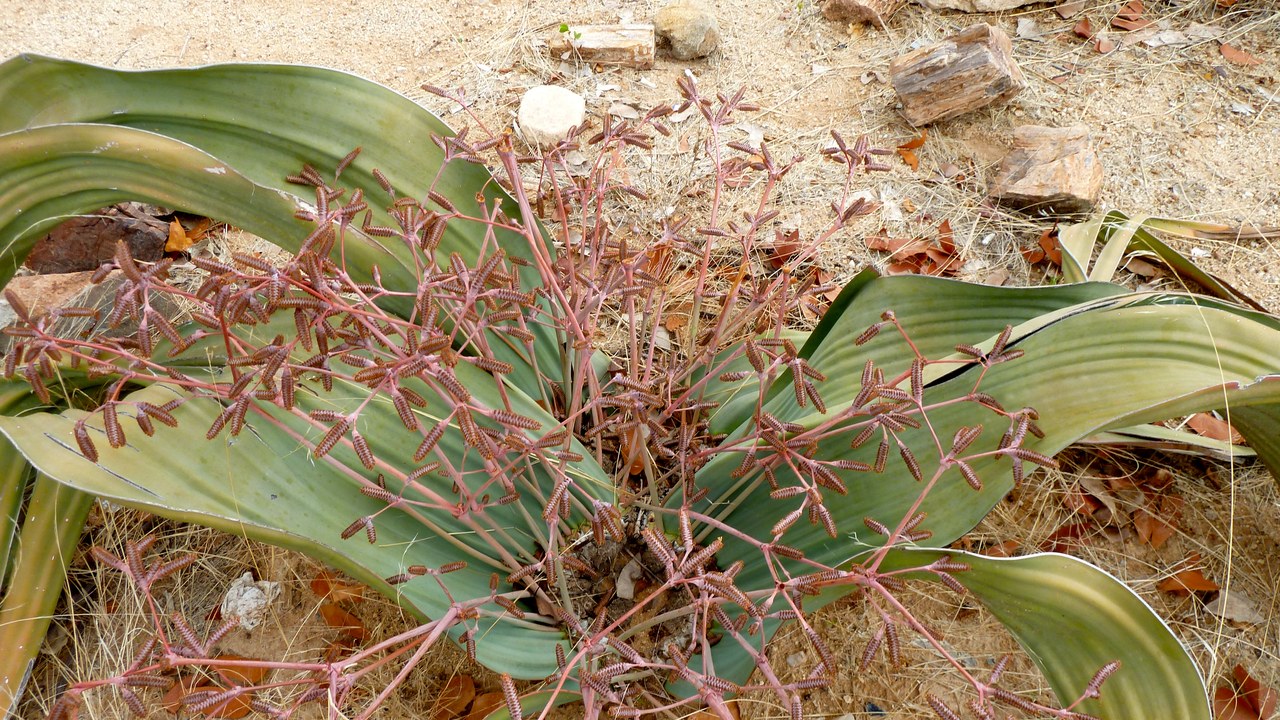
Welwitschia is a desert plant with a short woody stem and two permanent leaves that grow throughout its life. Britannica’s Welwitschia overview places it in southwestern Africa’s Namib Desert, where some specimens may exceed 1,000 years. Wind and abrasion split the growing leaves into tangled ribbons, creating the appearance of many leaves.
A deep root system and specialized leaves help Welwitschia persist with scant, unpredictable rain. Moisture from fog can supplement what arrives through soil, while separate male and female plants produce cones rather than flowers. Its strange architecture records accumulated survival: the same two leaves keep growing, fraying, and replacing tissue for centuries. Few plants make longevity so visible in every weathered strip.
More from Morning Overview
- A Colorado wildfire forced level-three ‘leave now’ orders across Ouray County
- A skeleton beneath Petra’s Treasury was found clutching a chalice that resembles the Holy Grail
- 8 SUVs mechanics are quietly steering buyers away from in 2026
- Researchers pulled 8,080 pounds of invasive python from one Florida county
