
Size in the animal kingdom takes many forms, from enormous ocean mass to towering height, heavyweight armor, and record-breaking bodies built for life on land. Each extreme reflects a different solution to feeding, movement, competition, and survival. These eight living giants show how evolution can push scale in remarkably different directions.
1. Giant oceanic manta ray: The Largest Ray Glides on Giant Wings
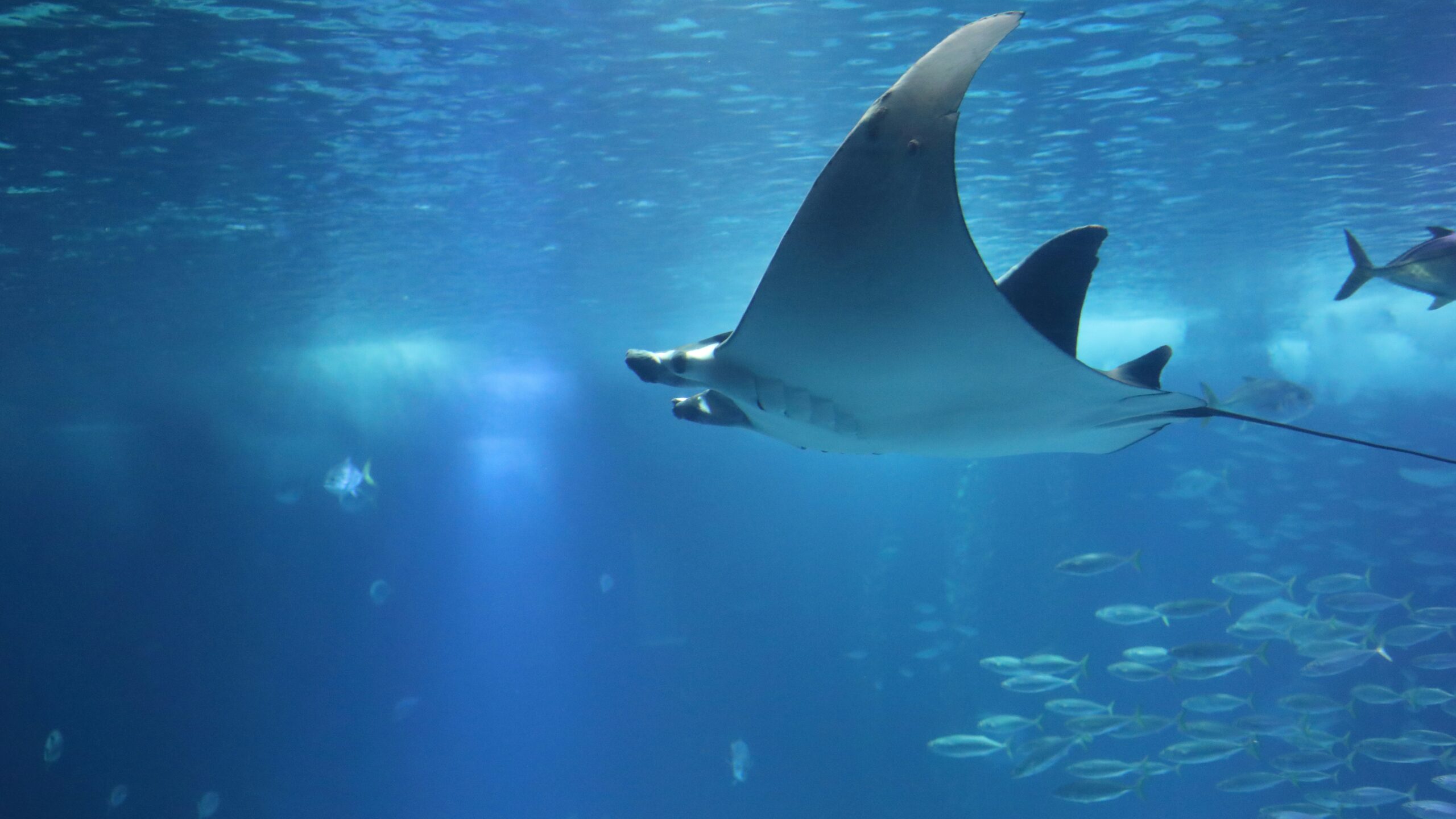
The giant oceanic manta ray is the largest ray, with broad triangular fins forming a wingspan that can dwarf a human diver. The species profile describes a wide-ranging filter feeder found in tropical and temperate seas. Forward-facing cephalic fins guide plankton-rich water toward the mouth as the animal swims, turns, or loops through concentrated food.
Its immense disc remains light enough for graceful movement because cartilage replaces the heavy bone found in most large vertebrates. Oceanic mantas travel far, visit cleaning stations, and sometimes gather where currents concentrate prey. Slow reproduction makes them vulnerable to targeted fishing, accidental capture, and trade in their gill plates. Great width creates a spectacular silhouette, but it does not produce a fast population recovery.
2. African bush elephant: The Heavyweight of the Land
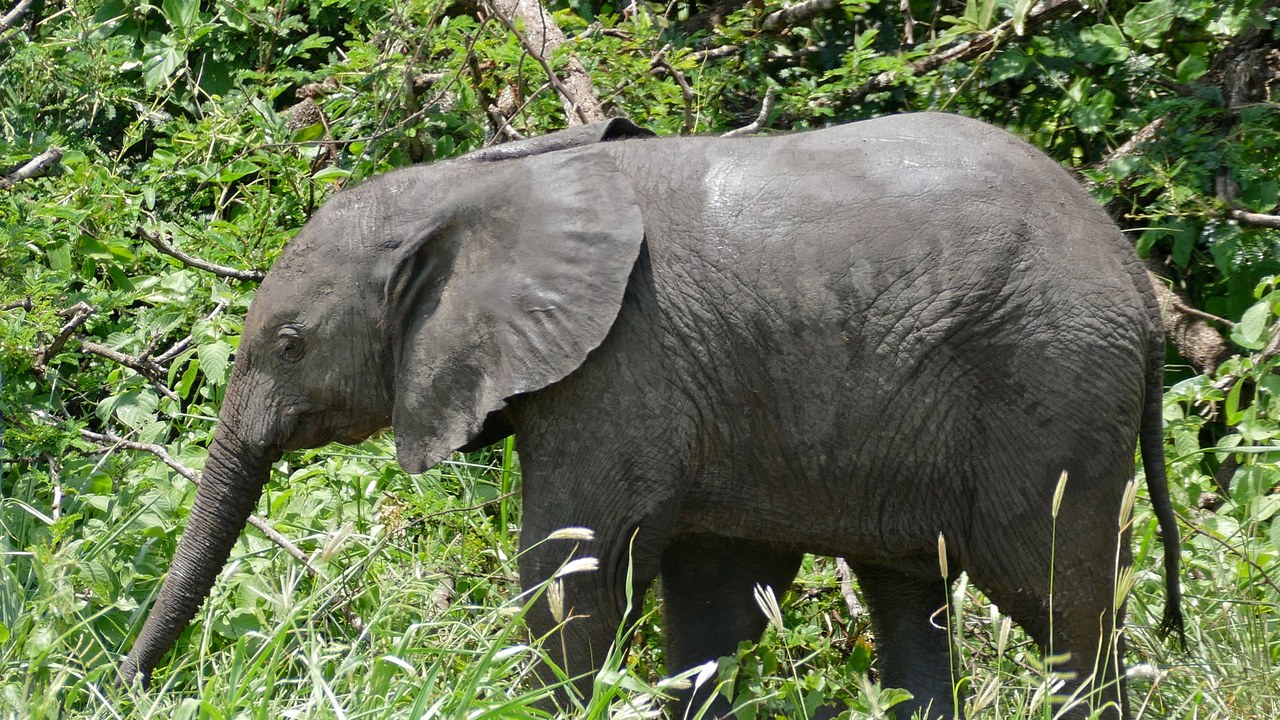
The African bush elephant is the largest living land animal, with mature bulls carrying far more mass than females and most other terrestrial mammals. A Britannica elephant overview explains the size, range, and social life of African elephants. Large ears shed heat, tusks help manipulate the environment, and the muscular trunk handles breathing, drinking, feeding, touch, and communication.
A body that large needs enormous amounts of vegetation and water, so elephants travel widely and reshape the landscapes they occupy. They open woodland, disperse seeds, dig for water, and create paths used by other species. Those same space requirements bring herds into conflict with farms and settlements. Their record size therefore carries ecological influence as well as growing pressure from habitat loss and poaching.
3. Giraffe: Height Built From More Than a Long Neck
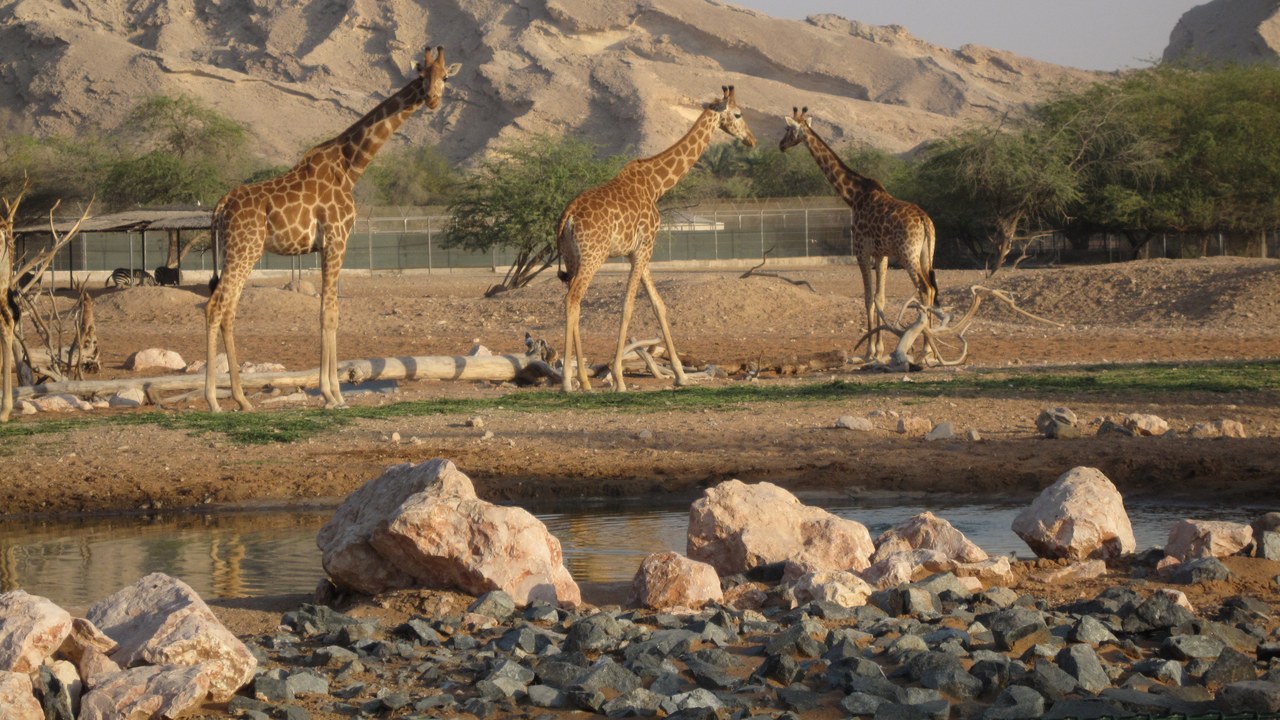
The giraffe is the tallest living land animal, combining an elongated neck with exceptionally long legs and a high, sloping body. A Britannica giraffe profile details the browsing mammal’s distinctive proportions and African range. That height provides access to leaves above the reach of many other herbivores and gives the animal a broad view across open country.
Extreme height creates engineering challenges. A powerful cardiovascular system must move blood between the heart and brain, while specialized pressure controls protect the animal when it lowers its head to drink. The long neck also becomes a weapon when males compete by swinging it against rivals. Giraffes look delicate at a distance, but their scale is supported by formidable anatomy and strong kicks.
4. Whale shark: The Ocean’s Largest Fish Is a Filter Feeder
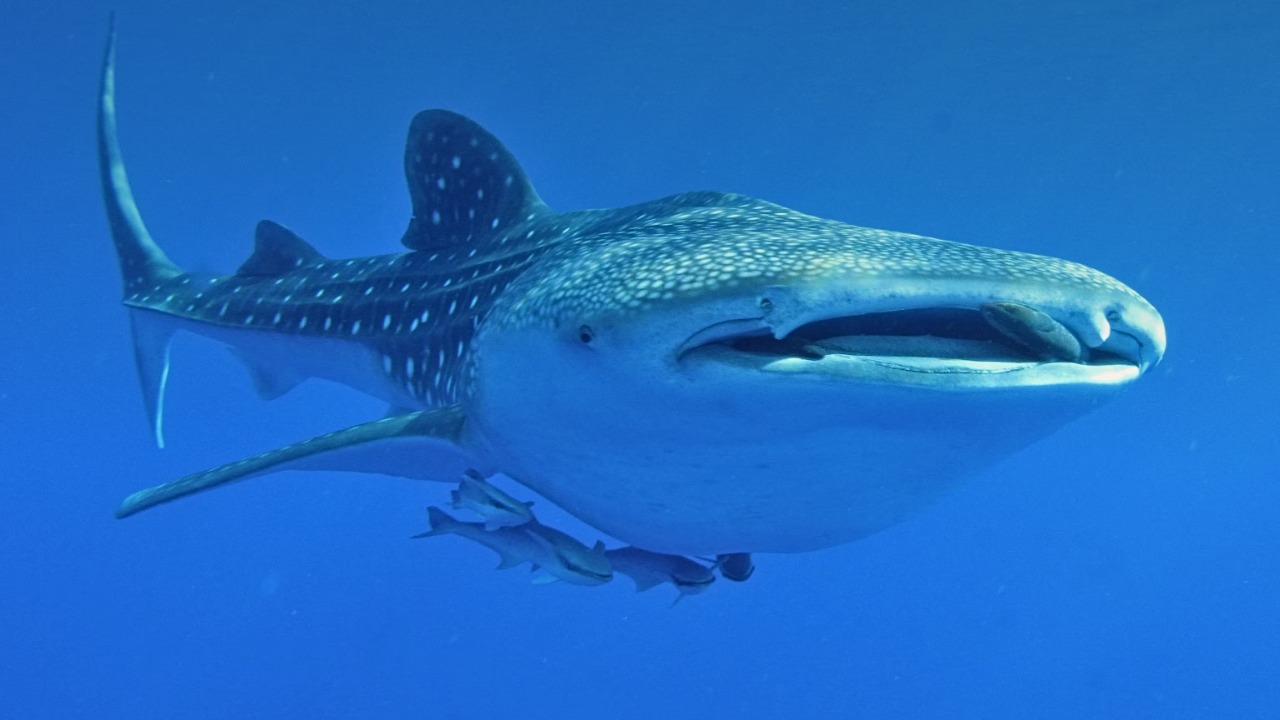
The whale shark is the largest living fish, yet it feeds mainly by filtering plankton and small prey instead of hunting large animals. A Britannica species account describes the giant shark’s broad head, spotted pattern, and warm-water distribution. Its enormous mouth channels water across filtering structures that retain food while the animal swims or feeds near concentrations of prey.
Despite its size, the whale shark remains difficult to study because individuals range across large areas and spend time beyond ordinary observation. The unique spot pattern on each animal helps researchers identify and track it from photographs. Slow growth and late maturity can make the species vulnerable to fishing pressure, vessel strikes, and disturbance, proving that physical scale does not automatically produce resilience.
5. White rhinoceros: A Massive Grazer Built Low and Broad
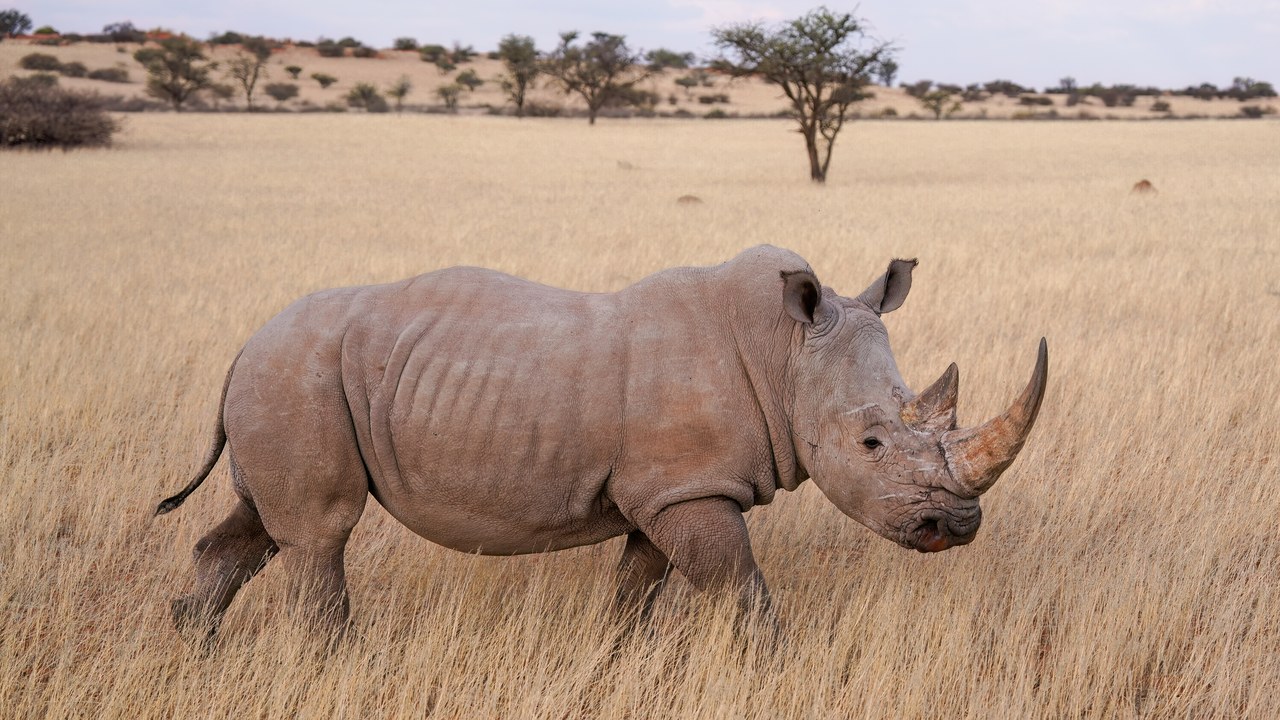
The white rhinoceros is among the heaviest land mammals, with a broad chest, thick limbs, and a massive head carried close to the ground. The species history distinguishes the grazer from other rhinoceroses and records its African range. Its wide, square mouth clips grasses efficiently, while two horns and powerful bulk make a healthy adult an imposing presence.
The name does not describe the animal’s color, which is gray, and the species depends on open grassland and access to water and wallows. White rhinos can appear calm while grazing, but their poor eyesight and surprising speed make close encounters dangerous. Their size also offers no defense against organized poaching, leaving conservation programs to guard animals whose horns command illegal demand.
6. Komodo dragon: The Largest Lizard Hunts Like a Heavyweight
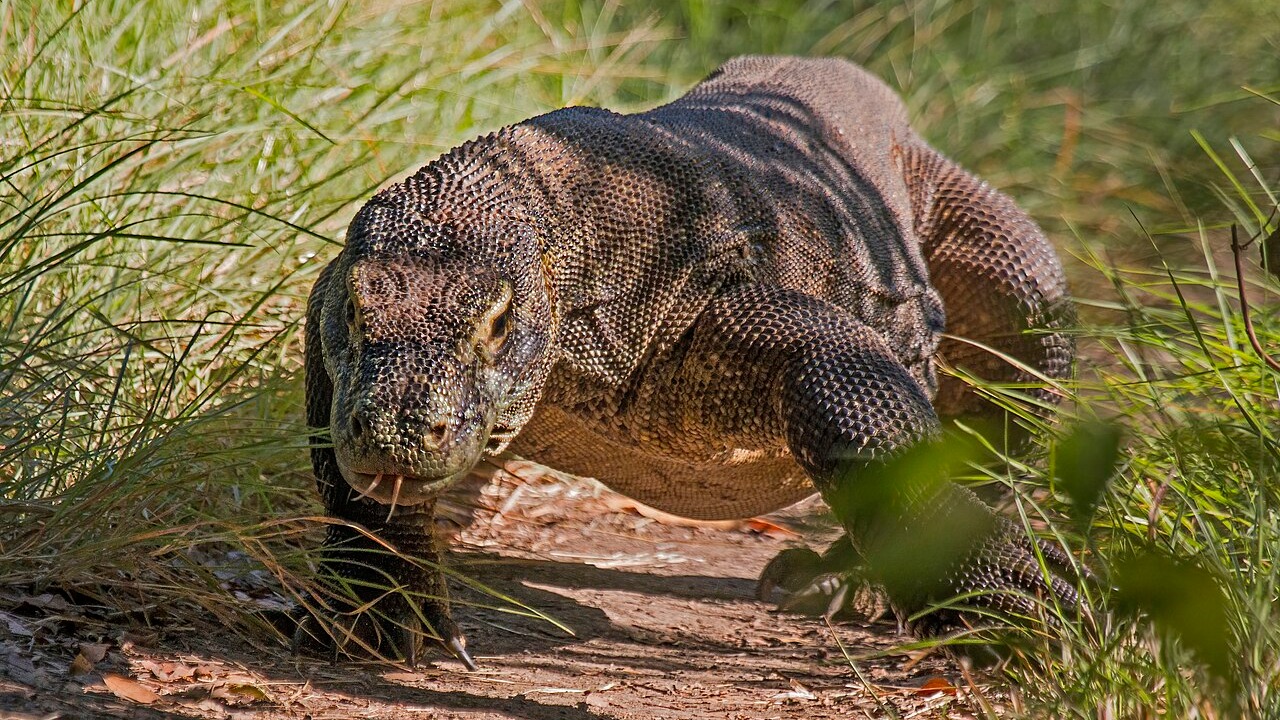
The Komodo dragon is the largest living lizard, combining a long muscular body, powerful limbs, serrated teeth, and a heavy tail. The species account traces the predator’s restricted range on several Indonesian islands and its ability to take surprisingly large prey. A strong bite and venom-producing glands help weaken animals that escape the first attack.
Adult dragons dominate their ecosystem, but younger animals spend more time in trees to avoid larger individuals. Their forked tongues sample airborne chemical cues, helping locate carcasses or wounded prey across long distances. The lizard’s impressive size evolved within an island setting and now depends on protected habitat and stable prey. Tourism brings attention and revenue, while development and climate pressures keep the population vulnerable.
7. Ostrich: The Largest Bird Trades Flight for Speed
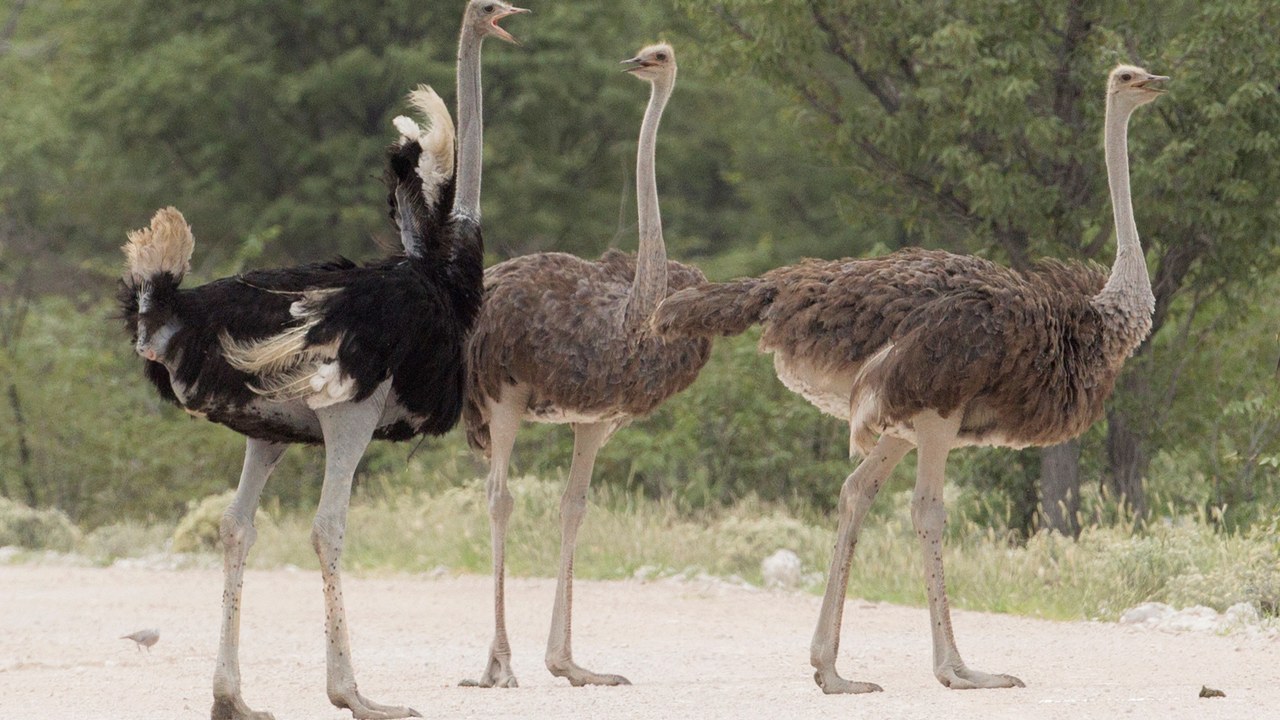
The ostrich is the largest living bird, and its towering body rests on two powerful legs adapted for fast running rather than flight. A Britannica ostrich profile describes the African bird’s size, speed, and open-country habitat. Long strides cover ground efficiently, while two-toed feet and strong leg muscles help the animal escape threats across grassland and desert margins.
Flightlessness freed the body from some weight limits imposed on airborne birds, allowing adults to grow far larger than eagles, swans, or condors. The wings still matter for balance, display, courtship, and shading chicks. Ostriches also produce the largest eggs of any living bird. When cornered, a kick from those running legs can become a formidable defense rather than merely an escape tool.
8. Southern elephant seal: The Largest Seal and Heaviest Carnivoran
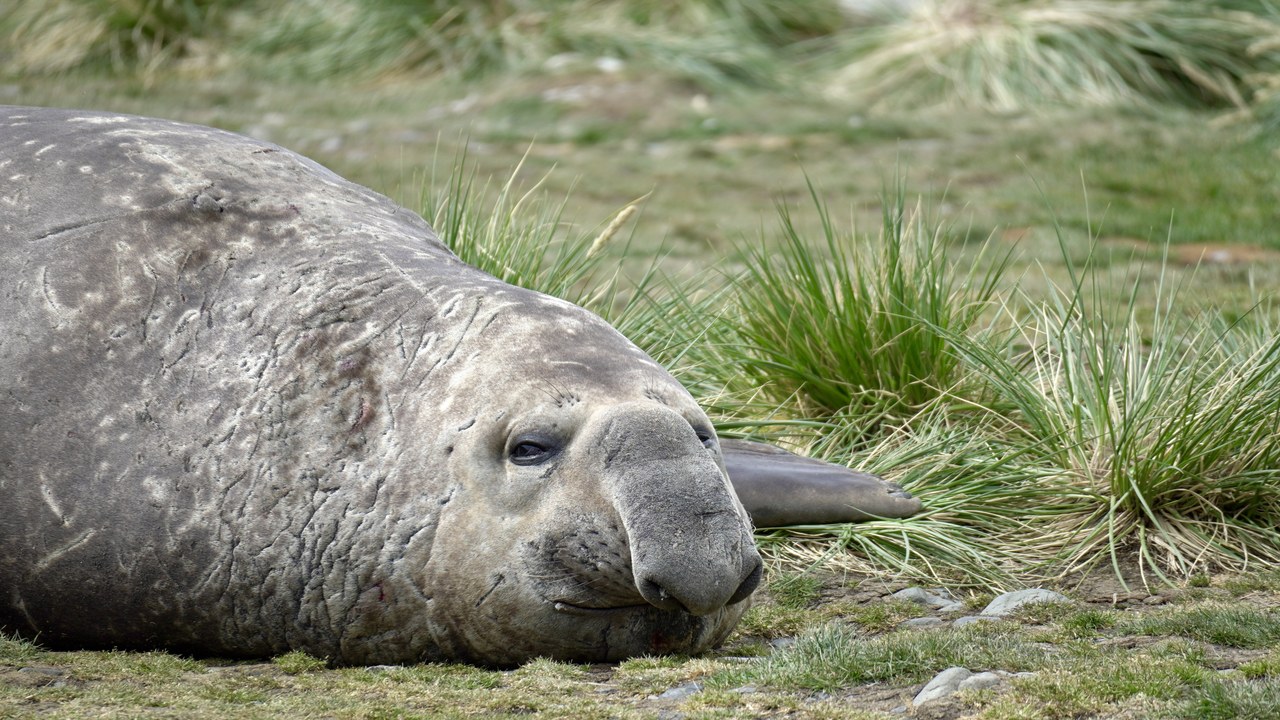
The southern elephant seal produces the largest living seals, with adult bulls becoming several times heavier than females and carrying a distinctive inflatable nose. A Britannica elephant seal profile explains the animals’ immense size, breeding behavior, and deep-diving marine life. Males use bulk, vocal displays, and violent contests to control access to breeding groups on crowded beaches.
That awkward body becomes streamlined in the ocean, where the seals spend much of their lives hunting squid and fish at great depth. Long dives demand substantial oxygen stores and careful energy use. The extreme difference between males and females reflects intense competition rather than ordinary feeding needs alone. On land the bull appears lumbering, but at sea the same giant is an efficient long-range predator.
More from Morning Overview
- A wildfire near Ouray swelled past 18,000 acres, putting Colorado towns on alert
- The Pentagon’s newest UFO files describe a fish-scaled, potato-shaped object on camera
- Scientists spotted a rare tusked whale alive at sea for the first time, then fired a crossbow at it.
- A Colorado wildfire forced level-three ‘leave now’ orders across Ouray County
