
Long before an asteroid closed the Cretaceous Period, dinosaurs had filled nearly every large-bodied role on land. Their fossils preserve immense predators, armored plant eaters, towering browsers, and agile hunters whose real forms often differ sharply from their screen versions. These eight dinosaurs show just how varied that vanished world became.
1. Tyrannosaurus rex: A Skull Built for Crushing Bites
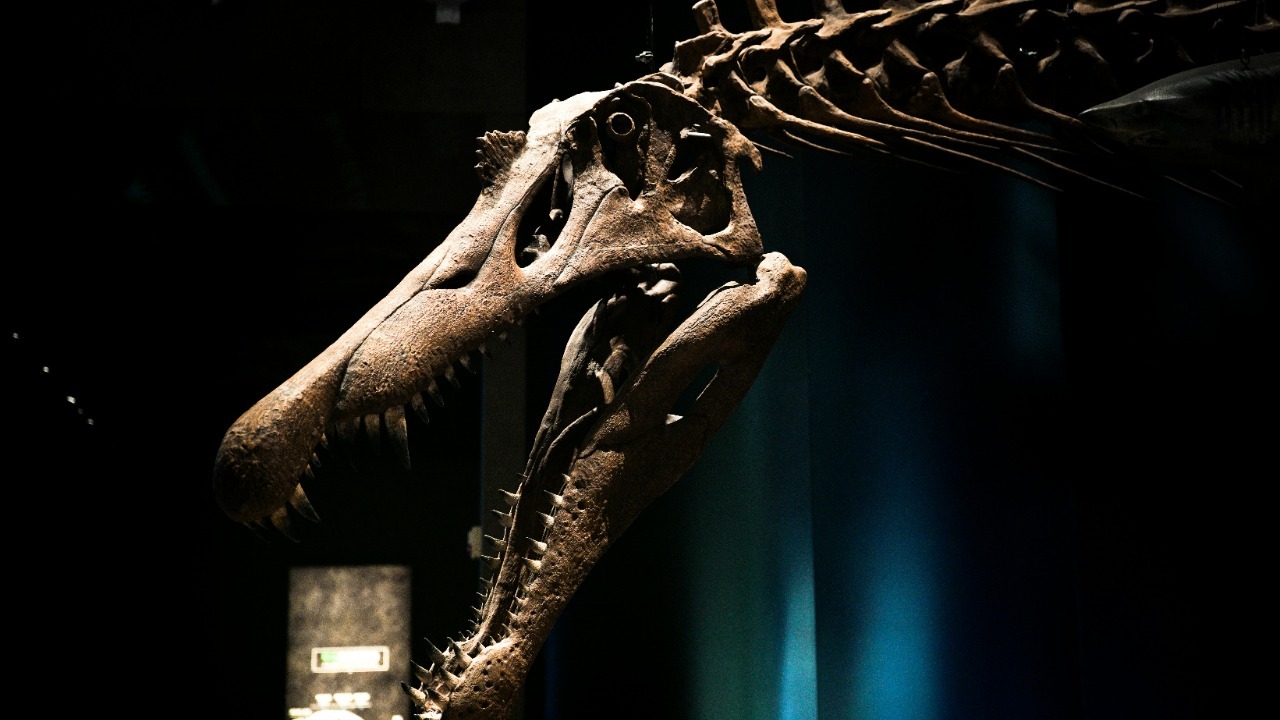
Tyrannosaurus rex lived in western North America near the end of the Cretaceous Period, roughly 68 million to 66 million years ago. Its massive skull and deeply rooted teeth formed a feeding apparatus capable of producing extraordinary force. Fossilized bite marks and broken, worn teeth support the picture of a predator that could puncture and crush bone.
The familiar small arms can distract from the rest of its build. Powerful hind limbs supported a body that could exceed 40 feet in length, while a heavy tail balanced the head and torso. T. rex was both a hunter and an opportunistic scavenger, roles that are not mutually exclusive in living large carnivores either. Its dominance came from anatomy, senses, and size rather than speed alone.
2. Triceratops: Three Horns in the Tyrant’s World
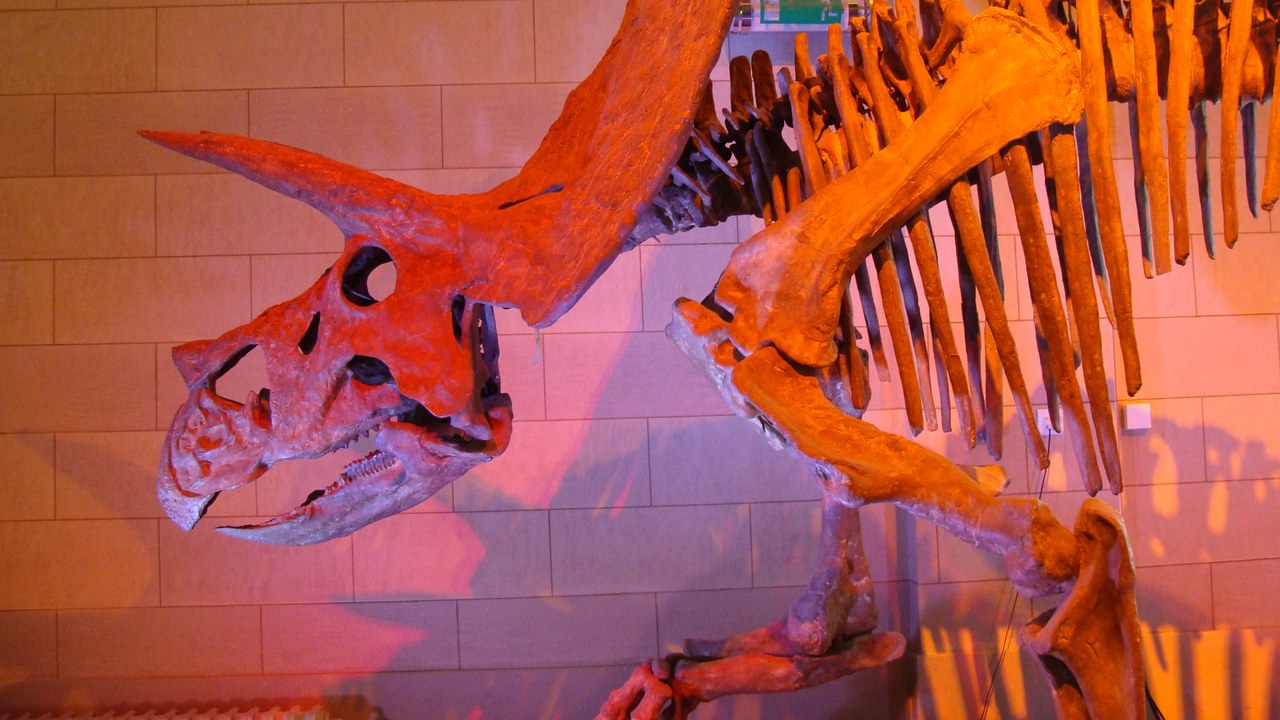
Triceratops shared the final slice of the Cretaceous with T. rex in western North America. Its three horns and broad bony frill made its skull one of the largest and most recognizable among land animals. A parrotlike beak cropped vegetation, while batteries of closely packed teeth sliced tough plant matter as they wore down.
The horns were not simply decorative props. Fossils show variation with growth, and injuries preserved in skulls have fueled study of combat, display, and defense. Adults could reach about 30 feet long and carried their weight on four sturdy limbs. Because Triceratops fossils occur in the same rocks as tyrannosaur remains, encounters between the herbivore and its famous predator were a genuine part of that ecosystem.
3. Velociraptor: Smaller, Feathered, and Still Formidable
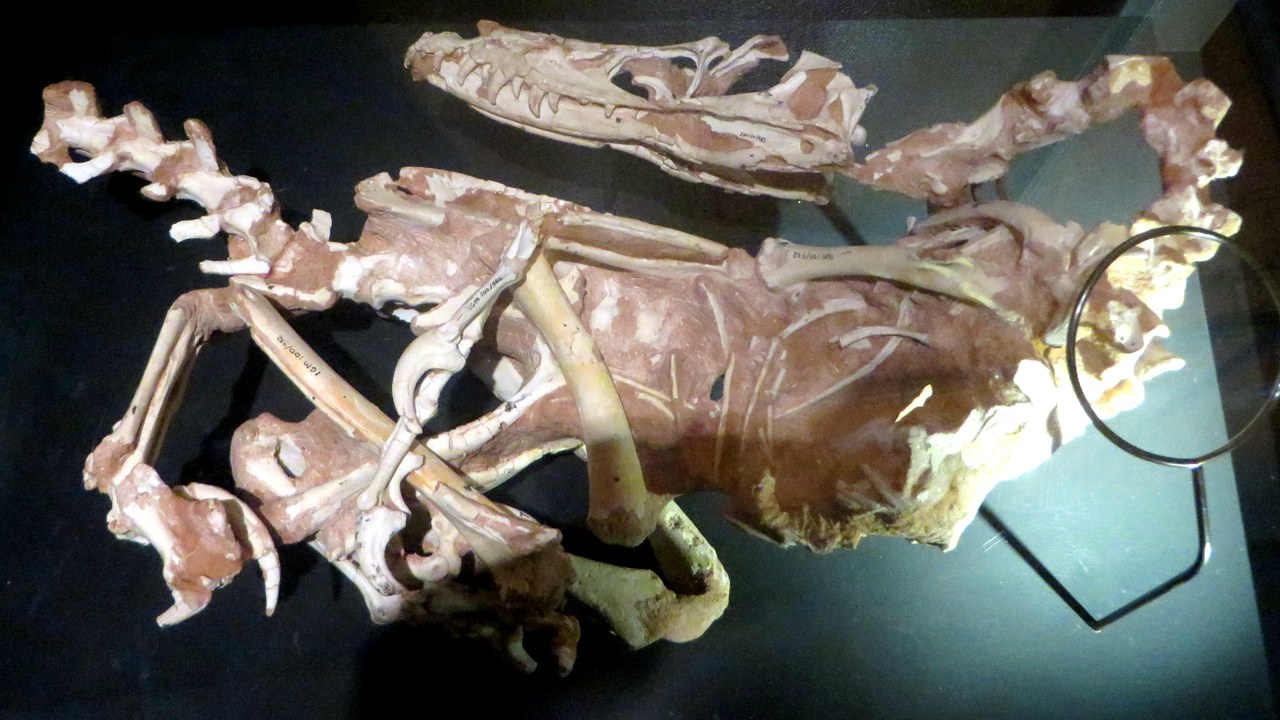
Velociraptor was a lightly built predator from Late Cretaceous Mongolia, not the human-sized monster popularized by movies. The real animal measured roughly six feet long, much of that length belonging to its stiff tail. Each foot carried an enlarged, curved claw that could be lifted off the ground and deployed during an attack.
Evidence on a Velociraptor forearm includes attachment points associated with feathers, making a feathered covering the scientifically grounded view. Its narrow jaws held rows of serrated teeth, and its flexible grasping hands helped manage prey. One remarkable fossil preserves a Velociraptor locked with a Protoceratops, offering rare direct evidence of violent interaction. Small stature did not make this dromaeosaur harmless; it made it an agile, specialized hunter.
4. Brachiosaurus: A Sauropod with Shoulders Above Its Hips
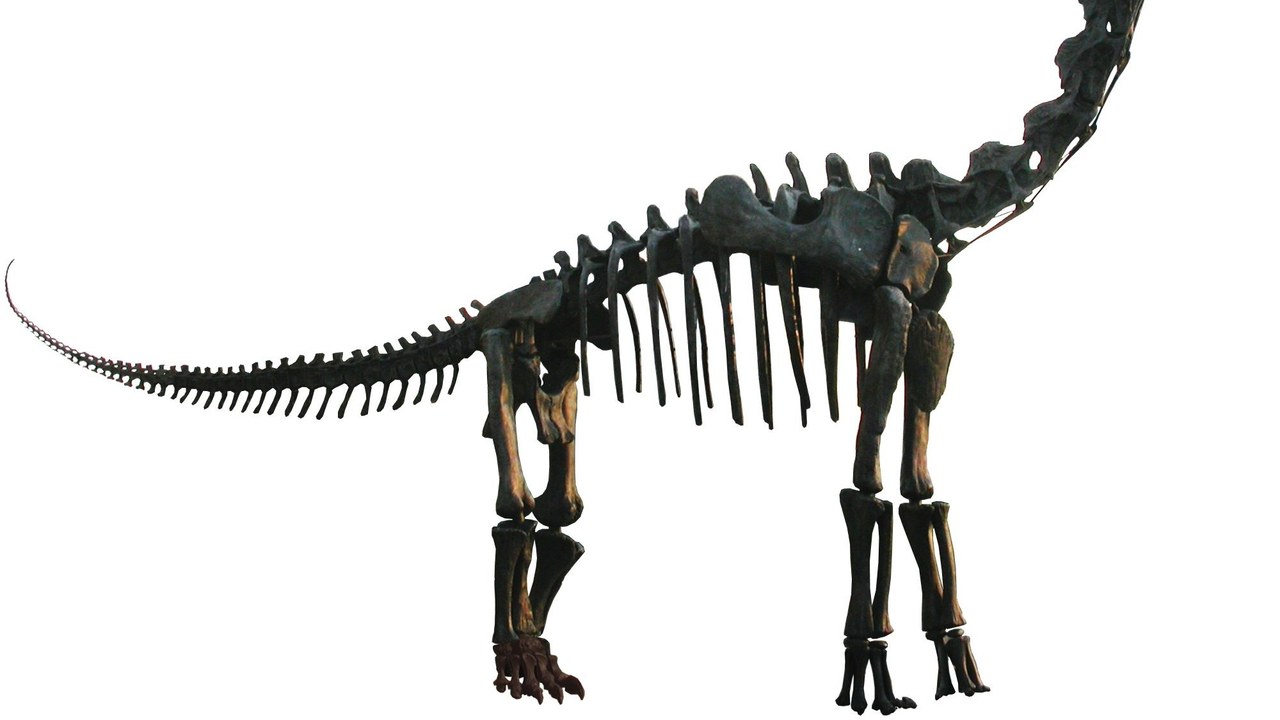
Brachiosaurus roamed North America during the Late Jurassic Period, tens of millions of years before T. rex appeared. Its forelimbs were longer than its hind limbs, producing the high-shouldered profile that separates it from many other sauropods. A long neck placed its small head far above the ground, while columnlike legs carried an enormous plant-eating body.
That anatomy allowed Brachiosaurus to browse vegetation at heights unavailable to most contemporary herbivores, although its exact neck posture remains a subject of reconstruction and debate. Its chisel-like teeth stripped leaves rather than chewing them into a pulp. Fermentation in a huge digestive system likely did much of the processing. Size offered protection, but sustaining it required an immense and nearly continuous intake of plants.
5. Stegosaurus: Plates Above and Spikes Behind
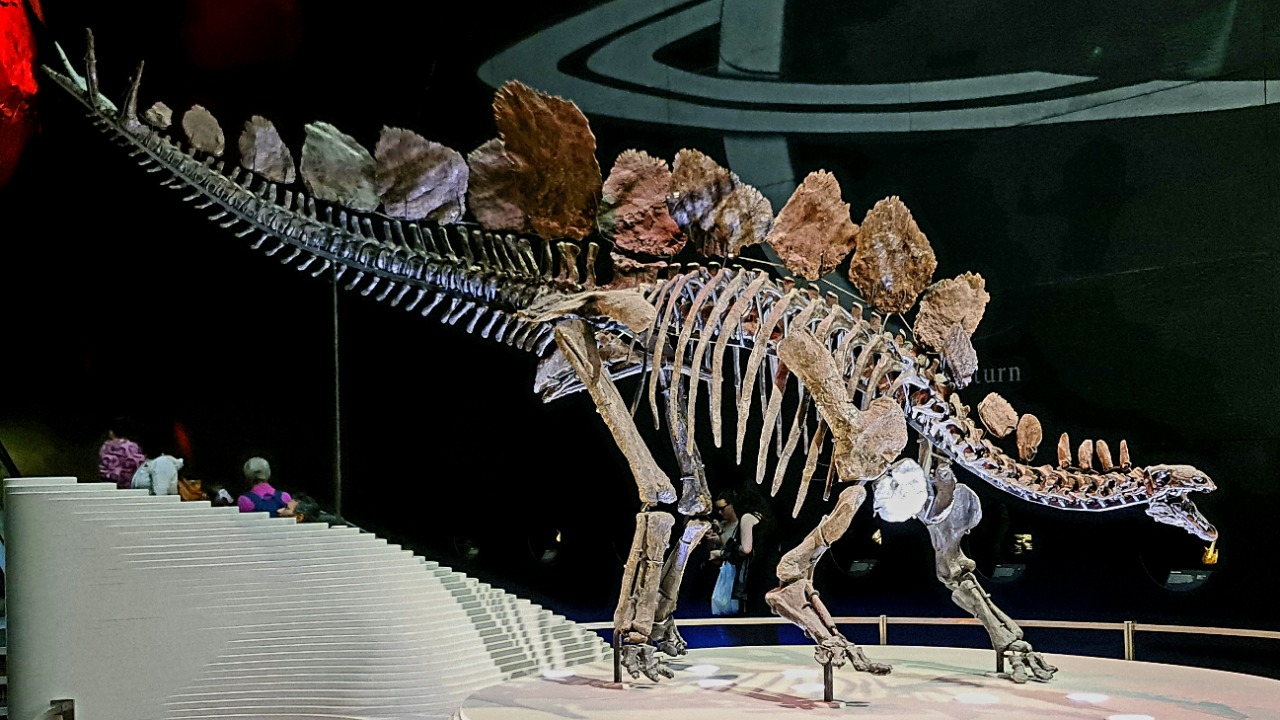
Stegosaurus lived in Late Jurassic North America and carried two rows of tall plates along its back. Those plates were bony structures covered in tissue, but their main purpose remains debated. Display, species recognition, and temperature regulation have all been proposed, and more than one function may have mattered across the animal’s life.
The business end of its defense was easier to understand: pairs of long spikes projected from the tail. Fossil injuries on predatory dinosaurs suggest those spikes could inflict real damage when the muscular tail swung. Stegosaurus had a small, narrow skull and ate low vegetation with relatively simple teeth. Its arched back, short forelimbs, and powerful hindquarters created a body plan unlike that of any living herbivore.
6. Spinosaurus: A Sail-Backed Hunter at the Water’s Edge
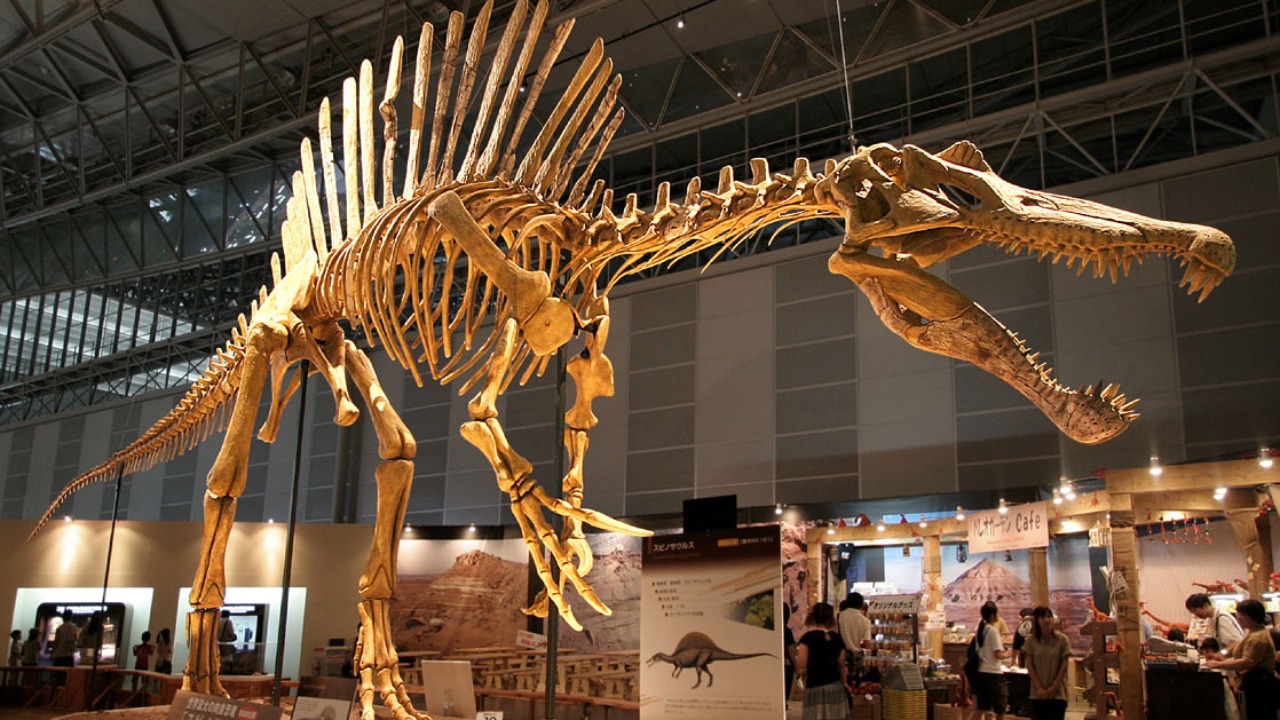
Spinosaurus inhabited North Africa during the middle Cretaceous Period and may have exceeded T. rex in length. Its elongated snout held conical teeth suited to gripping slippery prey, while tall neural spines supported the great sail on its back. Fossils from related animals and chemical evidence point strongly toward a diet that included fish.
How Spinosaurus moved and hunted in water remains actively debated because the known skeleton is incomplete and interpretations have changed with new discoveries. Dense bones, altered limb proportions, and a deep, finlike tail support substantial aquatic adaptation, but researchers disagree about whether it swam in pursuit of prey or foraged mainly near shore. That uncertainty makes it more interesting than a tidy movie monster: its anatomy records an unusual ecological experiment.
7. Ankylosaurus: Armor from Skull to Tail Club
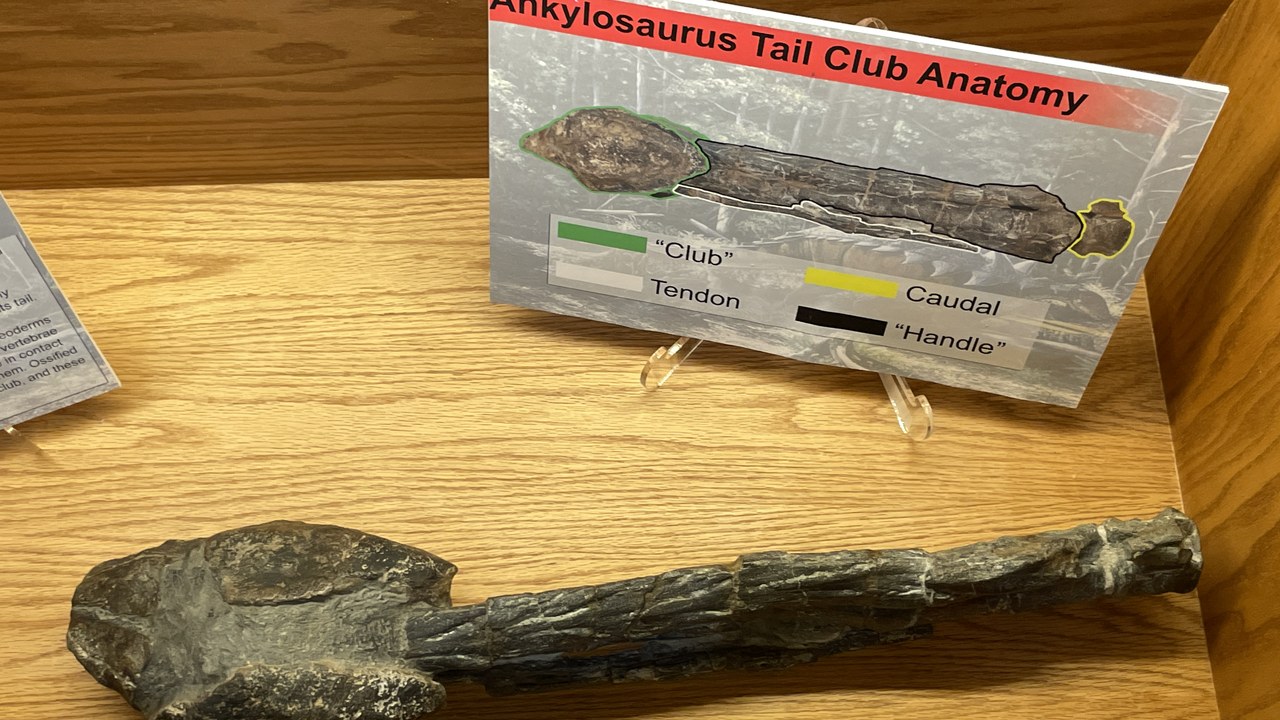
Ankylosaurus was among the last armored dinosaurs, living in western North America near the close of the Cretaceous. Broad plates of bone called osteoderms were embedded in its skin, creating protection across the back, flanks, and skull. Even its eyelids may have included bony elements, while a wide beak harvested low-growing vegetation.
Its most dramatic weapon sat at the end of the tail. Enlarged vertebrae stiffened the handle, and fused bony knobs formed a heavy club that strong muscles could swing. Researchers have modeled impacts capable of breaking bone, although exactly how often the club was used against predators or rivals cannot be observed directly. The animal’s low, wide body and short legs made it a difficult target to overturn or bite safely.
8. Argentinosaurus: A Giant Known from Fragmentary Bones
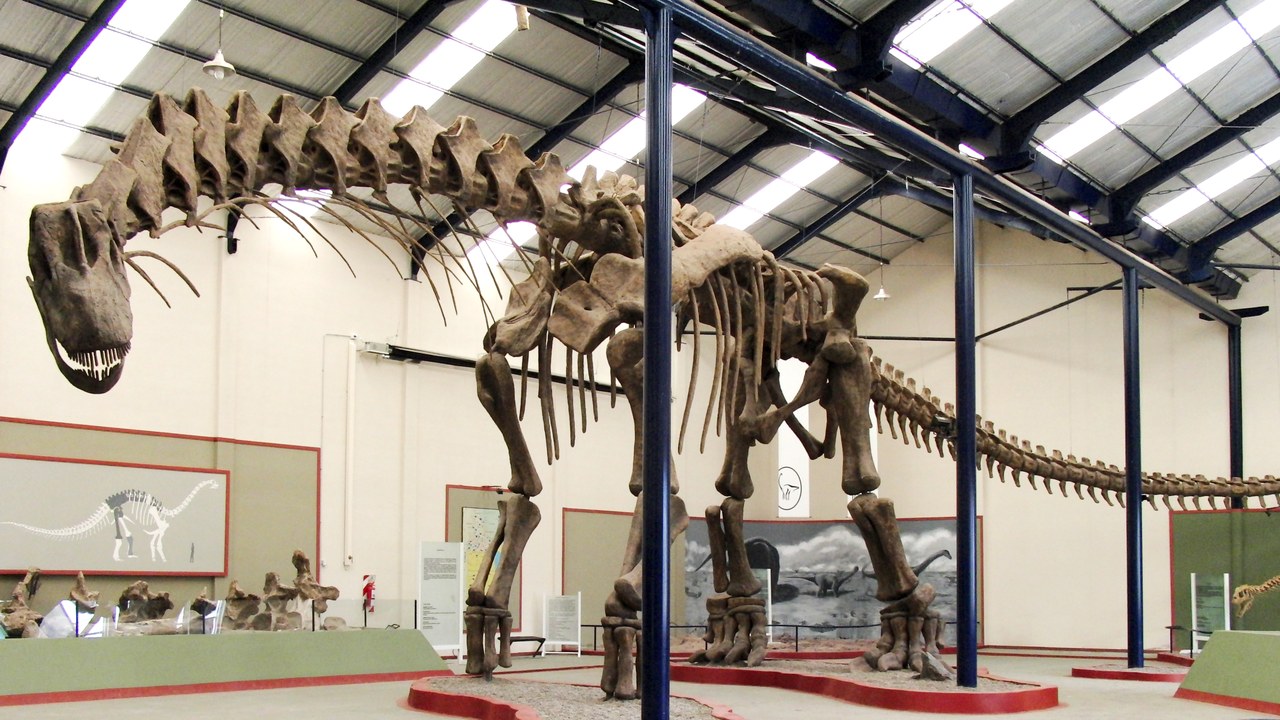
Argentinosaurus was a gigantic long-necked sauropod from Cretaceous Argentina and is routinely listed among the largest land animals ever found. The name means Argentine lizard, reflecting the country where its fossils were discovered. Enormous vertebrae and limb bones reveal an animal operating at the outer limits of terrestrial body size.
Exact measurements should be treated cautiously. Argentinosaurus is known from an incomplete skeleton, so length and mass estimates depend on comparisons with better-preserved relatives and on assumptions about body proportions. Even conservative reconstructions describe a multi-ton herbivore supported by four pillar-like legs, with a long neck extending its feeding range. Its scale is astonishing, but the gaps in the fossil record are part of the honest story.
More from Morning Overview
- Scientists spotted a rare tusked whale alive at sea for the first time, then fired a crossbow at it.
- A Colorado wildfire forced level-three ‘leave now’ orders across Ouray County
- A skeleton beneath Petra’s Treasury was found clutching a chalice that resembles the Holy Grail
- 8 SUVs mechanics are quietly steering buyers away from in 2026
