
North America still holds a working cast of large carnivores, from Arctic ice to southern wetlands. Some dominate open wilderness through raw size, while others survive through stealth, speed, or sheer temper. Here are eight predators that still claim real territory across the continent today.
1. Grizzly bear: Ruler of the Far North
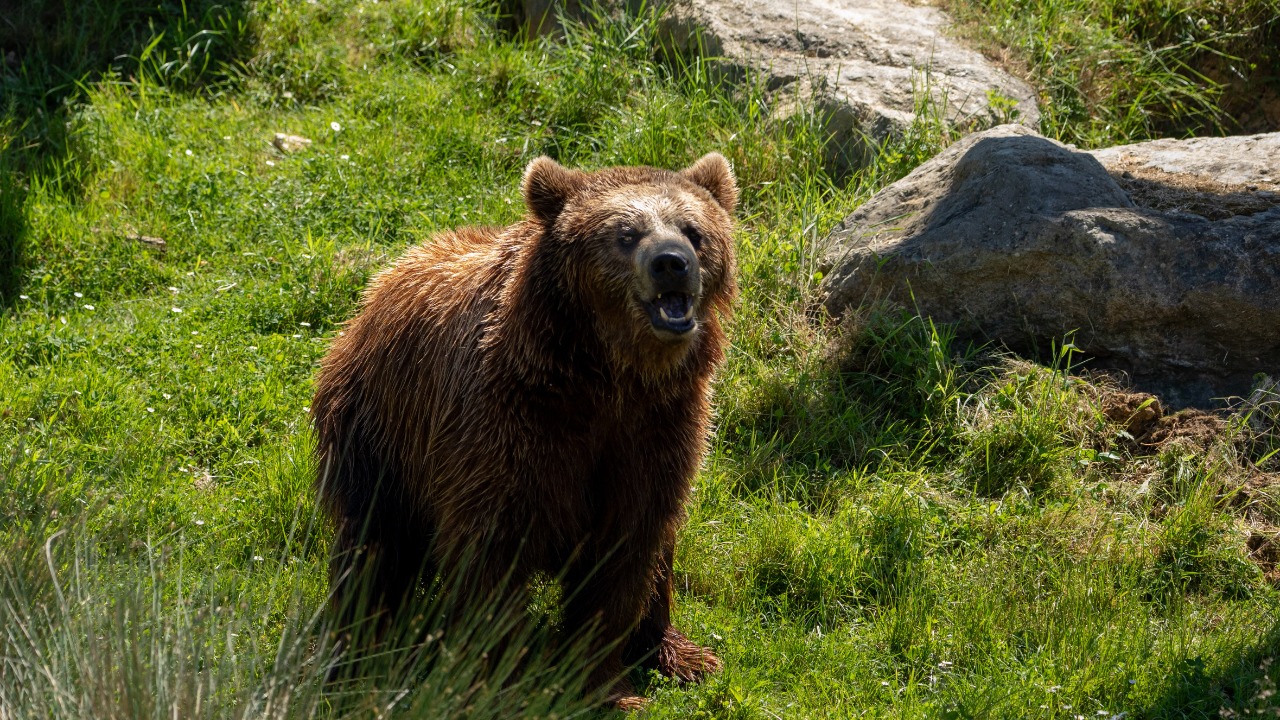
Across Alaska, western Canada, and mountain strongholds like Yellowstone and Glacier National Park, the grizzly bear rules the far north of the continent, according to the National Park Service’s overview of bear species. A muscular shoulder hump, built for digging out roots and rodents, gives it the raw power to dominate nearly any rival it meets.
Wildlife agencies from Alaska to the Northern Rockies post seasonal bear-activity warnings each year, since grizzly range increasingly overlaps hiking trails, ranchland, and mountain towns. In the Lower 48, the species remains federally protected, and recovery efforts there stay under close watch.
2. American black bear: Widest Range of Any Predator
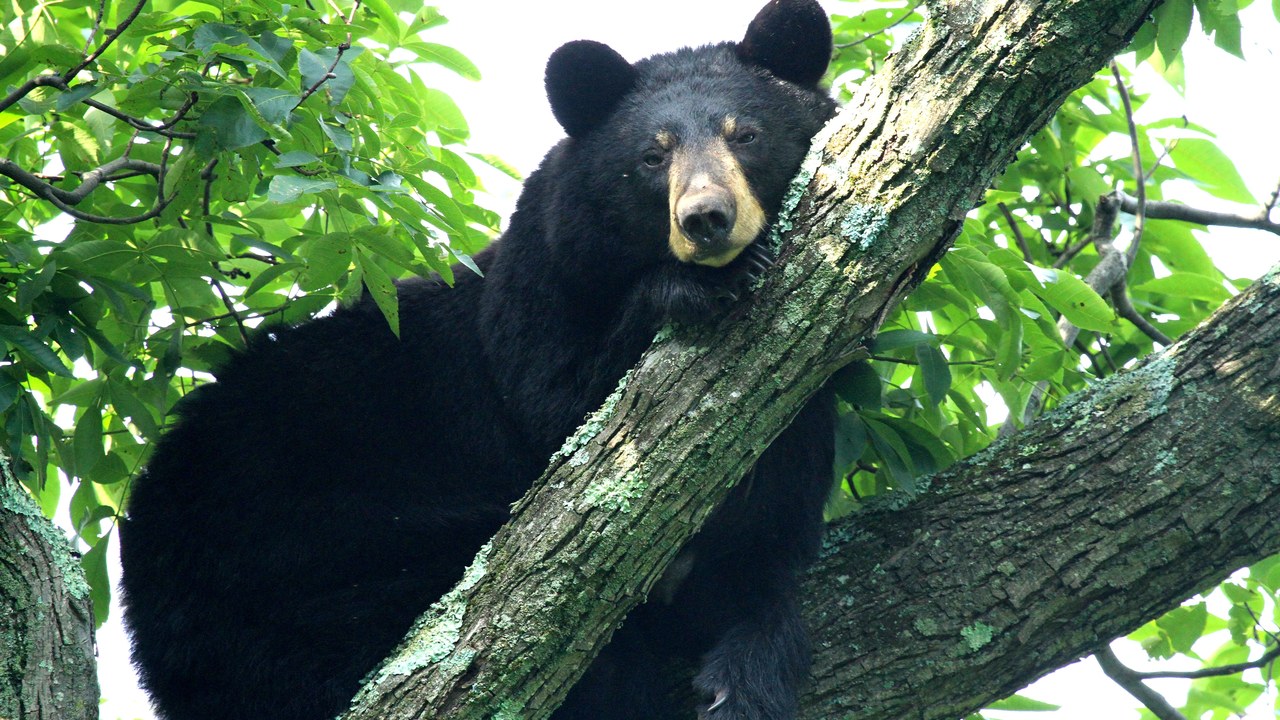
No large carnivore on the continent covers more ground than the American black bear, present in most U.S. states and nearly every Canadian province, according to the National Park Service’s summary of bear distribution. It thrives in forests, swamps, and mountain foothills alike by eating almost anything it finds.
Despite its size, the species is a wary, largely solitary forager that climbs trees readily and avoids direct confrontation when it can. Its color varies widely by region, from true black to cinnamon and even pale blond, which sometimes leads hikers to misidentify it as a different species entirely.
3. Polar bear: Largest Carnivore on Land
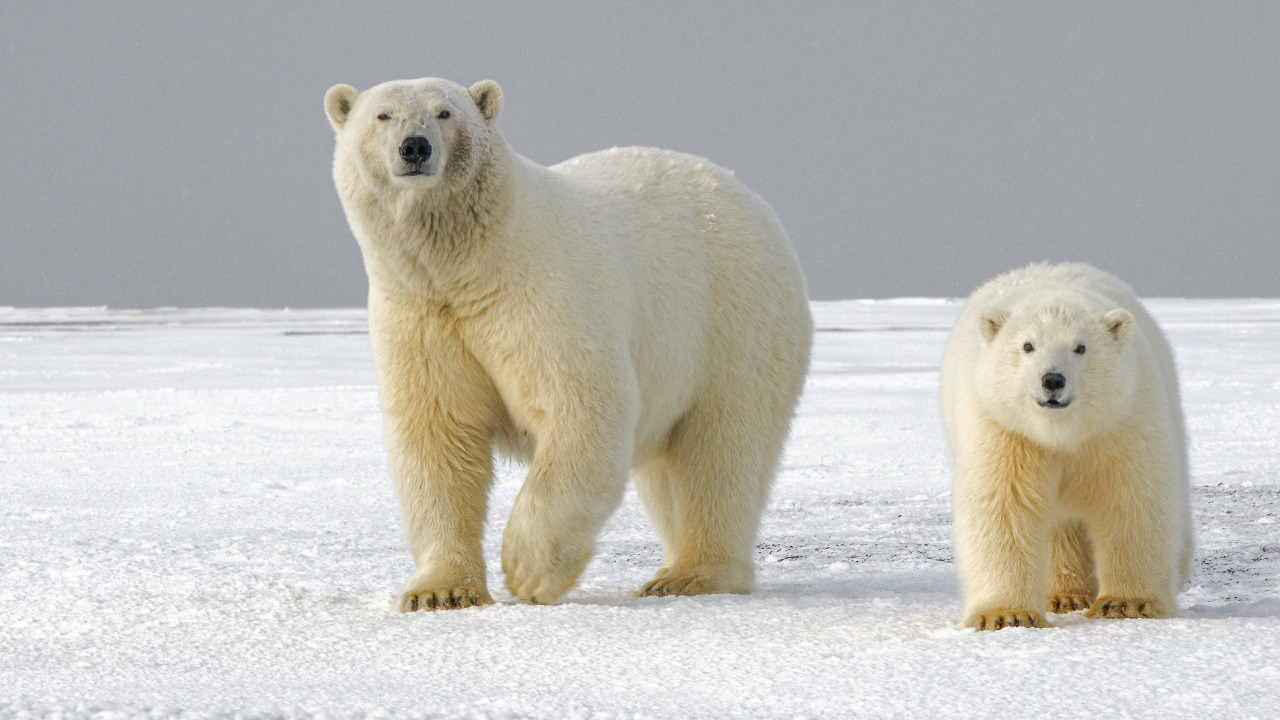
Built for a life spent almost entirely on Arctic sea ice rather than solid ground, the polar bear is widely regarded as the largest land carnivore alive, per its species overview on Wikipedia. Thick fur, dense fat layers, and slightly webbed paws let it swim long distances between ice floes while hunting seals.
Its entire hunting strategy depends on sea ice as a platform for ambushing seals at breathing holes, a habitat that shrinks earlier each spring across parts of its range. Unlike the other predators here, it rarely encounters humans outside a handful of northern communities and research stations.
4. Cougar: Stealth Hunter of the West
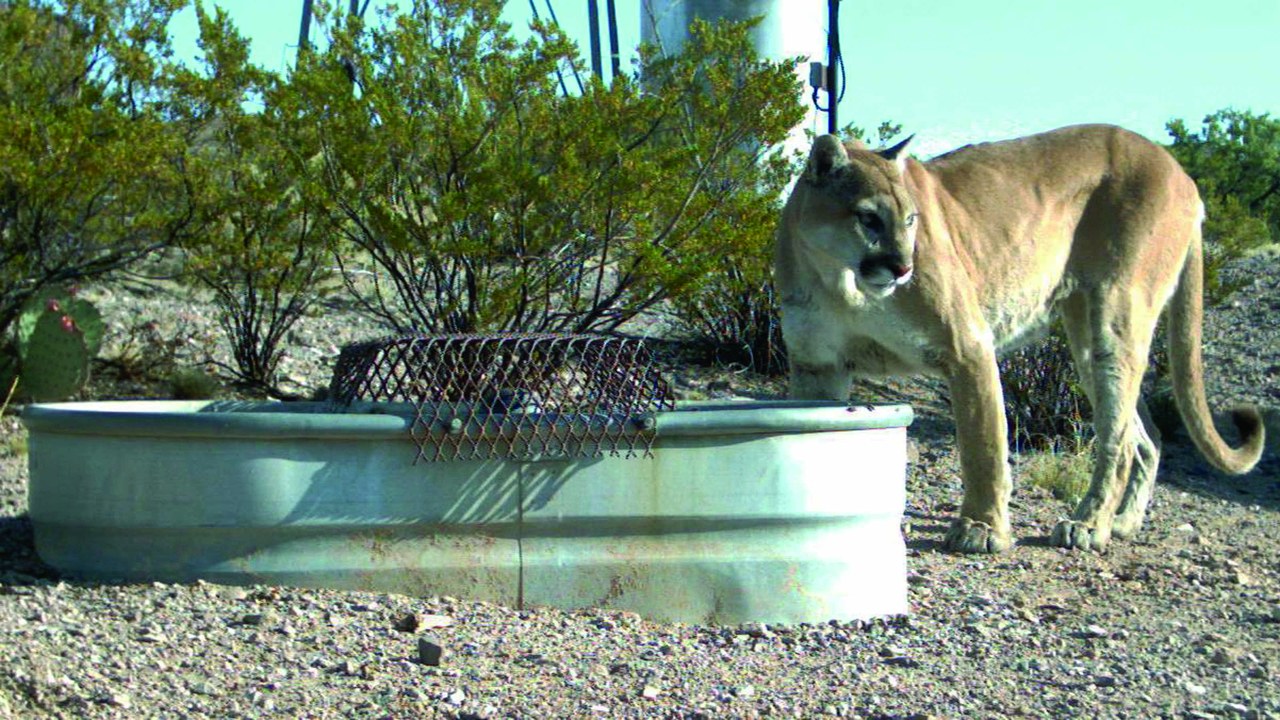
Known equally as the mountain lion, puma, or catamount, the cougar holds one of the largest distributions of any wild land mammal in the Western Hemisphere, according to its Wikipedia species entry. It hunts alone, stalking deer and other prey silently before closing the final distance in a short, explosive rush.
Despite its size, the species rarely roars the way lions and tigers do, communicating instead through screams, chirps, and scent marks left on trees and soil. Sightings have crept back into parts of the Midwest and East in recent decades as young males disperse in search of open territory.
5. Gray wolf: Reclaiming Ground in the West
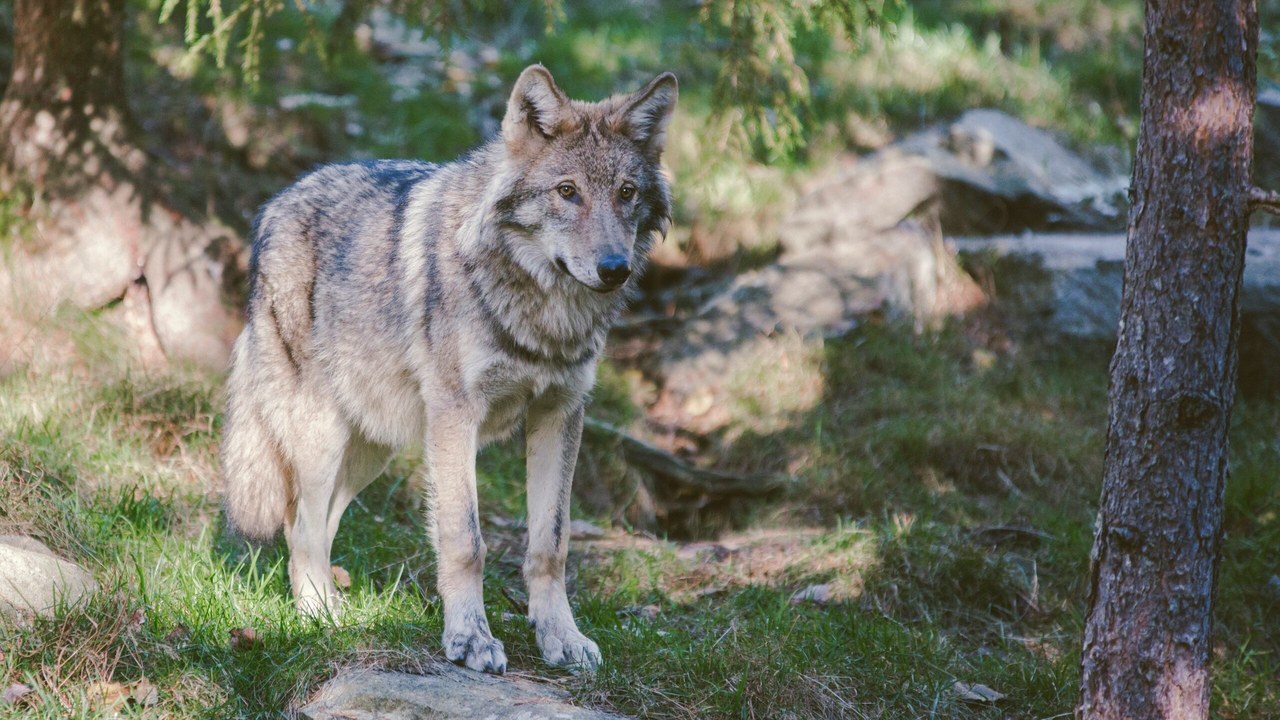
A pack hunter by nature, the gray wolf relies on coordinated family groups to bring down prey many times the size of a lone wolf, per its species profile. After being hunted out of most of the Lower 48 by the twentieth century, reintroduction efforts and natural migration have returned it to parts of the Northern Rockies and Pacific Northwest.
Packs defend territory through howling rather than physical clashes whenever possible, a way of signaling boundaries to rival packs at a distance. Ranchers and wildlife managers in reoccupied states still clash over the species, since a recovered wolf population inevitably means more contact with livestock.
6. American alligator: Apex Reptile of the Wetlands
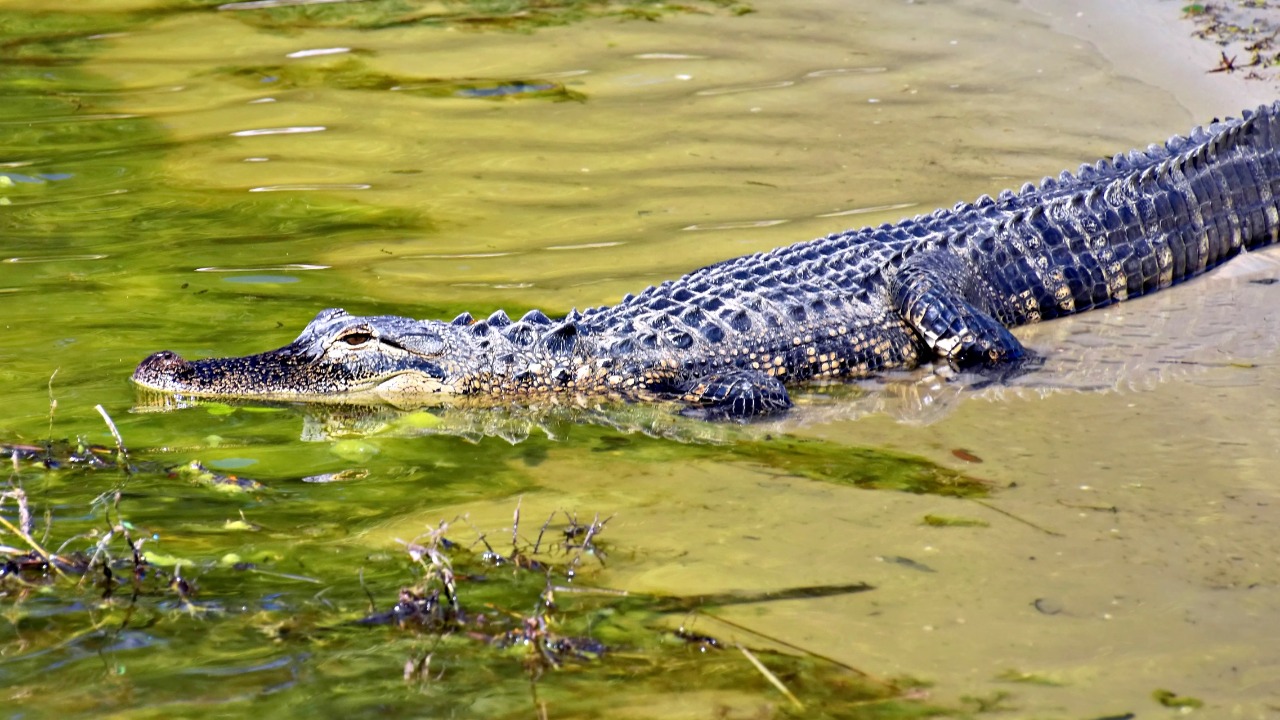
The Southeast’s rivers, swamps, and marshes belong to one apex reptile above all: the American alligator, according to its species entry. It ambushes prey silently from the water’s edge, using enormous bite force and a sudden burst of speed that belies its usual stillness in the shallows.
Unlike the mammals sharing this range, it survives cold snaps by brumating in burrows and can go long stretches without feeding when prey is scarce. Decades of legal protection reversed a steep population decline, and the species now thrives well enough to support regulated hunting in several states.
7. Jaguar: The Americas’ Biggest Cat
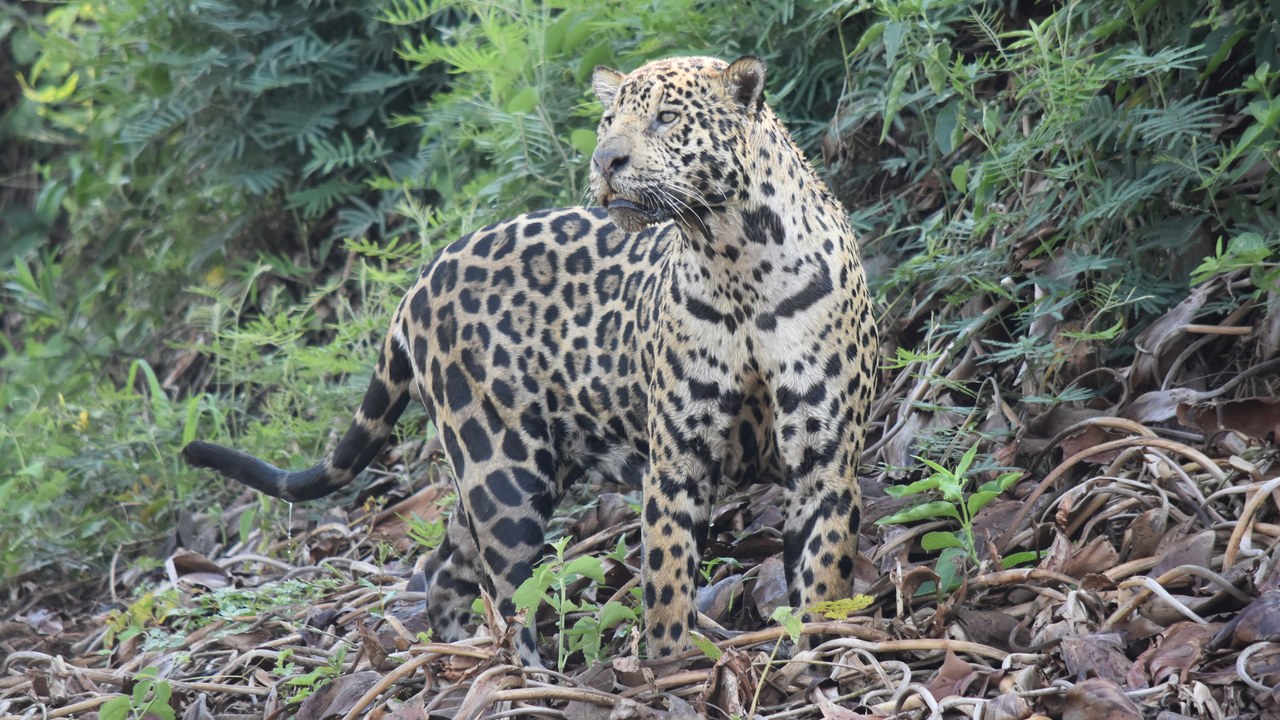
Historically ranging from the southwestern United States down through Mexico and Central America into South America, the jaguar holds the title of the largest cat native to the Americas, per its Wikipedia entry. Its powerful jaws can bite through skulls and turtle shells, a trait that sets its hunting style apart from other big cats.
Confirmed sightings north of the border are now rare and largely limited to males wandering up from Mexican populations into Arizona and New Mexico. Its rosette-spotted coat resembles a leopard’s at a glance, though a jaguar’s build is stockier and its spots typically enclose a small central dot.
8. Wolverine: Ferocious for Its Size
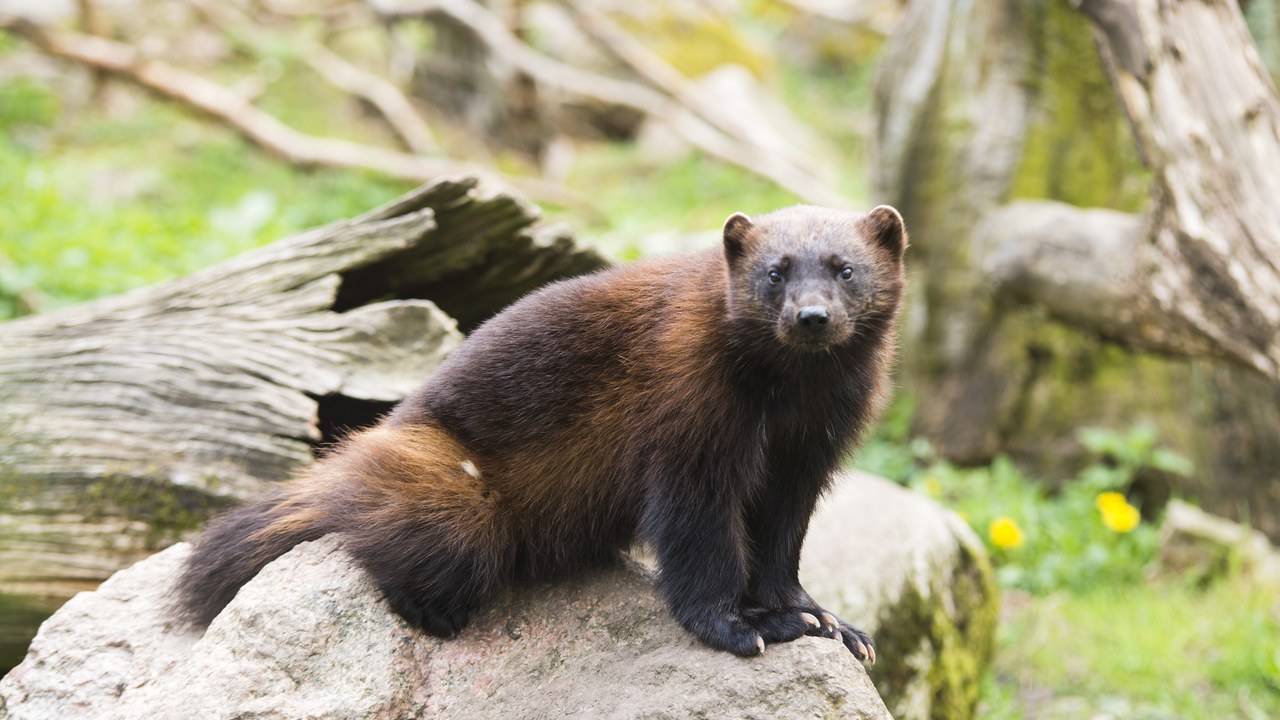
Pound for pound, few predators in North America match the wolverine’s temper: it is the largest land-dwelling member of the weasel family, capable of driving far larger animals off a kill, according to its Wikipedia page. It roams remote northern mountains and boreal forest, favoring cold, snowy terrain where competition from bigger carnivores is thinner.
Its fur resists frost buildup even in extreme cold, a trait trappers once prized enough to line parka hoods with it. Because it needs vast, undisturbed territory to den and forage, the species remains one of the hardest large carnivores in North America to study or count reliably.
More from Morning Overview
