Image Credit: Greg Gjerdingen from Willmar, USA - CC BY 2.0/Wiki Commons
Detroit’s muscle-car reputation was built by machines that placed dramatic engines, bold styling, and accessible performance at the center of American car culture. Their rivalry pushed horsepower from specification sheets into street legend, dealership lore, and generations of enthusiast debate. These eight muscle cars helped make Detroit synonymous with raw power.
1. Pontiac GTO: The Spark That Lit the Era
<p>Image Credit: Greg Gjerdingen from Willmar, USA – CC BY 2.0/Wiki Commons</p>
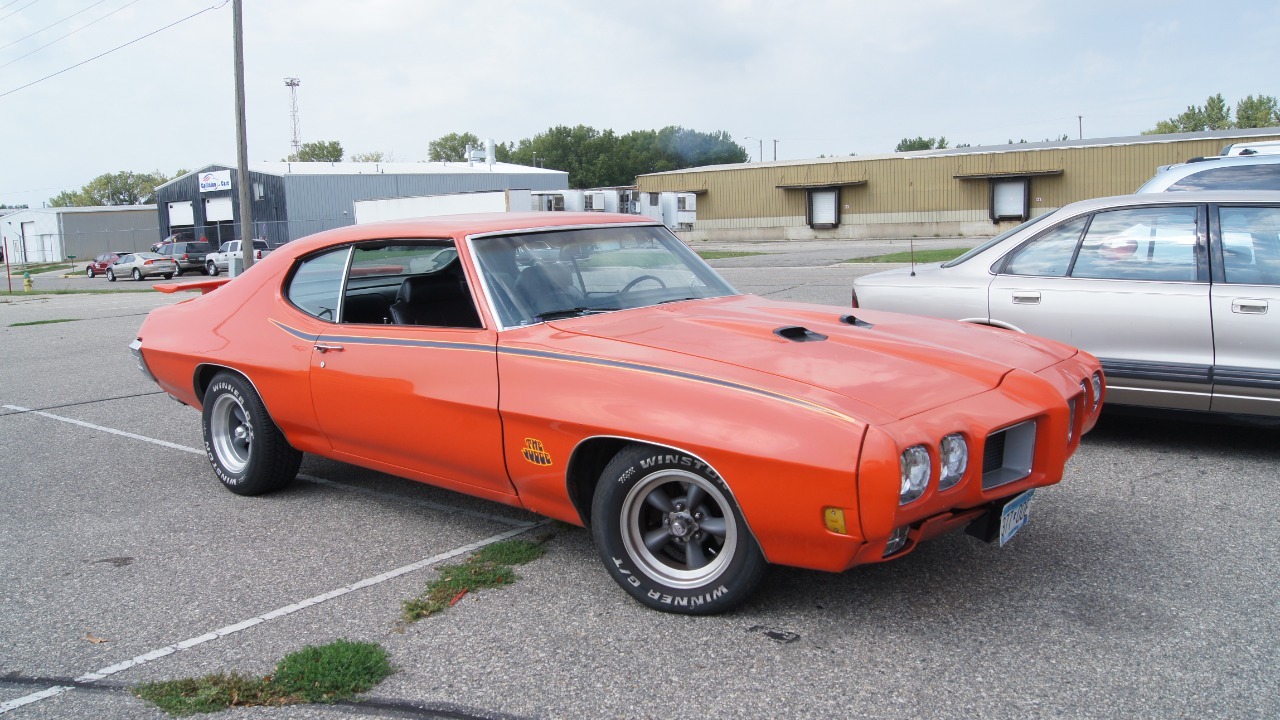
The Pontiac GTO is widely credited with starting the muscle-car era in 1964 by turning a midsize Pontiac into a far more exciting performance proposition. Its place in automotive history comes from the way it joined a large engine, attainable packaging, and youthful marketing. That formula gave Detroit a template competitors could answer quickly.
The GTO’s significance extends beyond any single specification. It helped establish the muscle car as a distinct cultural object: usable transportation carrying an engine and attitude meant to dominate conversation. Collectors still judge examples by generation, equipment, originality, and documentation, but the badge’s lasting power begins with its role in defining the category.
2. Ford Mustang: Performance Became a Cultural Phenomenon
Image Credit: Ford Motor Company – CC BY 3.0/Wiki Commons
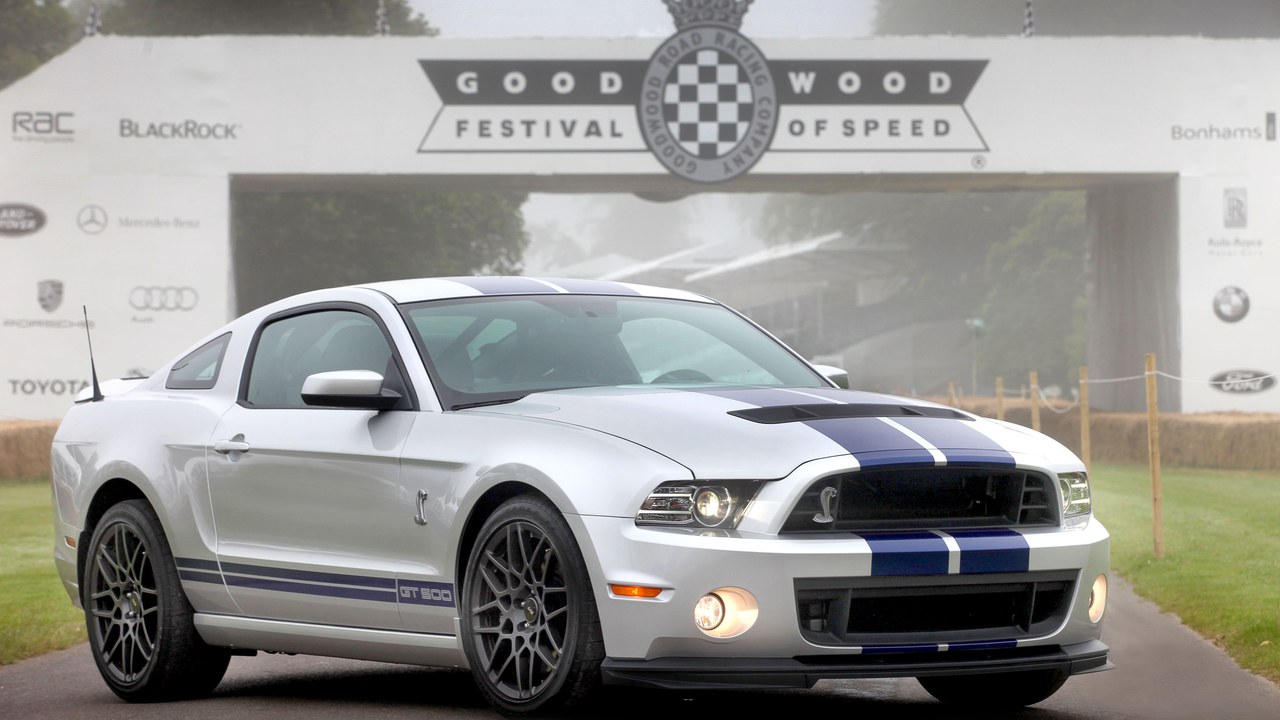
The Ford Mustang transformed the new pony-car idea into a cultural phenomenon, then provided a foundation for increasingly serious performance versions. The Mustang’s long history shows how quickly its combination of compact proportions, style, and personalization captured attention. Powerful variants connected that broad appeal to Detroit’s horsepower race without surrendering the model’s instantly recognizable identity.
That range is central to the Mustang’s influence. It could attract ordinary buyers while giving enthusiasts a path toward stronger engines, sharper equipment, and competition credibility. The nameplate became bigger than one trim or generation, carrying Ford’s performance image through changing markets. Surviving cars therefore draw interest for both mechanical specification and their place in American popular culture.
3. Chevrolet Camaro: Chevrolet Answered With Track-Bred Attitude
Image Credit: Ermell – CC BY-SA 4.0/Wiki Commons
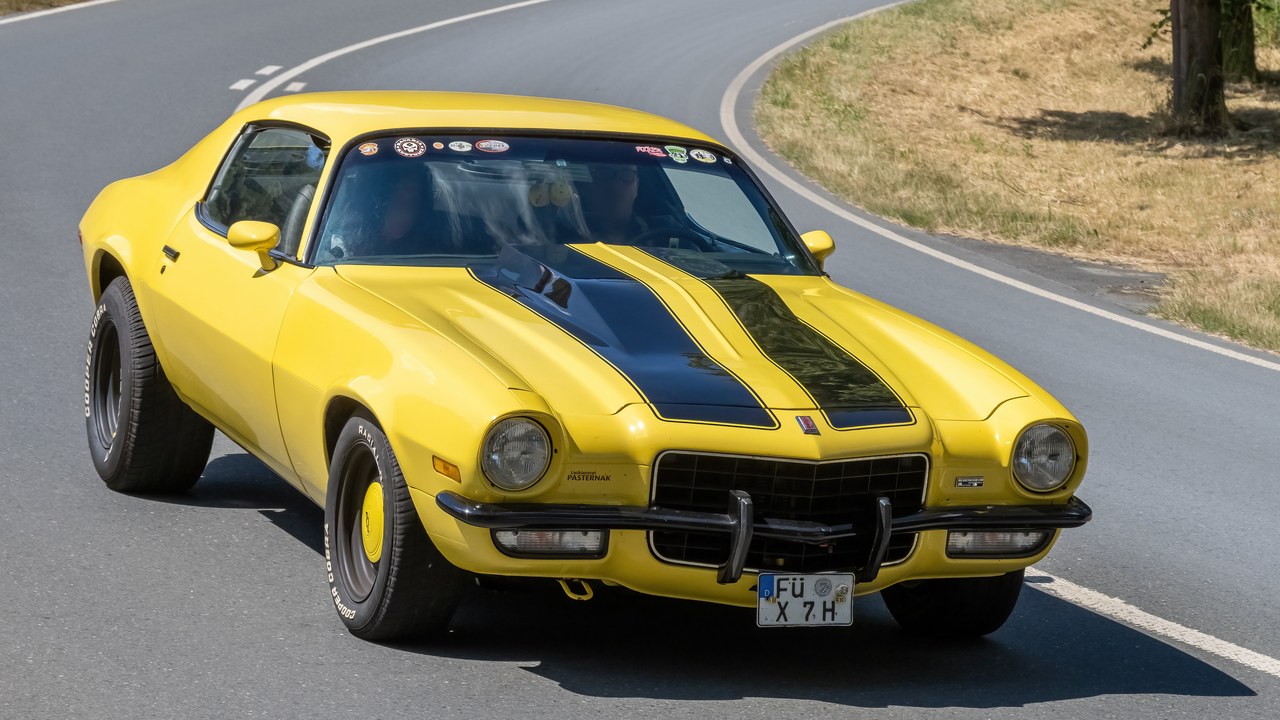
The Chevrolet Camaro arrived as Chevrolet’s direct answer to the Mustang, but it quickly developed its own performance identity. The Camaro model story spans road cars, racing, and a broad range of engines and trims. Its presence on drag strips and streets gave General Motors a recognizable standard-bearer in Detroit’s escalating contest for speed and showroom attention.
The Camaro’s importance lies in how many interpretations its basic shape could support. Buyers could encounter everything from stylish daily transportation to focused high-performance machinery under the same badge. That breadth kept the rivalry active and made option details especially important to collectors. Engine, trim, documentation, and originality can radically change the character and value of otherwise similar-looking examples.
4. Dodge Charger: Hemi Power Gave It Lasting Menace
Image Credit: Triple-green – CC BY-SA 2.0/Wiki Commons
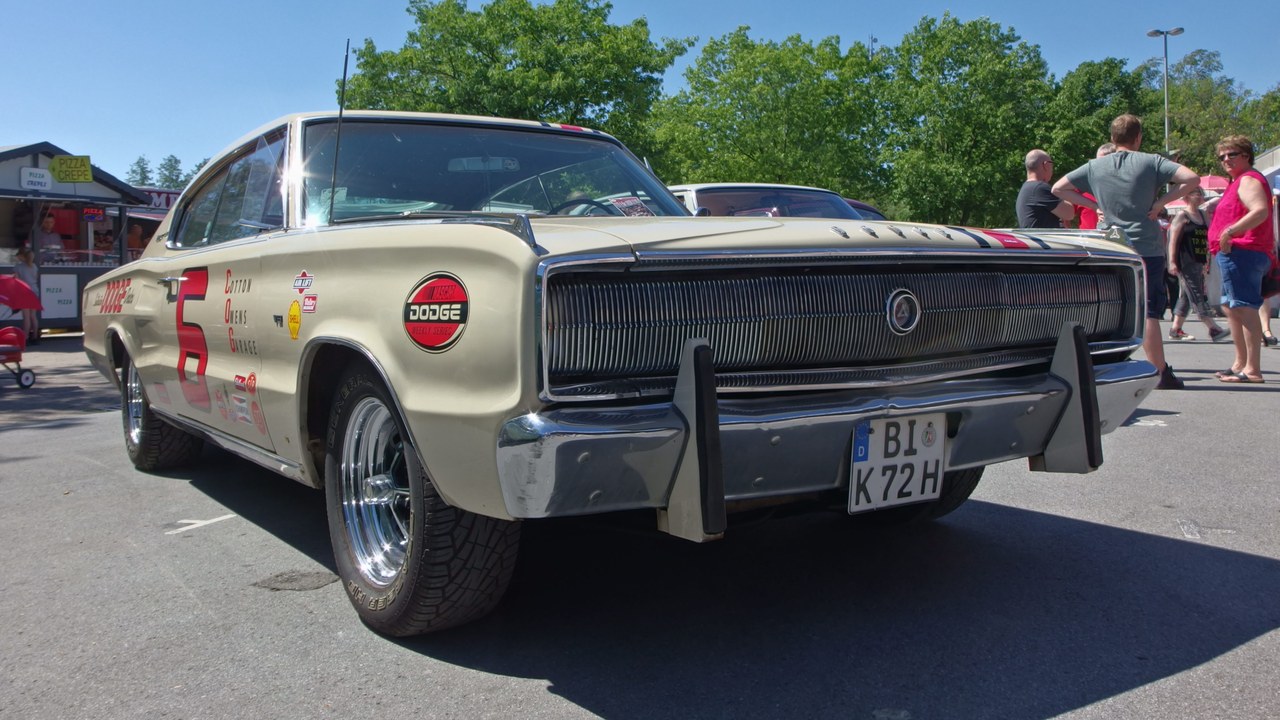
The Dodge Charger became one of the most imposing shapes of the late-1960s horsepower boom. Its B-body history links dramatic fastback and hardtop styling with the performance engines that turned Dodge into a central player in the muscle-car fight. Hemi-powered versions supplied the headline hardware, while the broad Charger range carried that aggressive image to more buyers.
The Charger’s reputation now blends engineering, design, racing associations, and decades of screen exposure. That fame also makes authenticity important, because replicas, engine swaps, and appearance conversions can resemble rarer specifications. A serious evaluation depends on identifiers, records, and the quality of restoration work. Whatever the exact trim, the classic shape still communicates Detroit power before the engine starts.
5. Plymouth Barracuda: The Hemi Cuda Became Blue-Chip Muscle
Image Credit: allen watkin from London, UK – CC BY 2.0/Wiki Commons
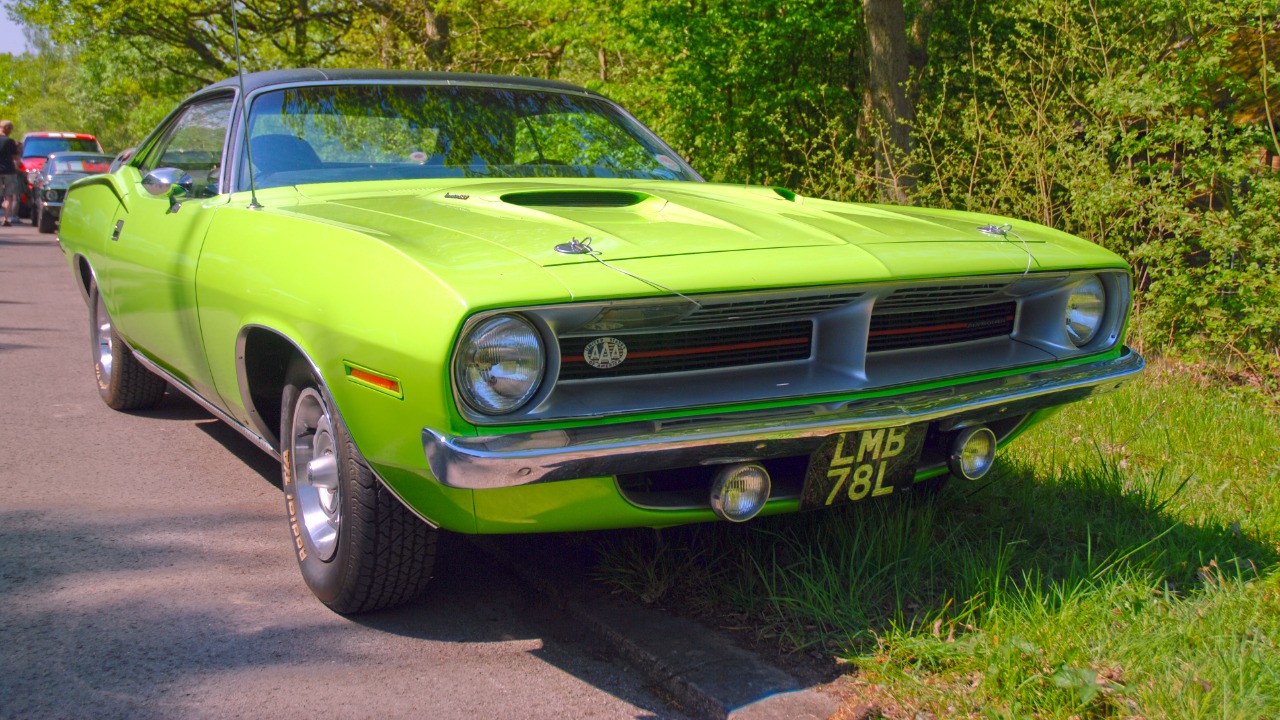
The Plymouth Barracuda evolved from an early compact fastback into one of the most coveted shapes of the classic muscle era. Its three-generation history culminated in the bold E-body cars associated with the celebrated Hemi ‘Cuda. The combination of dramatic styling, scarce high-performance configurations, and factory muscle placed the model near the top of the collector market.
That status makes specification and provenance essential. Barracudas appeared with many engines, bodies, and equipment combinations, while later modifications can blur the difference between an original rare car and a convincing tribute. Documentation, identification numbers, and restoration details carry enormous weight. Even less exotic versions remain visually important because the nameplate traces Detroit’s rapid shift from sporty compacts to uncompromising muscle.
6. Chevrolet Chevelle SS: The LS6 454 Defined Big-Block Excess
Image Credit: Sicnag – CC BY 2.0/Wiki Commons
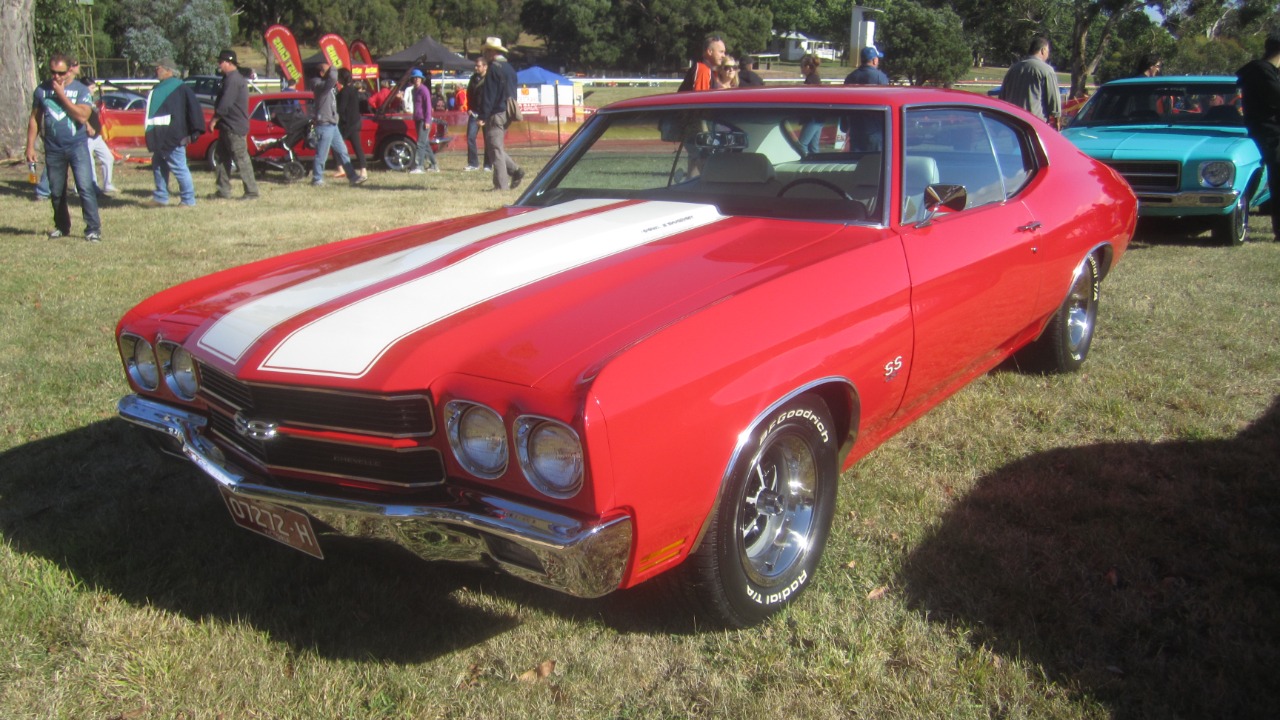
The Chevrolet Chevelle SS put the muscle-car formula into one of Chevrolet’s most familiar midsize bodies. The Chevelle’s model history includes a wide range of practical and performance variants, but the LS6 454 became the defining big-block legend. It represented the point when displacement, aggressive equipment, and showroom rivalry reached an especially memorable peak.
The SS badge alone does not tell every car’s story, making verification central to modern collecting. Engines, transmissions, build details, and restoration choices determine whether an example reflects an original configuration or a later recreation. That scrutiny does not diminish the Chevelle’s impact. Its clean proportions and towering performance reputation remain shorthand for the most forceful period of Detroit muscle.
7. Oldsmobile 442: Refinement Met Serious Big-Block Force
Image Credit: dave_7 from Lethbridge, Canada – CC BY-SA 2.0/Wiki Commons
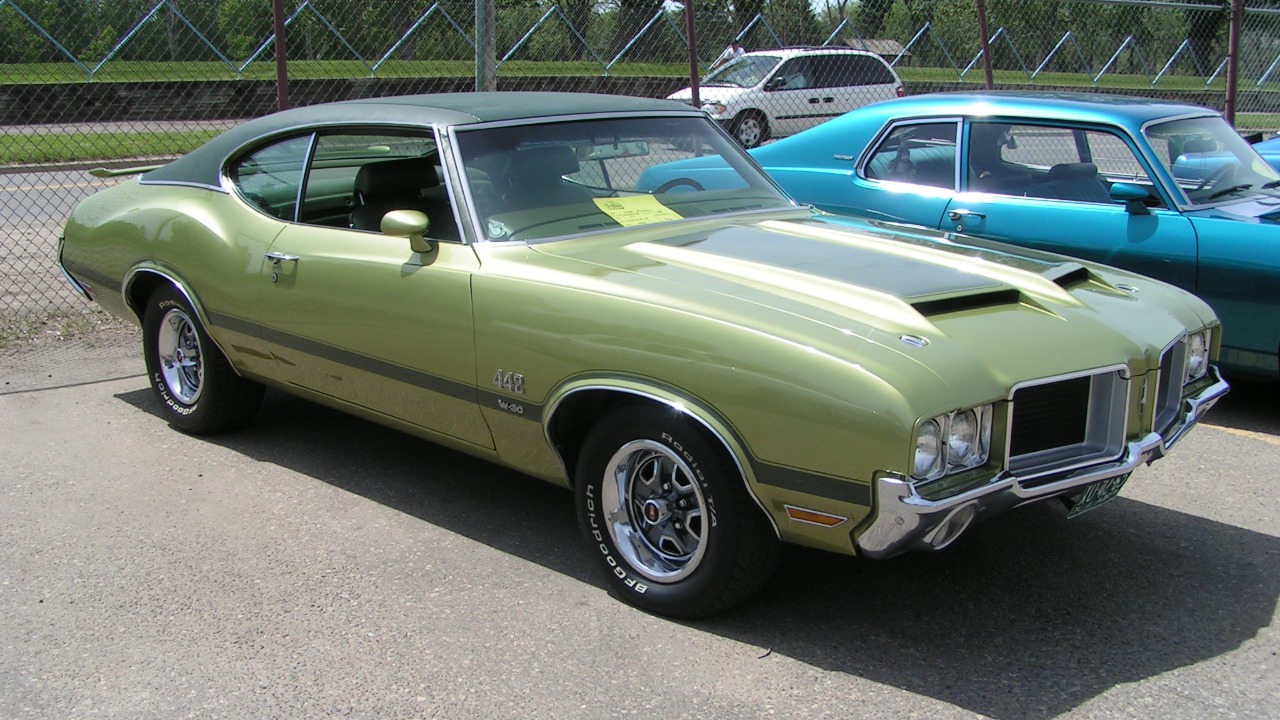
The Oldsmobile 442 delivered serious big-block performance with a more polished personality than some of its loudest rivals. The 442 nameplate history moved through option-package and model status while keeping performance at its core. That combination allowed Oldsmobile to join Detroit’s horsepower contest without abandoning the comfort and finish associated with the division.
Its appeal rests on balance rather than understatement alone. A 442 could provide the sound, acceleration, and visual cues expected of a muscle car while remaining a substantial road machine. Collectors pay close attention to year, engine, equipment, and documentation because the badge covered changing specifications. The best examples preserve both sides of the identity: forceful hardware and Oldsmobile refinement.
Image Credit: nakhon100 – CC BY 2.0/Wiki Commons
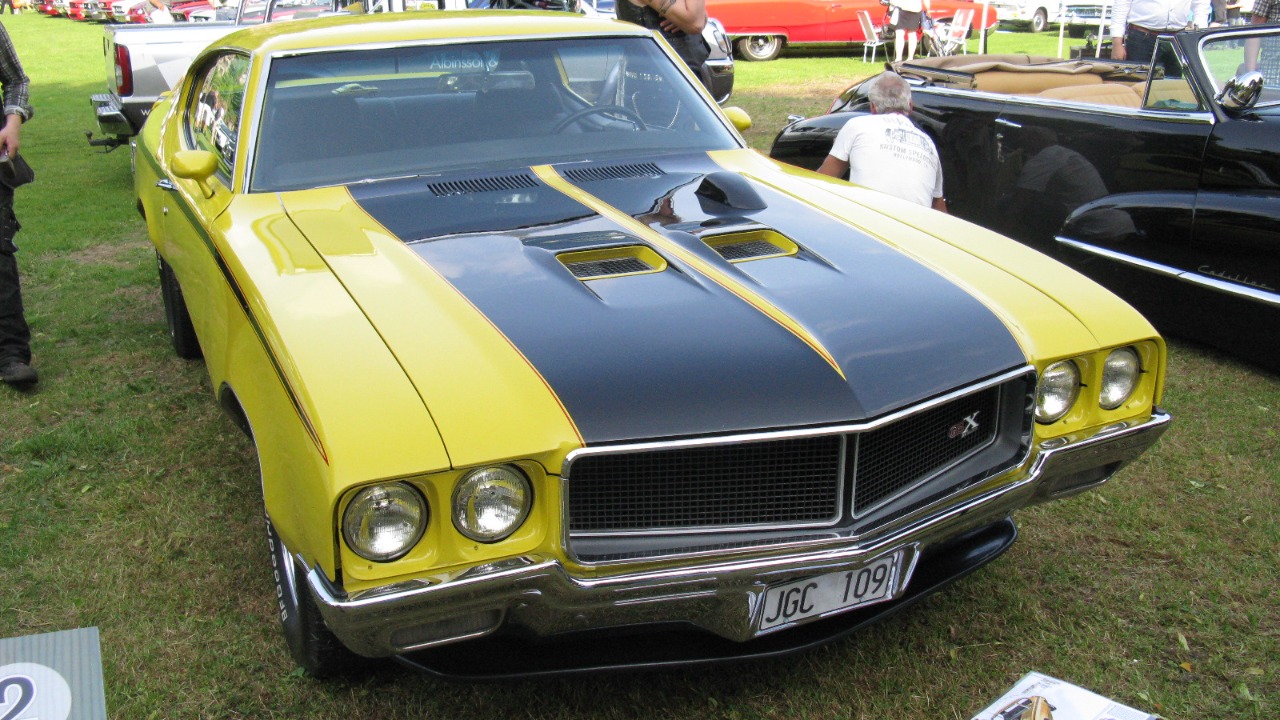
The Buick GSX showed that Buick could enter the muscle-car battle without giving up its own brand character. The GSX performance package paired conspicuous graphics and spoilers with the formidable Stage 1 455, an engine remembered for staggering torque. It transformed a division associated with mature comfort into a credible source of raw street power.
Rarity and specification now shape the GSX’s collector appeal. Correct colors, equipment, driveline details, and supporting records distinguish a properly documented car from a later visual conversion. Yet its historical point remains clear even before those details are examined. The GSX expanded the boundaries of Detroit muscle by proving that enormous performance could emerge from an unexpected corner of General Motors.
More from Morning Overview
Morning Overview is reader-supported. Some links in our articles are affiliate links, and we may earn a commission at no extra cost to you. As an Amazon Associate I earn from qualifying purchases. Full disclosure.