
Federal safety regulators issued a string of motorcycle recalls in 2025 and 2026, spanning touring cruisers, adventure bikes, sportbikes and three-wheelers. The defects range from a clogged breather port that can wreck an engine to a crash-notification system that silently switched itself off. Here are eight motorcycles federal regulators recalled and the specific failure behind each one.
1. Harley-Davidson Road Glide: Blocked Breather, Engine Risk
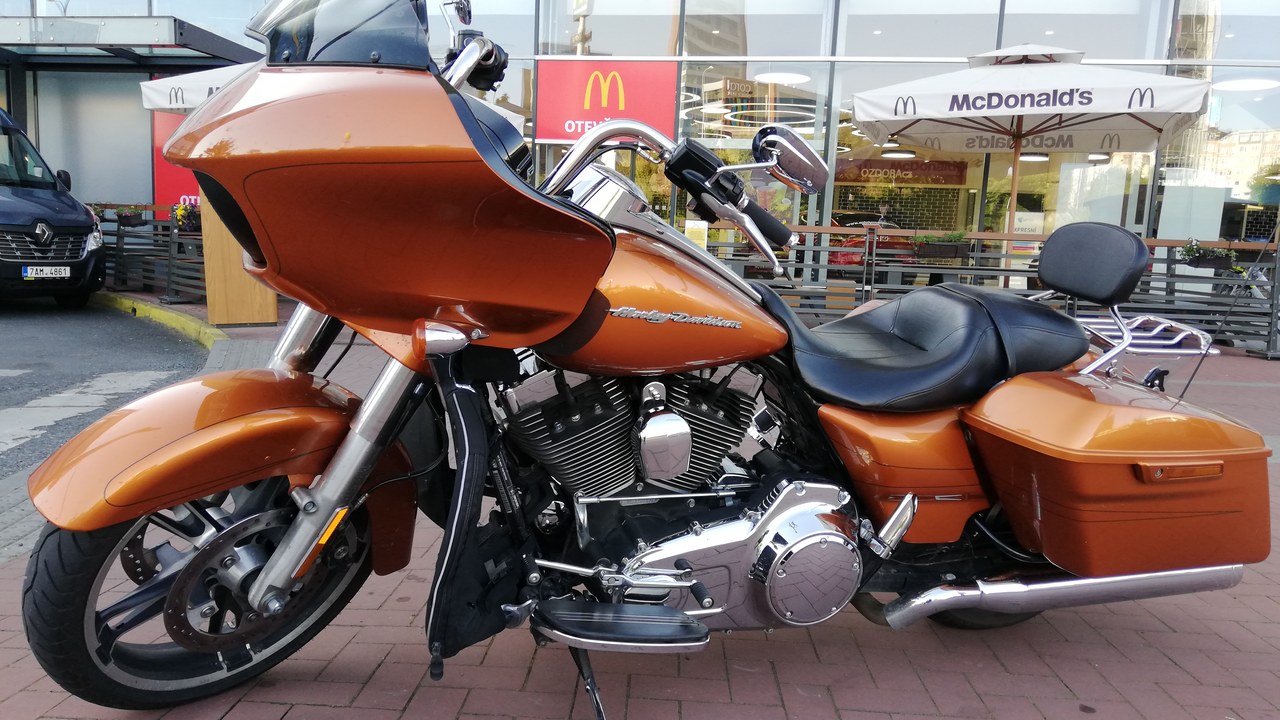
Harley-Davidson recalled the Road Glide in April 2026 after inspectors traced a defect to the touring bike’s airbox backplate assembly, where the breather port can become blocked, allowing crankcase pressure to build with nowhere to vent until the buildup damages internal engine components.
The failure sits inside a sealed part of the engine, so no dashboard warning appears before the pressure does its damage, and the remedy requires a dealer to inspect the airbox and replace the breather assembly if it shows signs of blockage before the touring bike goes back into regular highway service.
2. Harley-Davidson Street Glide: Same Recall, Same Defect
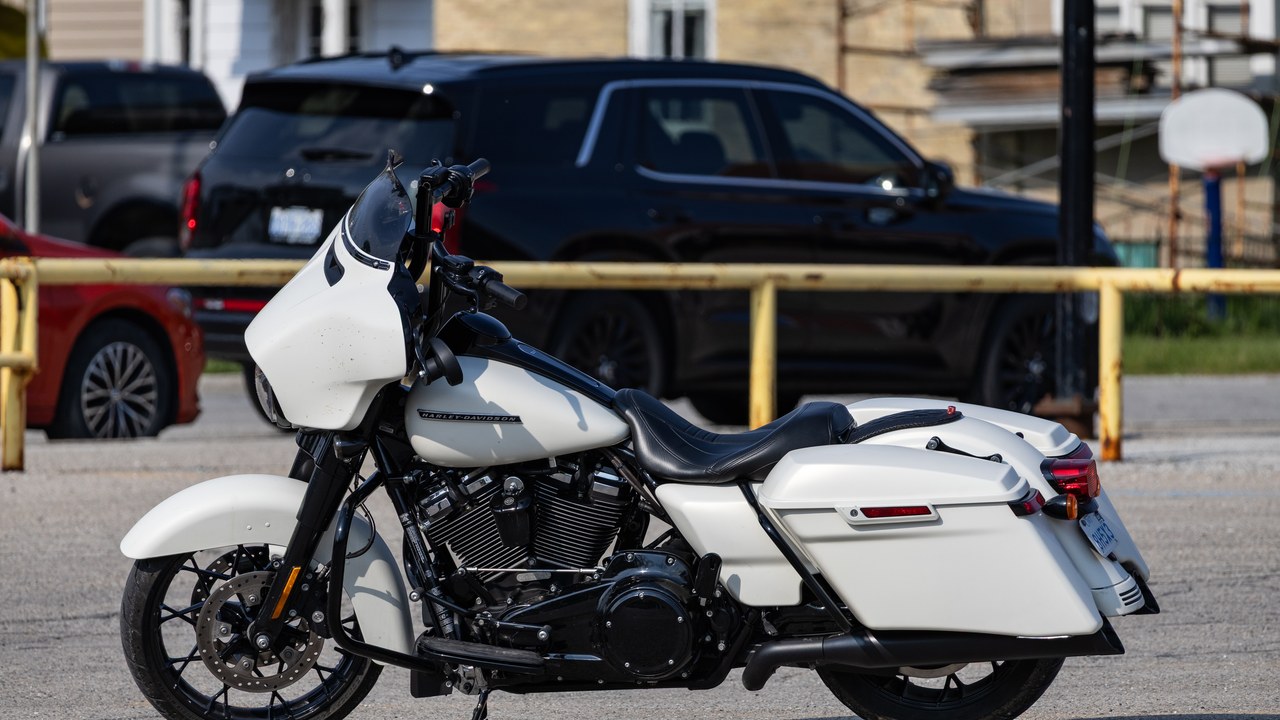
The same defect pulled Harley-Davidson’s Street Glide into a companion recall issued that April, since the model shares the airbox baseplate breather port with the Road Glide and can suffer the identical blocked-port failure that lets crankcase pressure build unchecked.
Airbox breather ports equalize crankcase pressure as the engine cycles, so a blockage removes a basic safety margin both models depend on to keep internal components from being stressed by pressure with nowhere else to go. Because both bikes use the same touring platform, the dealer remedy is identical: an inspection of the breather passage and replacement of the affected part when a blockage is confirmed.
3. BMW R 1300 GS: eCall Silently Disabled
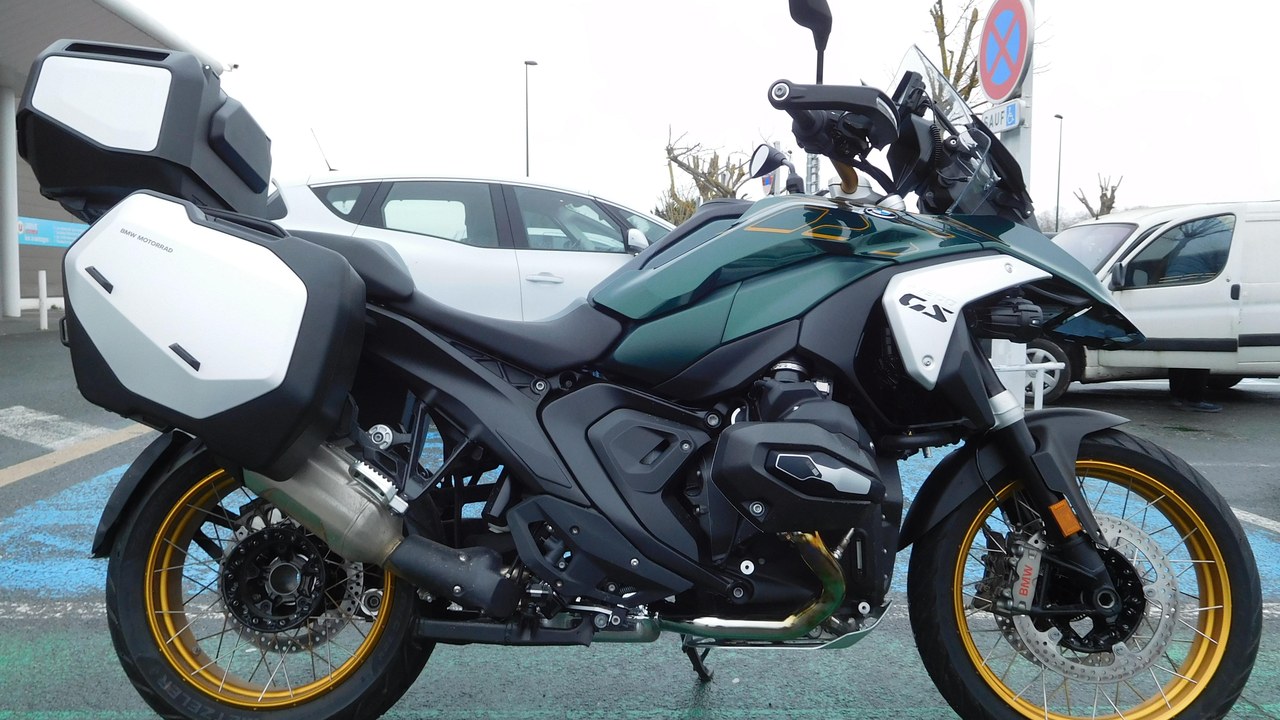
BMW recalled the R 1300 GS in July 2025 after discovering a software error that could silently disable the adventure bike’s eCall emergency system, the feature meant to automatically notify responders when the motorcycle detects a crash.
A rider who goes down with the eCall function deactivated has no indication anything is wrong until help fails to arrive, since the system gives no warning that it switched itself off, leaving the safety net silently unavailable exactly when a crash makes it matter most. Automatic crash notification exists precisely for situations where a rider cannot call for help directly, so a system that silently disables itself defeats the purpose of carrying the feature at all.
4. BMW S 1000 RR: Crash Alert Goes Dark
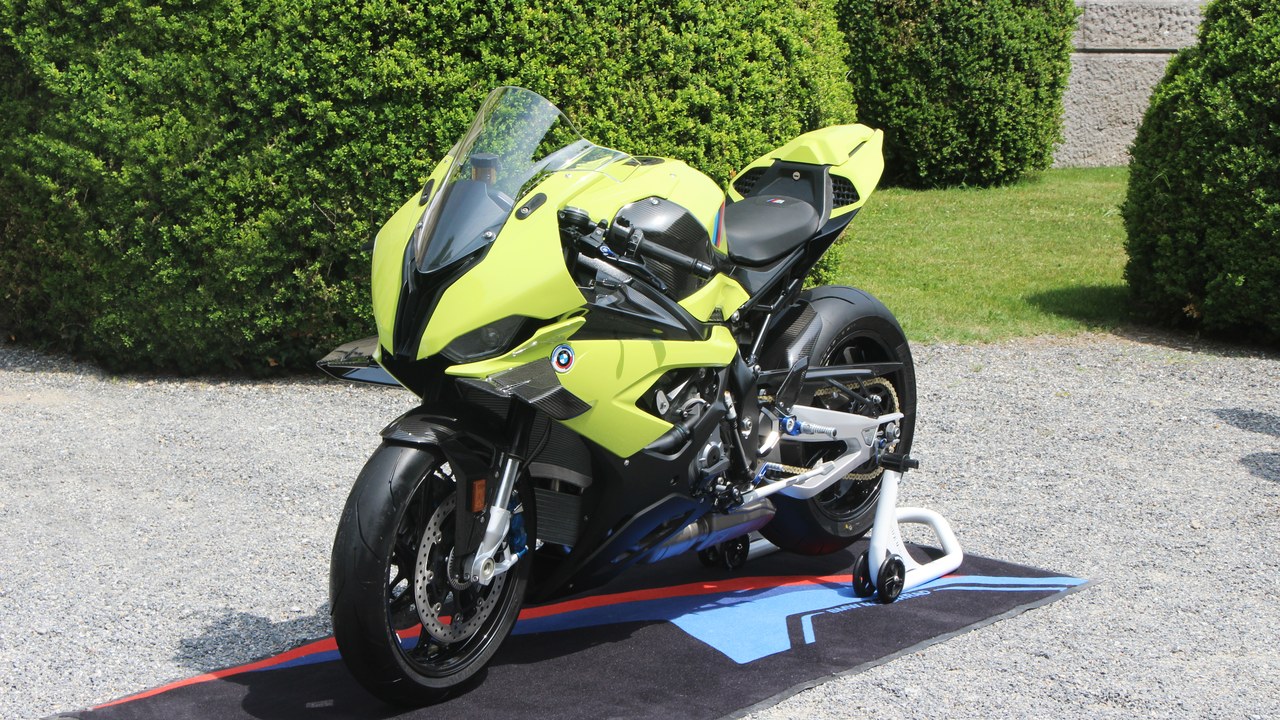
BMW’s S 1000 RR carries the identical programming flaw, and NHTSA’s July 2025 recall covers the sportbike alongside the R 1300 GS after the same emergency call software was found capable of deactivating itself without any alert to the rider.
On a machine built for track-capable speed, the automatic crash notification is meant to compensate for how little time a rider has to call for help after a high-speed get-off, so a silently disabled system removes exactly the safeguard the feature was designed to provide. Because the same software error affects multiple BMW models simultaneously, the recall requires a dealer visit to reinstall corrected programming rather than a change a rider could make alone.
5. Ducati Panigale V4: Rear Brake Hose Failure

Ducati issued a recall for the Panigale V4 in January 2026 after finding that sustained heat can damage the rear brake hose running between the ABS control unit and the rear caliper, a failure that can end in a sudden loss of rear braking.
Rear brake authority matters most exactly when a rider needs it under hard trail braking or at low speed, so a hose that fails from heat buildup removes stopping power without warning, and Ducati’s remedy involves inspecting and replacing the affected hose before further track or street use.
6. Ducati Streetfighter V4: Same Hose, Same Heat Risk
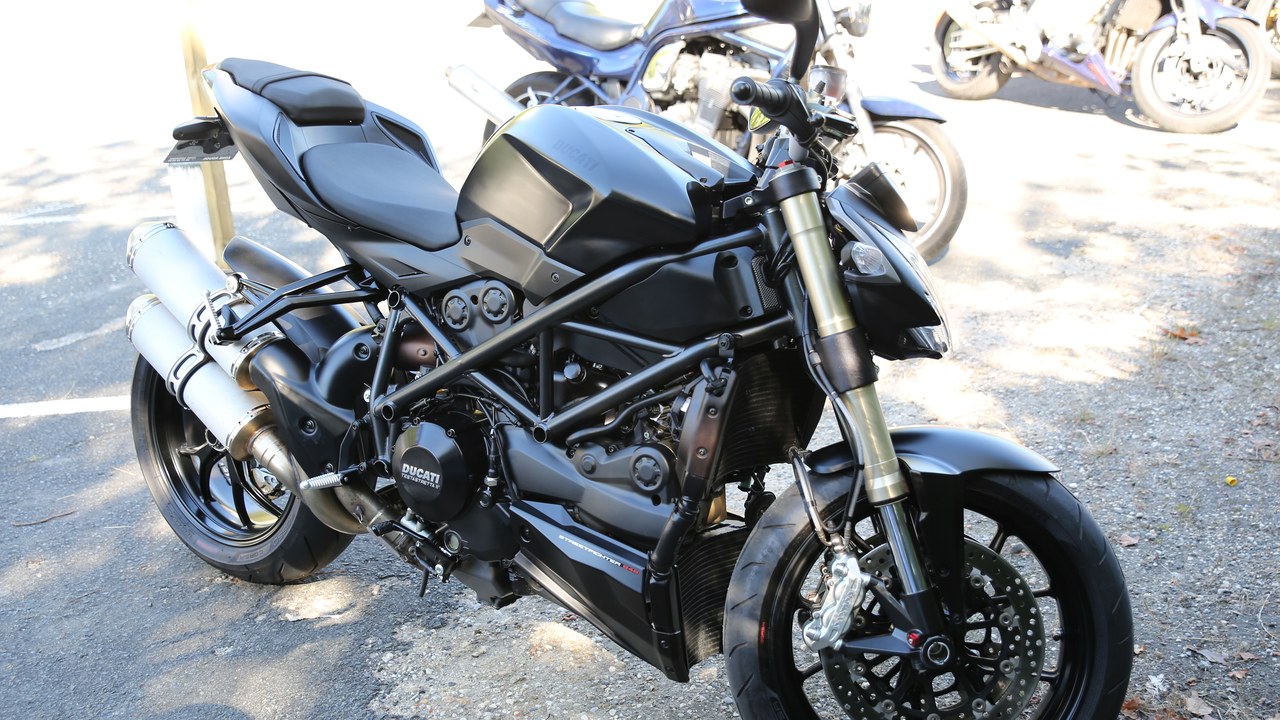
The Streetfighter V4 shares the Panigale’s underlying chassis and brake architecture, so the same January 2026 campaign covers it for the identical brake hose heat defect between the ABS unit and the rear caliper.
Because the naked-bike variant runs the same rear brake plumbing as its faired sibling, owners face the identical risk of sudden rear-brake loss from heat damage, and the dealer fix is the same hose inspection and replacement procedure applied across both models. Heat exposure at the ABS unit builds during hard, repeated braking, which both models generate in normal spirited use, so the styling difference between them changes nothing about the underlying risk the recall addresses.
7. Can-Am Spyder RT: Touchscreen Goes Blank
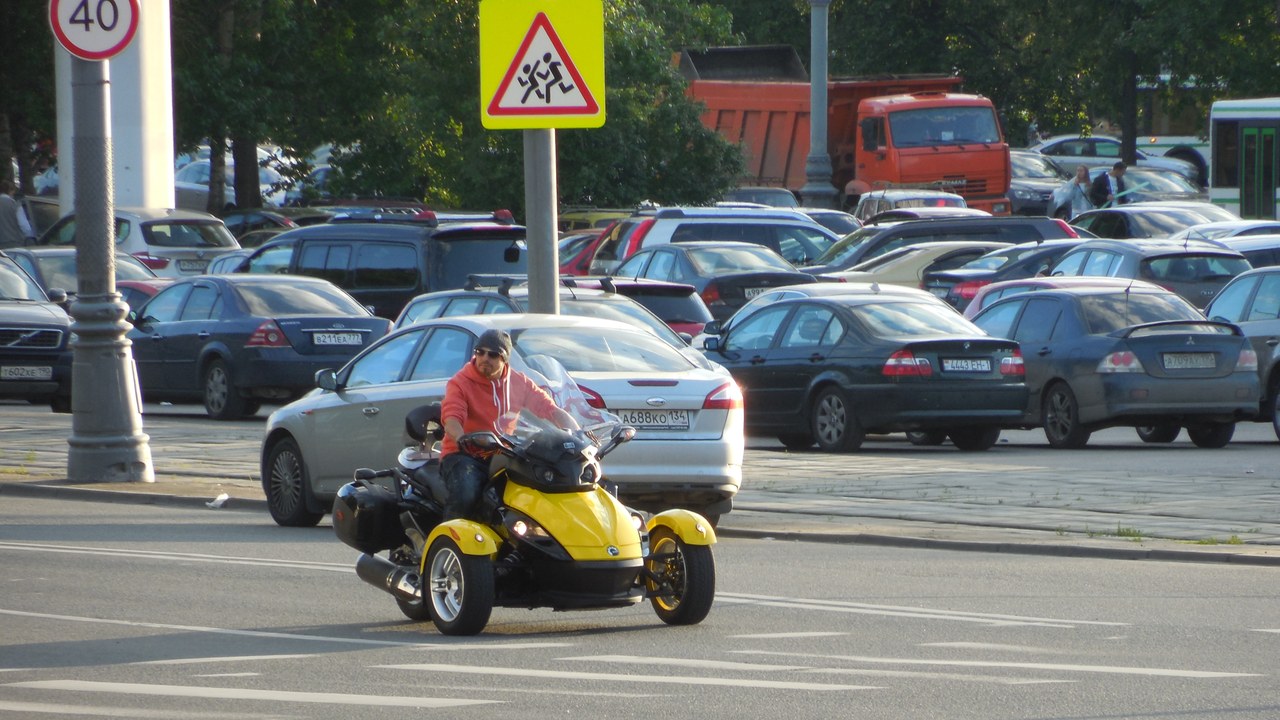
BRP recalled the Can-Am Spyder RT three-wheeler in July 2026 after finding that its touchscreen instrument cluster can reset itself, freeze, or go completely blank while the vehicle is being ridden.
A blank cluster mid-ride removes the rider’s access to speed, gear position, and warning indicators without any advance notice, and BRP’s fix addresses the screen and its software so the display stays reliable rather than dropping out during a trip. A three-wheeler’s instrument cluster carries the same load-bearing role as any motorcycle dashboard, so a screen that resets without warning takes away a rider’s primary read on how the vehicle is performing at the exact moment that information is needed.
8. Can-Am Origin: Electric Debut, Same Screen Flaw
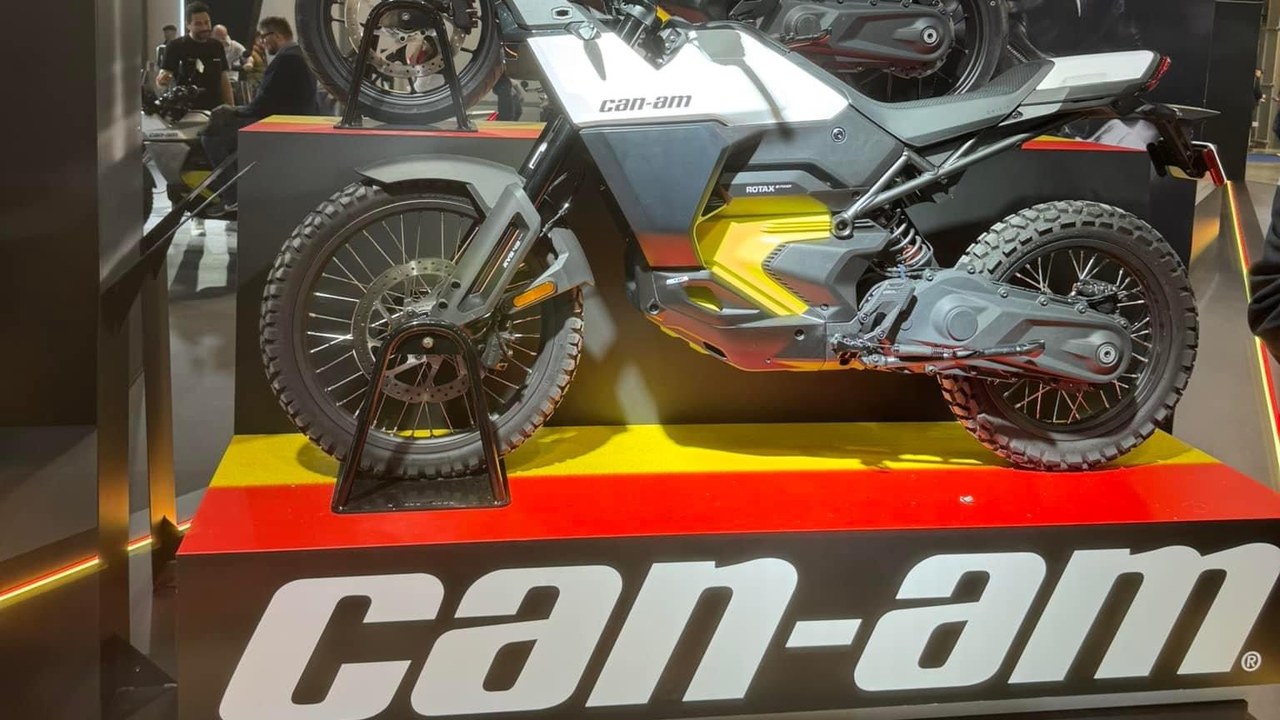
BRP’s electric Origin adventure motorcycle was swept into the identical recall, since the July 2026 campaign covering its touchscreen cluster spans the Origin and Pulse alongside the Can-Am Spyder RT and F3 models.
On a battery-electric motorcycle, the touchscreen is the only way to read range, charge state, and speed, so a display that resets or blanks out removes information a rider has no other gauge to fall back on until BRP’s fix reaches the bike. Electric motorcycles typically rely on the dashboard display for basic ride information that combustion bikes might also show through analog gauges, so a screen that resets or blanks removes a rider’s primary source for that information until the fix is applied.
More from Morning Overview
- Older Teslas are wearing out in ways early owners never saw coming
- Early electric-car owners are hitting battery and screen failures no one warned them about
- A magnitude 5.3 quake struck off the Oregon coast this week
- Amazon’s Prime refunds are rising to $200 as millions more customers become eligible
