
September 2026 recall campaigns flagged defects that can interfere with how a vehicle steers, stays stable or holds the road. The affected vehicles include crossovers, minivans and an electric SUV, with recall counts ranging from 19 to more than 328,000. This gallery covers eight models, with the cause and scale of each defect taken from federal records.
1. Lexus RX: Cracking Steering Knuckles
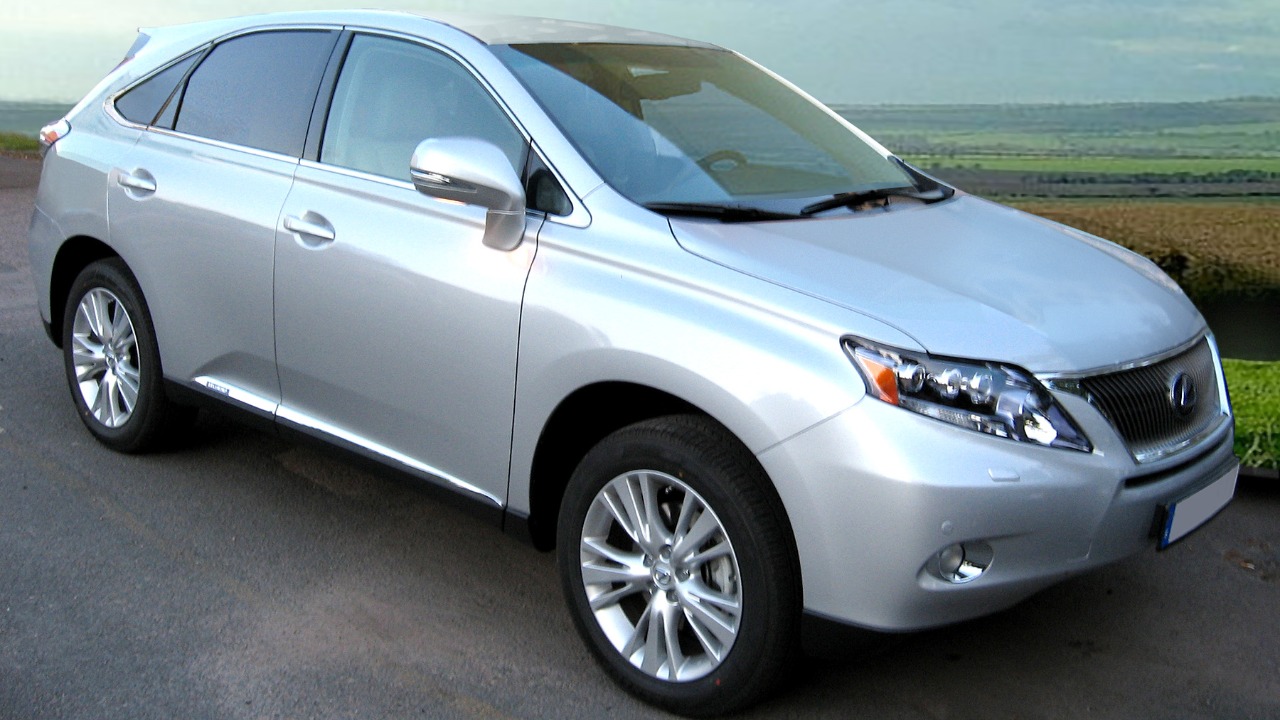
Among the vehicles in the September filing, the Lexus RX has 617 units recalled because front steering knuckles may crack and break, which can result in a loss of vehicle steering control, according to this NHTSA recall report.
Steering is the one system a driver cannot compensate for once it fails, so a cracked knuckle is treated as a serious defect even in a small run. The notice describes the risk but does not say how many failures have occurred, and owners should expect remedy details through the manufacturer’s notification process.
2. Lexus TX Hybrid: Same Knuckle Problem
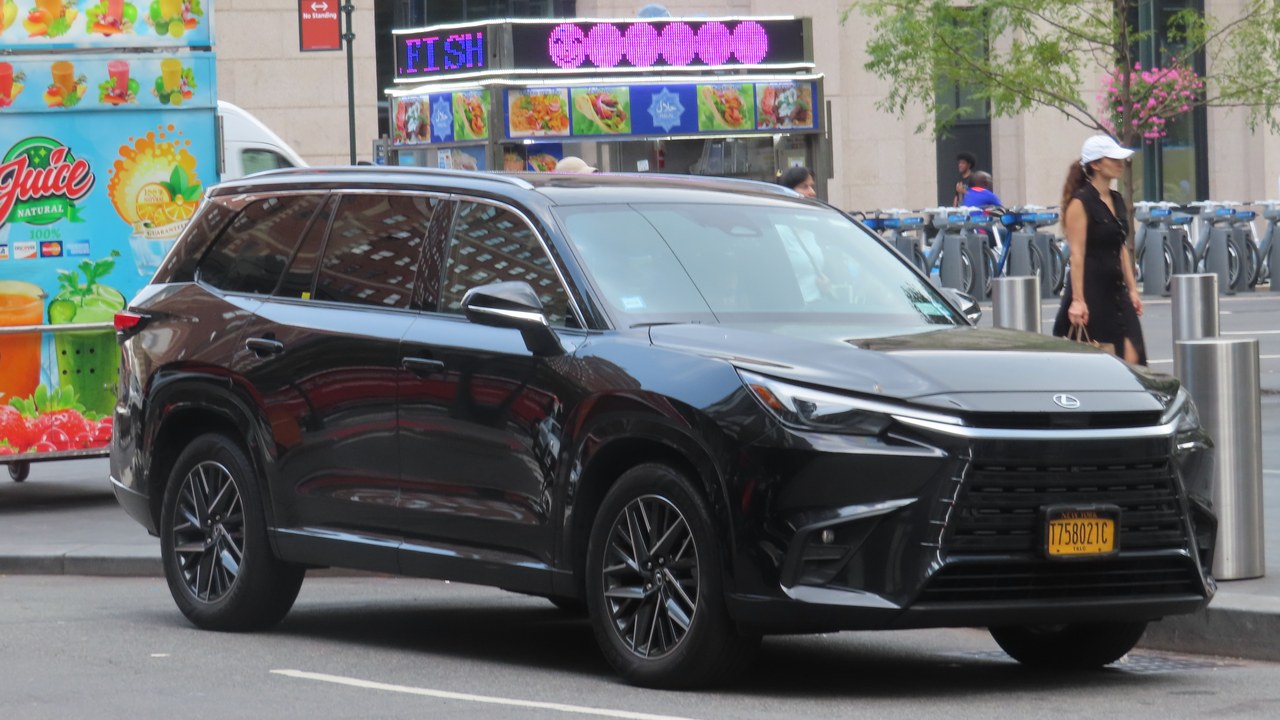
Sharing the same campaign, the Lexus TX Hybrid has 617 vehicles recalled because front steering knuckles may crack and break, which can result in a loss of vehicle steering control, as the federal campaign record describes in its summary of the defect.
Because this hybrid shares its front suspension hardware with the other vehicles in the campaign, the same inspection and replacement logic applies. The filing does not indicate any injuries tied to the defect, and the small count suggests the affected parts came from a limited production window rather than every unit built.
3. Toyota Grand Highlander Hybrid: Hybrid Family Member
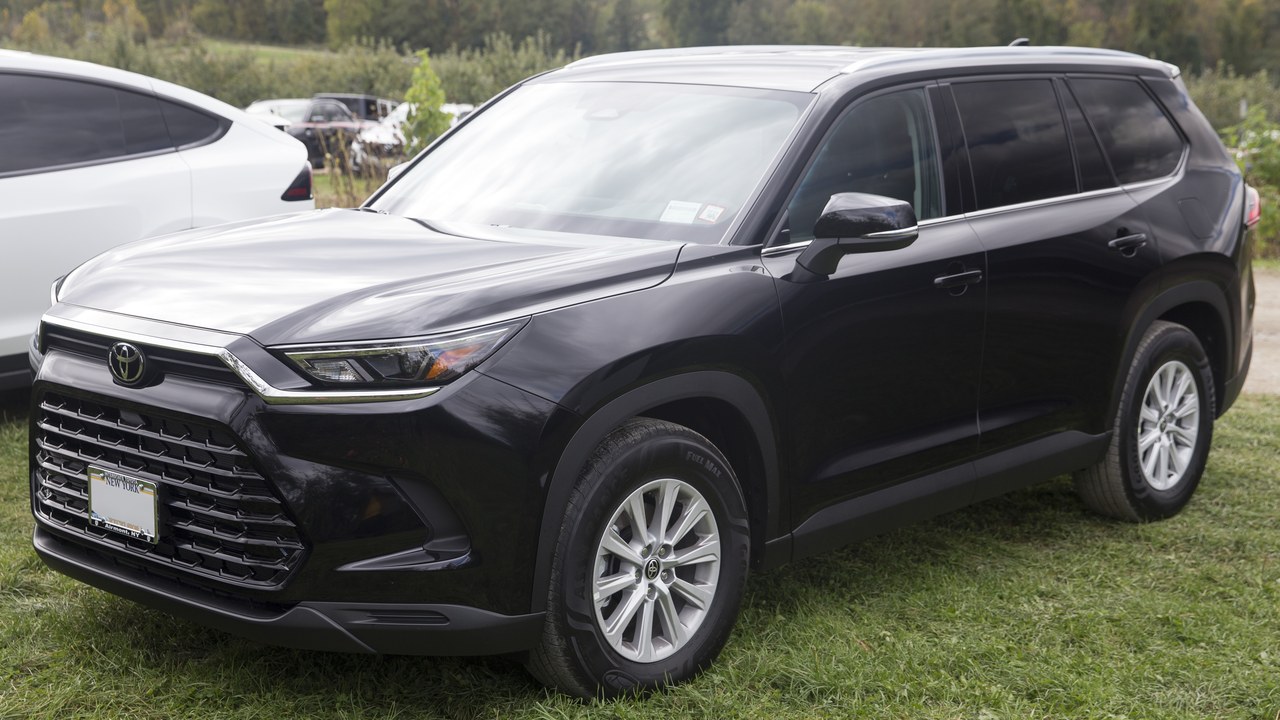
Rounding out that campaign, the Toyota Grand Highlander Hybrid is covered by the 617-vehicle recall because front steering knuckles may crack and break, which can result in a loss of vehicle steering control, per the NHTSA campaign listing for the shared recall.
The three-vehicle grouping shows how one supplier or manufacturing problem can reach several nameplates sold through different brands. Buyers of a related model should confirm coverage by vehicle identification number, since the campaign covers only the specific units named in the filing rather than every vehicle of the same type.
4. Chrysler Pacifica: Stability Control Sensor
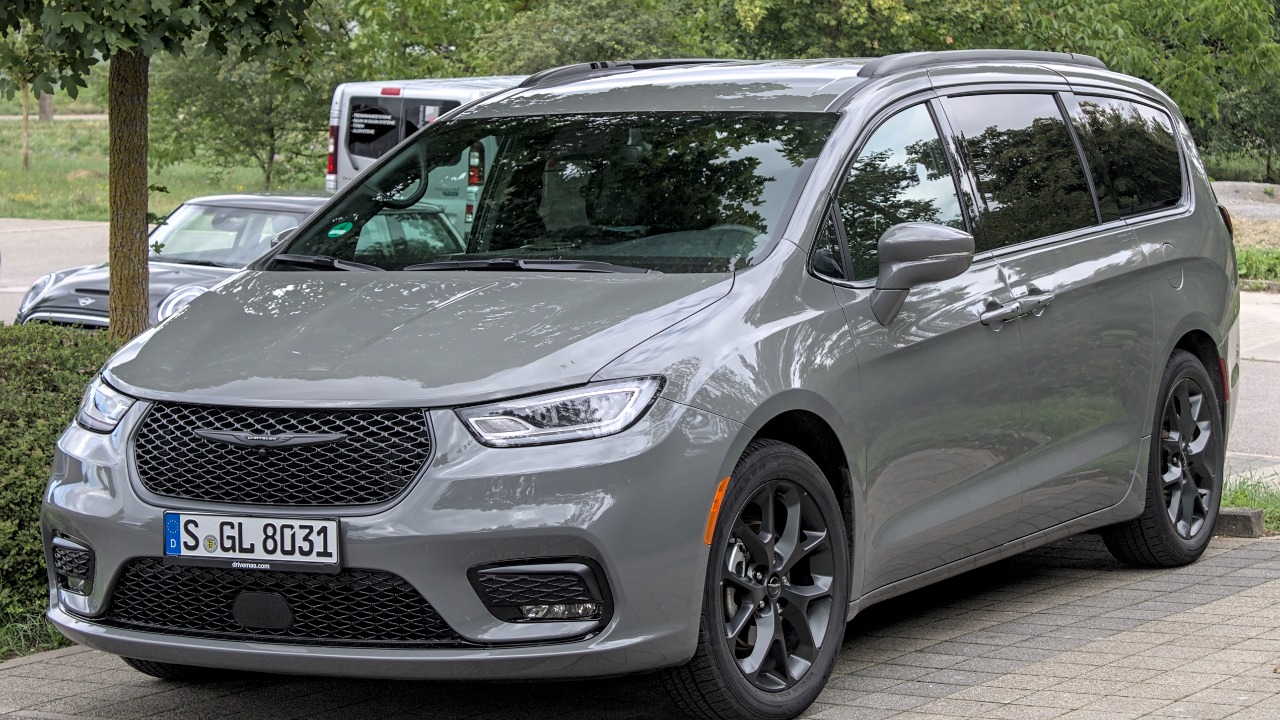
For the Chrysler Pacifica, 2,017 recalled because a cracked brake pedal position sensor capacitor can disable electronic stability control, violating Federal Motor Vehicle Safety Standard 126, as the agency recall filing states in its description of the problem.
Stability control helps a driver hold a line in a slide, so losing it removes a layer of protection without any obvious warning to the person behind the wheel. The standard cited is a federal requirement, which explains why a failed sensor component becomes a compliance matter as well as a safety one.
5. Chrysler Voyager: Sharing the Sensor Flaw
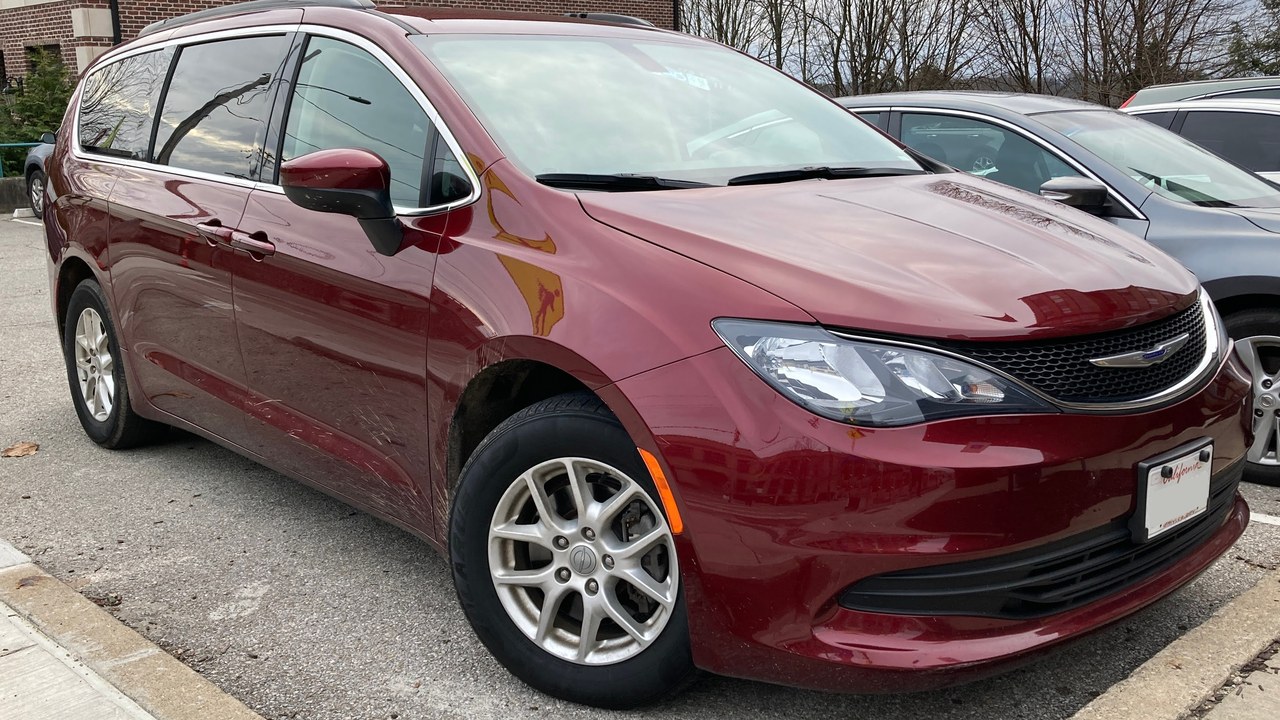
The Chrysler Voyager falls under the same 2,017-vehicle action, recalled because a cracked brake pedal position sensor capacitor can disable electronic stability control, violating Federal Motor Vehicle Safety Standard 126, according to the NHTSA campaign page for that recall.
Because both minivans appear in a single campaign, the underlying part is evidently common across the two nameplates. The notice stops short of describing the remedy in this summary, so owners looking for specifics should check their vehicle identification number against the official recall lookup before assuming the car is affected.
6. Tesla Model Y: Loose Suspension Link
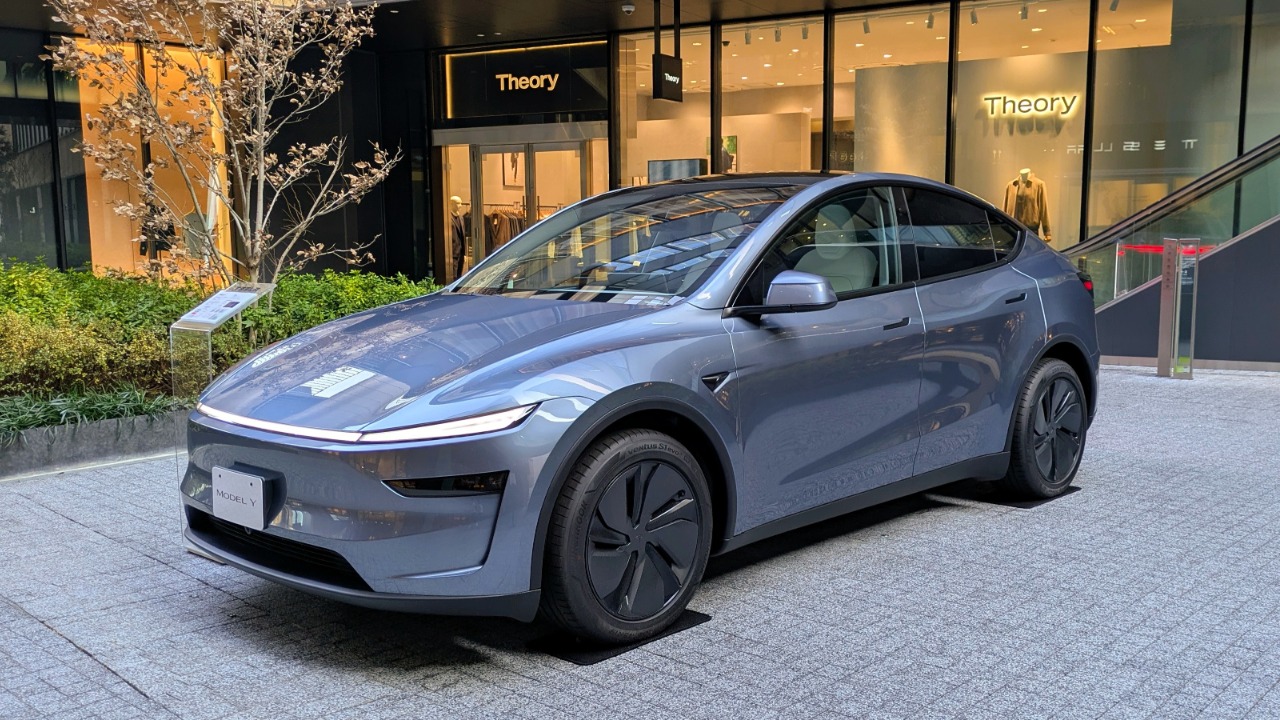
A small batch of 19 Tesla Model Y vehicles was recalled because a front suspension lateral link can separate from the sub-frame, shifting wheel alignment and causing a loss of vehicle control, the NHTSA recall record shows.
The count is tiny next to the other campaigns, yet the failure described is the kind that changes how a car tracks and steers at speed. The record ties the issue to a specific link and sub-frame joint, which suggests a narrow assembly problem rather than a design flaw spread across the whole model line.
7. Volkswagen Tiguan: Corroded Steering Rack
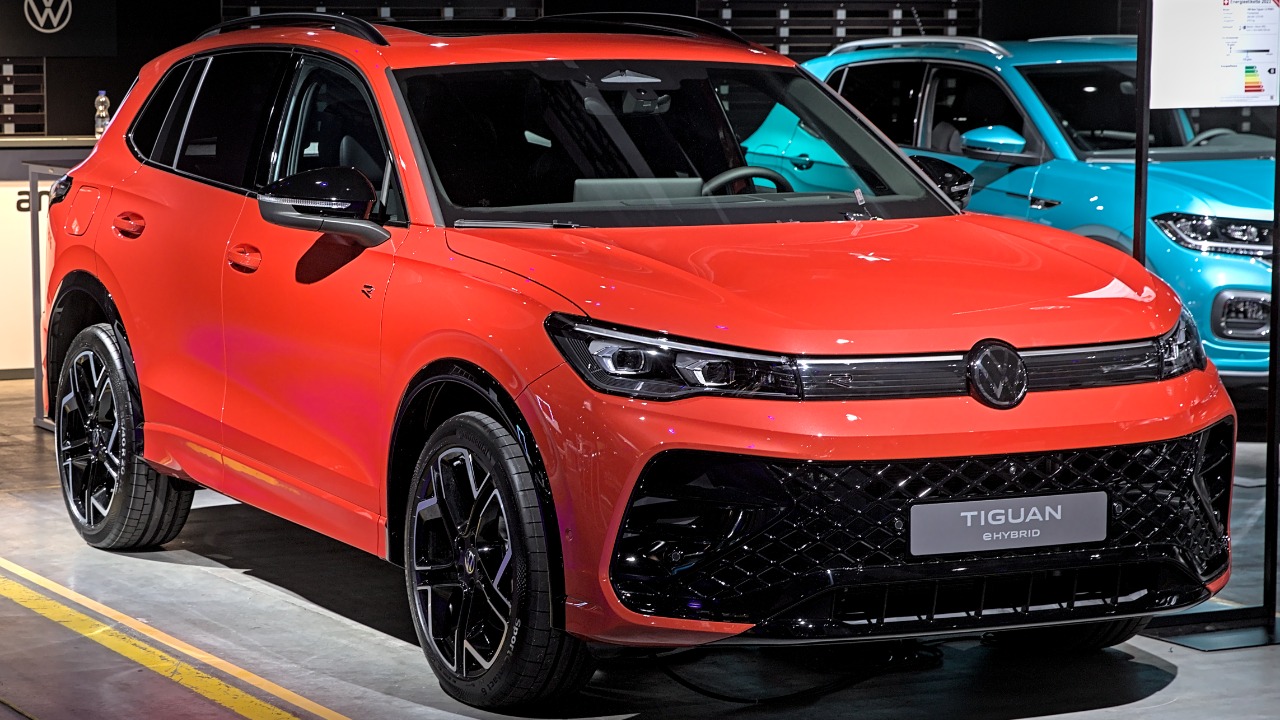
Volkswagen Tiguan owners face the largest steering-related campaign here, with 208,724 recalled because a corroded steering rack mounting bolt can break the rack housing and cost the driver steering control, per the federal recall notice published for that campaign.
Road salt and moisture are the usual culprits when steering hardware corrodes, so vehicles in colder climates may be the ones most exposed. With a population above 200,000, this is the broadest steering-related action here, and the notice does not say whether owners will need to wait for parts before getting a repair.
8. Jeep Grand Cherokee: Springs That Detach
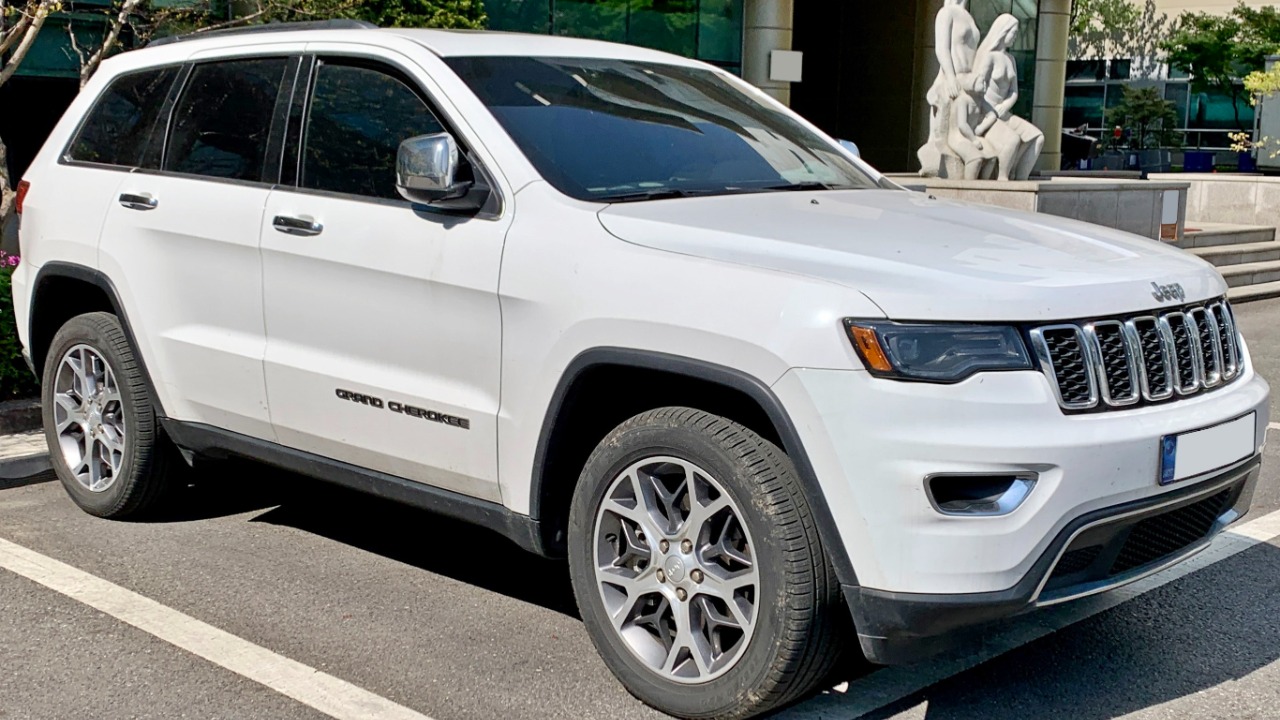
The Jeep Grand Cherokee leads the batch by volume, with 328,381 recalled because rear coil springs may detach from the vehicle while driving, which NHTSA says increases the risk of a crash, in its published campaign report.
Detached springs can drop onto the road and strike other traffic as well as upset the vehicle that lost them, which is why the agency frames the danger as a crash risk. At more than 328,000 vehicles it is the biggest campaign in the set, and the notice leaves the repair schedule for later owner letters.
More from Morning Overview
- Hawaii’s magnitude 6.0 Kona earthquake is now a federal major disaster
- Comcast is shutting down its email service, and Xfinity customers must act to keep it
- Invisible volcanic gas at a California ski resort has killed three ski patrollers
- Verizon just moved to cut landline phone service in 9 states within weeks
