
Geothermal power draws on heat that never stops rising through the Earth’s crust, turning underground steam into round-the-clock electricity. The plants that do it best sit where volcanic systems, rift zones and hot rock push that heat close enough to reach with a drill. Here are eight geothermal projects that turned the planet’s own furnace into a working power grid.
1. Hellisheidi Power Station: Iceland’s Volcanic Workhorse
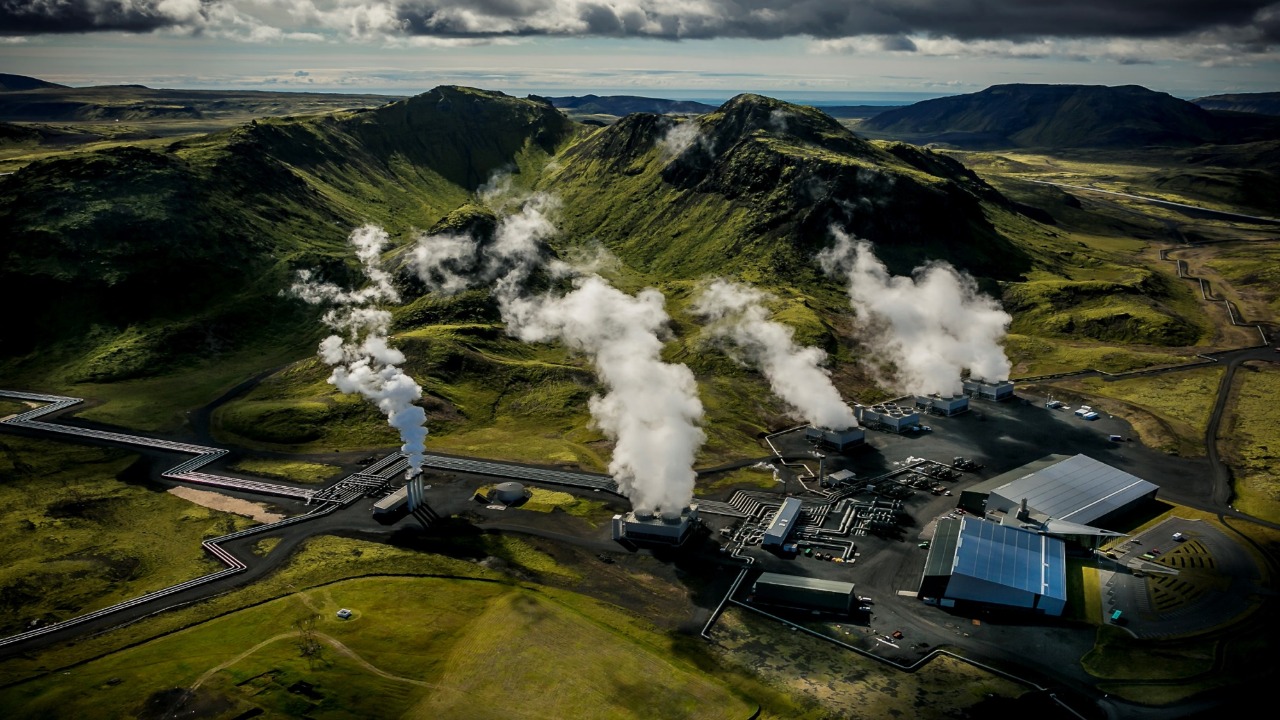
Hellisheidi sits on the flank of the Hengill volcanic system southeast of Reykjavik, with roughly 303 megawatts of electrical capacity and about 133 megawatts of thermal output. Wells reach fluid hot enough to flash into steam at the surface, where conventional steam turbines convert that energy into electricity.
The leftover hot water is piped to the capital as district heating, which is what makes the economics work: one set of wells sells both power and warmth. The site also hosts a carbon mineralisation project that dissolves plant emissions into water and injects them into basalt, where they turn to stone.
2. The Geysers: The Largest Steam Field on Earth
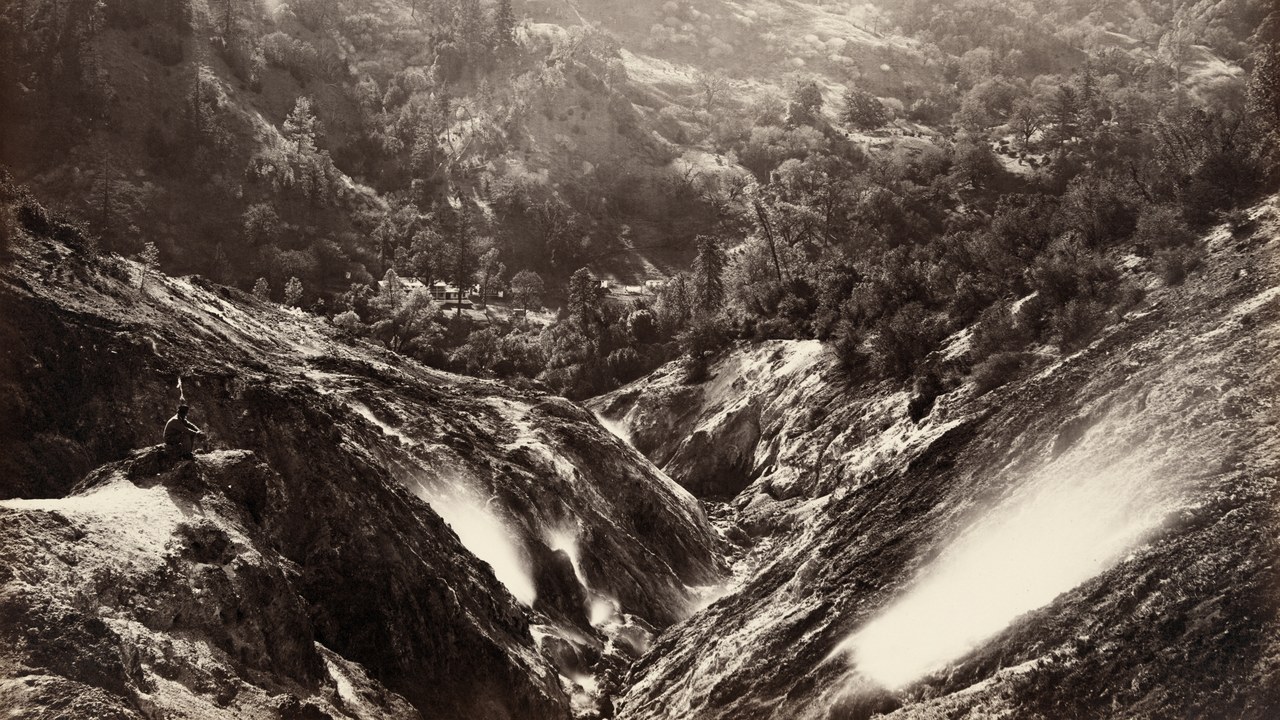
Spread across the Mayacamas Mountains about 70 miles north of San Francisco, the Geysers complex covers some 45 square miles and remains the largest geothermal development in the world. It is a rare dry-steam field, meaning wells produce steam directly rather than pressurised hot water, and roughly a dozen plants share the resource.
Output peaked in the late 1980s and then fell as reservoir pressure declined, a problem operators answered by piping treated municipal wastewater from nearby communities uphill and injecting it back underground. That recharge stabilised production and turned a disposal headache into fuel, an approach now studied wherever steam fields are being drawn down faster than nature refills them.
3. Larderello: Where Geothermal Power Began
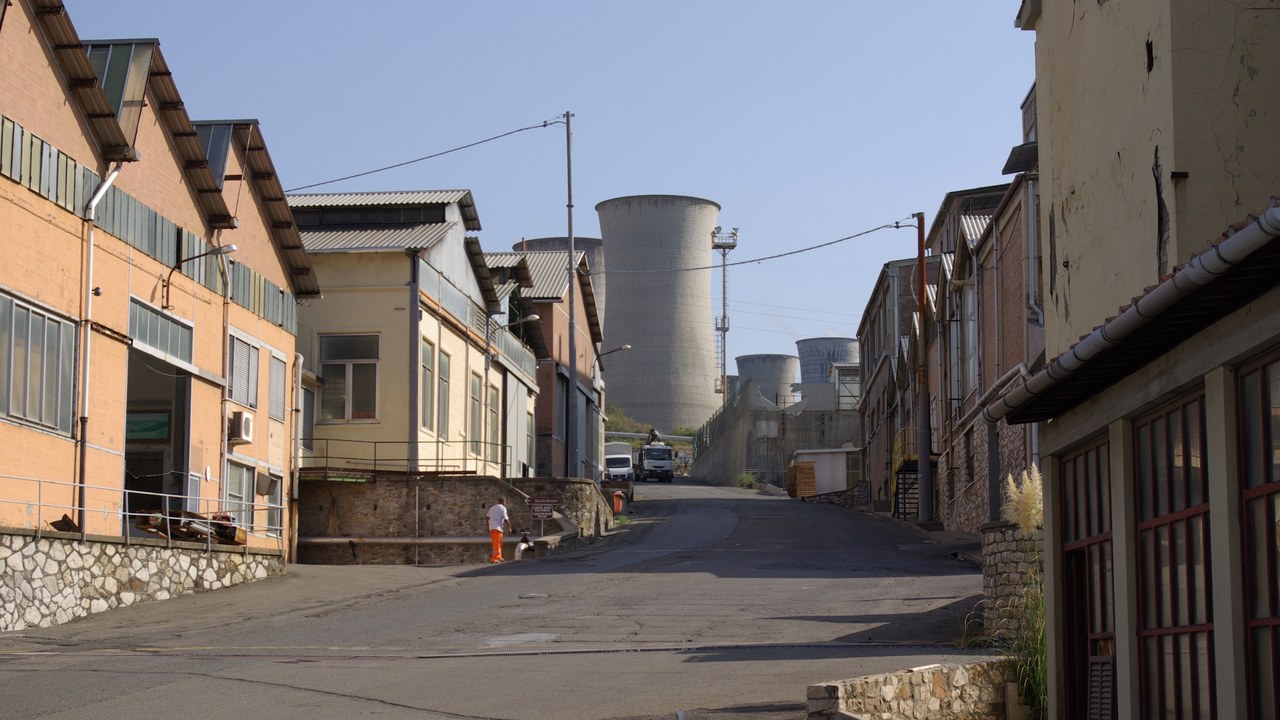
Steam has been tapped in the Tuscan valley around the Larderello steam field since the early nineteenth century, originally for boric acid. In 1904 Prince Piero Ginori Conti used it to run a small generator and light five bulbs, the first geothermal electricity anywhere, and a commercial station followed in 1911.
German forces destroyed the plant during the Second World War and it was rebuilt afterwards. The field now feeds a cluster of stations with several hundred megawatts of capacity, and squat concrete cooling towers punctuate a landscape otherwise made of vineyards and hill towns. More than a century on, the same reservoir is still producing.
4. Nesjavellir Power Station: The Plant That Heats Reykjavik
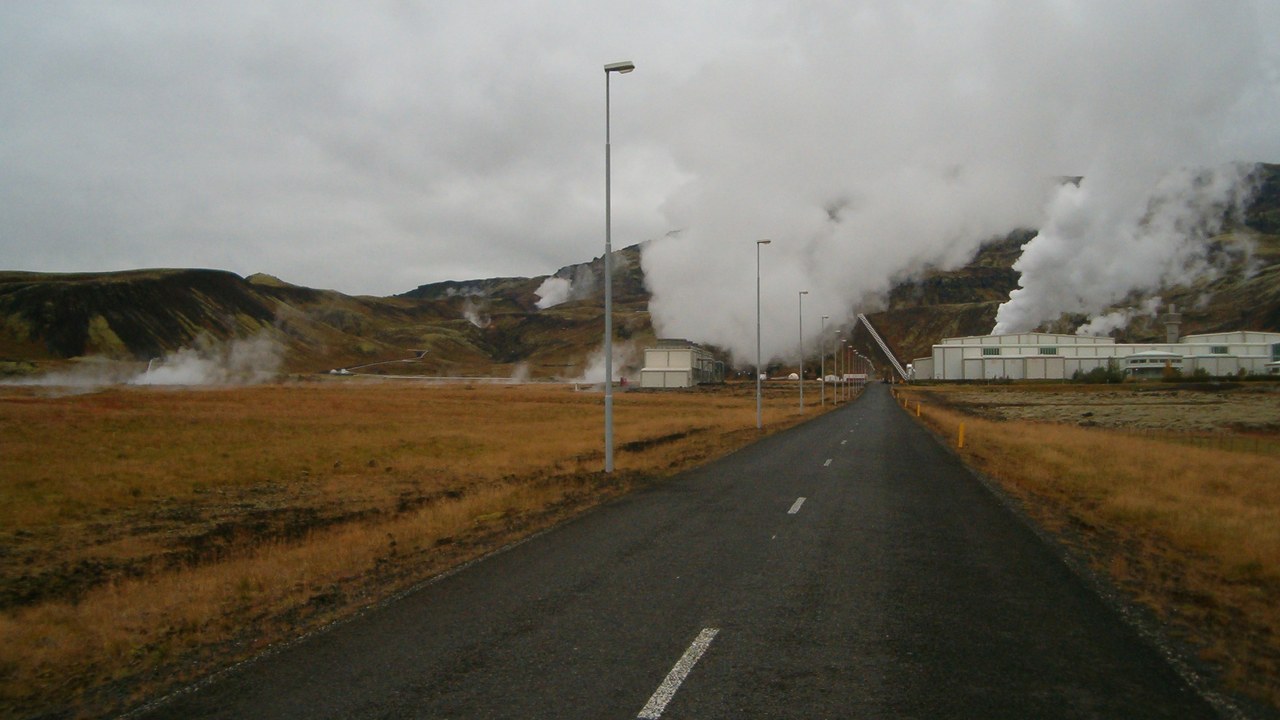
Nesjavellir taps the northern flank of the same Hengill volcanic system that feeds Hellisheidi, close to Thingvellir, and it was built primarily to make hot water rather than electricity. The Nesjavellir plant began delivering heat in 1990 and added turbines only later, and its thermal output for the capital region outweighs its roughly 120 megawatts of generating capacity.
That balance is what distinguishes it here. Water heated by the borefield travels tens of kilometres to Greater Reykjavik through insulated pipes, arriving barely cooler than it left, and heats homes that would otherwise burn imported fuel. The pipeline crossing the lava field toward the city is the plant’s most visible piece of infrastructure.
5. Reykjanes Power Station: Seawater Turned Into Steam
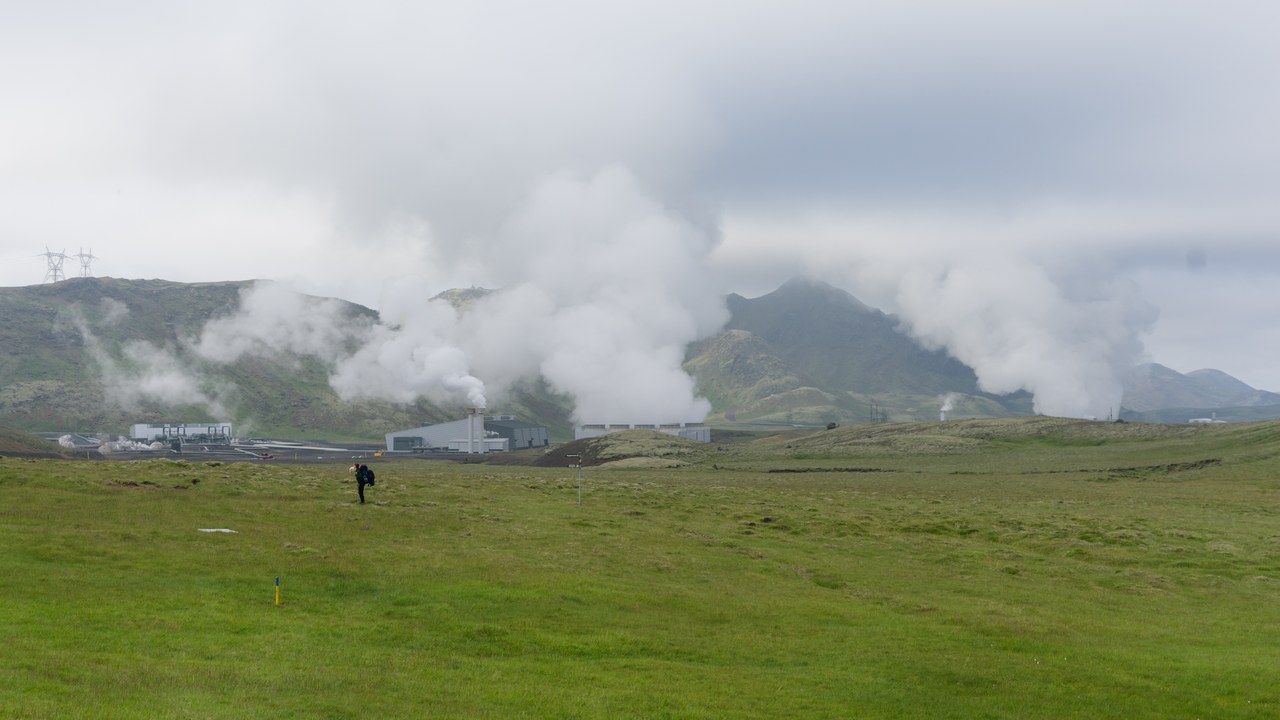
On the peninsula where the Mid-Atlantic Ridge comes ashore, Reykjanes Power Station runs two 50-megawatt turbines on fluid that is essentially superheated seawater seeping into volcanic rock. Well temperatures approach 300 degrees Celsius, and the resulting brine is far more aggressive than the fresh water most geothermal plants handle.
That chemistry is what makes the site scientifically interesting: it behaves like an accessible model of the black-smoker systems found on mid-ocean ridges, and a research well drilled nearby reached supercritical fluid at extreme depth. Commercially it means silica and salt deposits must be managed continuously, a cost baked into every operating decision.
6. Wairakei Power Station: The Plant That Proved Hot Water Works
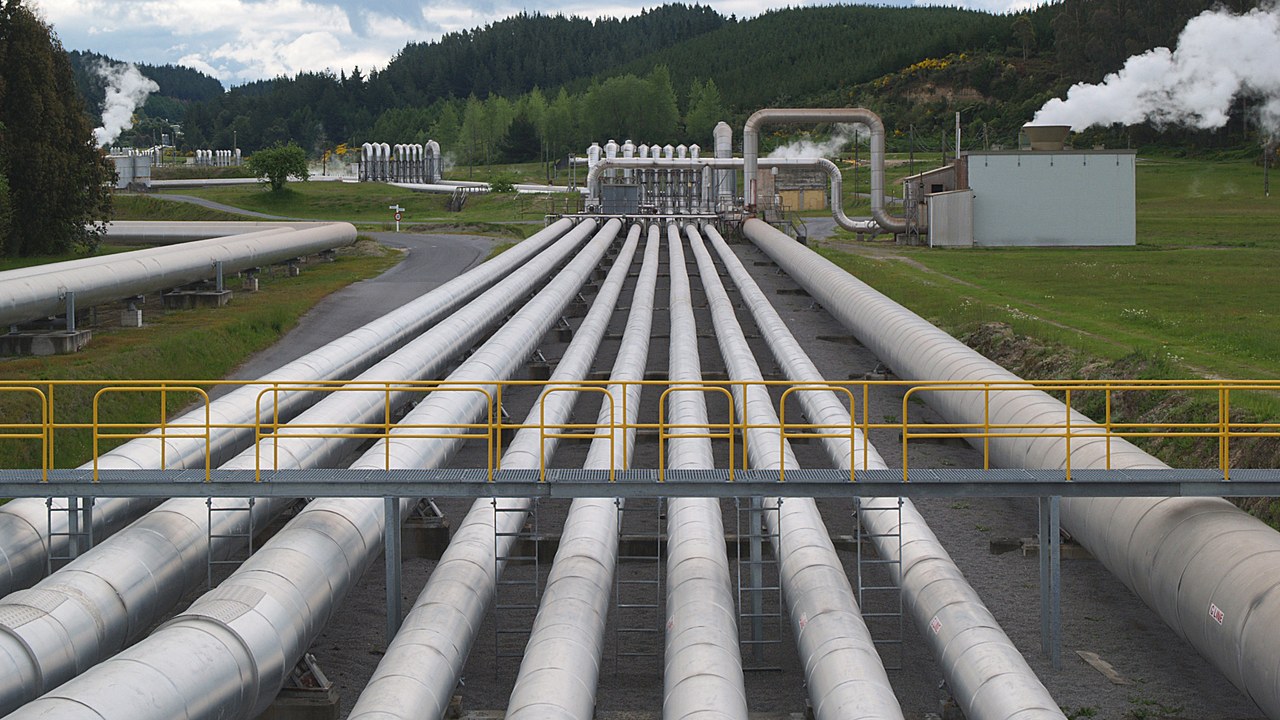
Commissioned in 1958 in New Zealand’s Taupo Volcanic Zone, Wairakei Power Station was the first built to run on a wet field, flashing pressurised hot water into steam rather than tapping dry steam as Larderello and the Geysers do. That single engineering choice opened geothermal power to the many fields holding water rather than vapour.
Decades of extraction have left visible marks, including ground subsidence around the borefield and warm water discharged into the Waikato River. Capacity has been rebuilt and supplemented over the years, and the silver pipelines snaking across the valley have become one of the country’s more recognisable industrial landscapes.
7. Svartsengi Power Station: The Accidental Blue Lagoon
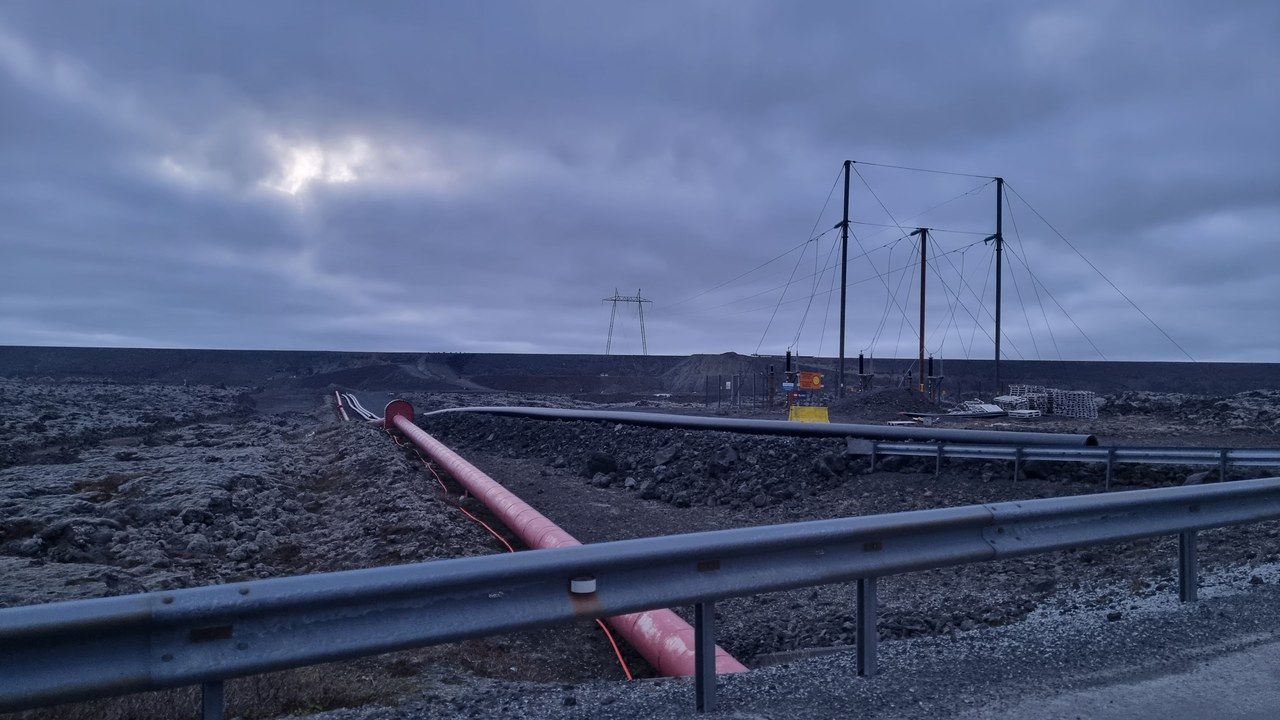
Production at the Svartsengi plant began in the late 1970s, and it was the first station anywhere to generate electricity and heat fresh water for a district heating network at once. Mineral-laden runoff pooled in the surrounding lava field, and the milky blue pond it created became the Blue Lagoon, now one of Iceland’s most visited attractions.
The plant also sits on the Sundhnukur fissure system, so when eruptions resumed on the peninsula, earth barriers were raised around it to steer lava away from the powerhouse and the pipes carrying hot water to nearby towns. Few power stations have had to be defended from geology quite so literally.
8. Krafla Power Station: Drilling Into a Live Caldera
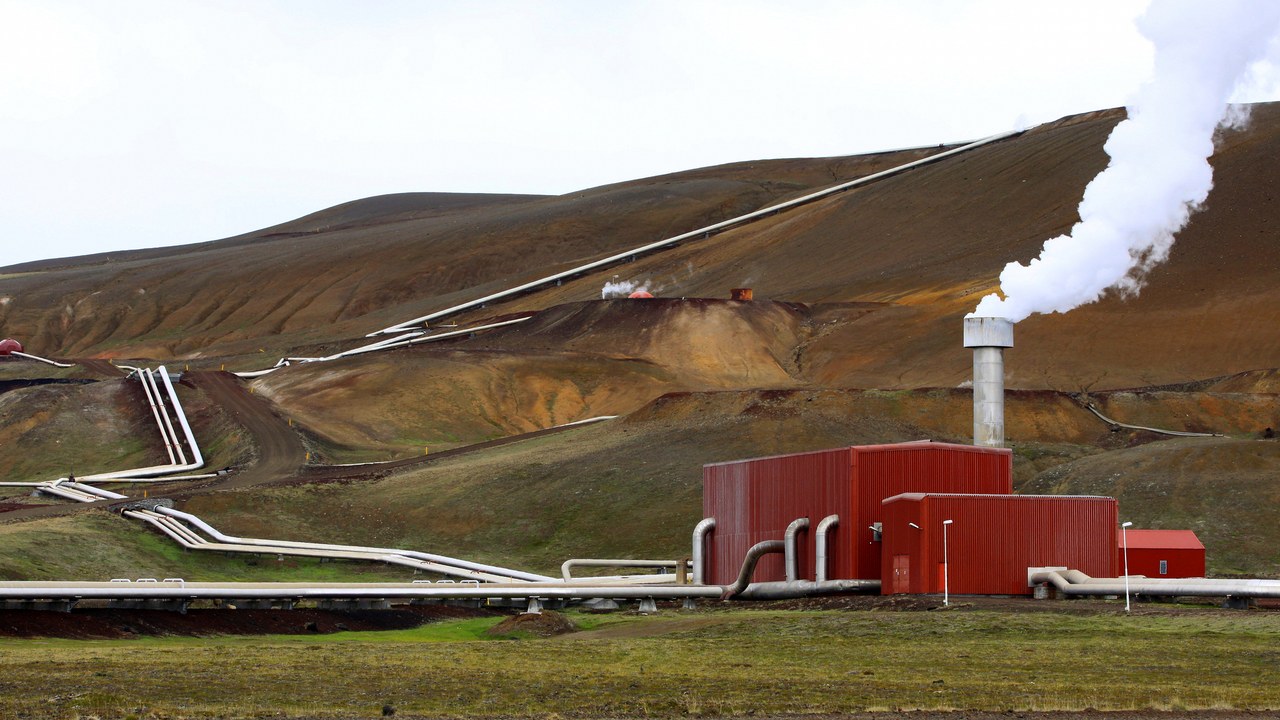
Krafla Power Station was built inside an active caldera in northeast Iceland and started generating in 1977, just as the Krafla Fires sequence of eruptions and rifting episodes began beneath the site. Construction and early operation ran alongside ground inflation, fissures and lava, and output stayed limited for years while the volcanic system settled.
The station now runs at around 60 megawatts. Its most remarkable moment came in 2009, when a well being drilled to roughly two kilometres struck molten rock, an accident that produced the hottest geothermal steam ever tapped and turned the borehole into an unplanned magma laboratory.
More from Morning Overview
- A skeleton beneath Petra’s Treasury was found clutching a chalice that resembles the Holy Grail
- 8 SUVs mechanics are quietly steering buyers away from in 2026
- Researchers pulled 8,080 pounds of invasive python from one Florida county
- A G3 solar storm could push the northern lights into 26 states tonight
