
Hydroelectric dams turn the weight and movement of water into electricity on a scale few other structures can match. The largest projects also reshape rivers, create immense reservoirs, support irrigation or navigation, and impose environmental and human costs far beyond their powerhouses. These eight engineering giants generate electricity across several continents.
1. Three Gorges Dam: The World’s Capacity Leader
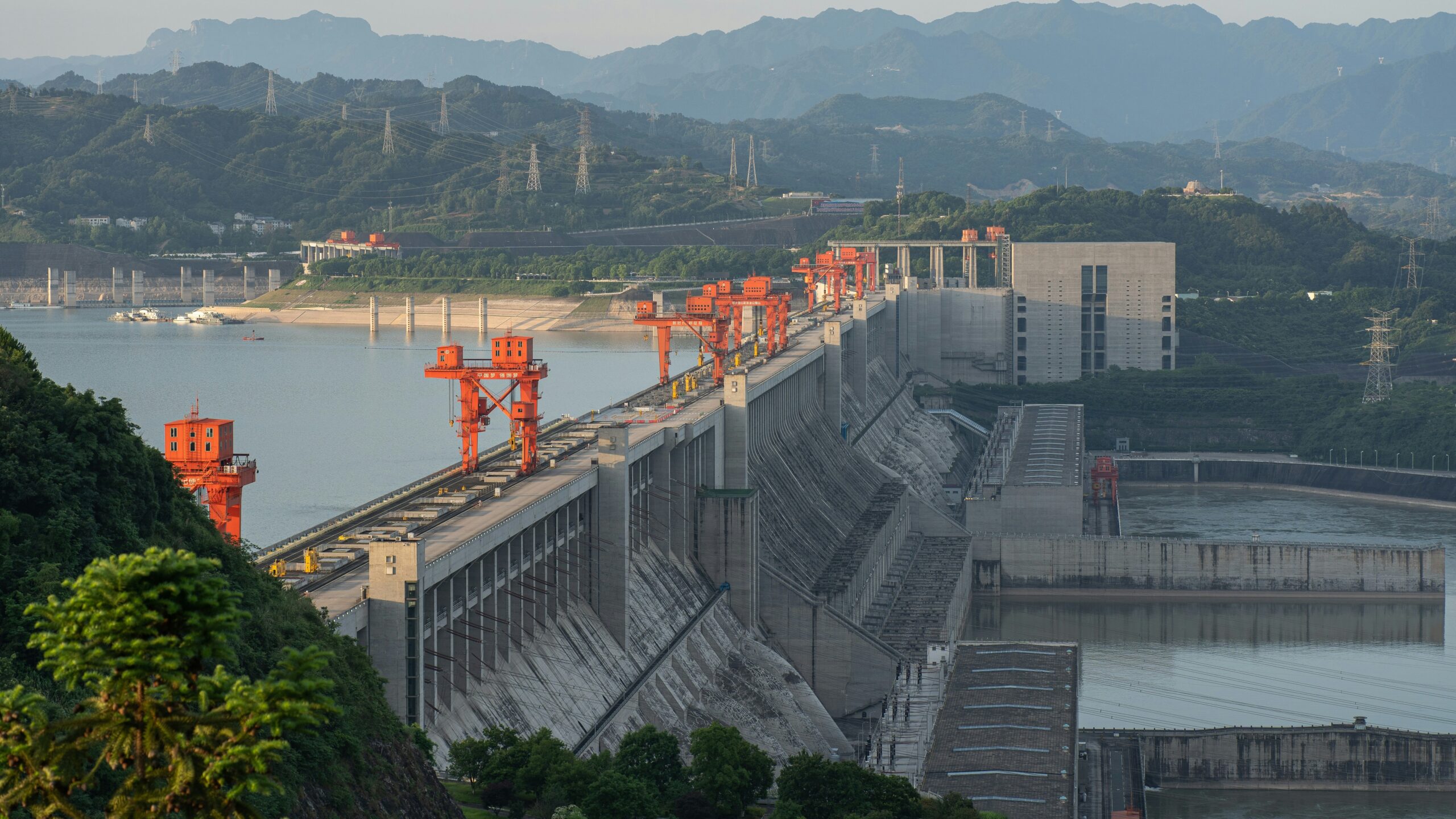
Three Gorges Dam spans China’s Yangtze River with a vast concrete barrier, ship locks, and the world’s largest hydroelectric power station by installed capacity. A Britannica project history describes the enormous construction effort and reservoir behind it. Rows of turbines convert river flow into electricity while the complex also supports navigation and flood-control goals.
The same scale made the project deeply consequential. Reservoir filling displaced communities, submerged cultural sites, altered habitats, and changed sediment movement through the river system. Supporters point to power production and improved shipping; critics emphasize environmental risk and social cost. Three Gorges demonstrates why a giant dam cannot be judged only by the electricity leaving its generators.
2. Itaipu Dam: A Binational Powerhouse on the Paraná
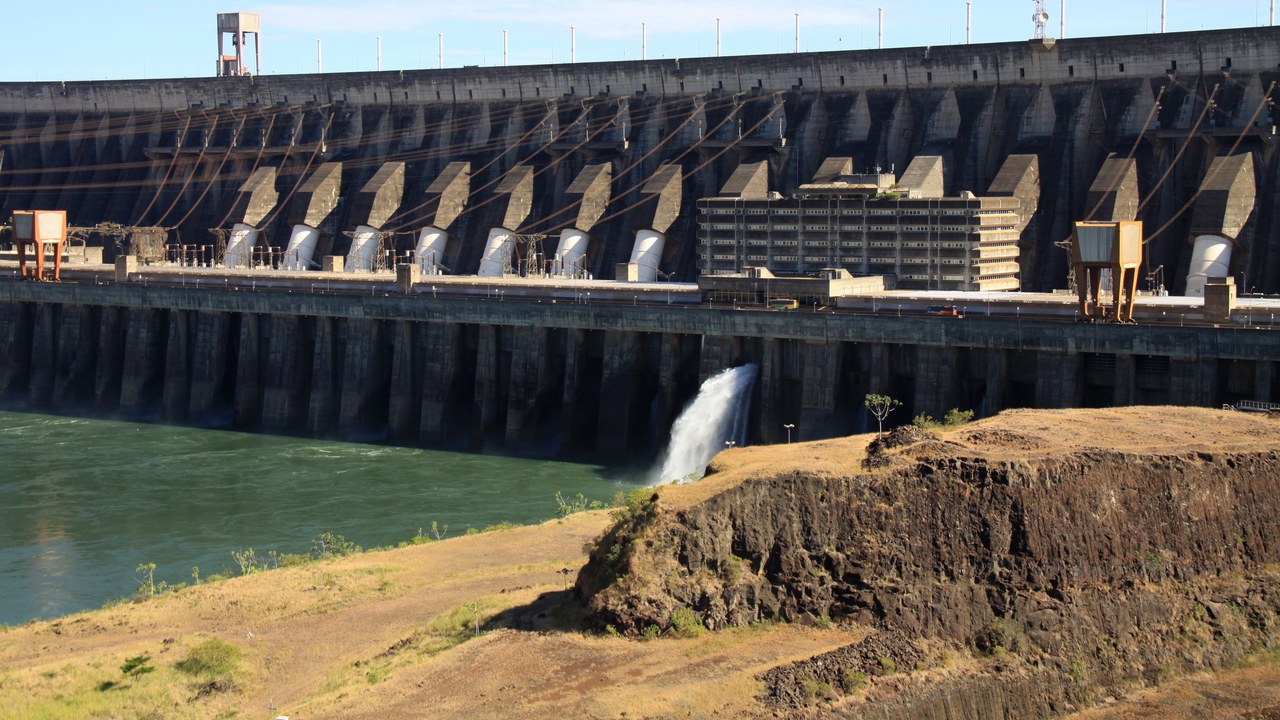
Itaipu Dam stands on the Paraná River as a joint project of Brazil and Paraguay, linking two national power systems through one immense generating complex. The Itaipu project overview explains the binational development and its place among the world’s largest hydroelectric facilities. Its long powerhouse and multiple generating units turn a major river into dependable regional electricity.
Cooperation is as important as concrete at Itaipu because output, finance, and operations cross an international border. Paraguay receives a large share of its electricity from the plant, while Brazil absorbs substantial production into a much larger grid. The reservoir and construction transformed the river landscape, showing how a shared energy asset can also create lasting questions about sovereignty, payment, and ecological change.
3. Kariba Dam: An Arch Holding Back an Inland Sea
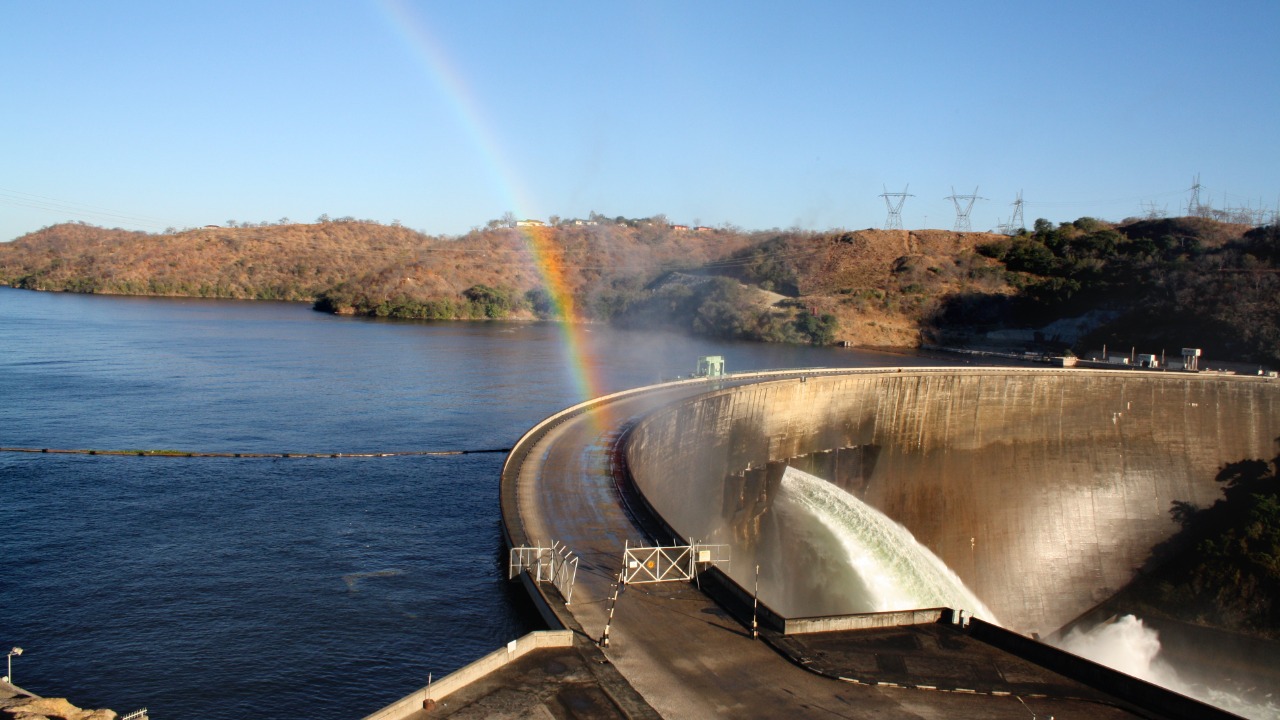
Kariba Dam curves across the Zambezi River between Zambia and Zimbabwe, creating one of the world’s largest reservoirs by volume. The dam’s history covers the concrete arch structure, power stations serving both countries, and the immense Lake Kariba behind it. Water released through turbines supplies electricity to grids that depend heavily on the river’s flow.
Building the reservoir relocated communities and triggered a famous wildlife-rescue effort as rising water isolated animals on new islands. Decades later, aging infrastructure, drought, and changing inflows remain central concerns. Kariba’s value is enormous, but so is the consequence of maintenance or hydrological trouble. The project illustrates how a single dam can become both an energy foundation and a regional vulnerability.
4. Wudongde Dam: A High Arch in a Narrow Canyon
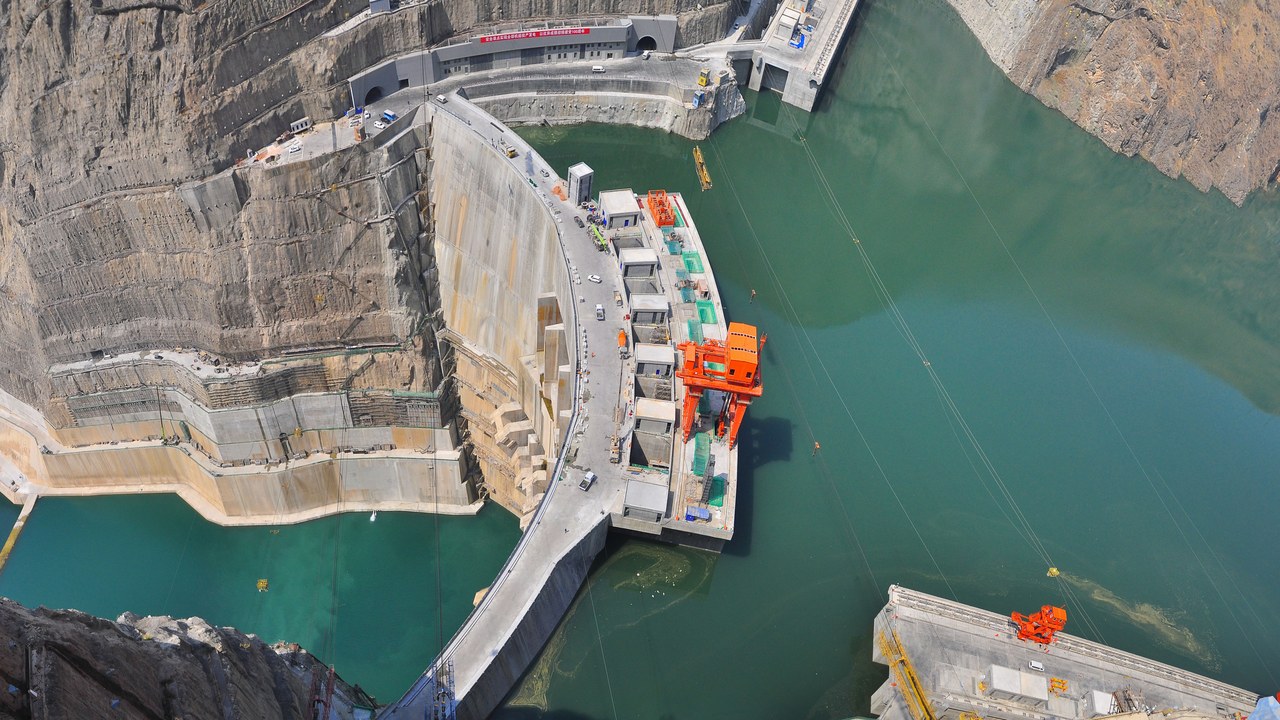
Wudongde Dam is a towering double-curvature arch built across the Jinsha River in southwestern China. The project record describes a major hydroelectric station whose generators send large amounts of power toward distant demand centers. The narrow canyon allows the curved concrete structure to transfer water pressure into the rock walls on both sides.
Wudongde belongs to a broader chain of huge dams developed along the upper Yangtze system. Together, those projects supply low-carbon electricity and help manage seasonal river flows, but they also fragment habitats and alter sediment, fisheries, and communities. Its clean geometric form hides a complicated regional system in which one dam’s operations influence reservoirs and river conditions far downstream.
5. Guri Dam: Venezuela’s Electrical Backbone
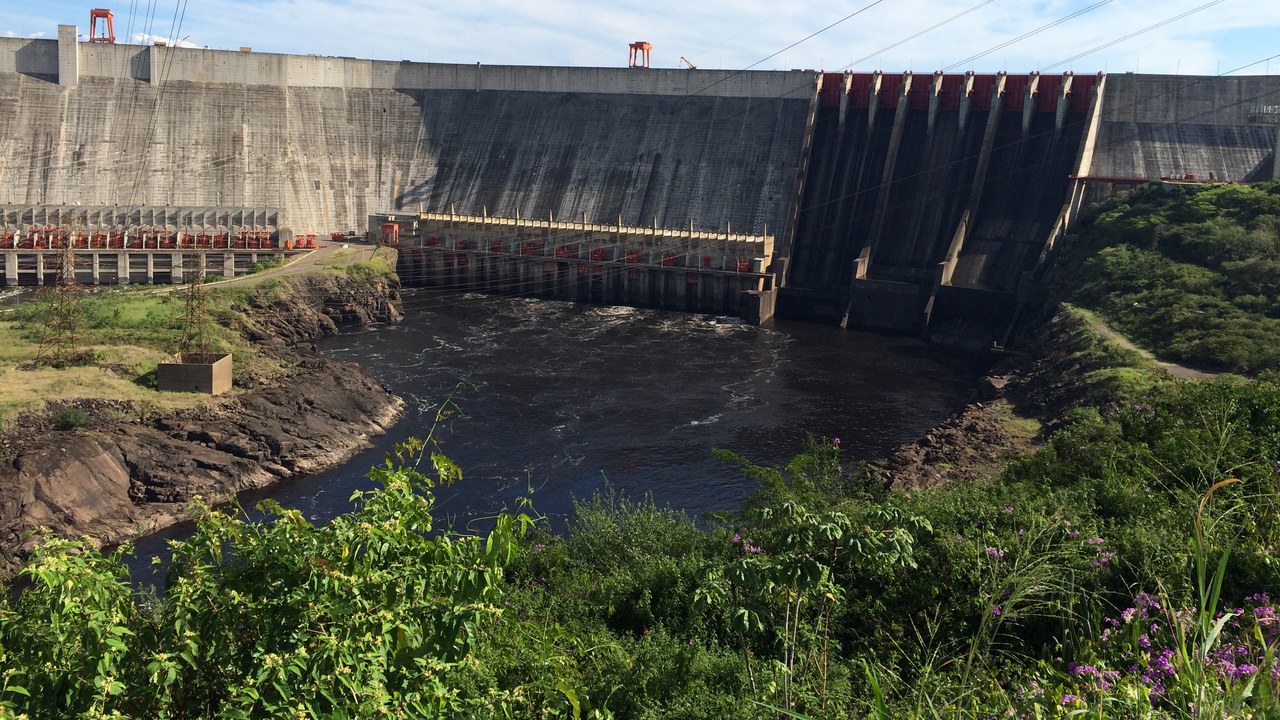
Guri Dam harnesses Venezuela’s Caroní River and has long supplied a major share of the country’s electricity. A Britannica dam profile outlines the vast embankment, reservoir, and hydroelectric complex developed in stages. Its turbines helped support urban demand and energy-intensive industry by drawing on the powerful river system of southeastern Venezuela.
Heavy dependence makes Guri strategically important and exposes the grid when drought, maintenance failures, or transmission problems reduce output. Hydropower avoids the direct fuel use of thermal plants, but it is not immune to weather or infrastructure stress. The dam’s national role shows how a very large renewable resource can become a single point of vulnerability when alternatives and grid resilience are limited.
6. Grand Coulee Dam: America’s Largest Hydroelectric Producer
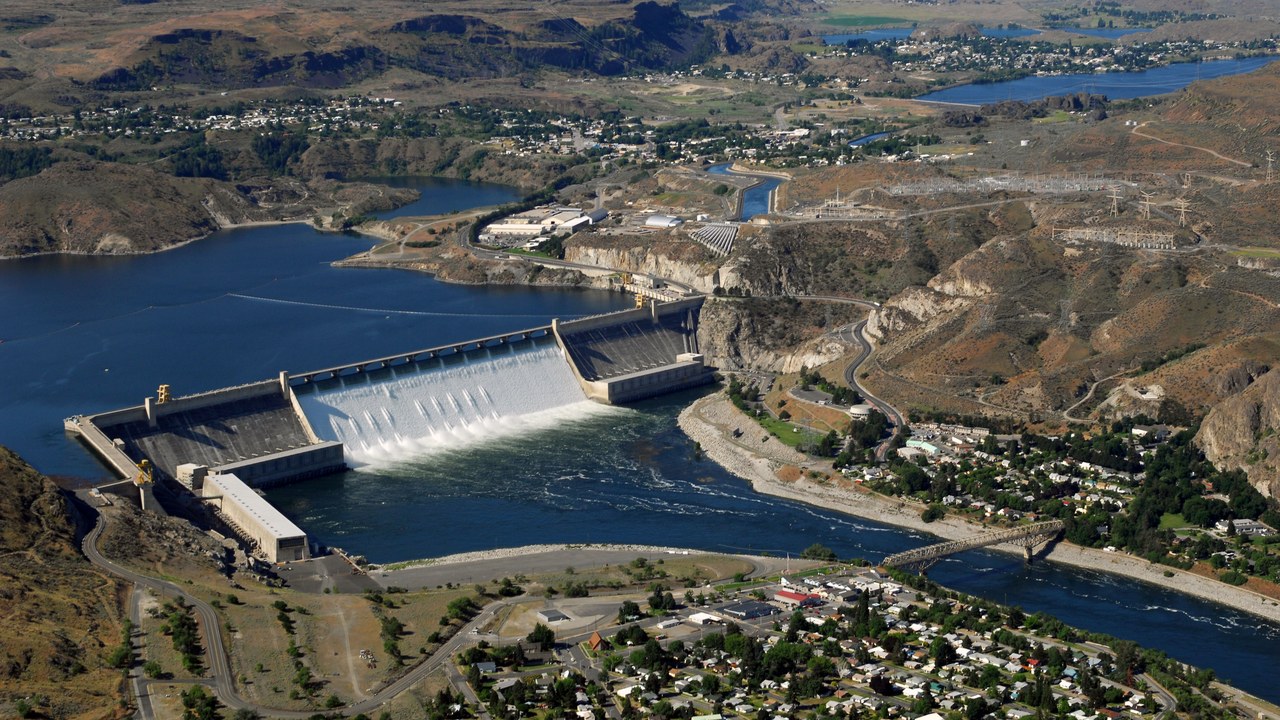
Grand Coulee Dam blocks the Columbia River in Washington with a broad concrete structure carrying several powerhouses. A Britannica site history describes the federal project and its enormous role in electricity generation and irrigation. Power from the dam supported wartime industry, regional growth, and the pumping system that moves water into the Columbia Basin Project.
The benefits came with severe consequences for Indigenous communities and migrating salmon. Unlike dams equipped with fish passage, Grand Coulee cut access to extensive upstream habitat and inundated important places. Its generating scale and agricultural reach remain central to the Pacific Northwest, but so do efforts to address ecological loss and tribal harm. The structure embodies both public-works ambition and its lasting tradeoffs.
7. Sayano-Shushenskaya Dam: A Siberian Giant on the Yenisei
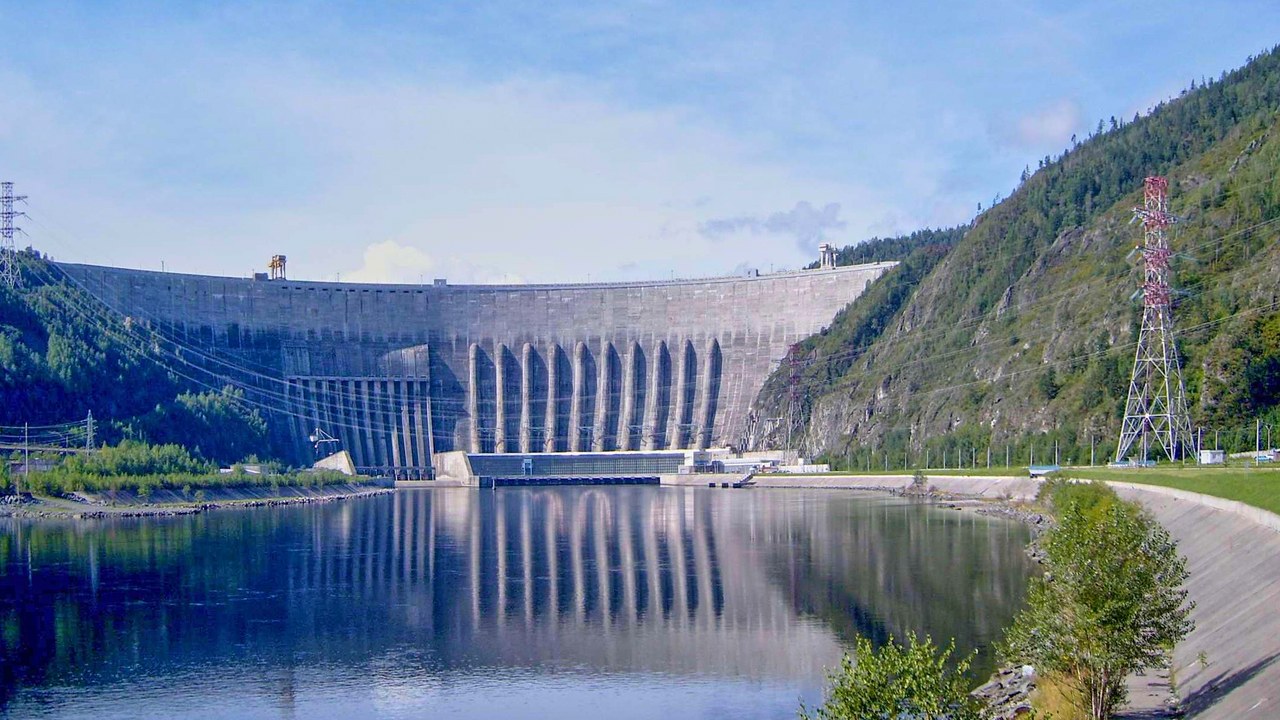
Sayano-Shushenskaya Dam rises across the Yenisei River in Siberia as one of Russia’s largest hydroelectric installations. The station history describes the immense arch-gravity structure, reservoir, and turbine hall that supplies power to the regional grid and energy-intensive industry. Its curved wall combines the weight of concrete with pressure transferred toward the canyon sides.
The plant’s history also includes a catastrophic turbine-hall accident that demonstrated the risks concentrated inside a huge generating station. Reconstruction restored operations, but the event made maintenance, vibration, and operating discipline impossible to treat as routine details. Sayano-Shushenskaya remains an extraordinary power asset in a remote landscape, where engineering reliability carries consequences for workers, communities, and major industrial customers.
8. Hoover Dam: The Landmark That Rewired the Southwest
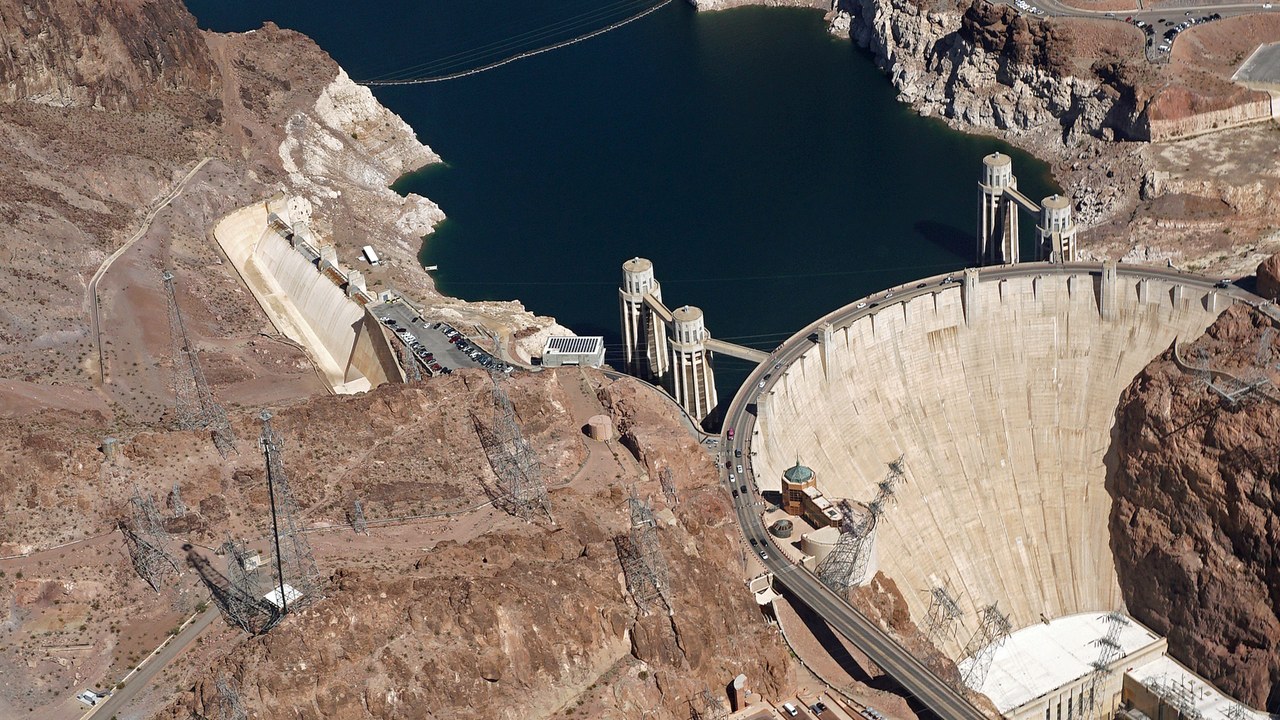
Hoover Dam arches through Black Canyon on the Colorado River, creating Lake Mead and a power station that helped transform the American Southwest. A Britannica project history explains the Depression-era construction and the dam’s roles in electricity, water management, and flood control. Its scale, Art Deco details, and canyon setting turned infrastructure into a lasting public monument.
The reservoir supplies water storage for a region that has grown far beyond the world in which the dam was designed. Prolonged drought and heavy demand have lowered Lake Mead, reducing the water head available for generation and exposing the system’s limits. Hoover still produces power, but its future performance is tied to river allocation, conservation, and a warming climate across the basin.
More from Morning Overview
