
Some of the boldest civil engineering on the planet is invisible from the surface. Crews have driven rail and road tunnels through Alpine massifs, under busy shipping straits and beneath entire cities, fighting heat, water and unstable rock for decades at a time. Here are eight tunnels that show how far that work has gone.
1. Gotthard Base Tunnel: The Deepest Rail Crossing In The Alps
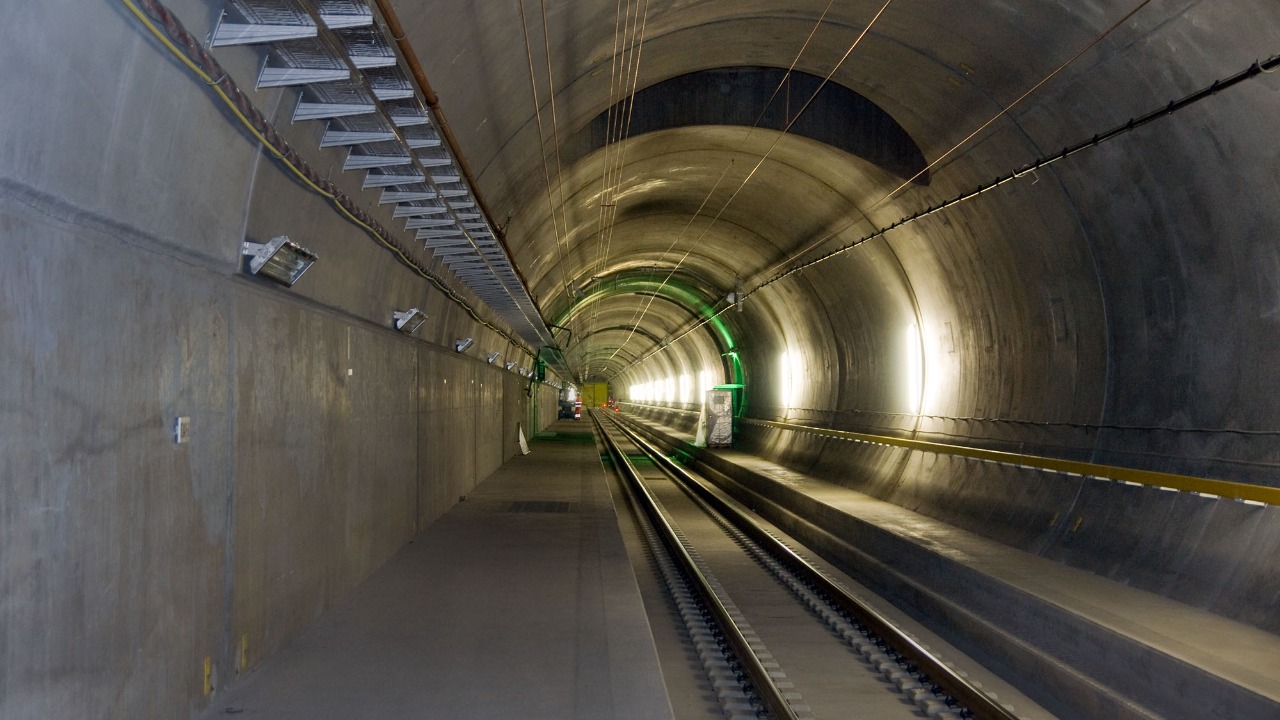
The Gotthard Base Tunnel runs roughly 57 kilometers beneath the Swiss Alps, the longest and deepest rail tunnel ever completed. Crews advanced under as much as 2,300 meters of rock, where the working face reached temperatures that required industrial-scale cooling before anyone could stand there. Seventeen years of excavation ended when the Swiss base tunnel opened to traffic in 2016.
Depth bought a flat alignment. Instead of climbing the old summit route’s switchbacks, trains hold a gentle grade and run at up to 250 kilometers per hour, cutting journey times between Zurich and Milan by roughly an hour and letting far heavier freight cross the Alps without helper locomotives.
2. Channel Tunnel: The Longest Undersea Stretch On Earth
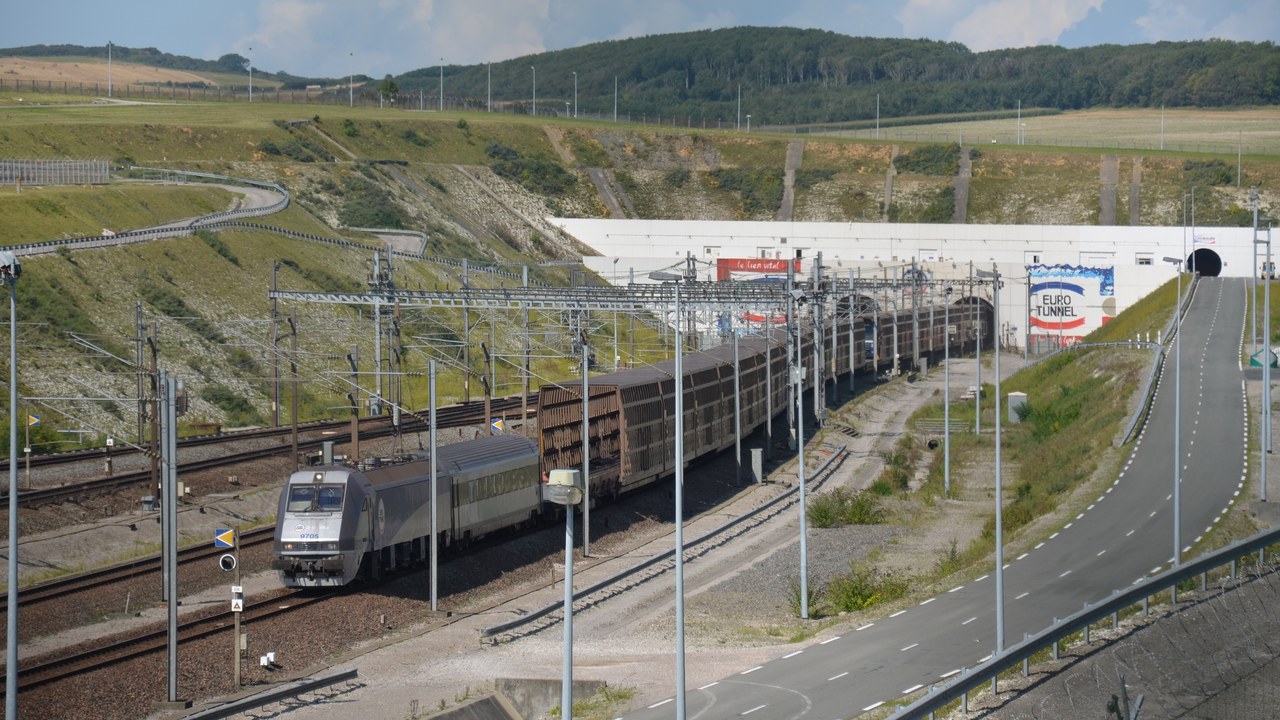
The Channel Tunnel carries trains 50.5 kilometers between Folkestone and Coquelles, of which 37.9 kilometers sit beneath the seabed, still the longest undersea section of any tunnel. Engineers bored three parallel tubes: two running tunnels flanking a smaller service bore that doubles as an escape route and ventilation spine. Boring machines from both coasts met under the water in 1990, and the cross-Channel rail link opened four years later.
Geology made the crossing possible. A layer of chalk marl, soft enough to cut yet nearly watertight, let machines advance without the flooding that defeated Victorian attempts. Emergency planning still revolves around the middle bore, since every evacuation and fire response depends on reaching passengers from that central tube.
3. Seikan Tunnel: Japan’s Long Descent Under The Strait
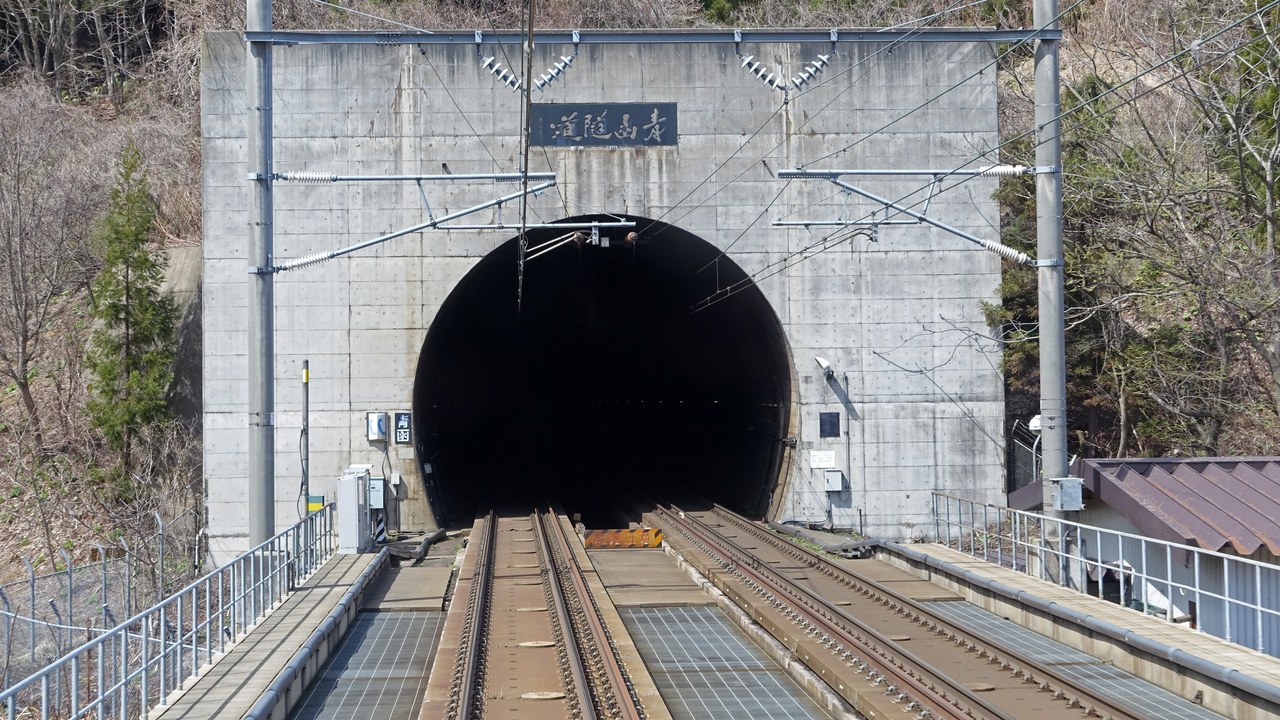
Seikan links Honshu and Hokkaido beneath the Tsugaru Strait, running 53.85 kilometers with about 23 kilometers under the seabed and a low point roughly 240 meters below sea level. Surveys found fractured volcanic rock, and the pilot bores flooded repeatedly during two decades of work. the undersea rail crossing opened in 1988, and 34 workers died building it.
For nearly three decades it carried only conventional narrow-gauge trains. Dual-gauge track brought Hokkaido Shinkansen services through in 2016, though bullet trains still slow inside the bore because freight shares the same tubes and the pressure wave from a passing train would be unsafe at full speed.
4. Laerdal Tunnel: Twenty-Four Kilometers Of Norwegian Rock
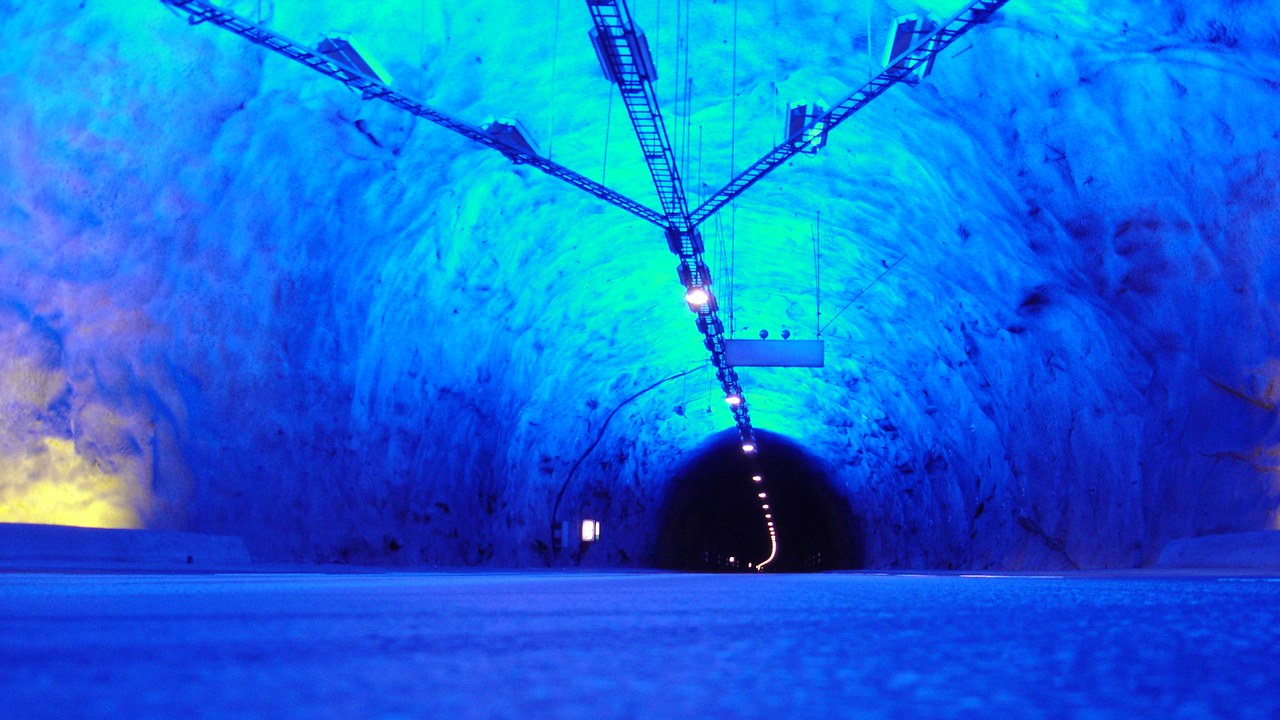
Stretching 24.5 kilometers between Laerdal and Aurland, this bore has held the record for the world’s longest road tunnel since it opened in 2000. Planners assumed drivers would struggle with twenty unbroken minutes underground, so the Norwegian road tunnel was built with three vast caverns spaced along the route, lit blue and yellow to imitate a sunrise.
The route completed a ferry-free connection between Oslo and Bergen, taking traffic off a mountain pass that closes in winter storms. An air-treatment plant scrubs dust and nitrogen dioxide from the bore, a system that exists because a tube of that length cannot clear itself through traffic movement alone.
5. Eisenhower Tunnel: The Highest Point On The Interstate
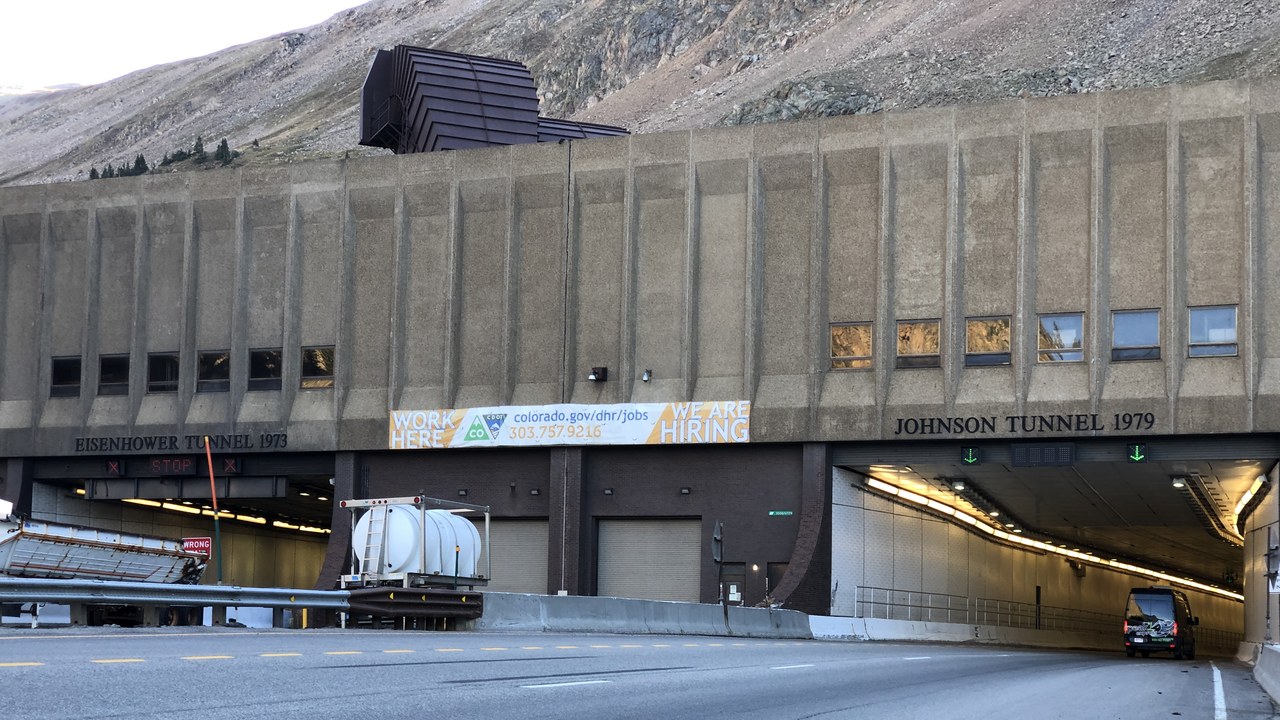
Interstate 70 passes under the Continental Divide at about 3,401 meters here, the highest point on the American interstate system. The westbound bore opened in 1973 after crews hit unstable fault rock that crushed timber supports and forced a redesign, and the Colorado mountain crossing gained its eastbound twin, the Johnson bore, in 1979.
At 1.7 miles it is short by world standards, but altitude governs its operation. Thin air robs engines of power, ventilation fans must move enormous volumes to clear exhaust, and hazardous loads are barred entirely. Closures during winter storms can strand mountain traffic for hours with no practical detour.
6. Lotschberg Base Tunnel: The Alpine Tunnel Built Half Finished
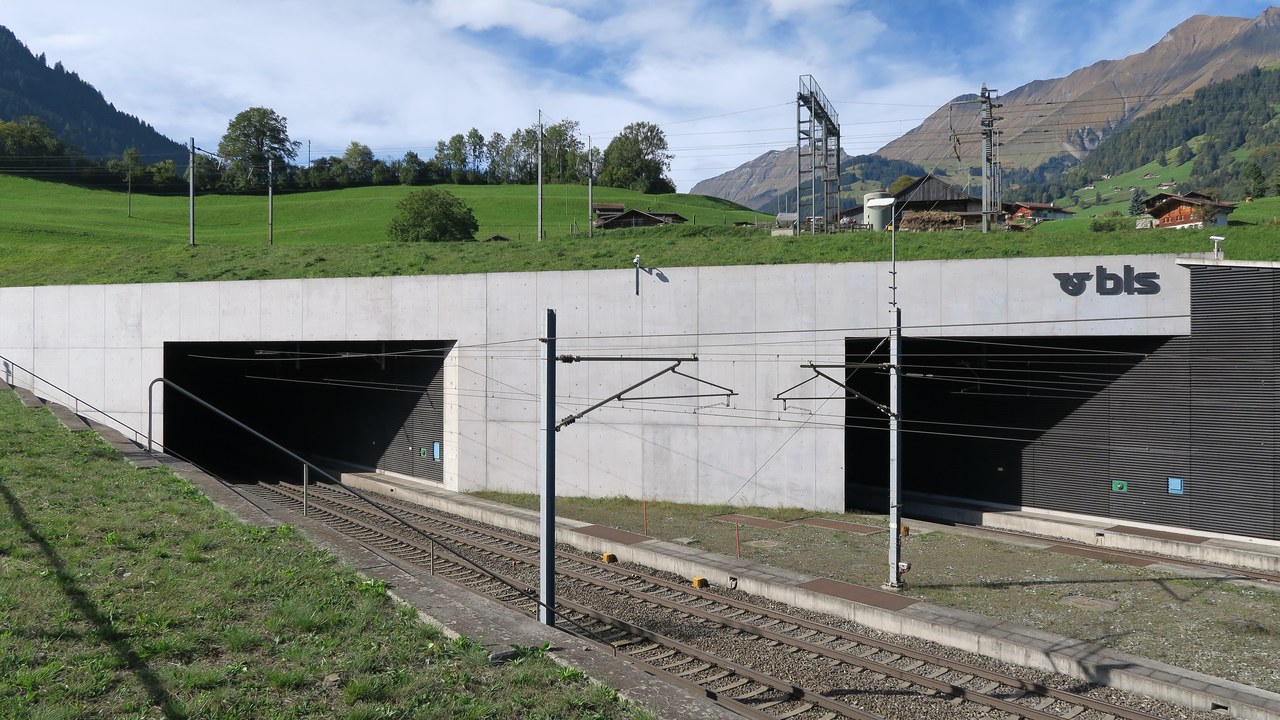
Running 34.6 kilometers under the Bernese Alps between Frutigen and Raron, this was the first of Switzerland’s flat Alpine rail crossings when it opened in 2007. Only part of the Alpine base tunnel was fitted out: one tube carries traffic along its full length while the second was left partly bored and partly unexcavated when funding ran short.
That compromise caps capacity, because trains must take turns through single-track sections rather than passing freely in both directions. Switzerland has since funded work to complete more of the second tube, an expensive retrofit that shows what building a base tunnel halfway eventually costs.
7. Marmaray: A Rail Line Sunk Under The Bosphorus
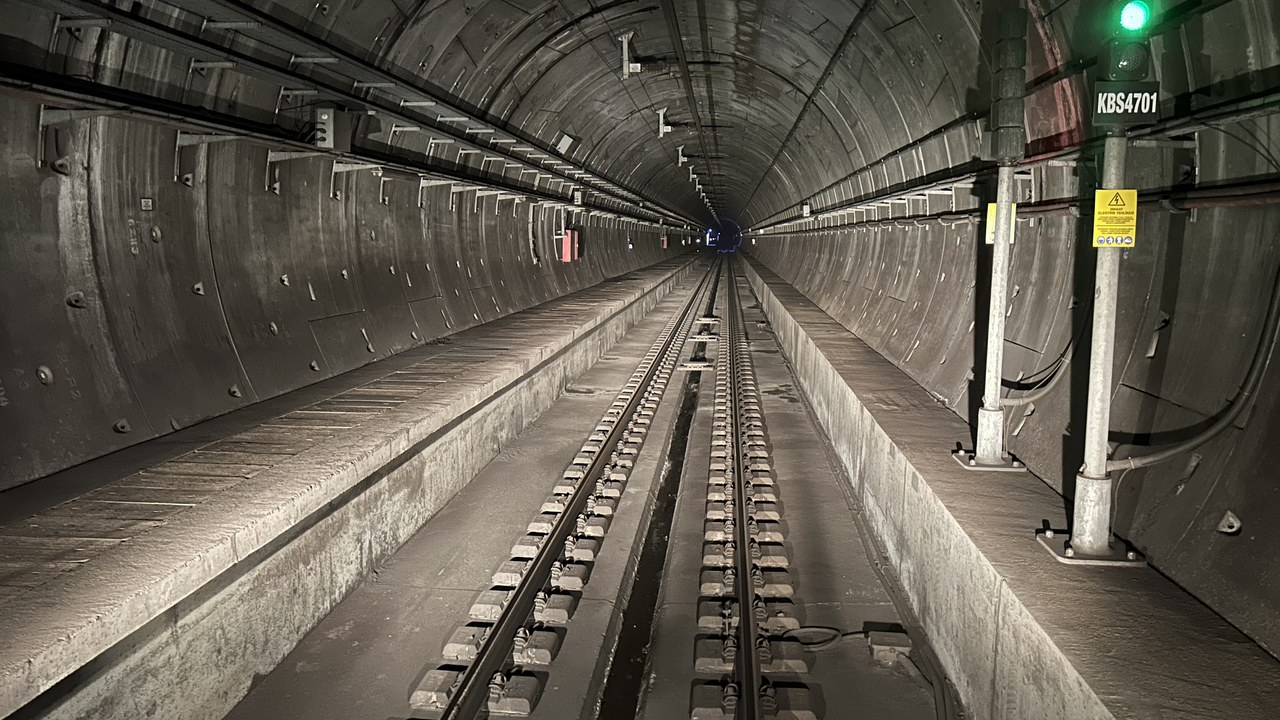
Marmaray carries commuter and intercity trains between the European and Asian sides of Istanbul. Rather than boring the strait, engineers sank prefabricated concrete sections into a dredged trench, placing the deepest at roughly 60 meters below the surface. the Bosphorus rail tunnel opened in 2013, close to a decade behind its original schedule.
Archaeology caused much of that delay. Excavation at Yenikapi uncovered the Theodosian harbour and dozens of Byzantine shipwrecks, halting construction while the site was recorded. The finished line now absorbs crossings that two road bridges and a fleet of ferries had carried alone for decades.
8. Mont Blanc Tunnel: The Alpine Road Link Rebuilt After Fire
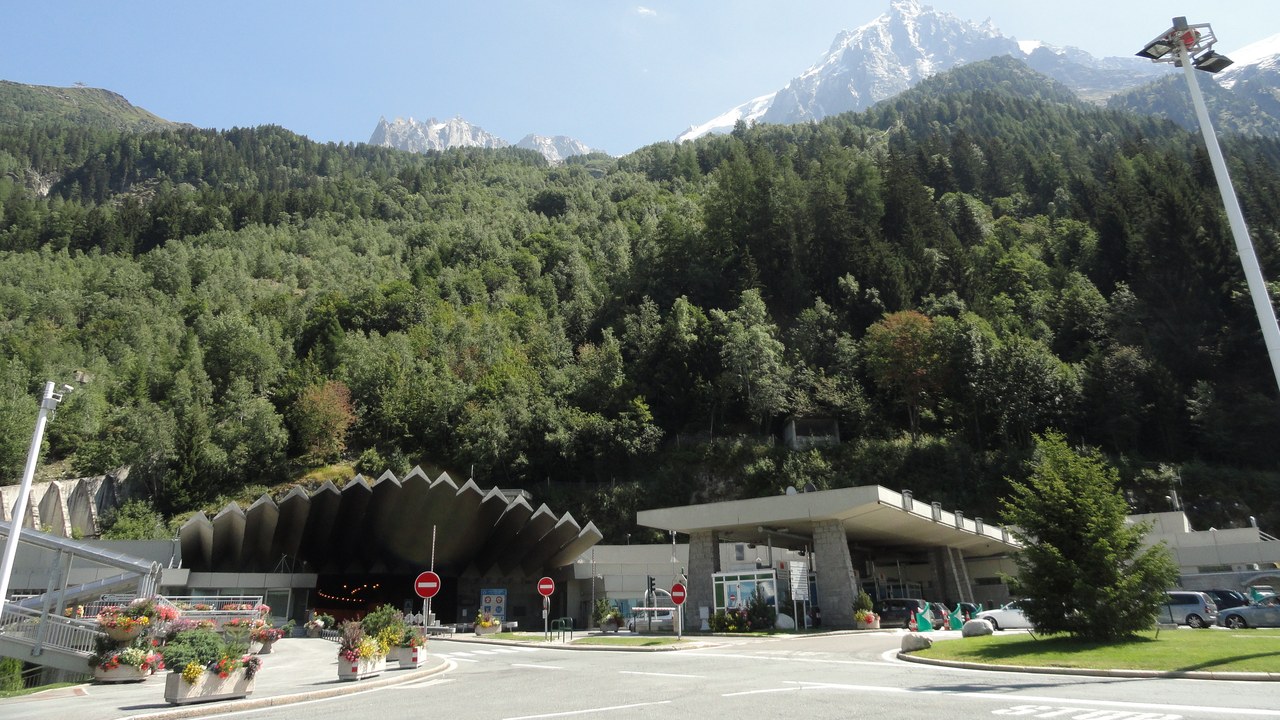
Bored through the Mont Blanc massif between Chamonix in France and Courmayeur in Italy, this road tunnel opened in 1965 after years of drilling from both sides. At roughly 11.6 kilometers it gave heavy freight a year-round Alpine crossing that had previously meant a long detour, and the cross-border road link quickly became one of the busiest routes through the range.
That traffic turned catastrophic in 1999, when a truck caught fire deep inside the single bore and dozens of people died in the smoke. The tunnel stayed shut for around three years while operators added refuge shelters, a permanent fire crew and far stricter controls on spacing and speed.
More from Morning Overview
- Scientists spotted a rare tusked whale alive at sea for the first time, then fired a crossbow at it.
- A Colorado wildfire forced level-three ‘leave now’ orders across Ouray County
- A skeleton beneath Petra’s Treasury was found clutching a chalice that resembles the Holy Grail
- 8 SUVs mechanics are quietly steering buyers away from in 2026
