
Glaciers move on timescales that once made them seem safely slow, retreating over centuries rather than decades. Satellite records and repeat photography have upended that assumption, showing ice fronts pulling back kilometers within a single career and thinning fast enough to reshape sea-level forecasts. Here are eight glaciers vanishing faster than scientists predicted.
1. Thwaites Glacier: The Plug Holding West Antarctica
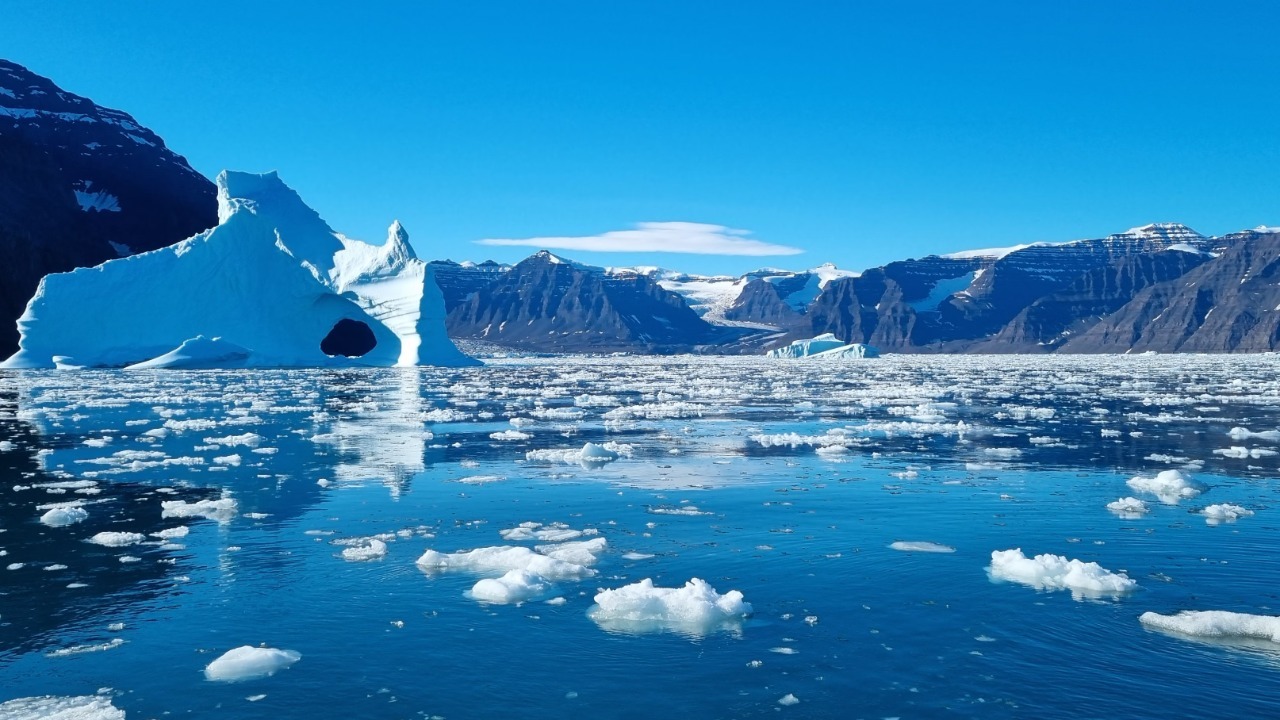
Thwaites is a West Antarctic ice stream roughly the size of Florida, and it drains straight into the Amundsen Sea. Its bed slopes downward inland, letting warm ocean water push beneath the grounding line and melt the glacier from underneath. NASA’s satellite record of Antarctic ice loss puts the continent’s net decline near 136 billion metric tons a year.
The nickname stuck because Thwaites acts as a plug. Behind it sits a marine basin holding several meters of potential sea-level rise, and the glacier’s own ice would add more than half a meter on its own. Its grounding-line position, not its yearly melt total, is the figure researchers watch.
2. Columbia Glacier: Thirteen Miles in Four Decades
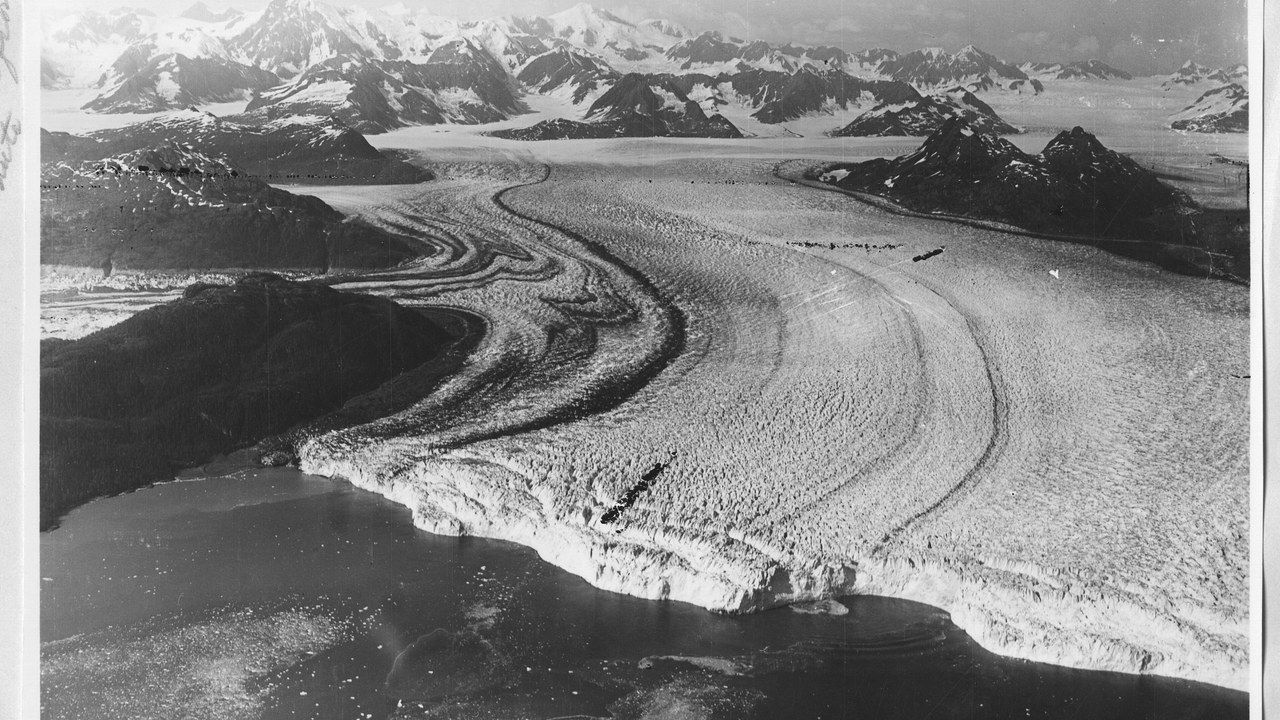
Columbia Glacier flows out of Alaska’s Chugach Mountains into Prince William Sound, and it held a stable terminus until the early 1980s. Once retreat began it did not stop: the tidewater glacier’s terminus has pulled back more than 20 kilometers, roughly 13 miles, and the ice has thinned by hundreds of meters along the way.
Tidewater glaciers retreat by their own internal rules once the terminus leaves its protective moraine shoal, calving into deep water faster than snowfall can replace the loss. That makes Columbia a warning about momentum: the collapse ran for four decades regardless of any single warm season, and forecasts of where it would stabilize kept being revised.
3. Jakobshavn Glacier: Greenland’s Fastest Ice
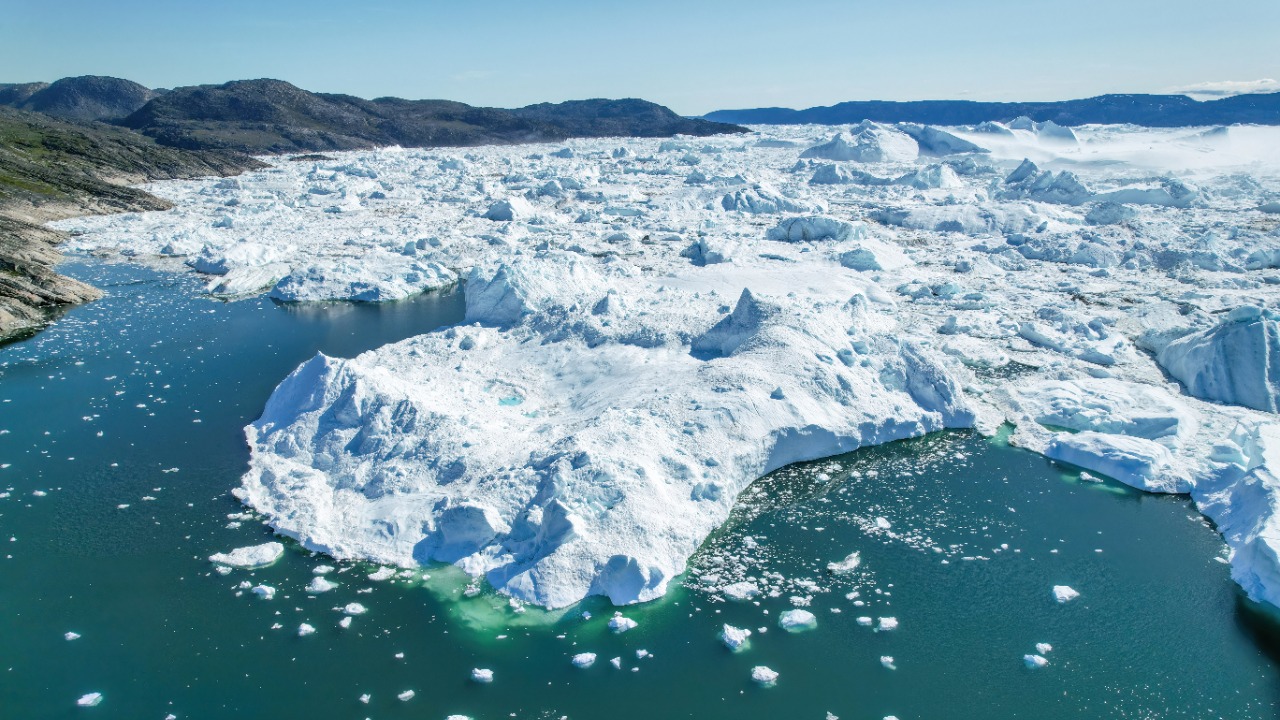
Jakobshavn Isbrae drains roughly seven percent of the Greenland Ice Sheet through a single fjord on the west coast. Speeds recorded at the calving front reached about 17 kilometers a year in the summer of 2012, among the fastest ice flow ever measured, and its floating tongue disintegrated entirely in the early 2000s.
The glacier also supplied one of the field’s few genuine surprises in the other direction. Cooler water arriving in Disko Bay after 2016 slowed and briefly rethickened it, a reprieve researchers attributed to a passing ocean cycle rather than recovery. Thinning resumed as the water warmed again, which is why short records mislead.
4. Pine Island Glacier: The Iceberg Factory
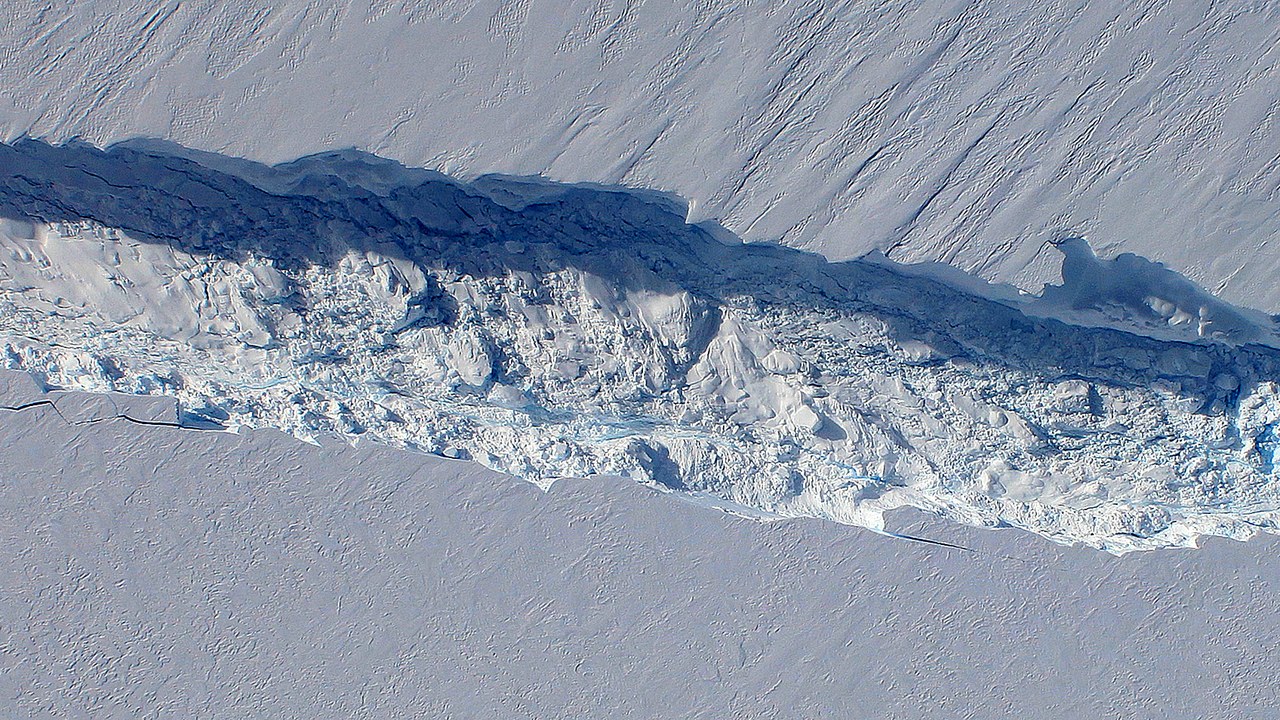
Pine Island sits beside Thwaites on the Amundsen Sea coast and drains about a tenth of the West Antarctic Ice Sheet. Its ice shelf has shed a run of vast icebergs, including B-46 in 2018, and each calving event has left the remaining shelf shorter and weaker than the last.
Calving intervals have shortened from several years to roughly annual, and the fractures now open in the shelf’s interior rather than at its edge. A weaker shelf provides less back-stress against the ice behind it, so the glacier speeds up. Pine Island already ranks among the largest single Antarctic contributors to sea-level rise.
5. Muir Glacier: The Before and After Photograph
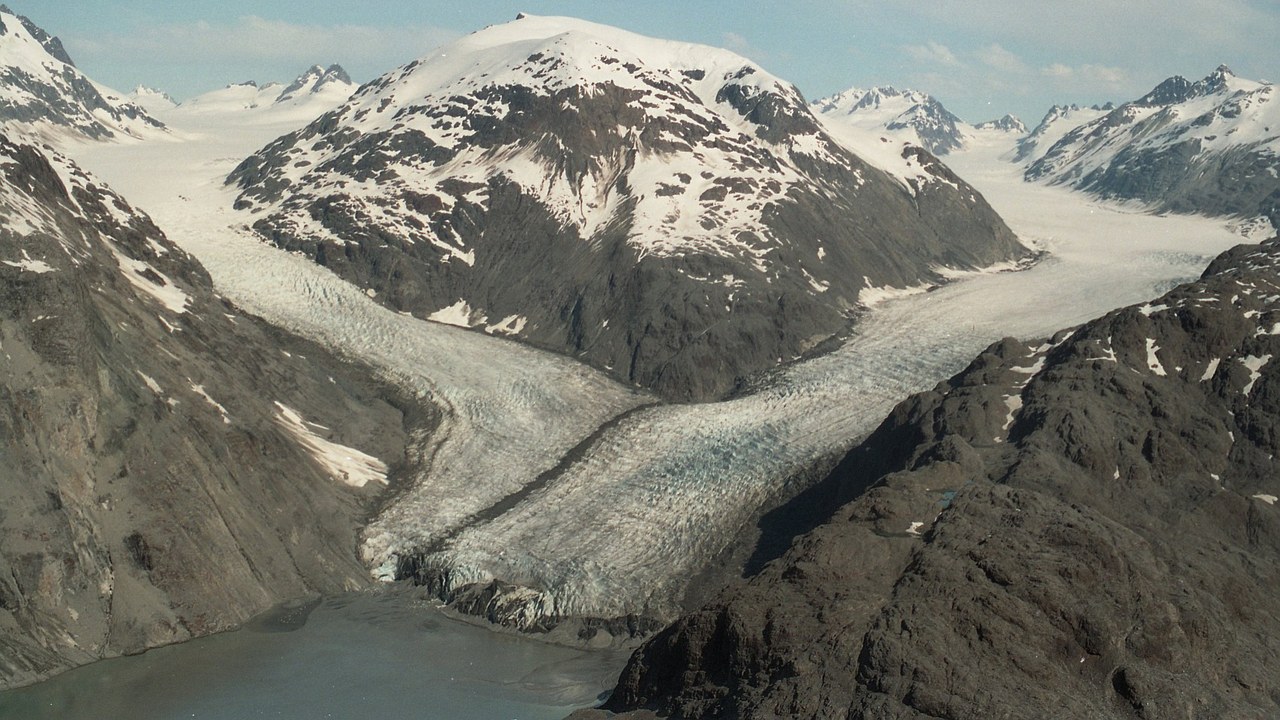
Muir Glacier once filled the upper reaches of Glacier Bay in southeast Alaska as a tidewater giant. It has retreated tens of kilometers since the late eighteenth century, and by 1993 the terminus had pulled out of the water entirely. Paired photographs from 1941 and 2004 show the same fjord walls with open water and bare rock where hundreds of meters of ice stood.
That image pair became the standard illustration of glacial retreat precisely because nothing in it needs interpreting. Muir’s decline also reshaped the bay itself, opening a fjord that ships now navigate. Land freed of that weight continues to rebound upward, a slow adjustment that alters local sea level independently of the ocean.
6. Okjokull: The Glacier With a Death Certificate
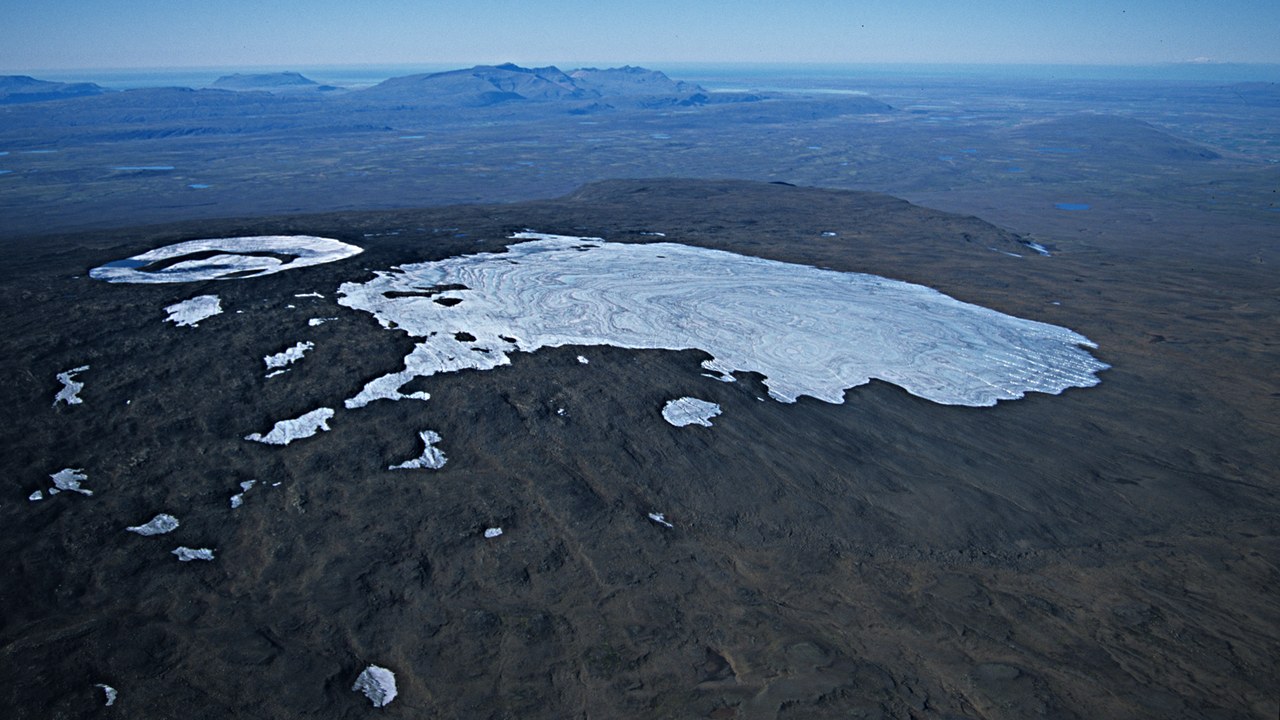
Okjokull covered about 16 square kilometers on the Ok volcano in western Iceland in 1890. By 2012 it measured roughly 0.7 square kilometers, and in 2014 it was formally stripped of glacier status because the remaining ice no longer moved under its own weight. A memorial plaque was installed at the site in August 2019.
The plaque is addressed to the future and notes that Iceland’s other glaciers are expected to follow within 200 years. Okjokull matters less as a volume loss, which was trivial, than as the first named casualty. It marked the point at which the question shifted from how much ice is thinning to how many glaciers remain.
7. Helheim Glacier: Kilometers Lost in Four Years
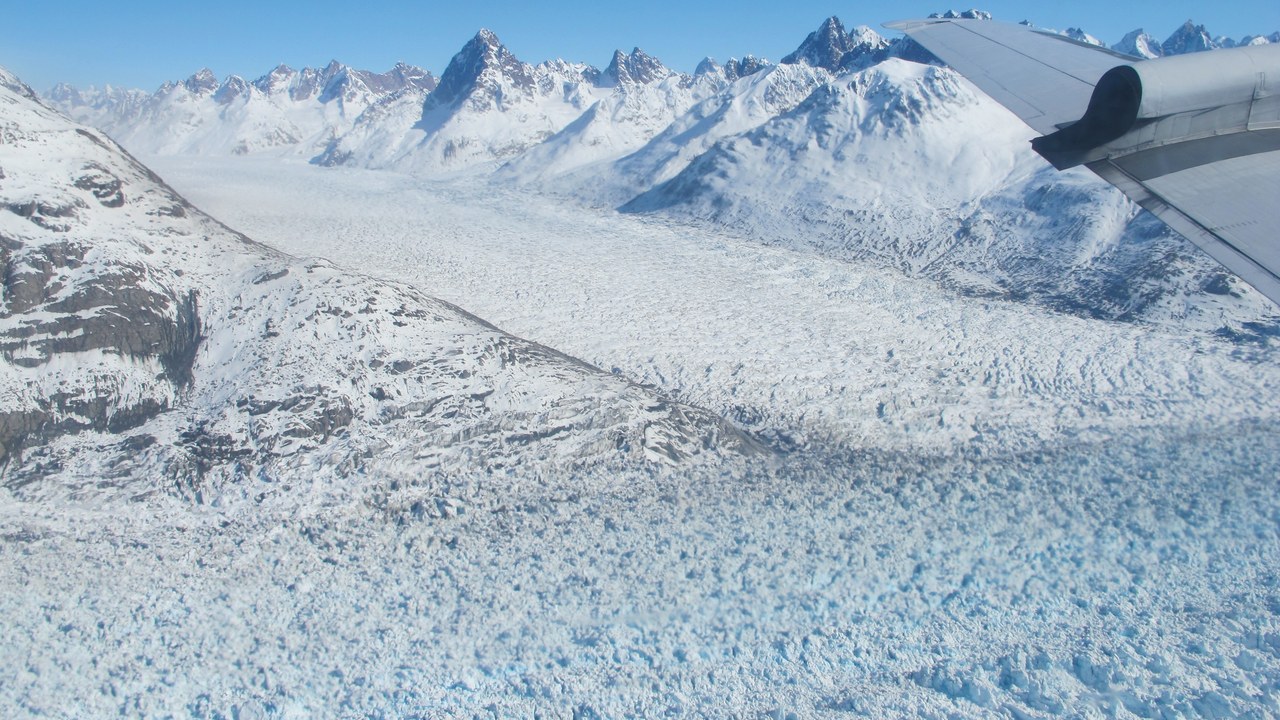
Draining the eastern ice sheet into Sermilik Fjord, Helheim ranks among Greenland’s three largest outlet glaciers. Its terminus retreated roughly seven kilometers between 2001 and 2005, and flow at the calving terminus accelerated from about 20 meters a day to more than 30 as the ice thinned and lost its grip on the bed.
Speed changes of that scale over four years were not in the models of the day, which treated ice sheets as responding over centuries. Helheim, along with Kangerlussuaq nearby, forced glaciologists to build fast dynamic response into their projections. Its terminus has continued to fluctuate, advancing in cool years without recovering the ground it lost.
8. Franz Josef Glacier: A Valley Walk That Ended
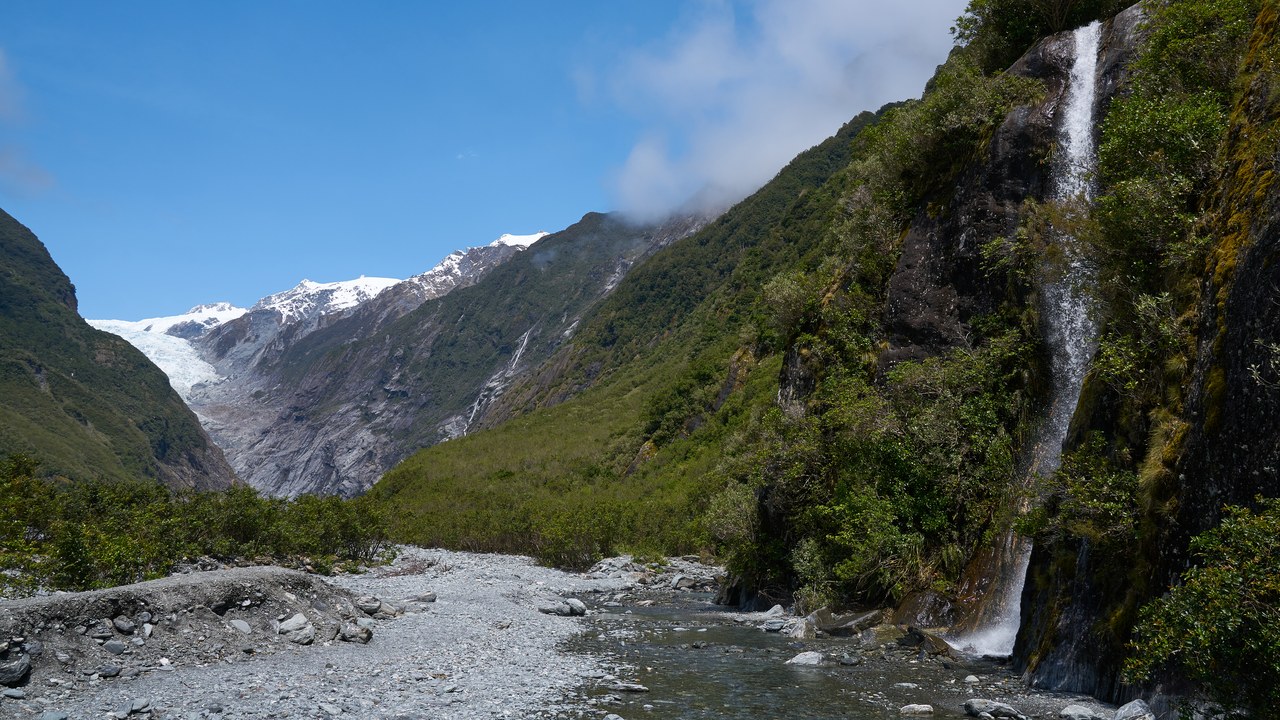
Franz Josef descends from New Zealand’s Southern Alps toward temperate rainforest, and it advanced through the 1980s and again in the 2000s before reversing sharply. The glacier’s terminus has since retreated well over a kilometer, and guided hikes that once walked onto the ice from the valley floor now require a helicopter.
Those advances make the case unusually clear, because they show a glacier capable of responding quickly to favorable conditions and still losing overall. Modeling of New Zealand’s ice suggests most of it disappears this century on current trajectories. The retreat has already rewritten a local tourism economy built on walking distance to the ice.
More from Morning Overview
