
The ocean never stops moving, and engineers have spent sixty years trying to bill it for the privilege. Some projects dam an estuary outright, others hang turbines in a fast current or bolt generators onto a flood barrier already standing, and one harvests the surf breaking against a harbour wall. Here are eight installations that turn moving seawater into electricity.
1. Sihwa Lake Tidal Power Station: The Largest Tidal Plant In Operation
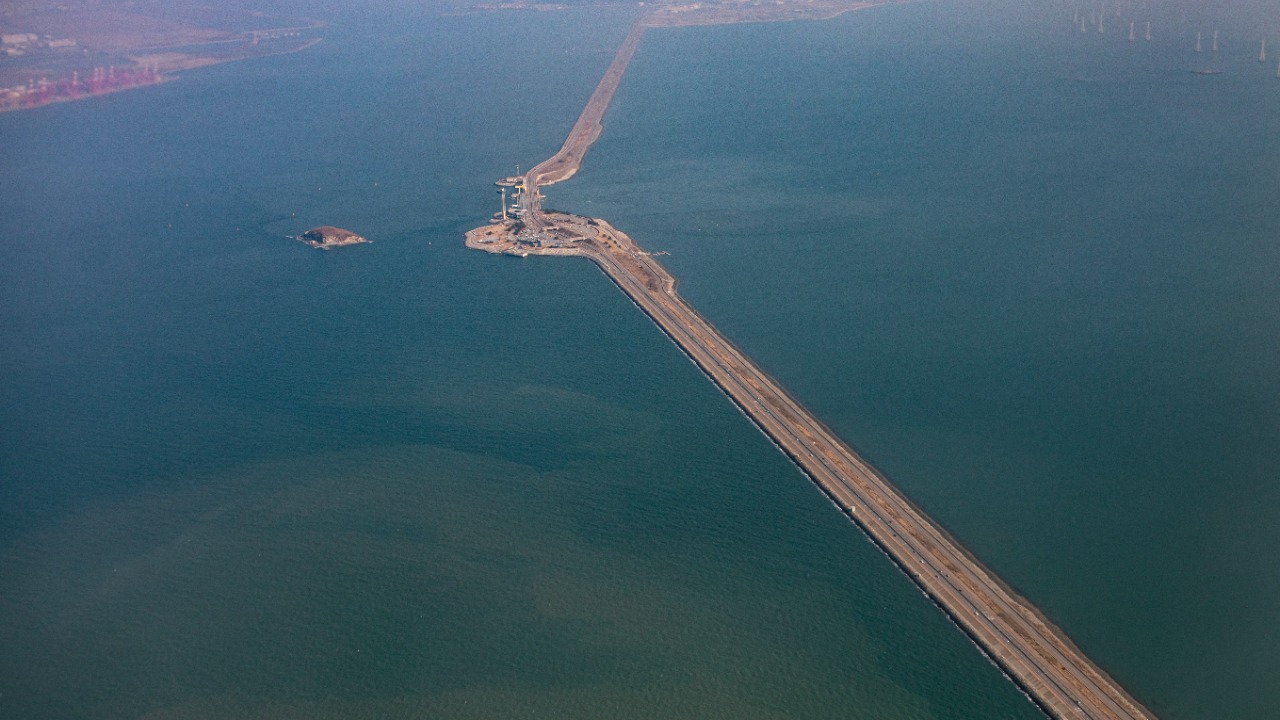
Ten bulb turbines set into a South Korean seawall give this station an installed capacity of about 254 megawatts, the largest tidal installation anywhere. The 12.7-kilometer barrier was not built for power at all; it was completed in 1994 to reclaim land, and generation was added years later, an unusual entry point into large-scale tidal power that began operating in 2011.
Water quality drove the retrofit. Sealing the bay had left the lake behind it badly polluted, so the plant was designed to draw seawater in on the flood tide and generate as it passes, flushing the basin in the process. Electricity and cleanup arrive together, which is why the turbines run in only one direction.
2. Rance Tidal Power Station: The Barrage That Started Everything
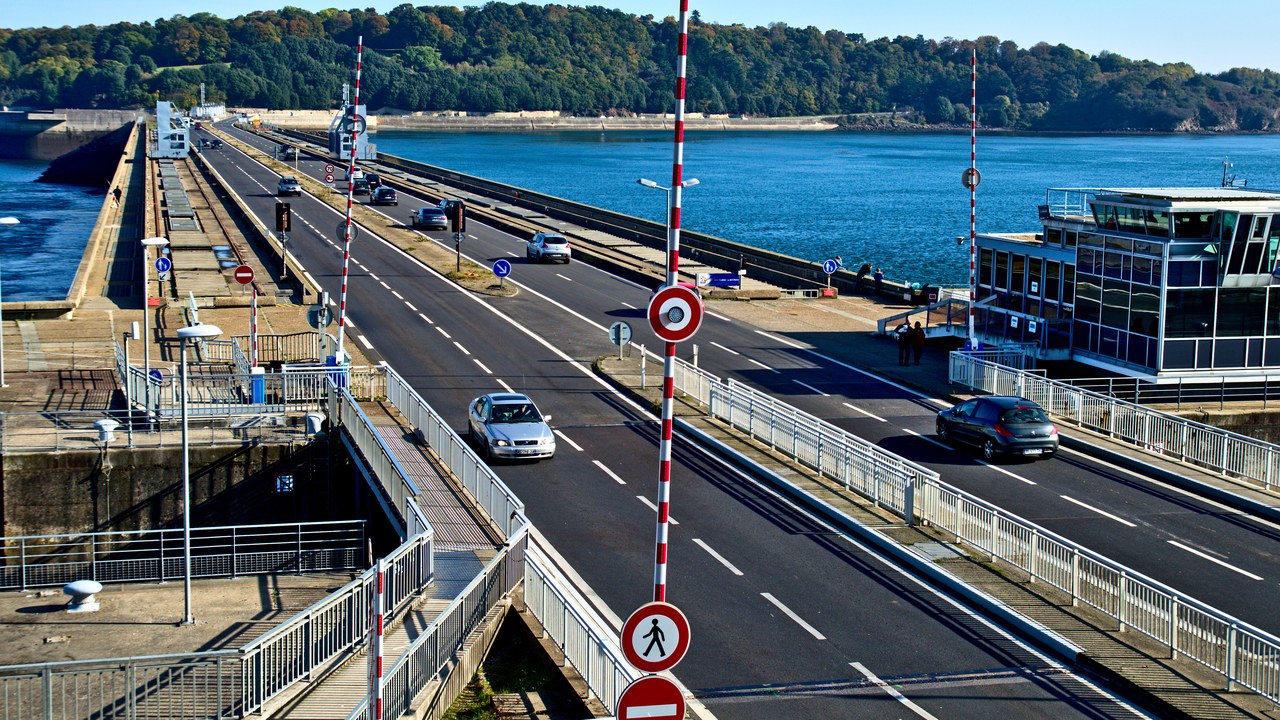
Twenty-four bulb turbines of ten megawatts each sit inside a 750-meter barrage across the Rance estuary in Brittany, giving 240 megawatts of capacity. Opened in 1966 and exploiting a tidal range that can approach 13 meters, the French tidal barrage remained the largest plant of its kind for forty-five years.
Six decades of service have made its electricity remarkably cheap, since the civil works were paid off long ago and the turbines have proved durable in saltwater. The environmental ledger is less tidy: the estuary silted up behind the dam and its ecology shifted permanently, a record later barrage proposals have had to answer for.
3. SeaGen: Twin Rotors In Strangford Lough
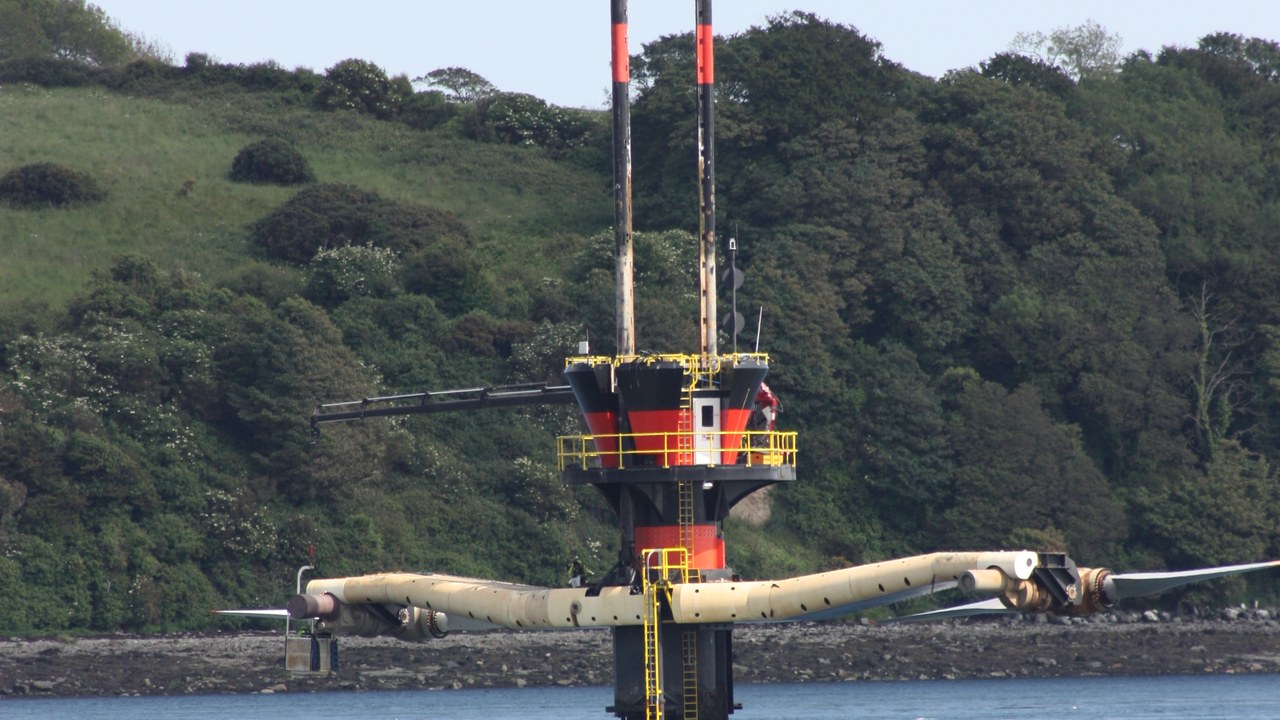
Two rotors, each roughly sixteen metres across, hung from a crossbeam driven into the seabed of Strangford Lough in Northern Ireland, where a narrow channel empties and refills the sea lough twice a day. Rated at a little over a megawatt, the Strangford Lough turbine was installed in 2008 and is generally credited as the first commercial-scale tidal stream machine to feed a national grid.
Its crossbeam could be jacked upward until both rotors lifted clear of the water, so maintenance happened in daylight rather than by diver. The machine was retired and removed in the late 2010s, leaving behind an unusually complete record of what a tidal turbine does to the seals and porpoises around it.
4. Annapolis Royal Generating Station: North America’s Lone Tidal Experiment
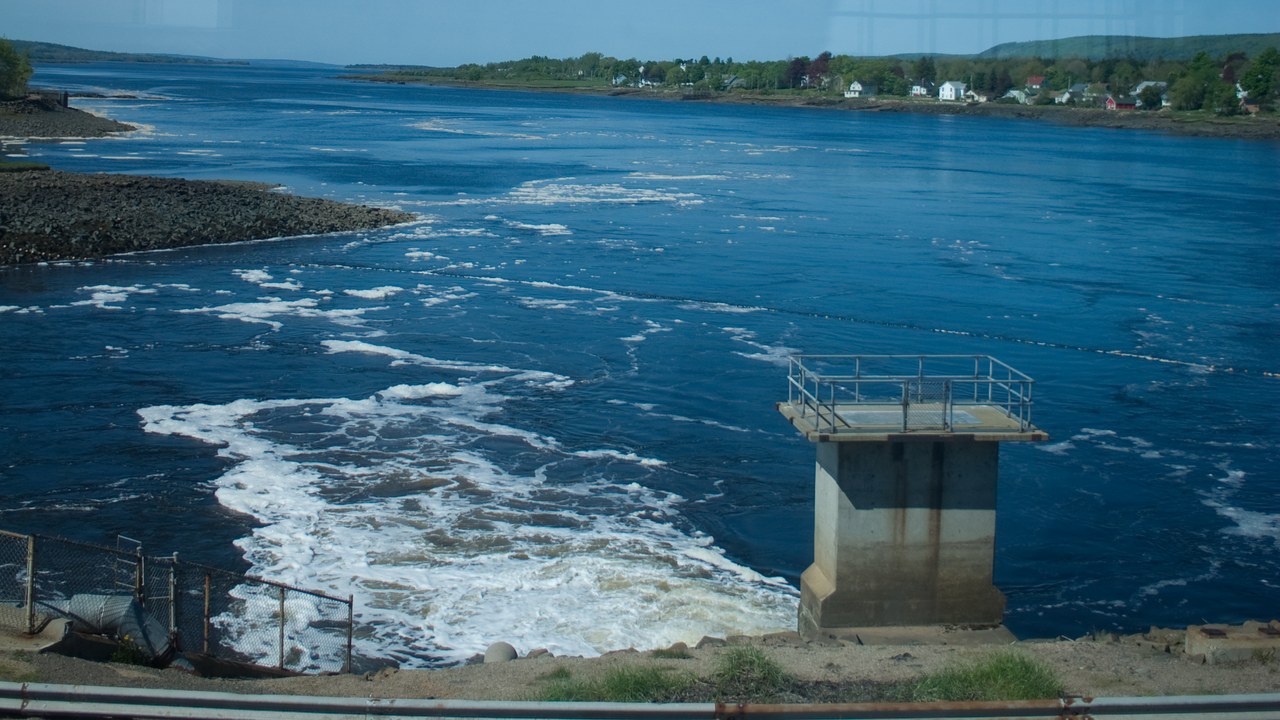
A single 20-megawatt Straflo turbine, built into a causeway across the Annapolis River in Nova Scotia, drew on the enormous tides of the Bay of Fundy from 1984 onward. the Nova Scotia plant was the only tidal generating station of its size in North America, and it tested a turbine design intended for much bigger Fundy schemes.
Generation stopped in 2019 after mechanical failure, and the owner has since moved toward decommissioning rather than repair. Fish passage was a persistent complaint through its working life, and the closure removed the strongest practical argument that a full Fundy barrage could ever be built.
5. Jiangxia Tidal Power Station: China’s Long-Running Coastal Testbed
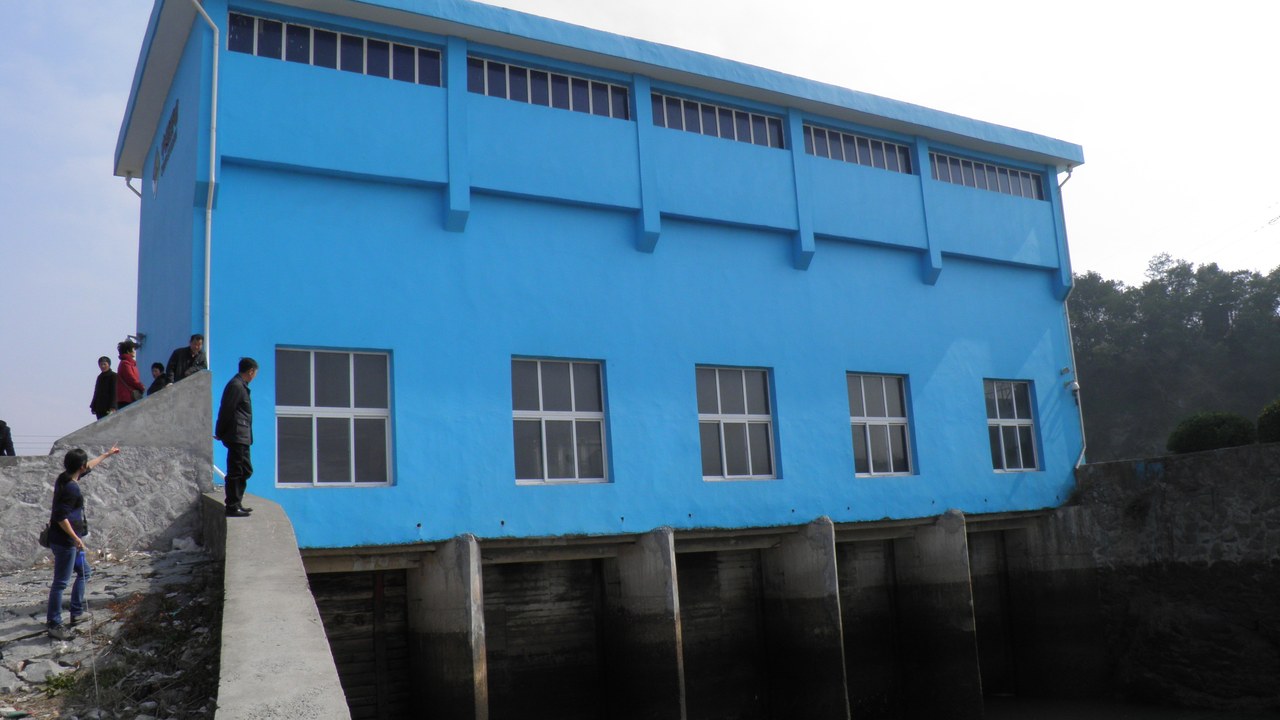
Sitting on an inlet in Zhejiang province, this plant began generating in 1980 and has run for more than four decades, making it the largest tidal station in China. Its capacity is modest, a few megawatts spread across a handful of units, but the Chinese tidal station has been progressively re-equipped as newer turbine designs were trialled there.
Longevity is the achievement rather than scale. Saltwater destroys machinery, and a plant that keeps producing after forty years supplies the operating data that paper studies cannot. Its output would barely register on a national grid, yet it remains one of the few tidal sites anywhere with a genuinely long service record.
6. Mutriku Breakwater Wave Plant: Waves Trapped Inside A Harbour Wall
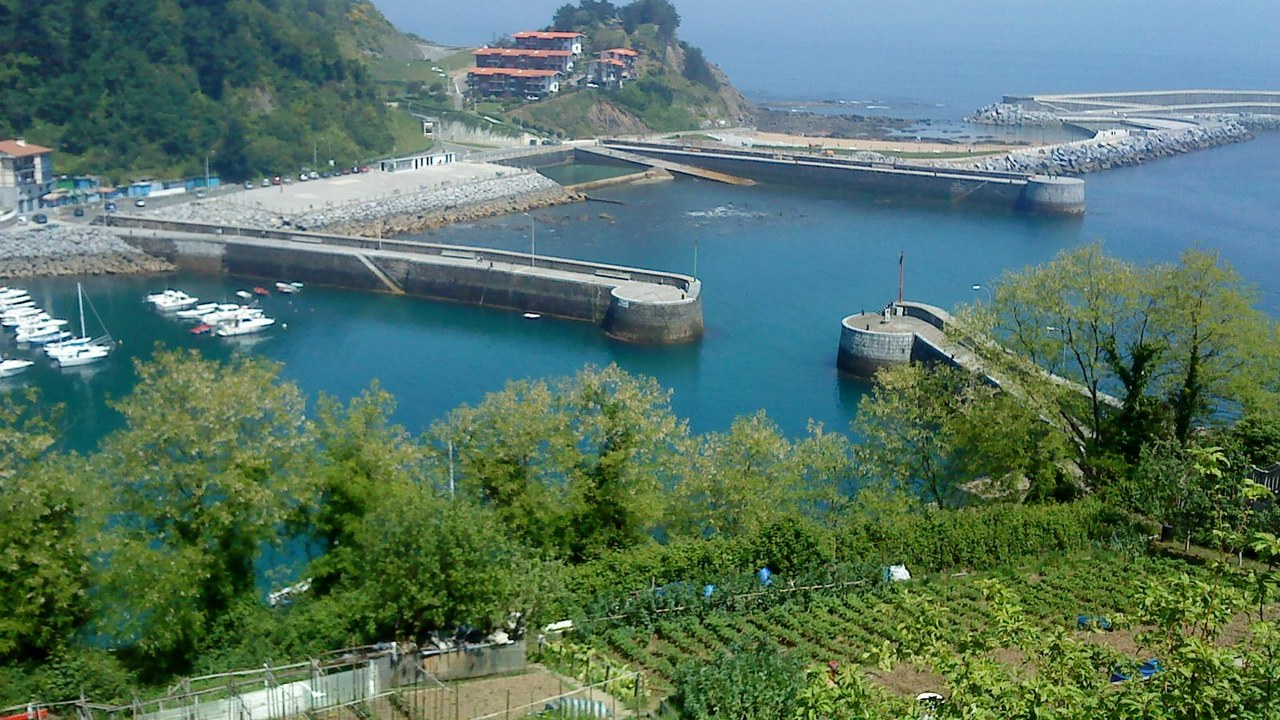
Sixteen concrete chambers built into a breakwater on the Basque coast stand open to the sea below the waterline, so every wave pushes and pulls a column of water that drives air past a turbine overhead. Opened in 2011, the Basque wave plant carries a few hundred kilowatts and ranks among the earliest oscillating water column stations to supply a grid.
It is the one entry on this list driven by waves rather than tides, which makes its output weather-dependent in a way the barrages are not. The trade was deliberate: the breakwater was being built anyway to shelter the harbour, so the generating equipment rode along on civil works already funded.
7. Eastern Scheldt Barrier turbines: Generators Bolted Into A Flood Defense
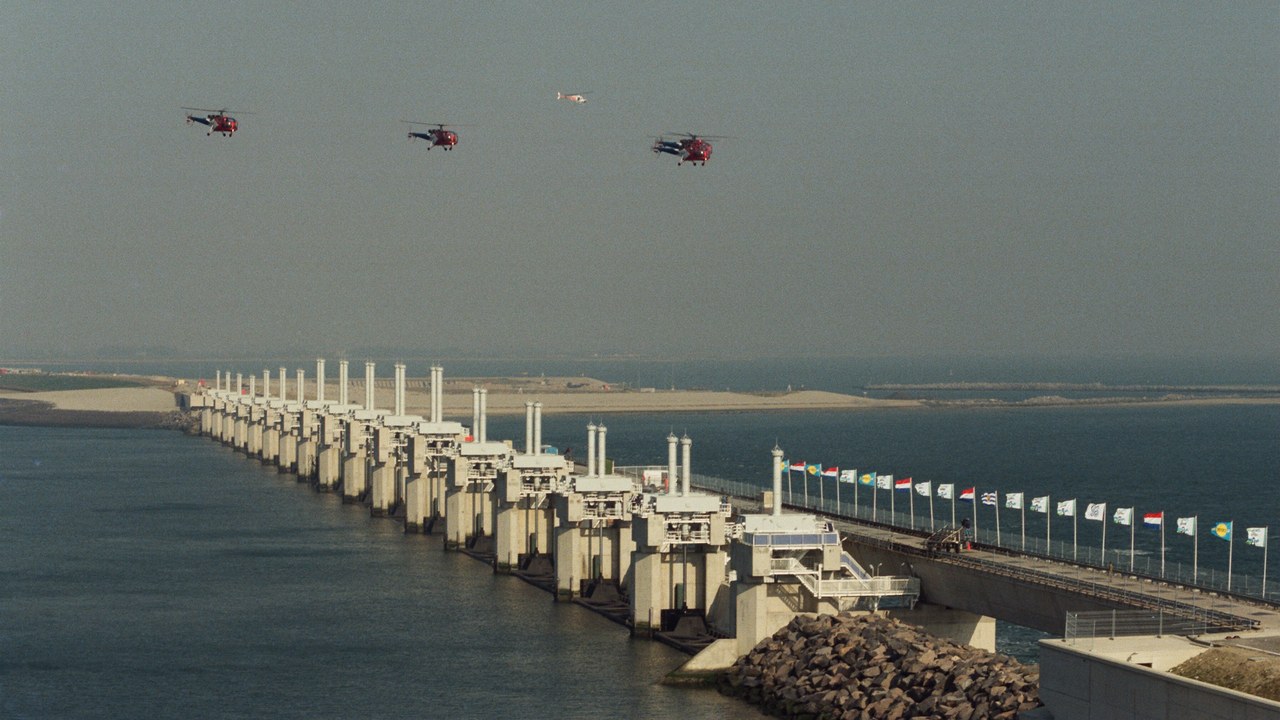
The Netherlands finished its nine-kilometer Eastern Scheldt storm surge barrier in 1986, with dozens of gates that close only when the sea threatens. In 2015 a cluster of five underwater turbines was hung in one of those gate openings, turning part of the Dutch storm barrier into a modest tidal generator rated at slightly over one megawatt.
Retrofitting existing infrastructure is the point. The concrete piers, the access roads and the grid connection already existed, so the marine engineering that usually dominates tidal budgets was largely skipped. The array powers roughly a thousand households, a small return achieved at a fraction of a purpose-built project’s cost.
8. Kislaya Guba Tidal Power Station: An Arctic Prototype From The 1960s
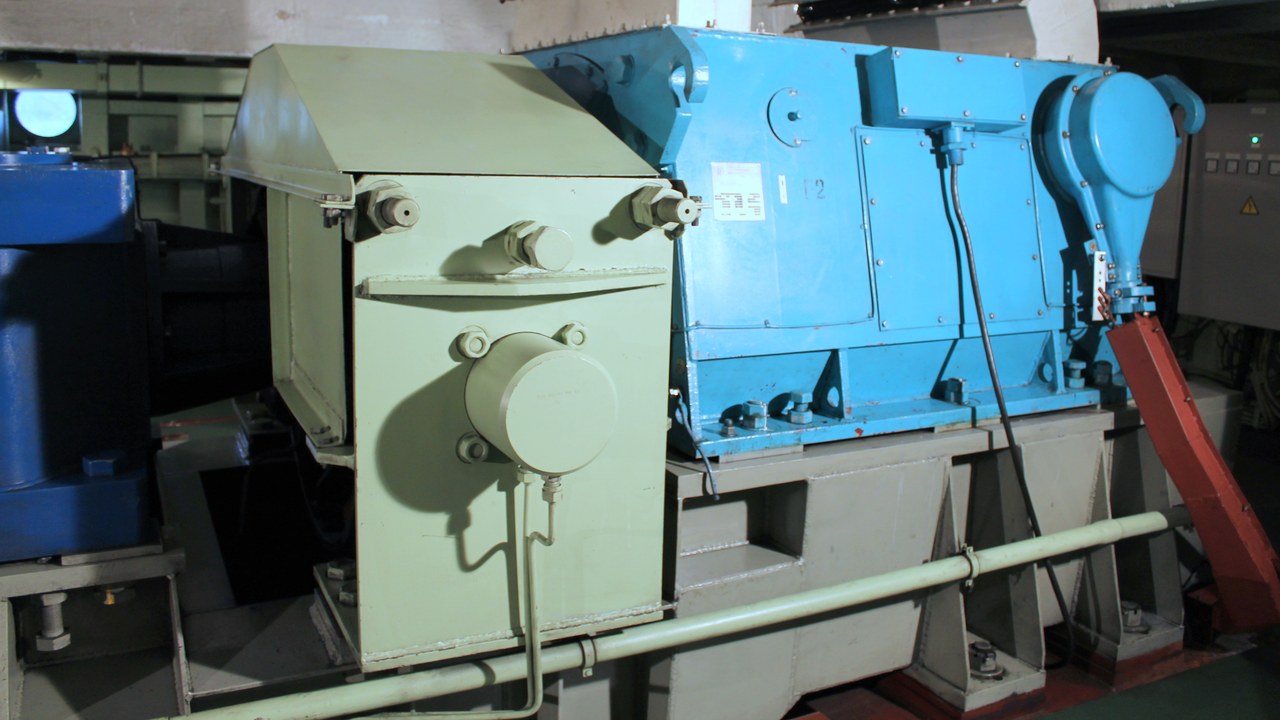
Built in a narrow fjord on the Barents Sea coast near Murmansk, this station started work in 1968 as the first tidal plant in the Soviet Union, with an initial capacity well under a megawatt. Its builders assembled the Arctic tidal prototype as a floating concrete caisson, towed it to the site and sank it into place.
That construction method was the real experiment. Casting a powerhouse in a sheltered yard and floating it out avoids building a coffer dam in open water, the single largest expense in tidal construction. The station was later fitted with an orthogonal turbine, keeping a nearly sixty-year-old site in service as a test bed.
More from Morning Overview
- A Colorado wildfire forced level-three ‘leave now’ orders across Ouray County
- A skeleton beneath Petra’s Treasury was found clutching a chalice that resembles the Holy Grail
- 8 SUVs mechanics are quietly steering buyers away from in 2026
- Researchers pulled 8,080 pounds of invasive python from one Florida county
