
Building an electric vehicle company is hard, but keeping one alive long enough to support the cars it already sold has proven even harder. Across the last few years, a wave of EV startups shipped vehicles, then vanished into bankruptcy, receivership, or shutdown, leaving buyers without service, parts, or resale value. Here are eight EV makers whose collapse left their own customers stranded.
1. Fisker Ocean: Six Recalls, Then Bankruptcy
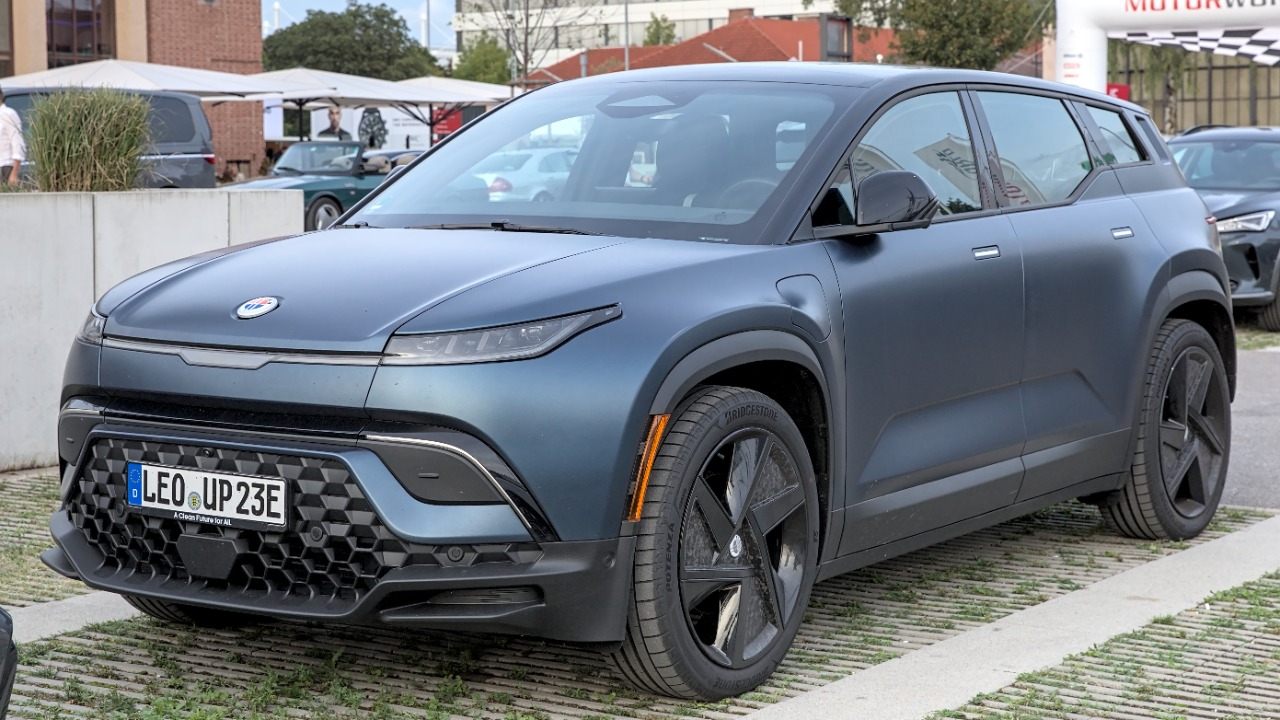
Fisker recalled every Ocean on the road six times within about a year, citing hazards that included a sudden loss of drive power, door handles that could jam shut, and a rollaway risk. Federal filings describe motor control software that could trigger an unexpected safe mode, cutting propulsion without warning and raising the odds of a crash.
The repeated recalls piled up as Fisker’s finances collapsed, and the company filed for Chapter 11 protection before owners saw a lasting fix. Buyers were left holding a car whose software problems outlasted the manufacturer meant to solve them.
2. Lordstown Endurance: Halted After One Recall

Lordstown halted production of the Endurance in February 2023 after an electrical connection issue that could cut off propulsion mid-drive, then filed for Chapter 11 protection four months later. Fewer than a few hundred trucks had left the factory before the line went quiet for good.
The shutdown came just as Lordstown was trying to prove its electric pickup could reach fleet buyers at scale. Instead, the Endurance became one of the shortest production runs of the EV startup era, with parts and service support disappearing alongside the company almost overnight.
3. Canoo Lifestyle Vehicle: Financed By Its Own CEO
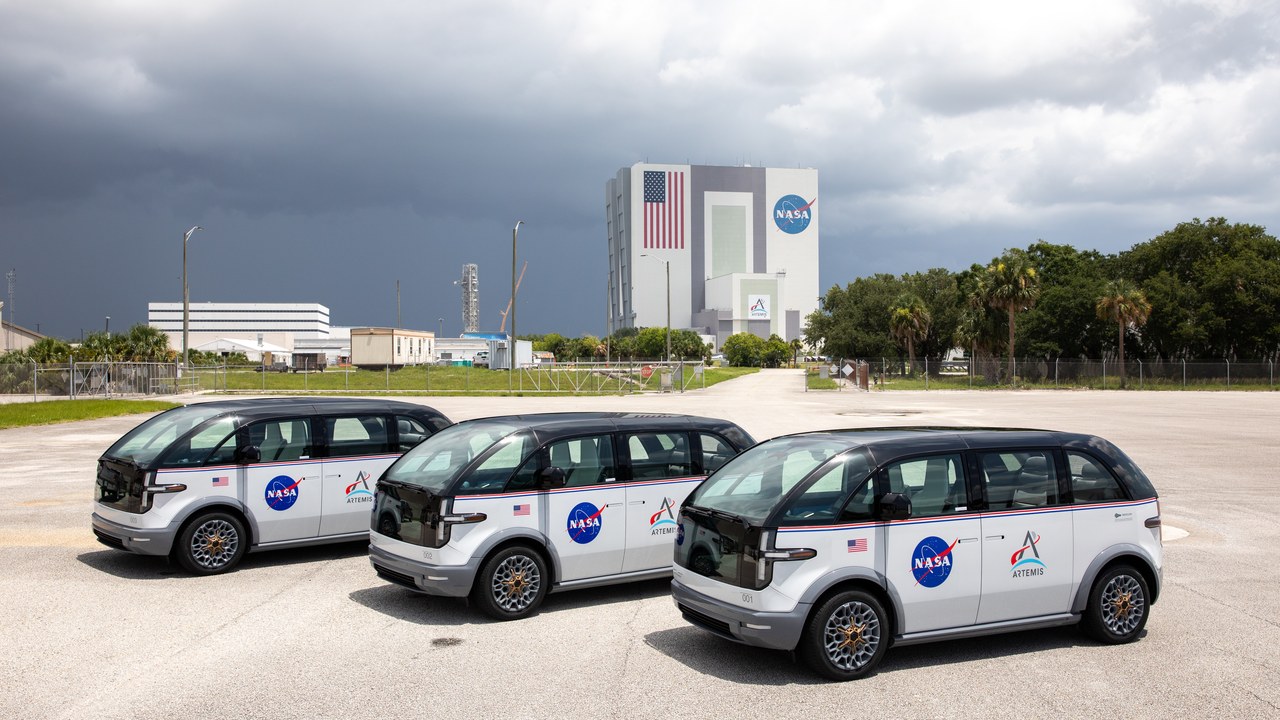
By December 2024, Canoo had furloughed 82 employees, idled its Oklahoma factory, and lost its entire founding team, according to a report on the company’s finances. The struggling automaker was being propped up by loans from its own chief executive’s venture firm, just weeks before it folded for good.
Owners of the boxy Lifestyle Vehicle were left without a manufacturer standing behind warranty claims or replacement parts once the furloughs turned permanent. Canoo’s collapse followed years of production delays and cash shortfalls that had already made its long-term survival questionable, even before the December furloughs turned into a full shutdown.
4. Proterra ZX5: Sold Off In Pieces
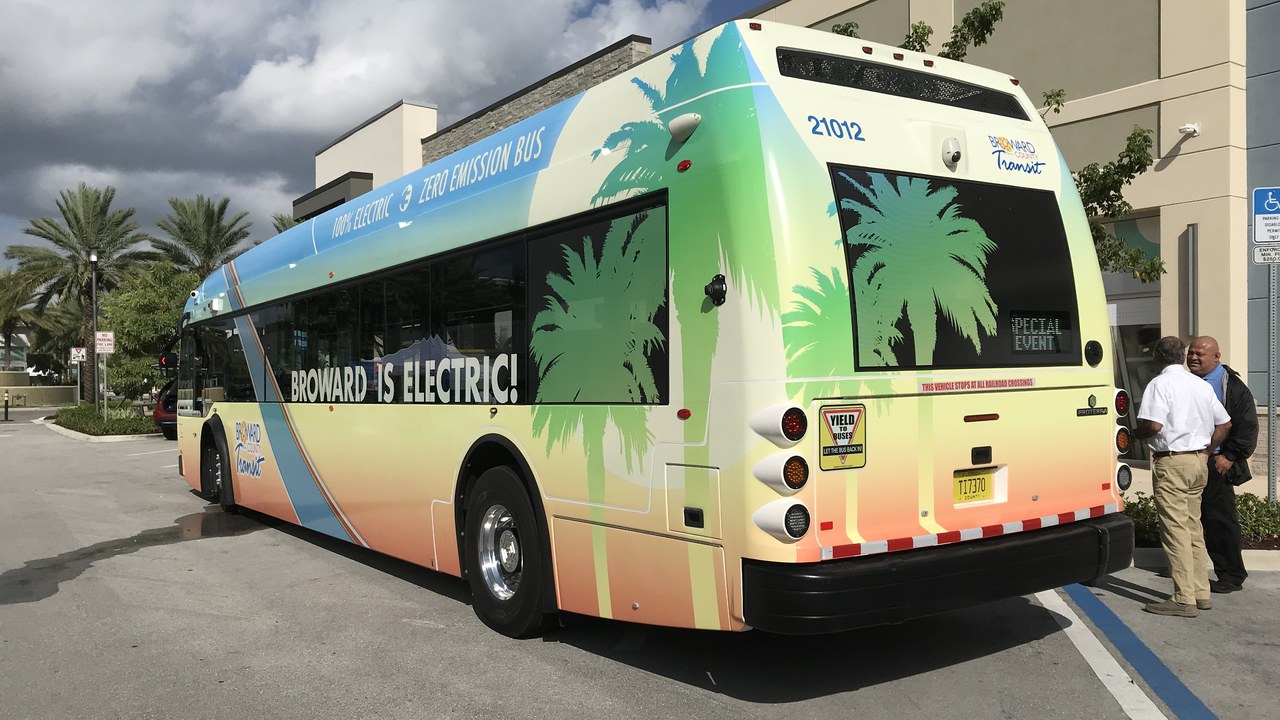
Proterra’s Chapter 11 bankruptcy broke the company into pieces: its battery unit sold to Volvo for $210 million, and its transit-bus line, including the ZX5, sold off to Phoenix Motorcars. Phoenix now builds the bus without the Proterra name attached, using assets it acquired out of the bankruptcy proceedings.
For transit agencies that had already bought Proterra buses, the breakup meant chasing parts and support across two different companies instead of one. The ZX5 itself survived the collapse and stayed in production, but the brand that built its early reputation in electric transit did not survive with it.
5. Arrival Van: Zero Vans, Ten Thousand Orders
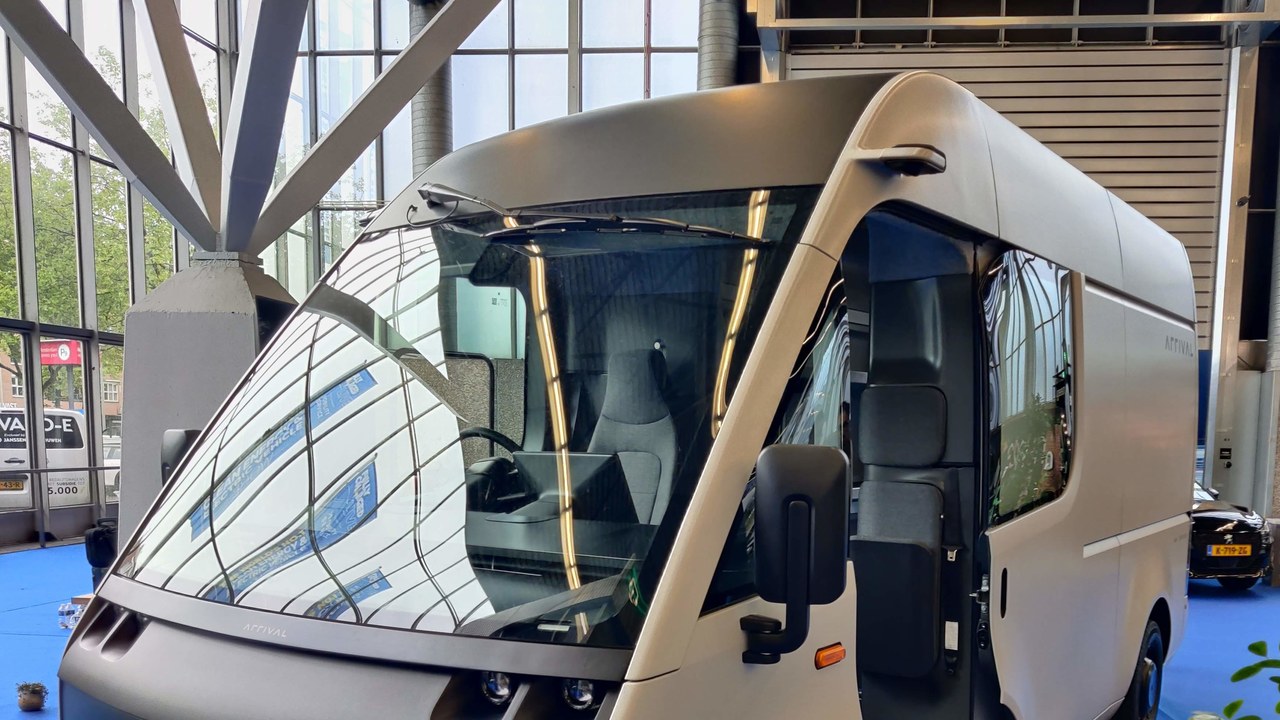
Arrival collapsed before delivering a single van from its marquee order of 10,000 units for UPS delivery routes, despite years of engineering work and a Nasdaq listing built on that promise. The company was delisted from Nasdaq in January 2024 as its cash ran out.
Arrival’s UK operation was then placed into administration, and its remaining assets, from tooling to intellectual property, were auctioned off to creditors. Fleet customers who had been counting on the Van for zero-emission delivery routes were left with no vehicles, no supplier, and no timeline for either to return.
6. ElectraMeccanica Solo: A Buyback, Not A Recall
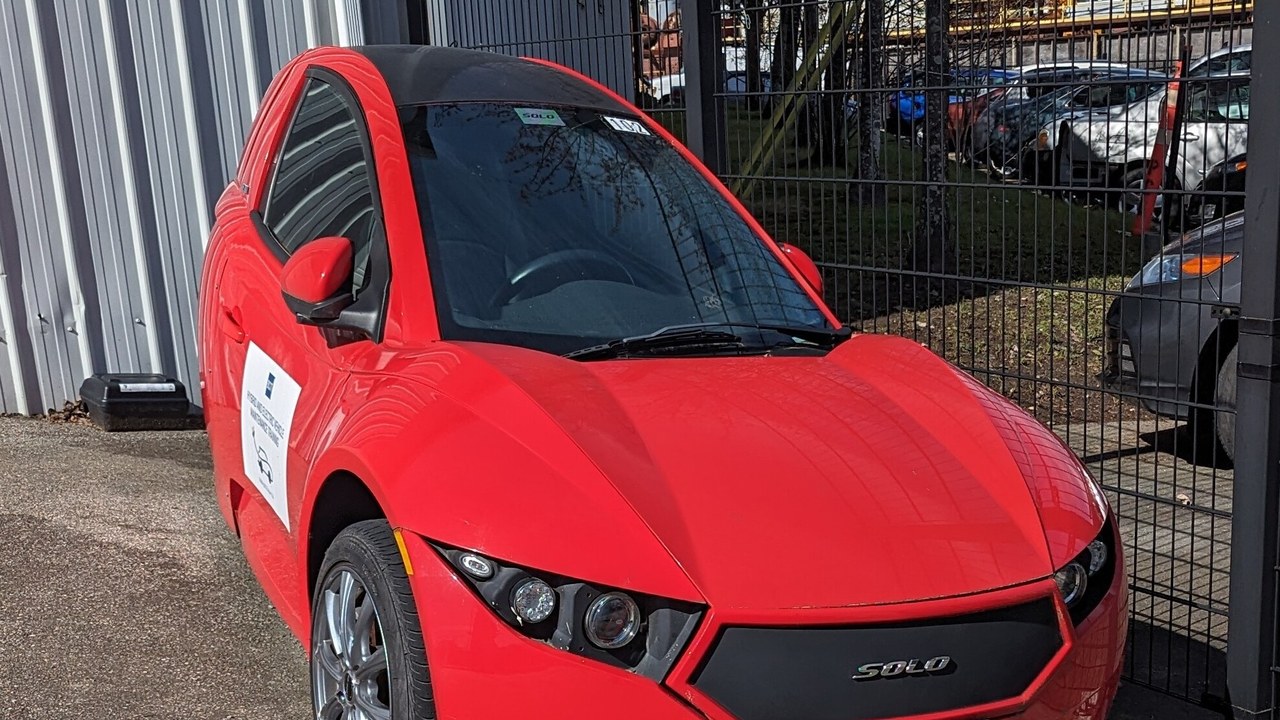
ElectraMeccanica ended up buying back 429 of its own three-wheeled Solos after an unexplained loss-of-propulsion defect it could not fix, offering owners a buyback instead of a repair. The company warned any owner who declined the buyback that it would no longer warrant, support, or service their vehicle at all.
That warning effectively told hundreds of owners their single-seat commuter car had become unsupportable overnight, with no fix and no future parts pipeline behind it. For a company that had marketed the Solo as an affordable, efficient alternative to a full-size car, the buyback amounted to an admission it could not stand behind its own product.
7. Nikola Tre: Recalled After Five Fires
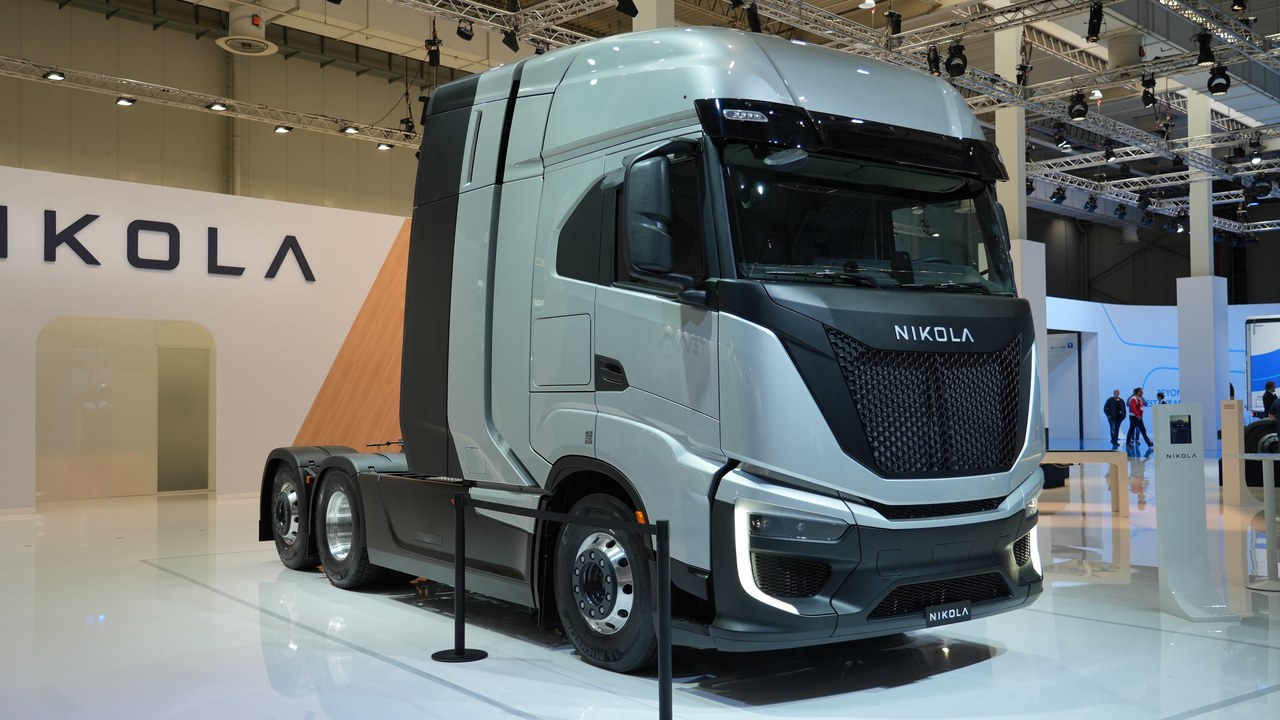
Nikola recalled all 209 of its battery-electric Tre semis after fires destroyed five trucks, telling owners to park the trucks outside until a fix arrived rather than risk them catching fire near a building. The recall covered every battery-electric Tre the company had built to date.
About 18 months later, Nikola filed for Chapter 11 bankruptcy protection, leaving fleet operators who had bought into its zero-emission trucking pitch without a manufacturer to stand behind the recall fix or future service. The fires and the bankruptcy together erased the confidence Nikola had spent years trying to build with freight customers.
8. Lion Electric: Bankruptcy, Then A Bargain Sale
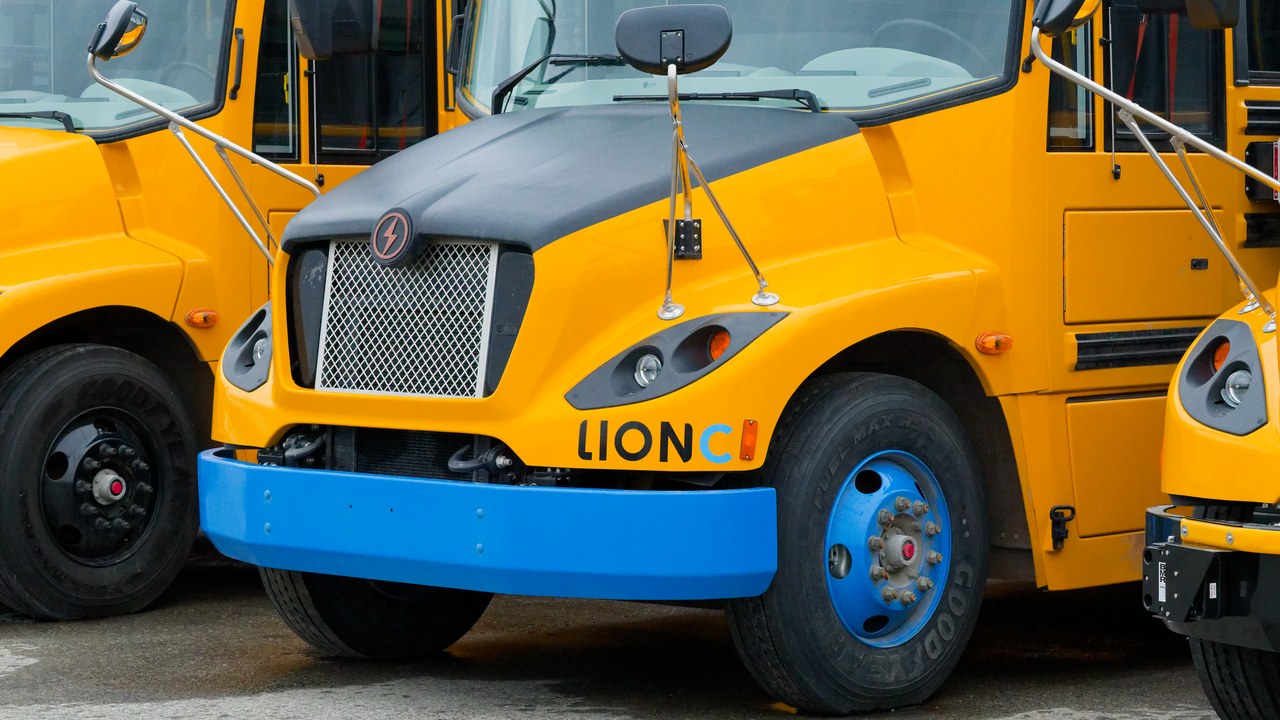
Lion Electric entered creditor protection in Canada and Chapter 15 bankruptcy in the United States in December 2024, after laying off 920 employees during the year. The company had already been dealing with voided warranties for U.S. customers and incidents of bus fires among the electric trucks and buses it had shipped.
The restructured company that emerged sold for just $6 million CDN to a group of investors in May 2025. It ended production of its Lion6 and Lion8 commercial trucks, pulled out of the United States entirely, and narrowed its focus to building LionC electric school buses for the Quebec market, the segment where it had built its original reputation.
More from Morning Overview
- Amazon’s Prime refunds are rising to $200 as millions more customers become eligible
- A handful of car engines are so tough mechanics say they almost never wear out
- The NSA is again telling phone owners to switch off one location setting
- Supplements now rank as the fifth-leading cause of death from liver disease.
