
Datsun and Nissan spent decades persuading American buyers that Japanese cars could be cheap, fun and tough all at once. The story runs from a small sedan in 1959 through sports cars, family sedans and a supercar. Here are eight Datsuns and Nissans that chart the climb, from the first Bluebird to the GT-R.
1. Datsun Bluebird 310: Bluebird Lands
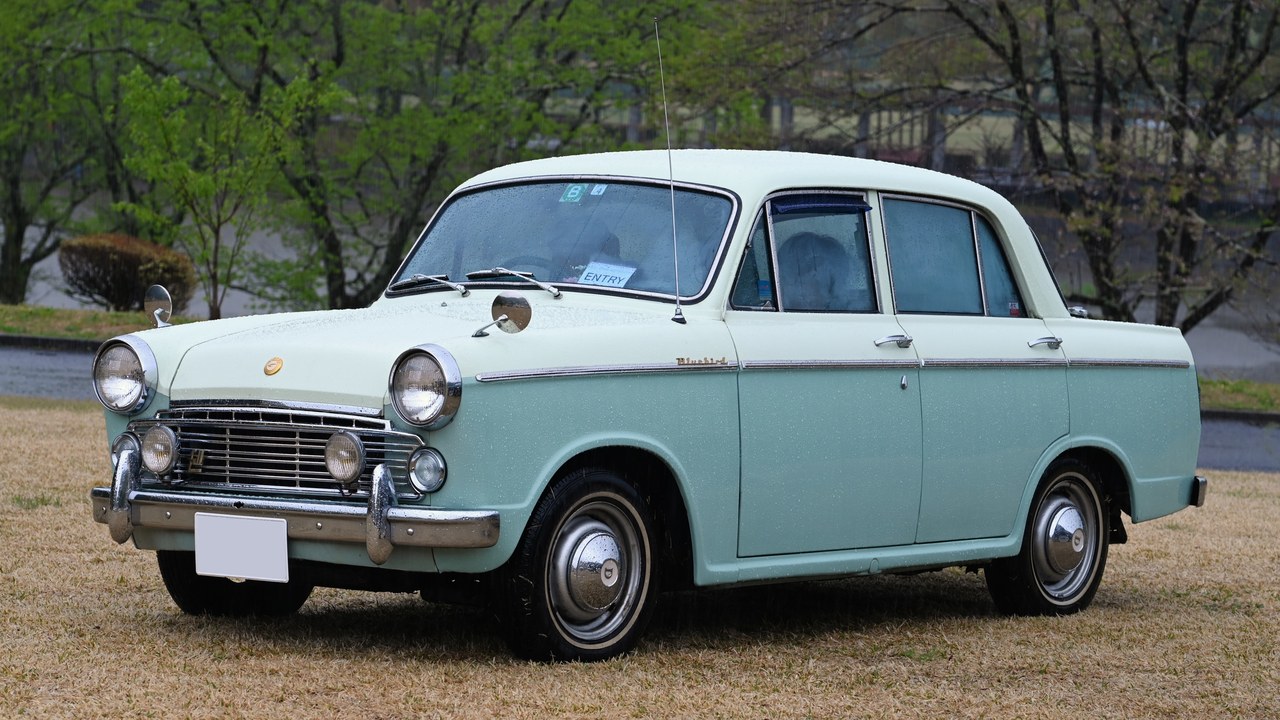
After reaching dealers across the U.S., Datsun began selling the 310, called the Bluebird at home, in 1959. It was a modest sedan arriving in a market dominated by domestic brands.
The 310 marks the opening move in a long campaign for American buyers. Anyone studying how Japanese brands gained a foothold in the U.S. will find the early Datsun sedans a revealing starting point. Surviving cars from this period are scarce, so collectors tend to value any documented history, original paperwork or evidence of careful preservation over cosmetic polish alone.
2. Nissan Patrol: Only Nissan Badge
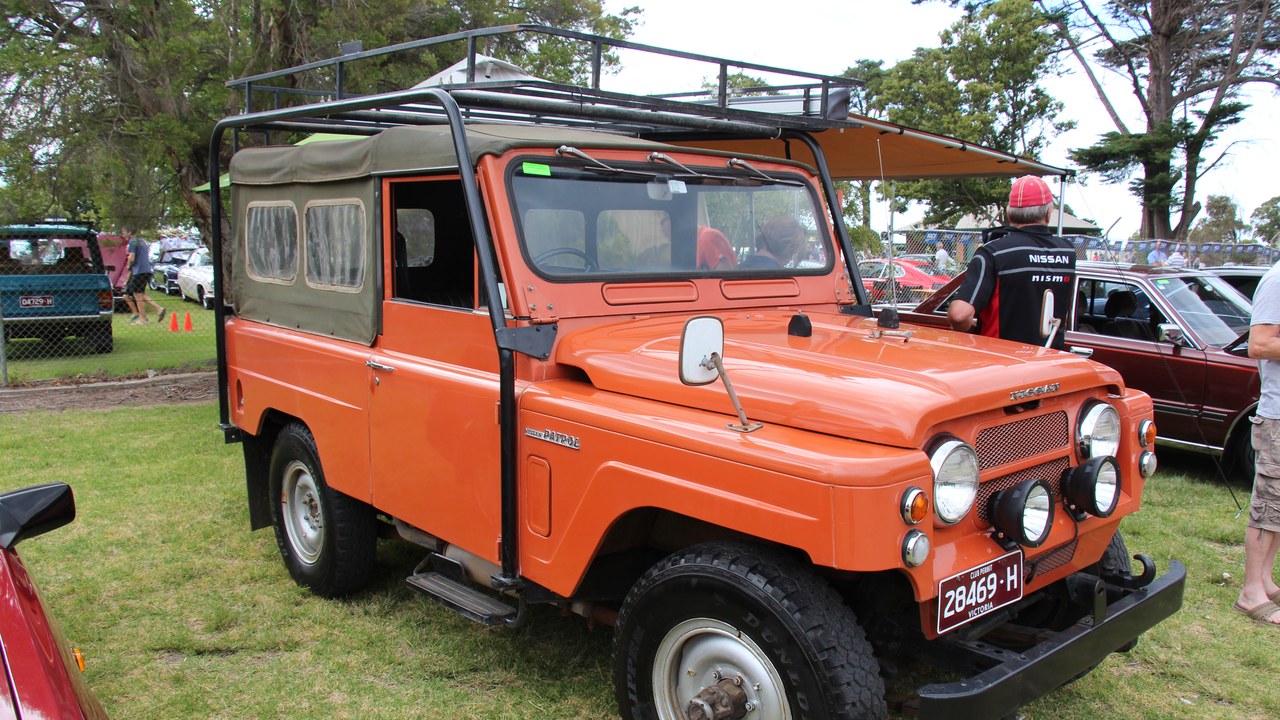
Sold in the U.S. from 1962 to 1969 against the Toyota Land Cruiser, the Patrol was the only Nissan-badged product sold there before the 1980s name change. Datsun otherwise carried the brand in America.
The Patrol is a curiosity because it kept the Nissan name alive in the States long before the rebrand. Its rivalry with the Land Cruiser shows that the two Japanese makers were competing early. Trucks and utility vehicles of that age are often used hard, which means the best remaining examples can be difficult to track down and may command a premium.
3. Datsun 510: The Dime
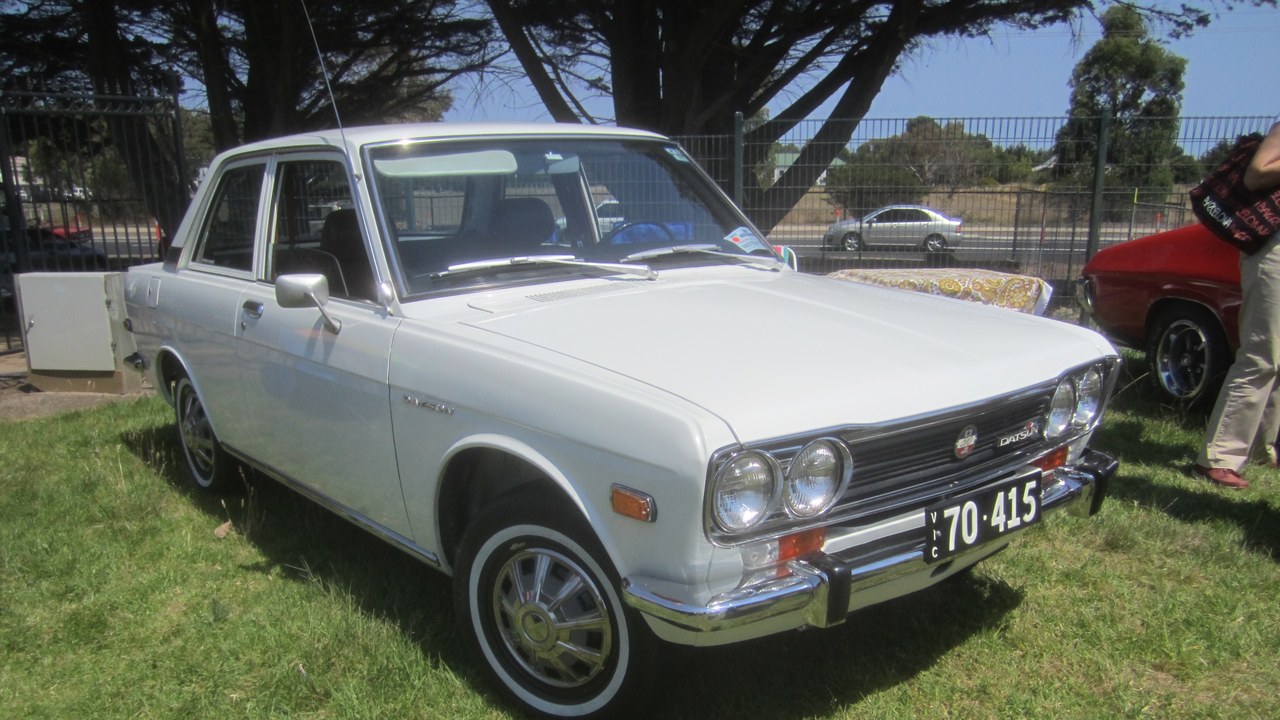
Nicknamed the Dime, the 1968 510 cost $1,996, about two-thirds of a BMW, with a 97-hp 1.6-liter overhead-cam four. That price and engine combination made it a standout small sedan.
The 510 earned its following by offering European-style fun at a much lower price. Hagerty has described the model as a Japanese classic on the rise, a status that makes clean examples increasingly appealing to collectors and tinkerers. Clean cars from this era have become harder to find, so buyers who want one should prepare for a long search and inspect carefully for rust and prior modifications.
4. Datsun 240Z: Mr. K’s Z
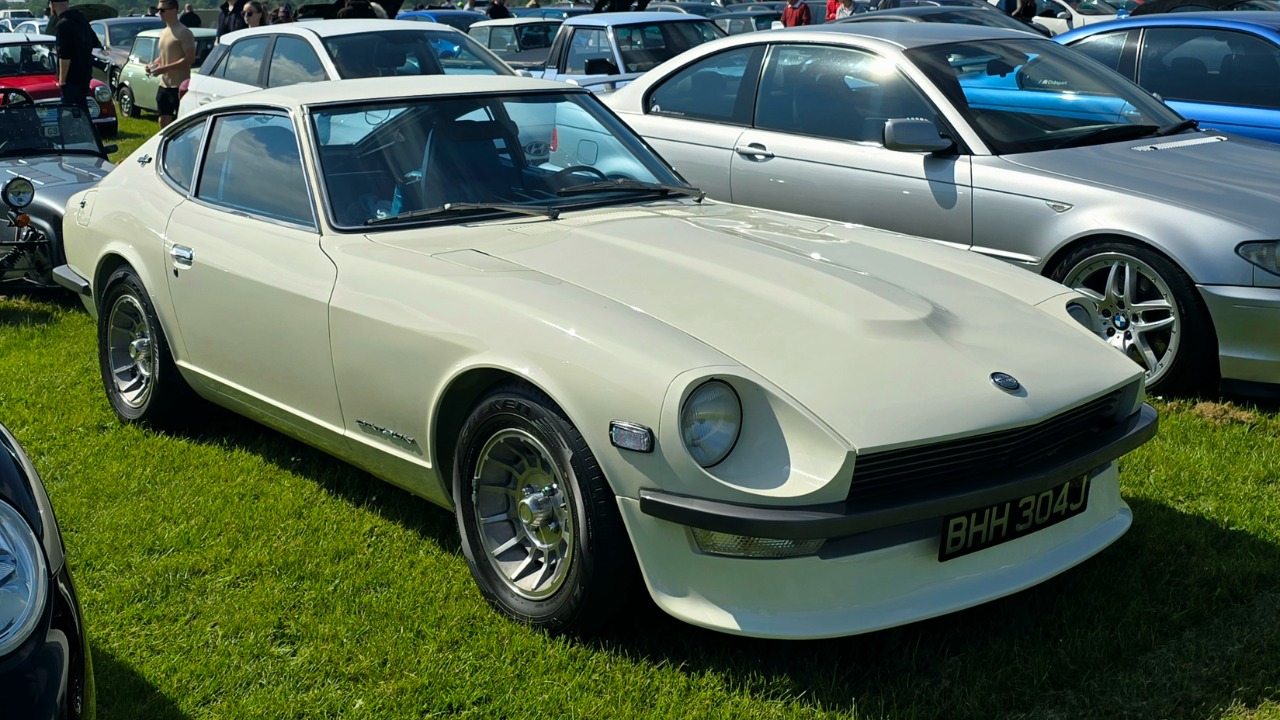
Pushed through by Nissan executive Yutaka Katayama, known as Mr. K, the Z was sold in North America as the 240Z. Nissan restored and sold 37 through U.S. dealers in 1997.
The 240Z stands as the car that gave the brand a halo sports model in America. The 1997 restoration program shows how highly the company later valued its own history. Because the model is so closely tied to a single executive’s determination, it has become a favorite subject of enthusiasts and historians who study the brand’s American growth and the people behind it.
5. Nissan Maxima: Maxima Arrives
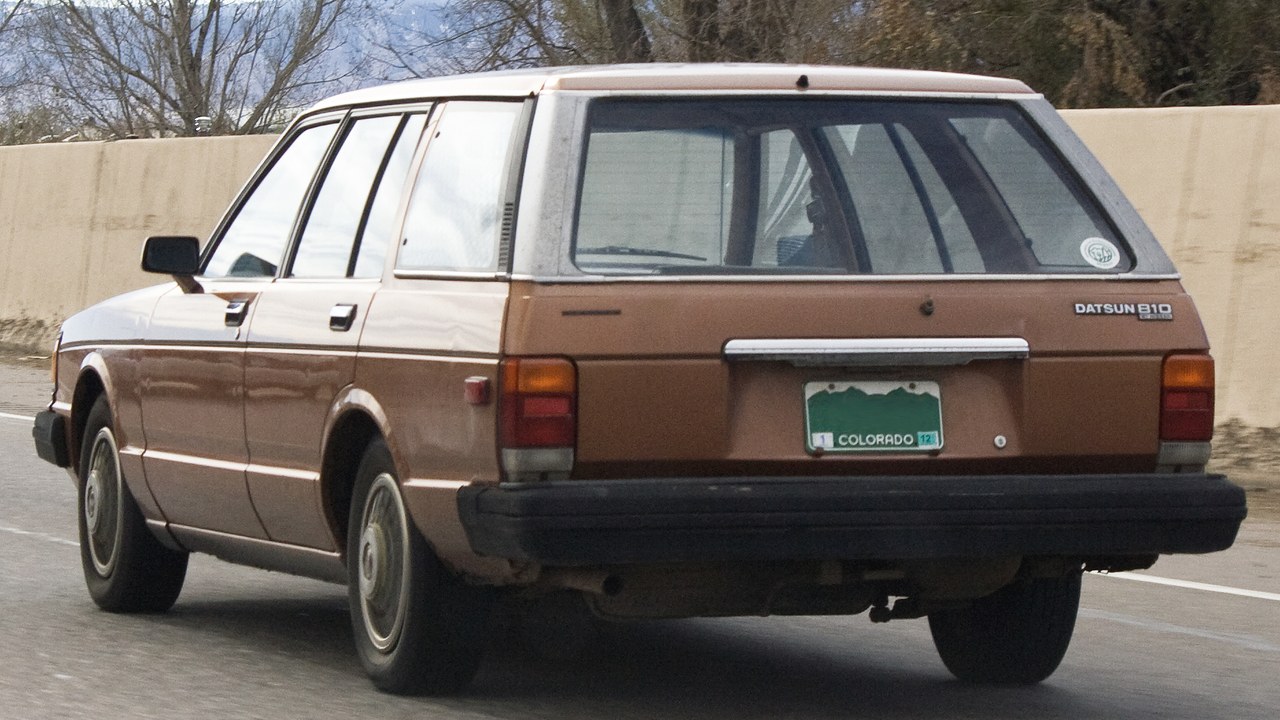
The Maxima arrived as a new 1982 model, a renamed Datsun 810 that kept Datsun badges through 1983 as the brand switched names. It sat right at the seam between two eras.
The Maxima illustrates the transition from Datsun to Nissan in the American market. Cars from that window carry both names, which interests owners who like documenting the changeover. Owners and collectors of cars from that crossover period often enjoy hunting for details such as emblems and trim that differ between the early and later versions, since the name on the car depends on the exact year.
6. Nissan 300ZX: Newman Wins
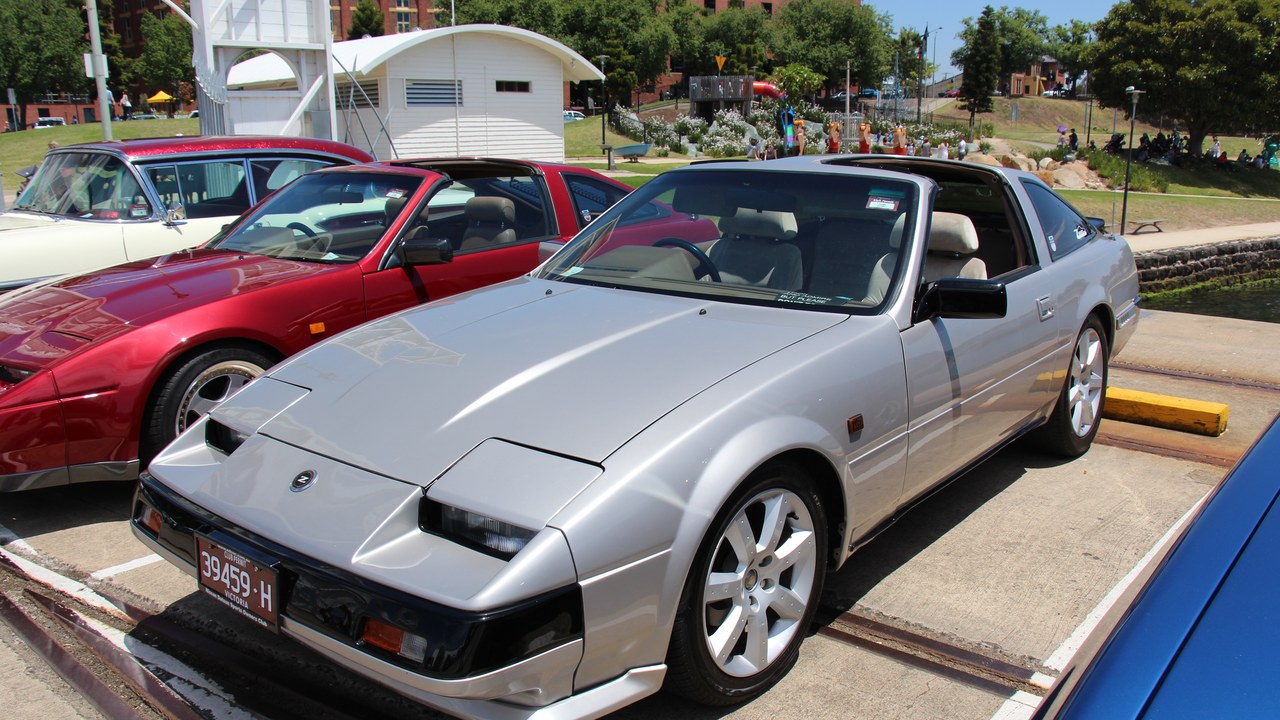
Paul Newman’s Trans-Am 300ZX won in 1985 and 1986, helping Nissan clinch its 50th national SCCA championship. The film star’s racing success gave the car a distinctive pedigree.
The 300ZX benefited from a celebrity driver and a winning record at the same time. For enthusiasts, those back-to-back victories add racing history to a car otherwise known as a sporty grand tourer. Cars with a documented racing connection are often sought after, and fans of the series tend to follow the history closely when judging whether a particular example appeals, even though the car itself was built for the road.
7. Nissan Altima: Tennessee-Built Sedan
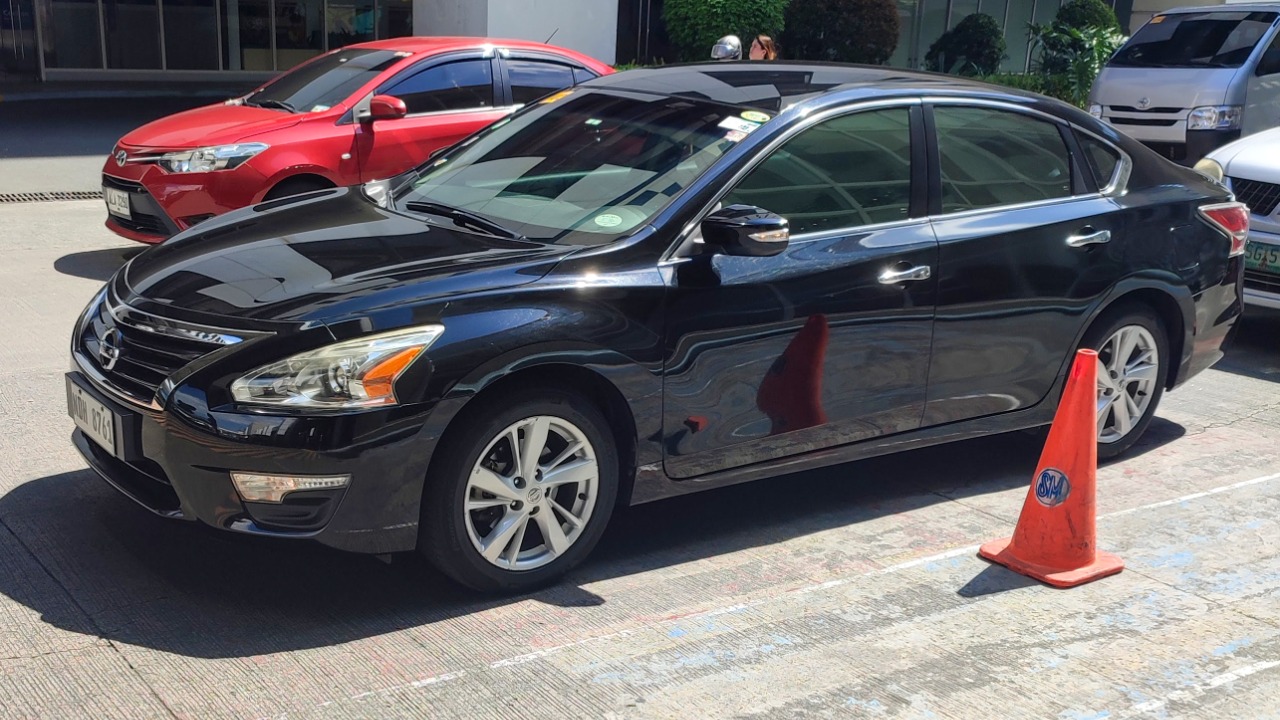
First built in Smyrna, Tennessee, in 1993 to replace the Stanza, the Altima offered Nissan’s first hybrid in 2007. The sedan combined domestic production with a milestone in electrified powertrains.
The Altima became a mainstream pillar of Nissan’s U.S. lineup. Its hybrid version shows the company experimenting with new technology on a family car long before such systems were common. Used examples are widely available, which makes the model an approachable entry point for anyone interested in Nissan’s American manufacturing story without a large budget, and the hybrid is an easy talking point.
8. Nissan GT-R: Affordable Supercar
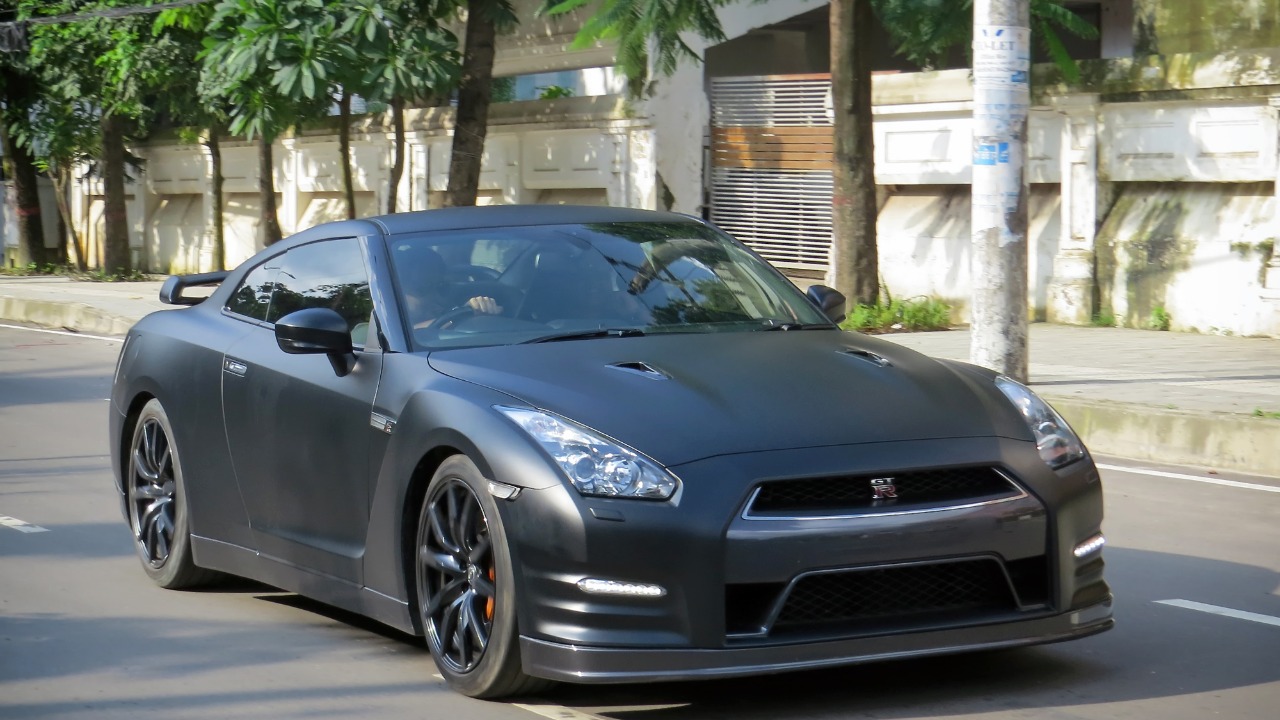
The R35 GT-R, descended from a Skyline line that began in 1957, first went on sale in the U.S. in 2009, billed by Nissan as an affordable supercar. Its roots reach back more than half a century.
The GT-R brings the story full circle from budget sedans to a performance flagship. Buyers get a car whose lineage spans generations of Skyline development, marketed as high performance within reach. Anyone considering one should remember that high-performance cars demand attentive maintenance, and a thorough inspection and service history are worth more than a low price.
More from Morning Overview
- Hybrids have 15% fewer problems than gas cars, while EVs and plug-in hybrids have about 80% more, Consumer Reports finds
- Regulators cleared the first U.S. small modular reactor, 4 months early
- Lake Powell sank to a record 3,517 feet, nearing the level that stops Glen Canyon Dam’s turbines
- Seven of Earth’s nine planetary boundaries are breached, and all seven are worsening
