
Sleep varies enormously across the animal kingdom, from creatures that spend most of the day unconscious to giants that barely lie down. Published tables from WorldAtlas and UCLA sleep researchers put numbers on that spread. Here are eleven animals ranked from the longest sleeper to the shortest, starting with a bat.
1. Little brown bat: Nearly All Day Asleep
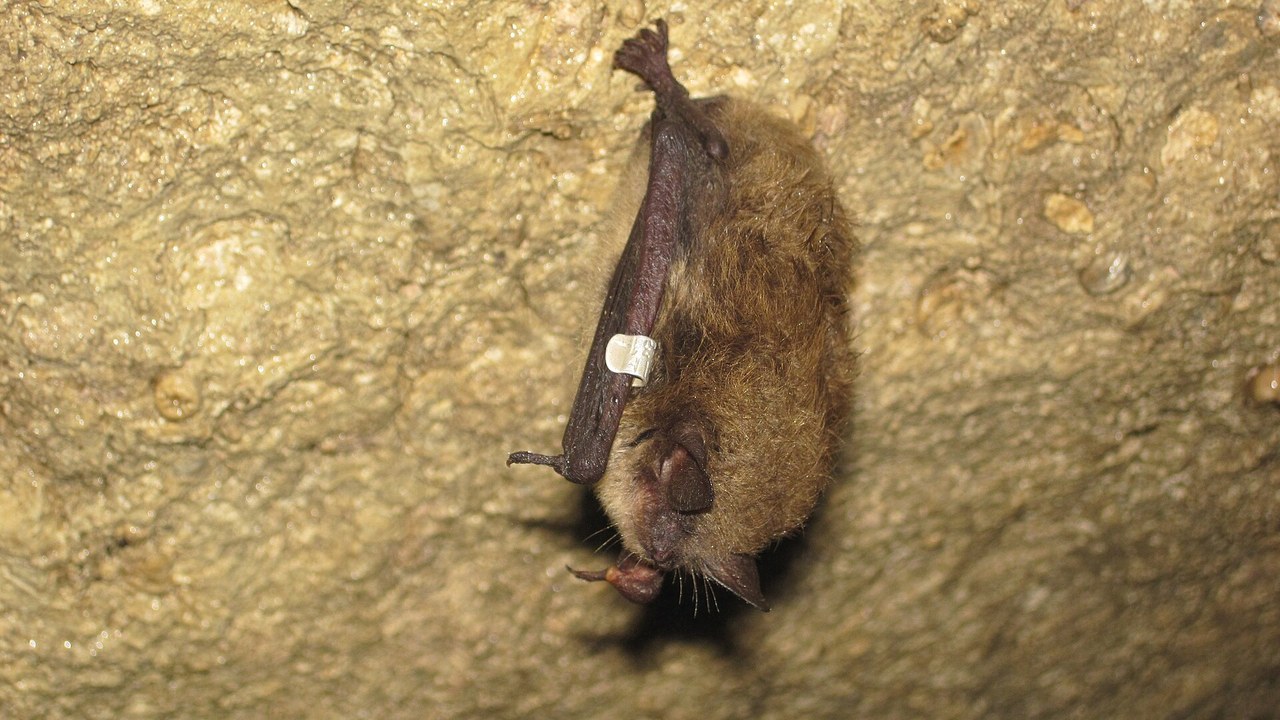
The little brown bat sleeps about 19.9 hours a day, according to a WorldAtlas list of long sleepers. It wakes only for brief nighttime windows in which it can eat upwards of 1,000 insects.
That leaves roughly four waking hours, and most of them go to feeding. The figure tops the list because the bat packs an enormous meal into a very small slice of the day. For anyone curious about bats, the number explains why they are so rarely seen during daylight hours.
2. Giant armadillo: Burrow Dweller
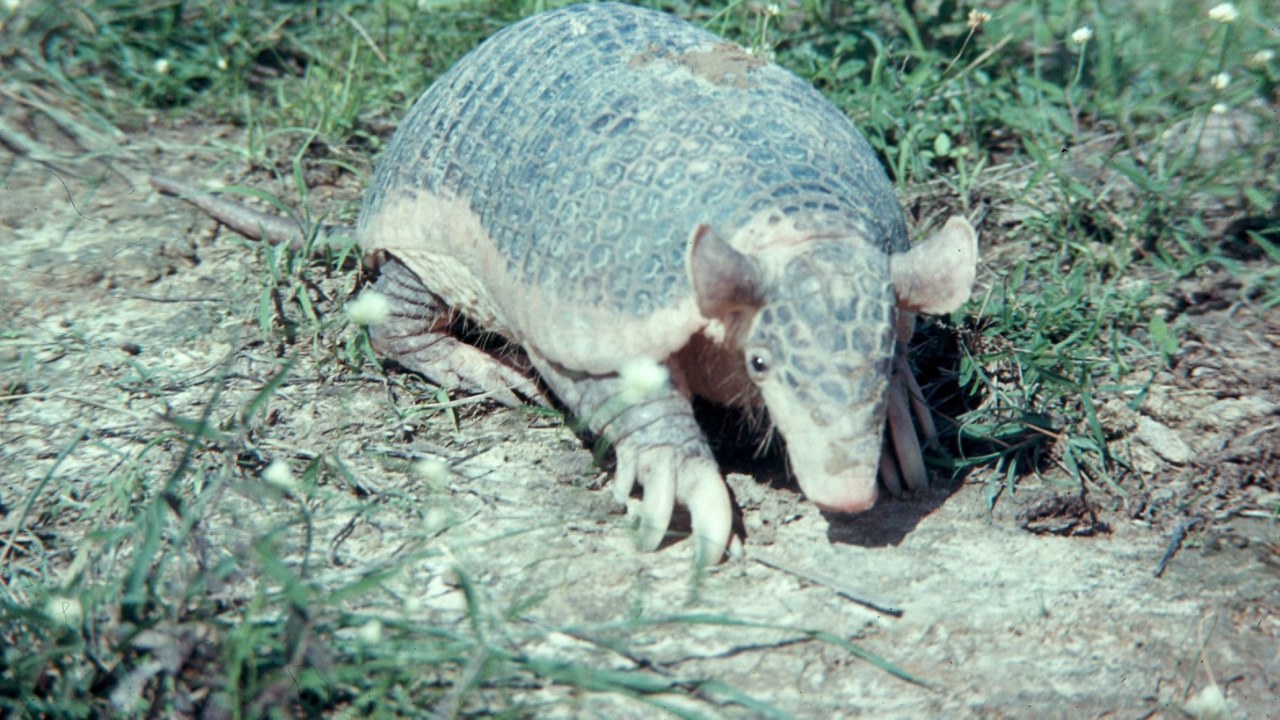
The giant armadillo logs roughly 18.1 hours of sleep a day, WorldAtlas reports, resting in burrows it digs with its large central claw.
The same claw that excavates the burrow doubles as the animal’s main tool for getting out of sight. A secure shelter fits an animal that spends three-quarters of every day asleep. Only the little brown bat tops it in the WorldAtlas figures, making it a natural second entry on this ranking.
3. Opossum: Eighteen Hours Flat
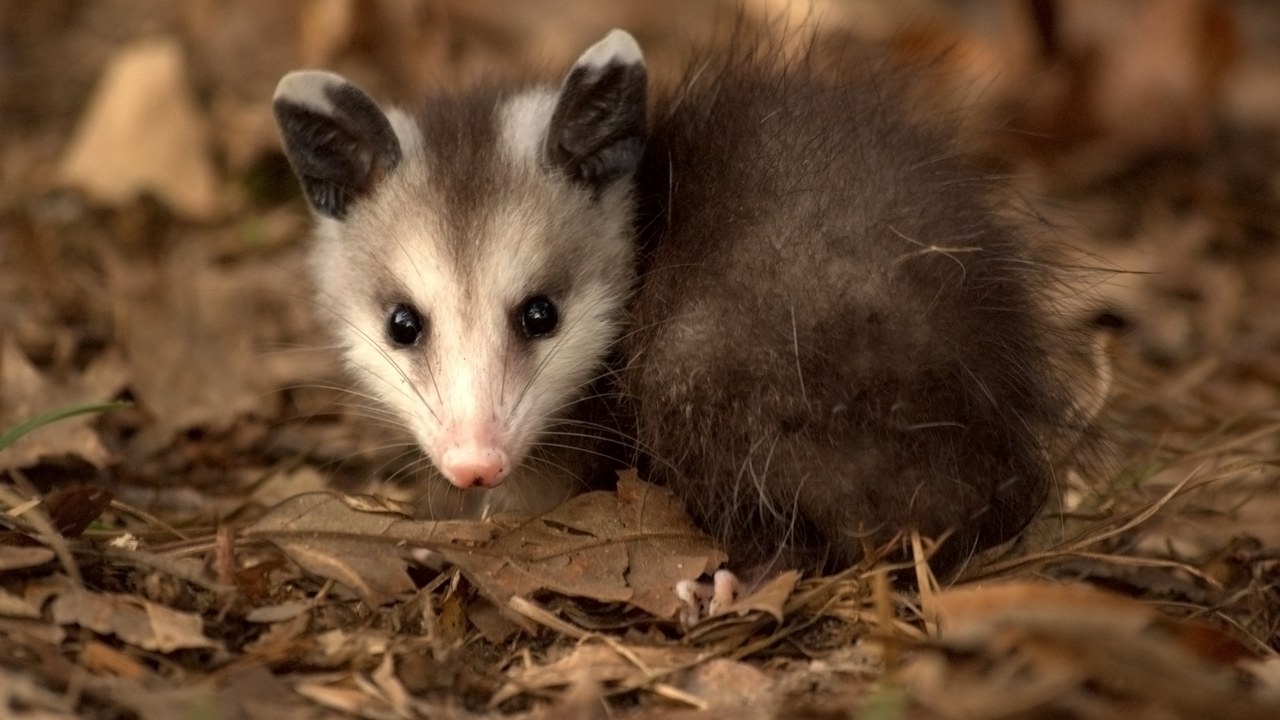
A UCLA sleep-research table puts the opossum at 18.0 hours of total daily sleep, more than double the 8.0 hours listed for humans.
The comparison with the human figure helps put the number in context. An opossum spends most of its life asleep, a habit that sits comfortably in a table of long-sleeping mammals. The listing is useful mainly as a comparison point, since total sleep time shifts with age, season and measurement method.
4. Common brushtail possum: Six Hours of REM
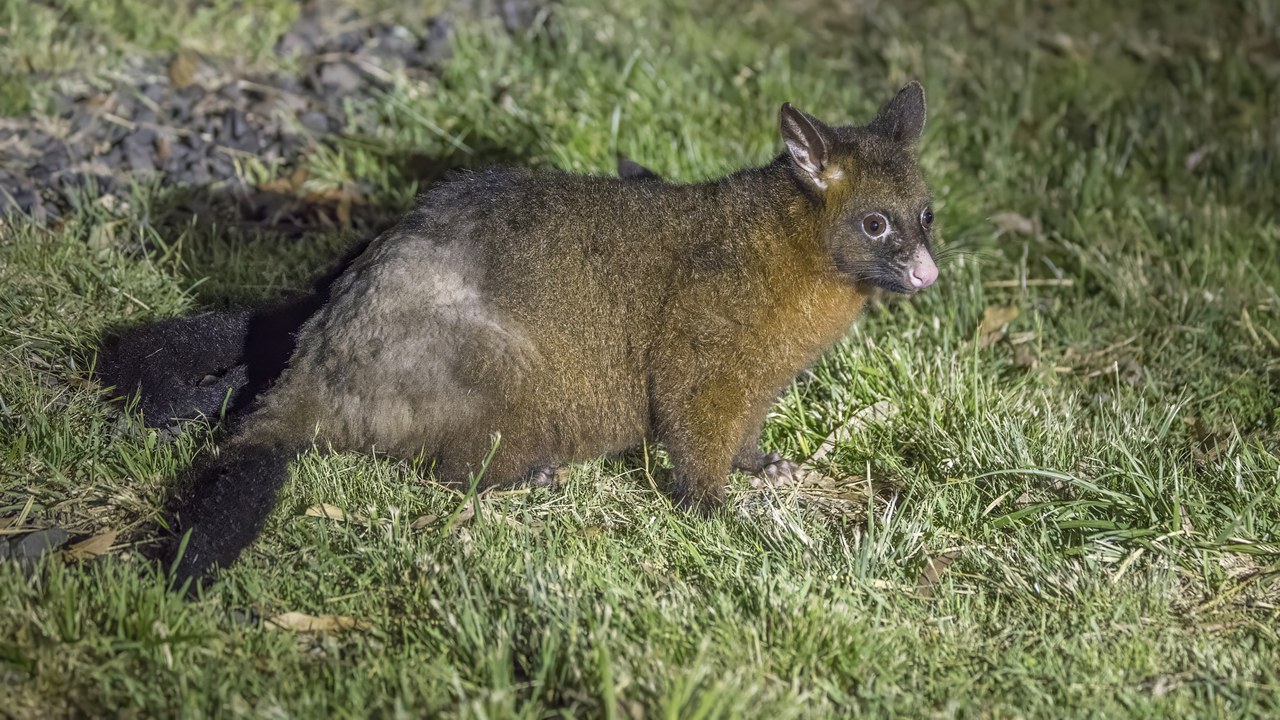
In a Nature review by UCLA sleep scientist Jerome Siegel, the bushtail possum is charted at 18 hours of sleep a day, including 6.6 hours of REM.
The REM share is a large part of what the review highlights, since dream-stage sleep varies widely among mammals. The brushtail possum sits at the heavy end of that spread. Readers comparing it with the opossum will notice the same 18-hour total, split between very different sleep stages.
5. Sloth: Slow Metabolism, Long Naps
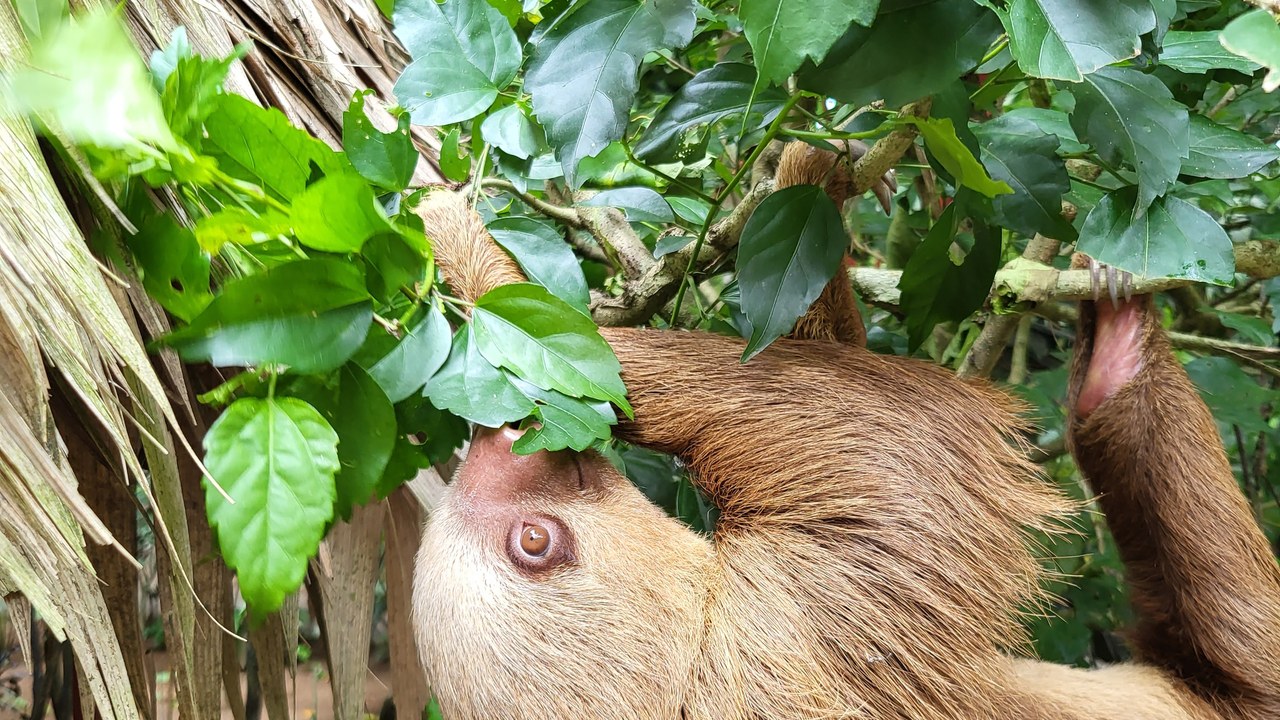
A slow metabolic rate keeps the sloth inactive for 15 to 20 hours a day, WorldAtlas explains, and the animal descends to the ground only about once a week.
The wide range reflects how little energy the sloth burns. Its rare trips down from the trees are a reminder that almost everything about the animal is built around conserving effort. That slow pace is why the sloth appears so often in discussions of animals with extreme habits.
6. Tiger: The Big Cat Siesta
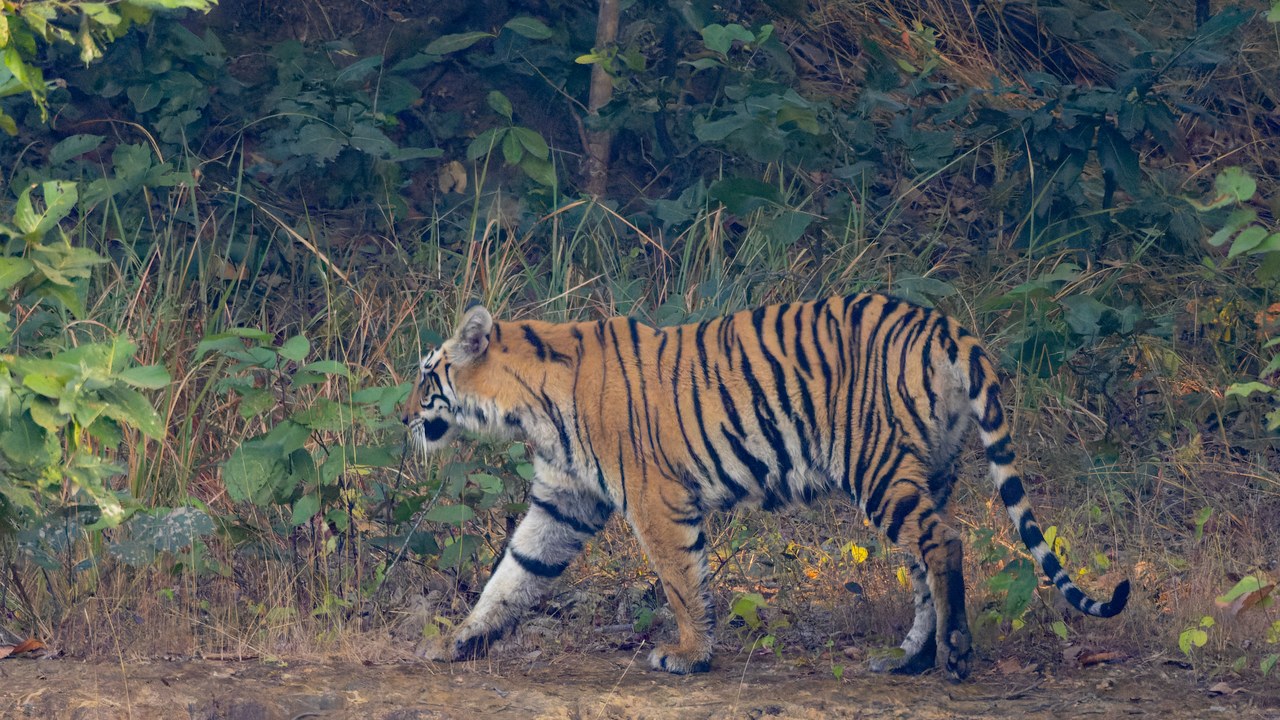
The tiger, Asia’s largest big cat, sleeps about 15.8 hours a day, according to WorldAtlas. It can also eat up to roughly 80 pounds of meat in one sitting.
Such heavy meals and long rests go together for a predator that hunts in bursts. The sleep total is in line with what a large carnivore needs between stretches of intense effort. Owners and zookeepers of big cats see the same pattern, with long stretches of rest between active periods.
7. Koala: Ahead of the Platypus
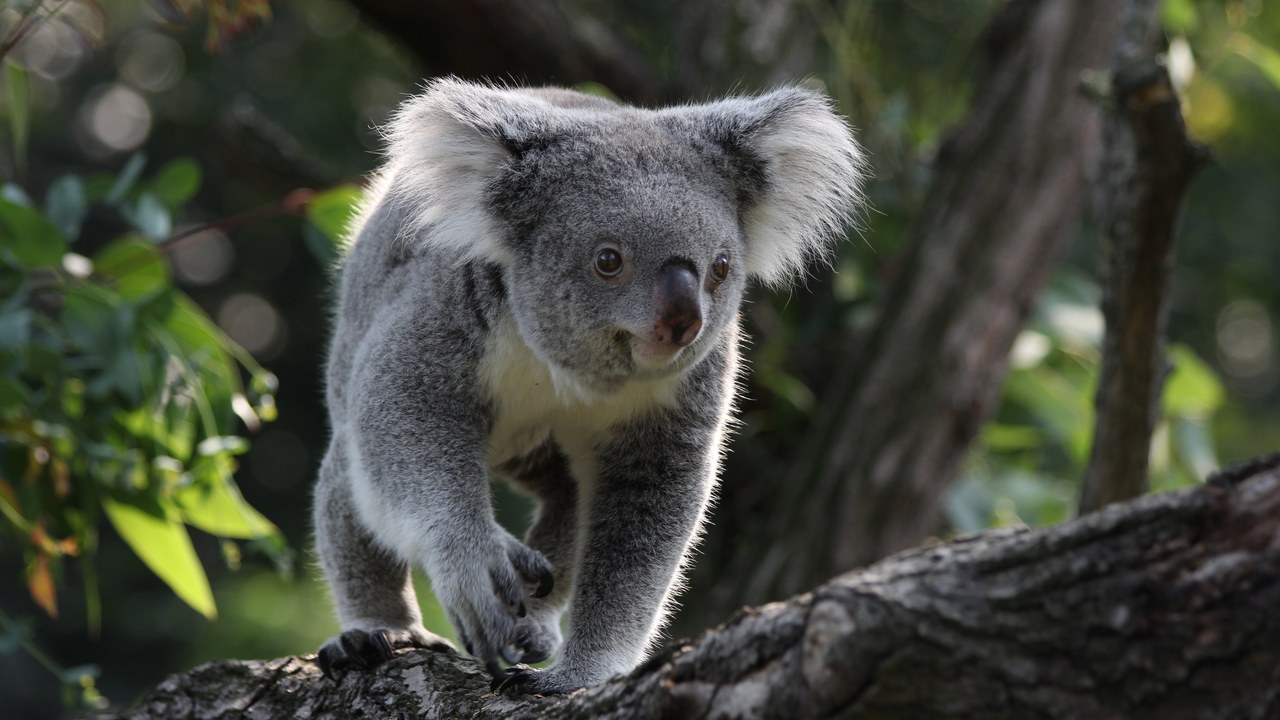
The UCLA mammalian-sleep chapter lists the koala at 14.5 hours of total daily sleep, ahead of the platypus and hamster at 14.0.
Koalas are often described as sleepy animals, and the table backs that reputation with a number. The half-hour gap to the platypus and hamster is small, showing how closely several species cluster. Marsupials and egg-laying mammals sharing that region of the chart is a useful reminder of how varied the animals in it are.
8. House cat: The Everyday Sleeper
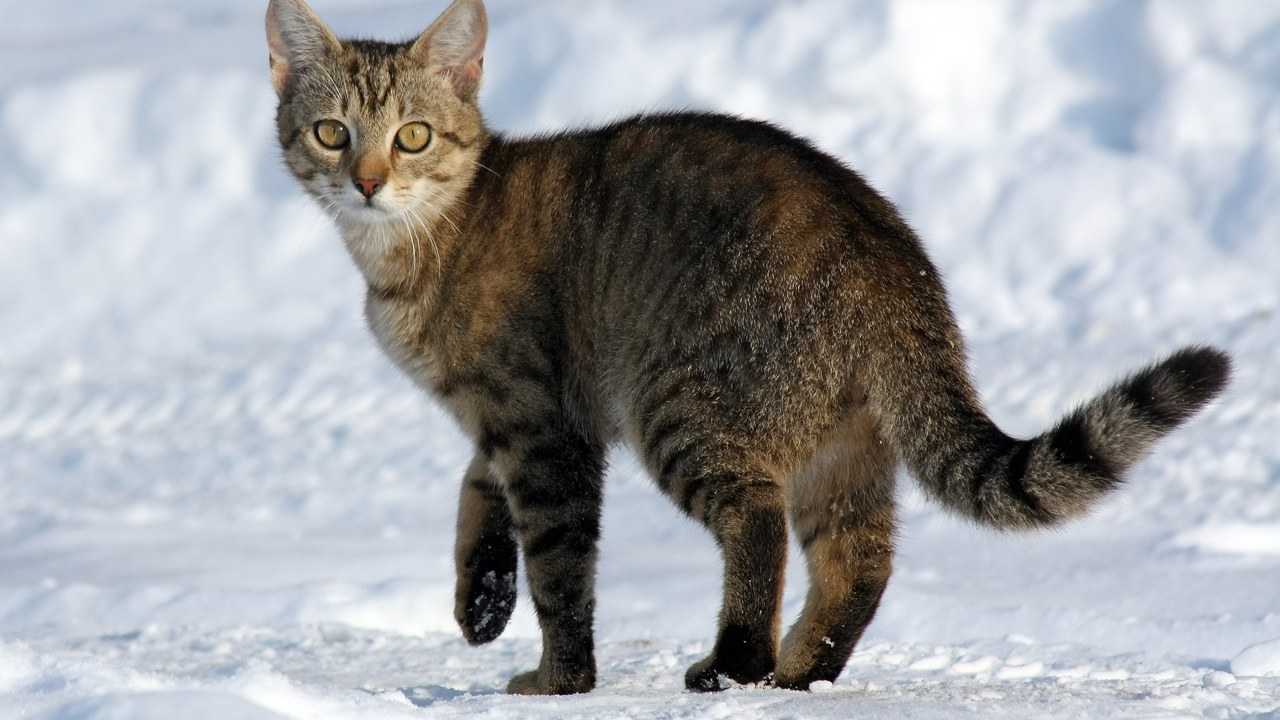
Domestic cats average 12.5 hours of total sleep a day in the UCLA mammalian-sleep table, which rounds values to the half hour.
Owners who find a cat asleep on the sofa most of the afternoon are seeing normal behavior, not laziness. The rounding is a reminder that these tables offer typical figures rather than exact measurements for any one animal. Individual cats will sleep more or less depending on age, weather and how much activity fills the day.
9. African elephant: Under Four Hours
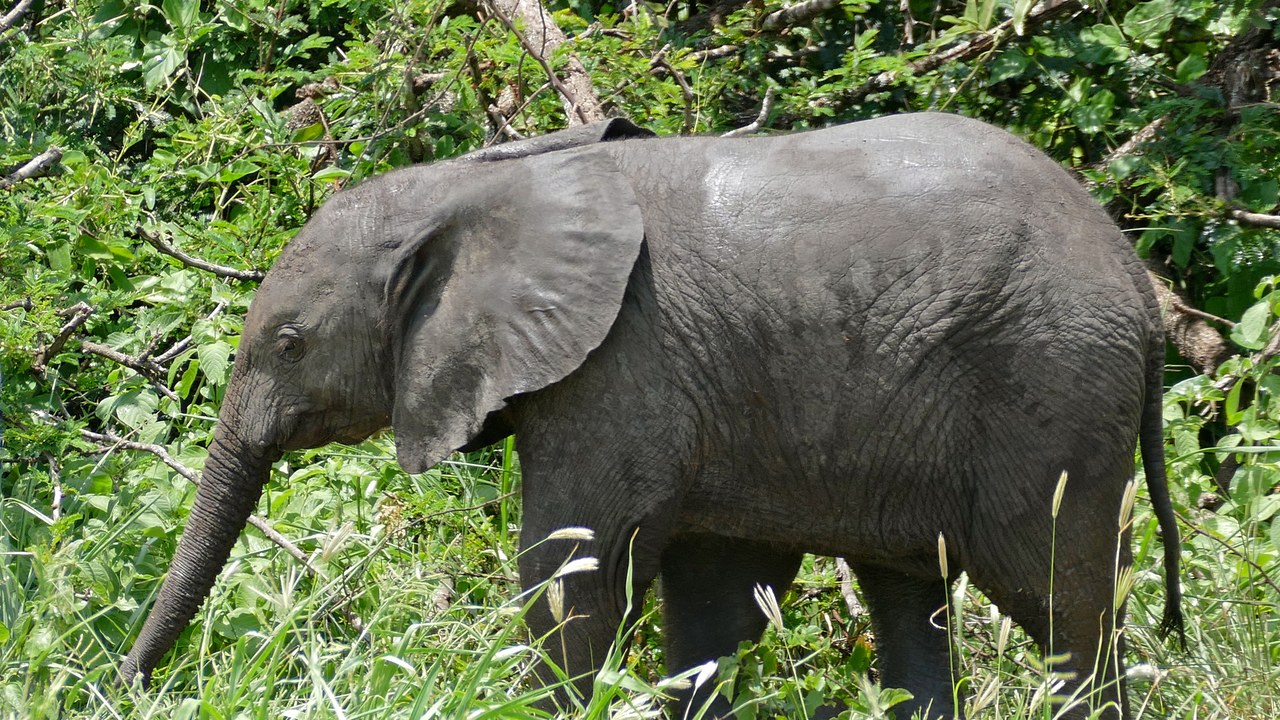
Siegel’s Nature review records the African elephant at just 3.9 hours of sleep a day, with only 1.8 hours of it REM sleep.
The elephant is the largest animal on the list, and it sleeps far less than the bat or opossum. The contrast shows that body size and sleep time often move in opposite directions. Less sleep in a massive grazer fits a life spent eating large amounts of food across many hours.
10. Giraffe: Three to Four Hours
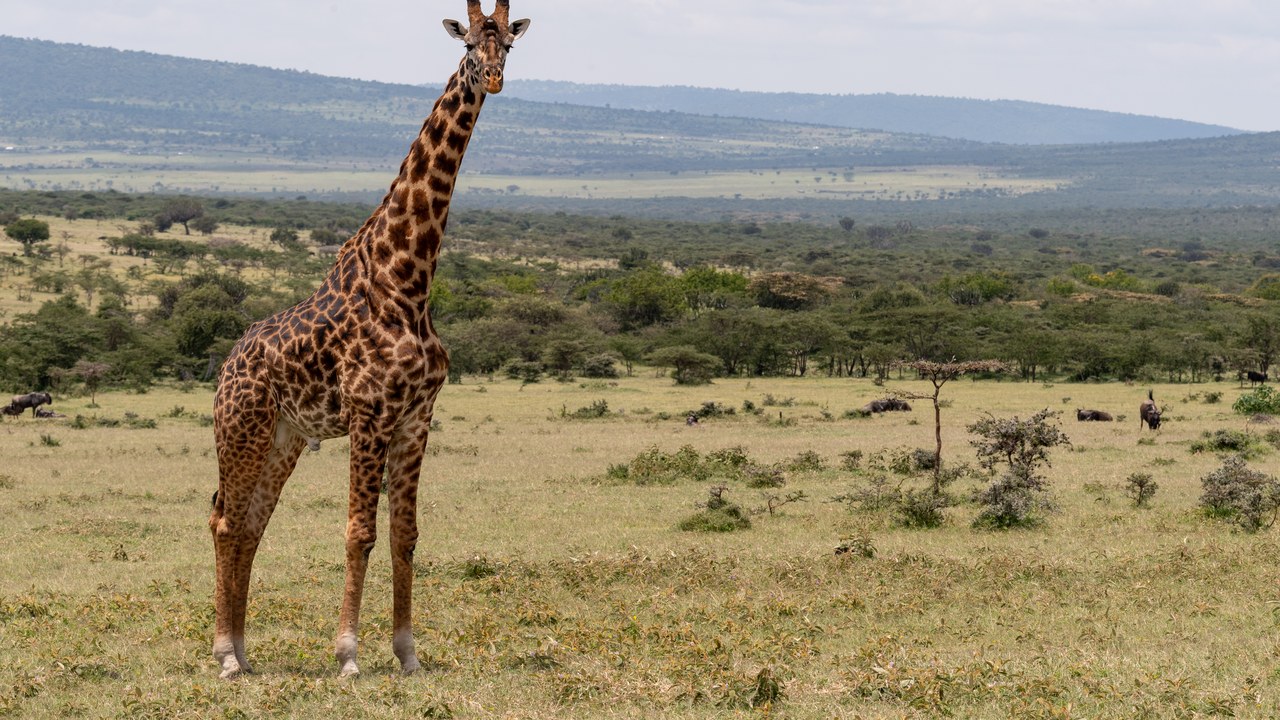
Giraffes, like elephants, sleep for as little as 3 to 4 hours a day, according to the Nature review of animal sleep.
As with the elephant, the wording is as little as, so the range marks the low end for the species. The tallest animal on land gets by on a fraction of the rest that a koala takes. The review pairs the giraffe with the elephant, two of the largest land animals, which sit far below the long sleepers at the top of the list.
11. Horse: The Lightest Sleeper
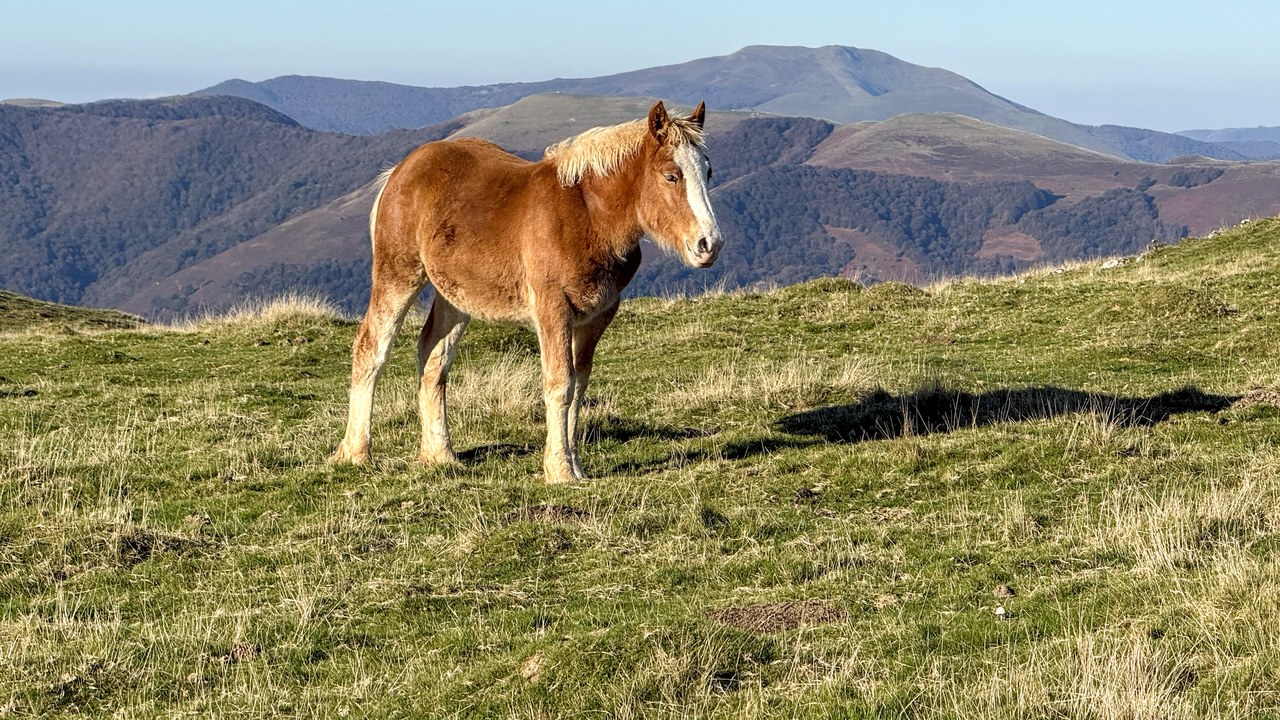
Horses get only about 3.0 hours of total sleep a day in the UCLA mammalian-sleep table, the lowest of the animals it lists.
That gives the list its two ends: a bat near 20 hours and a horse at 3. The gap of nearly seventeen hours is the clearest sign of how widely sleep needs differ among mammals. For horse owners, the figure also hints at why the animals tend to rest in short, light bouts rather than one long night.
More from Morning Overview
- The FBI told the rest of ShinyHunters to surrender after a 24-year-old was arrested
- Two passengers died at an Ohio toll plaza, and the NTSB now wants the cash lanes shut
- Long use of a common prostate pill is tied to a higher chance of glaucoma
- Ford is recalling 223,472 F-150 pickups because the fuel tank can leak or detach
