
Mazda built its North American reputation on a stubborn bet on the rotary engine, then reinvented itself with a small roadster and a run of crossovers. The path took in race wins, pickups, minivans and a few oddities along the way. Here are twelve Mazdas that mark the stops, starting with the first rotary and ending with a crossover.
1. Mazda R100: Rotary Beginnings
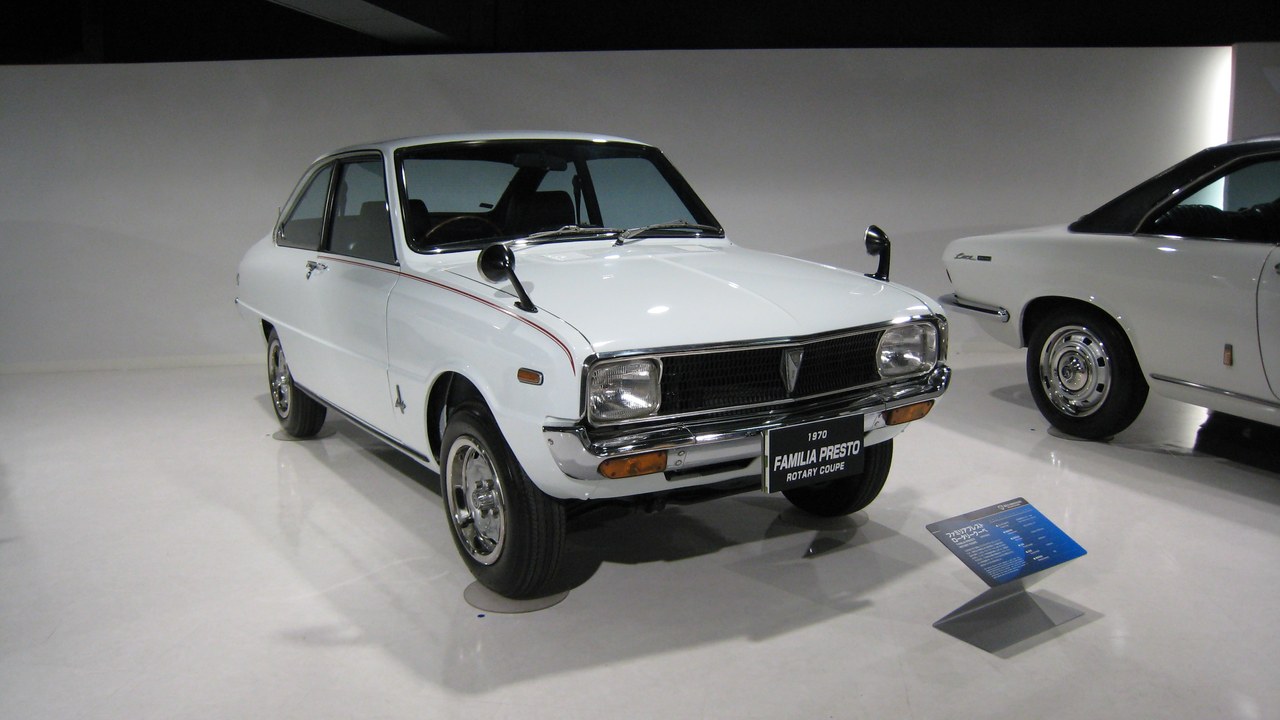
The first rotary Mazda sold in North America, the R100, used a 982-cc two-rotor engine rated at 100 to 120 hp and built under an NSU license. That was a lot of output from such a small displacement.
The R100 is the starting point for the rotary story that shaped the brand’s image for decades. Anyone tracing Mazda’s engineering identity has to begin with this compact coupe and its unusual powerplant. Because the engine was so unconventional, it set Mazda apart from every other maker selling small cars on the continent at the time.
2. Mazda RX-2: The One-Car Debut
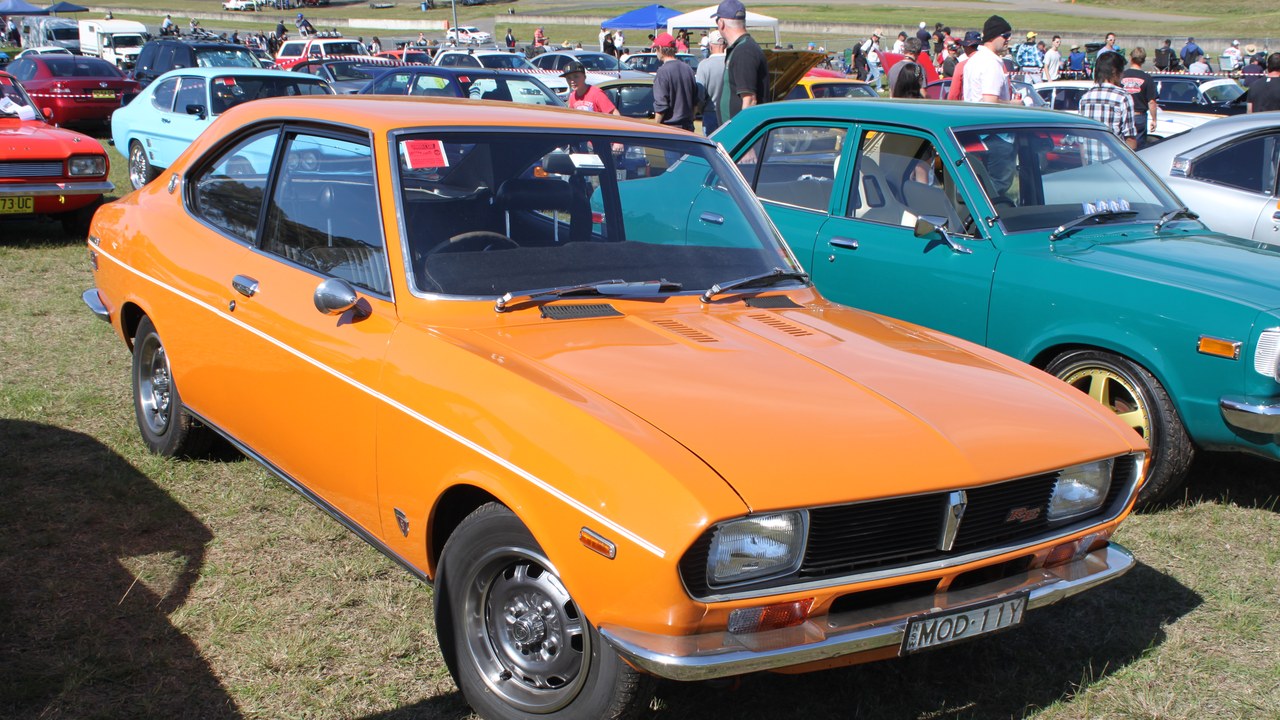
Mazda entered the U.S. market in 1970 with a single car, the RX-2. One model carried the whole launch, which made the company’s American start unusually focused.
The RX-2 shows how modest the beginning was for a brand that later sold hundreds of thousands of vehicles a year. Collectors looking for the origin of Mazda’s U.S. presence will find it in this rotary-powered sedan and coupe line. Starting with one model also meant the dealer network and the brand’s reputation rode on a single product, a risky arrangement for any newcomer.
3. Mazda RX-3: Winning in Japan
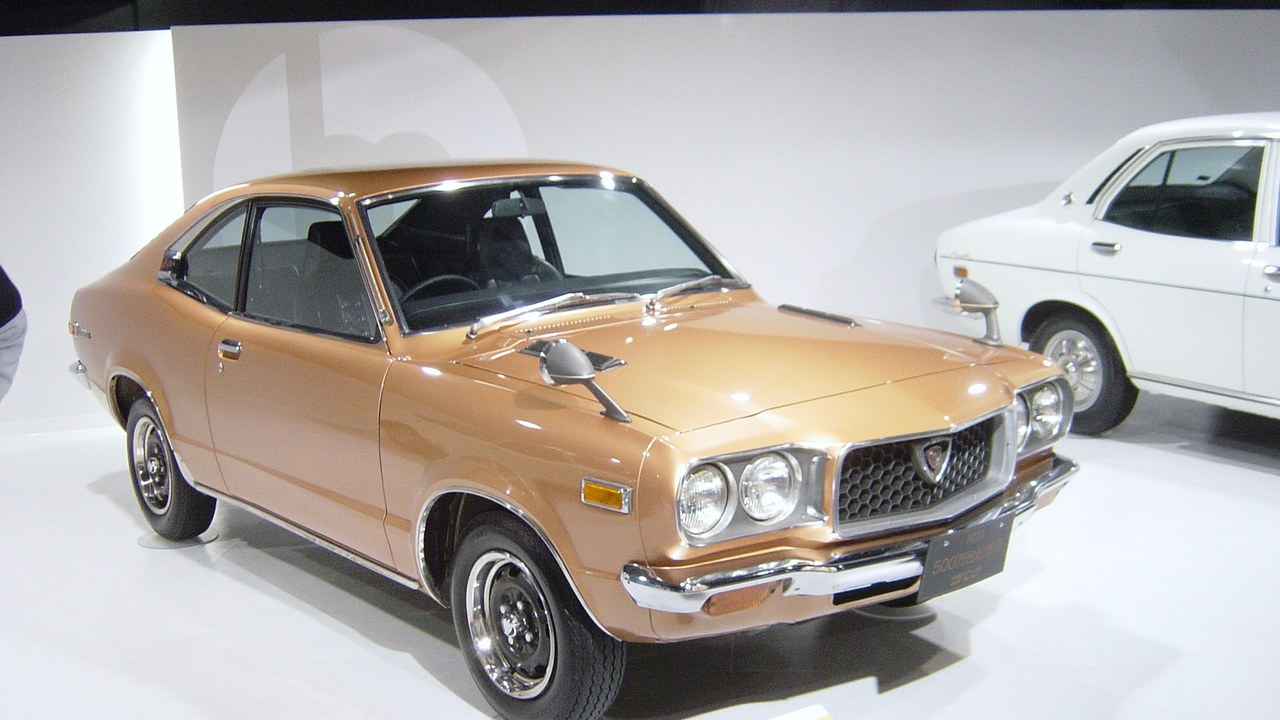
RX-3 coupes had racked up 100 race victories in Japan by 1976, according to Hagerty. That record gave the rotary real credibility on the track, not just in brochures.
The RX-3 is a reminder that Mazda’s rotary reputation was earned in competition. For enthusiasts, a car with that racing pedigree remains one of the more interesting small coupes of the early 1970s. Good examples are rare today, so anyone hunting for one should expect a search that rewards patience, careful inspection and a clear idea of what the car originally offered.
4. Mazda B-Series: The Workhorse Pickup
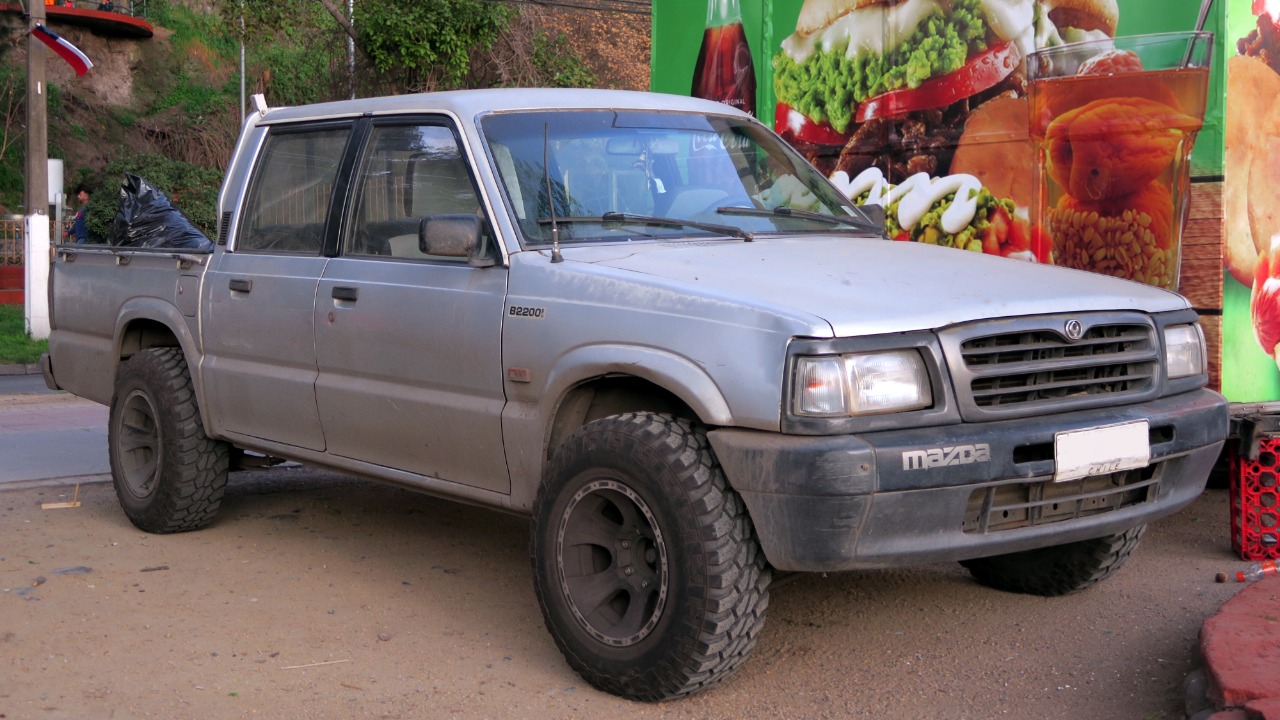
The B-Series pickup made up a large share of Mazda’s first-year sales in Canada, and the nameplate lasted nearly 45 years. Few Mazda badges have stayed in use that long.
The B-Series proves that the company was more than rotaries and sports cars. A truck with that kind of longevity points to steady demand from working buyers who wanted something practical and affordable. Pickups of this kind are easy to overlook beside the rotary headliners, yet they likely kept far more ordinary customers loyal to the dealership over the years.
5. Mazda GLC: Everyday Compact
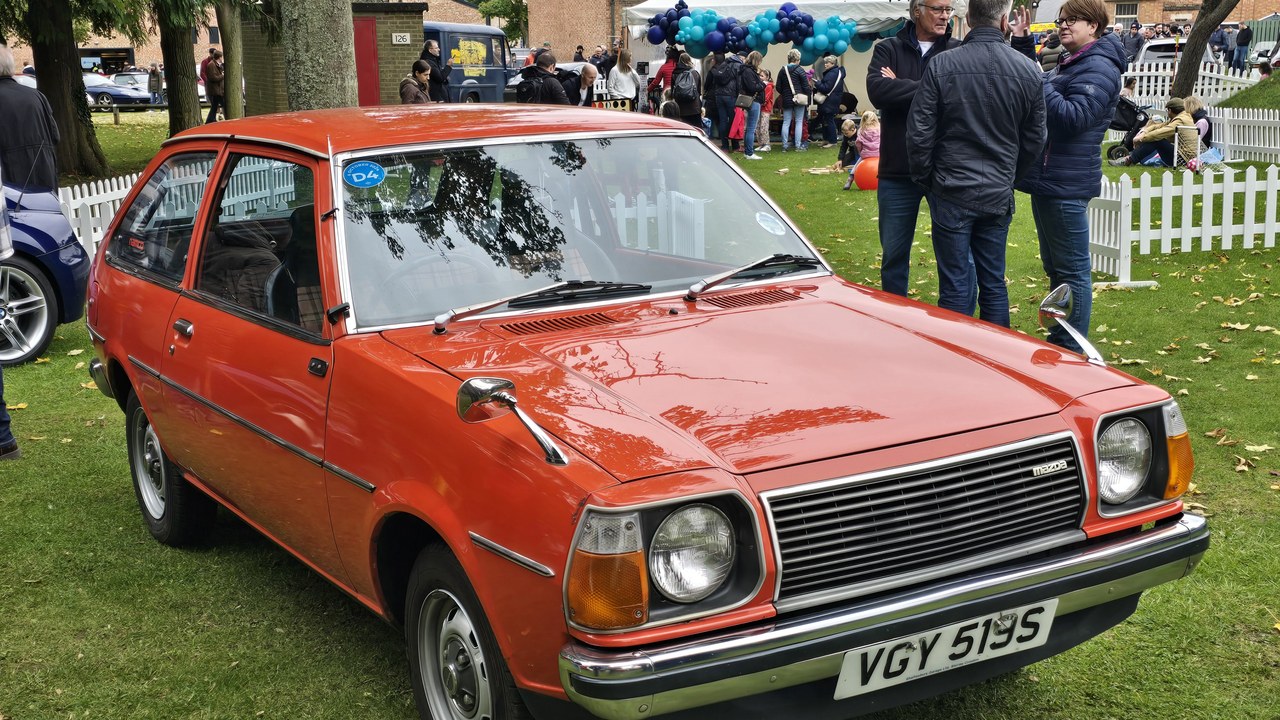
The GLC compact followed Mazda’s early rotaries and became a common sight in driveways, Hagerty notes. It was the kind of small, sensible car that sold on practicality rather than performance.
The GLC helped turn Mazda from a curiosity into a mainstream choice for ordinary households. Used examples are a snapshot of the era when small imports became everyday transportation. Shoppers who remember the period often describe such cars fondly, and that nostalgia keeps the nameplate in conversation even though it never aimed for glamour.
6. Mazda RX-7: Daytona Double
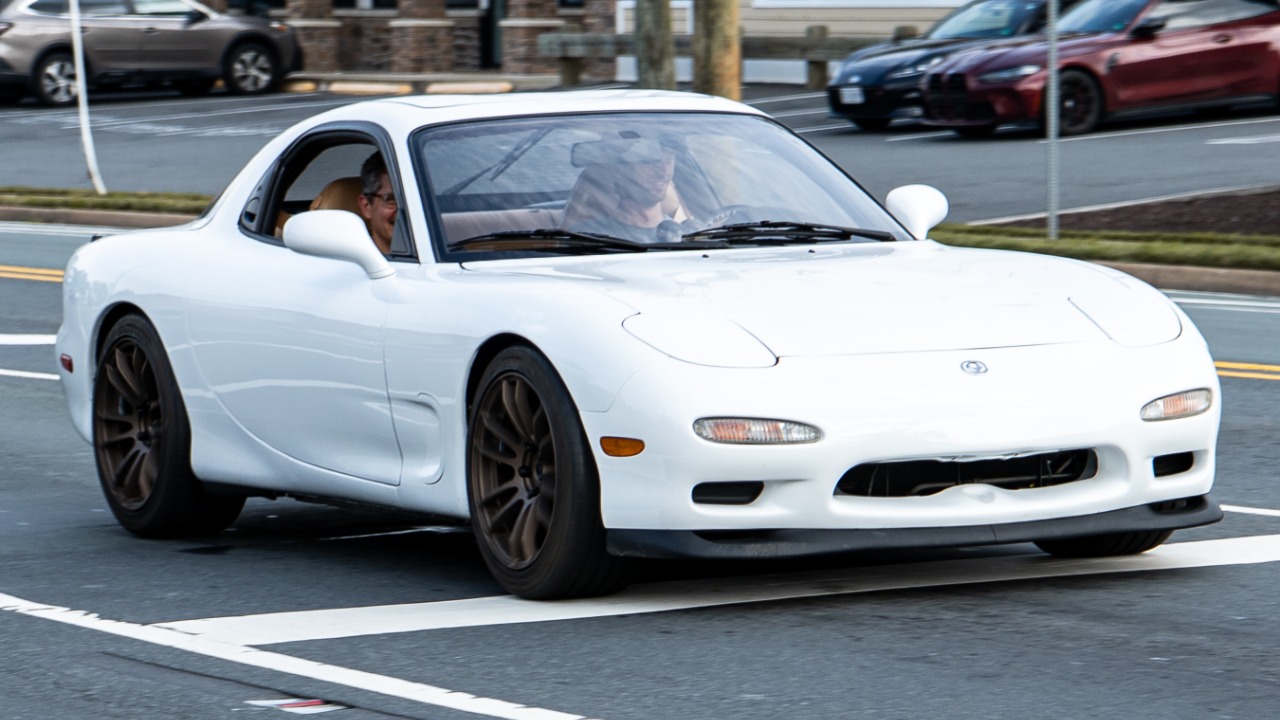
An RX-7 finished first and second in class at the 1979 24 Hours of Daytona, and the twin-turbo version later made 255 hp with a 7,500-rpm redline. Both numbers come from Hagerty’s account of the rotary.
The RX-7 combined endurance-racing credentials with a high-revving engine that still excites drivers. It remains the car most people picture when the words Mazda and rotary appear together. Buyers considering a rotary sports car should look closely at the condition of the engine and the service records before committing to a purchase.
7. Mazda MX-6: Probe’s Twin
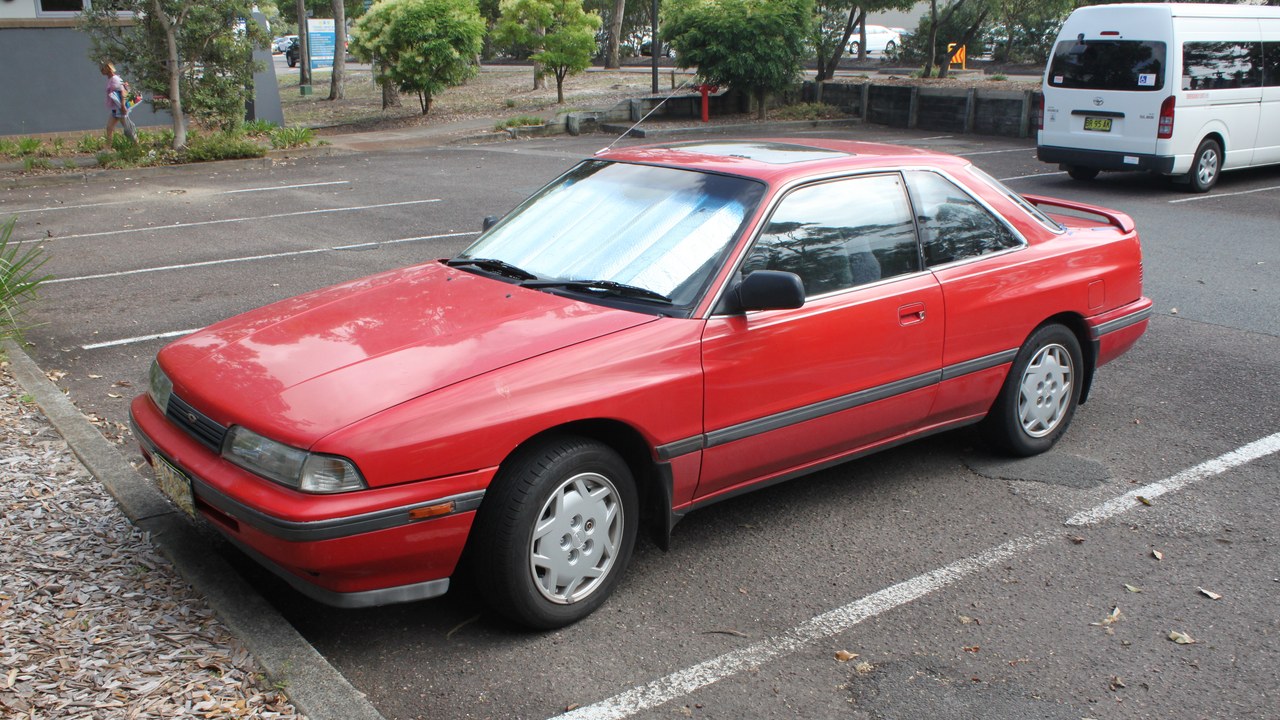
The sporty MX-6 coupe, Hagerty notes, was a twin of the Ford Probe. The two cars shared their basic design while wearing different badges.
Shared platforms like this were a common way for automakers to spread development costs. Shoppers cross-comparing an MX-6 with a Probe were looking at close relatives with different brand identities. Parts commonality and shared engineering can make ownership a little easier than the rarity of the nameplate would suggest, which is a point in its favor.
8. Mazda MX-5 Miata: Roadster Revival
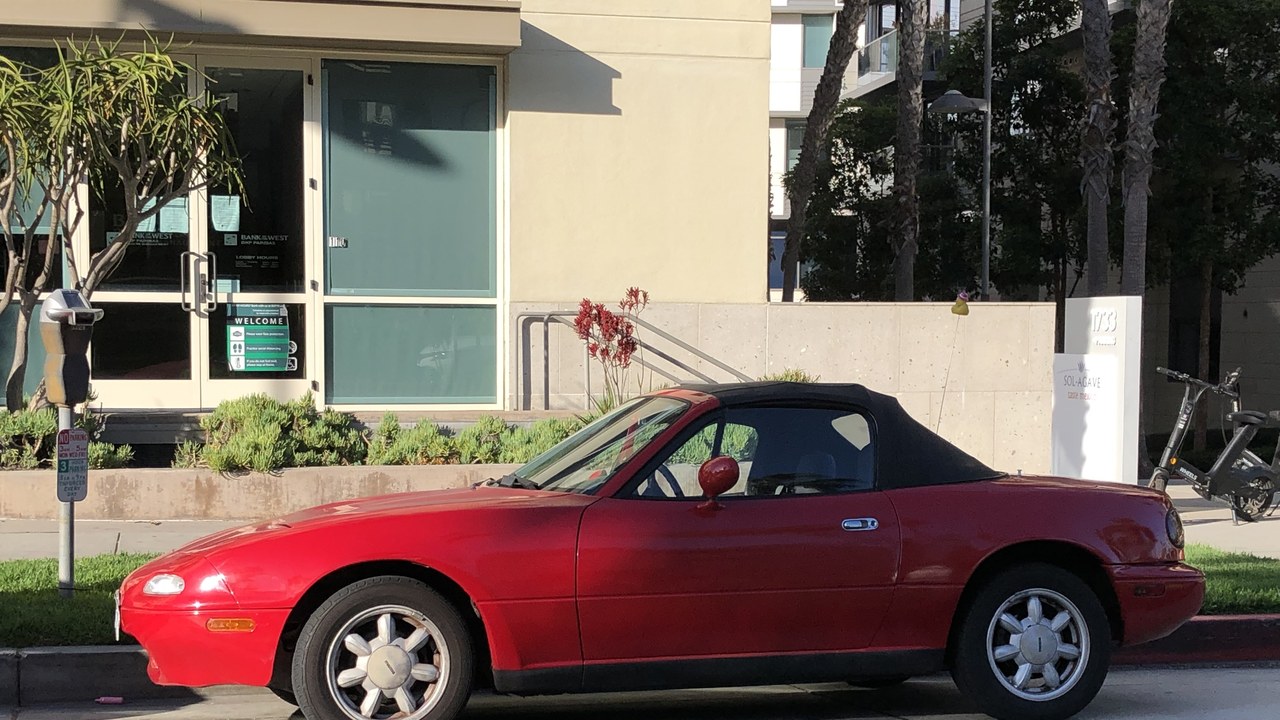
Launched in 1989, the Miata sparked a boom in the sports car segment. A simple, lightweight two-seat roadster prompted a wave of rivals that followed its lead.
The Miata is the car that most clearly rescued the affordable roadster from near extinction. Its influence on the segment is the reason it sits near the center of any Mazda history. Later generations kept the formula alive, which tells buyers that the original idea was strong enough to survive well beyond the first car’s showroom life.
9. Mazda MPV: Minivan Years
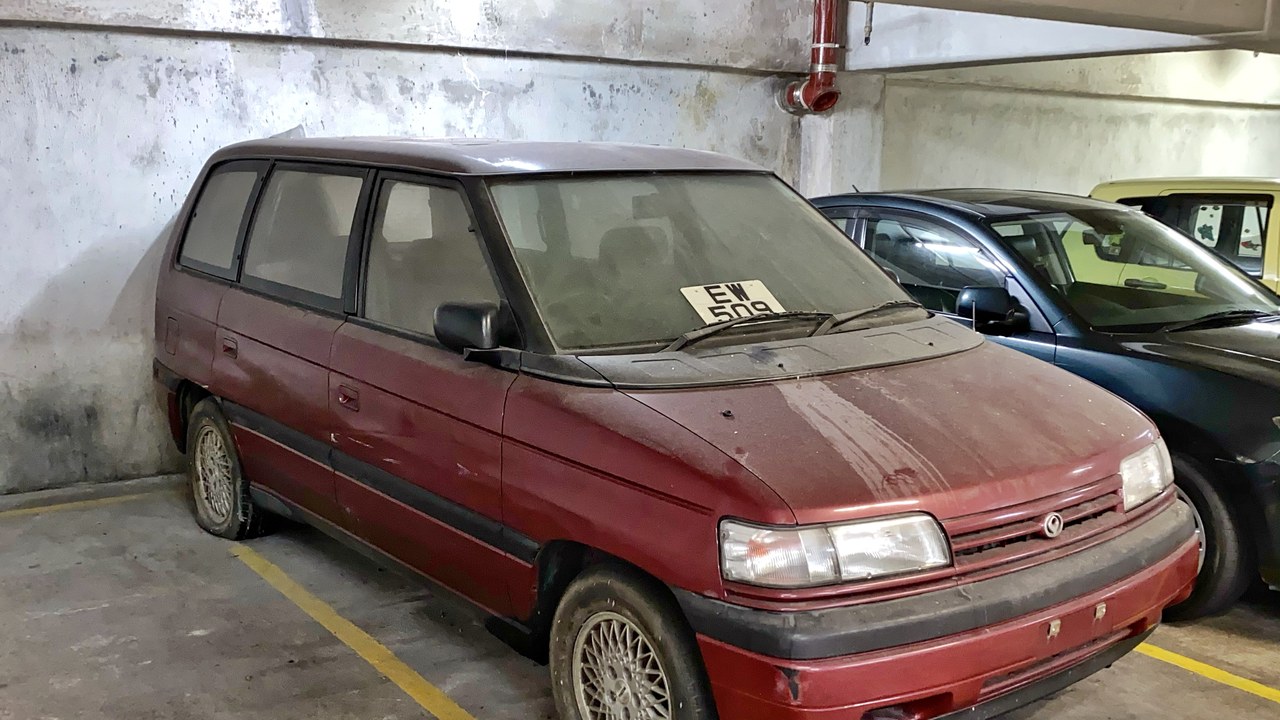
Mazda’s MPV minivan was sold from 1989 to 2006. That run covered nearly two decades of family hauling in an era when minivans were a fixture of American driveways.
The MPV shows Mazda chasing the practical end of the market alongside its sporty cars. Used examples appeal mainly to buyers who want a modest, older people-mover with a long production history behind it. Because the nameplate ran so long, buyers have a wide range of model years to choose from, and condition matters more than the exact production date.
10. Mazda MX-3: Tiny V6
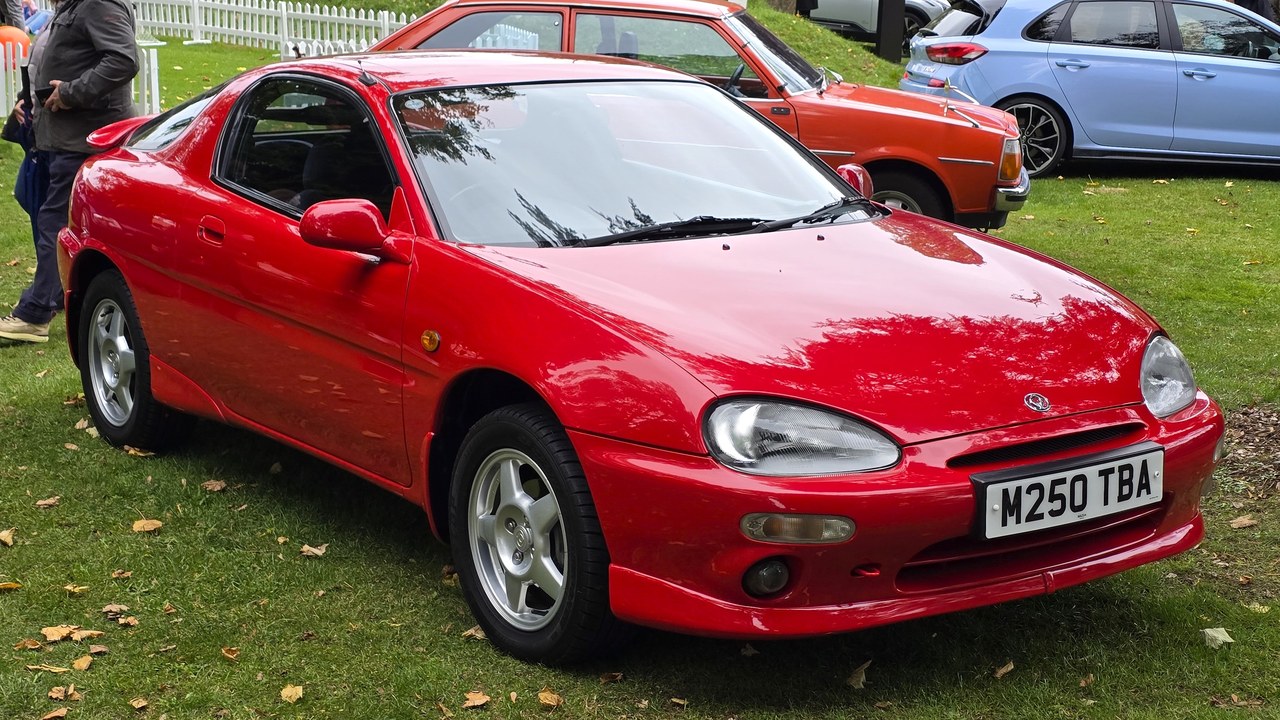
The MX-3 hatchback was said to carry the smallest production V6 in the world. The claim made an otherwise compact car a talking point among engine fans.
The MX-3 is the sort of oddball that rewards curious shoppers. Its unusual engine gives a small hatchback a distinct place among the quirkier Mazdas of its time. Cars like this tend to be inexpensive to find and entertaining to explain, which is a good combination for anyone who enjoys a conversation starter at the curb.
11. Mazda RX-8: Rotary Farewell
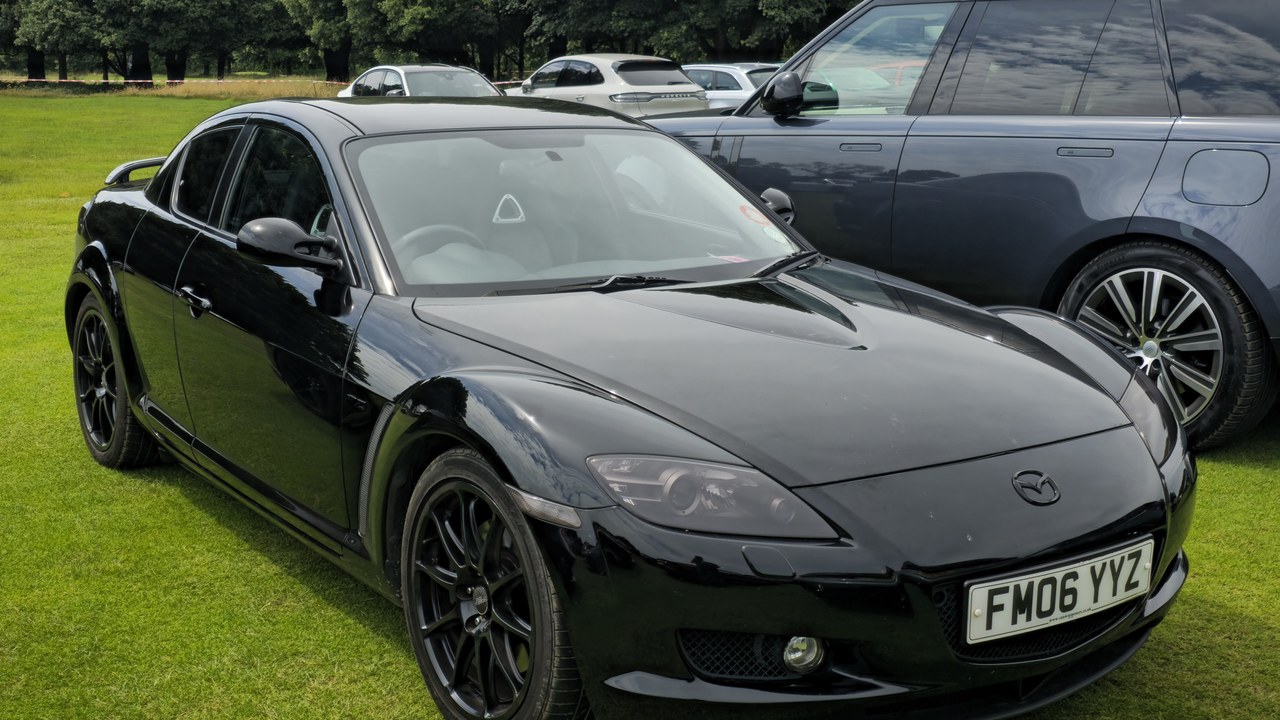
The RX-8 rotary revved to 9,000 rpm with 207 to 247 hp, but production ended in 2012 amid a reputation for oil use and poor mileage. Hagerty ties the end of the car to those complaints.
The RX-8 captures both the thrill and the trade-offs of the rotary. Prospective owners should weigh the high-revving character against the drawbacks that helped bring the car’s run to a close. The lesson for a used-car shopper is to look at maintenance history first, since the engine’s appetite for care matters more than any single specification.
12. Mazda CX-5: Sales Comeback
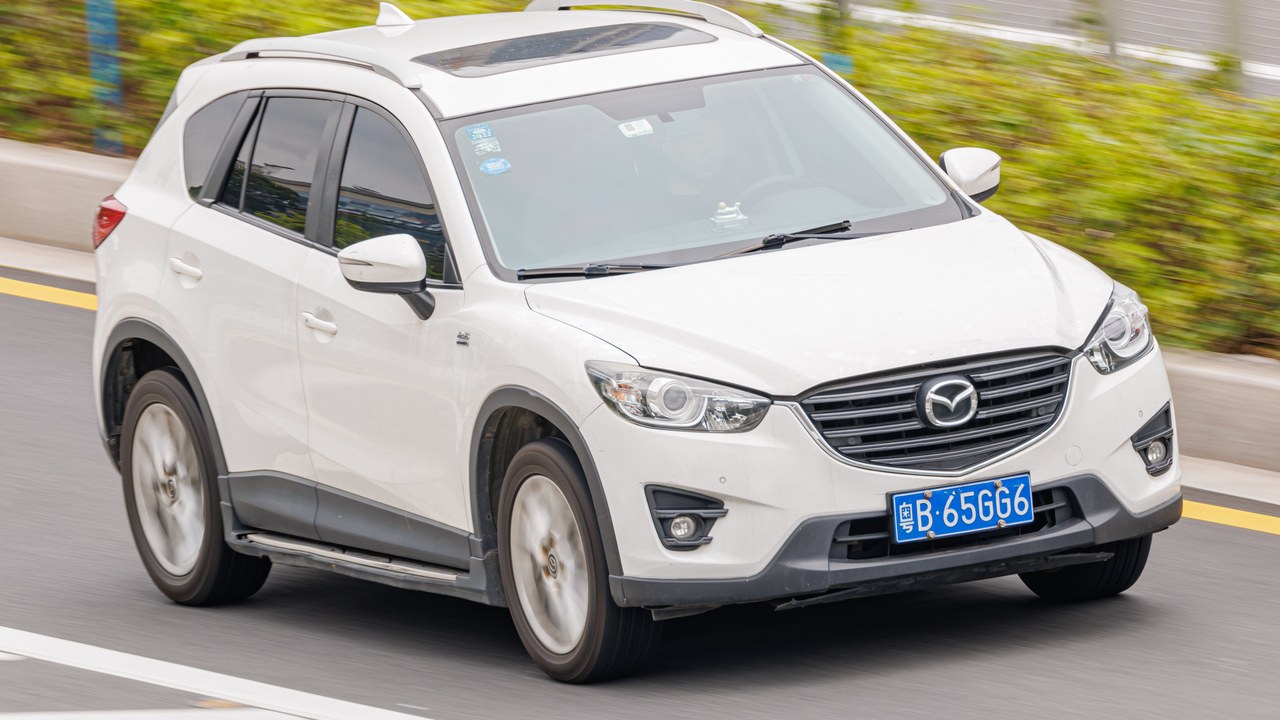
The CX-5 crossover arrived in 2012, and in 2021 Mazda sold 332,756 U.S. vehicles, its best year since 1994. The crossover era brought the brand back to volumes not seen in decades.
The CX-5 shows how far Mazda traveled from rotary coupes to mainstream utility vehicles. Its arrival coincides with the company’s strongest stretch of American sales in a generation. The result is a model line that readers can still find in huge numbers on the road, which makes it a practical choice for used-car buyers today.
More from Morning Overview
- Ford is recalling 223,472 F-150 pickups because the fuel tank can leak or detach
- Hybrids have 15% fewer problems than gas cars, while EVs and plug-in hybrids have about 80% more, Consumer Reports finds
- Regulators cleared the first U.S. small modular reactor, 4 months early
- Lake Powell sank to a record 3,517 feet, nearing the level that stops Glen Canyon Dam’s turbines
