
Oldsmobile spent decades as General Motors’ engineering showpiece, trying new ideas before cheaper divisions got them. Its catalog ran from postwar V-8 pioneers through muscle cars and family wagons to the final cars that rolled out in 2004. Here are twelve landmark models that trace the brand’s rise and eventual end.
1. Oldsmobile Rocket 88 (1949): The V-8 That Raced
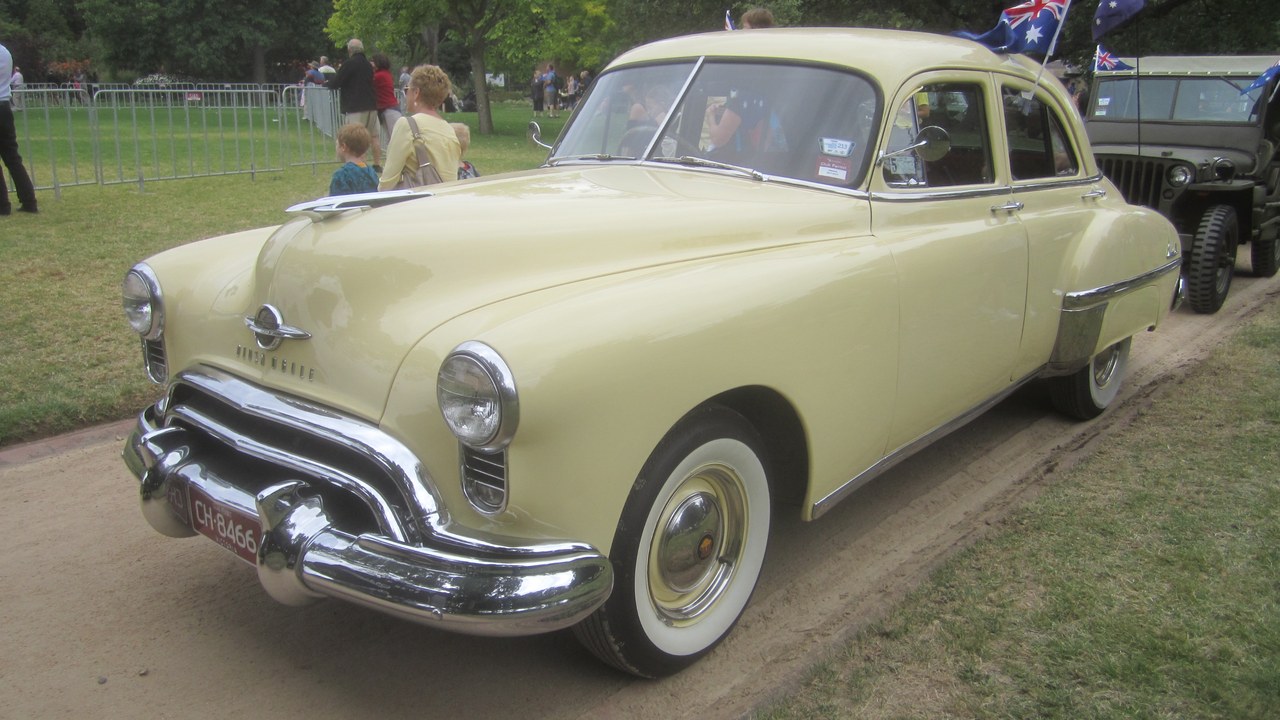
The 1949 88 introduced one of the first postwar overhead-valve V-8s, paced the 1949 Indianapolis 500 and won 10 of 19 NASCAR races in 1950, as Hagerty’s 88 profile explains.
A modern engine in a light body proved a potent mix on track. The Rocket V-8 gave Oldsmobile a performance reputation that its showrooms promoted for years, and early examples remain prized by collectors. Few cars from the period combined racing credentials and everyday usability so effectively.
2. Oldsmobile Vista Cruiser (1964): Skylights And Third Rows
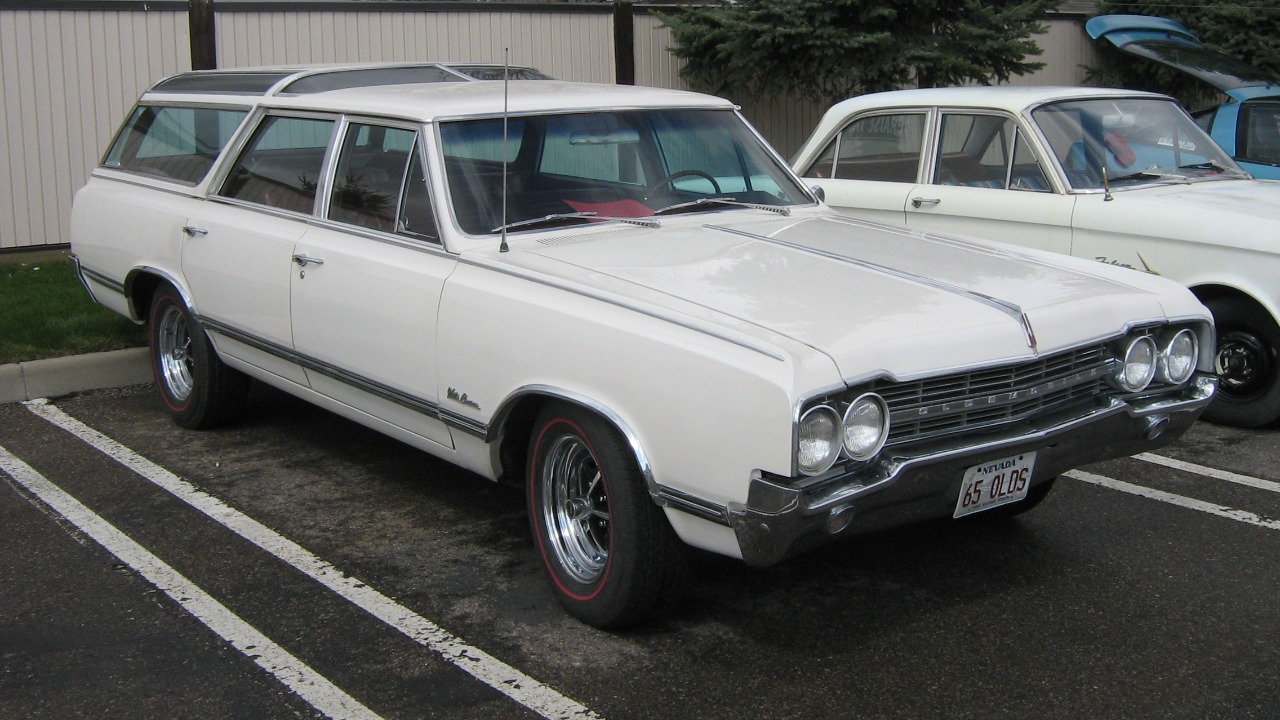
The stretched Cutlass-based Vista Cruiser wagon had roof skylights and a forward-facing third row, and Wikipedia’s Oldsmobile article says it was the flagship wagon from 1965 to 1970.
Glass over the rear seats made family trips feel airy, and the extra row carried more passengers than most wagons. Its distinctive roofline still marks it out at any gathering of classic station wagons. Buyers today should check that the unusual roof glass and rear seating remain intact and sound.
3. Oldsmobile Toronado (1966): Front Drive With Muscle
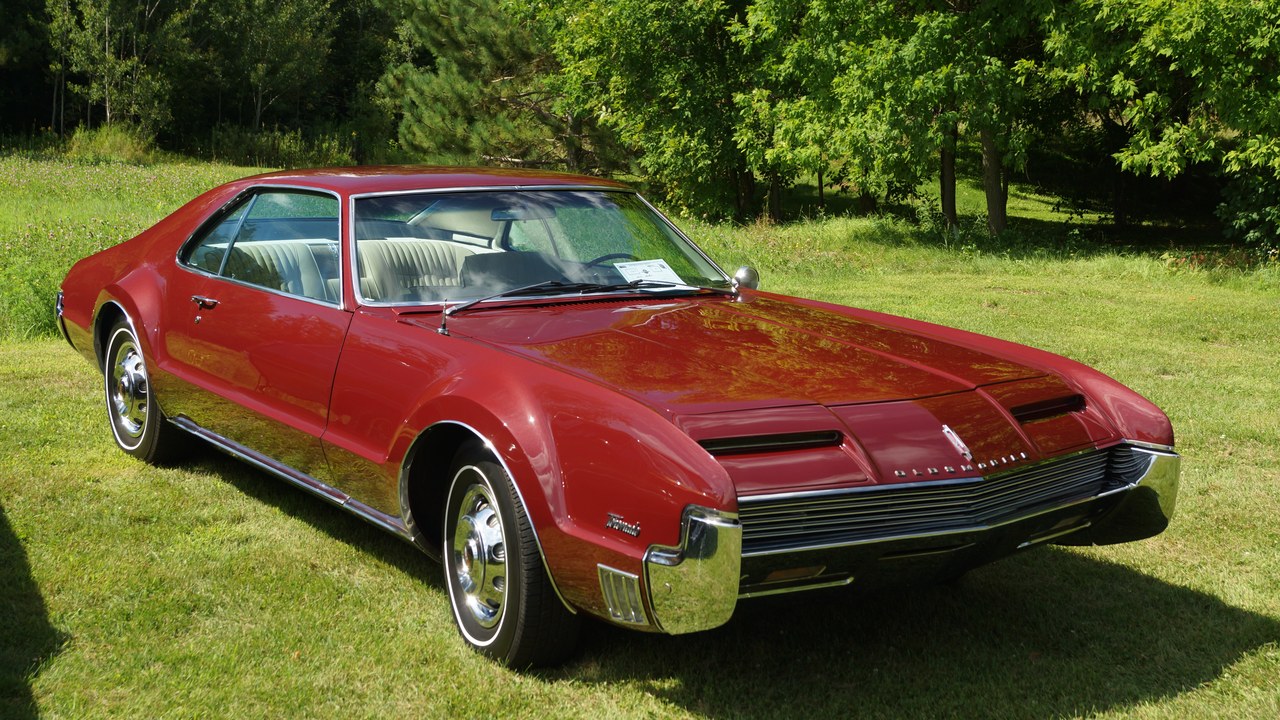
The front-wheel-drive Toronado used a 385-hp 425-cubic-inch V-8, was Motor Trend’s 1966 Car of the Year and, according to Hagerty’s Toronado history, sold 40,963 units that first year.
Putting that much power through the front wheels was bold for an American coupe. The Toronado earned its award for daring engineering, and its sharp styling still looks confident decades later. Prospective owners should budget carefully, since the unusual drivetrain layout asks for knowledgeable, patient maintenance.
4. Hurst/Olds (1969): Hurst Adds Horsepower
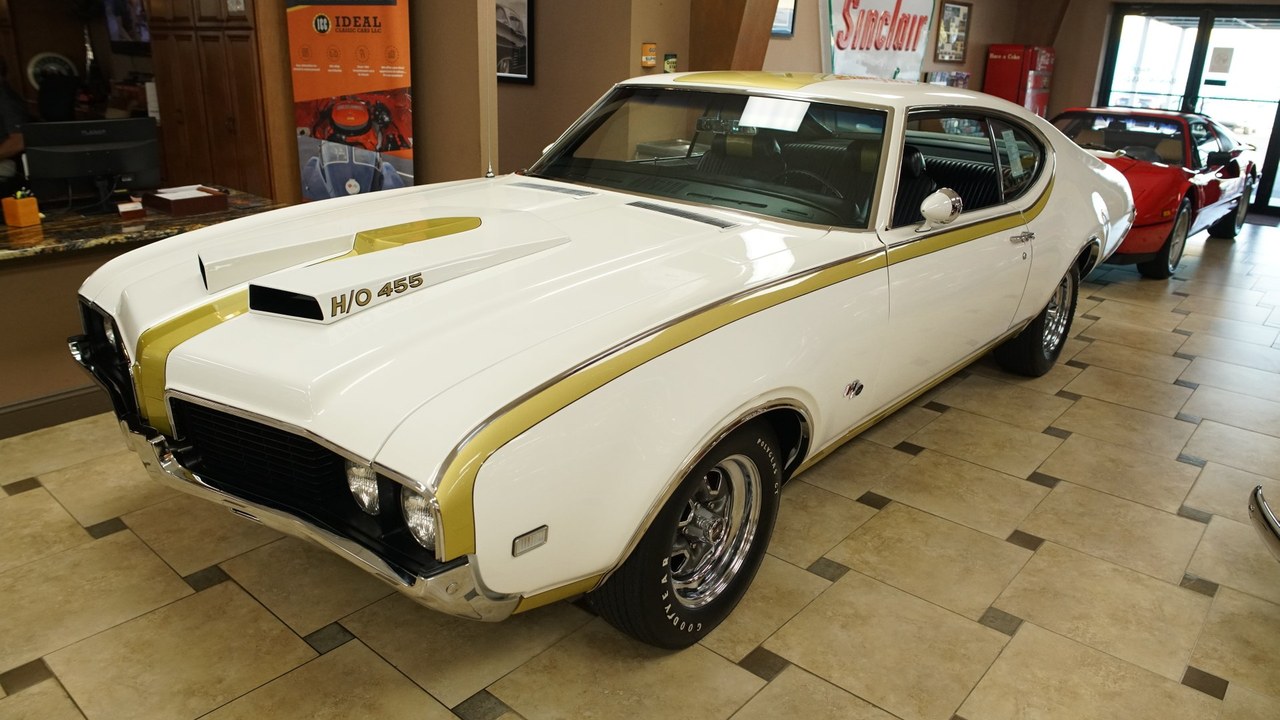
The 1969 Hurst/Olds packed a 380-hp 455 V-8 with 500 lb-ft of torque and ran 0-60 in 6 seconds, and Hagerty’s Oldsmobile heyday feature notes that only 906 were built.
Low production and serious torque made it a headline car of the muscle era. Collectors seek out surviving examples, and the small build count means a documented car can command strong attention. Shoppers should confirm the paperwork, since the model’s reputation attracts imitations built from ordinary cars.
5. Oldsmobile 442 W-30 (1970): Cap Lifted, Power Up
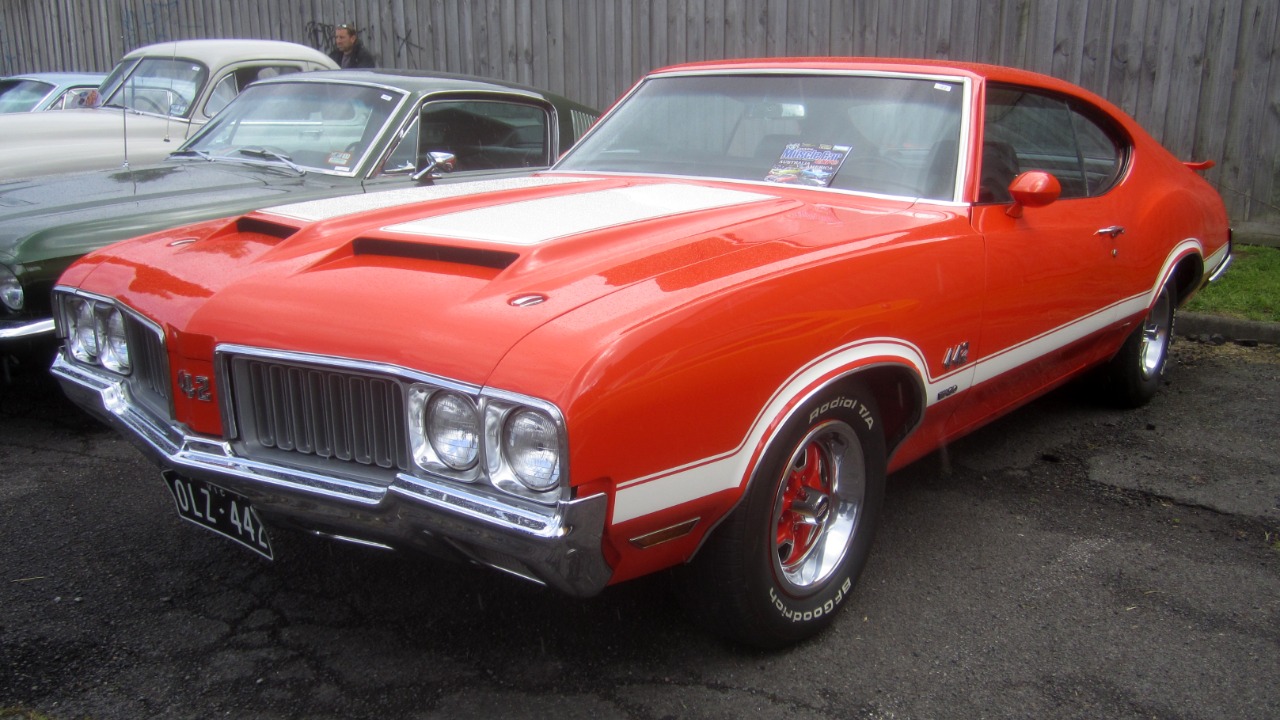
With GM’s displacement cap lifted, the 1970 442 W-30 got a 370-hp 455 V-8, and Hagerty’s Oldsmobile heyday feature reports 3,100 were built, with top examples valued near $103,000.
The end of the cap let the engineers deliver the big-block punch that buyers wanted. Values like that show how highly the W-30 is regarded, so authenticity matters a great deal to any prospective purchaser. Original documentation and matching components therefore matter as much as the engine itself.
6. Oldsmobile Delta 88 (1971): Bigger Than Ever
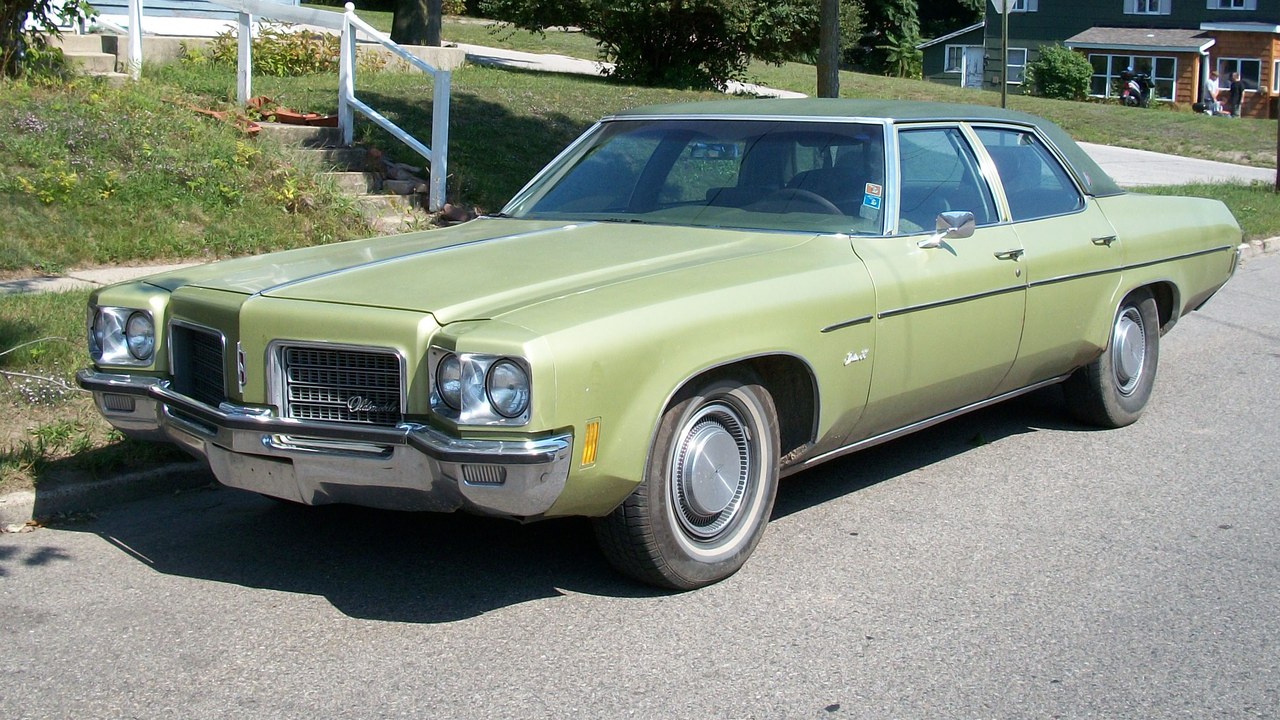
The 1971 Delta 88 was powered by a 455-cubic-inch Rocket V-8 rated at 340 gross horsepower, as full-size cars grew bigger than ever, per Hagerty’s Delta 88 commentary.
Gross horsepower ratings flatter the engine compared with later net figures, so numbers from that era need careful context. The car itself captured the full-size comfort that American families wanted at the time. Restorers often prize clean, unmodified full-size cars, which are easier to enjoy than to find.
7. Oldsmobile Ninety-Eight (1971): The Thinking Man’s Cadillac
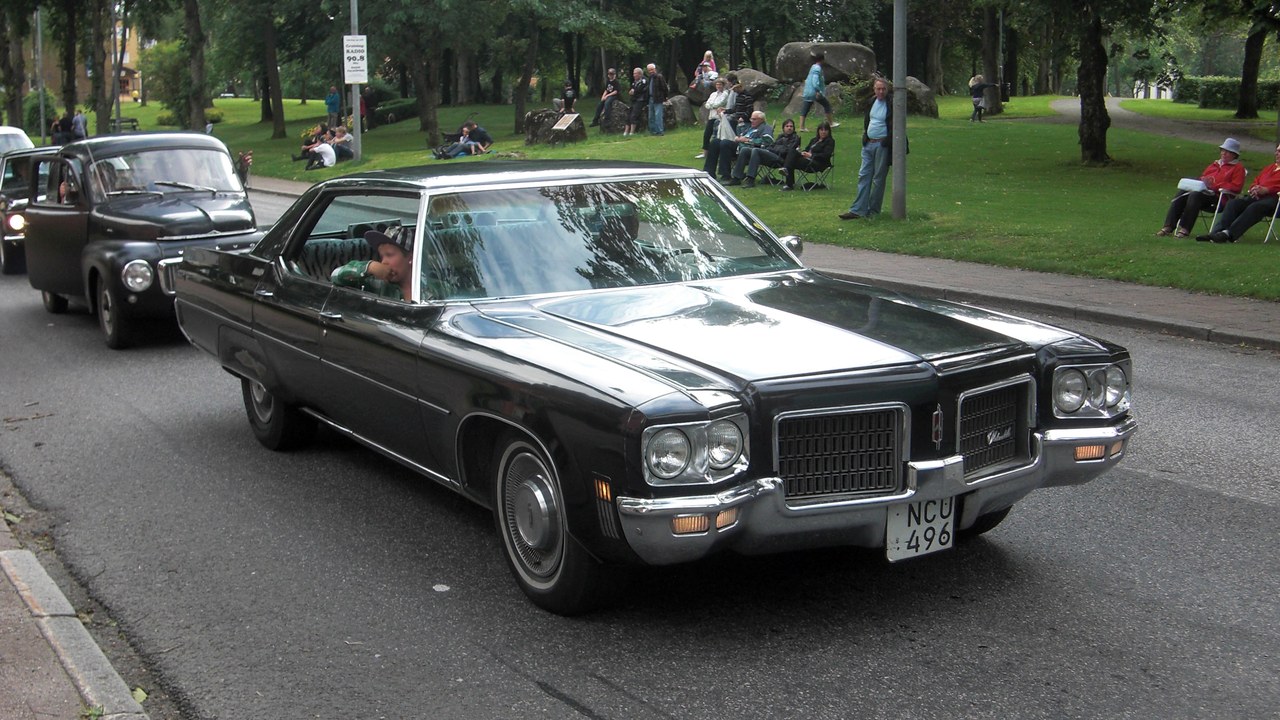
Sharing its C-body with Cadillac, the 1973 Ninety-Eight Regency started at $5,417 while a Cadillac Calais cost $6,038, earning the “thinking man’s Cadillac” label, according to Hagerty’s Ninety-Eight article.
The price gap was meaningful, and the shared body meant buyers lost little in size or comfort. That value pitch explains why the Ninety-Eight developed such a loyal following among practical luxury shoppers. Examples in solid condition remain an affordable route into big postwar luxury ownership.
8. Oldsmobile Cutlass Supreme: America’s Top Seller
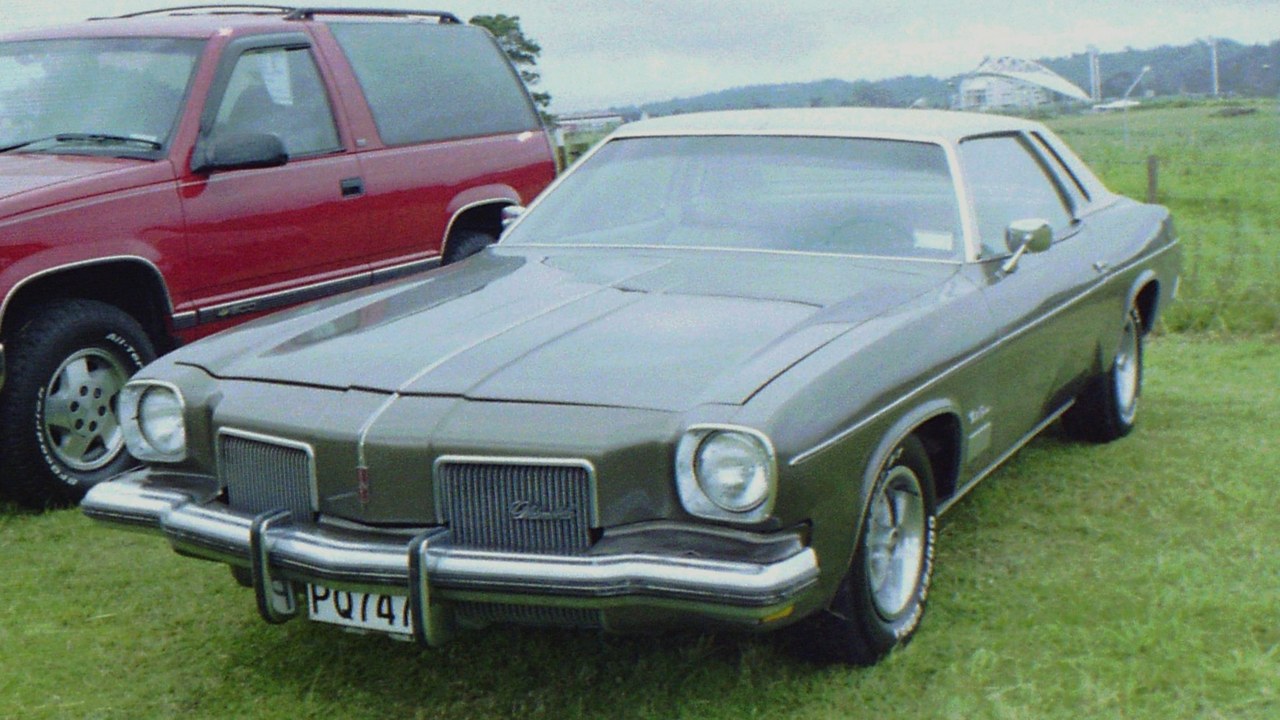
The Cutlass Supreme debuted in 1966 with a 320-hp V-8, and Wikipedia’s Oldsmobile article says the Cutlass series had become North America’s top-selling car by 1976.
Few nameplates ever reach that peak, and it shows how broadly the Cutlass appealed. The Cutlass Supreme remains one of the best-known Oldsmobile names and is easy to find at classic car events. Buyers have plenty of body styles and engines to choose from, which keeps the search interesting.
9. Oldsmobile Cutlass Ciera: Fifteen Model Years
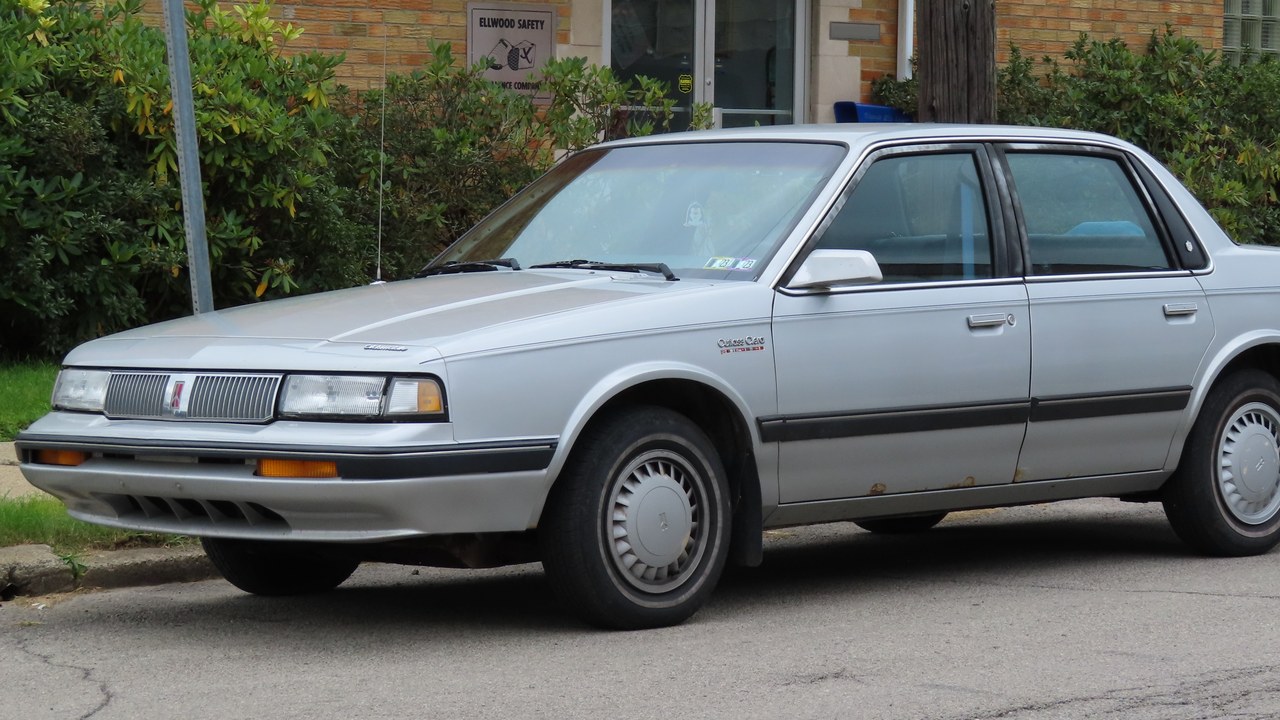
Built from September 1981 to August 1996, the Cutlass Ciera ran 15 model years, and Wikipedia’s Cutlass Ciera entry adds that it was Oldsmobile’s best-selling model line in 1992.
Longevity and sales success went together here. The Ciera was an everyday family car rather than a showpiece, which is why survivors in good condition tend to attract a quiet, affectionate following. Parts and enthusiast support are generally good for such a widely produced car.
10. Oldsmobile Aurora (1995): A New Direction
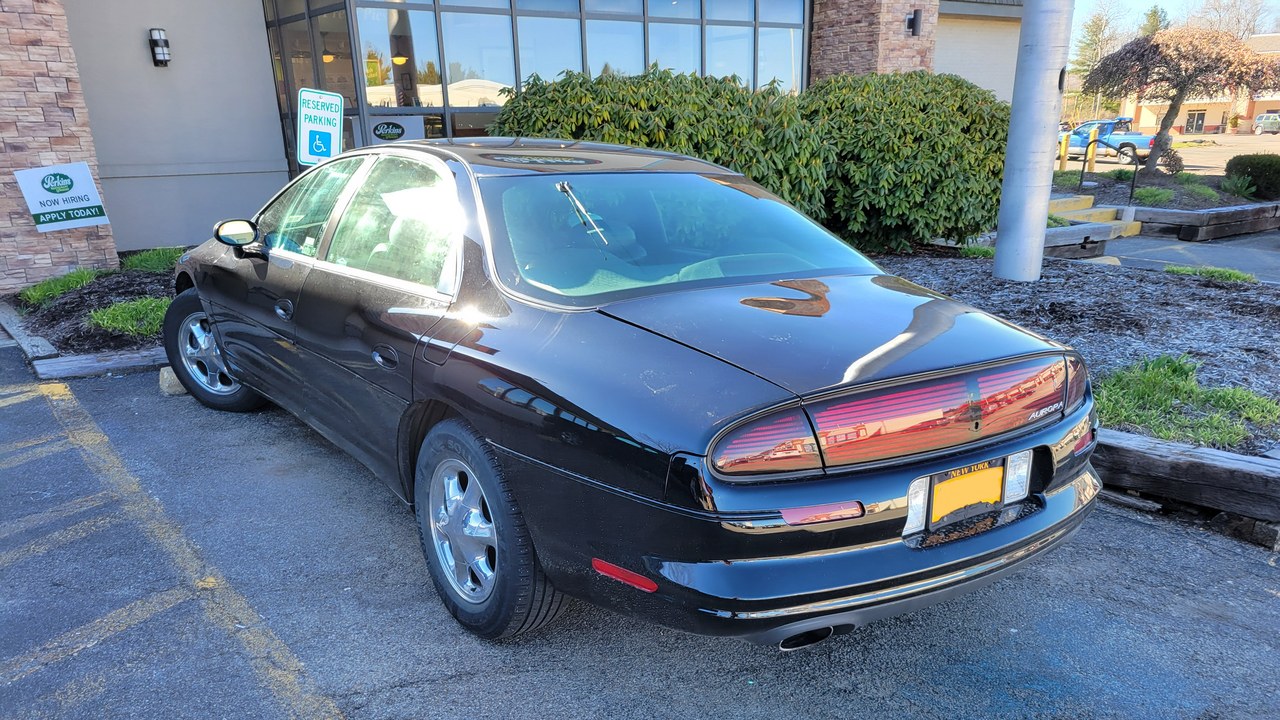
Introduced in 1995 as a full-size luxury and performance sedan, the Aurora’s design inspired the Oldsmobile cars that followed from the mid-1990s onward, as Wikipedia’s Oldsmobile article describes.
The Aurora was the brand’s attempt to modernize its image late in the game. It marked a visible break from older boxy styling and pointed toward the later models that carried the brand toward its end. Used examples are a practical entry point for anyone curious about the brand’s final decade.
11. Oldsmobile Bravada: A Truck Paces Indy
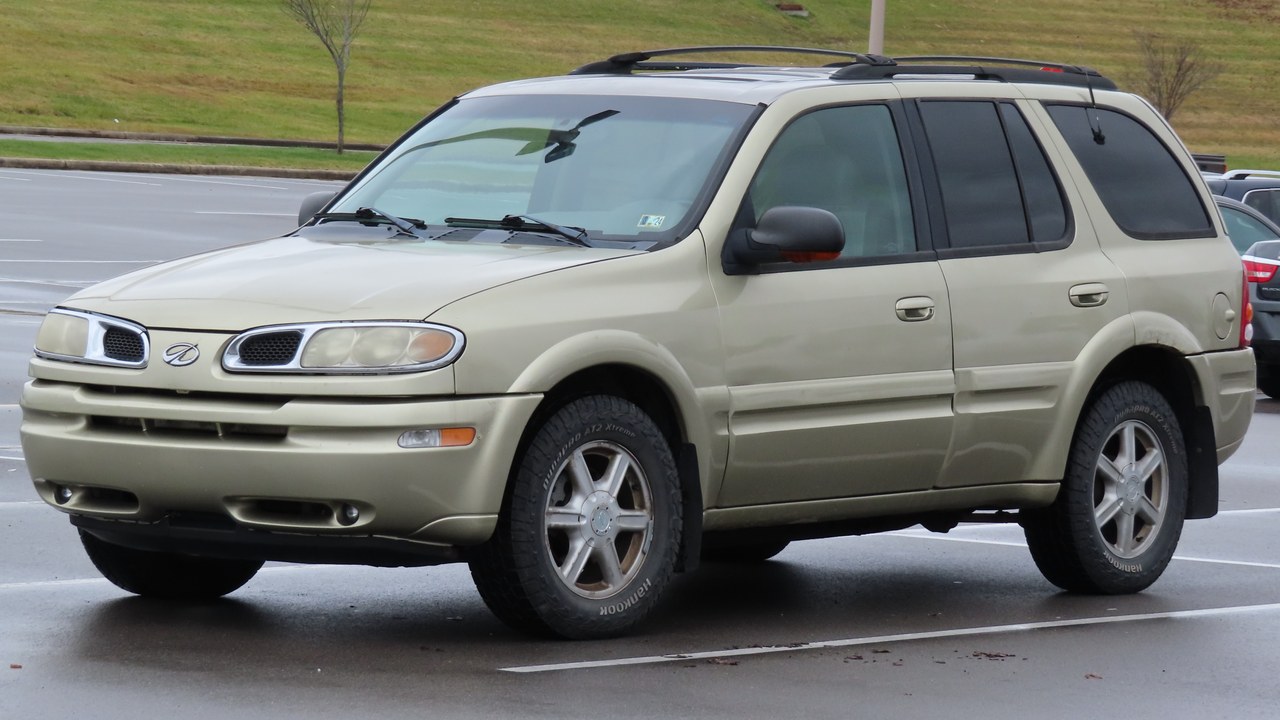
In 2001 the Bravada became the first truck to pace the Indianapolis 500, and Wikipedia’s Oldsmobile article says the 2002 redesign was the last new model before production ended in January 2004.
The Indy appearance echoed the Rocket 88 pacing duty from 1949, bringing the brand’s racing links full circle. The final redesign also shows Oldsmobile was still introducing new products right up to the end. Owners of the SUV today tend to appreciate its comfortable ride and the novelty of its place in brand history.
12. Oldsmobile Alero: The Very Last One
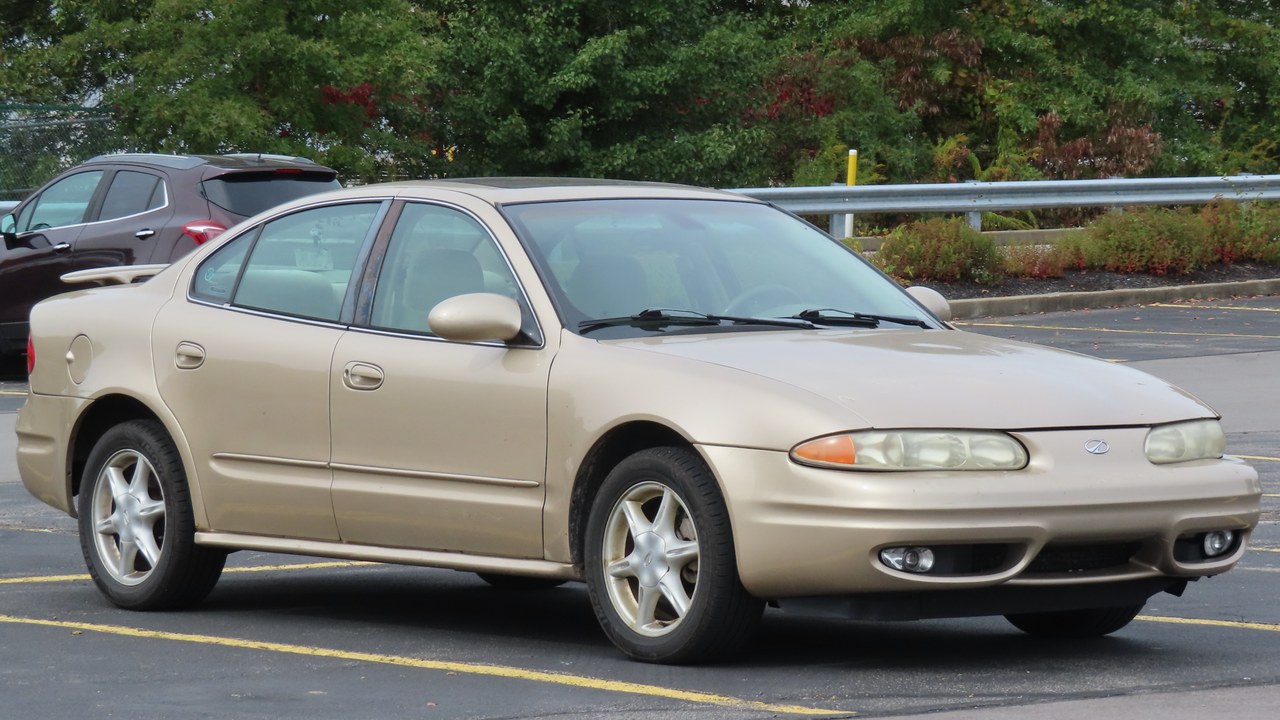
The last Oldsmobile ever built, Alero Final 500 Edition No. 500, left the Lansing plant on April 29, 2004, and, per Wikipedia’s Alero entry, later sold at auction for $42,000.
That one car closed the book on the Oldsmobile story. The Final 500 cars were special commemorative editions, and the last example stands as a fitting bookend to the Rocket 88 on this list. Anyone interested in the finale should note that the figure reflects one auction result, not a fixed market value.
More from Morning Overview
- Seven of Earth’s nine planetary boundaries are breached, and all seven are worsening
- The NSA says three phone features should be off whenever you aren’t using them
- Hurricane Hunter radar shows four warning signs that a tropical cyclone is about to strengthen, a University of Miami study found
- Tropical Storm Rachel is dumping up to 12 inches on four Mexican states on its way to major hurricane strength
