
Pontiac pitched itself as the lively side of General Motors, and its best cars did their part to back that up. The division moved from fuel-injected showpieces to compacts, muscle cars, pony cars and, finally, a mid-engine two-seater. Here are ten models that show how the brand earned its performance reputation.
1. Pontiac Bonneville (1957): Fuel Injection Debuts
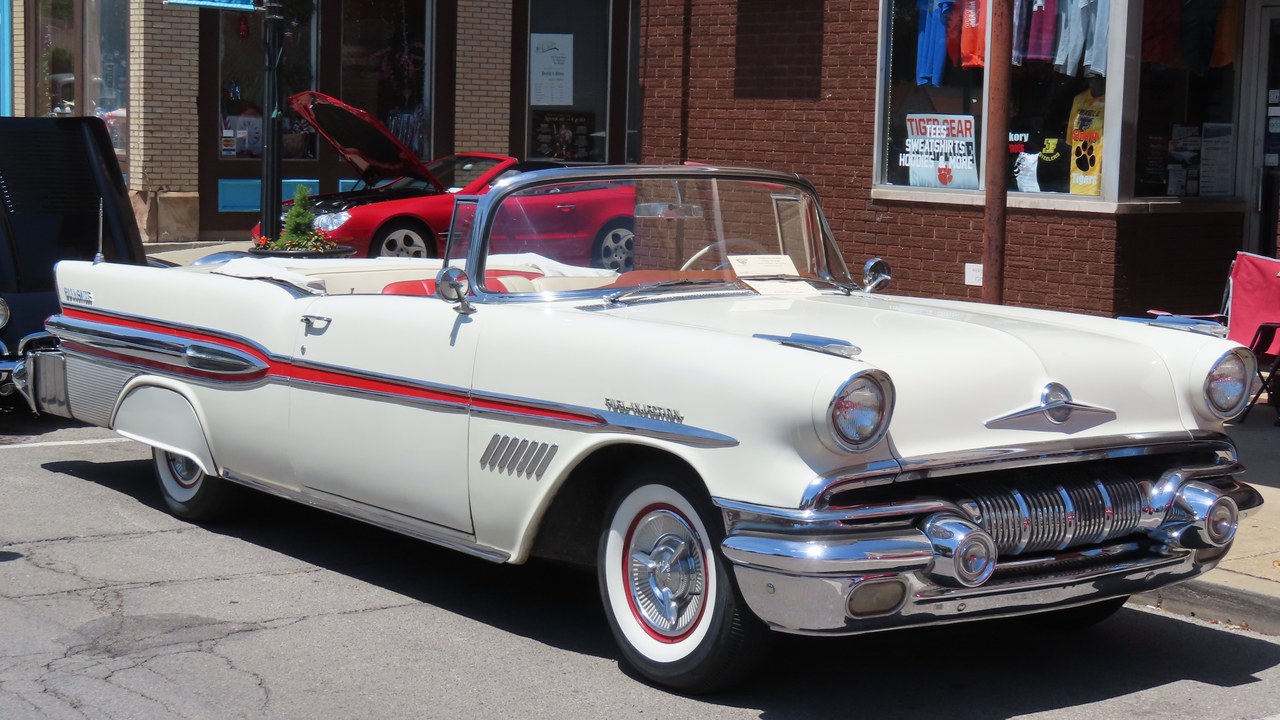
The Bonneville debuted in 1957 as a Star Chief convertible showcasing Pontiac’s first fuel-injected engine, and Wikipedia’s Pontiac history says only about 630 were built before it became its own line.
The tiny production run makes that first car a rarity. It also set the tone for a name that would later stand for the division’s top full-size models, long after the injection showcase had passed into history. Collectors who find a surviving early injected car are looking at a genuine piece of the division’s engineering story.
2. Pontiac Tempest (1961): Compact Car Champion
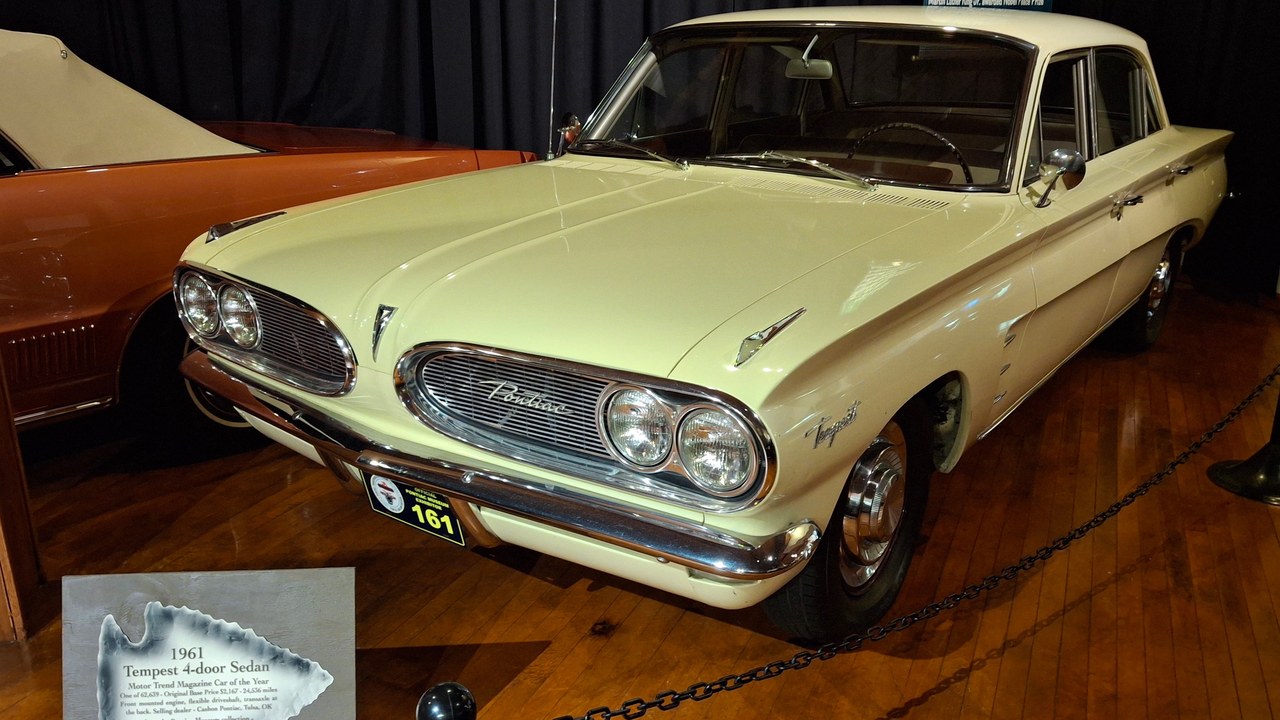
The compact 1961 Tempest, developed under John DeLorean, won Motor Trend’s Car of the Year, and Wikipedia’s Pontiac history says it helped lift Pontiac to third in U.S. sales from 1962 through 1970.
A small car with a clever design earned both critical praise and real sales strength. The Tempest also laid the groundwork for the car that would soon make the division famous, so its influence extends beyond its own run. Its sales record during those years shows how quickly the division turned from an also-ran into a serious contender.
3. Pontiac GTO (1964): An Option Package Goes Wild
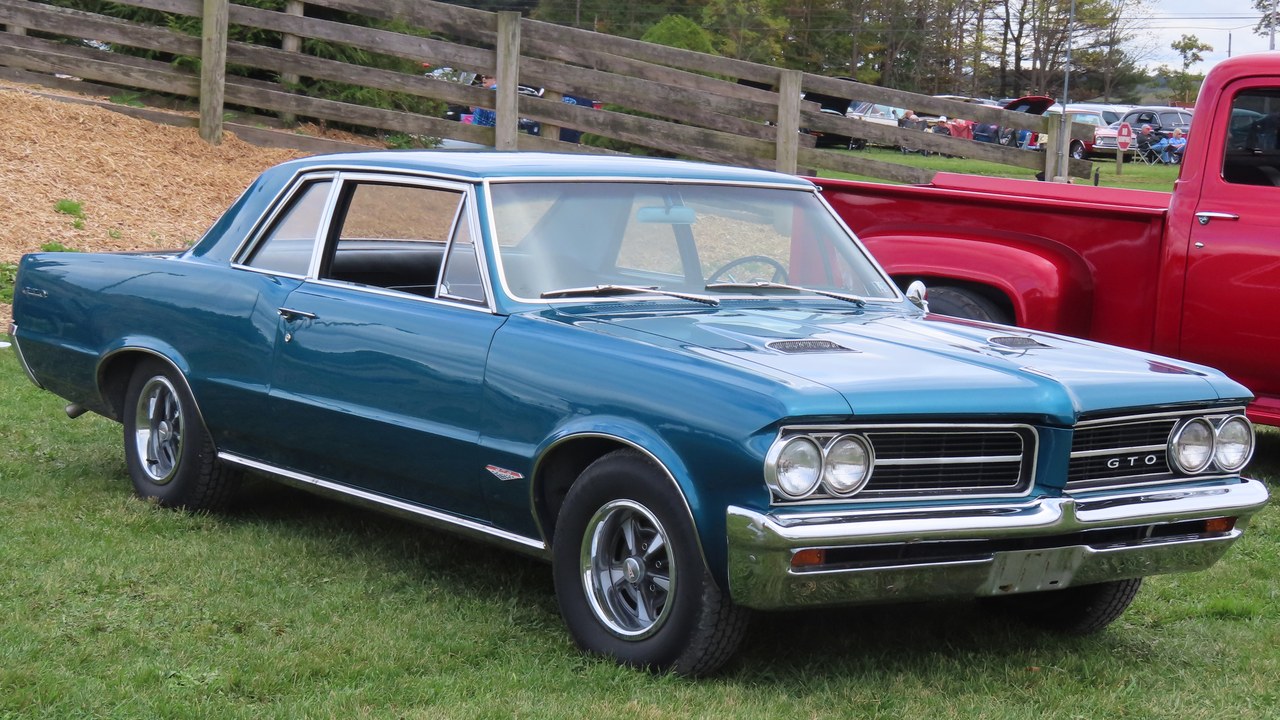
The 1964 GTO began as a Tempest option package with a 325-hp 389 V-8 borrowed from the Grand Prix, and GM’s retrospective on the 1964 GTO says DeLorean chose its name.
Simple ingredients, a midsize body and a big engine, created a template that rivals quickly copied. Many people credit the GTO with launching the muscle-car boom, and that status explains the model’s lasting prestige among collectors. Surviving cars with documentation are especially valued, since lookalike tributes are common and can confuse unwary shoppers.
4. Pontiac Firebird (1967): Camaro’s Cousin
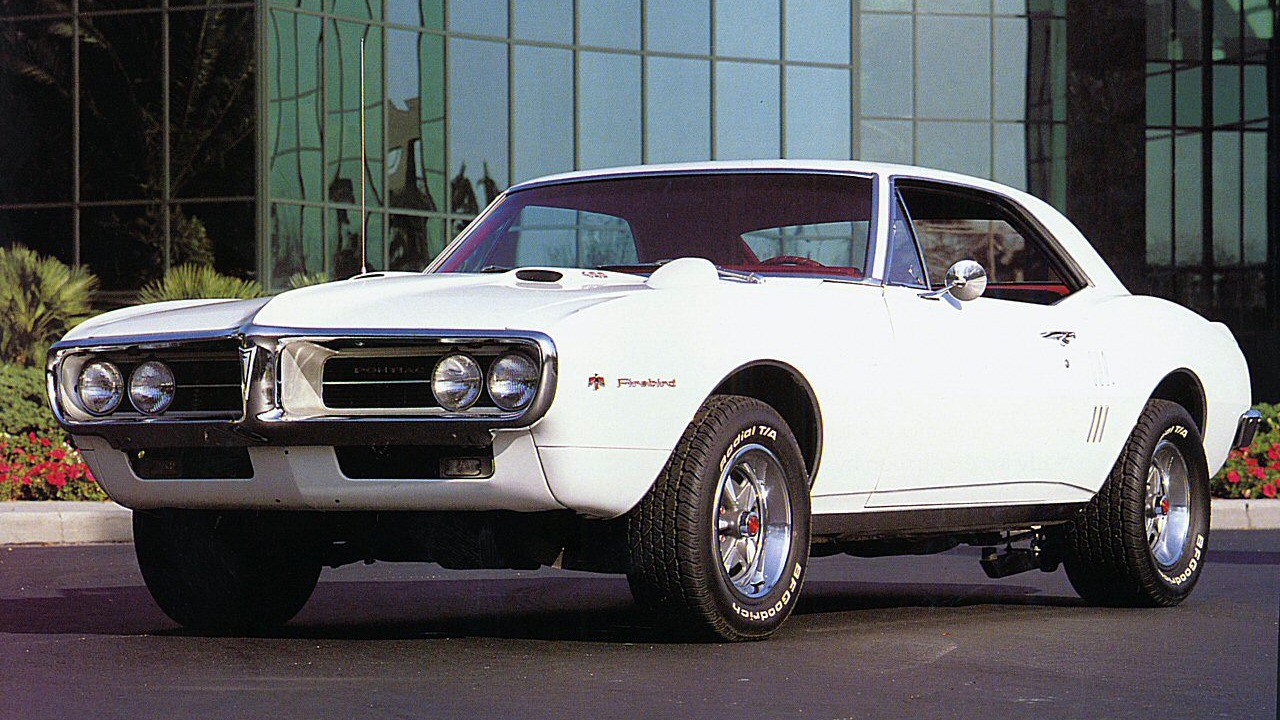
Pontiac’s Firebird debuted on February 23, 1967, five months after the Chevrolet Camaro with which it shared its platform, according to Wikipedia’s Firebird article.
The delayed launch did not stop the Firebird from finding its own character. Sharing a platform with a Chevrolet kept costs sensible, while Pontiac’s styling and engines gave buyers a distinct alternative to the Camaro. Owners and fans still debate the two cars’ merits, which keeps the rivalry lively at shows and online. Either way, the Firebird became a cornerstone of the lineup for years.
5. Pontiac Grand Prix (1969): Luxury Without The Price

The 1969 Grand Prix was priced about $900 below Ford’s Thunderbird, bringing personal-luxury style to more middle-class buyers, as Hagerty’s personal-luxury coupes feature explains.
A lower sticker price opened a stylish segment to a wider audience. That strategy defined the Grand Prix for years, and it shows how Pontiac mixed its performance image with a more comfortable, upscale approach. Clean examples reward patient buyers, particularly those who want a comfortable cruiser with a bit of Pontiac flair. Its reputation has aged well, and it stays a popular choice among those who prefer coupe style over sedan practicality.
6. Pontiac Firebird Trans Am (1973): The Screaming Chicken
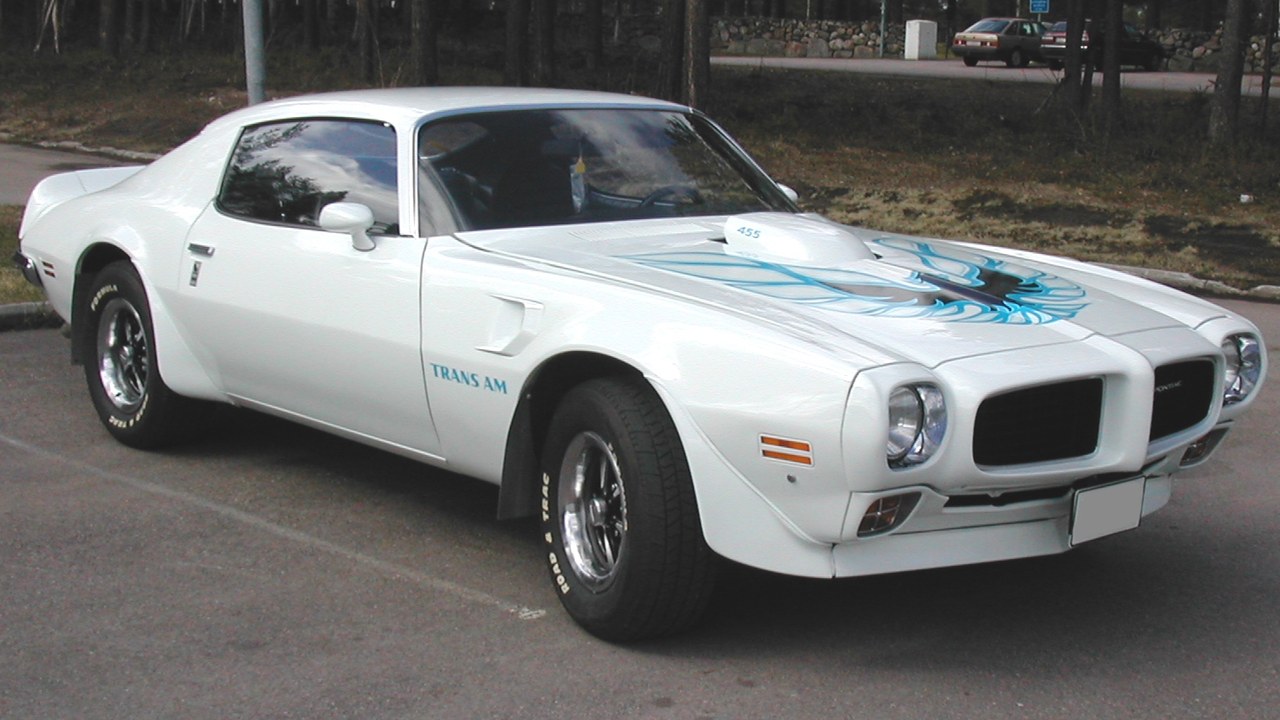
The famous “screaming chicken” hood decal debuted as a $55 option, code WW7, on the 1973 Trans Am and stayed on the option list for 11 years, according to Hagerty’s hood bird history.
A graphic that cost so little became one of the most recognizable emblems in American car culture. Buyers today should confirm whether a decal is original, since the bird has been widely reproduced and applied to many cars. Even without the bird, a Trans Am from this era carries the swagger that made the model a pop-culture favorite.
7. Pontiac Firebird (1982): Lighter And Lower
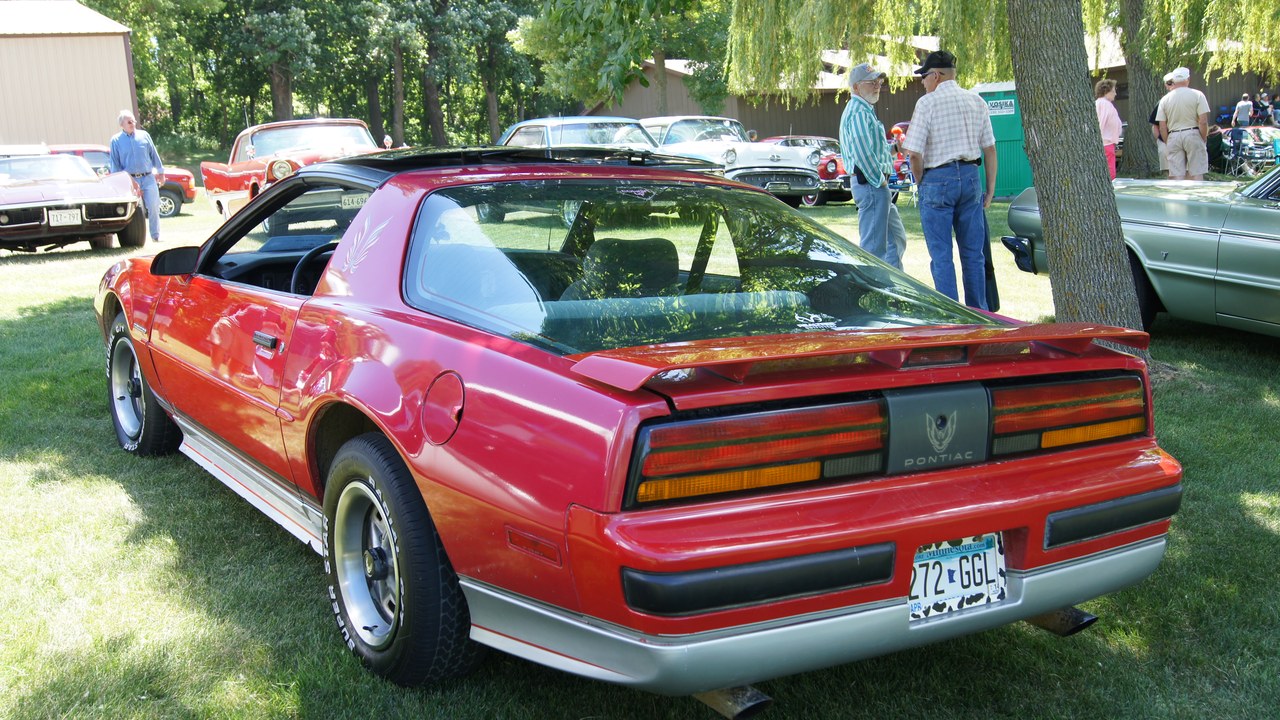
The 1982 redesign gave the Firebird pop-up headlights and a body about 500 pounds lighter than the car it replaced, per Wikipedia’s Firebird article.
Shedding that much weight was a significant step for a performance car. The sleeker shape also gave the third-generation Firebird a distinctly modern look, which many enthusiasts still appreciate when comparing the generations. Used shoppers will find the shape easy to recognize and the driving experience noticeably more nimble than the car it succeeded. The folding headlights also give it a profile that stands out in a parking lot full of ordinary modern cars.
8. Pontiac Fiero (1984): Mid-Engine For The Masses
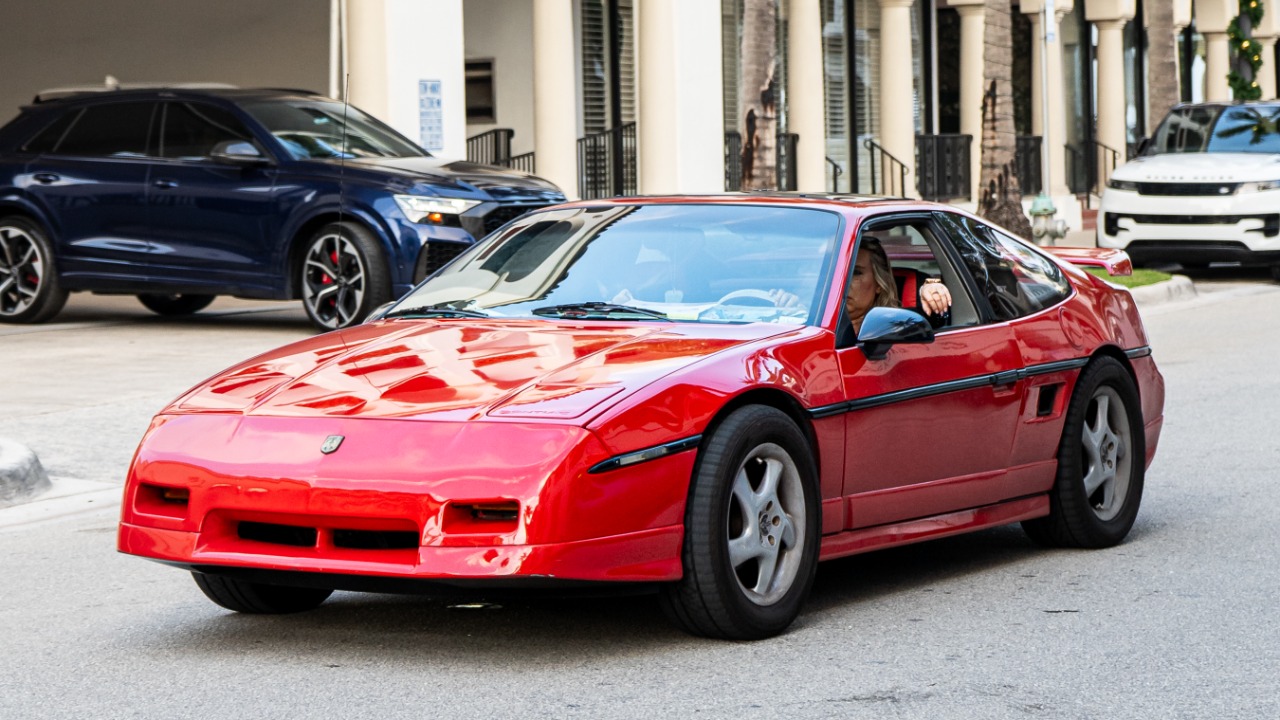
The two-seat, mid-engined 1984 Fiero helped Pontiac post its first sales increase in four years, as Wikipedia’s Pontiac history records.
Putting the engine behind the driver was an unusual choice for an affordable American car. The Fiero showed that the division was willing to try something different, and its fans remain a devoted group today. Buyers should weigh its well-known quirks against its appeal, and an honest, maintained car can be a rewarding weekend machine. Enthusiasts also value the Fiero as a bold experiment, since few mainstream brands of the time attempted anything like it.
9. Pontiac GTO (2004): The Aussie GTO
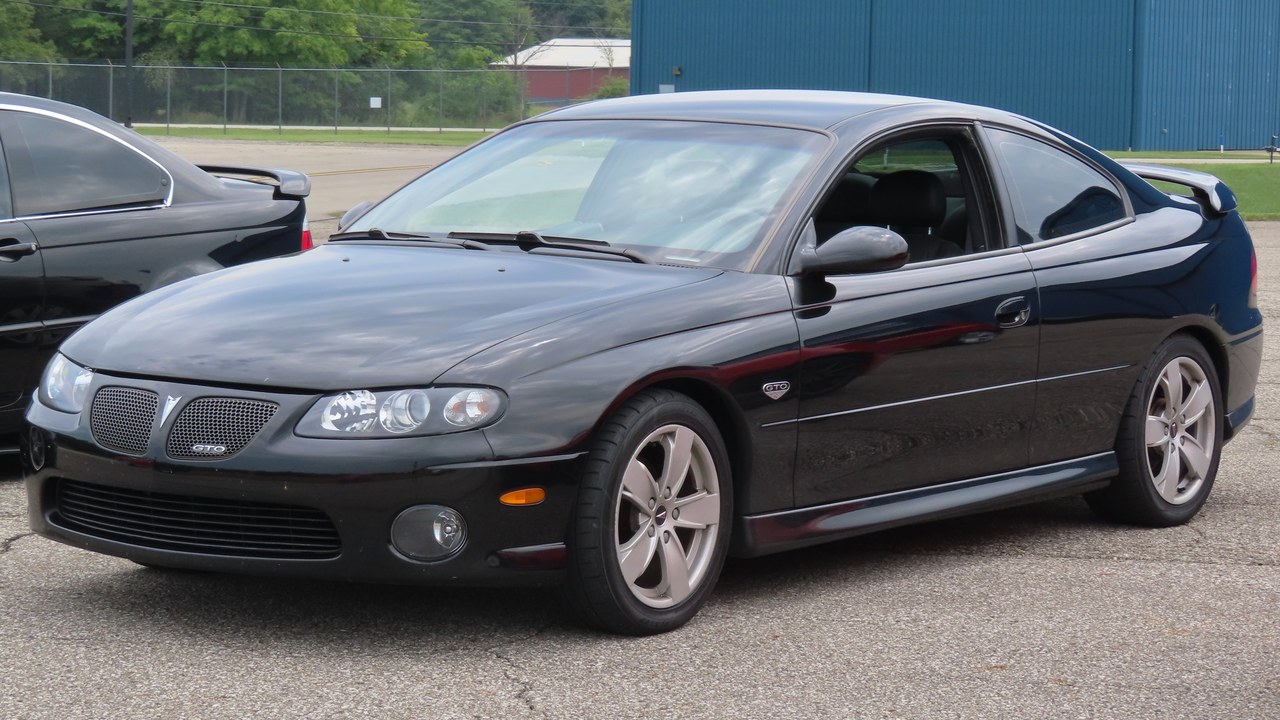
The GTO name returned for 2004 on a rebadged Holden Monaro assembled by GM’s Australian arm, then was discontinued again in 2006, according to GM’s retrospective on the GTO.
Reviving a legendary badge on an imported car drew mixed feelings among traditionalists. Even so, the car offered a rear-drive performance package, and its short run makes it an interesting footnote in Pontiac’s long history. Interested owners can find examples more easily than most limited-run performance cars, though prices reflect the badge’s heritage.
10. Pontiac Solstice: A Roadster To The End
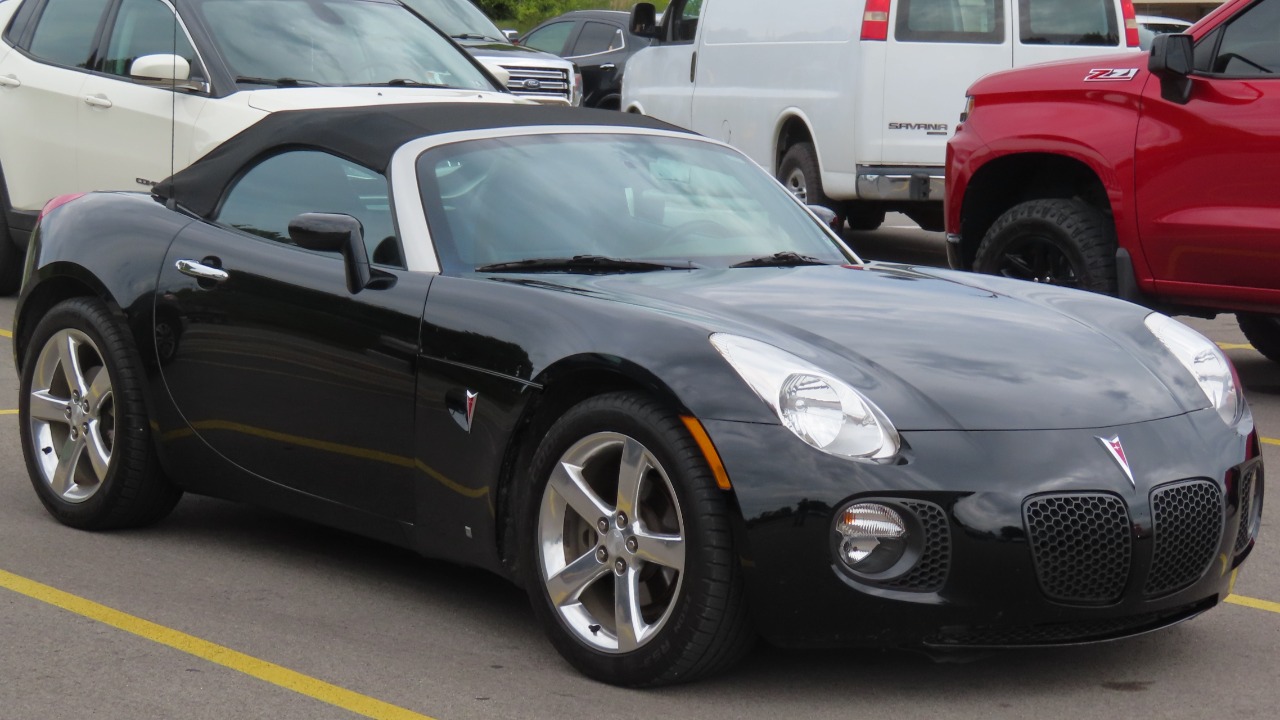
Built as a roadster from 2006 to 2009, the Solstice reached more than 64,000 convertibles, plus 1,266 coupes in 2009, before Pontiac shut down, as Wikipedia’s Pontiac history notes.
The little two-seater arrived late in the brand’s life, yet it carried the excitement slogan to the very end. The rare coupe, built in just one year, is the version collectors are most likely to hunt. Buyers with the right budget should check condition carefully, as the final-year cars have limited supply and a loyal following.
More from Morning Overview
- The NSA says three phone features should be off whenever you aren’t using them
- Hurricane Hunter radar shows four warning signs that a tropical cyclone is about to strengthen, a University of Miami study found
- Tropical Storm Rachel is dumping up to 12 inches on four Mexican states on its way to major hurricane strength
- The FTC says Lens.com doubled the price shoppers saw in Google ads
