
Few motorcycle brands carry as much history as Harley-Davidson, and the milestones that shaped it range from prewar engineering breakthroughs to a battery-powered bike. Each model below earned its place by changing how the company built, styled or sold its machines. Here are eleven Harleys that built the legend.
1. Harley-Davidson EL Knucklehead (1936): The Sump Oiler Arrives
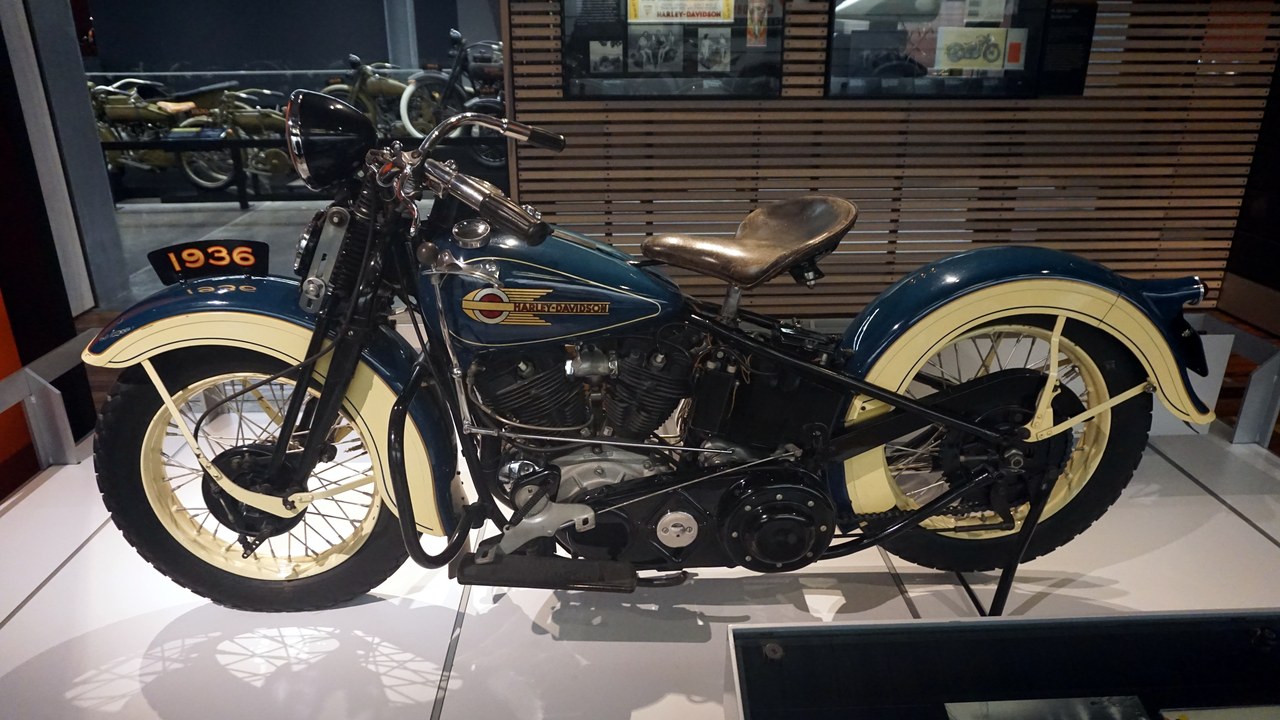
The 1936 EL introduced a recirculating sump oiler system that Harley-Davidson itself calls a true game-changer in both styling and performance. It was priced at $380, which the company puts at about $6,500 in today’s money.
That combination of fresh engineering and an approachable sticker explains why the EL is treated as the starting point for the modern big twin. Collectors still prize the model, and its nickname is one of the best known in motorcycling, so clean survivors draw attention wherever they appear.
2. Harley-Davidson Hydra-Glide: Hydraulics Replace the Springer
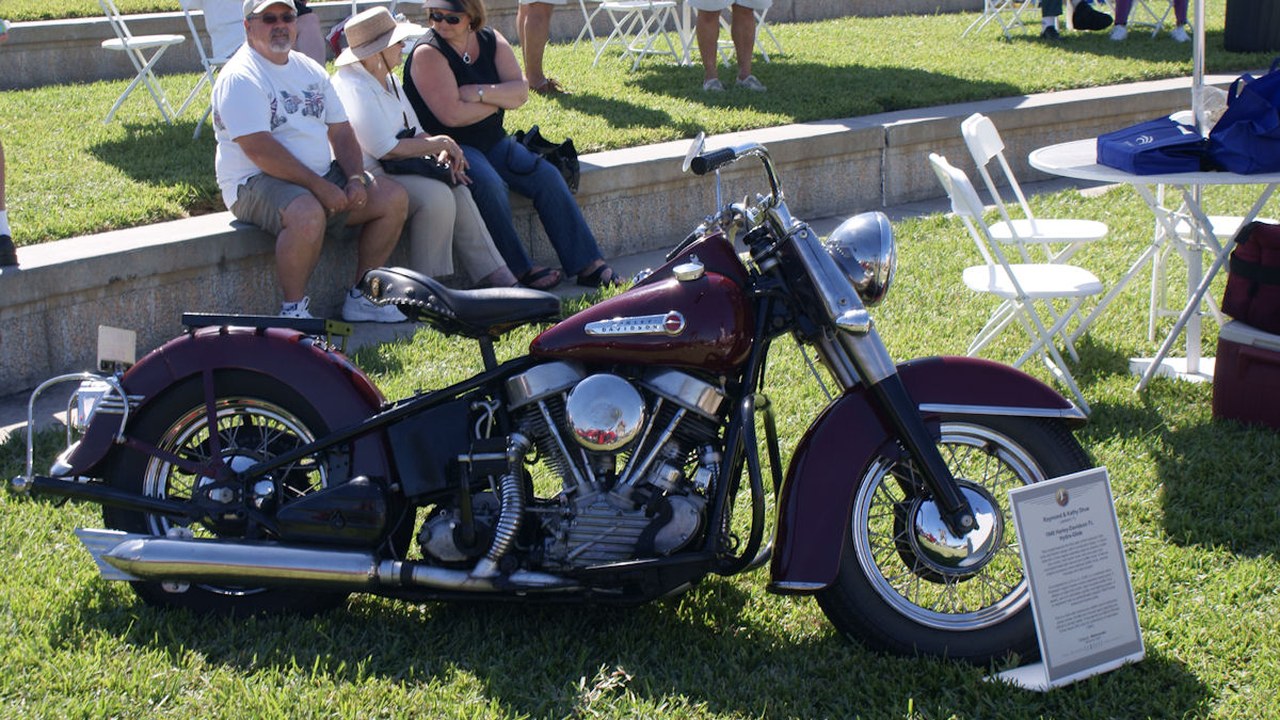
In 1949 a telescopic hydraulic front fork took the place of the old springer front end on Harley’s big FL, creating the Hydra Glide. The change gave the heavyweight a front end that could absorb bumps instead of simply bouncing over them.
Riders who wanted long-distance comfort on rough roads had a clear reason to prefer it. The Hydra Glide is also a useful marker, since later touring families grew from the same big-FL lineage.
3. Harley-Davidson Street Glide: Touring Bagger Lives On
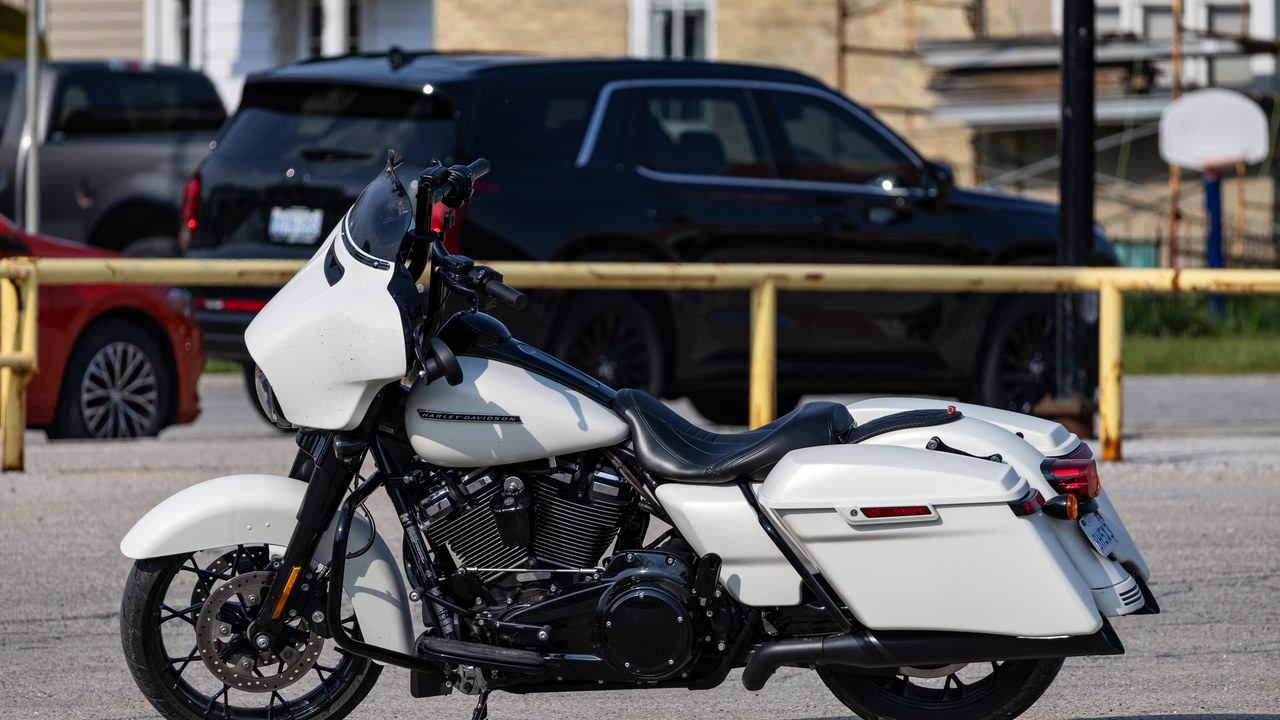
The Street Glide is one of the touring models that Harley-Davidson names as a descendant of the 1965 Electra Glide line, and it is still sold today. Few nameplates in the lineup trace their story back so directly to a single landmark.
For buyers, that means a current showroom bike with real continuity behind it. The Street Glide shows how a mid-sixties touring formula kept finding new audiences across several decades.
4. Harley-Davidson Sportster: The Ironhead Era Begins
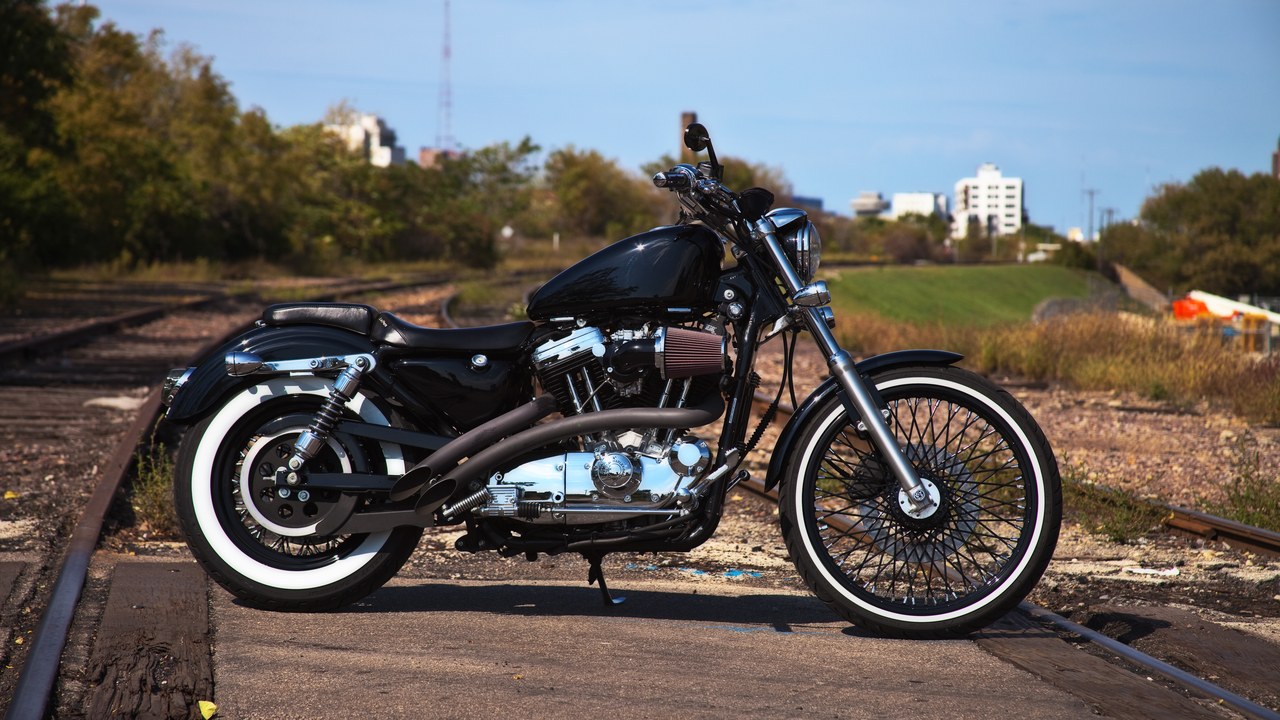
Harley designed its 55-cubic-inch Ironhead V-twin for the new 1957 XL Sportster, and that engine family ran until 1985. A single design thus powered the smaller, sportier Harley for nearly three decades, giving the Sportster name unusual staying power.
The long run explains why used Ironhead Sportsters remain a common sight at shows and in customizers’ garages. Parts support and a deep aftermarket follow naturally from a production span that long.
5. Harley-Davidson Electra Glide: Kicks Taken Away
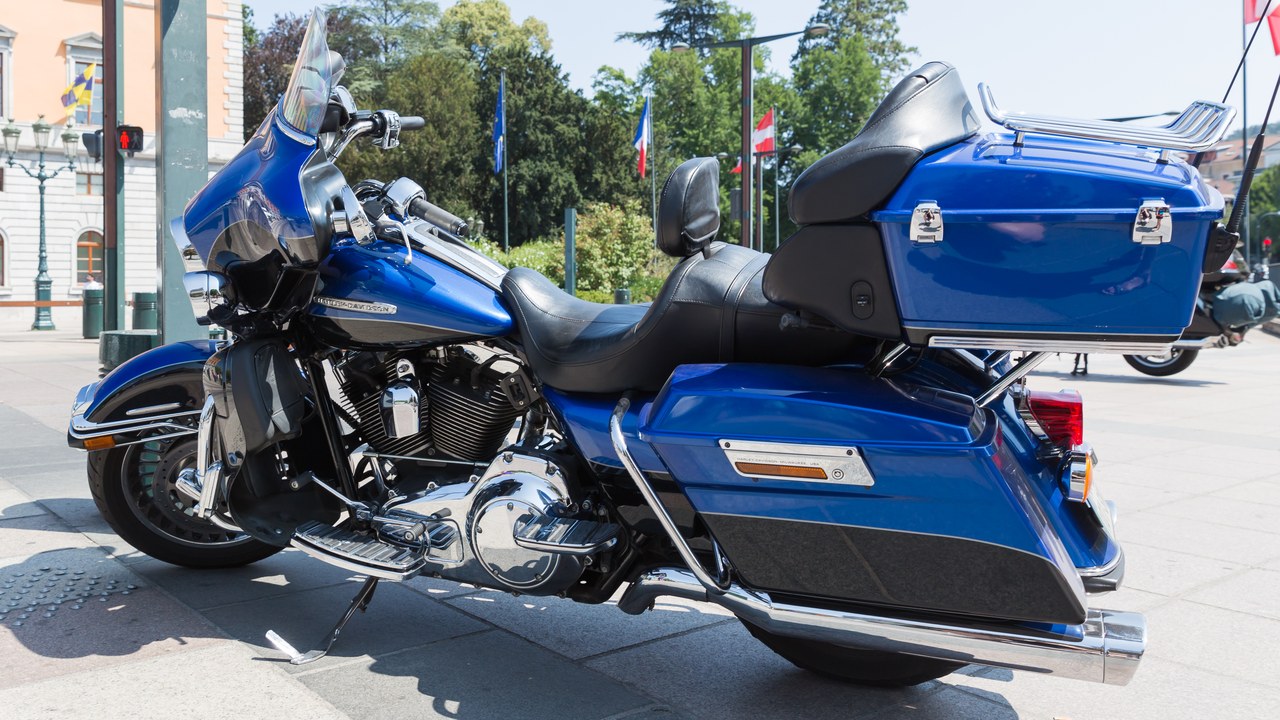
The 1965 Electra Glide added an electric starter, ending the struggle of kick-starting a heavy touring machine. The brochure summed up the pitch by promising that a few of the kicks had been taken away, and none that a rider would miss.
Push-button starting widened the appeal of big Harleys to riders who had no wish to wrestle a kick lever. The Electra Glide name proved durable enough to anchor an entire touring family.
6. Harley-Davidson Low Rider: Factory Custom at Daytona
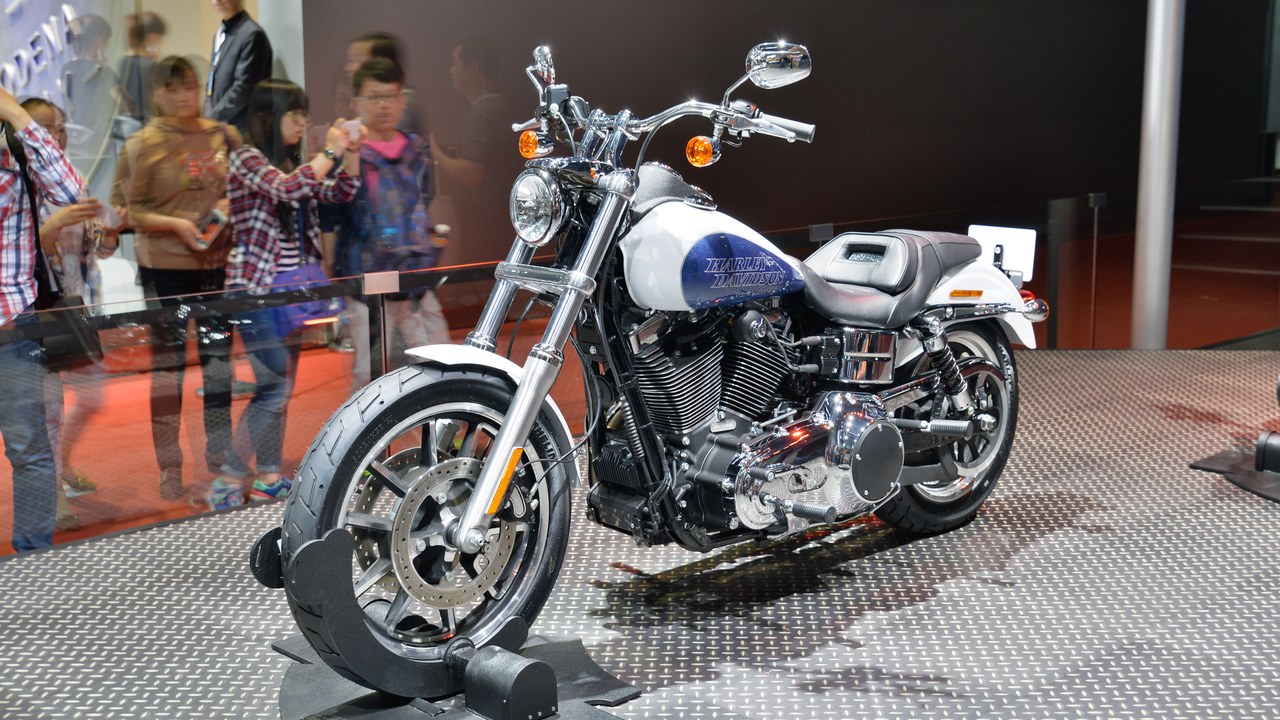
Unveiled at Daytona Bike Week, the 1977 Low Rider put its seat under 26 inches from the road and became a smash-hit factory custom. Harley had taken a look that riders usually built in their own garages and sold it ready-made.
The idea of buying a custom straight from the dealer reshaped the company’s lineup. Low seat heights also made the bike friendlier to shorter riders, a benefit that still matters in the used market.
7. Harley-Davidson Softail: The Hidden Shocks Trick
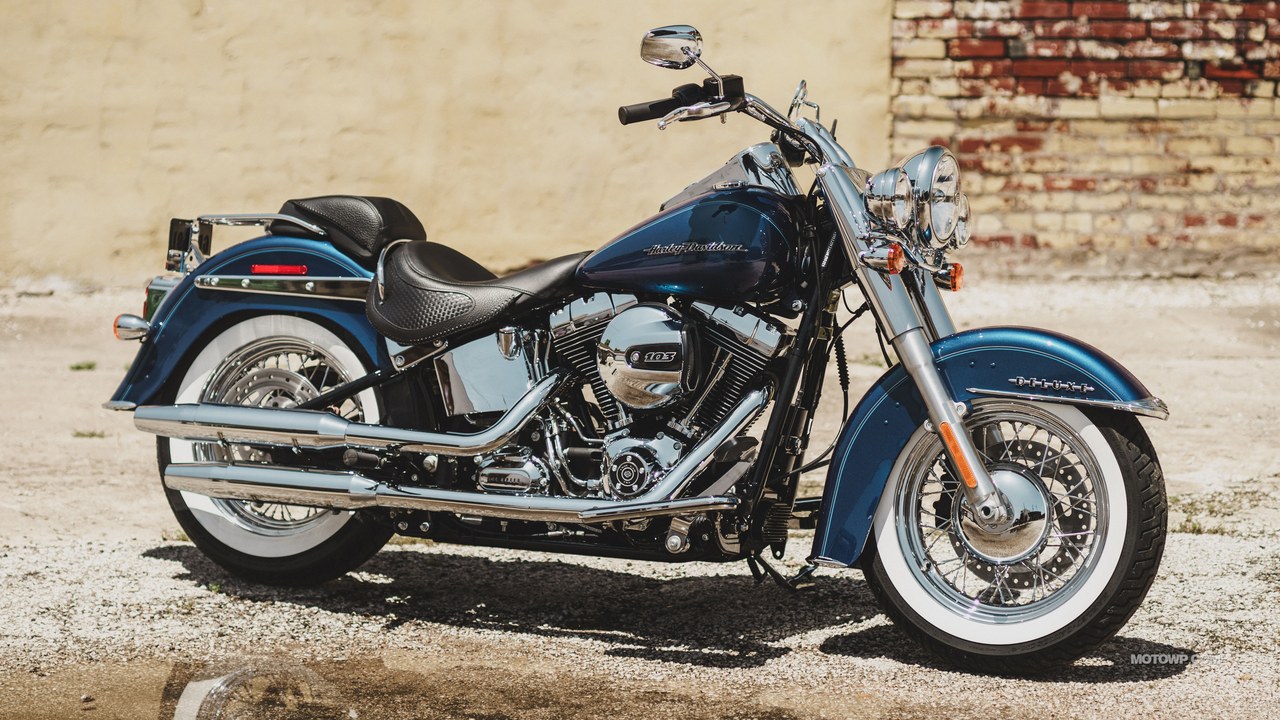
The 1984 Softail hid its rear shocks to mimic a rigid frame, helped debut the Evolution engine and is credited with saving the company. Old-school looks and modern suspension arrived in the same package, which suited riders who liked the vintage profile but not its ride.
That blend became a template for many Harleys that followed. Shoppers drawn to the classic hardtail silhouette without the jarring ride have the Softail’s design to thank.
8. Harley-Davidson Fat Boy: A Terminator 2 Star
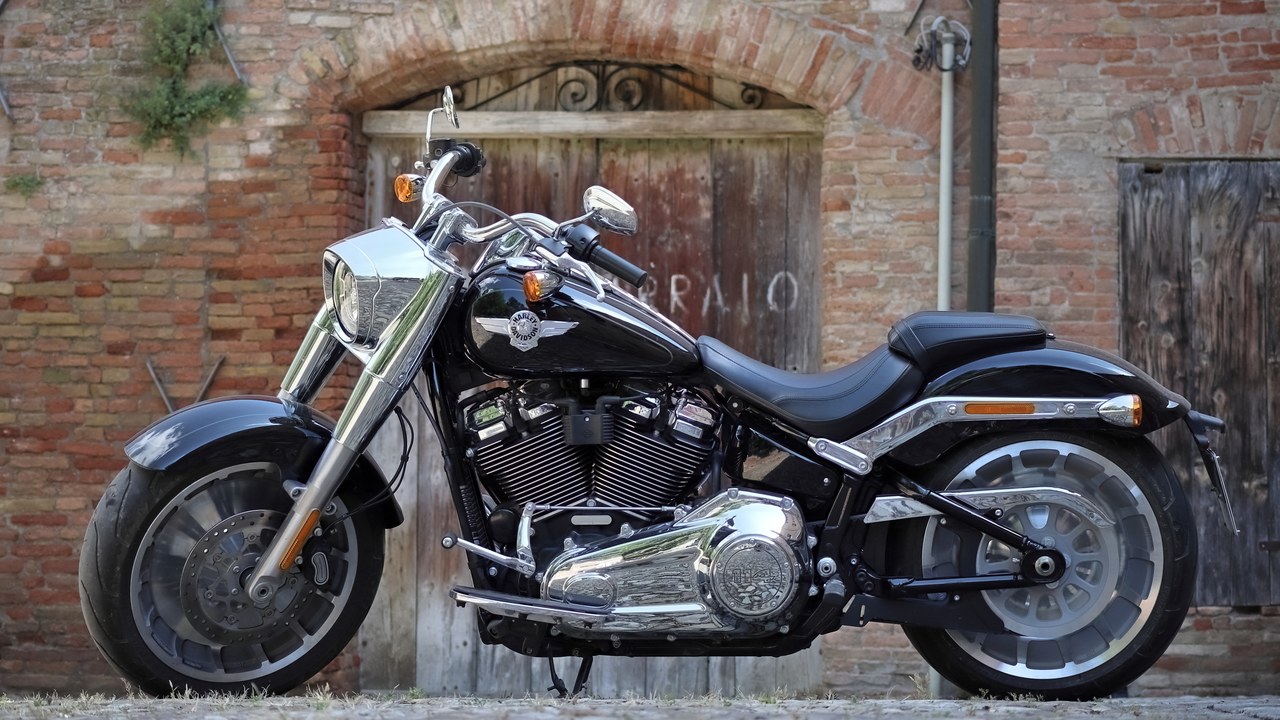
A 1990 Harley-Davidson FLSTF Fat Boy starred in Terminator 2, one of the famous movie motorcycles that RideApart singles out, a list running from Easy Rider to Ghost Rider. The bike’s chunky stance made it a natural screen presence alongside the film’s other machines.
Film exposure of that kind helped turn the Fat Boy into pop-culture shorthand for a big, brawny Harley. Enthusiasts hunting for the movie-era model look for the FLSTF designation.
9. Harley-Davidson Road King: Classic Look, Modern Bike
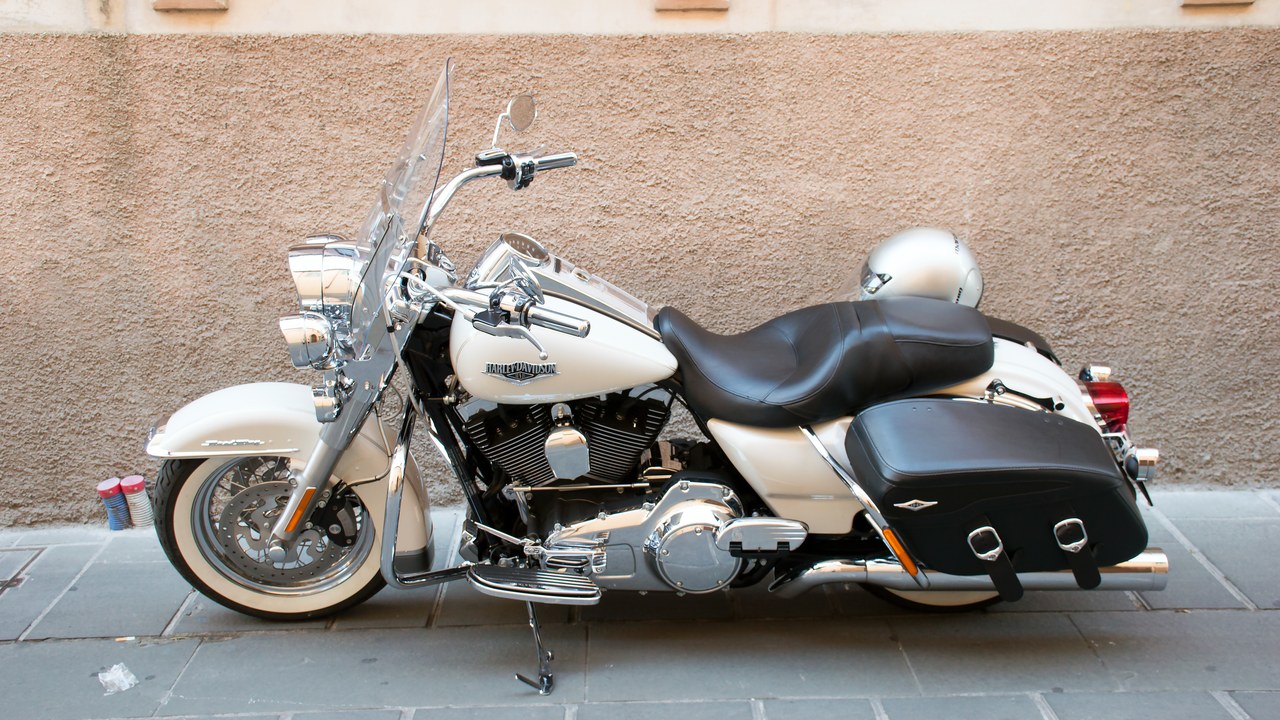
Harley says the Road King recalls the 1965 Electra Glide’s look, complete with saddlebags and a removable windshield. It borrows the old touring silhouette, with a clean headlamp-and-windshield front end, without the full fairing of its bigger relatives.
Riders who prefer open-air cruising with luggage capacity get a stripped-back alternative. The removable windshield lets one bike serve both as a highway tourer and a cleaner-looking cruiser, depending on the day’s ride.
10. Harley-Davidson V-Rod: A Radical Water-Cooled Twin
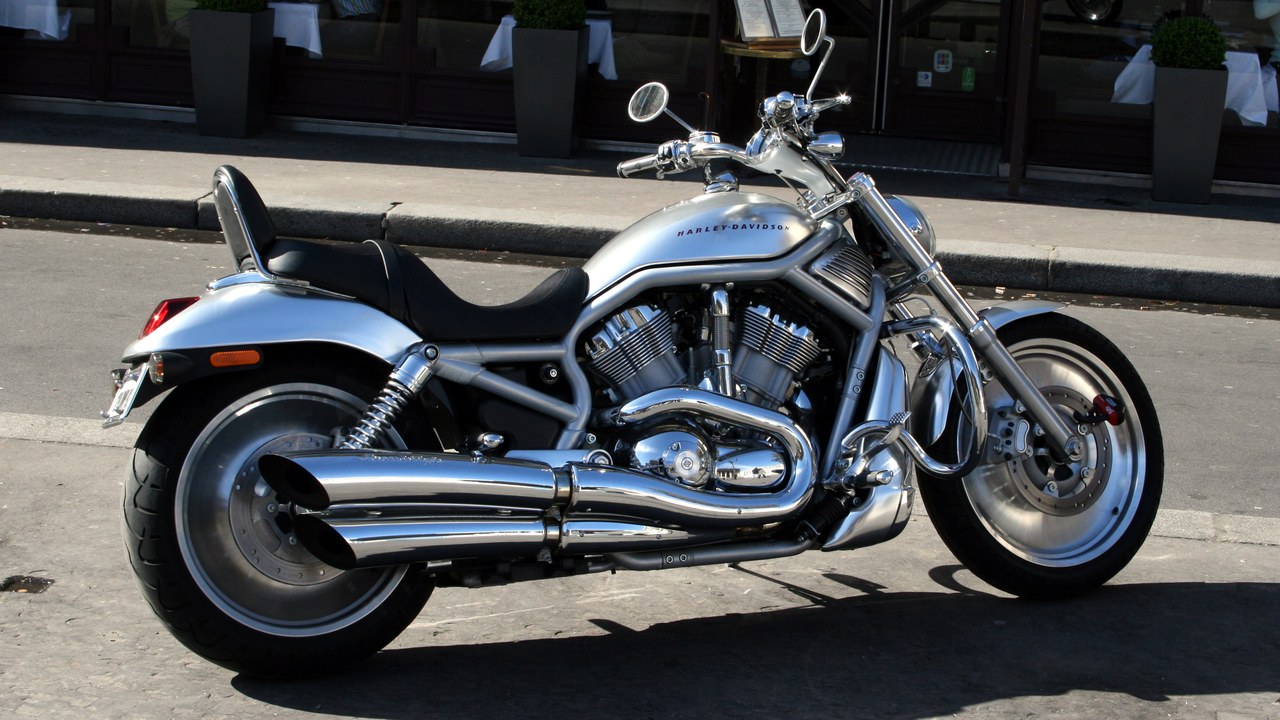
Harley introduced its Revolution engine, displacing 69 cubic inches or 1,131cc, in 2002 specifically for the new VRSCA V-Rod model. The engine marked a break from the air-cooled tradition that defined the brand.
The V-Rod showed that the company was willing to chase a different kind of performance rider. Its place on this list rests on that departure from convention, a bold bet for a company with such a traditional image.
11. Harley-Davidson LiveWire: Harley Goes Electric
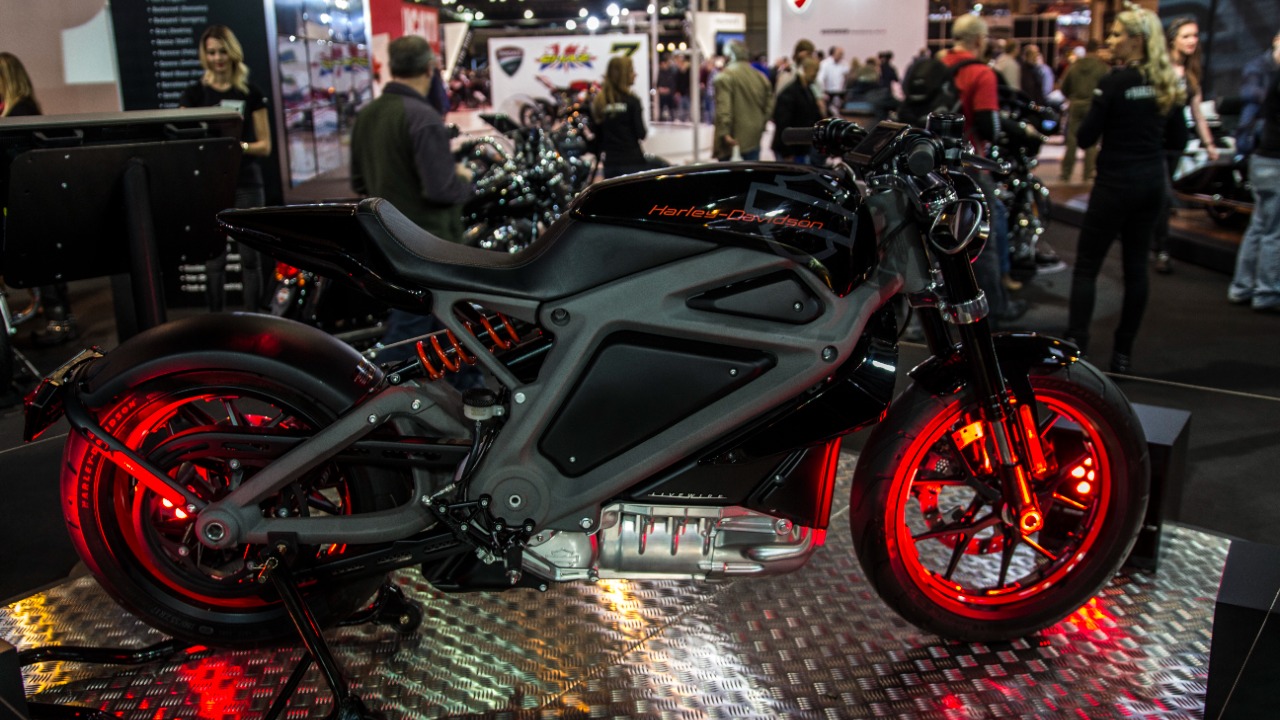
Launched for 2020 as Harley’s first fully electric motorcycle, the LiveWire makes 105 hp, hits 60 mph in under 3 seconds and goes 146 city miles. Those figures put an electric bike in the company’s lineup for the first time.
Range claims of that sort are quoted for city riding, so highway use would differ. Even so, the LiveWire gives the brand’s story a modern final chapter after generations of combustion engines.
More from Morning Overview
- Hurricane Hunter radar shows four warning signs that a tropical cyclone is about to strengthen, a University of Miami study found
- Tropical Storm Rachel is dumping up to 12 inches on four Mexican states on its way to major hurricane strength
- The FTC says Lens.com doubled the price shoppers saw in Google ads
- Common allergy, bladder and sleep pills tied to sharply higher dementia odds
