
Comets rank among the most photographed objects in the night sky, and a few have drawn spacecraft, telescopes and crowds of amateur imagers. Some stayed bright for months, some collided with planets, and one was reached by a lander. Here are ten comets the cameras caught, in rough order of when they appeared.
1. Halley’s Comet: Fleet of Spacecraft
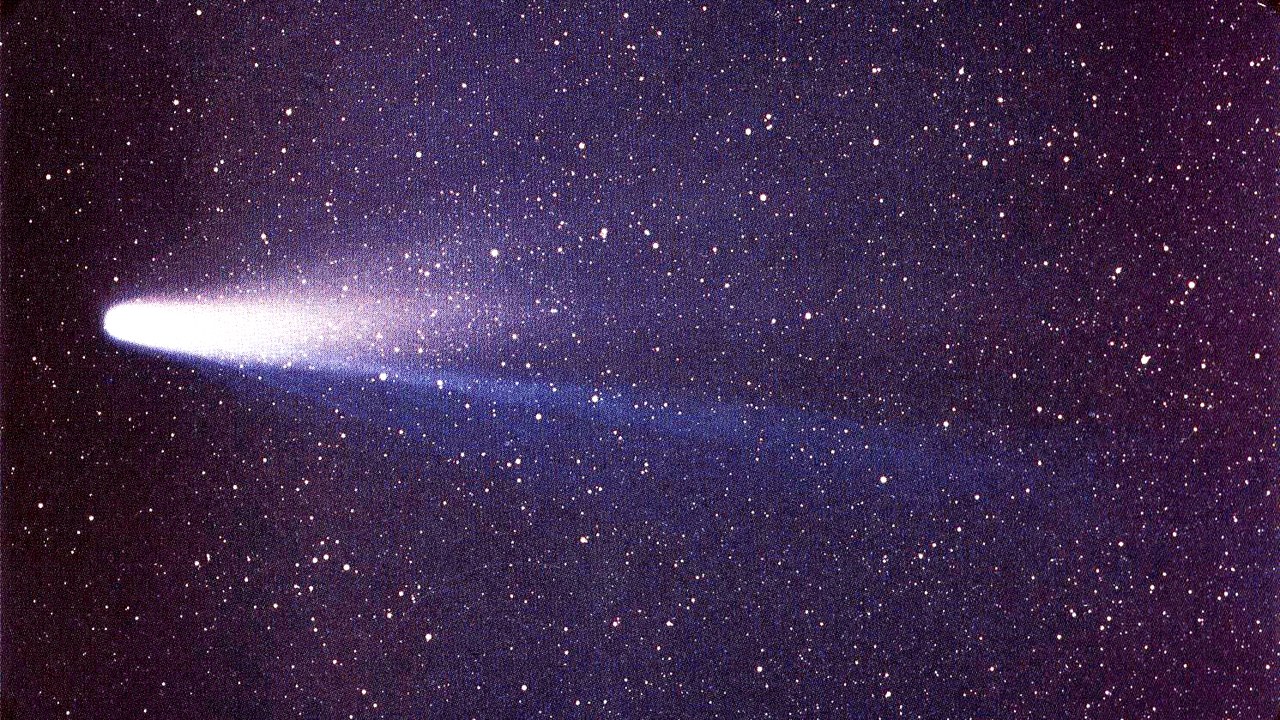
On its 1986 visit Halley was met by an international fleet of spacecraft, including ESA’s Giotto, according to NASA’s Halley profile. Giotto was among the first craft to photograph a comet’s nucleus.
The images changed Halley from a distant light into a solid body that could be studied up close. The comet returns in 2061, so the next generation of photographers has a date to plan around. Until then, the 1986 pictures remain the benchmark for close-up views of its nucleus.
2. Comet West: Magnitude Minus Three
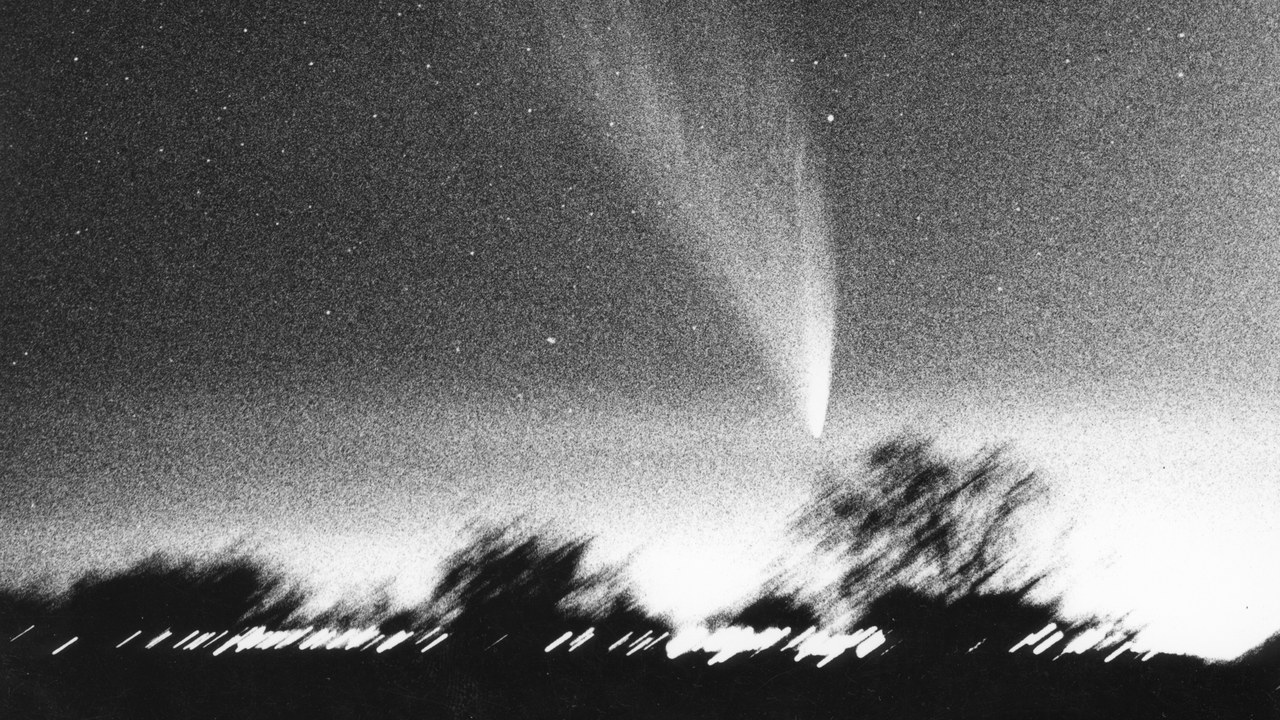
Comet West reached a peak brightness of magnitude −3.0 in 1976, earning a place on the roster of great comets listed in Wikipedia’s Great comet article.
A reading of −3.0 puts the comet well above the brightest stars in the sky. NASA’s 1996 comparison of Hyakutake with it shows how long West served as a yardstick for spectacular comets. Twenty years separated the two displays, and both left a deep impression on the sky watchers who saw them. West’s inclusion on the great comet roster is the reason it is remembered today.
3. Comet Hyakutake: Forty Moon Distances
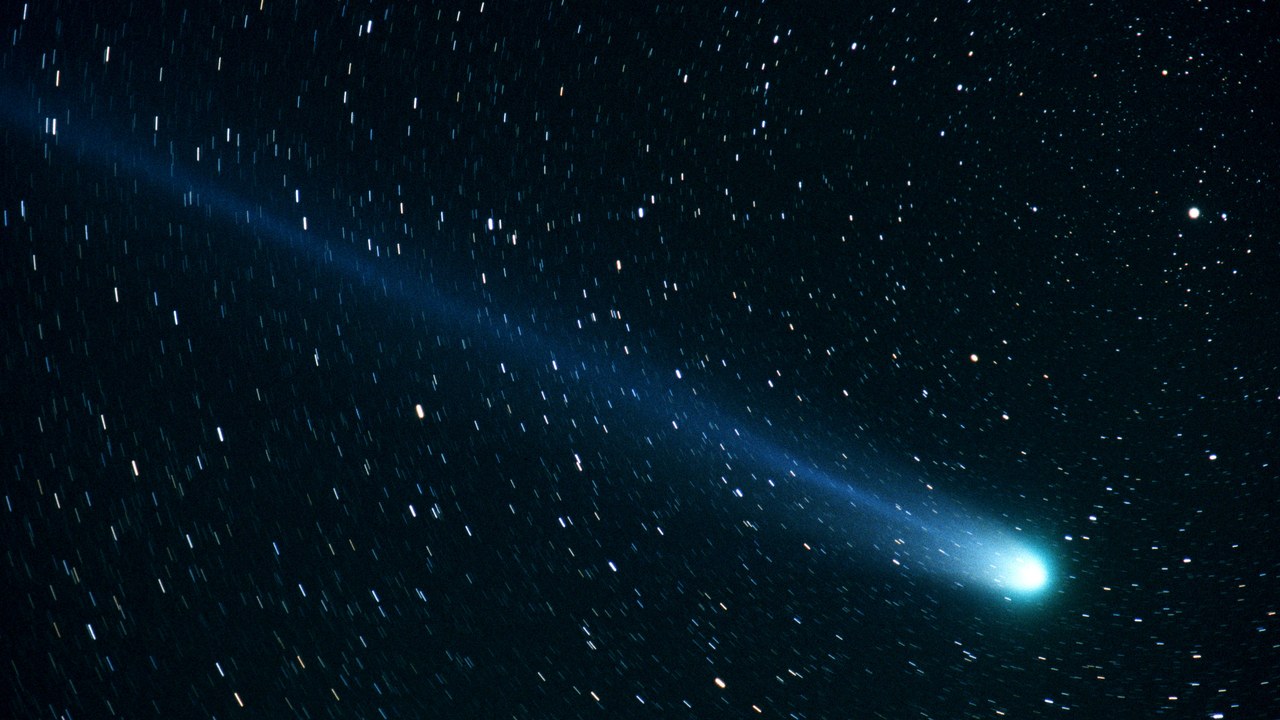
In March 1996 NASA called Hyakutake the brightest comet since Comet West in 1976, noting in an Astronomy Picture of the Day entry that it passed Earth at about 40 times the Moon’s distance.
The close pass made the comet an easy target for cameras, and sky watchers got a vivid view of a visitor that had been unknown only weeks earlier. Close approaches of this kind are rare enough to remain memorable. The near pass explains why the comet looked so large and bright from the ground.
4. Comet Hale–Bopp: Eighteen Months in View
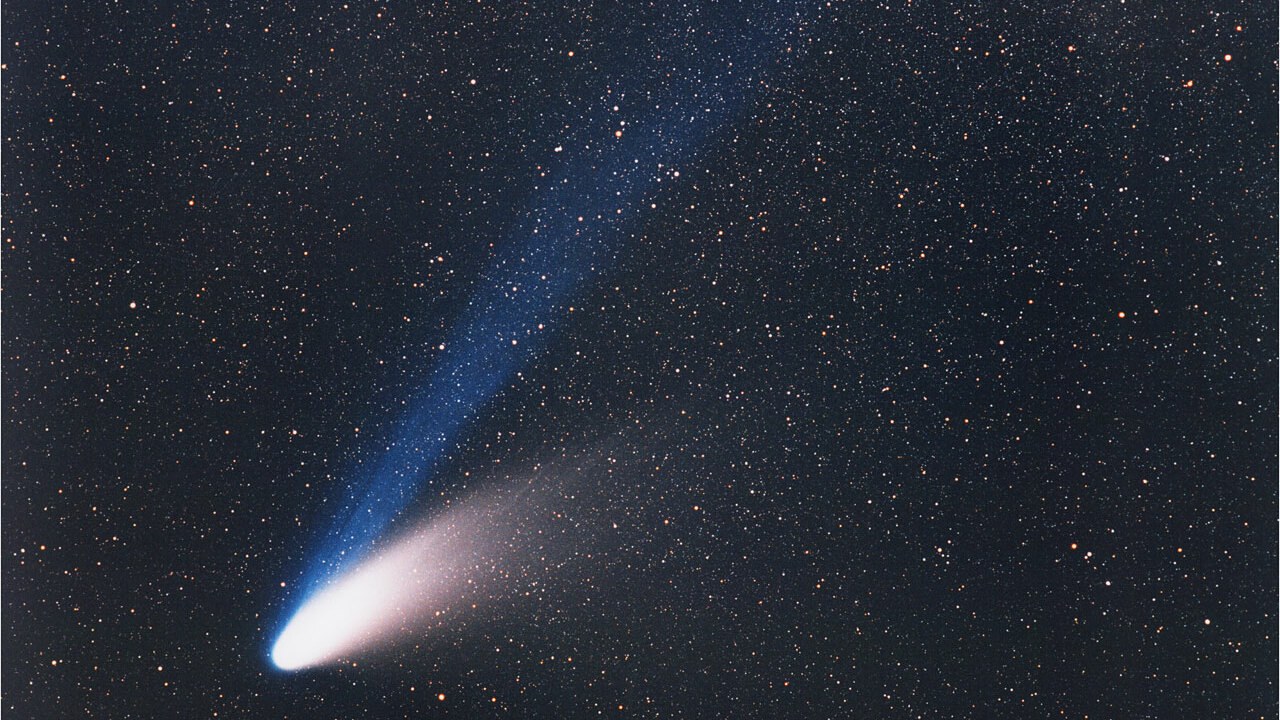
Hale–Bopp, the great comet of 1997, stayed visible to the naked eye for 18 months, according to Wikipedia’s Great comet list. The article adds that it was very widely observed for several months.
That span is far longer than the few weeks most bright comets offer, which gave photographers many chances to capture it. The 18 months refers to the 1997 apparition only, not to the comet’s full orbit. Even so, a naked-eye comet that lingers that long is exceptional.
5. Comet Shoemaker–Levy 9: Impact on Jupiter
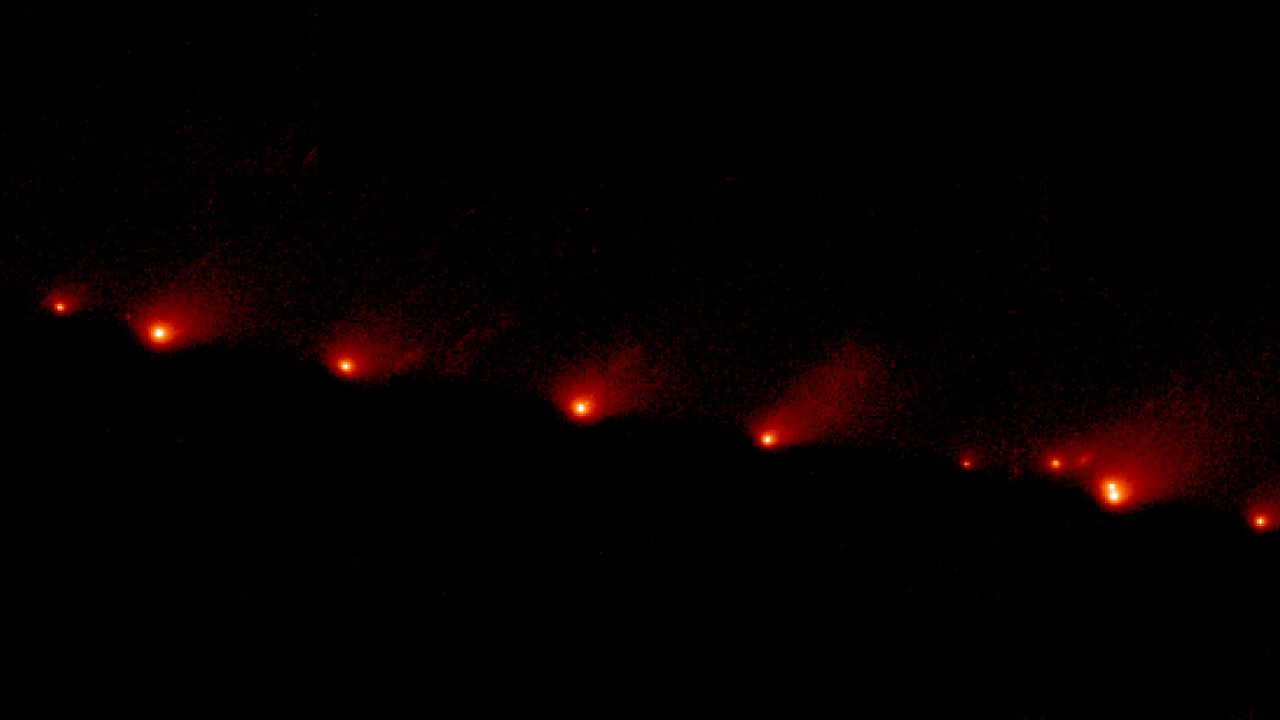
Discovered March 24, 1993, Shoemaker–Levy 9 broke apart and its fragments slammed into Jupiter in July 1994, as Wikipedia’s comet article recounts. Fragment G left a dark spot over 7,500 miles across.
The collision left dark scars visible in images of Jupiter’s cloud tops, a scale of damage that is hard to grasp without pictures. The event is a reminder that comets can disturb planetary atmospheres. The 7,500-mile figure for fragment G comes from the cited account of the impact, and it shows how large the scars were next to the planet itself.
6. Comet McNaught: Brighter Than in 40 Years
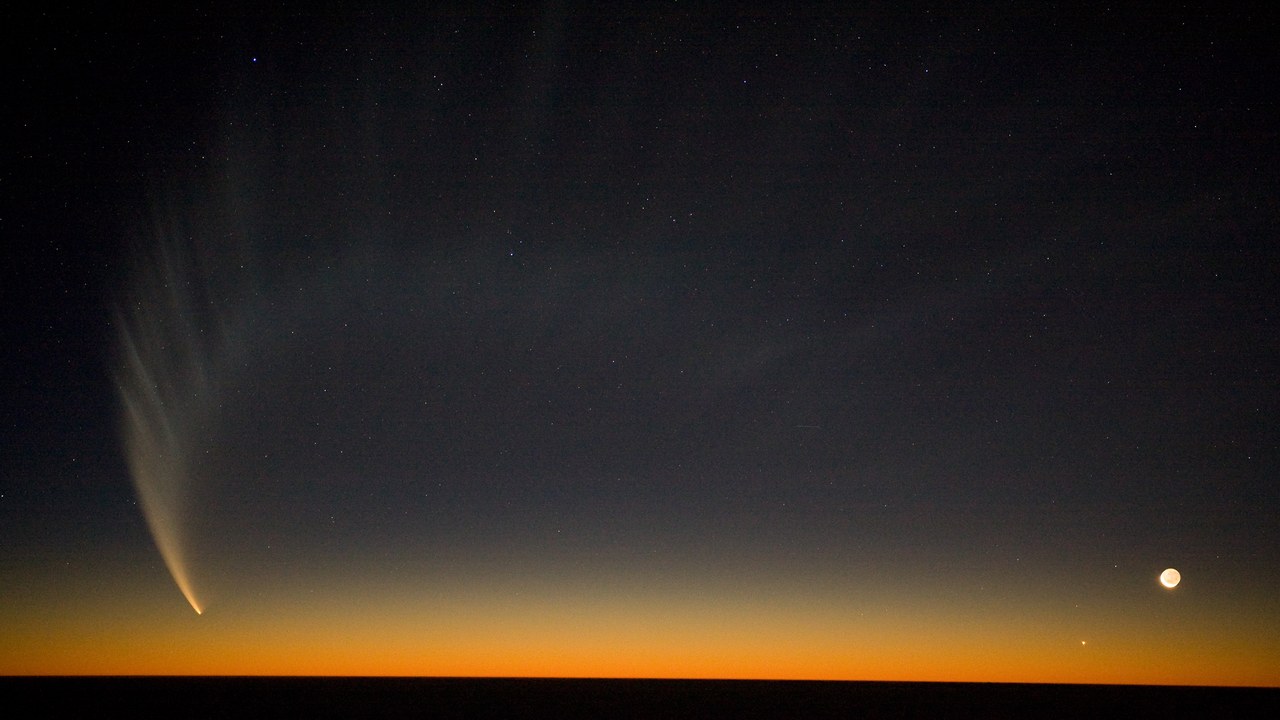
In early 2007 the Great Comet of 2007, McNaught, grew brighter than any comet in 40 years, with a dust tail that stretched across the sky, according to NASA’s 2007 comet review.
The dramatic tail made McNaught a favorite of sky photographers. The comparison to the previous 40 years places it among the best displays of its era. Observers in 2007 saw a sight that earlier generations had to wait decades to match. A long dust tail is also what makes a comet photogenic.
7. Comet 17P/Holmes: Sudden Outburst
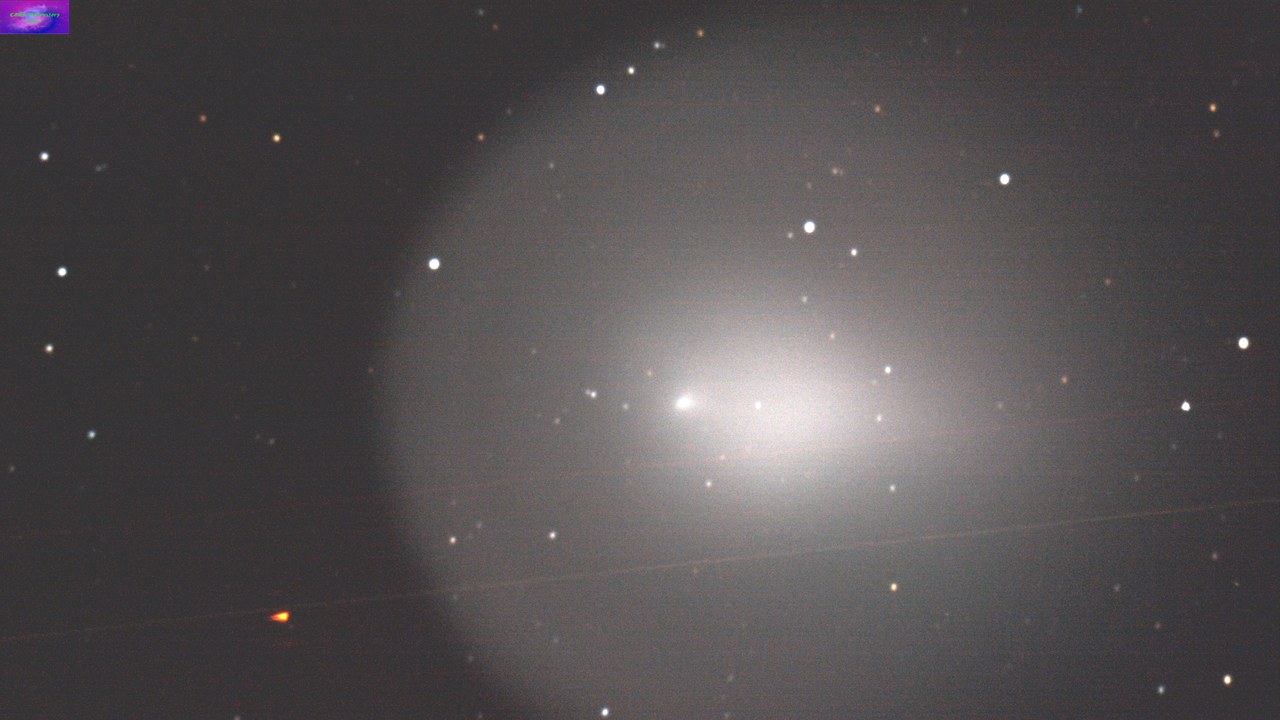
Normally faint, 17P/Holmes brightened suddenly to naked-eye visibility in late 2007, and NASA’s year-end review notes that it stayed bright for weeks despite lying beyond Mars’ orbit.
An outburst of that kind surprised observers, because the comet had been dim before it flared. Its appearance in the same year as McNaught made 2007 a standout for comet watchers, which is why NASA’s year-end review covered both. A comet beyond Mars shining that brightly is an unusual sight, and the flare gave photographers a rare target in an otherwise ordinary season.
8. Comet 67P/Churyumov–Gerasimenko: Landing on a Comet
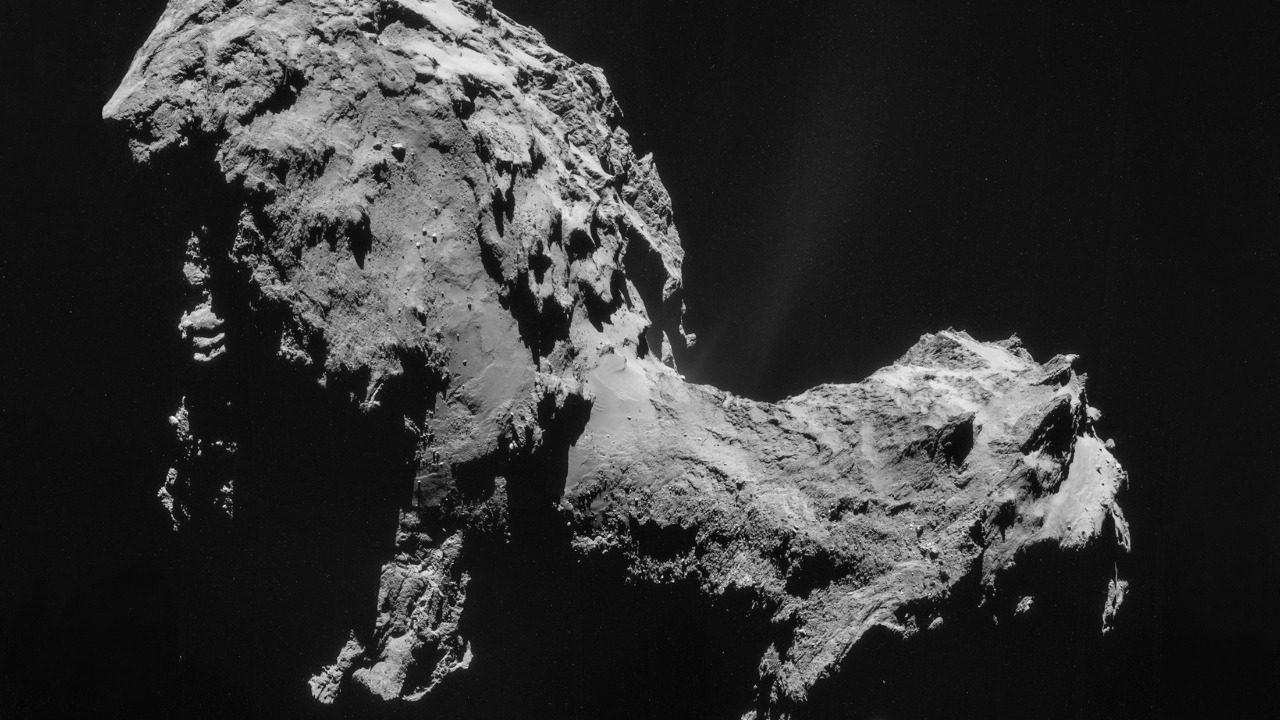
ESA’s Rosetta reached 67P in August 2014 and dropped the Philae lander that November, the first mission to orbit a comet and land on it, according to ESA’s Rosetta overview.
The mission supplied close-up images taken from orbit and from the surface, a vantage point no Earth-based camera can match. It also showed that a controlled landing on a comet is possible, even if the setup is difficult. Pictures from the surface and from orbit together gave scientists an unusually complete view of a single comet.
9. Comet NEOWISE: Found by a Spacecraft
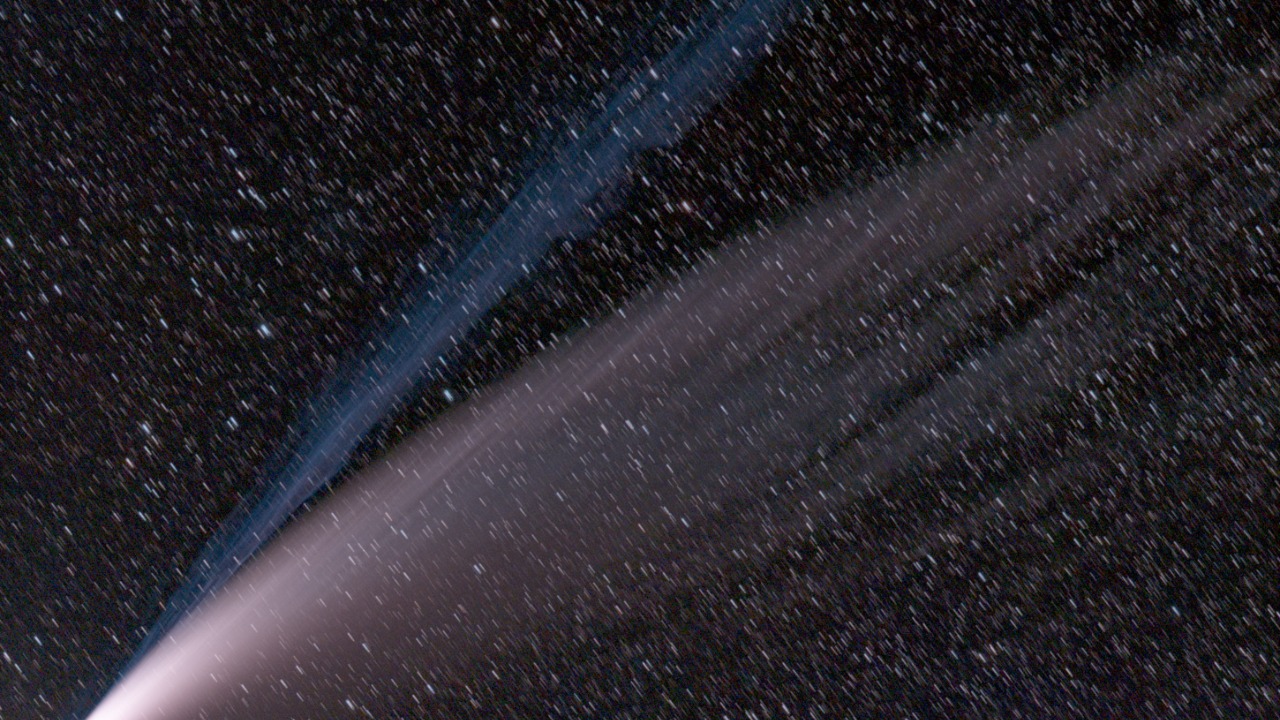
Discovered March 27, 2020, by NASA’s NEOWISE spacecraft, the comet became the brightest in Northern Hemisphere skies in decades, as NASA’s Earth Observatory described.
Its return is not due for about 6,800 years, so the 2020 images are a once-in-a-lifetime record for anyone alive today. Observers who photographed it from northern latitudes in mid-2020 hold a record that cannot be repeated by anyone living now. Being found by a spacecraft rather than a backyard telescope is part of what sets the story apart from older great comets.
10. Comet Tsuchinshan–ATLAS: Nucleus Near 12 Kilometers
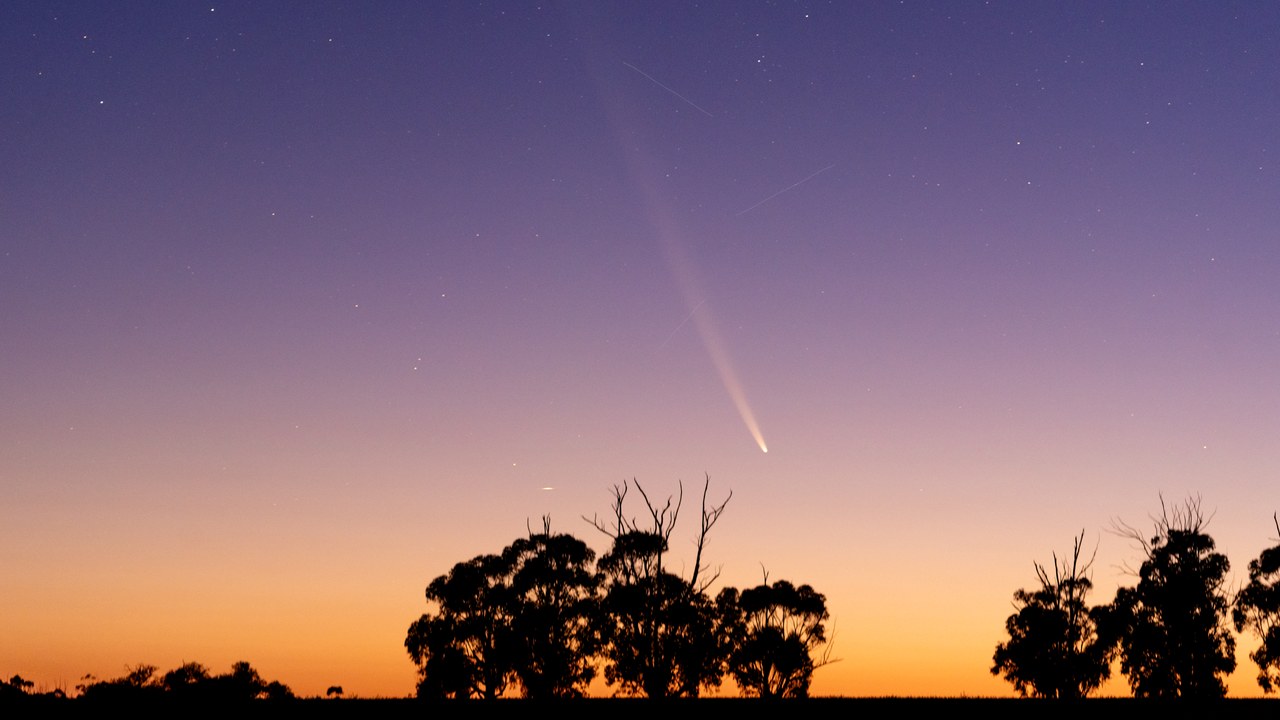
The great comet of 2024, Tsuchinshan–ATLAS, peaked near magnitude −4.9, with a nucleus estimated at about 11.8 kilometers across, according to Wikipedia’s Great comet list.
The peak brightness is brighter than the −3.0 reached by Comet West in 1976. Photographs from the 2024 apparition give the list a recent entry that bookends the older film-era favorites. The nucleus size is an estimate, so the figure should be read as approximate rather than as a precise measurement. Magnitude and size are separate matters, since a comet’s brightness also depends on its distance and its dust.
More from Morning Overview
- Two passengers died at an Ohio toll plaza, and the NTSB now wants the cash lanes shut
- Long use of a common prostate pill is tied to a higher chance of glaucoma
- Ford is recalling 223,472 F-150 pickups because the fuel tank can leak or detach
- Hybrids have 15% fewer problems than gas cars, while EVs and plug-in hybrids have about 80% more, Consumer Reports finds
