
Volkswagen arrived in America with almost no momentum, yet decades later its cars were woven into daily life across the country. The brand did it with quirky rear-engined classics, then with front-drive hatchbacks and sedans built to different rules. Here are twelve models that carried the company from that tiny start to a durable American following.
1. Volkswagen Beetle: From Two Cars To Thousands
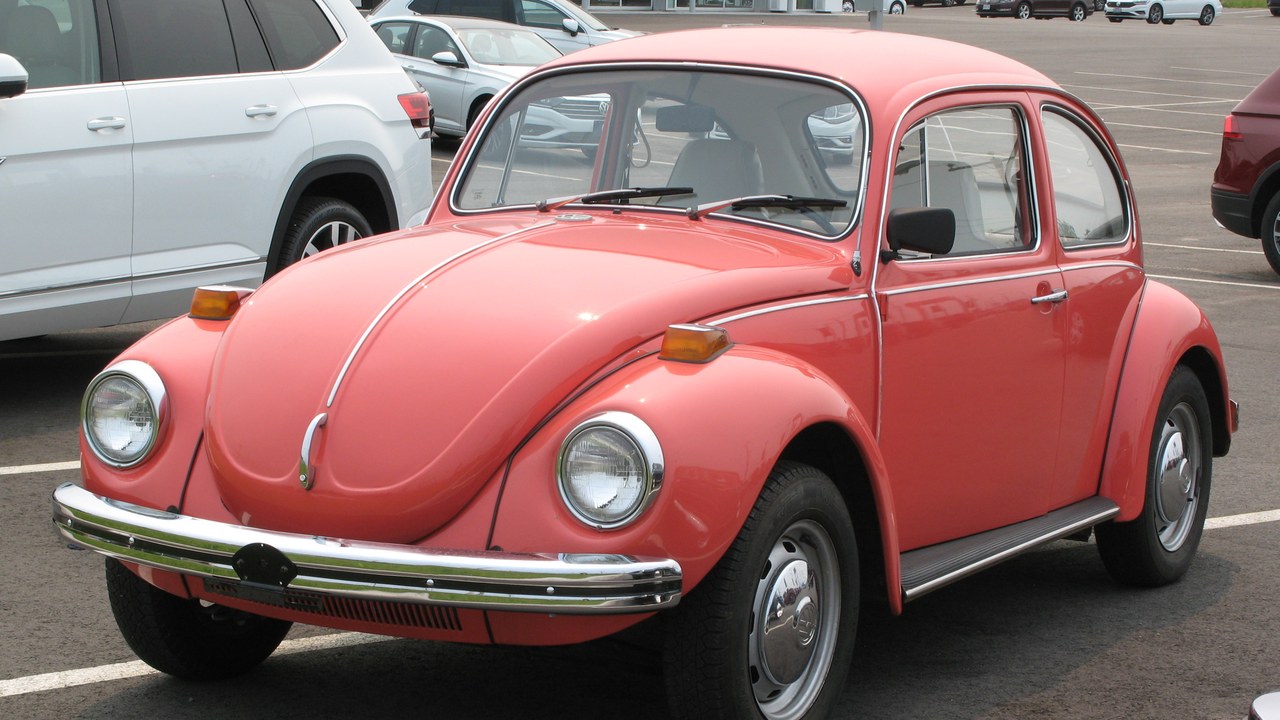
Volkswagen arrived in the U.S. in 1949 and sold just two cars, but after the 1959 Think Small ads, Hagerty’s Beetle buyer’s guide says U.S. Beetle sales passed 100,000 in 1960.
The turnaround shows how an unconventional pitch can make a humble car stand out. The Beetle’s small, honest image became the foundation for everything else the brand later sold to American buyers. For used buyers, that history is a reminder that the Beetle’s reputation was earned slowly, one small purchase at a time, rather than handed down overnight.
2. Volkswagen Type 2 (Bus/Microbus): The Bus Sticks Around
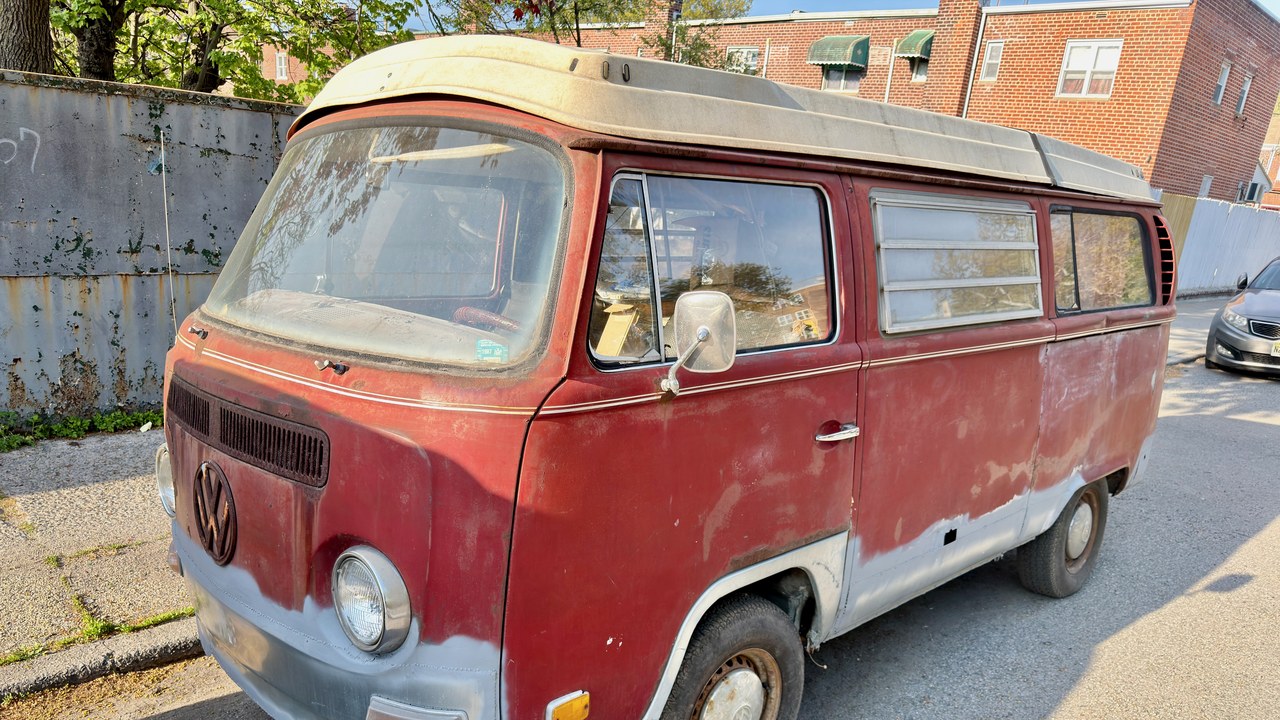
Built continuously since 1950, VW’s Type 2 Transporter was finally axed in North America in 2003, according to SlashGear’s best-sellers list.
More than five decades is a remarkable run for any vehicle. The boxy van became a cultural fixture as well as a workhorse, which helps explain why old examples are still sought after and admired today. Shoppers considering one today should expect a simple, slow, characterful vehicle whose long production life means parts and community knowledge are plentiful.
3. Volkswagen Karmann Ghia: Beetle Bones, Italian Style
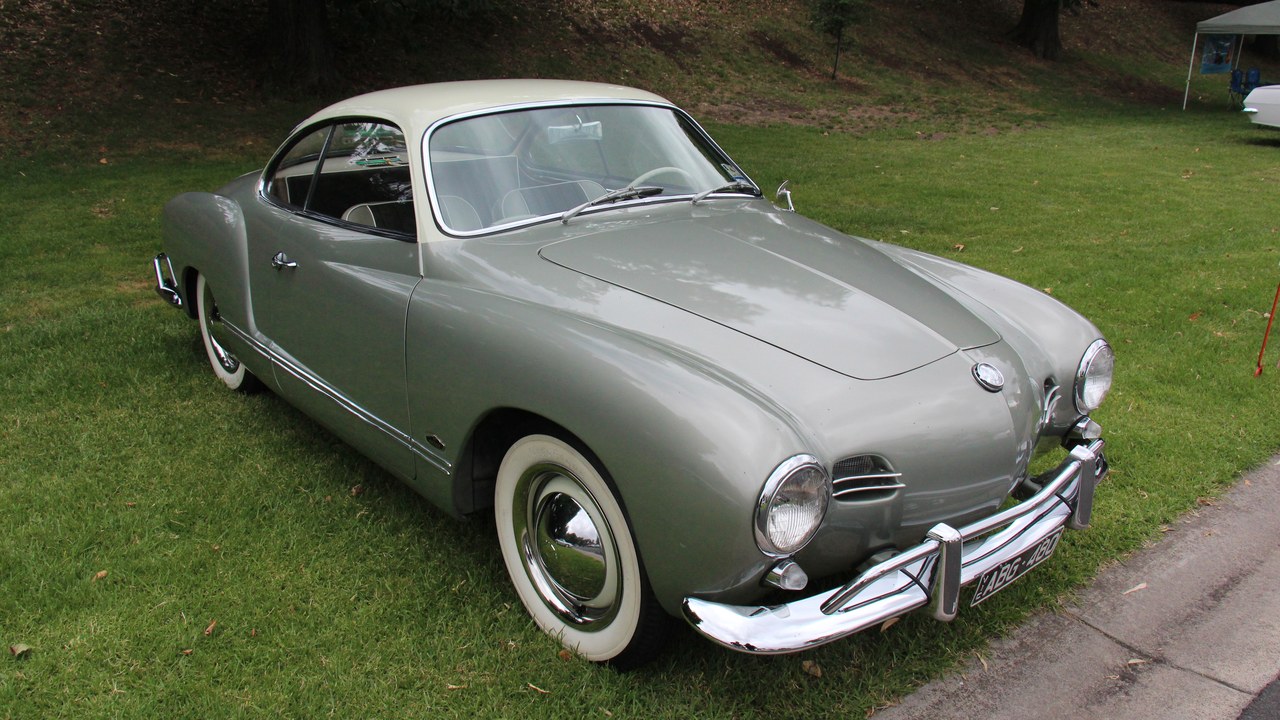
Styled by Ghia on a Beetle floorpan by Karmann, the Karmann Ghia reached the U.S. in 1956, and SlashGear’s classic VW roundup puts German production at 441,950 cars.
The car offered sleek coupe looks with familiar, simple mechanicals underneath. That blend makes it an approachable classic, since the Beetle-based underpinnings are widely understood by specialists. Buyers should still inspect any example carefully for rust and past repairs, since a pretty shape can hide expensive problems underneath older paint.
4. Volkswagen Type 3 Squareback/Fastback: Fuel Injection Early
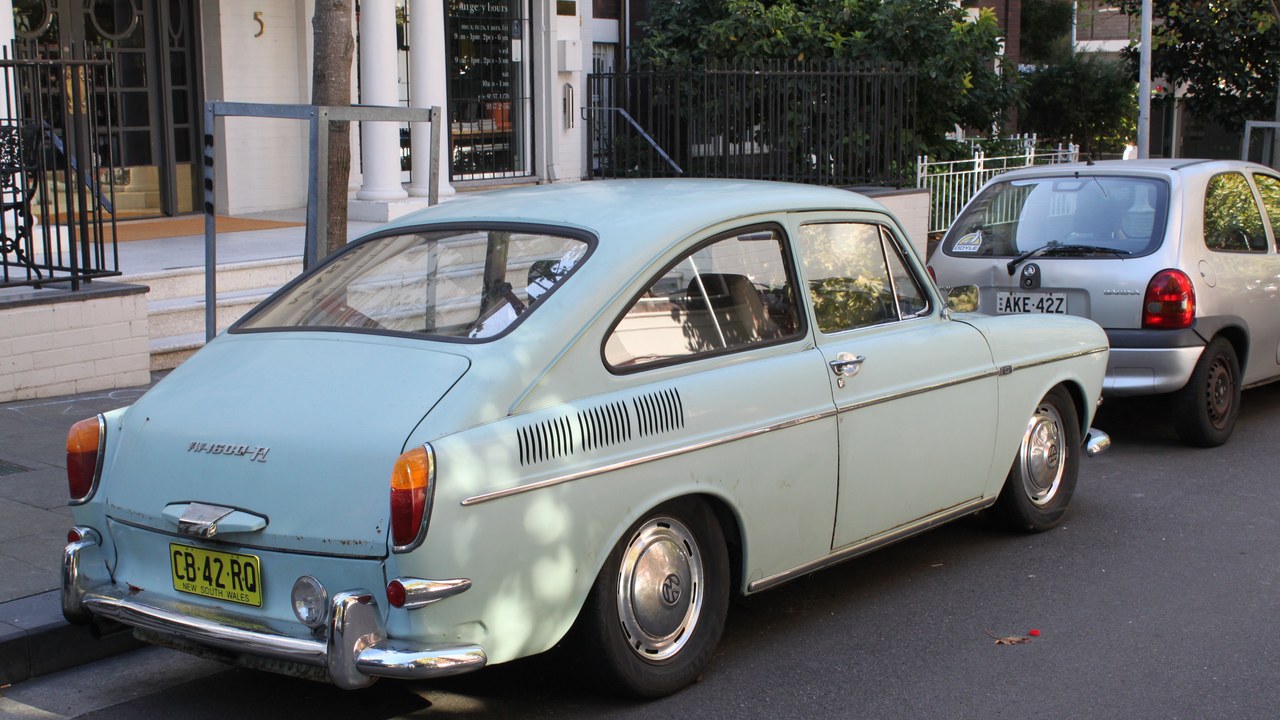
Arriving in the U.S. for 1966, the Type 3 Fastback and Squareback got Bosch fuel injection on the 1600cc air-cooled engine from 1968, as SlashGear’s classic VW roundup notes.
Electronic fuel injection on a family wagon or fastback was ahead of many contemporaries. The Type 3 gave American buyers a roomier alternative to the Beetle without leaving the air-cooled fold. Anyone shopping for one should look for evidence of maintained injection components, because original equipment of that age may need patient, specialist attention.
5. Volkswagen Rabbit: Made In Pennsylvania
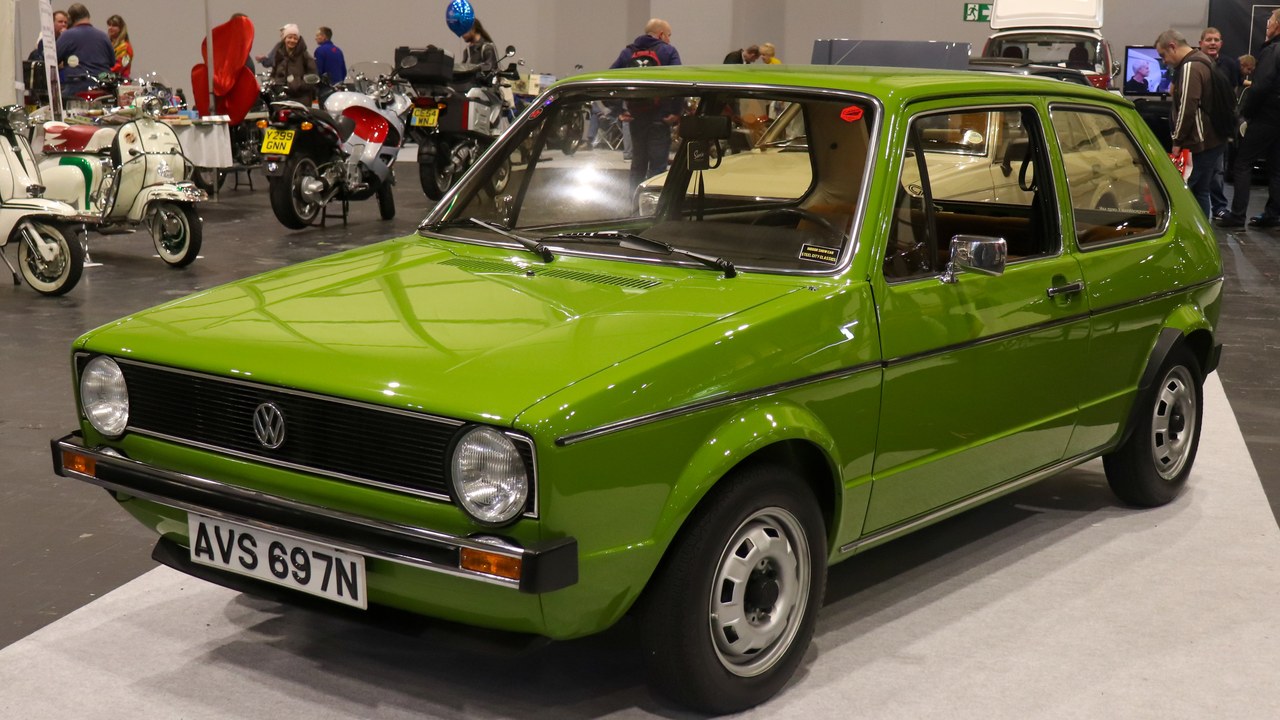
VW built Rabbits at its Westmoreland, Pennsylvania plant from 1978, and Hagerty’s Rabbit buyer’s guide says it produced well over a million before the plant closed.
Assembling a Volkswagen in America signaled that the company intended to stay for the long haul. The front-drive Rabbit also marked the shift from the Beetle’s rear-engine layout to a new, modern formula. It also shows how local production can anchor a brand’s identity, a lesson that later American-built VW models would echo in new ways.
6. Volkswagen GTI (Rabbit GTI): A Hot Hatch Lands
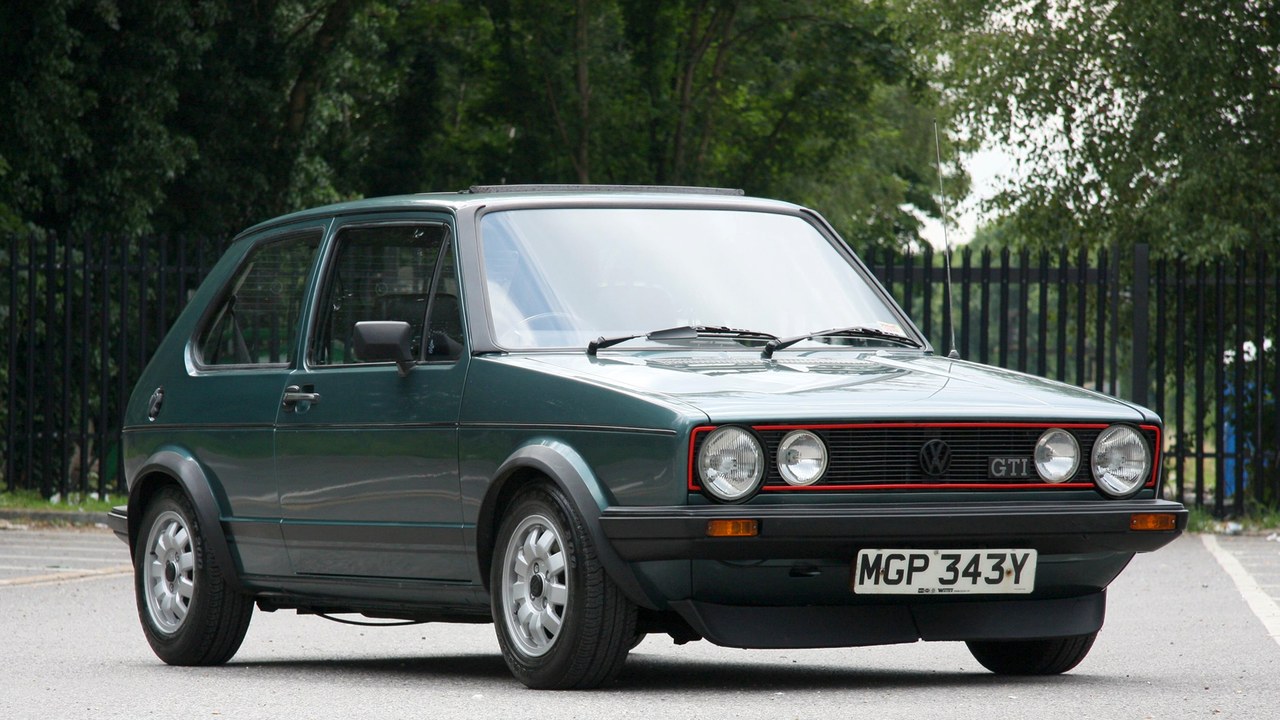
The Rabbit GTI reached America in 1983 with a 1.8-liter engine, and Hagerty’s Rabbit buyer’s guide counts about 30,000 U.S.-built 1983-84 cars.
Those numbers are small, which is part of the appeal for collectors. The GTI is widely regarded as a pioneer of the affordable performance hatchback, and a well-kept example carries real historical weight. Early cars in good original condition are the ones to look for, since the later, heavily modified examples often lack that documented provenance.
7. Volkswagen Scirocco: Giugiaro Takes Over
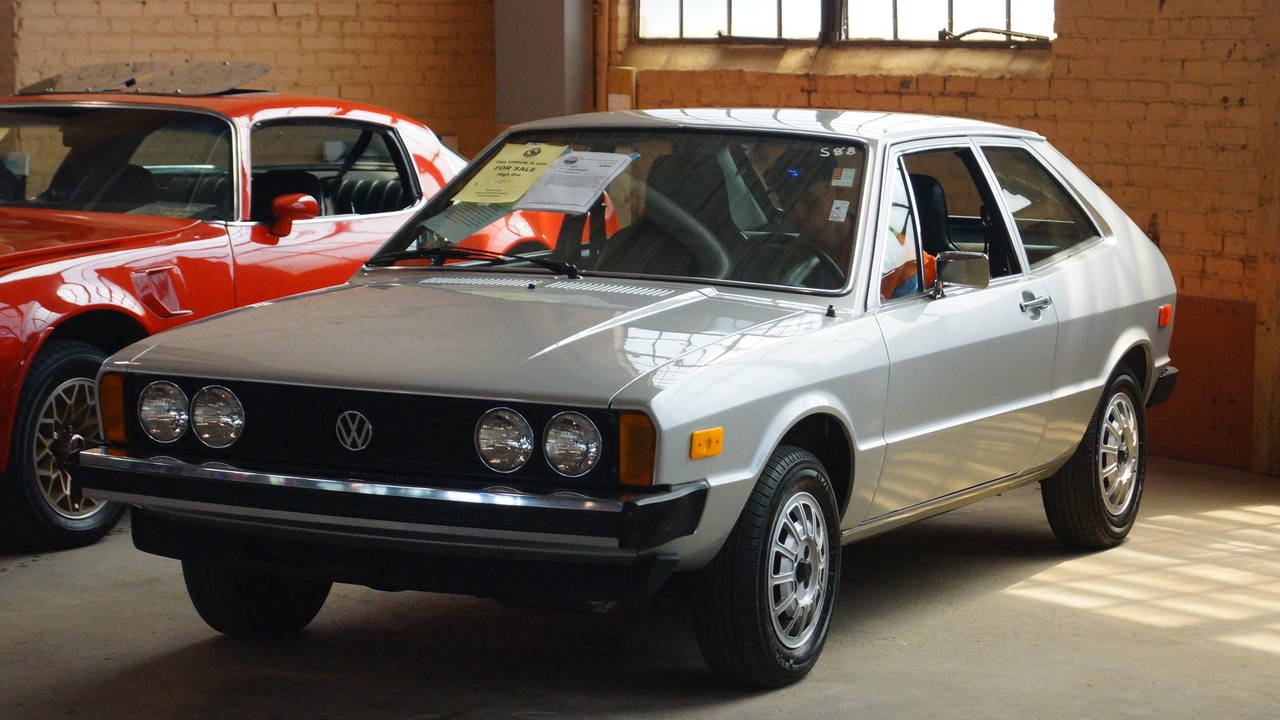
Giorgio Giugiaro’s Golf-based Scirocco succeeded the Karmann Ghia, arrived in the U.S. in 1975, and, per SlashGear’s classic VW roundup, sold over 500,000 worldwide.
A famed designer, a front-drive platform and a sporty coupe shape made the Scirocco a different kind of Volkswagen. It carried the Karmann Ghia’s role forward for a new era of buyers. Collectors tend to appreciate its crisp, angular lines, which look dated in the best way next to the rounder shapes that came before it.
8. Volkswagen Jetta: The Sedan Alternative
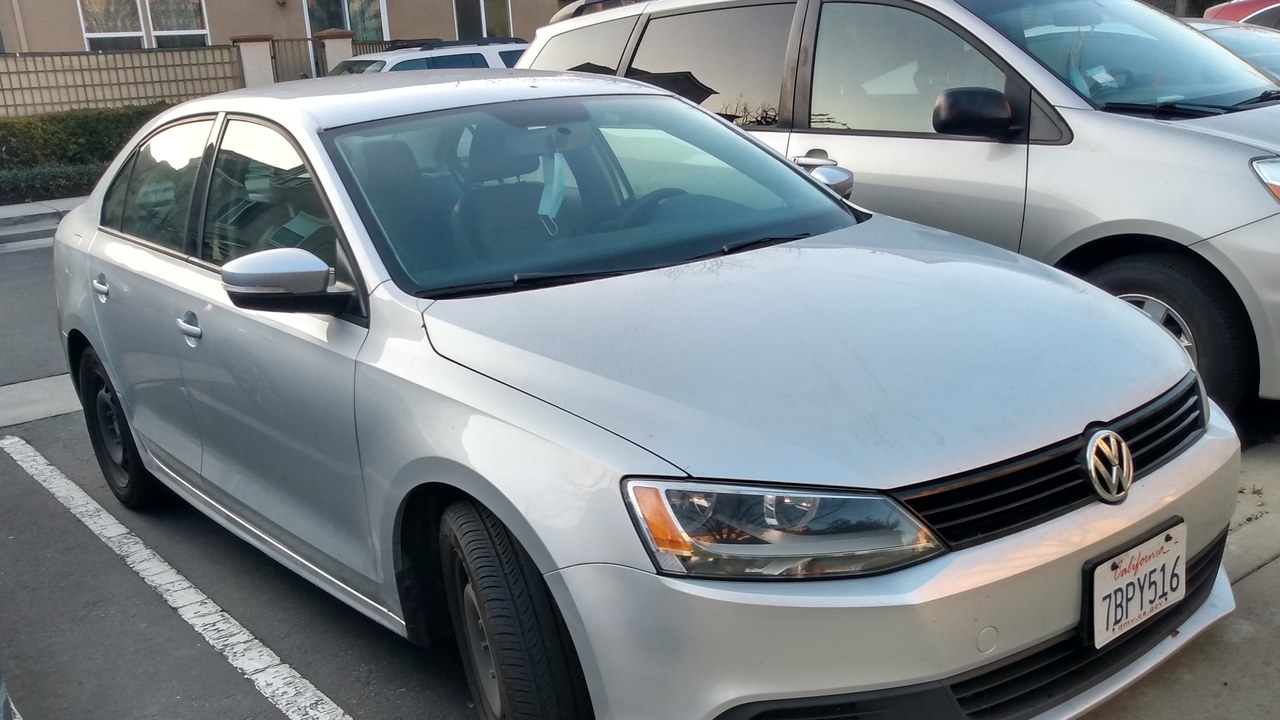
VW has sold over 18 million Jettas, more than 3 million of them in the U.S., and SlashGear’s best-sellers list says it outsold the Golf in North America about two to one by 1991.
American buyers clearly preferred a conventional trunk. That preference turned the Jetta into the model many shoppers think of first when the brand comes up, and it explains the sheer volume. Its dominance also explains why the Jetta name feels so familiar on American roads, even among people who never considered buying a Volkswagen otherwise.
9. Volkswagen Vanagon: A Diesel Van Option
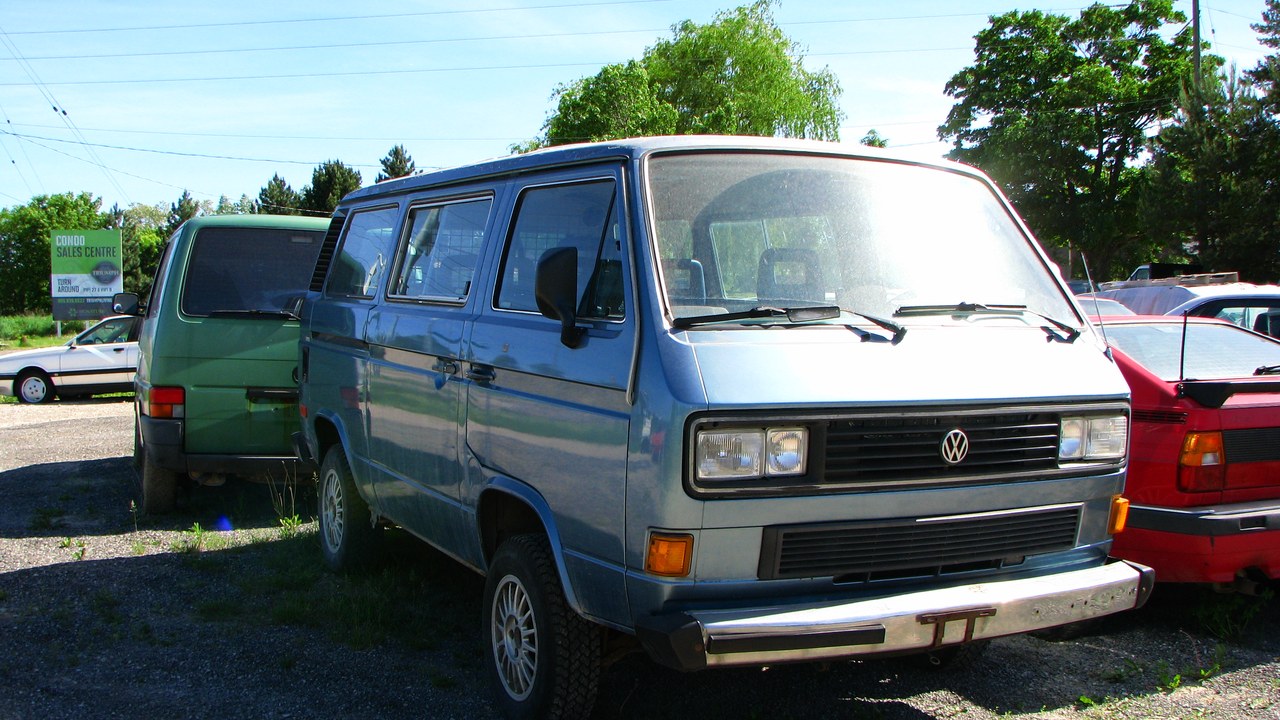
The Vanagon replaced the Type 2 Bus, and SlashGear’s classic diesels article notes that for 1983-84 Americans could even buy it with a 48-hp, 1.6-liter diesel.
Forty-eight horsepower hardly sounds like much for a van. Fuel economy mattered more than speed to its audience, and the diesel remains a curious footnote for fans of rear-engine VW campers. Surviving examples are rare enough that they draw attention at shows, partly because few people expect to see a diesel Vanagon in the wild at all.
10. Volkswagen Passat: The Long-Running Sedan
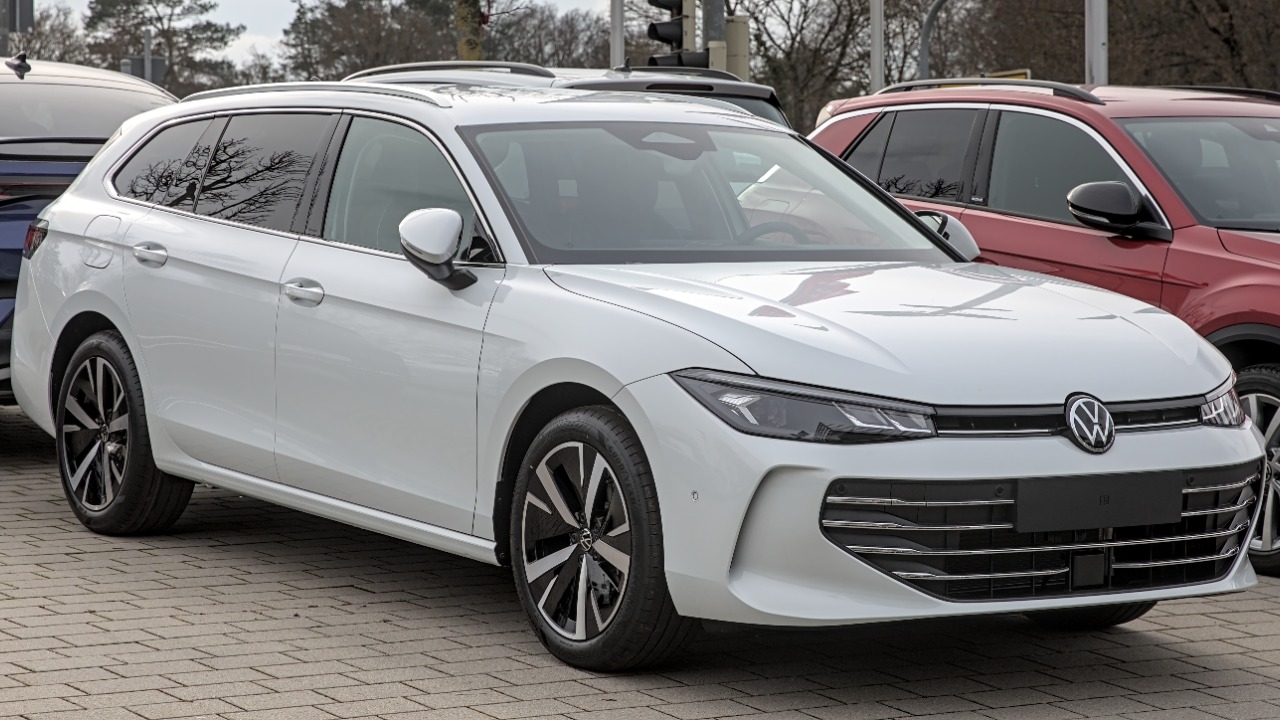
Around 30 million Passats have been sold, making it VW’s second best-seller after the Golf, though SlashGear’s best-sellers list says North American sedan sales ended in 2022.
That scale is impressive, and so is the shift it represents. As buyers moved toward crossovers, a once-central family sedan faded from this market even while its global record stayed strong. Used-car shoppers can still find plenty of them, and the model remains a sensible reference point for anyone comparing mid-size family sedans of recent decades.
11. Volkswagen New Beetle: Retro Rescues The Brand
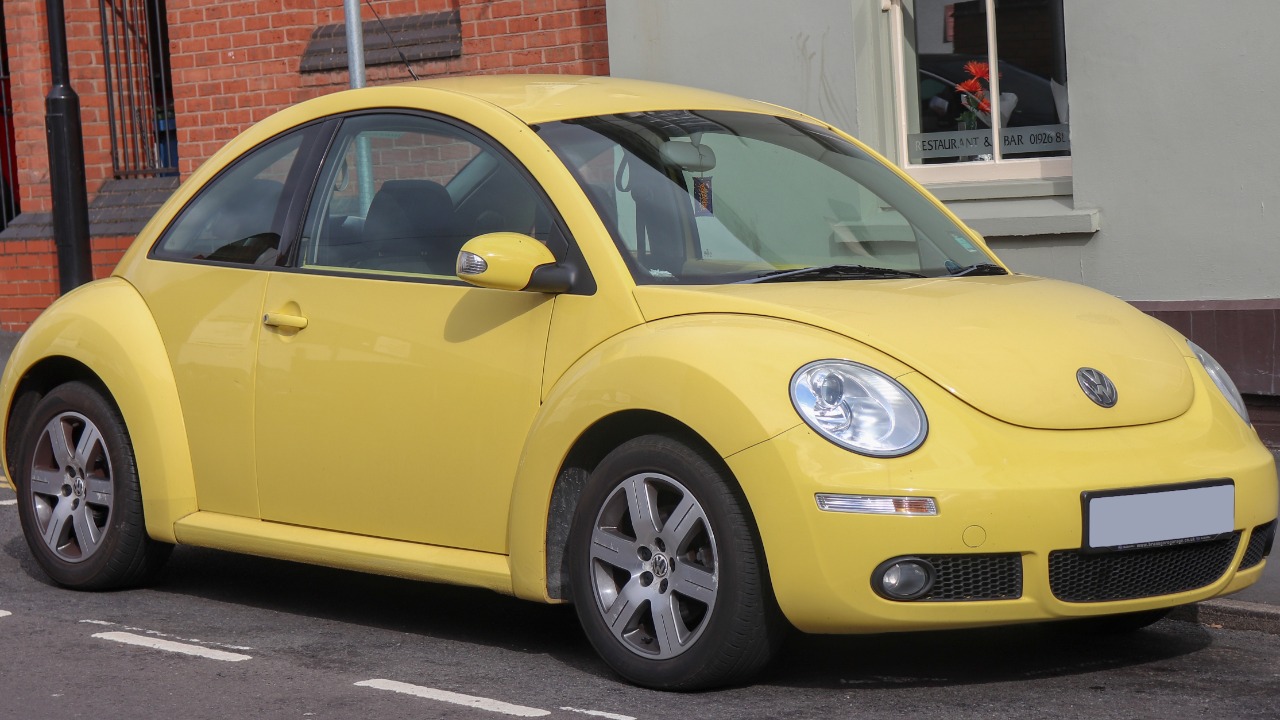
Launched in 1997, the New Beetle is credited with helping restore VW’s brand in America after sales fell as much as 87% from 1970 to 1992, per the Volkswagen Group of America history.
A nostalgic shape revived interest at a moment when the company badly needed it. The car showed that heritage could sell, even when the mechanical layout differed entirely from the original. That revival did not last forever, but it bought the company time and gave its dealers a cheerful, recognizable car at a difficult moment.
12. Volkswagen Atlas: Built In Tennessee
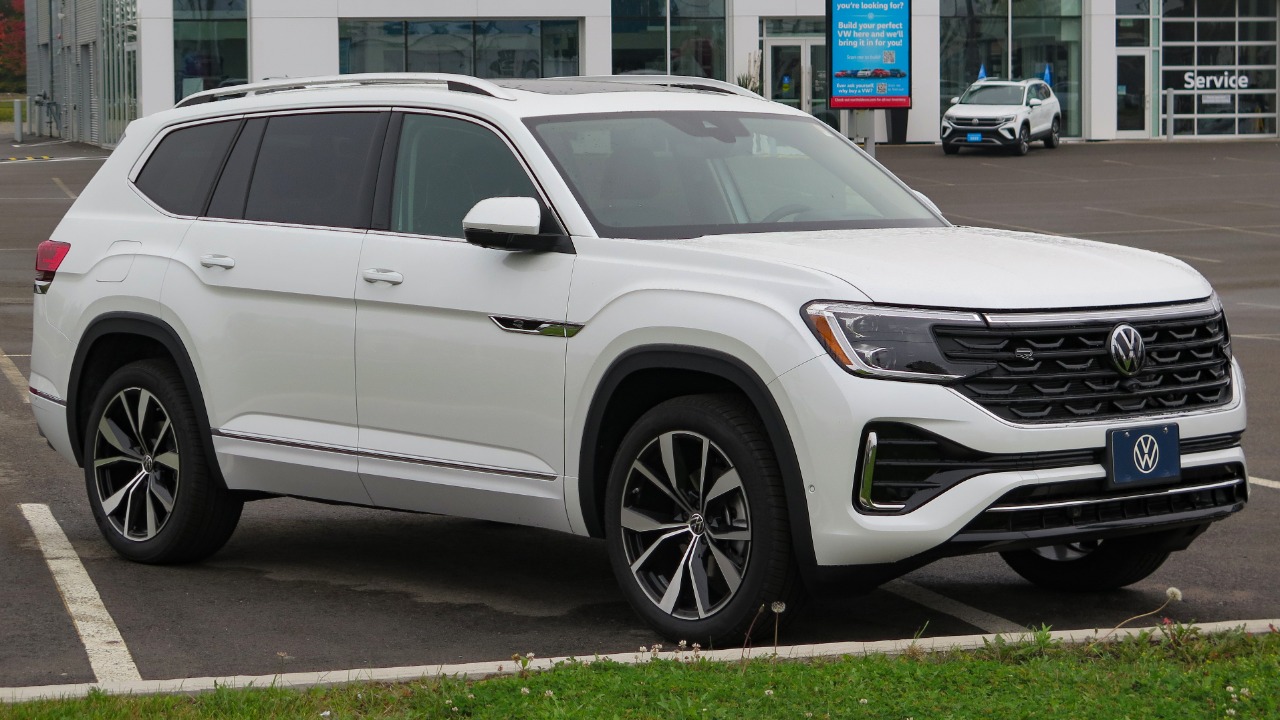
VW’s Chattanooga, Tennessee plant began building the Atlas SUV in 2017 after initially producing the U.S.-spec Passat, according to the Volkswagen Group of America history.
The Atlas reflects a brand aiming squarely at American tastes for larger vehicles. Domestic production of a three-row SUV marks a long distance traveled from the days of two cars sold. Buyers can now treat the Atlas as the American-built centerpiece of the lineup, with a size and practicality that earlier VW fans could hardly have imagined.
More from Morning Overview
- Lake Powell sank to a record 3,517 feet, nearing the level that stops Glen Canyon Dam’s turbines
- Seven of Earth’s nine planetary boundaries are breached, and all seven are worsening
- The NSA says three phone features should be off whenever you aren’t using them
- Hurricane Hunter radar shows four warning signs that a tropical cyclone is about to strengthen, a University of Miami study found
