
Few nameplates have been reinvented as often as the Civic, which started as a small hatchback and grew into one of America’s best-selling cars. Each generation answered the market of its day, from fuel economy to fuel injection to racetrack-bred trims. A walk through the lineage shows how the formula held together, and here are eleven of them.
1. Honda Civic (first generation): A Small Hatchback Arrives
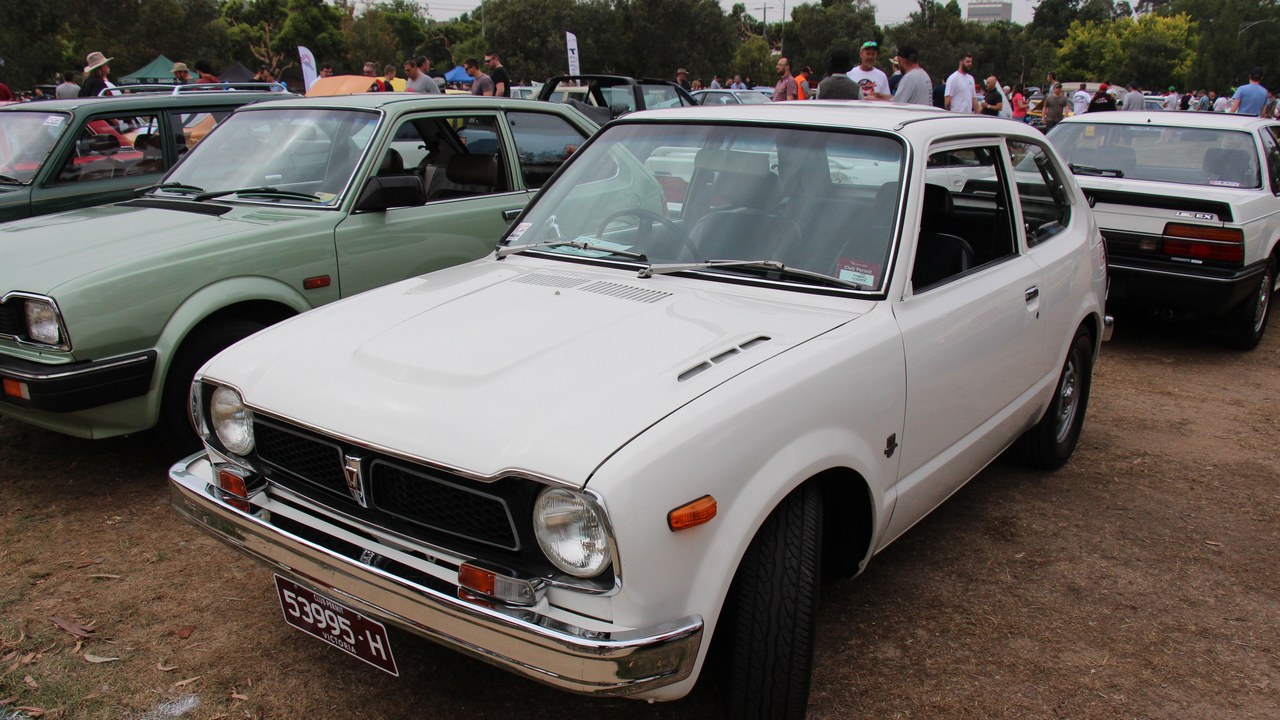
Honda’s first Civic reached the U.S. in 1973 as a hatchback, and the Civic history press kit lists 1.2- and 1.4-liter engines making 55 to 63 hp, paired with fully independent suspension.
That is modest power by any measure, yet a light car with independent suspension was a thoughtful package for a small economy model. Early cars set the template of efficiency and practicality that every later generation had to honor.
2. Honda Civic (second generation): CVCC Everywhere
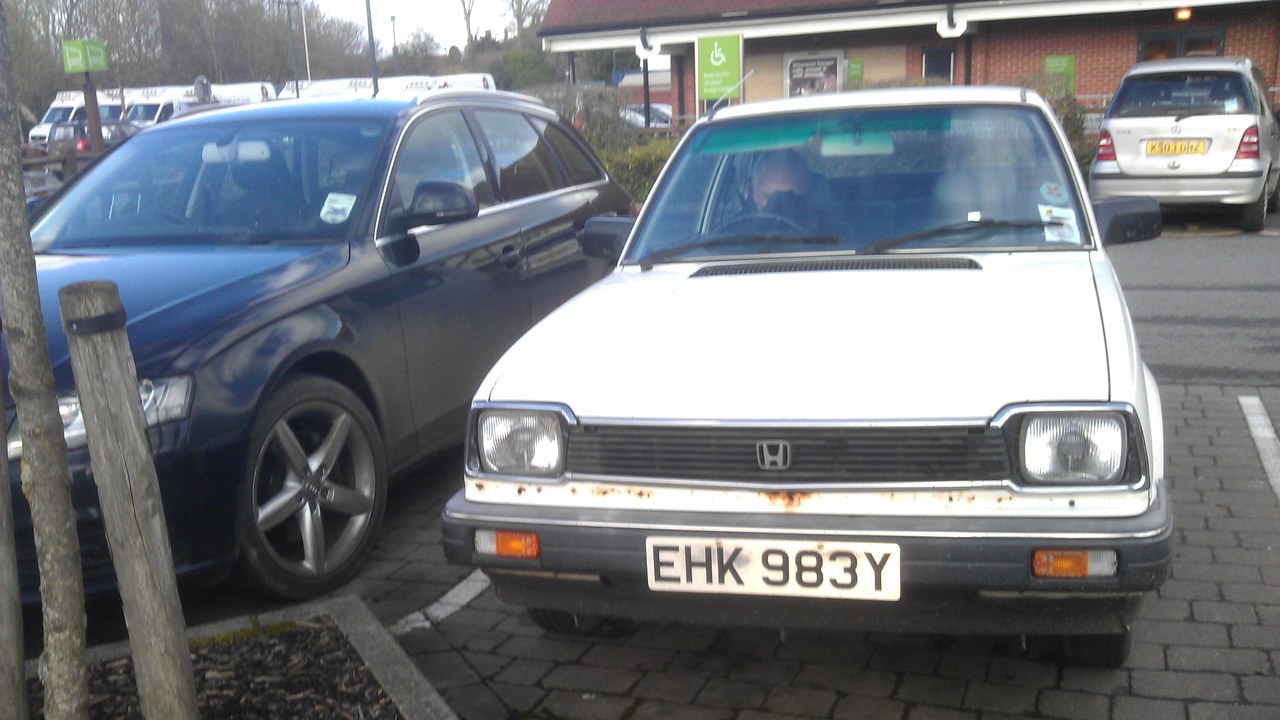
Introduced in June 1979 as a 1980 model, the larger second-generation car used CVCC engines throughout, and Wikipedia’s Civic generations summary notes it was Motor Trend’s Import Car of the Year for 1980.
Growing in size without abandoning the cleaner-burning engine design kept the Civic relevant to buyers who wanted a roomier car. Clean second-generation examples remain a gentle, period-correct way to sample early Civic character, and the larger body gave the line room to mature beyond its first compact shape.
3. Honda Civic (third generation): Si And Ohio
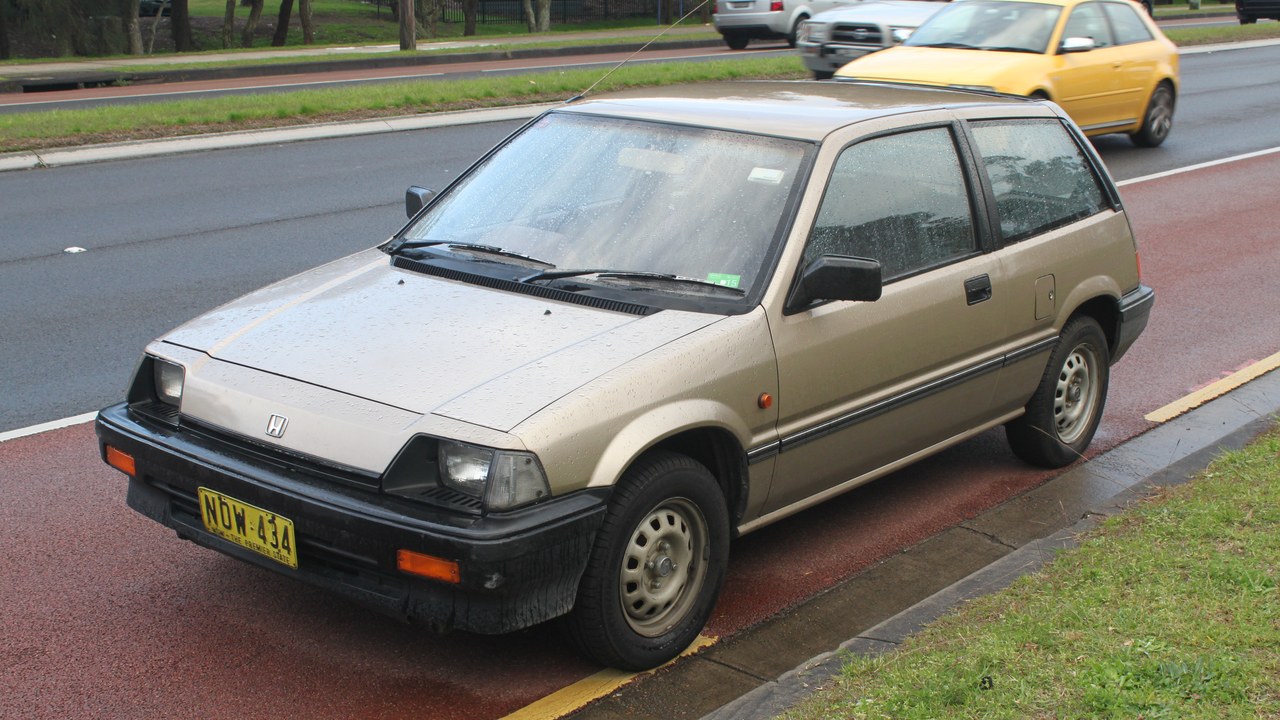
The third generation brought the first Civic Si in 1986, the same year Honda built its first Civic in Ohio, according to Honda’s 50-year Civic release.
Two milestones landed together here: a sportier trim that would define the nameplate’s enthusiast side, and American assembly that tied the car more closely to its biggest market. The Si badge has outlived many rivals, and the Ohio plant ensured that Civics for American buyers were increasingly built close to home rather than imported.
4. Honda Civic (fourth generation): Injection And Independence
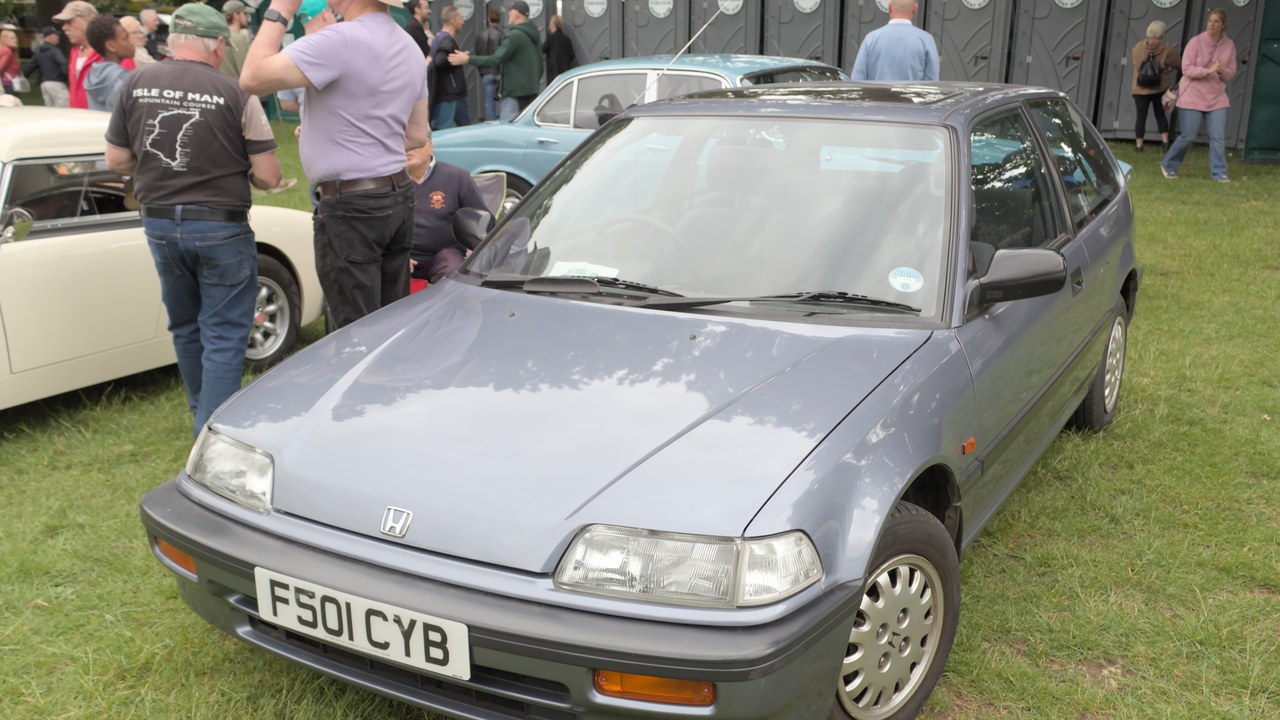
Launched in September 1987, the fourth-generation Civic brought fuel injection to every U.S. model and a fully independent rear suspension, and the Civic generation overview records Ten Best honors from Car and Driver for 1988 through 1991.
Four straight Ten Best years suggest the formula worked. Buyers hunting a clean, unmodified example from this era are chasing a car that critics rated highly while it was new, and independent rear suspension remains a notable engineering feature.
5. Honda Civic (fifth generation): VTEC Debuts
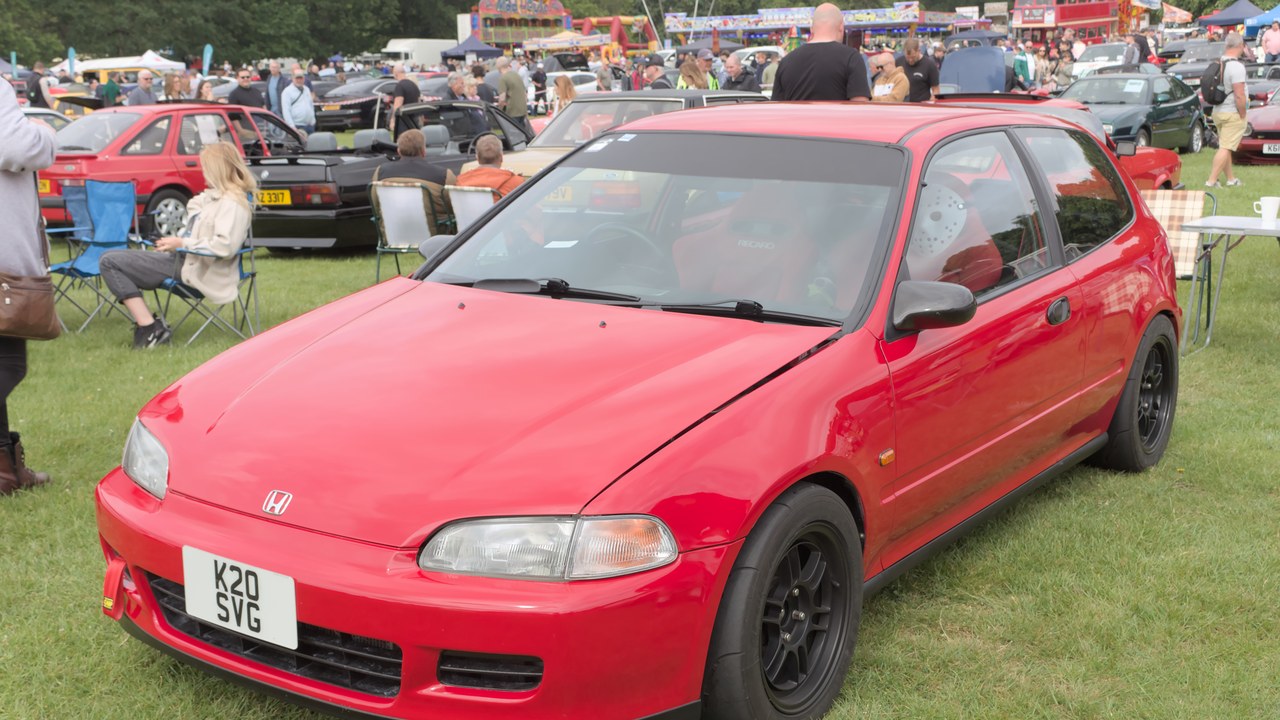
Honda’s Civic history press kit credits the 1992-95 car with introducing VTEC in a 125-hp Si, adding the first Civic coupe and making a passenger airbag standard.
Variable valve timing became a signature of the brand, and it first reached Civic buyers in this generation. The airbag change also marked a quieter shift toward standard safety equipment in affordable small cars, and the first coupe broadened the body choices on offer.
6. Honda Civic (sixth generation): Natural Gas And Honors
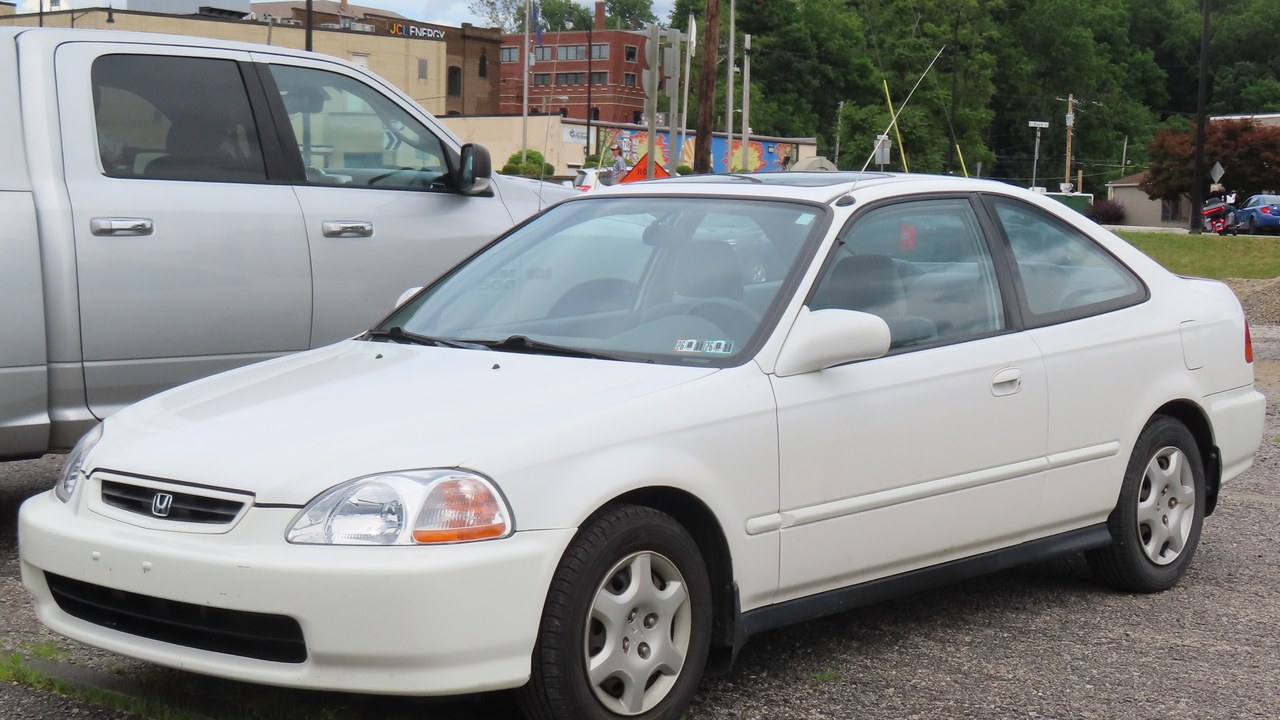
The 1996 Civic introduced the natural-gas Civic GX and added a 160-hp Si coupe in 1999, and Wikipedia’s Civic summary says Automobile Magazine named it Automobile of the Year for 1996.
A compressed-natural-gas variant showed the nameplate stretching toward alternative fuels while the Si kept the performance thread alive. Few compact cars of the decade covered both ends of that range, which helps explain why the generation earned such a strong reputation among magazine editors.
7. Honda Civic (seventh generation): Five Stars On A Budget
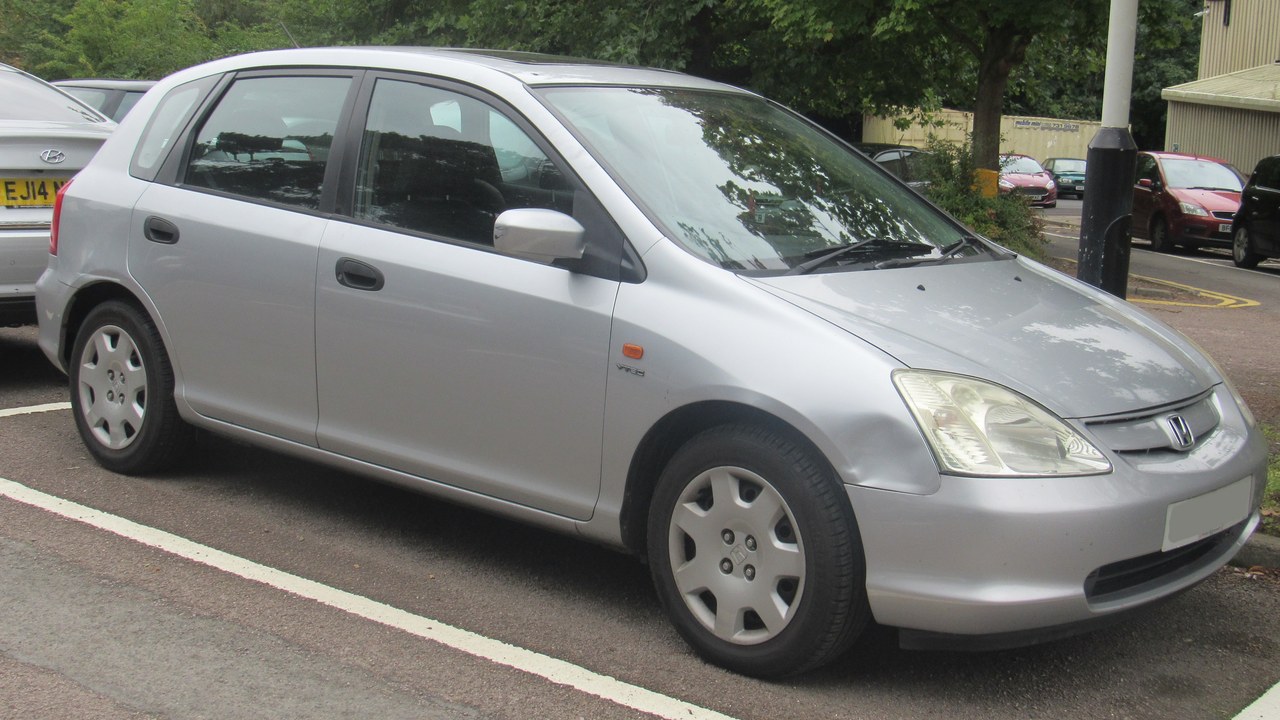
Honda reports in its Civic history press kit that the 2001 Civic coupe was the first affordable small car to earn NCAP five-star safety ratings, and the Civic Hybrid arrived in 2003 rated at 46 mpg.
Crash protection and fuel economy, the two things small-car shoppers worry about most, both advanced in the same generation. The hybrid also gave the nameplate an early foothold in electrified compacts, a space that would only grow more important in the years afterward.
8. Honda Civic (eighth generation): Double Car Of The Year
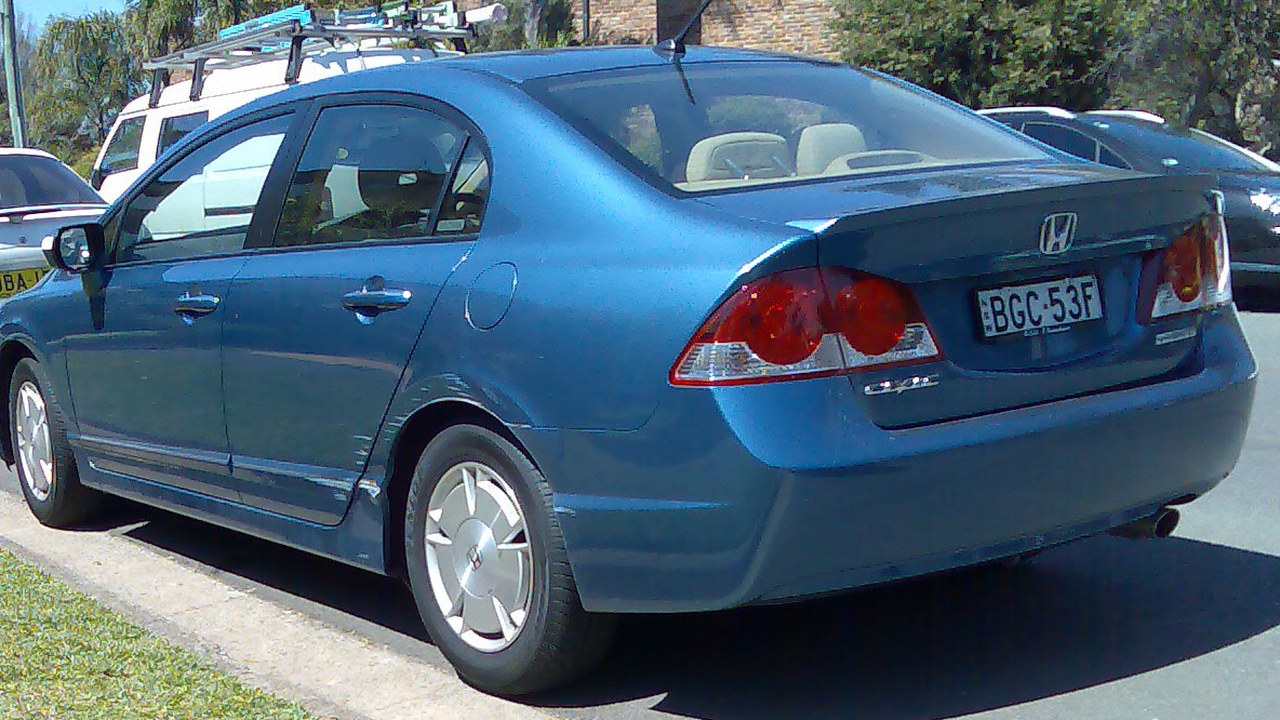
The 2006 Civic was both Motor Trend Car of the Year and North American Car of the Year, and the Honda Civic history page adds that it brought the first Si sedan.
Winning both major awards in one year is rare for a compact. The sedan version of the Si also widened the car’s appeal to enthusiasts who needed four doors, making a sporty Civic more practical for everyday family duty.
9. Honda Civic (ninth generation): Hard Times, Mixed Reviews
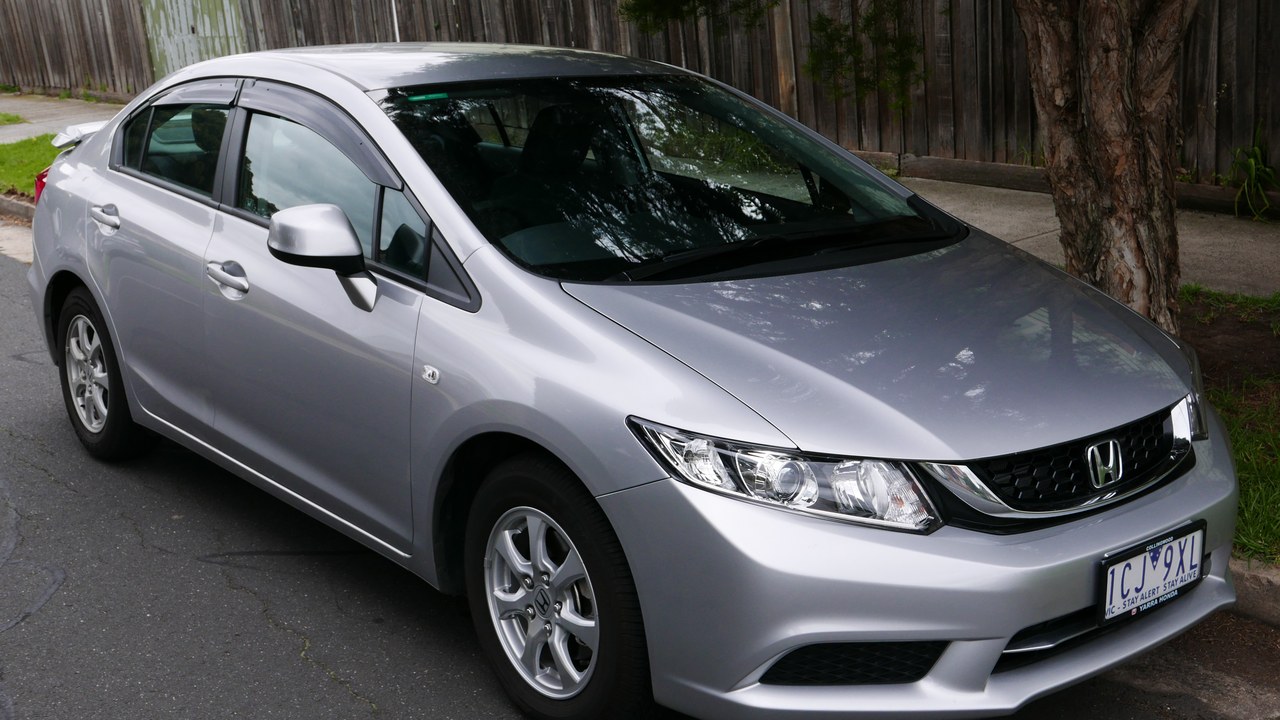
Developed during the 2008 financial crisis and on sale April 20, 2011, the 2012 Civic drew criticism over quality and refinement, and Wikipedia’s generation notes say Honda refreshed it for 2013.
The episode is a useful reminder that even a dominant nameplate can stumble. Honda’s quick refresh shows how closely the Civic was watched, and it left used buyers with an improved 2013 model to consider. Shoppers comparing the two years should weigh that refresh against price, since the earlier cars drew the sharper criticism.
10. Honda Civic (tenth generation): Type R Crosses The Atlantic
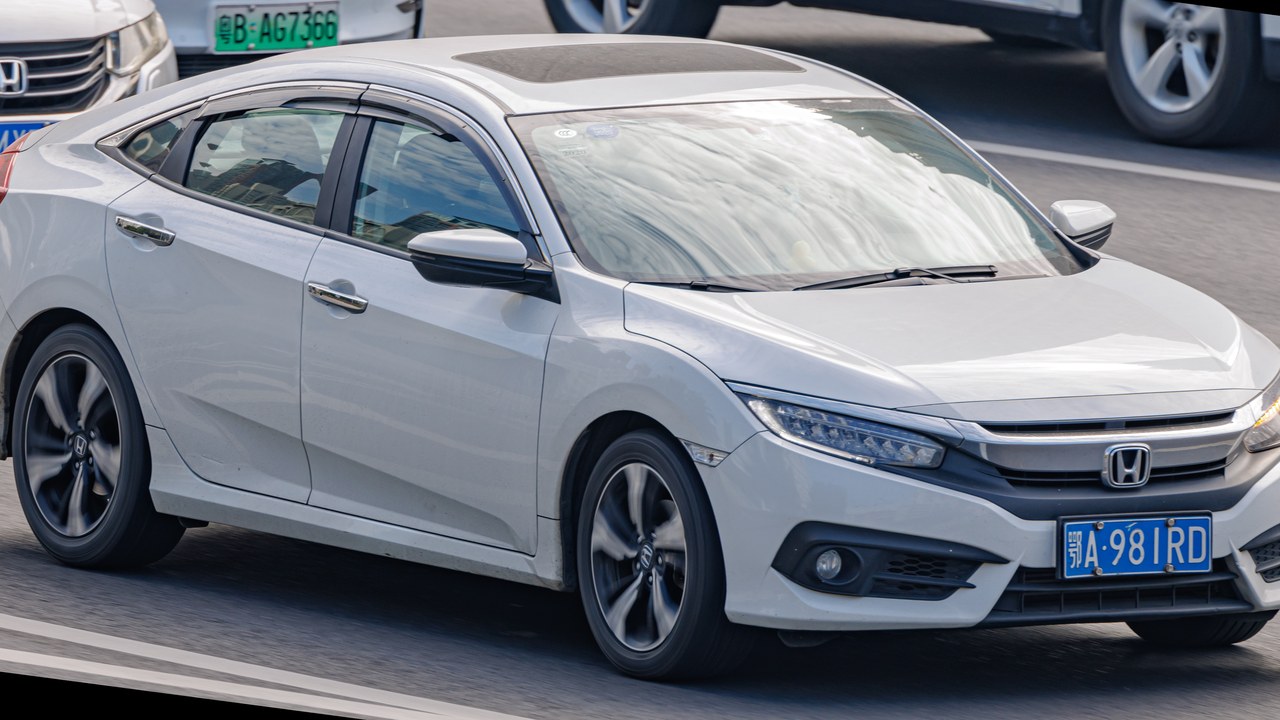
The Civic Type R reached America for the first time in 2017, during the tenth generation’s run, as noted in Honda’s 50-year Civic release.
Enthusiasts had long envied overseas buyers for the Type R badge. Its arrival gave the American Civic lineup a true performance flagship above the long-running Si. It also showed that the tenth generation could stretch from everyday commuting duty to genuinely spirited driving, with the Type R sitting at the sharpest end of that spread.
11. Honda Civic (eleventh generation): A Car Of The Year Again
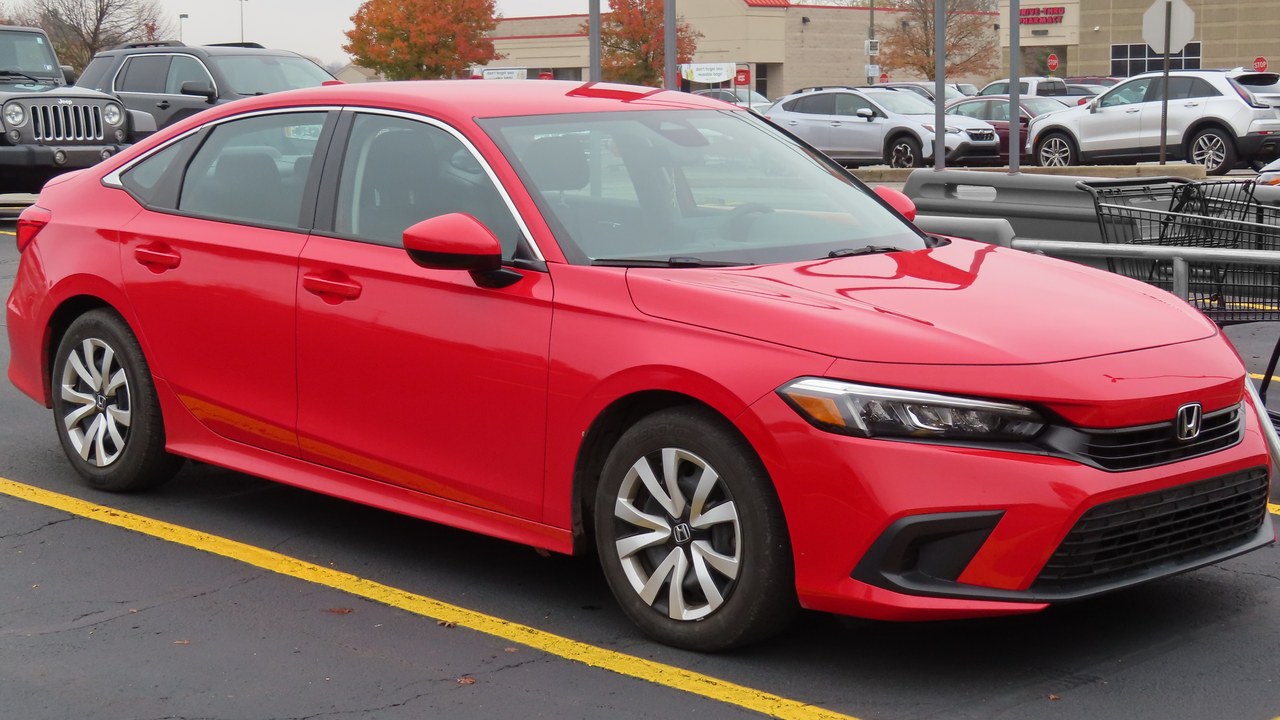
The 2022 Civic was named North American Car of the Year, as Honda’s 50-year Civic release reports, and it came as cumulative U.S. Civic sales passed 12.3 million since 1973.
Nearly five decades after the first hatchback, the nameplate was still collecting top awards. That sales total, as of July 2022, explains why the Civic remains a benchmark for the compact segment. Any new buyer weighing alternatives will find the Civic’s long record hard to ignore.
More from Morning Overview
- Long use of a common prostate pill is tied to a higher chance of glaucoma
- Ford is recalling 223,472 F-150 pickups because the fuel tank can leak or detach
- Hybrids have 15% fewer problems than gas cars, while EVs and plug-in hybrids have about 80% more, Consumer Reports finds
- Regulators cleared the first U.S. small modular reactor, 4 months early
