
Not every car chases speed records or flashy styling; some earn lasting reputations simply by refusing to break down. Manufacturers across Germany, Japan, Sweden, and the United States have each produced models where engineers built in tolerances far beyond what daily driving actually demanded. Here are eight cars that owners and mechanics still describe as over-engineered, tank-like machines built to outlast their era.
1. Mercedes-Benz W123: Diesel Taxis That Refused To Quit

The Mercedes-Benz W123 sedan earned its reputation in the taxi fleets of Europe, where diesel-powered examples routinely crossed a million kilometers on their original engines and transmissions. Mechanics who serviced these cars often noted that failures traced back to neglect rather than the vehicle itself, since the drivetrain carried wide margins beyond what daily driving actually demanded of it.
Owners who kept one running past the 300,000-mile mark often found body panels and interior trim had barely faded, a sign of paint and materials chosen for durability over cost savings. Collectors now prize high-mileage examples specifically because a large odometer reading proves the reputation rather than undermining it.
2. Volvo 240: Boxy Shape, Decades Of Service
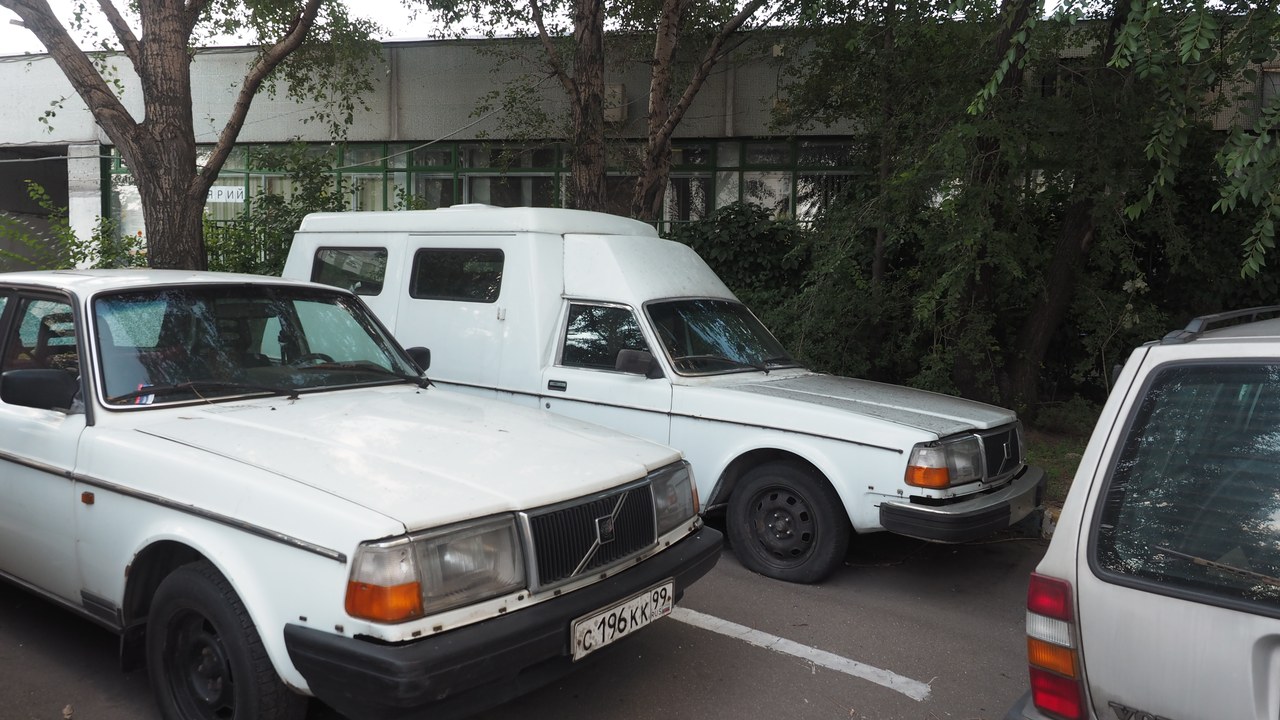
The Volvo 200 Series earned a reputation as a car built to outlast its owner, with a slab-sided steel body and overbuilt suspension components that shrugged off decades of hard use. The wagon variant in particular became a fixture in driveways well into the 2000s, long after production ended, because so little on the car actually wore out.
Its straightforward four-cylinder engines were designed for easy long-term maintenance rather than outright performance, which meant a patient owner could keep one alive almost indefinitely with basic tools. That combination of mechanical simplicity and structural overkill is why so many survive today as daily drivers rather than museum pieces.
3. Lexus LS: Precision That Redefined Luxury
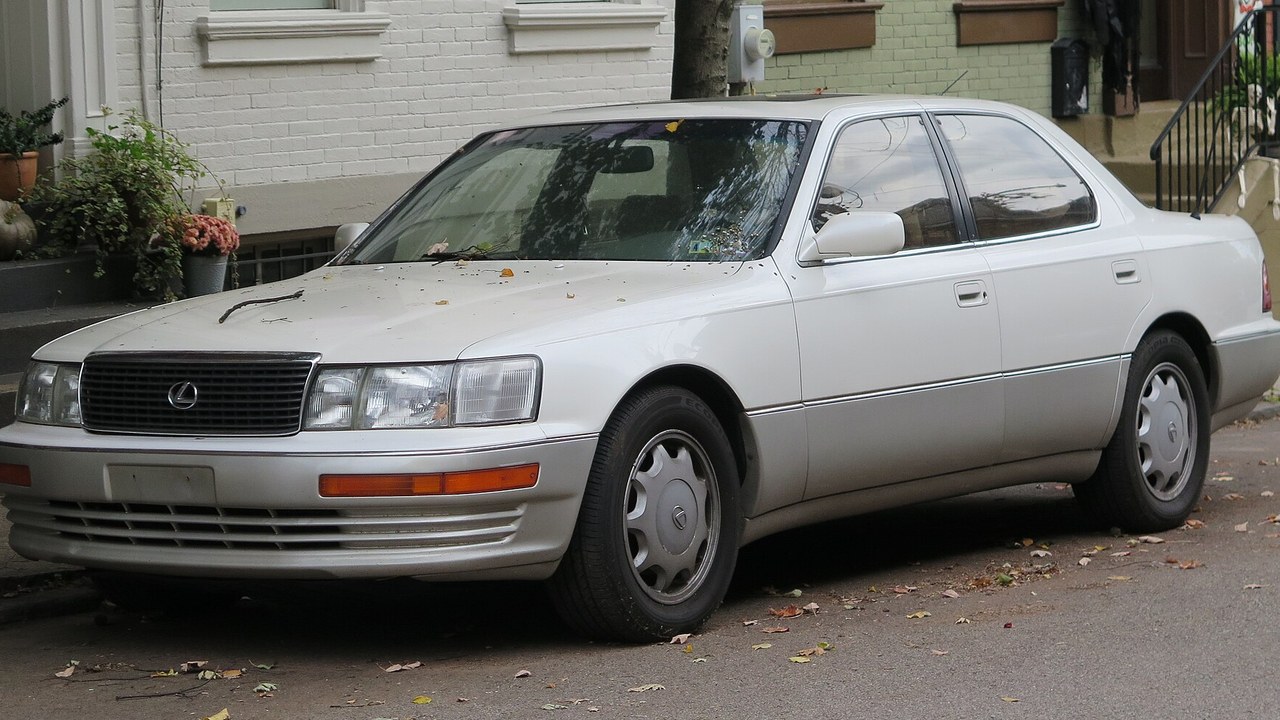
The Lexus LS debuted with the LS400 and immediately reset expectations for how quiet, tight, and precisely assembled a mass-produced sedan could be. Engineers benchmarked panel gaps and cabin noise against handbuilt luxury rivals and then matched or exceeded those targets on a car built on a conventional assembly line.
The result was a sedan that ran for hundreds of thousands of miles with minimal complaints, forcing established luxury brands to rethink their own tolerances for fit, finish, and long-term reliability. Decades later, high-mileage LS400 examples are still cited as proof that build quality and mass production were never mutually exclusive.
4. Mercedes-Benz W124: The Last Over-Built Mercedes
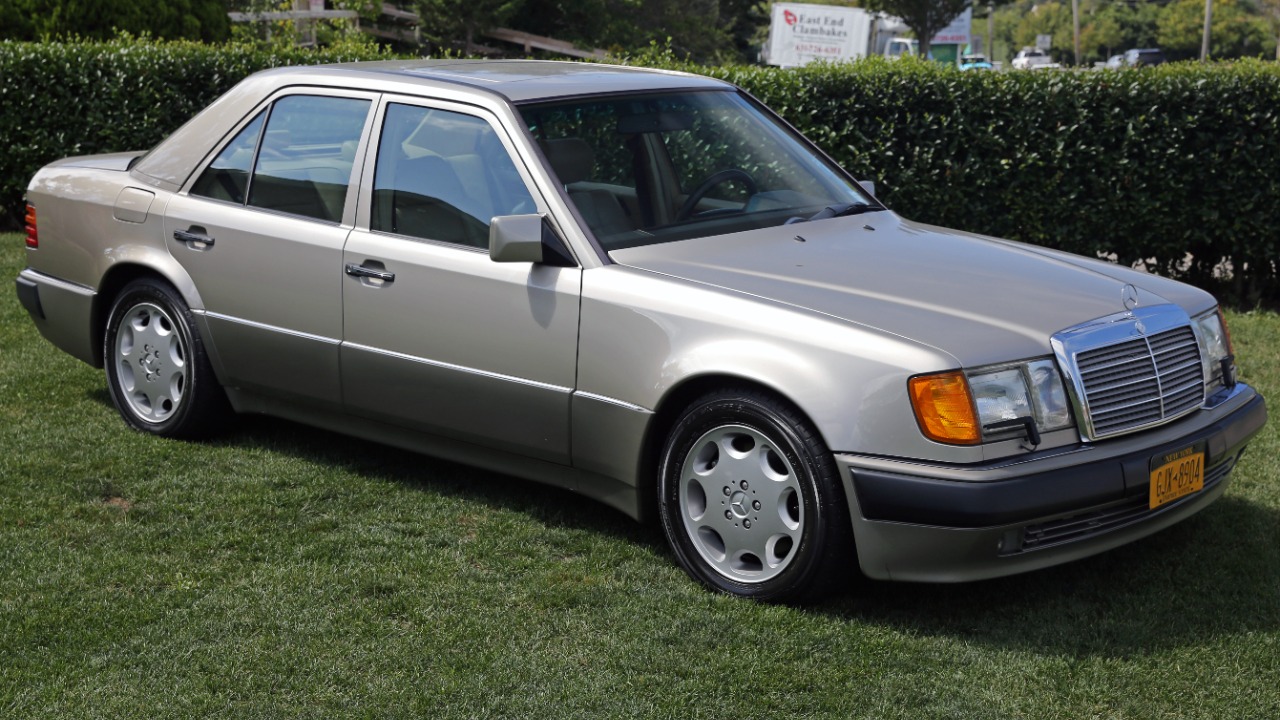
The W124 generation is widely described by longtime Mercedes-Benz owners and mechanics as the last model line the company built without regard for cost-cutting. Body panels received extra rust-proofing steps, doors were engineered to close with a distinctive heavy thud, and the platform underpinned sedans, wagons, coupes, and convertibles that shared the same rigorous standards.
Many examples logged well past 300,000 miles in taxi and livery service across Europe before retirement, and independent shops still treat the era as a benchmark against which every later Mercedes-Benz gets measured. That reputation is why enthusiasts describe the W124 as the point where over-engineering peaked before cost pressures reshaped the brand.
5. Toyota Century: Hand-Built Beyond What Money Buys
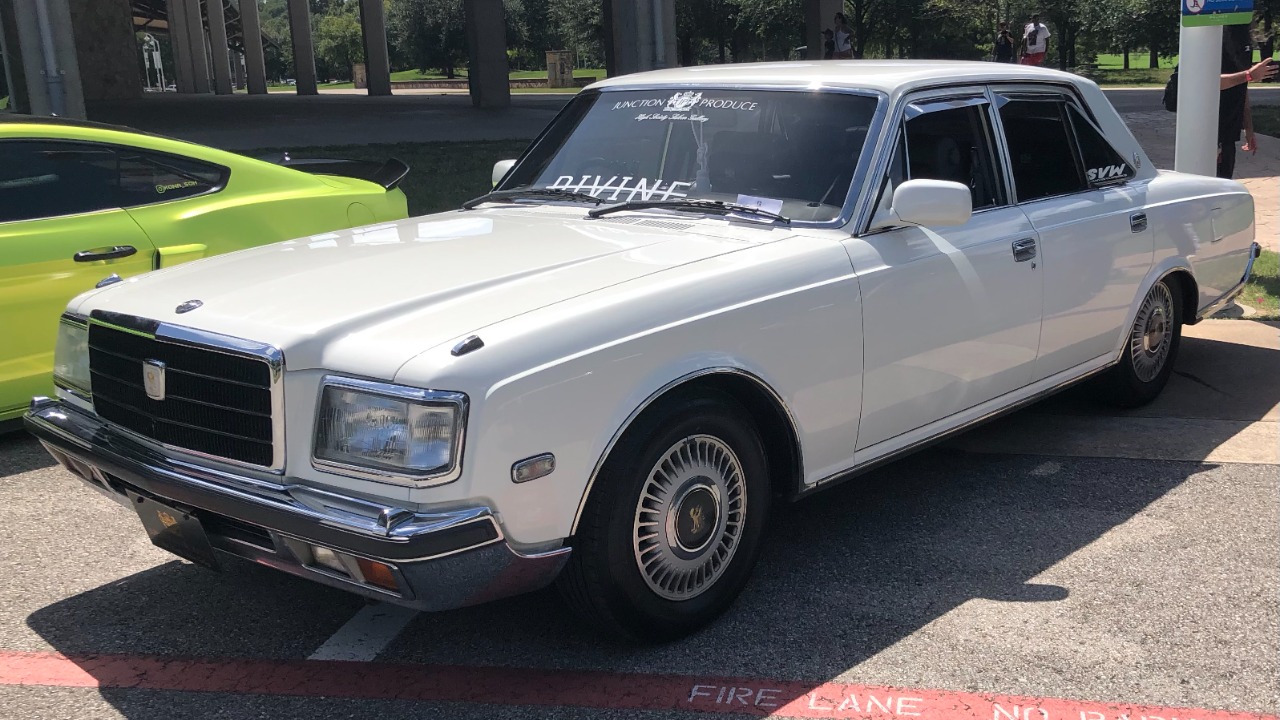
The Toyota Century has served as Japan’s flagship chauffeur car for decades, built in limited numbers by technicians who hand-finish panel gaps, paint, and interior stitching to a standard ordinary assembly lines cannot replicate. Executives and government officials have long chosen it precisely because its construction prioritized consistency and longevity over flash.
Every Century leaving the factory is inspected to tolerances closer to bespoke coachbuilding than mainstream manufacturing, which is why the model has needed only rare full redesigns across its history. Owners describe a car that feels engineered to outlast the people who commission it, a rare claim in mass-market luxury manufacturing.
6. Honda Accord: The Benchmark For Everyday Reliability
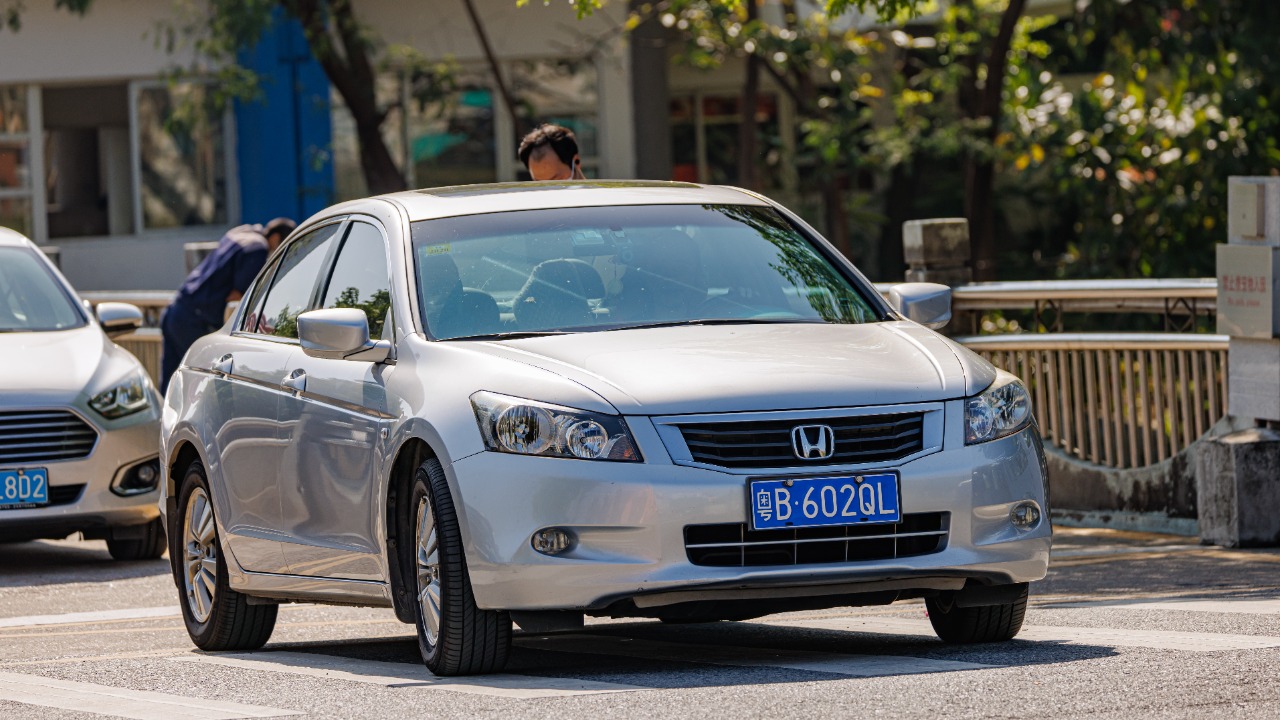
The Honda Accord built its reputation not on luxury materials but on a drivetrain and chassis engineered to survive hundreds of thousands of miles of ordinary commuting without major failures. Fleet operators and everyday commuters alike have long pointed to the Accord as the car that keeps running long after competitors need major repairs.
Independent longevity studies and used-car data repeatedly rank the Accord among the vehicles most likely to reach high mileage with only routine maintenance, a track record built generation after generation. That consistency is what turned an ordinary mid-size sedan into the industry’s shorthand for bulletproof engineering.
7. BMW 5 Series (E39): Enthusiasts’ Pick For Best Built
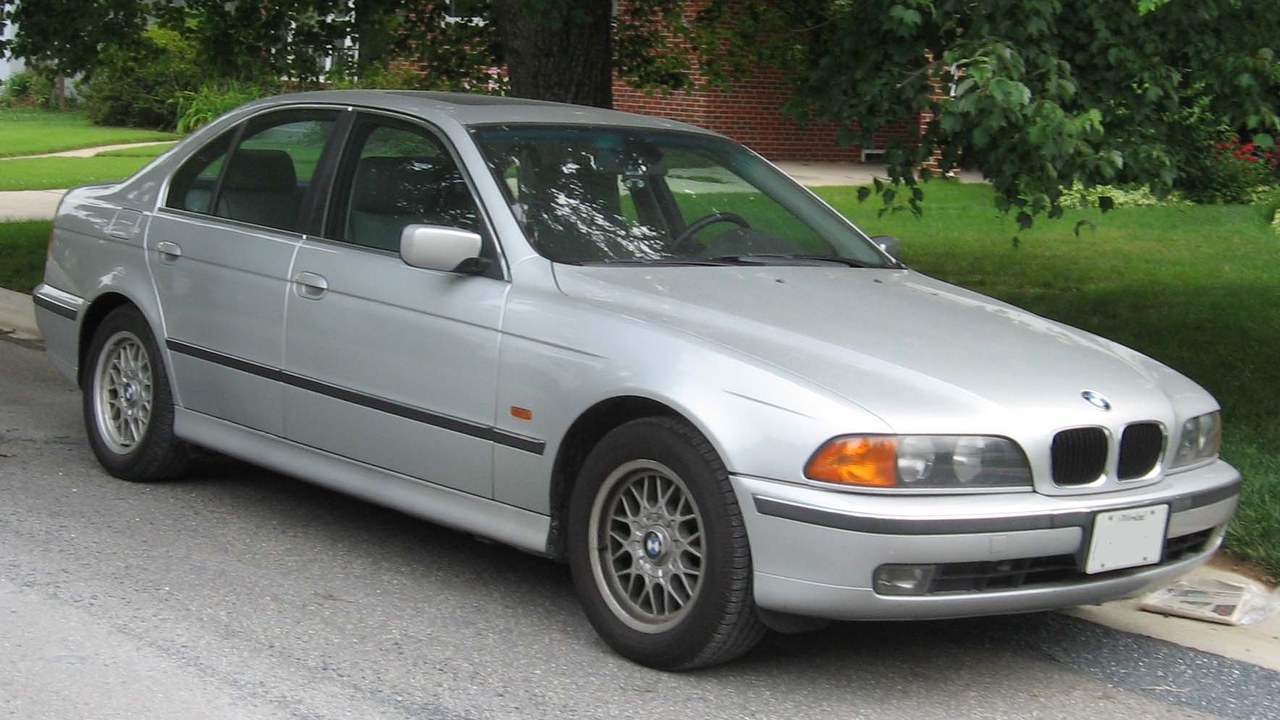
The E39-generation 5 Series is frequently named by BMW enthusiasts and independent mechanics as the most solidly assembled 5 Series the company has produced. Its chassis used a higher proportion of aluminum suspension components than the models before or after it, contributing to both durability and a reputation for taut, precise handling that held up over high mileage.
Owners who kept up with the electrical and cooling systems found the underlying mechanical structure could comfortably outlast later, more electronics-heavy generations. That combination of mechanical robustness and driving feel is why the E39 remains the reference point whenever enthusiasts debate which BMW sedan was built to the highest standard.
8. Toyota Corolla: The World’s Best-Selling Nameplate
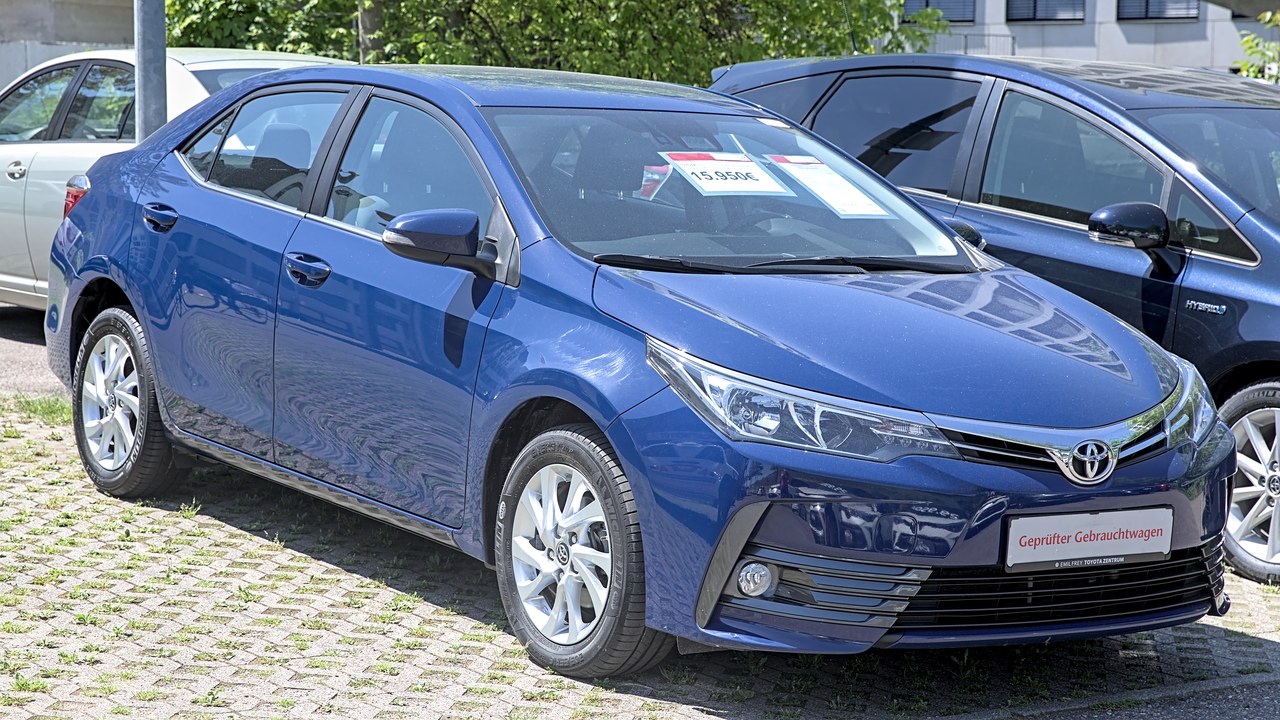
The Toyota Corolla has become the best-selling nameplate in automotive history by prioritizing mechanical simplicity and consistent manufacturing quality over any single standout feature. Generation after generation, the Corolla’s engines and transmissions have been engineered with conservative tolerances that favor longevity over outright performance.
That approach has made the Corolla a fixture in markets ranging from developing economies to strict emissions-regulated regions, since it needs little more than routine maintenance to keep running for decades. The sheer global sales volume stands as evidence that reliable, over-engineered simplicity beats novelty when it comes to long-term ownership.
More from Morning Overview
