
Plenty of well-known carmakers started out building something else entirely, from tractors and looms to fighter planes and consumer electronics. Some of those companies pivoted decades ago and never looked back, while others, like Sony, are still in the middle of proving they belong in the car business. Here are eight cars built by companies once famous for something entirely different.
1. Lamborghini 350 GT: From Tractors To Supercars
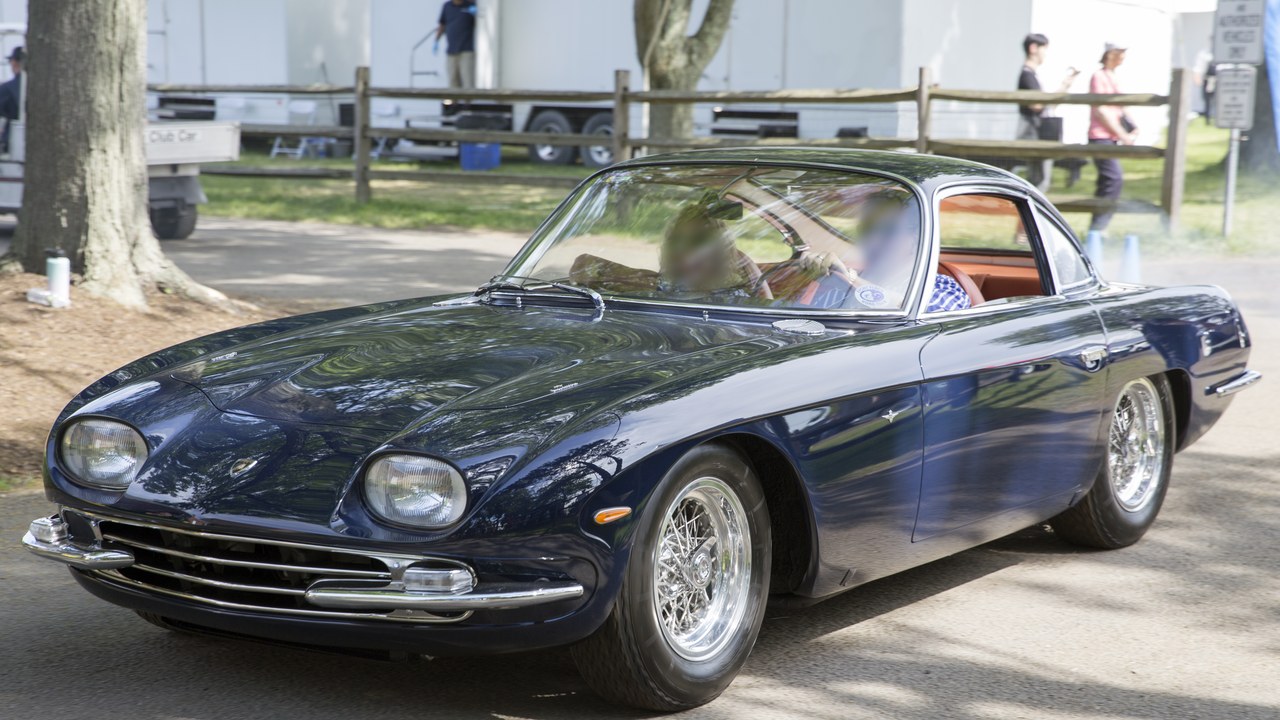
Ferruccio Lamborghini built tractors, not sports cars, when he founded his company in 1948, and it took years before the tractor maker turned to grand touring machines, producing the 350 GT as the marque’s very first road car, a lineage traced by automaker origin histories.
The leap from farm equipment to a grand tourer is one of the more unlikely pivots in automotive history, and it set the template for a brand now known almost entirely for high-performance sports cars rather than the tractors that funded its start, a contrast collectors still bring up when the 350 GT comes up at auction.
2. Toyota Model AA: Toyota’s First Car
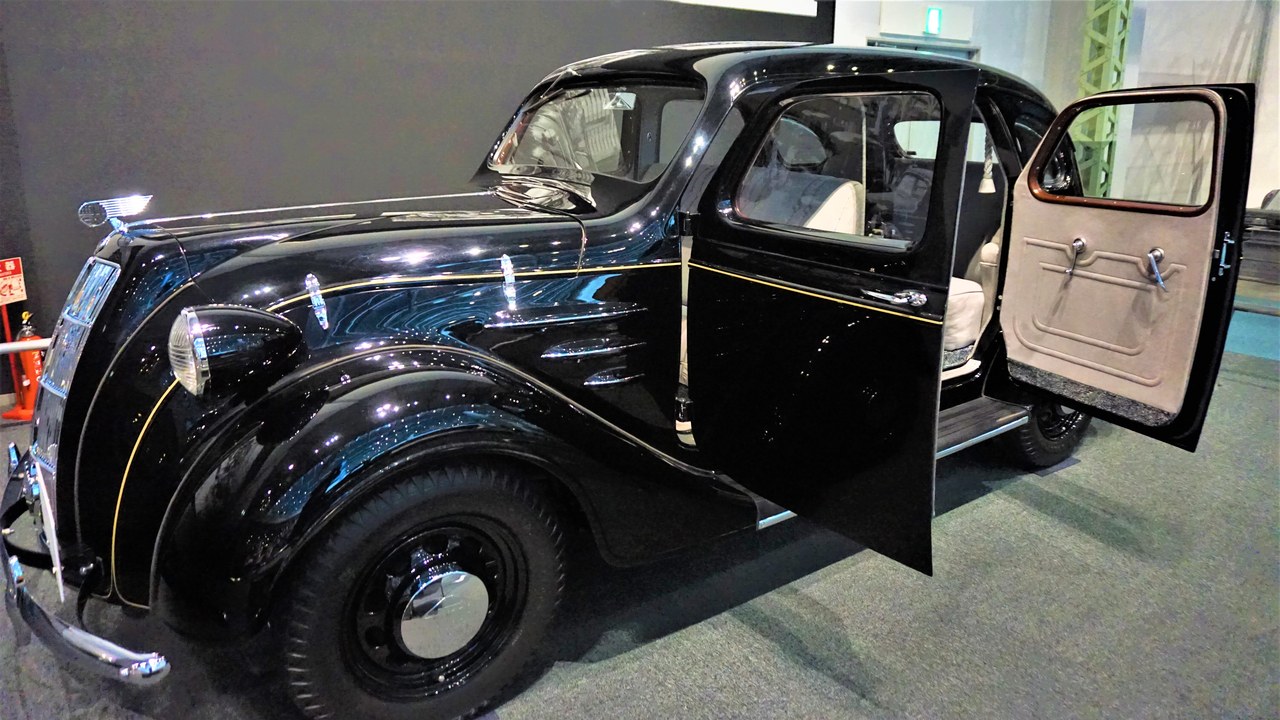
Toyota’s roots trace back to the Toyoda Automatic Loom Works, a textile-machinery company whose name still echoes in the automaker’s own, and the Model AA that the firm built in 1936 marked its first attempt at a passenger car, a transition chronicled by industry origin stories.
That shift from weaving machinery to automobiles previewed the diversified industrial approach Toyota would keep for decades, and the Model AA’s styling borrowed heavily from American sedans of the era even as the company built its own engineering and manufacturing base from the ground up, a foundation that eventually made Toyota one of the world’s largest carmakers.
3. Suzuki Suzulight: From Looms To Cars
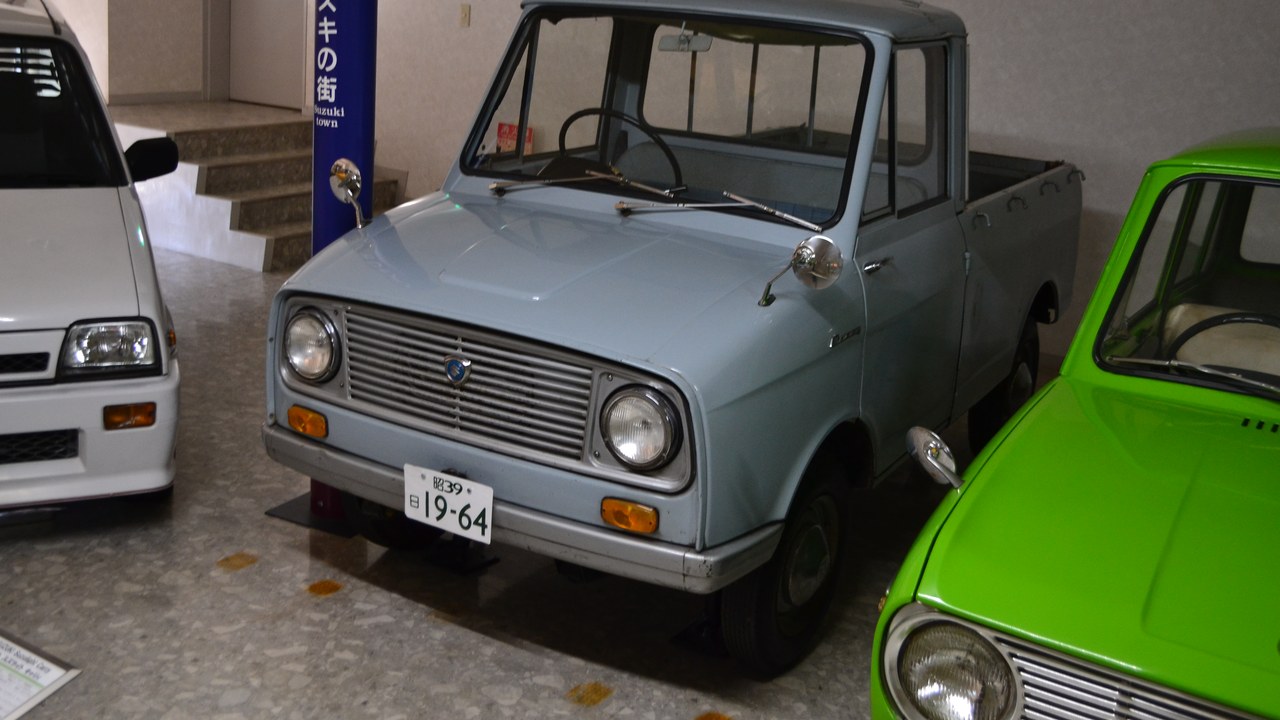
Suzuki got its start in 1909 making looms for Japan’s textile industry, decades before it built its first car, the Suzulight, in 1955, a jump from weaving machinery to automobiles recorded by the same automaker origin research that traces Toyota’s similar path.
The Suzulight arrived as a small, practical car built for a country still rebuilding after the war, and its debut set Suzuki on a course toward the compact, efficient vehicles the brand remains best known for today, a far cry from the industrial weaving equipment that once filled its factories.
4. Saab 92: Aircraft Paint New Car

Saab built military aircraft before it built cars, and its first production model, the Saab 92, wore bottle green paint left over from wartime aircraft production and achieved a drag coefficient of 0.30, remarkably slippery for its era, according to Saab 92 history.
That low drag figure wasn’t an accident, since Saab’s aeronautical engineers applied the same aerodynamic thinking that shaped its warplanes to a passenger car body, and the surplus aircraft paint gave every early 92 the same distinctive green finish, a quirky bit of postwar frugality that became part of the model’s identity.
5. Messerschmitt KR200: Warplane Maker’s Bubble Car
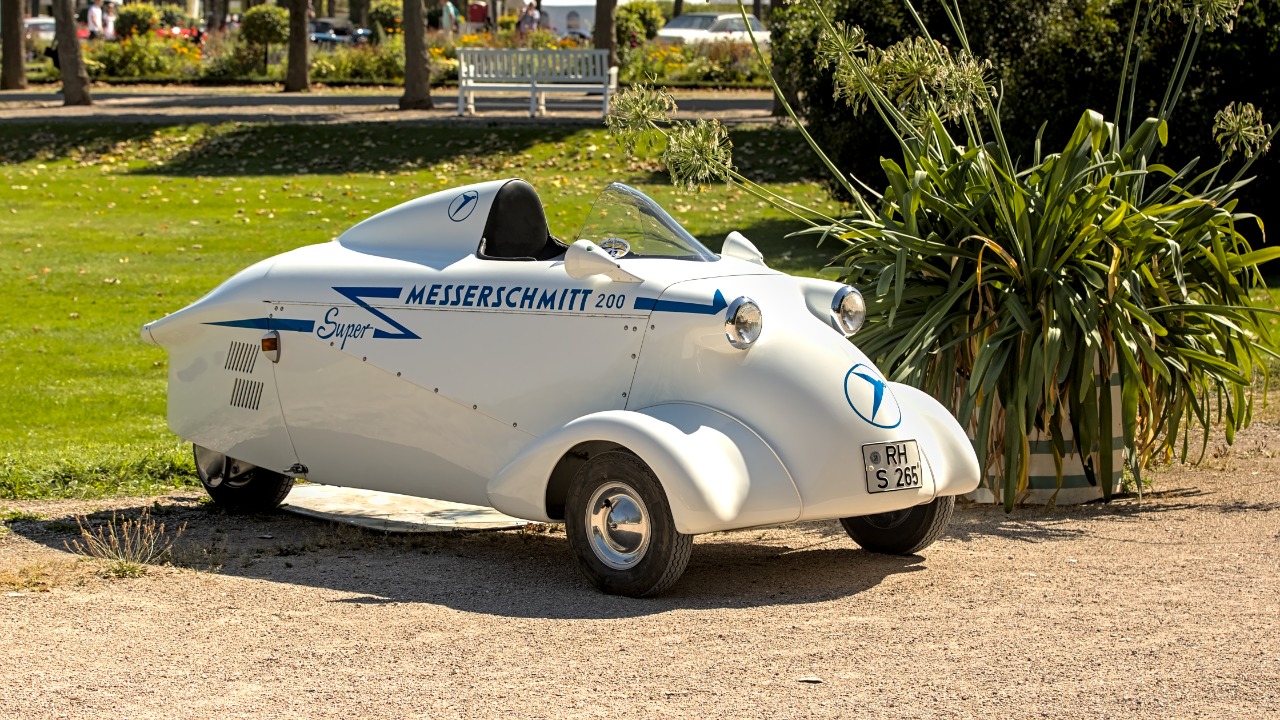
Peacetime production restrictions pushed Messerschmitt, a wartime fighter-plane builder, toward civilian goods, and the result was the KR200 bubble car, complete with an aircraft-style canopy that made the tiny three-wheeler look like a cockpit on wheels, a lineage detailed in bubble car histories.
The KR200’s cramped tandem seating and motorcycle-derived engine were about as far from a Messerschmitt fighter as a vehicle could get, yet the aircraft heritage showed through in that distinctive bubble canopy, and the little car became one of the more recognizable symbols of Europe’s postwar micro-car boom.
6. Heinkel Kabine: Another Warplane To Bubble
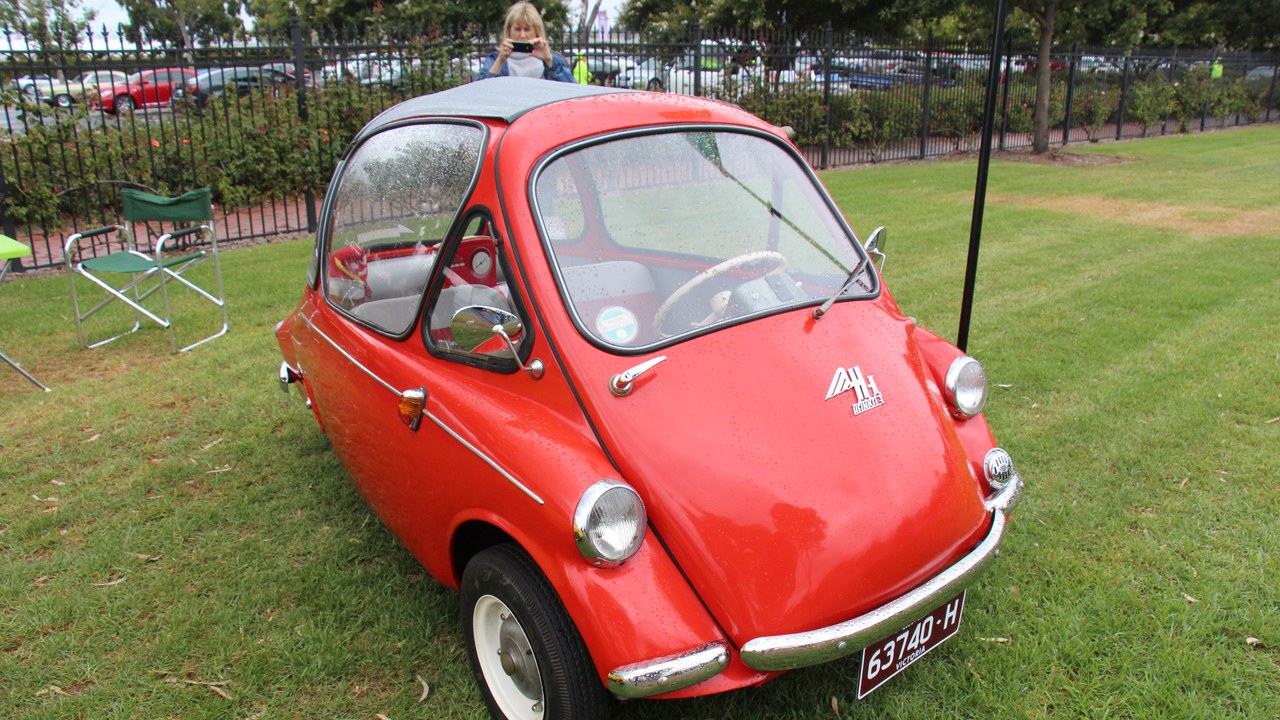
Heinkel, another former maker of German military aircraft, followed a similar path after the war, turning its aeronautical know-how toward the Kabine, a bubble car built alongside Messerschmitt’s competing model, a shared origin story recorded in the same bubble car reference.
Like its rival, the Kabine wore an aircraft-inspired canopy over a tiny cabin built for cheap, basic transportation rather than speed, and the two companies’ parallel pivot from warplanes to microcars remains one of the more striking examples of an aircraft manufacturer reinventing itself as a carmaker. Both companies eventually returned to their original businesses once postwar production restrictions lifted, leaving their bubble cars as a brief, memorable detour rather than a permanent change in direction.
7. Xiaomi SU7: Electronics Giant’s EV
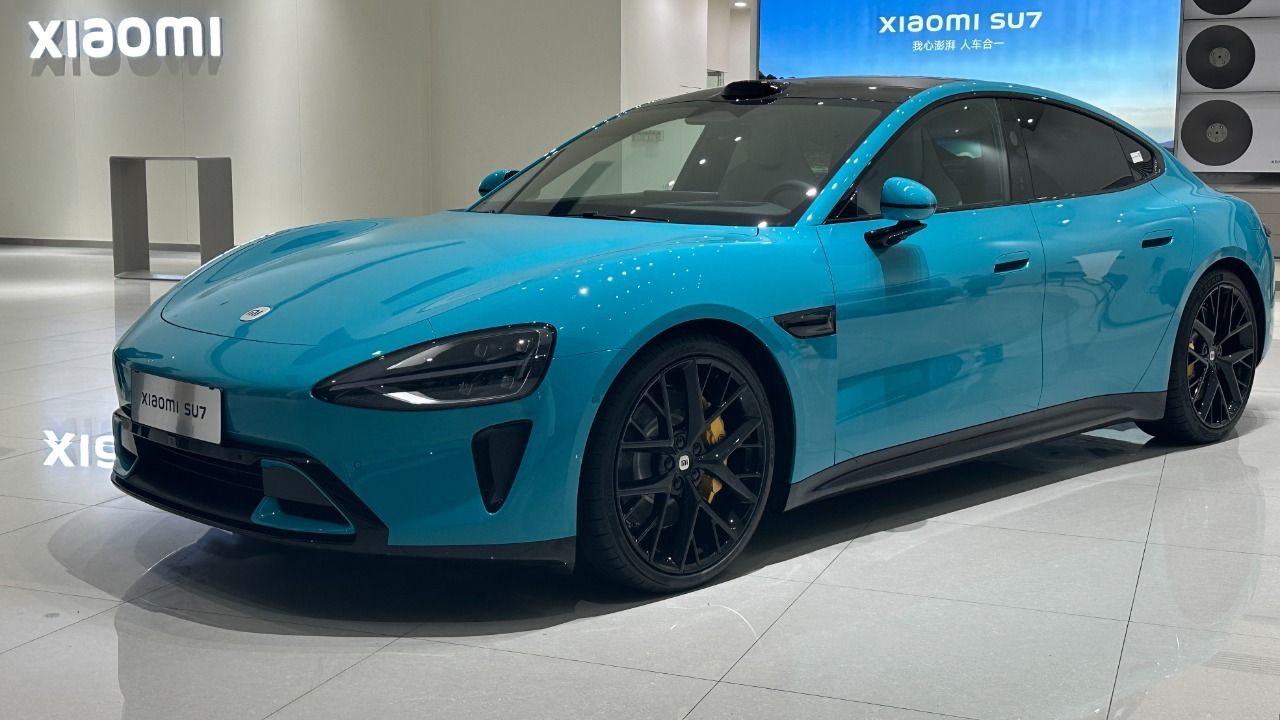
Xiaomi, the Chinese consumer-electronics giant known for smartphones, entered the car business with the SU7 and immediately made a mark, reaching 100,000 units built in just 230 days and lapping the Nürburgring Nordschleife in 7 minutes and 4.957 seconds, a pace recorded in the Xiaomi SU7 record.
That Nürburgring time set a benchmark among mass-produced electric vehicles, and the speed at which Xiaomi scaled up production shows how quickly a phone and gadget maker can pivot into heavy manufacturing once it commits serious capital, a debut that put traditional automakers on notice.
8. Afeela 1: Sony’s Car Debut
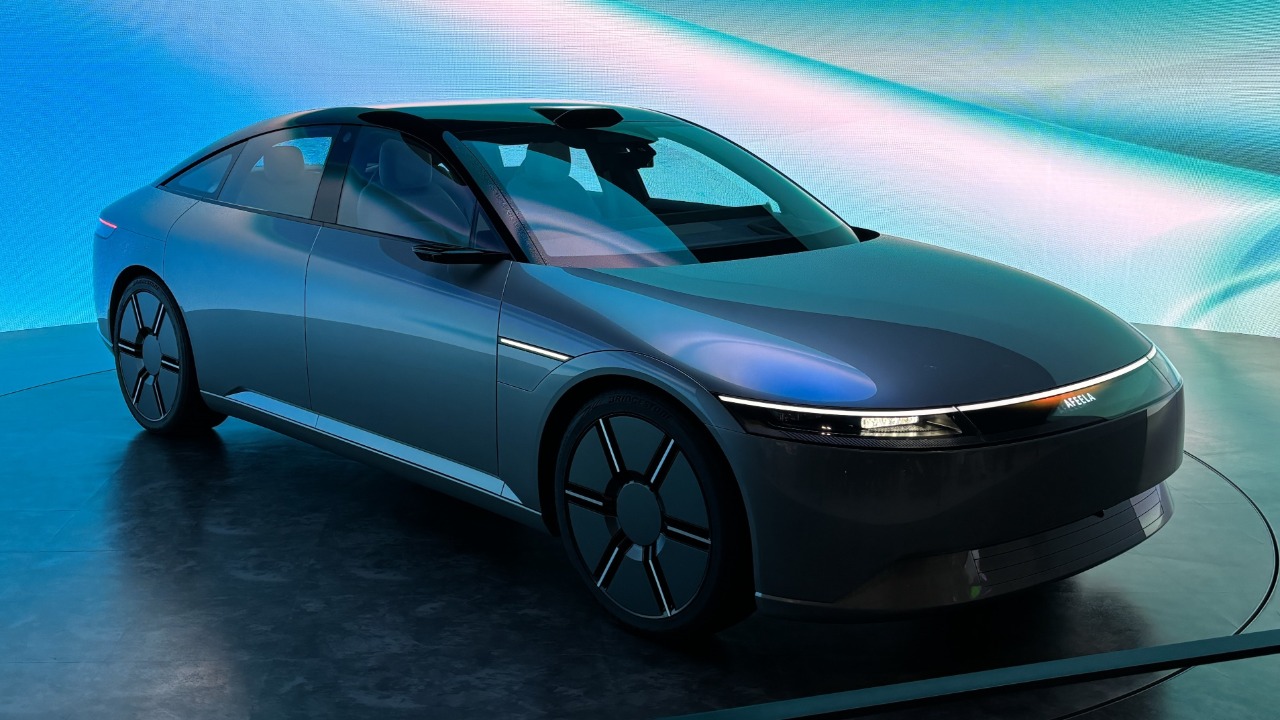
Sony, famous for electronics and entertainment rather than automobiles, partnered with Honda to build the Afeela 1, and the venture opened its Afeela Studio & Delivery Hub in Torrance, California, in March 2026, a milestone announced in Sony Honda Mobility newsroom postings.
Setting up a dedicated studio and delivery hub signals that Sony’s carmaking ambitions have moved well past concept sketches and prototypes, and the Afeela 1 gives the electronics giant a physical foothold in Southern California just as it works to turn decades of consumer-tech expertise into a real, sellable automobile.
More from Morning Overview
- Amazon’s Prime refunds are rising to $200 as millions more customers become eligible
- A handful of car engines are so tough mechanics say they almost never wear out
- The NSA is again telling phone owners to switch off one location setting
- Supplements now rank as the fifth-leading cause of death from liver disease.
