
Some lineages barely changed while continents drifted and dinosaurs rose and fell, keeping the same body plan through extinctions that erased nearly everything around them. Paleontologists call these survivors living fossils, a popular term for species whose fossil record stretches back tens or hundreds of millions of years with little structural change. Here are eight living fossils that still swim, crawl or grow today much as their ancestors once did.
1. Horseshoe crab: A Body Plan Older Than Trees
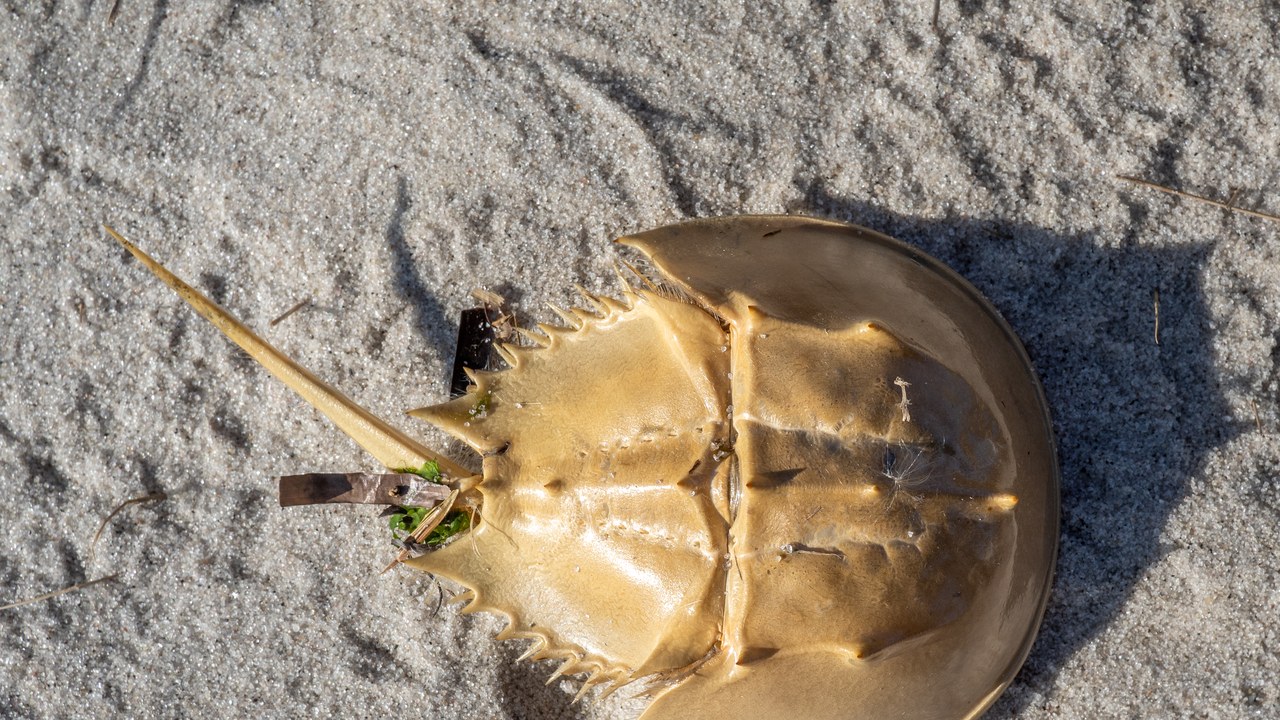
The horseshoe crab’s arched shell and long tail spine have changed little since ancestors patrolled Paleozoic seas more than 400 million years ago, long before dinosaurs, flowering plants or even trees existed. Fossils from that era already show the same general arched exoskeleton that crawls onto Atlantic beaches every spring to spawn in the same tidal rhythm its relatives likely followed long ago.
That persistence reflects an armored, adaptable design rather than evolutionary stagnation, and the modern lineage still plays an outsized role in medicine: its blue, copper-based blood is harvested each spring to test vaccines and medical devices for bacterial contamination, a use with no simple synthetic substitute yet in wide production.
2. Coelacanth: The Fish That Outlived Its Own Obituary
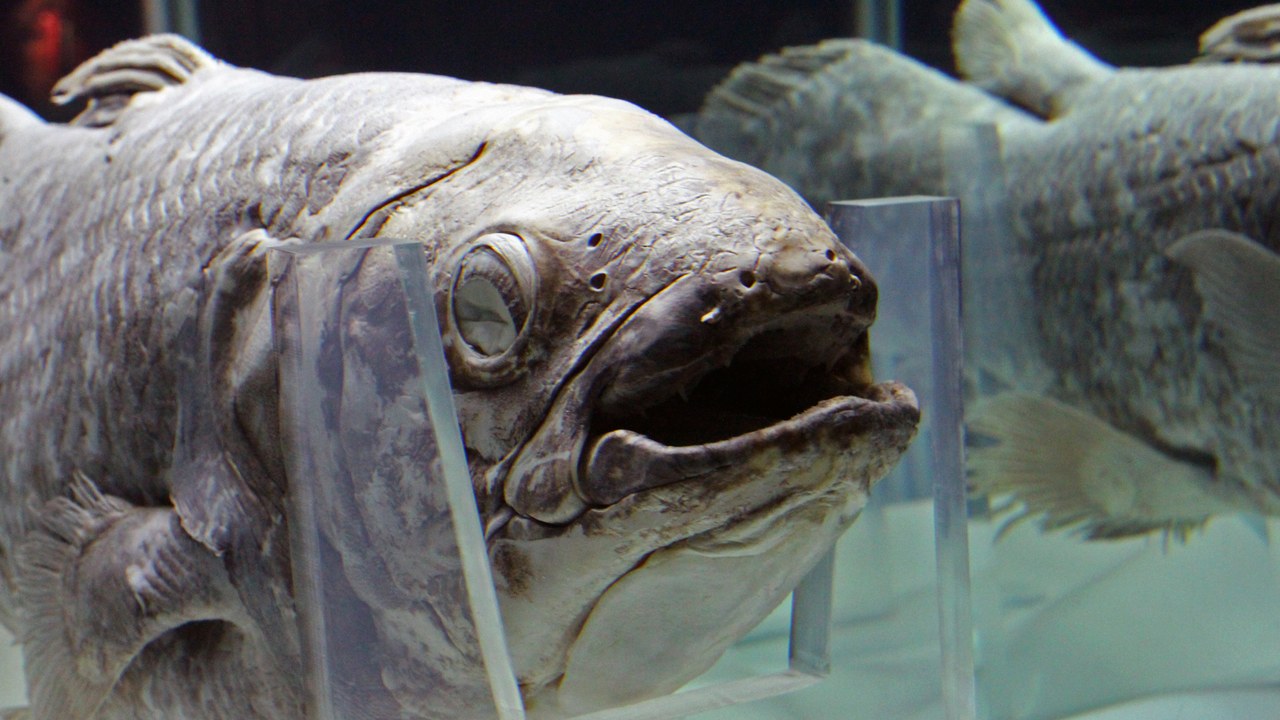
Scientists classified the coelacanth as extinct for roughly 65 million years, alongside the dinosaurs, until a museum curator in South Africa identified a living specimen pulled from a fishing trawler in 1938. Its lobed, fleshy fins and hinged skull resemble features described in Devonian-era fossils that predate the first four-legged land animals.
The rediscovery reshaped ideas about which ancient lineages had truly vanished, and two living coelacanth species, one off the East African coast and one near Indonesia, still swim in deep reef caves largely unchanged from their fossil relatives.
3. Chambered nautilus: A Shell Shape Nature Never Rewrote
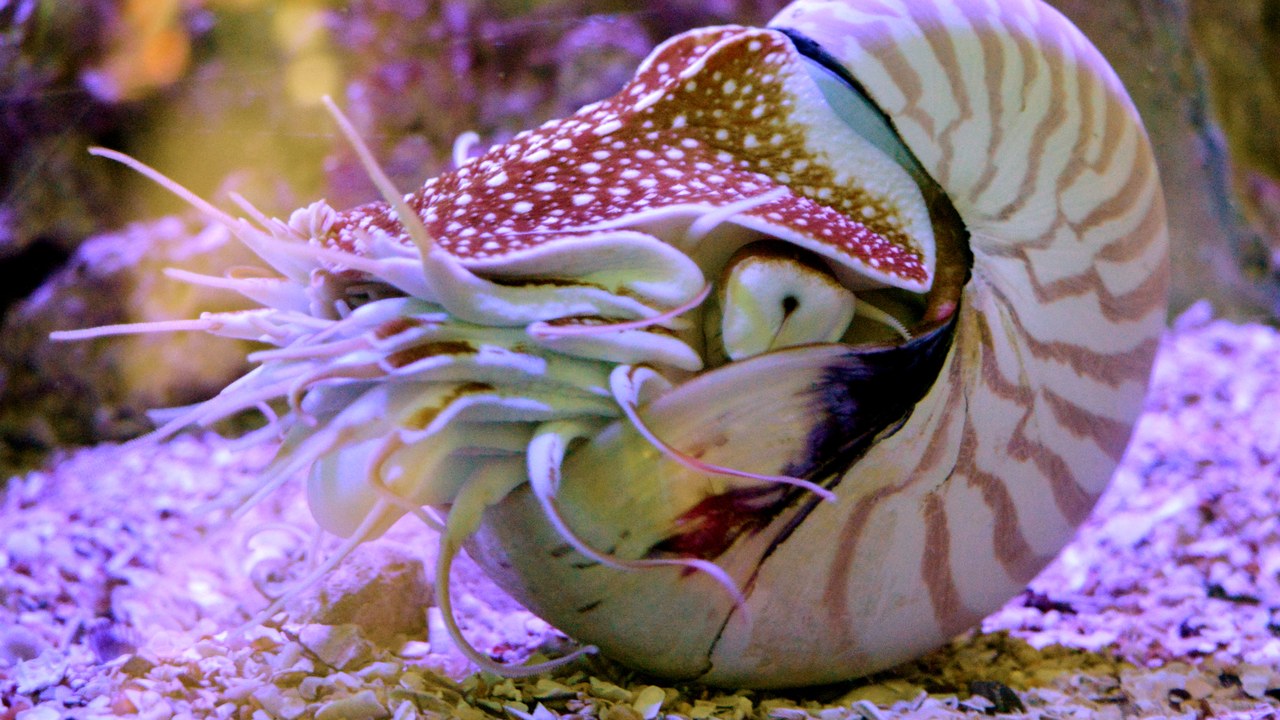
The chambered nautilus builds a spiraling shell divided into sealed, gas-filled compartments, a construction method its ancestors used hundreds of millions of years before squid and octopuses branched off and abandoned external shells entirely. Fossil nautiloids from the early Paleozoic already show the same coiled gas-filled shell geometry, chamber walls and siphuncle arrangement that the living animal still relies on today.
Because the design still works for buoyancy control and predator defense in deep Pacific waters, selection never pushed the animal toward a radically different form, leaving today’s nautilus as one of the closest living windows into early cephalopod life and a favorite subject for researchers studying ancient marine ecosystems.
4. Tuatara: New Zealand’s Reptile Time Forgot
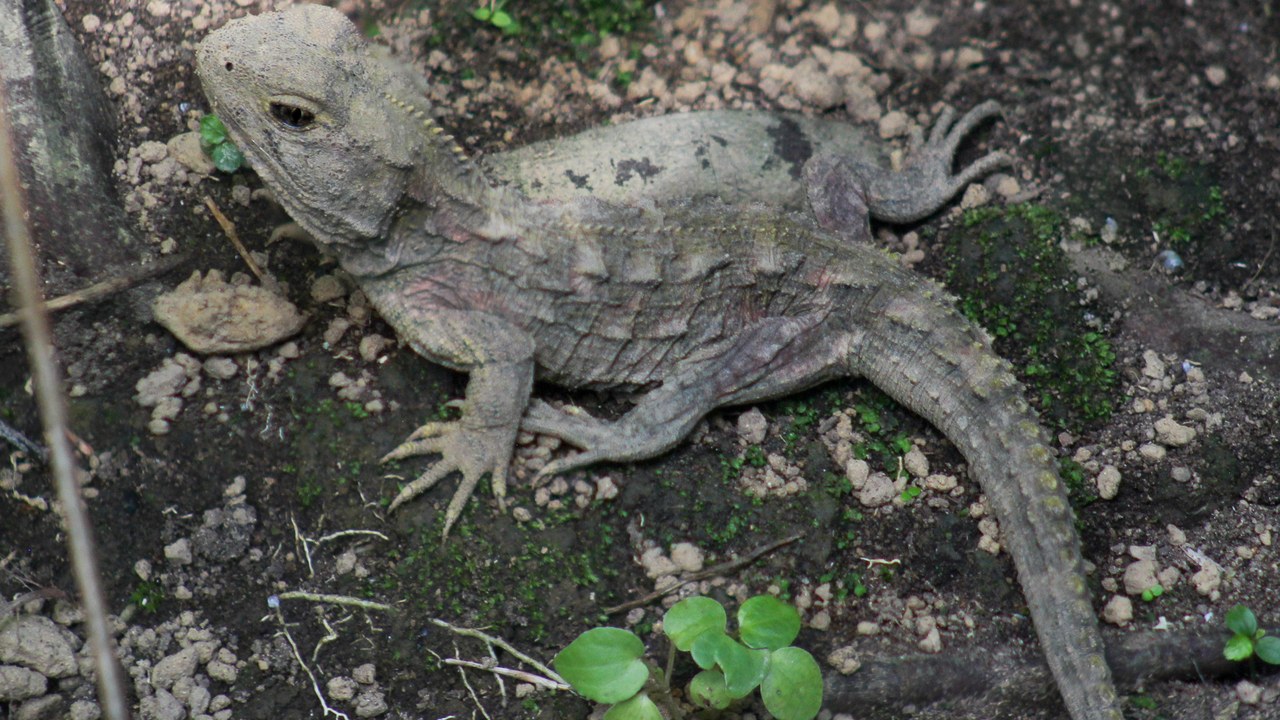
Tuatara belong to Rhynchocephalia, a reptile order that split from lizards and snakes over 200 million years ago and once included species worldwide before nearly all of them died out. The spiny-crested reptile survives today only on a handful of predator-free New Zealand islands, where wildlife agencies now monitor every remaining breeding colony closely.
Its slow metabolism, light-sensing third eye and decades-long lifespan set it apart from any lizard it superficially resembles, and conservationists guard remaining populations closely because the lineage, unlike a common gecko or skink, has nowhere else left on Earth to retreat if an island population fails.
5. Ginkgo: The Tree That Watched Dinosaurs Come And Go
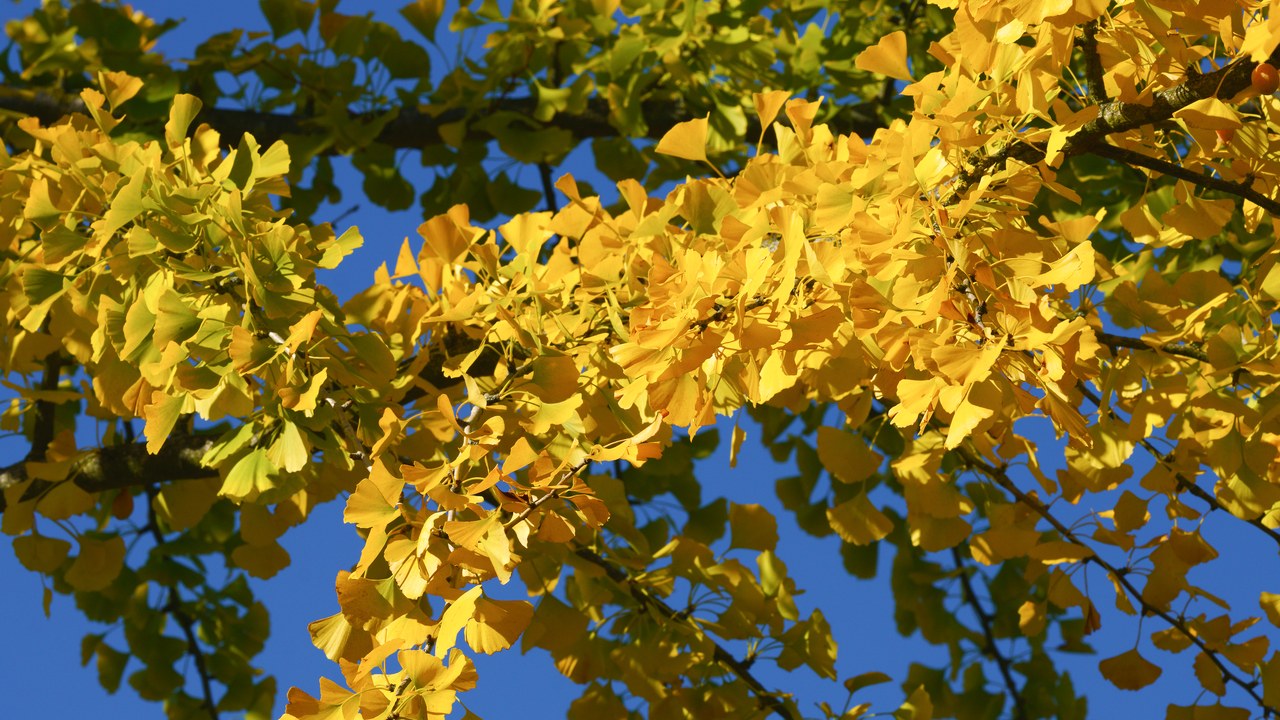
Ginkgo biloba is the sole survivor of a plant division that once included many fan-leafed tree species spread across Jurassic-era forests, with fossil leaves matching the modern tree’s distinctive shape found in rock roughly 200 million years old. Every other genus in that ancient fan-leafed tree species group went extinct long before the first flowering plants appeared.
Because monasteries in China cultivated isolated groves for centuries, the species escaped the disappearance that claimed its relatives, and the hardy tree now lines city streets worldwide precisely because it tolerates pollution, pests and compacted soil far better than most newer, faster-growing shade trees.
6. Sturgeon: Armor Plating From The Age Of Reptiles
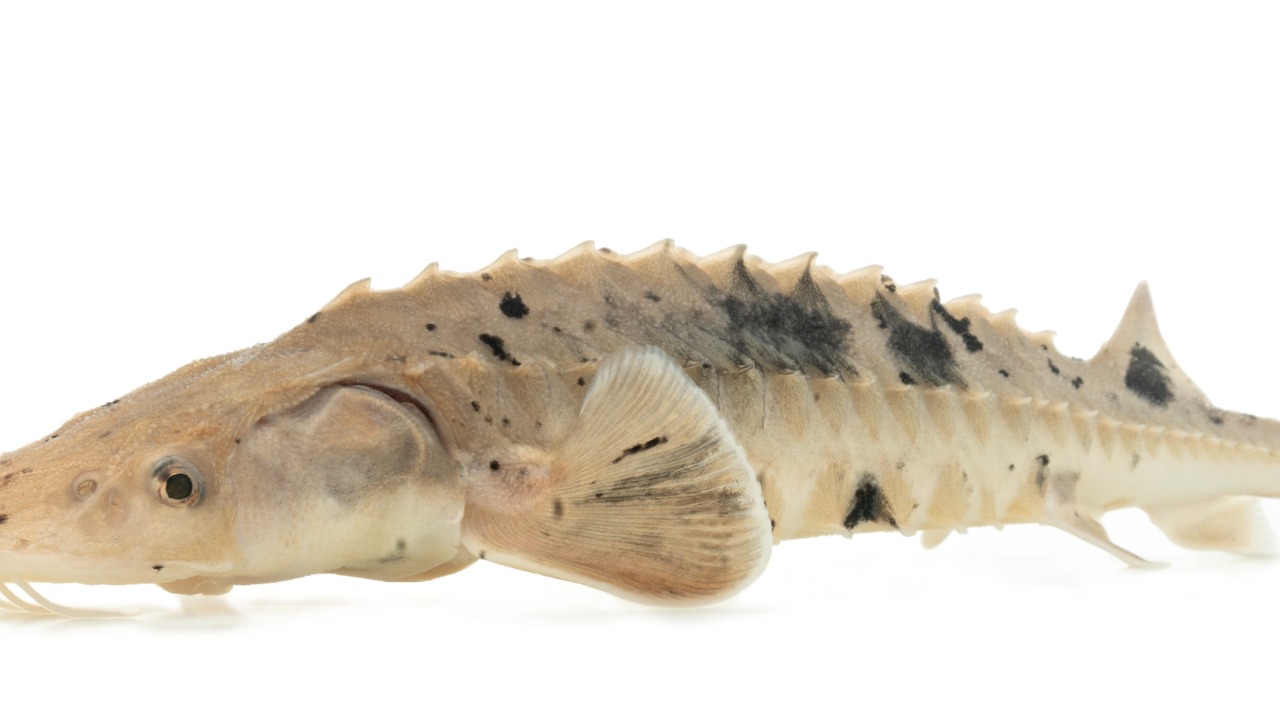
Sturgeon carry rows of bony plates called scutes instead of ordinary scales, a defensive feature their ancestors already wore some 200 million years ago when the first dinosaurs were just appearing. The cartilage-skeleton fish also kept a shark-like tail shape and a toothless, tube-like mouth long after most bony fish evolved symmetrical fins and jaws.
That ancient armor does little to protect sturgeon from modern threats, and overfishing for caviar combined with dammed rivers has pushed most of the roughly two dozen surviving species toward the edge of extinction, a decline that conservation hatcheries are now racing to slow across several river systems.
7. Alligator gar: A Snout Built Like A Living Trap
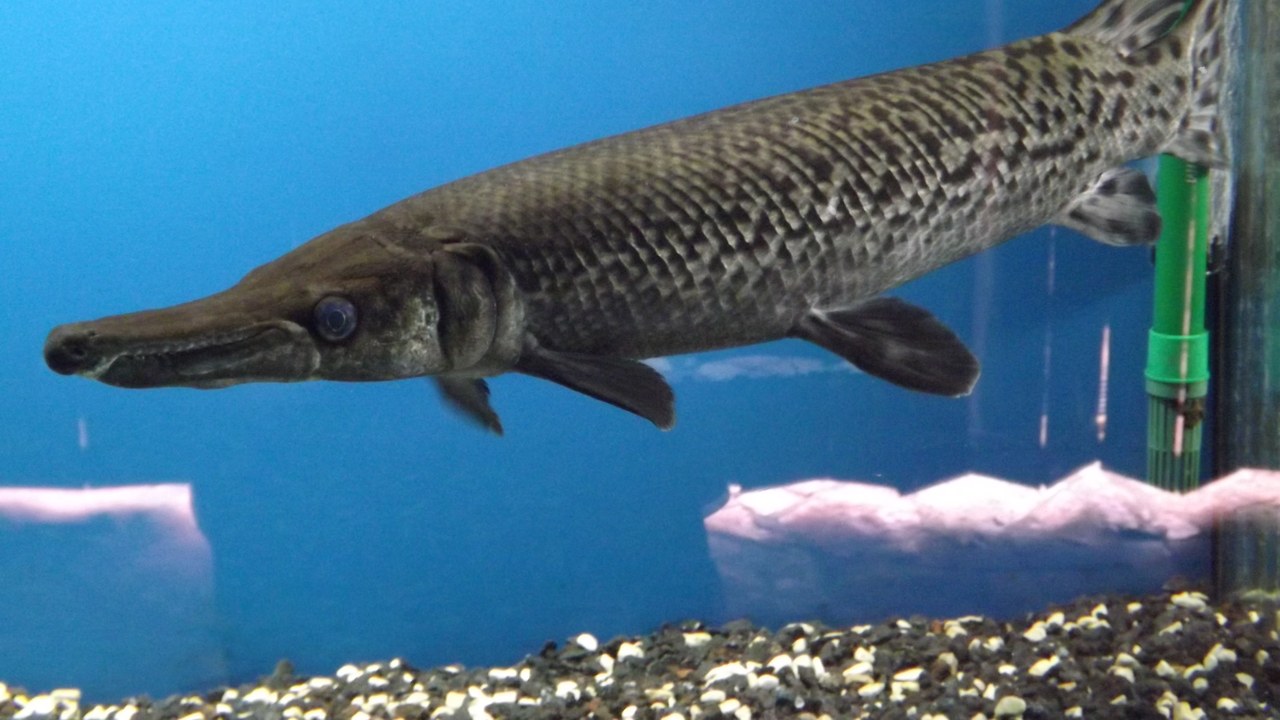
Alligator gar grow a broad, double row of teeth set in an elongated snout that mirrors the jaw structure of gar fossils dating back roughly 100 million years, giving the fish its reptilian nickname among Gulf Coast anglers. The armored freshwater predator also wears thick, diamond-shaped ganoid scales rather than the thin, overlapping scales most modern fish carry.
Those scales once made the fish nearly impervious to native predators, and specimens can exceed eight feet and 300 pounds in Gulf Coast rivers, a size that reinforces how little the basic gar body plan has needed to change since it first appeared, long before most of today’s freshwater fish families evolved.
8. Australian lungfish: One Lung, One Body Plan, Ages Unchanged
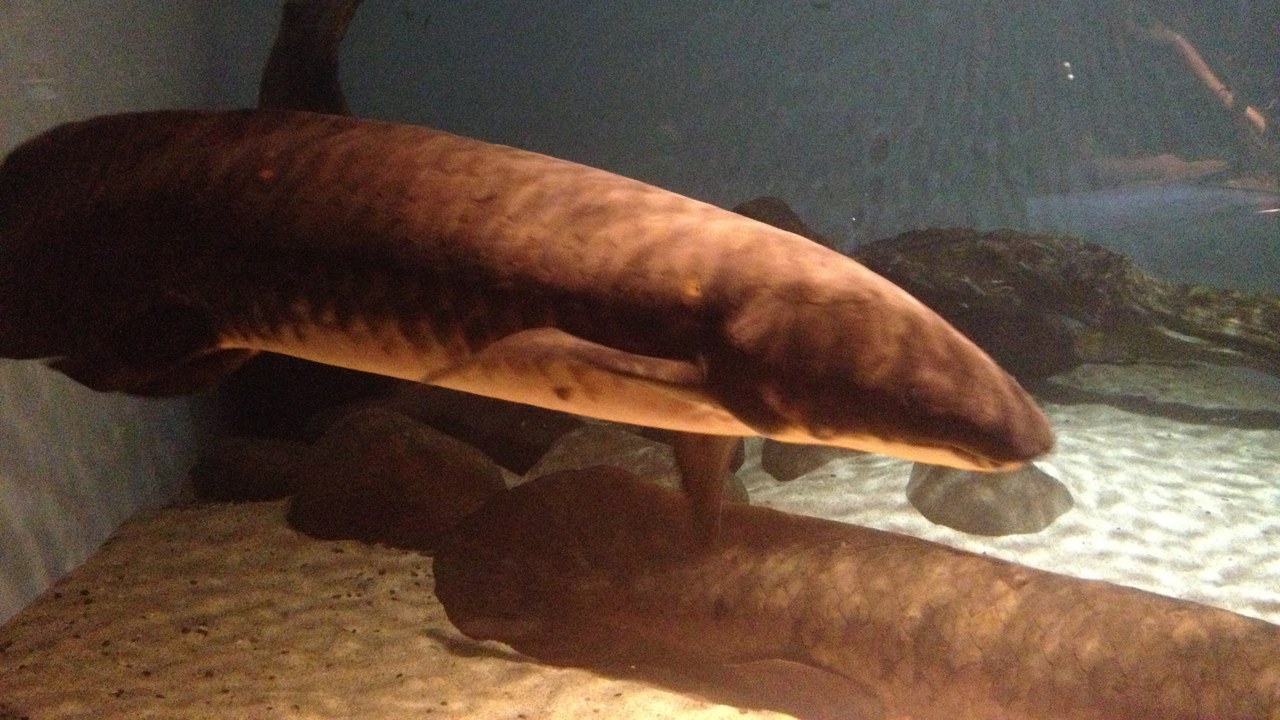
The Australian lungfish keeps a single working lung alongside its gills, letting it gulp air at the surface when its Queensland river habitat grows stagnant or oxygen-poor, a trait fossil relatives already show in rock more than 100 million years old. Its fleshy, paddle-like lobed fins resemble the limb precursors seen in the earliest four-legged land animals.
That fin structure links the species to the ancient transition from water to land, and because the fish can live well over a century, individual lungfish alive today may have hatched before modern dams and river management even existed on the rivers where they still swim.
More from Morning Overview
- The NSA warns one messaging setting can clone your texts to a stranger
- Security experts still urge phone owners to switch off one location-tracking setting
- Automakers are quietly dropping the stop-start feature many drivers love to hate
- A granite sarcophagus surfaced in Egypt with its original lid still sealed
