
Nature has produced an extraordinary range of chemical weapons, from neurotoxins that shut down breathing to compounds that dissolve blood vessels from within. Scientists rank these substances not by drama but by measurable potency, human fatality records, and venom yield, and the picture that emerges rarely matches popular myth. Here are eleven animals that carry some of the most dangerous venom on Earth.
1. Box jellyfish (Chironex fleckeri): A Sting That Stops Hearts
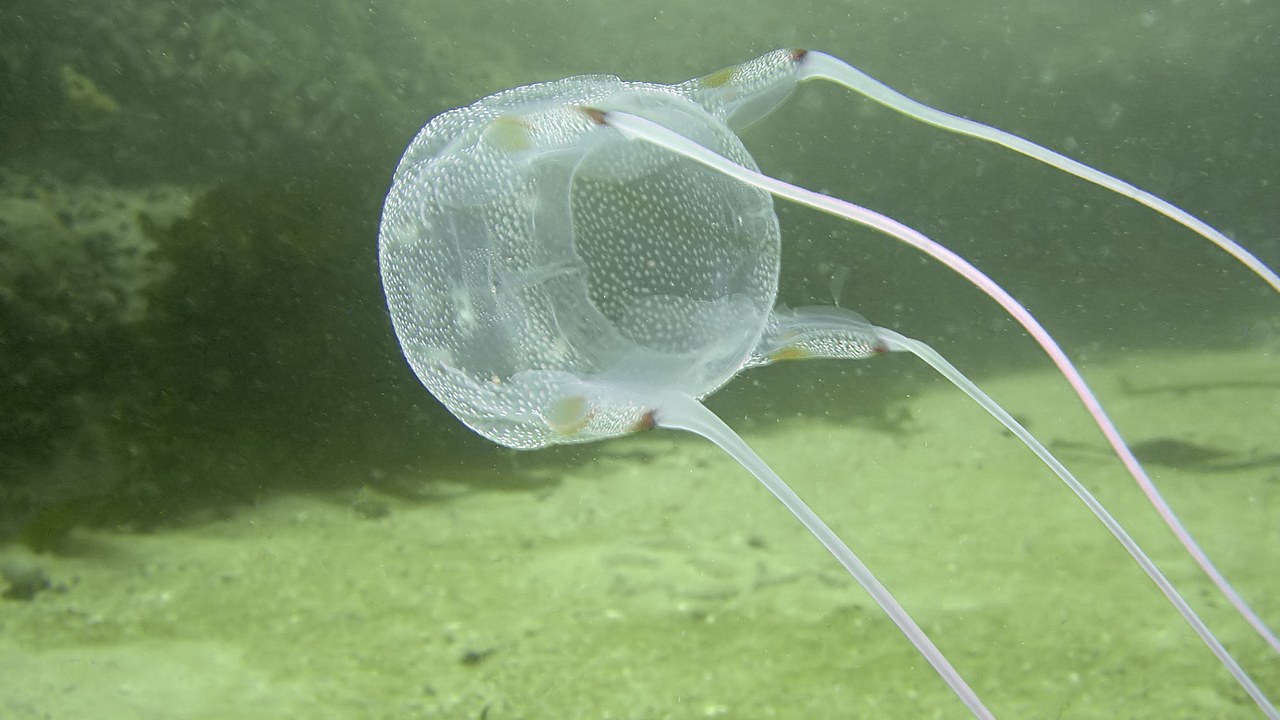
The box jellyfish carries venom that acts almost instantly on the heart, triggering cardiovascular collapse within minutes of a serious sting, and researchers consider it among the most lethal marine venoms measured to date, as detailed in the Chironex fleckeri profile.
Dozens of deaths have been recorded along Australia’s Queensland coast since record-keeping began, and swimmers there are warned to check for stinger nets and vinegar stations during warm months when the species is most active.
2. Inland taipan (Oxyuranus microlepidotus): Venom Built To Kill Hundreds
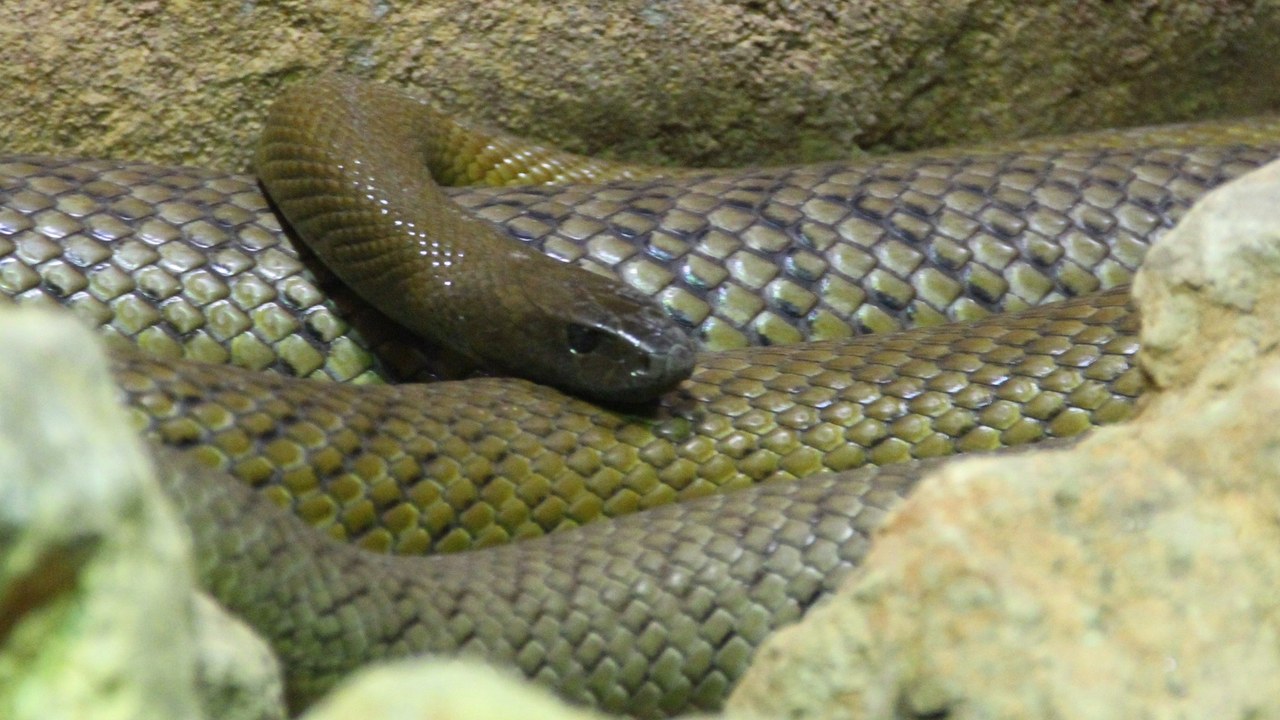
Toxicology testing on mice gives the inland taipan the highest venom lethality of any land snake yet measured, and a single bite can inject enough neurotoxin to theoretically kill roughly a hundred adult humans, according to the species account.
No confirmed human death has ever been attributed to the species, largely because it lives in remote stretches of the Australian outback where encounters with people are exceedingly rare and antivenom is available regardless.
3. Blue-ringed octopus (Hapalochlaena): No Antivenom, No Warning
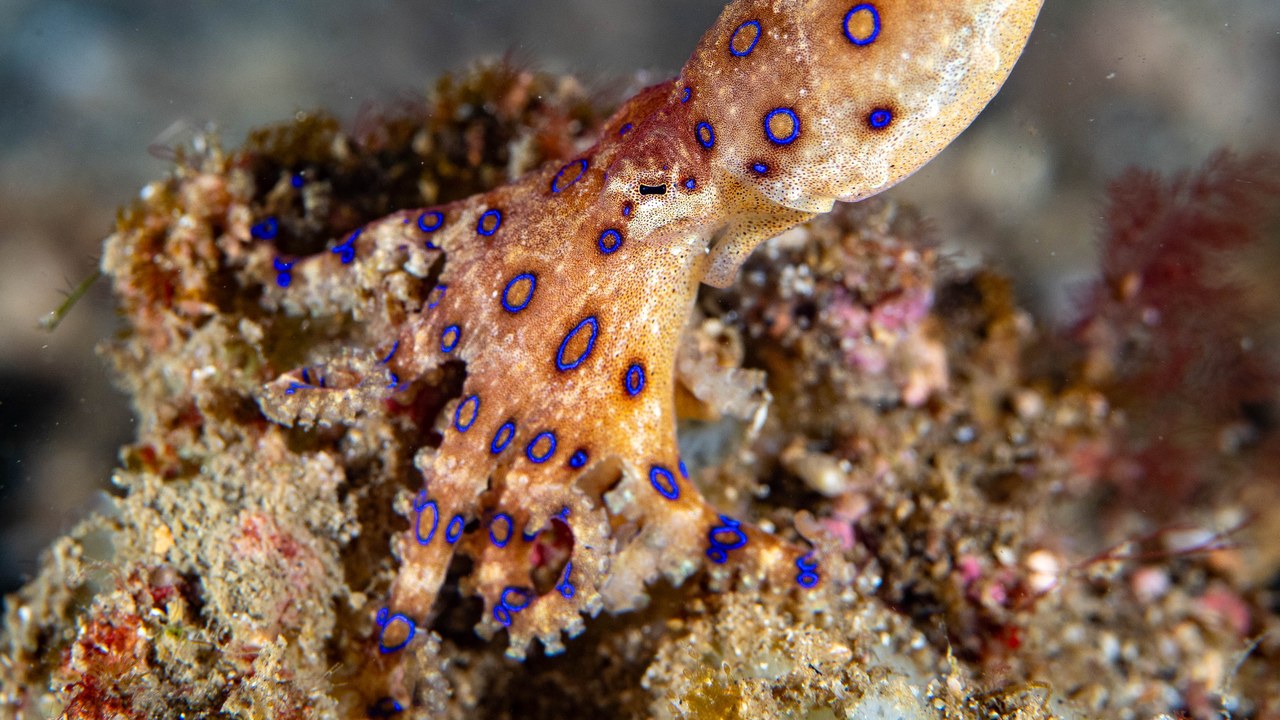
Despite fitting in the palm of a hand, the blue-ringed octopus carries tetrodotoxin potent enough to paralyze the muscles used for breathing within minutes, a mechanism the species overview describes as blocking nerve signals entirely rather than merely dulling them.
There is no antivenom, so treatment relies on keeping a victim breathing by artificial respiration until the toxin clears the body, and bites are often described as painless enough that people don’t immediately realize they’ve been envenomated.
4. Geographer cone snail (Conus geographus): One Drop, Twenty Lives
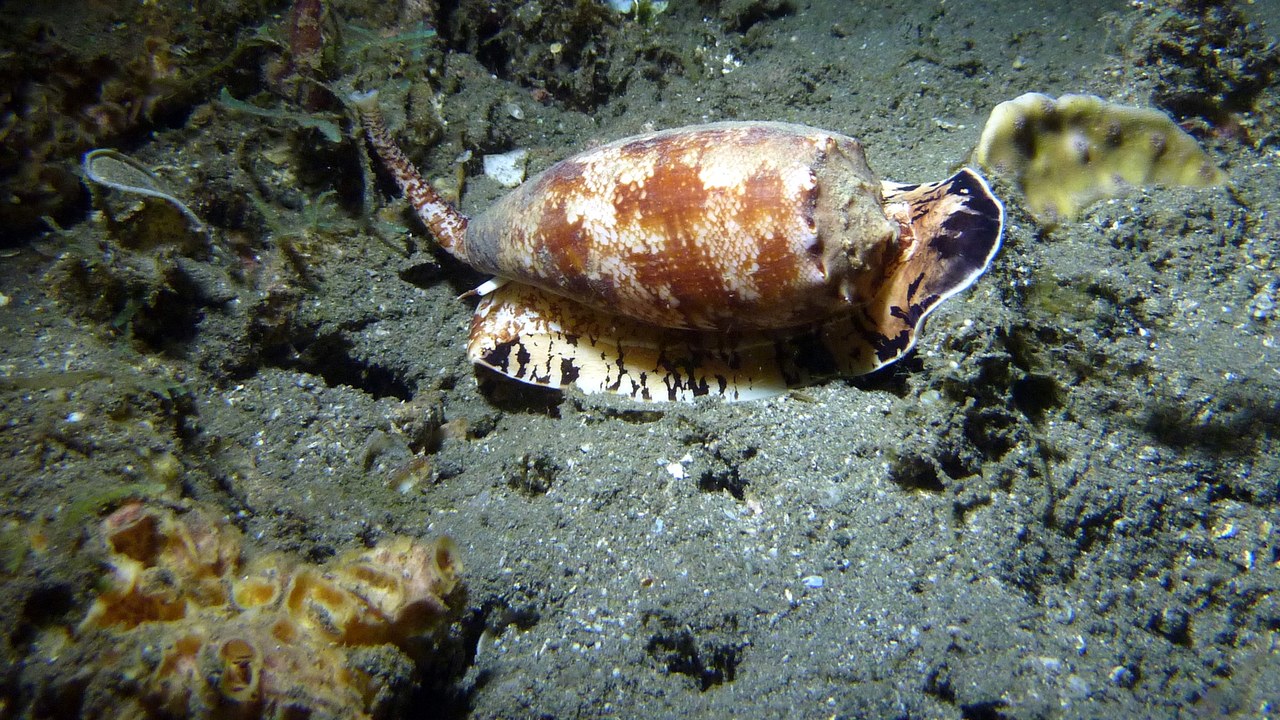
The geographer cone snail hunts fish with a harpoon-like tooth that injects a cocktail of conotoxins, and the venom load in a single sting is estimated to carry enough potency to kill about twenty people, per the Conus geographus entry.
No antivenom exists, and documented human deaths remain rare, mostly involving shell collectors who handled a live snail directly rather than swimmers encountering one in open water, since the snail rarely stings unless it is picked up or provoked.
5. Reef stonefish (Synanceia): The Ocean’s Most Painful Step
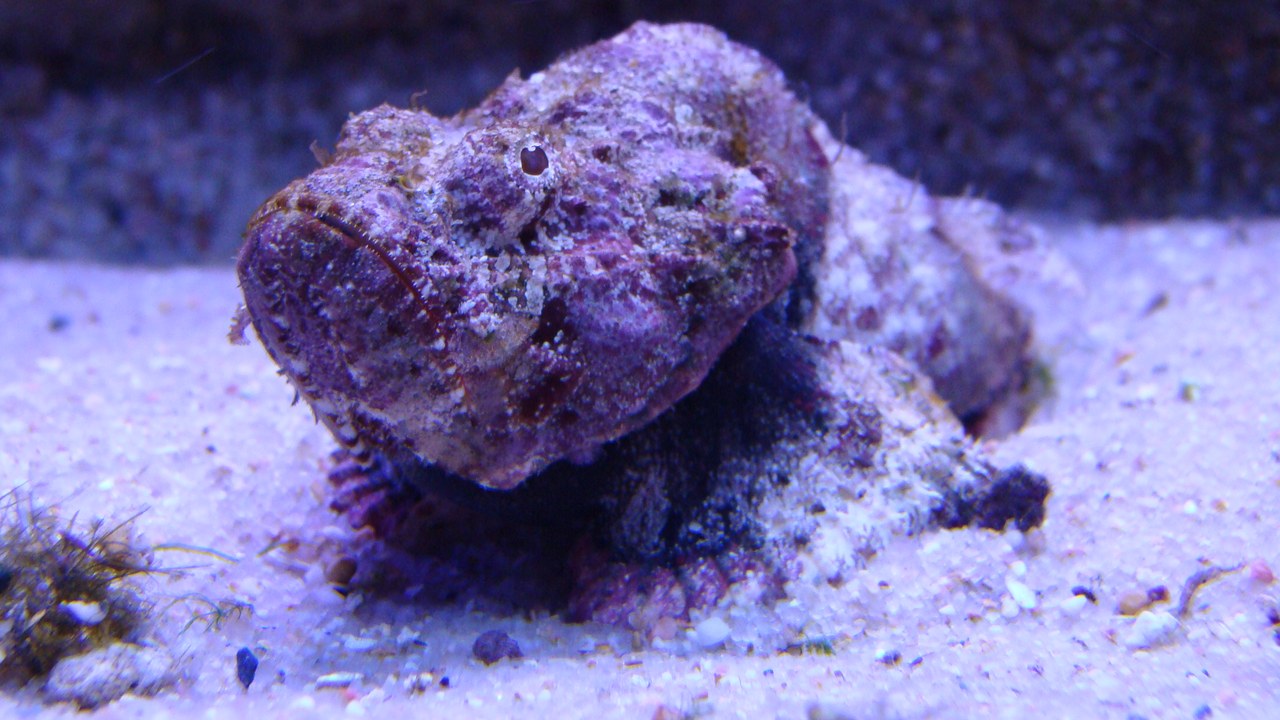
Camouflaged among rocks and coral rubble, the reef stonefish delivers venom through thirteen dorsal spines that fire when stepped on, and researchers regard it as the most venomous fish known, according to the Synanceia genus page.
The sting causes agonizing pain that can radiate up an entire limb and, left untreated, can prove fatal, though a specific antivenom developed decades ago has made deaths uncommon in places where it is stocked.
6. Deathstalker scorpion (Leiurus quinquestriatus): A Sting Named For Death
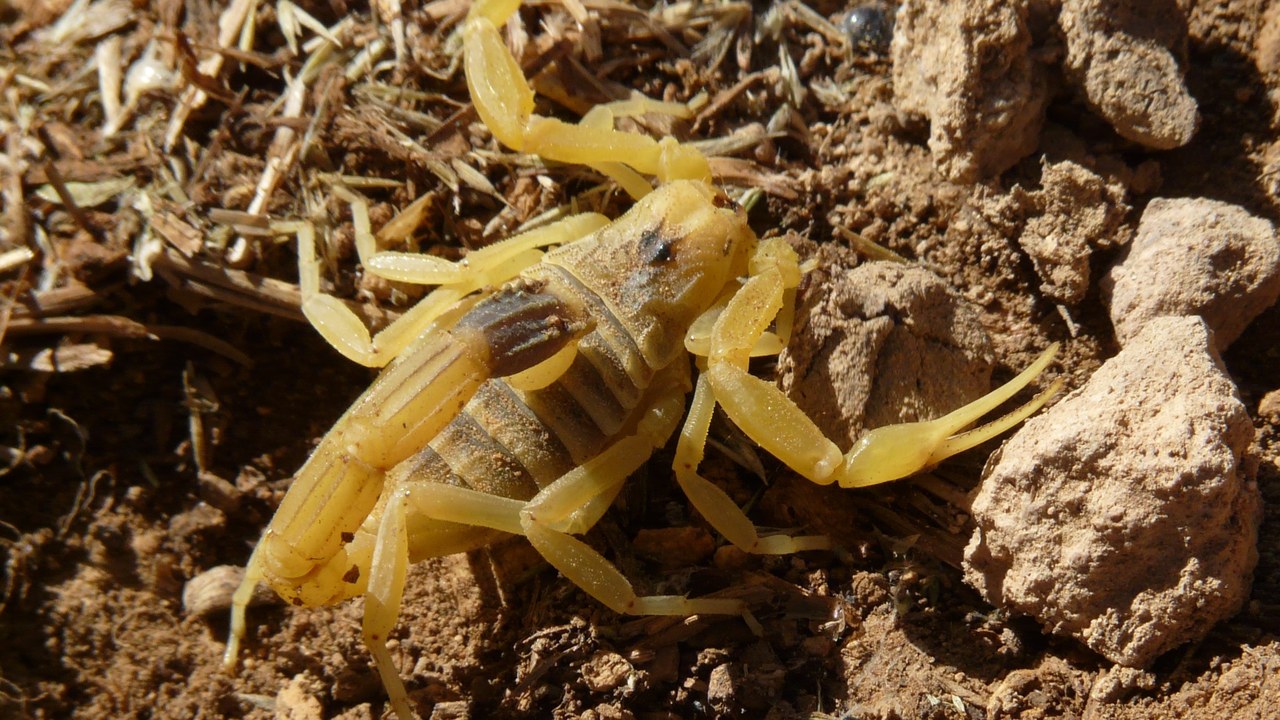
The deathstalker’s sting delivers a neurotoxic venom cocktail that is rarely fatal to a healthy adult but poses a genuine danger to small children, the elderly, and anyone with a heart condition, per the Leiurus quinquestriatus page.
It ranks among the most medically significant scorpions worldwide because of how common encounters with it are across North Africa and the Middle East, and antivenom is used in regions where stings are frequent.
7. Brazilian wandering spider (Phoneutria): The Wandering Nightmare
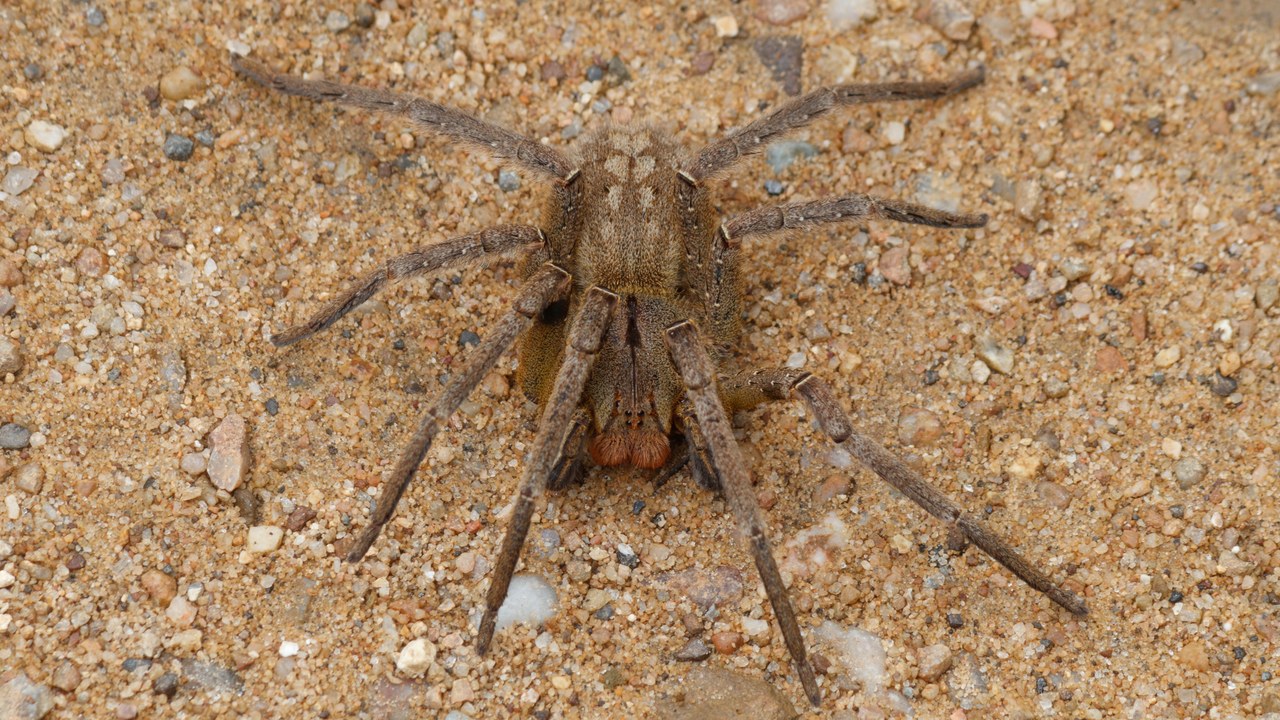
Named for its habit of roaming forest floors and homes at night rather than sitting in a web, the Brazilian wandering spider produces a venom that ranks among the most toxic measured in any spider, notes the Phoneutria genus profile.
A bite causes intense burning pain and can trigger a painful, prolonged erection in men, a symptom researchers have studied for possible use in treating erectile dysfunction, and Brazil’s health system stocks a dedicated antivenom.
8. Sydney funnel-web spider (Atrax robustus): A Bite Humans Fear Most
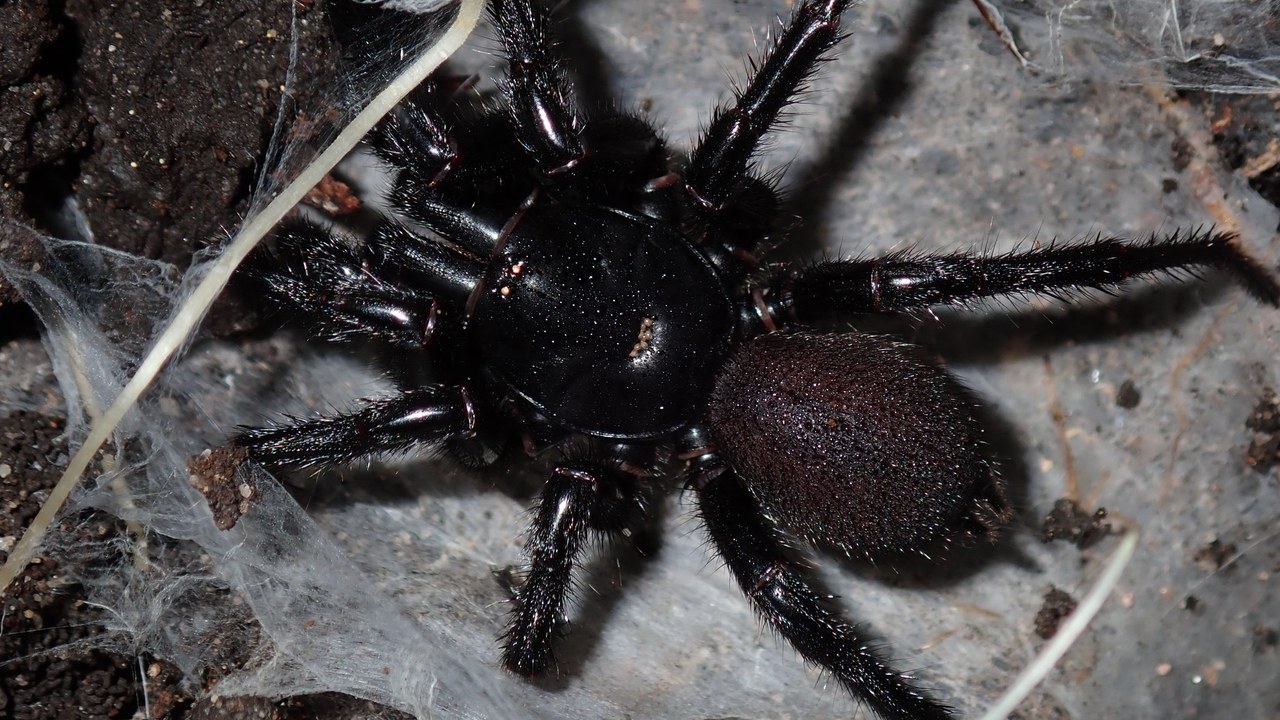
Humans and other primates are unusually sensitive to the venom of the Sydney funnel-web spider even though the toxin evolved to disable insect prey, a mismatch the venom review attributes to a single protein that overstimulates the human nervous system.
No death has been confirmed in Australia since an effective antivenom entered use in 1981, a turnaround credited to fast hospital treatment rather than any change in how dangerous the spider actually is.
9. King cobra (Ophiophagus hannah): Enough Venom For An Elephant
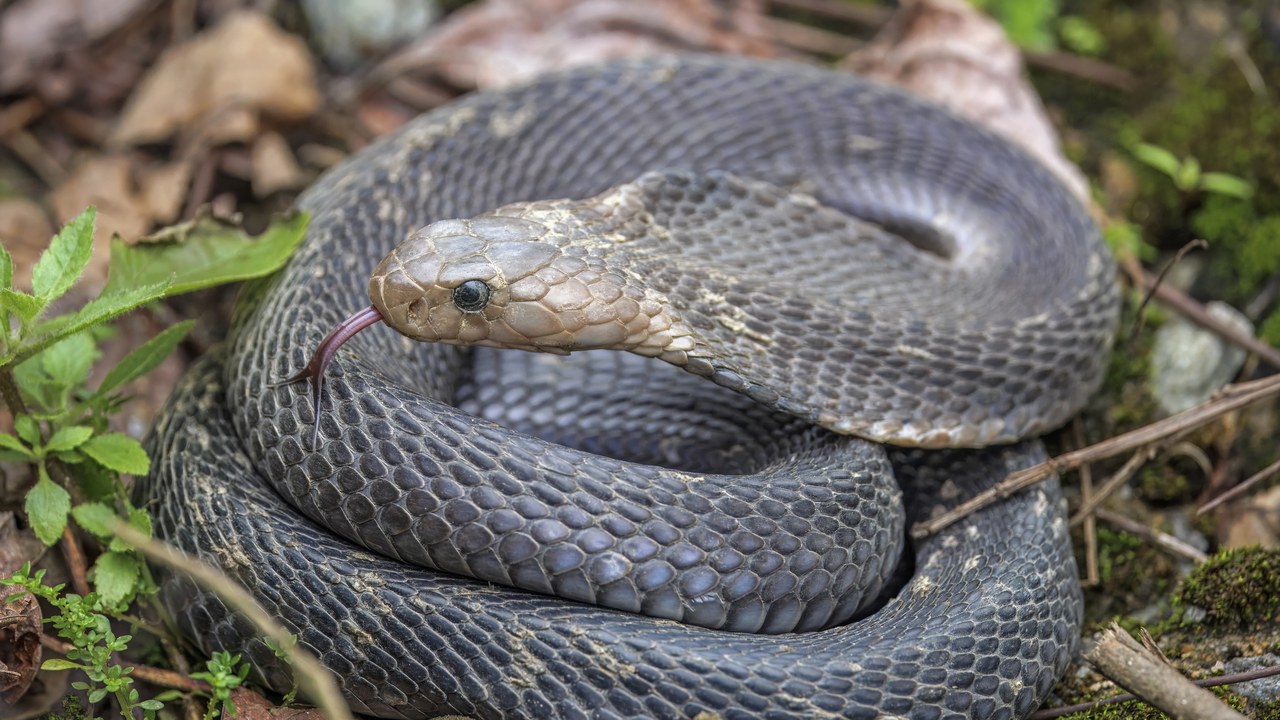
As the world’s longest venomous snake, the king cobra can deliver an unusually large volume of neurotoxin in a single bite, enough, researchers note in the species entry, to kill an adult elephant if the full dose were injected.
That volume, more than the toxin’s raw potency, is what makes its bite so dangerous to large animals and humans alike, and treatment requires large quantities of antivenom given quickly after a serious bite.
10. Russell’s viper (Daboia russelii): South Asia’s Deadliest Snake
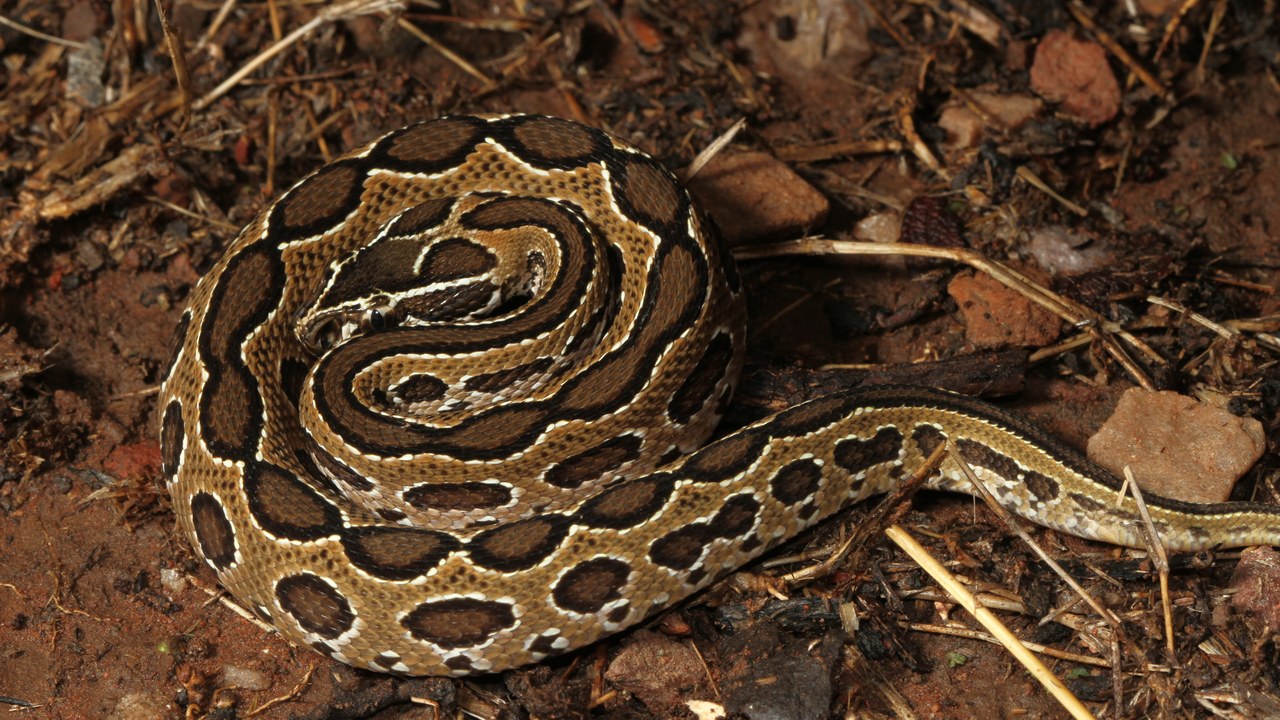
Russell’s viper is blamed for more snakebite deaths across South Asia than almost any other species, a toll driven less by extreme potency than by how often it bites people working in fields and villages, according to the Daboia russelii page.
Its hemotoxic venom destroys tissue and disrupts blood clotting, causing internal bleeding and kidney failure in severe cases, and it is counted among India’s medically important ‘Big Four’ snakes for which antivenom is routinely stocked.
11. Black mamba (Dendroaspis polylepis): Africa’s Fastest, Most Feared Snake
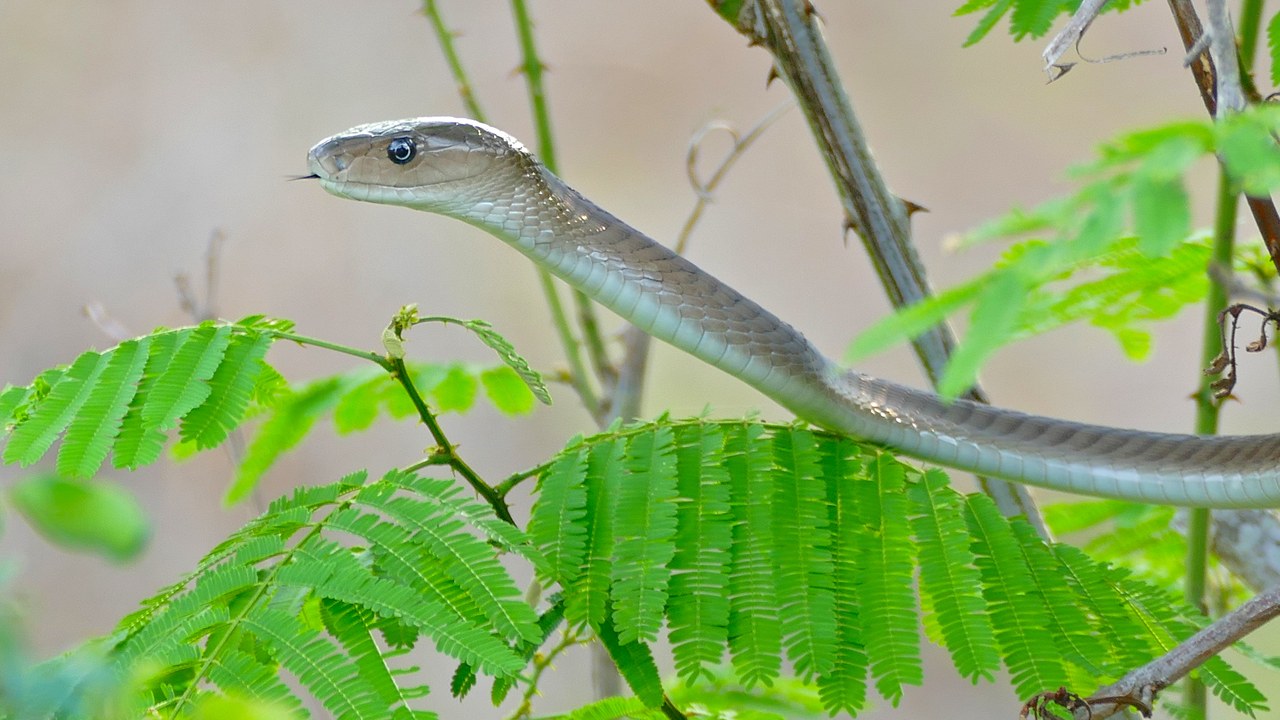
The black mamba is Africa’s fastest snake and one of its most feared, delivering a fast-acting neurotoxic venom that, before antivenom existed, killed nearly everyone bitten without treatment, according to the Dendroaspis polylepis account.
Modern antivenom and rapid treatment have sharply cut fatalities where they are available, but the snake’s speed, willingness to strike repeatedly when cornered, and large venom yield still make an untreated bite a genuine medical emergency in rural areas far from a hospital.
More from Morning Overview
- A handful of car transmissions are so tough that mechanics say they almost never die
- Card skimmers hidden on gas pumps are draining accounts, and there’s a quick way to spot them
- The NSA warns one messaging setting can clone your texts to a stranger
- Security experts still urge phone owners to switch off one location-tracking setting
