
Backyards across the United States host far more than birds and squirrels, and a handful of residents carry venom strong enough to matter. Snakes, spiders, a lizard, a scorpion and even a coastal ray turn up wherever their habitat meets a patio, a woodpile or a shoreline. Here are nine venomous animals that homeowners and beachgoers occasionally cross paths with.
1. Eastern diamondback rattlesnake: North America’s Heaviest Rattler
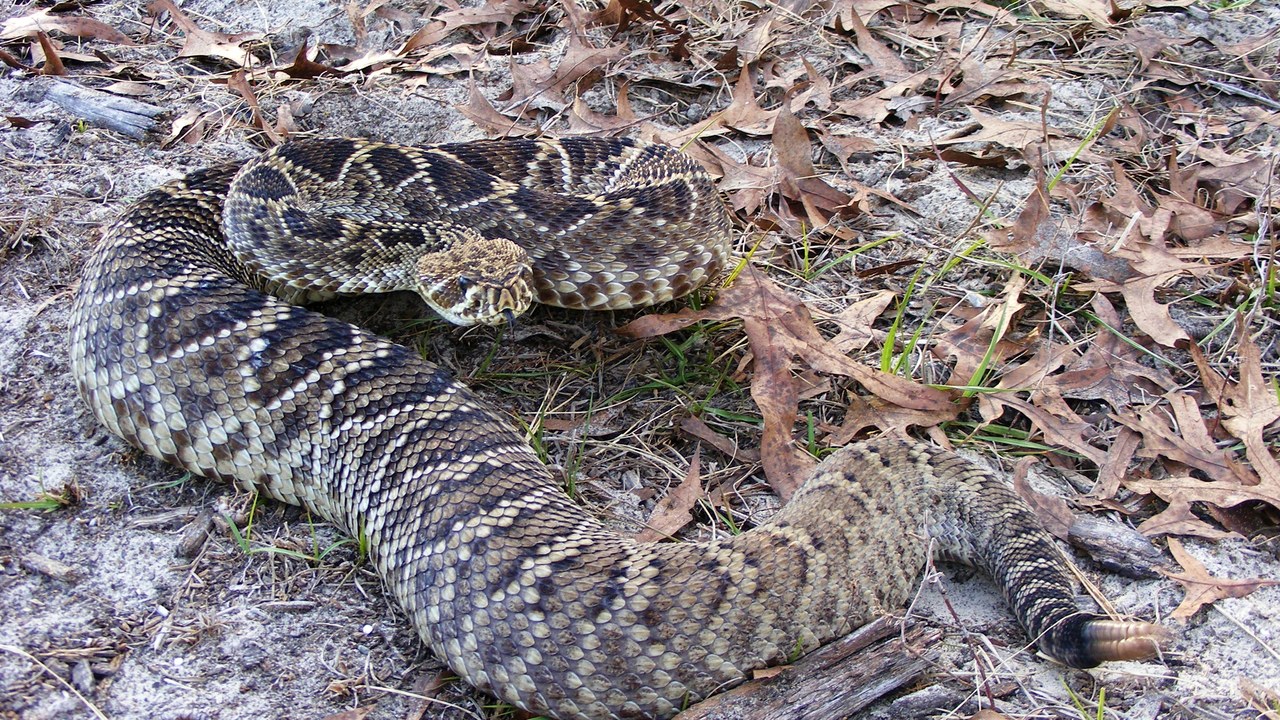
Adults of this pit viper commonly reach five to six feet, making it the largest venomous snake found anywhere in North America, and its diamond-patterned back conceals hemotoxic venom potent enough to damage tissue and blood vessels with a single defensive strike.
It favors dry pine flatwoods and coastal scrub across the Southeast, but suburban sprawl into Florida and Georgia has pushed rattlers into woodpiles, garages and brush at the edge of backyards, where a startled snake will often rattle loudly before it ever strikes.
2. Copperhead: The Snake Behind Most Bites
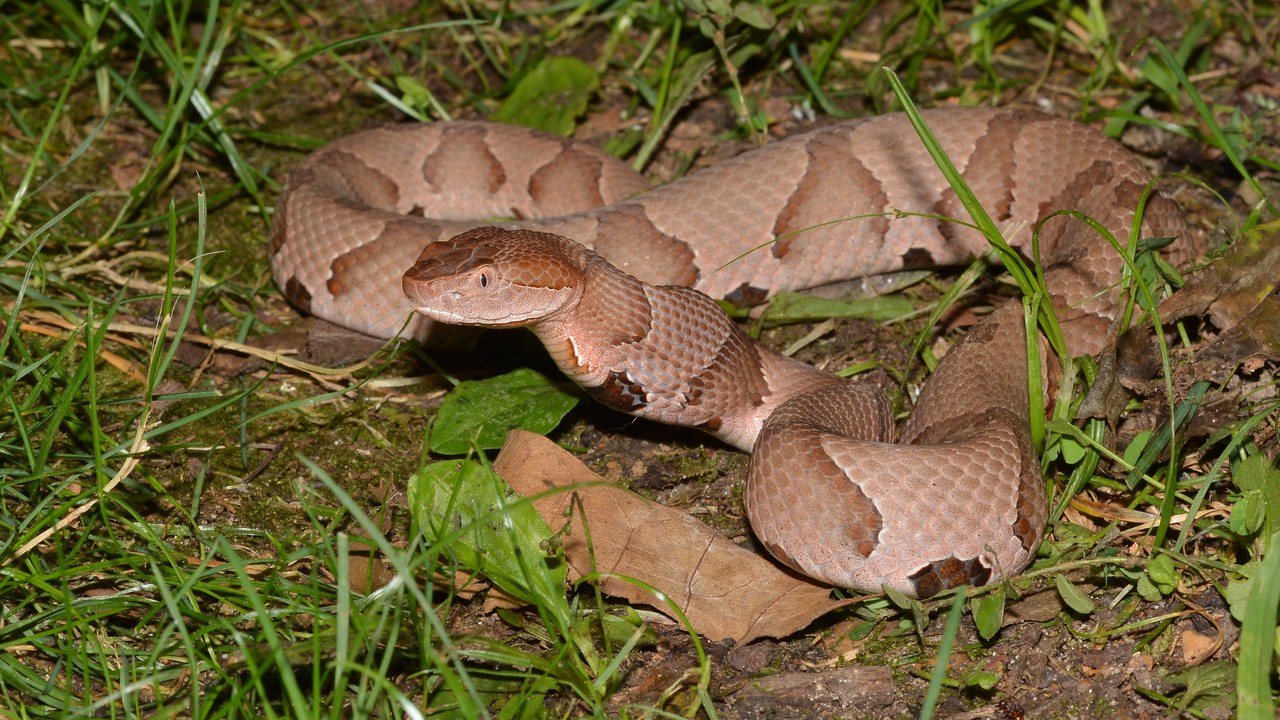
This copper-colored pit viper is responsible for the most snakebites reported anywhere in the eastern United States, largely because its hourglass camouflage blends so well with dry leaf litter that people and pets often step within inches of one before noticing it is there at all.
Its venom is comparatively mild and rarely fatal to a healthy adult, but the bite still causes intense swelling, throbbing pain and nausea that sends thousands of people to the emergency room every year, and copperheads regularly settle into mulch beds, rock walls, compost piles and stacked firewood close to houses.
3. Cottonmouth: A Water Snake That Won’t Retreat
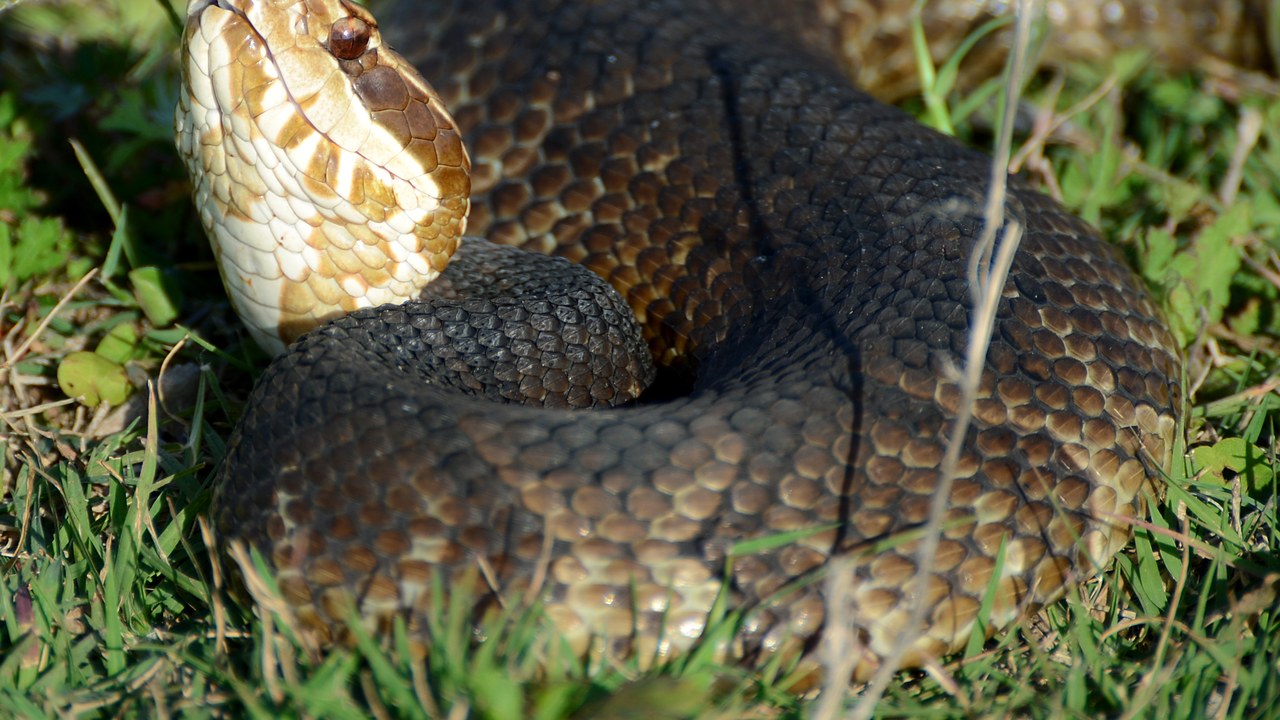
Unlike most snakes that flee, this heavy-bodied water moccasin that stands its ground near water will coil, gape its stark white mouth and hold its position rather than retreat when it feels cornered along a pond bank, ditch or slow-moving creek.
It hunts fish, frogs and small mammals in swamps, streams and retention ponds across the South, and the drainage ponds and creeks bordering newer subdivisions give it easy cover, so its presence there often surprises homeowners who assume moccasins stay confined to remote wetlands far from any yard.
4. Eastern coral snake: Bold Colors Signal Serious Danger
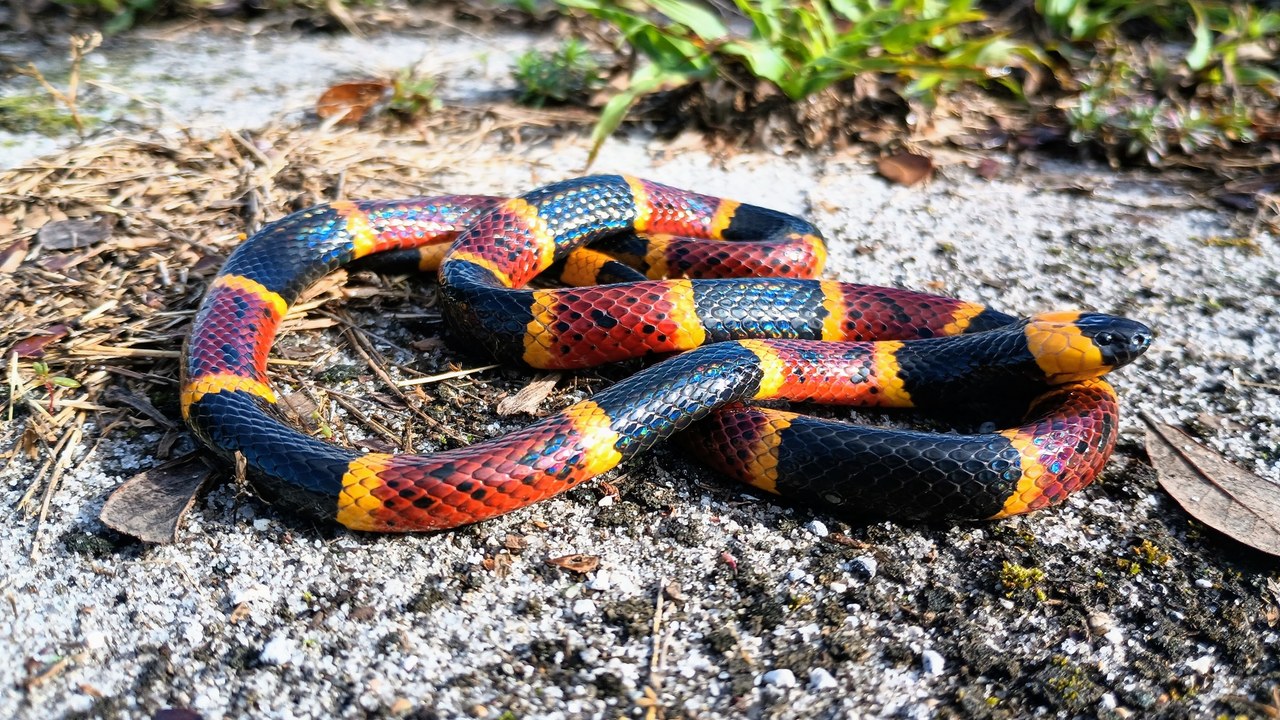
The red, yellow and black bands ringing this small, slender snake are not just decoration; they bright bands warn of a potent neurotoxin capable of interfering with the nerves that control breathing and muscle movement if a bite is left untreated for too long.
It burrows through loose sandy soil and leaf litter across the Southeast and rarely bites unless directly handled or stepped on, but its coloring is frequently confused with harmless mimicking snakes, so anyone digging through mulch, garden beds or fallen leaves should leave any similarly banded snake strictly alone.
5. Black widow spider: Small Spider, Serious Reputation
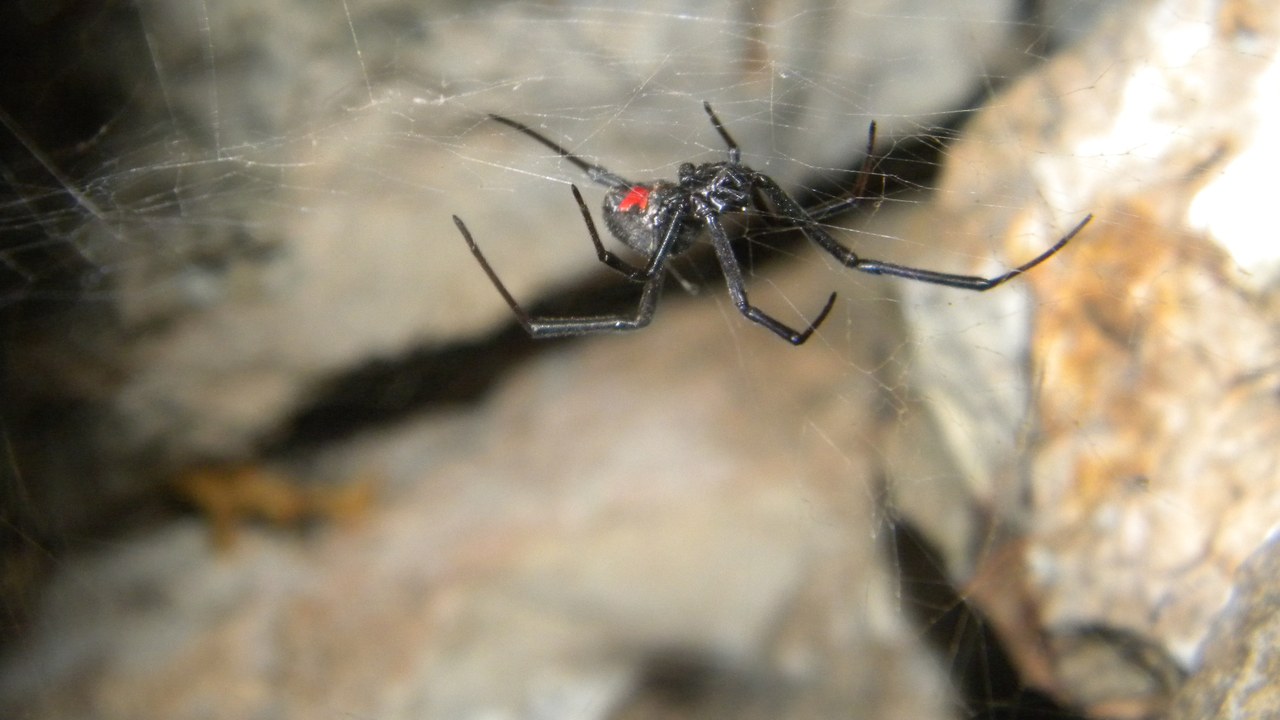
The glossy black female is easy to identify by the crimson hourglass marking on her rounded underside, and a bite from the red-hourglass spider delivers a neurotoxic venom that can trigger severe muscle cramping, rigid abdominal pain and sweating that requires prompt treatment.
She spins irregular, tangled webs in dark, undisturbed corners such as woodpiles, sheds, mailboxes and beneath deck furniture, and because she rarely strays far from that web, most bites happen when an unsuspecting hand reaches directly into her hiding spot without looking first.
6. Brown recluse: A Reclusive Spider With A Painful Bite
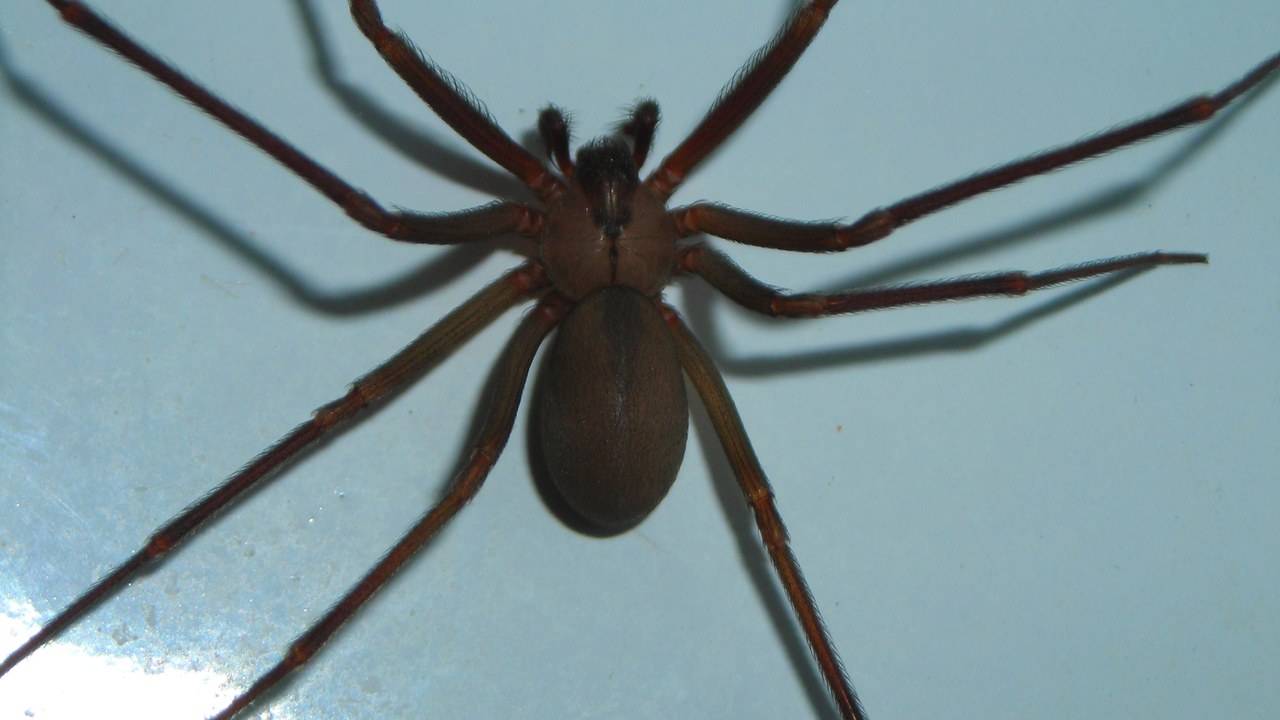
True to its name, this pale brown spider actively avoids people, yet a shy spider whose bite can cause tissue damage still ranks among the more medically significant spider bites in the country when its venom slowly destroys skin and muscle around the wound.
It seeks out dry, cluttered, rarely disturbed spaces like closets, attics, garages and stacked cardboard boxes, so most bites happen when someone pulls on stored clothing, gloves or shoes where the spider has been resting quietly undisturbed for weeks at a time.
7. Arizona bark scorpion: The Desert’s Most Toxic Sting
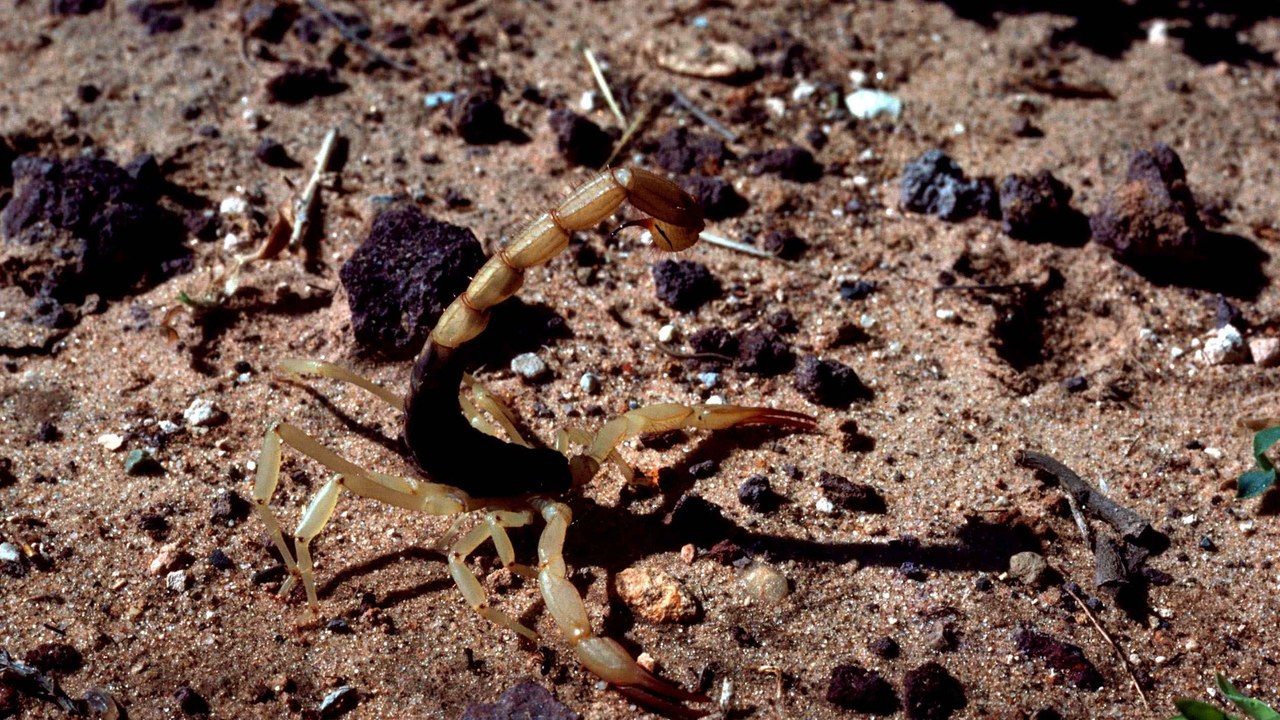
Barely two inches long, this pale, slender scorpion is the most venomous scorpion found anywhere in North America, and its sting delivers a neurotoxin that causes intense, radiating pain along with numbness, tingling and muscle twitching near the site for hours.
It climbs walls, ceilings and stucco with practiced ease and often hides in shoes, damp bathrooms or firewood stacked against a house, and it turns up frequently across the desert Southwest whenever new homes back directly up against undeveloped rocky scrub or dry wash habitat.
8. Gila monster: A Rare Venomous Lizard
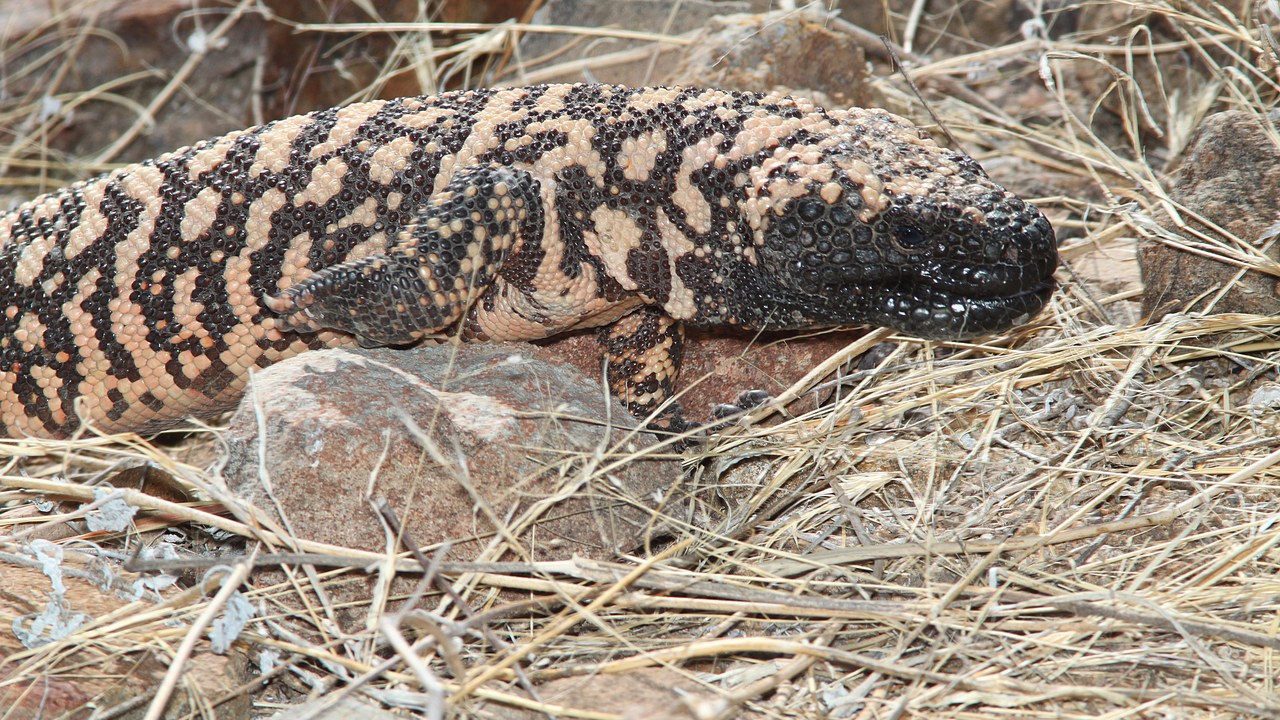
Thick-bodied and patterned in bold black and orange-pink beads, this slow-moving reptile is one of the few venomous lizards found anywhere on Earth, delivering venom through grooved teeth in its lower jaw during a prolonged, tenacious bite that can be hard to release.
It spends most of its life underground in burrows across the desert Southwest and only emerges to feed or bask in the sun, so encounters near homes stay uncommon, though landscaped desert yards near a wash or rocky outcrop can occasionally draw one into the open.
9. Southern stingray: A Barb Hidden In The Shallows
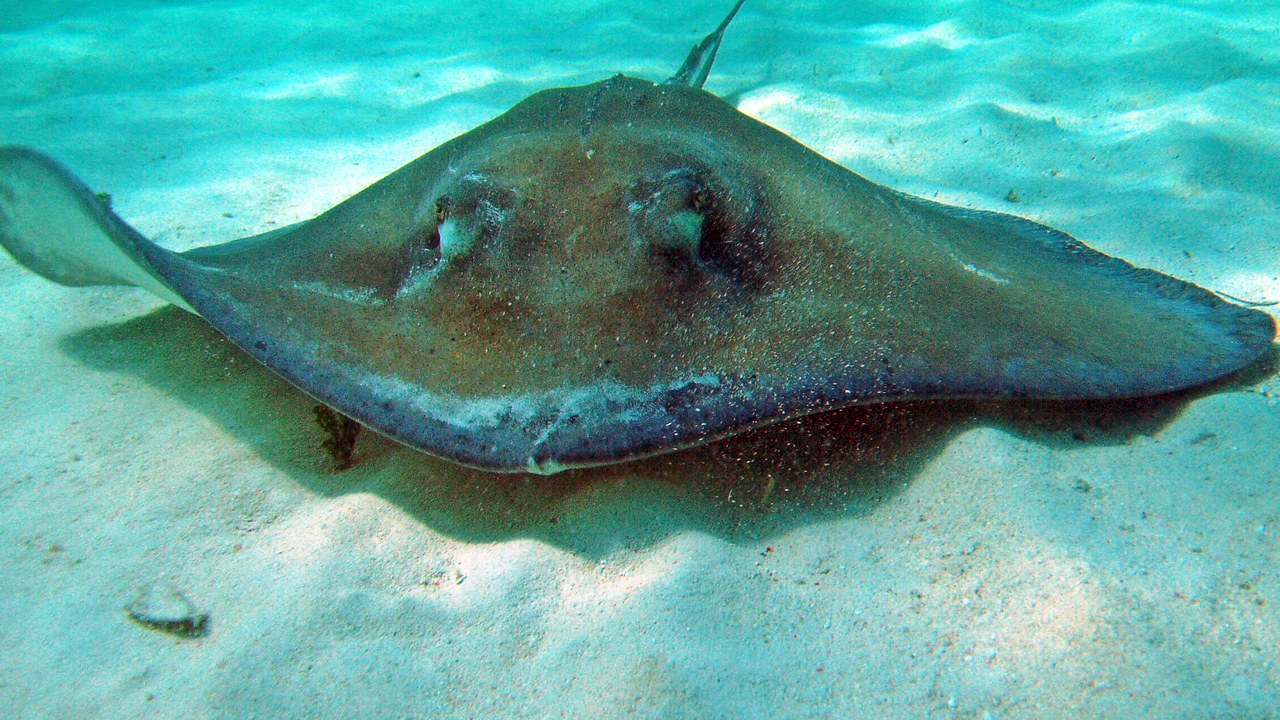
Gliding just beneath the sand in shallow coastal water, this flat-bodied ray is a beachgoer hazard with a venomous tail barb that whips upward and delivers an intensely painful sting to anyone who steps on it directly while wading.
It buries itself in sandy flats along the Atlantic and Gulf coasts to ambush crabs and small fish, and swimmers who shuffle their feet through shallow water instead of stepping down firmly rarely get close enough to provoke a strike from one hidden beneath the sand.
More from Morning Overview
