
Crash-test results turn broad safety claims into model-specific evidence that can be compared and questioned. These 2026 IIHS pages cover pickups, electric vehicles, hybrids, SUVs, hatchbacks, and sedans, with records spanning crashworthiness and crash avoidance. Here are six vehicles whose latest ratings put safety claims against published tests.
1. Toyota Tundra: A Large Pickup Meets the Test Lab
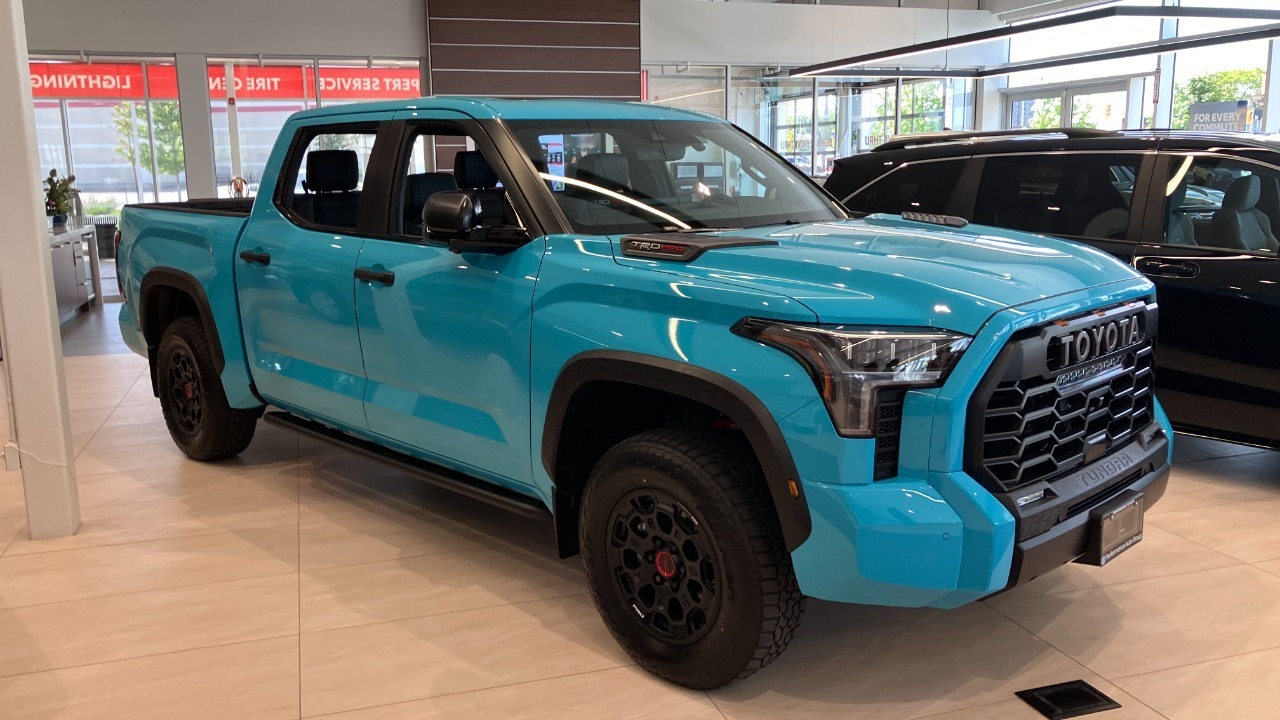
The IIHS 2026 Tundra rating page gathers the crew-cab pickup’s crashworthiness and crash-avoidance results in one model-specific record. That matters for a large truck because size alone does not establish how its occupant space performs in controlled impacts or how prevention systems respond before contact.
The published record gives buyers a firmer basis for comparison than a general impression that a heavier vehicle must automatically be safer. Each result still needs to be read on its own terms, including the tested configuration and evaluation type. The page documents measured performance for this model year; it does not promise protection in every collision or erase differences among real-world crashes.
2. Tesla Cybertruck: Unconventional Design Faces Conventional Measures
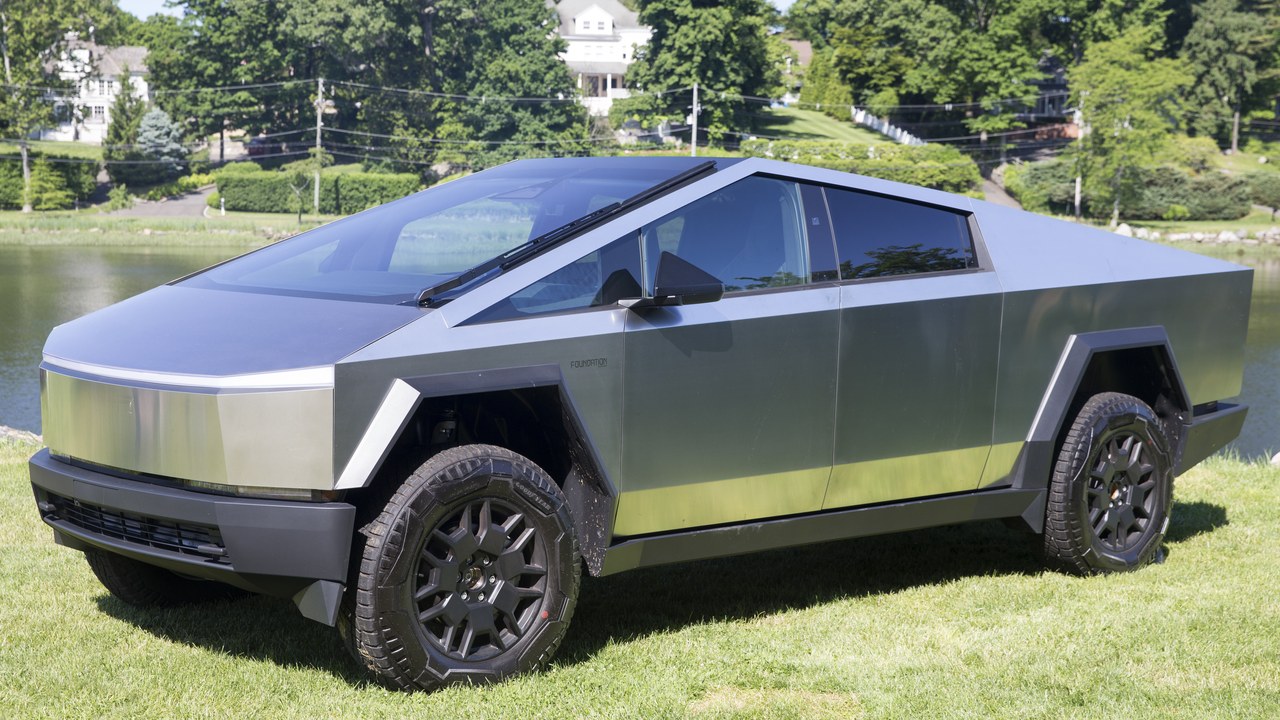
IIHS publishes the pickup’s 2026 crash-test findings and safety-feature ratings in its Cybertruck vehicle profile. The record places a radically styled electric truck into the same evidence-based framework used to examine how vehicles manage impacts and how their safety systems are assessed.
That standardized treatment is the useful part: appearance, novelty, and online debate do not substitute for published results. The individual test entries show what IIHS evaluated for the 2026 crew-cab model without turning one score into a prediction for every possible crash. Buyers can separate the truck’s distinctive design from the narrower question of how it performed in the institute’s defined evaluations.
3. Subaru Crosstrek Hybrid: The Hybrid Earns the Plus Designation
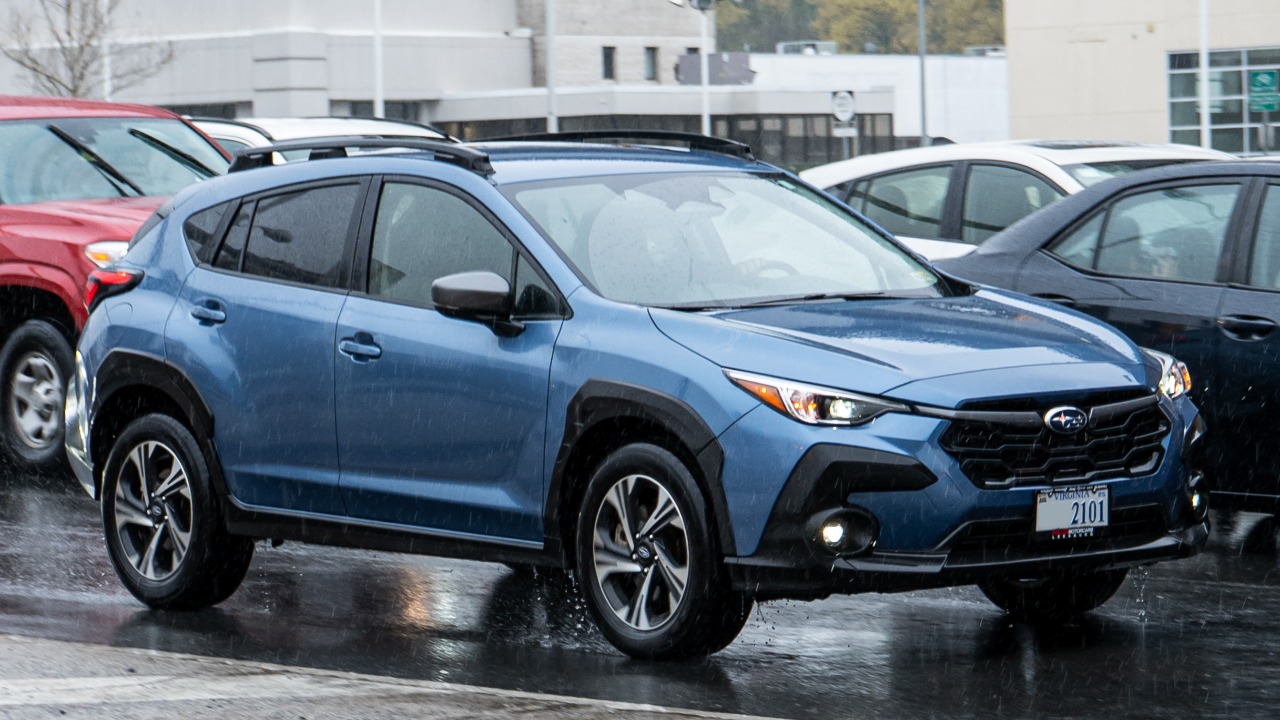
The 2026 Subaru Crosstrek Hybrid earned a Top Safety Pick+ designation, according to its IIHS model record. That result gives this specific hybrid wagon a documented safety distinction rather than borrowing an assumption from the broader Crosstrek name or from an earlier model year.
The model-level detail matters because a powertrain variant can carry its own weight, equipment, and test record. The designation summarizes the institute’s qualifying work, but it remains tied to the 2026 vehicle and the evaluations behind the award. It should be treated as strong comparative evidence, not as a guarantee that every occupant, road condition, or collision sequence will produce the same outcome.
4. Hyundai Ioniq 9: A New Electric SUV Clears the Higher Bar
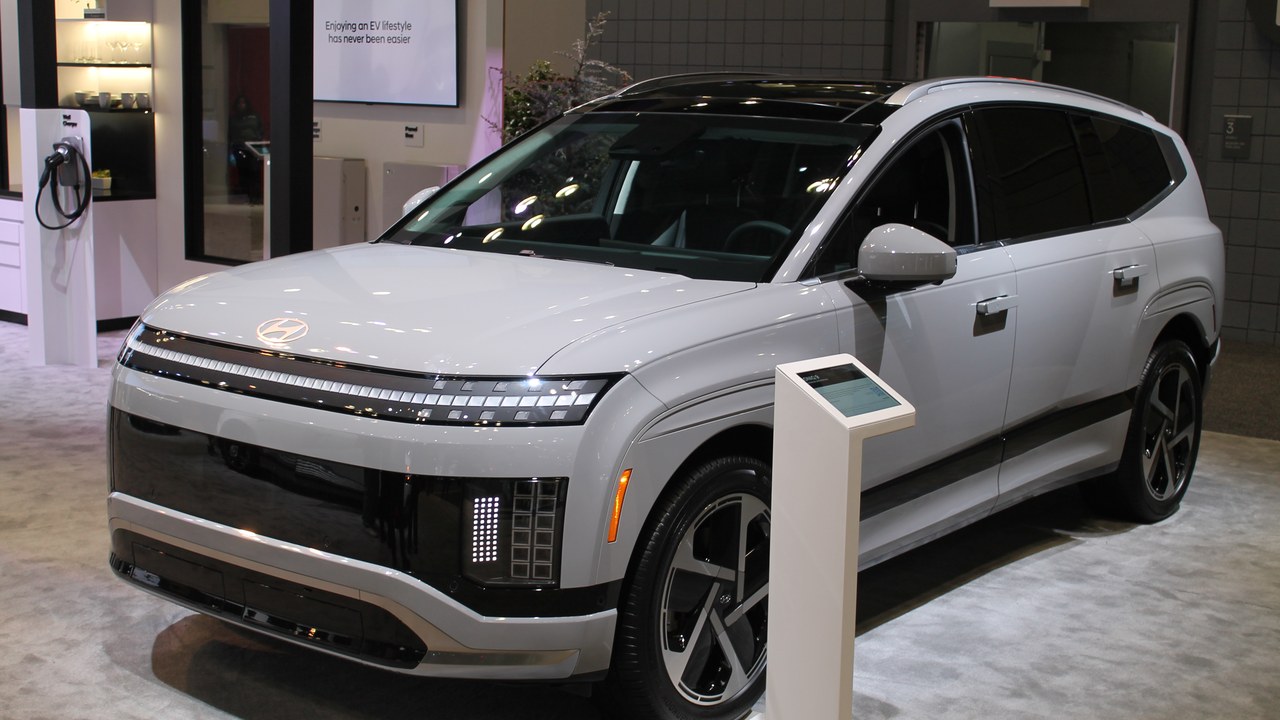
Hyundai’s 2026 Ioniq 9 received a Top Safety Pick+ designation in the IIHS rating record. The recognition gives the electric SUV an early, model-specific safety benchmark instead of asking its new nameplate, three-row layout, or electric powertrain to stand in for actual test evidence.
For a recently introduced vehicle, that distinction helps move the safety discussion from specifications to observed performance under the institute’s program. The plus designation is meaningful because it rests on qualifying evaluations, yet the underlying entries remain more informative than the badge alone. They identify what was tested for the 2026 model and keep the award from becoming a blanket promise about every crash.
5. Toyota Prius: The Hatchback Gets a Full Safety Record
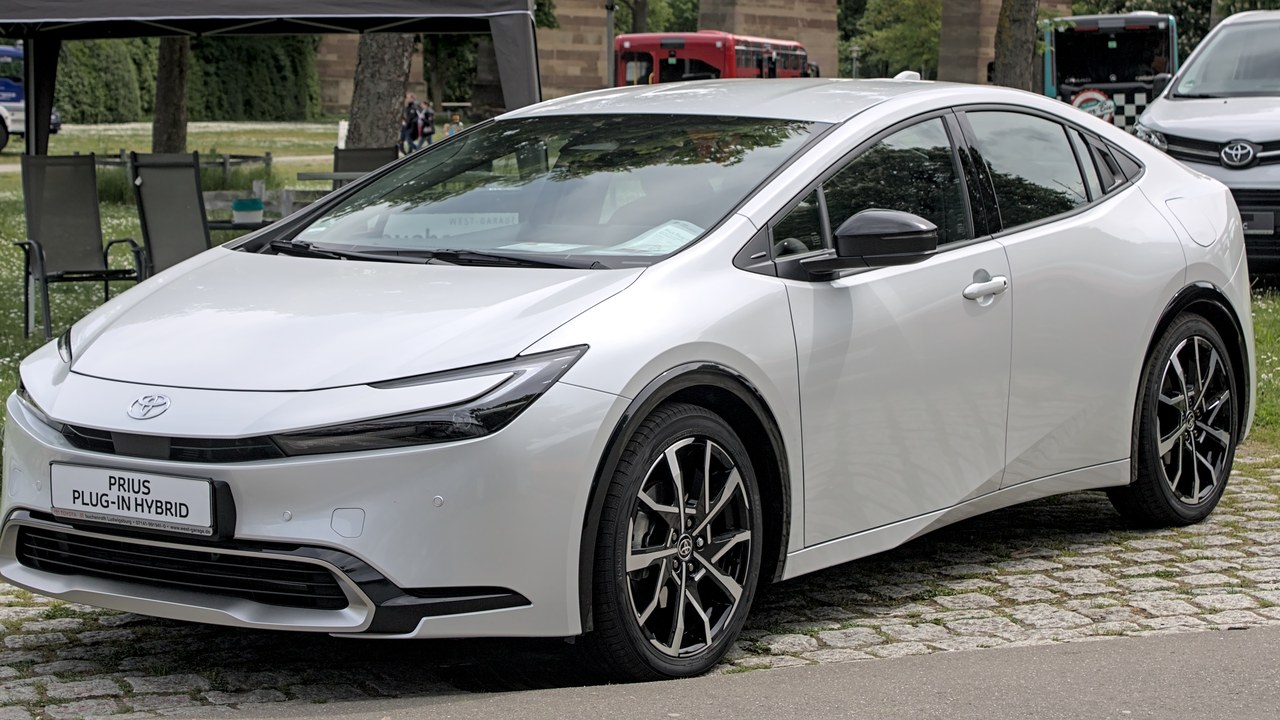
IIHS posts the Toyota Prius hatchback’s crashworthiness and crash-prevention findings on its 2026 Prius results page. The combined record matters because occupant protection during an impact and technology intended to prevent or reduce a collision answer different parts of the safety question.
Looking across those categories prevents a familiar model name or fuel-economy reputation from carrying more weight than the published evidence. The page allows the hatchback to be assessed as a 2026 vehicle rather than as a generic Prius drawn from many generations. Its test results remain bounded by IIHS methods and configurations, so they inform comparison without predicting every real-world impact or driver response.
6. Audi A6: The Sedan Adds Evidence to Luxury Claims
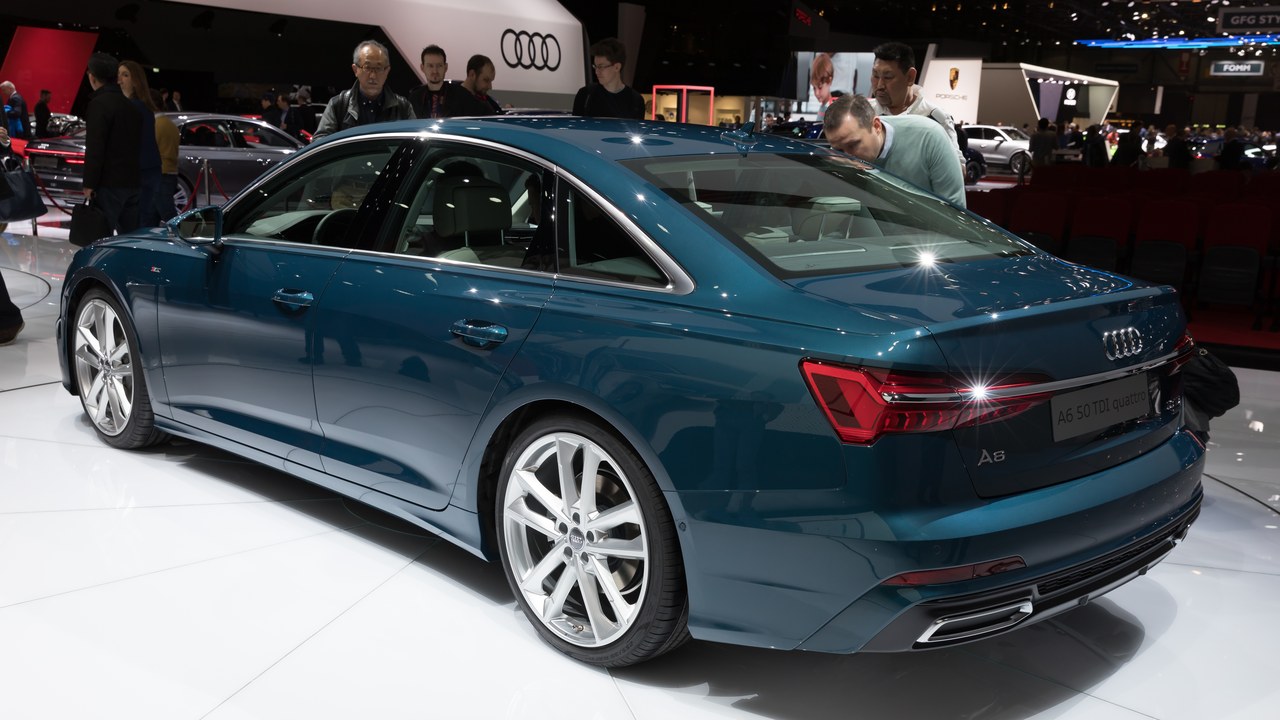
The 2026 Audi A6 earned a Top Safety Pick+ designation, as shown in the sedan’s IIHS evaluation record. That recognition supplies measured support for the model’s safety standing rather than relying on price, premium positioning, or a manufacturer’s broader reputation as a substitute for test performance.
The designation is most useful when paired with the specific evaluations that produced it. A luxury badge may shape expectations, but the institute’s record applies the same published framework used for less expensive vehicles. The award therefore supports comparison across segments while remaining limited to the tested 2026 model and program criteria; it cannot account for every road, speed, occupant, or crash geometry.
This article was produced with the assistance of AI and reviewed by Morning Overview editors prior to publication.
More from Morning Overview
- A Colorado wildfire has exploded past 87,000 acres with no containment
- A wildfire near Ouray swelled past 18,000 acres, putting Colorado towns on alert
- The Pentagon’s newest UFO files describe a fish-scaled, potato-shaped object on camera
- Scientists spotted a rare tusked whale alive at sea for the first time, then fired a crossbow at it.
