
Ukraine has been equipped by a long list of Western partners, from rocket launchers and missiles to tanks, drones and fighter jets. The sourcing ranges from a manufacturer document to news trackers published in 2022, 2024 and August 2026. Here are nine systems, each paired with a figure or event from those sources.
Read next on Morning Overview: Melting permafrost is setting off a newly identified kind of catastrophic landslide, scientists say
1. M142 HIMARS: Truck-Mounted Rockets
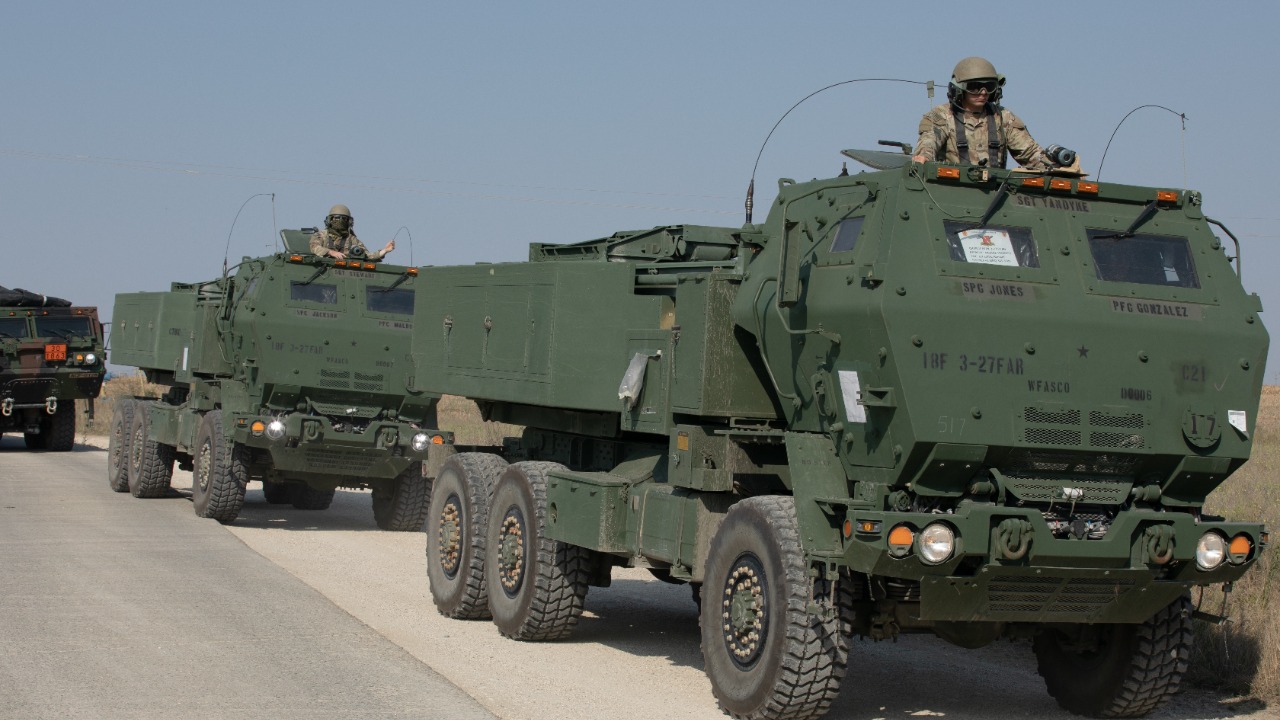
Lockheed Martin’s fast facts sheet says HIMARS carries six GMLRS rockets with a 70 km range, or a single ATACMS with a 300 km range. The same document says a three-person crew can fire from inside the cab.
The launcher’s flexibility lies in swapping between rocket and missile loads on one wheeled platform. A separate source here cites 160 km for the ATACMS supplied, so range figures depend on the variant and the publisher. Manufacturer data tends to present the best-case figures, so independent reporting on real-world performance is a useful check. The sheet does not describe how the launchers have actually been used in Ukraine.
2. MGM-140 ATACMS: Helicopter Airfield Strikes
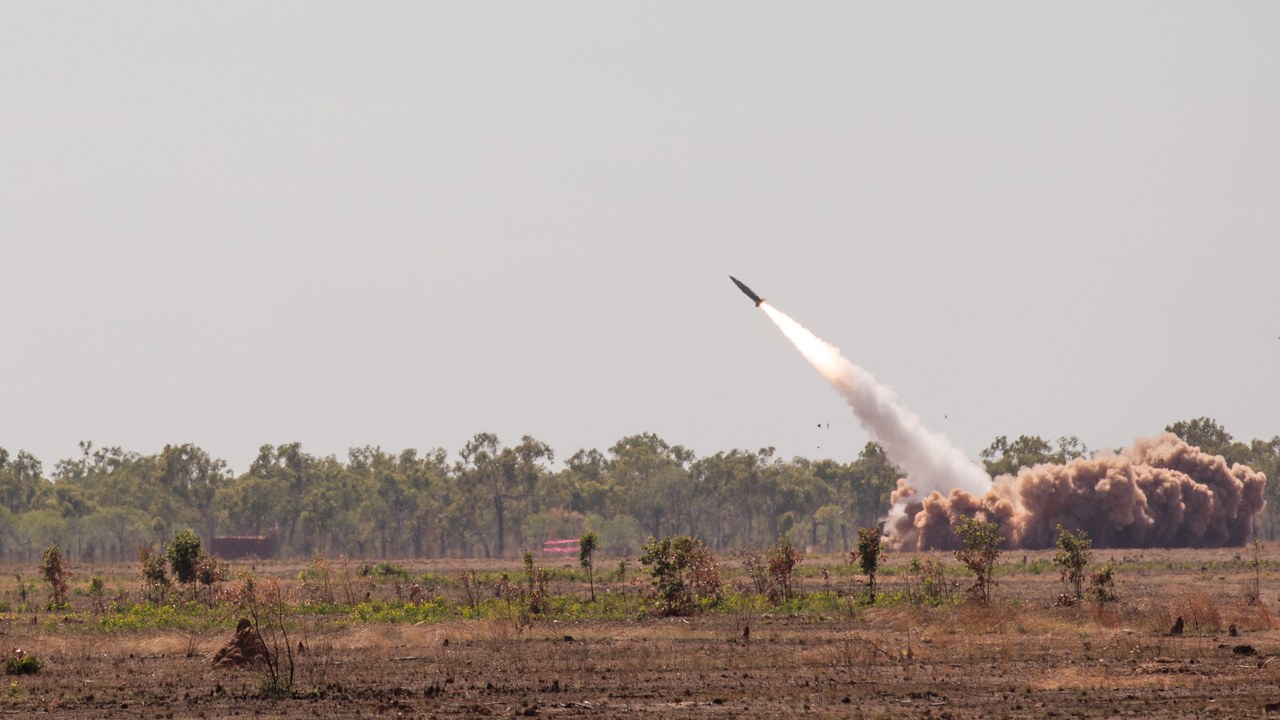
Supplied in autumn 2023, the ATACMS has a range of 160 km, according to Euromaidan Press. On October 17, 2023, it struck airfields in Luhansk and Berdiansk, destroying and damaging attack helicopters.
Hitting aircraft on occupied airfields showed what longer-range fires could change behind the line. The range quoted differs from the 300 km Lockheed lists for HIMARS, so the figure is best read as source-specific. The report names the helicopters as the targets but does not give a count, so the scale of the damage is unclear. The date and place give a fixed reference point for when longer-range strikes began.
3. Storm Shadow: Black Sea Fleet Headquarters
![Storm Shadow — Image Credit: [[User:Ad Meskens|Ad Meskens - CC BY-SA 4.0/Wiki Commons](https://morningoverview.com/wp-content/uploads/2026/11/9-western-weapons-ukraine-fights-with-from-himars-to-patriot-03.jpg)
The UK-French Storm Shadow, known as SCALP EG, has a 250 km range, and Ukraine used it to destroy the headquarters of the Russian Black Sea Fleet in Crimea, according to a Euromaidan Press review.
A headquarters strike showed an air-launched cruise missile aimed at a high-value fixed target. The report dates from February 2024, so later use of the missile is not covered here. The missile’s range is longer than that of many weapons supplied earlier, which is why its arrival was widely noted. The source here is a summary article, not an official release, so details remain limited.
4. FGM-148 Javelin: Anti-Tank Package
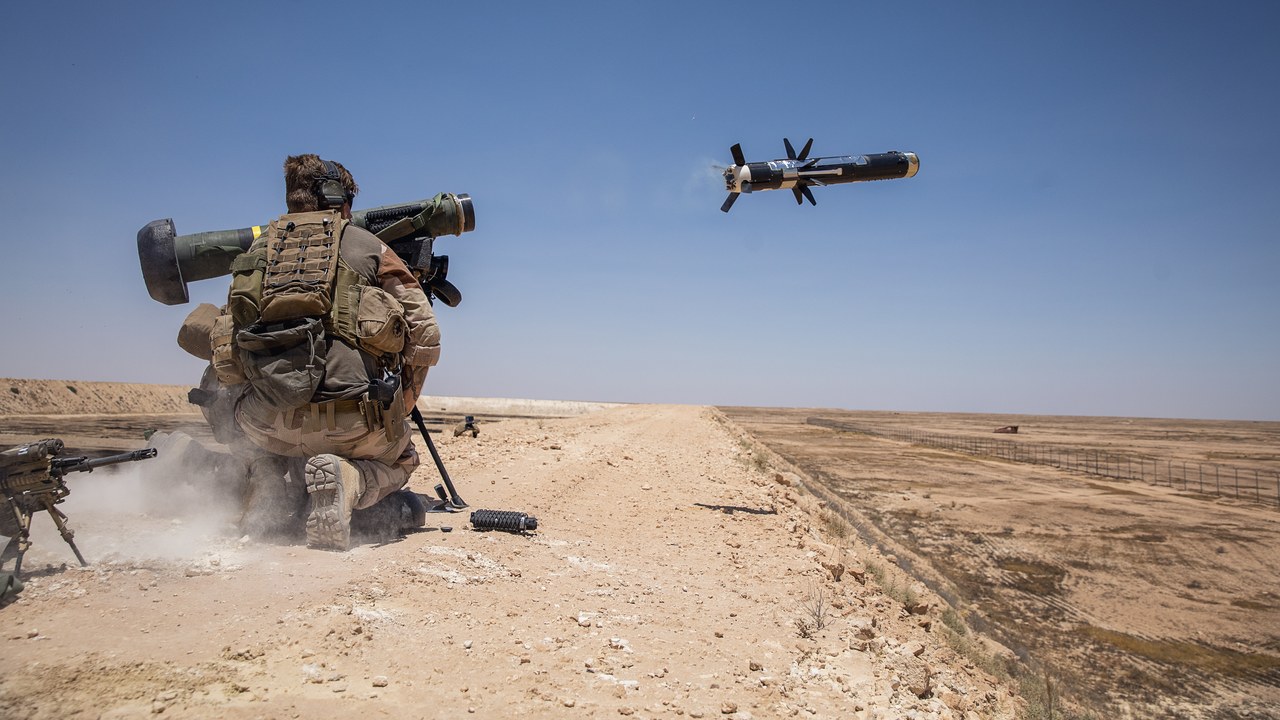
The June 1, 2022 American package included 1,000 Javelins and 50 Command Launch Units, according to Al Jazeera’s infographic.
Pairing launch units with missiles matters because the missiles need them to be fired. The figure describes one package rather than the total supplied over the war, so it marks an early scale of anti-armour aid. Neither the Pentagon nor the report says how many of the missiles were used, so the package describes supply rather than effect. Anti-armour weapons of this kind were among the earliest Western items to arrive.
5. Bayraktar TB2: Drone Over the Battlefield

The Bayraktar TB2 has a wingspan of 12 metres and can reach 25,000 feet, according to Al Jazeera’s weapons guide. Ukraine used it to destroy Russian artillery and armoured vehicles in 2022.
Its record comes from the early months of the war. The source does not say how its effectiveness changed as Russian air defences adapted. Drones of this type drew attention in 2022 for what they achieved relative to their cost. Whether that result has held is outside the scope of the source, which describes only the year it was published.
6. M1 Abrams: Australian Abrams
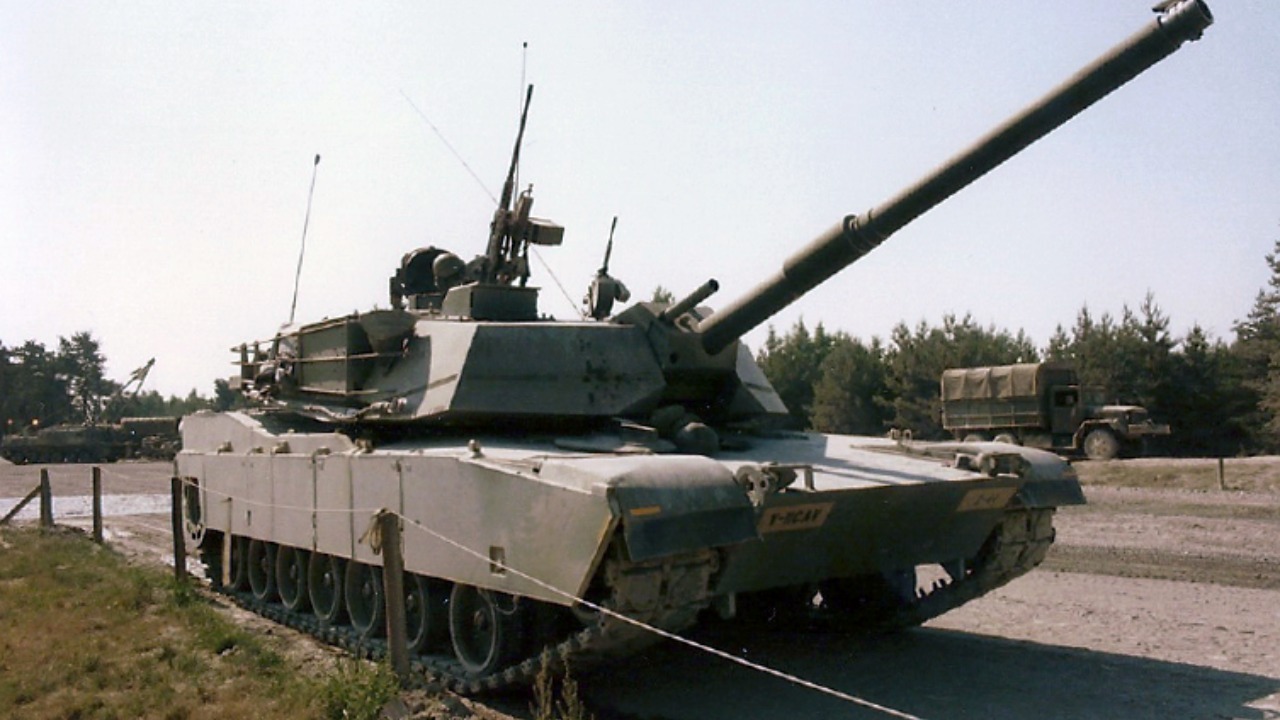
In an August 2026 tracker reported by United24 Media, Australia delivered 49 M1A1 Abrams, the largest disclosed Abrams delivery in the dataset. The American figure is not disclosed.
The undisclosed American number means the true total cannot be read from this dataset. The tracker is a snapshot of declared deliveries, not a full inventory of tanks in service. Tanks are among the heavier and more visible commitments of Western support, which is why their numbers draw attention. The tracker’s date matters, because totals change as new deliveries are announced.
7. MIM-104 Patriot: Five Batteries
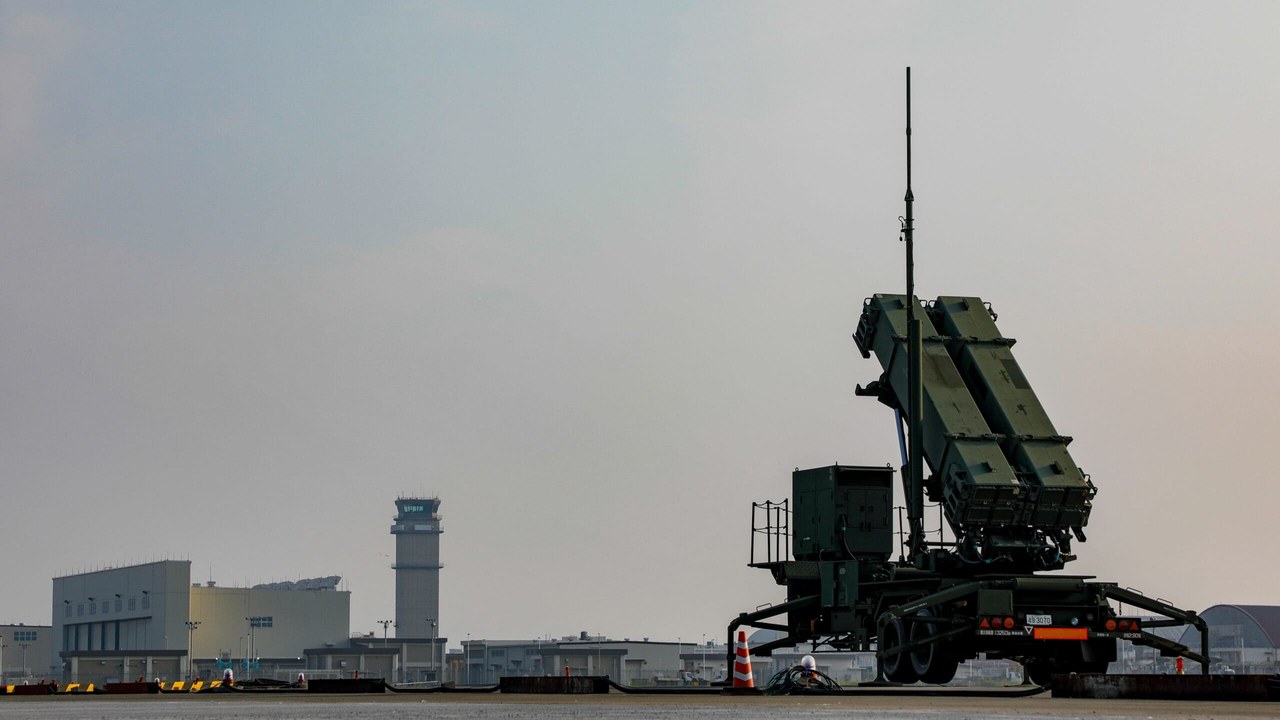
A tracker summarised by United24 Media’s tracker recorded five Patriot batteries delivered to Ukraine as of August 2026. Germany supplied two, while the Netherlands, Romania and the United States provided one each.
Batteries are counted rather than missiles, so the figure says little about interceptor stockpiles. It does show how few of these systems had been delivered by that date. Allocating individual batteries to different donor countries shows how shared the commitment was, with no single donor supplying all five. Each battery is a large system, and replacements take time to produce.
8. Leopard 2: Poland and the Netherlands
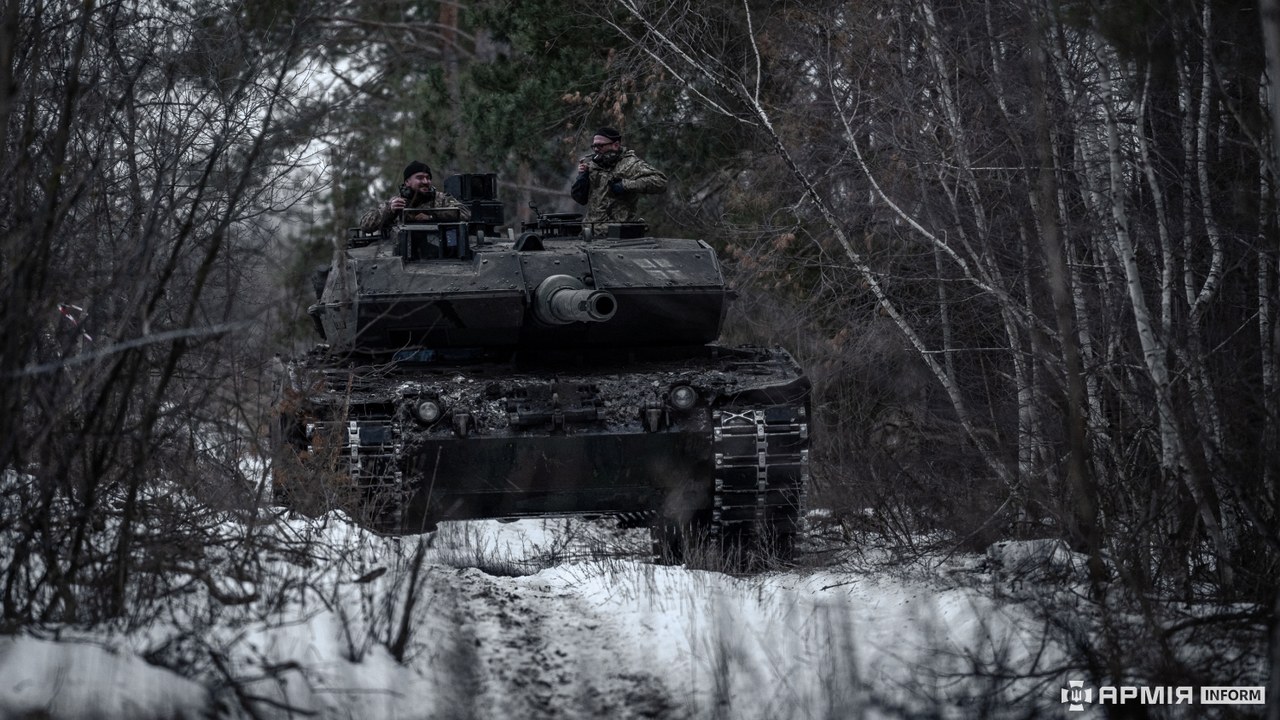
Poland has delivered 254 tanks, primarily modified T-72s, PT-91 Twardys and Leopard 2A4s, while the Netherlands has delivered 86, according to an August 2026 United24 Media tracker.
The Polish total mixes tank types, so it cannot be read as a Leopard 2 count alone. The tracker covers European tank deliveries, which makes it a measure of broad support rather than one model. Poland’s figure is the largest in the tracker excerpt, though it includes older Soviet-era designs alongside Western ones. That caveat matters when comparing donors, because a tank count is not a measure of capability.
9. F-16 Fighting Falcon: Jets for Air Superiority

As of February 2024, Euromaidan Press reported that Ukraine would receive several dozen F-16 fighter jets from the Netherlands and Denmark that year. The aircraft were meant to challenge Russian air superiority and glide bombs.
The item is a forecast from early 2024 rather than a delivery record, so numbers and timing should be checked against later reporting. Air power is the capability gap the jets were expected to address. Training pilots and building the support network for a new aircraft takes time, which is why a pledge in one year does not mean combat use in the same year. Later reporting is needed to confirm what actually arrived.
More from Morning Overview
- Over 20 trillion gallons of rain fell on the Four Corners states and Nevada in two weeks
- 11 engines built to run well past 200,000 miles
- Two Kentucky residents died when a small plane crashed at Missouri’s Lake of the Ozarks, and the NTSB is investigating
- A handful of car transmissions are so tough that mechanics say they almost never die
