
Shooting down a missile in flight was once compared to hitting a bullet with a bullet. Today several nations field layered defenses that track incoming rockets, drones and warheads and destroy them in the lower atmosphere or even in space. Here are ten air-defense systems built for that job, from Israel’s Iron Dome to America’s homeland interceptors.
Read next on Morning Overview: Zero Motorcycles unveiled an electric motorcycle targeted at under $8K and a street-legal dirt bike at EICMA
1. Iron Dome: Israel’s Lowest Shield
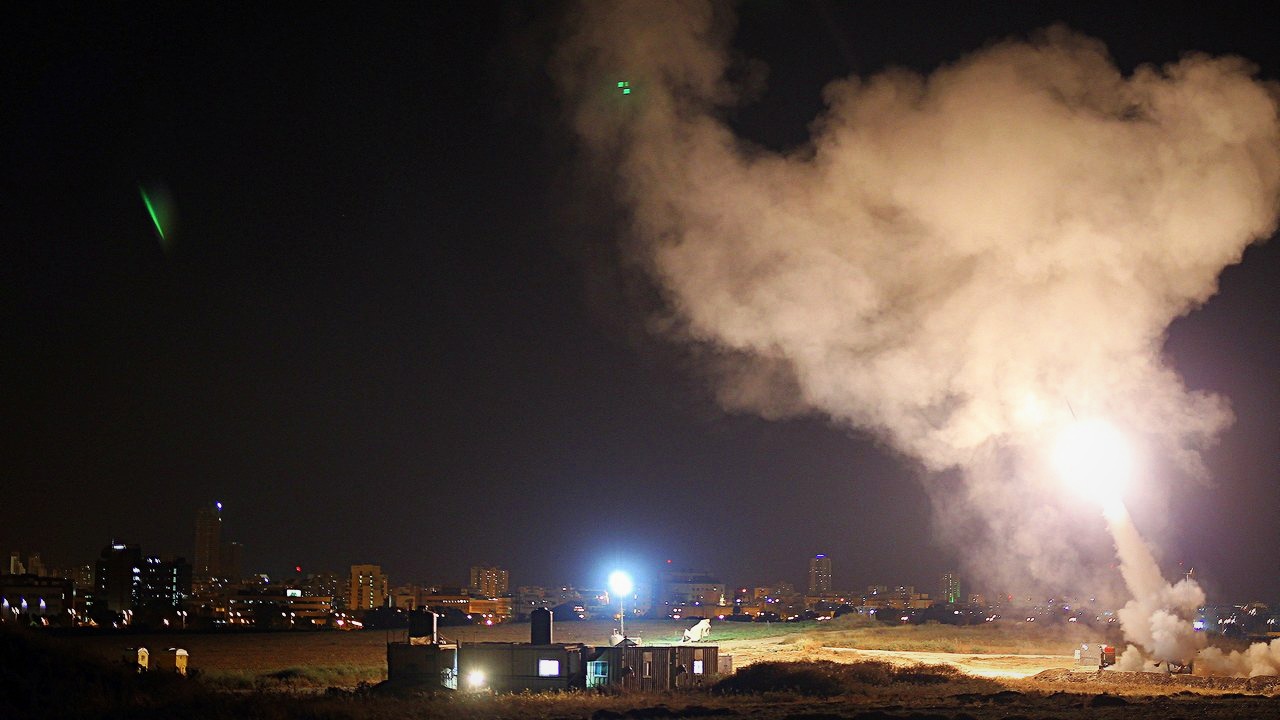
Iron Dome is Israel’s mobile system for short-range rockets and artillery, able to detect and engage targets out to about 70 kilometers, according to the CSIS Missile Defense Project. Israel began developing it in 2007 and deployed the first units in 2011.
A battery has three or four launchers, each holding up to 20 Tamir interceptors, and can defend an area of up to 150 square kilometers. Reports credit it with more than 1,500 intercepts between 2011 and April 2016, and Israeli officials claimed an 85% success rate against threatening rockets during a November 2012 conflict.
2. Arrow 3: An Interceptor for Space
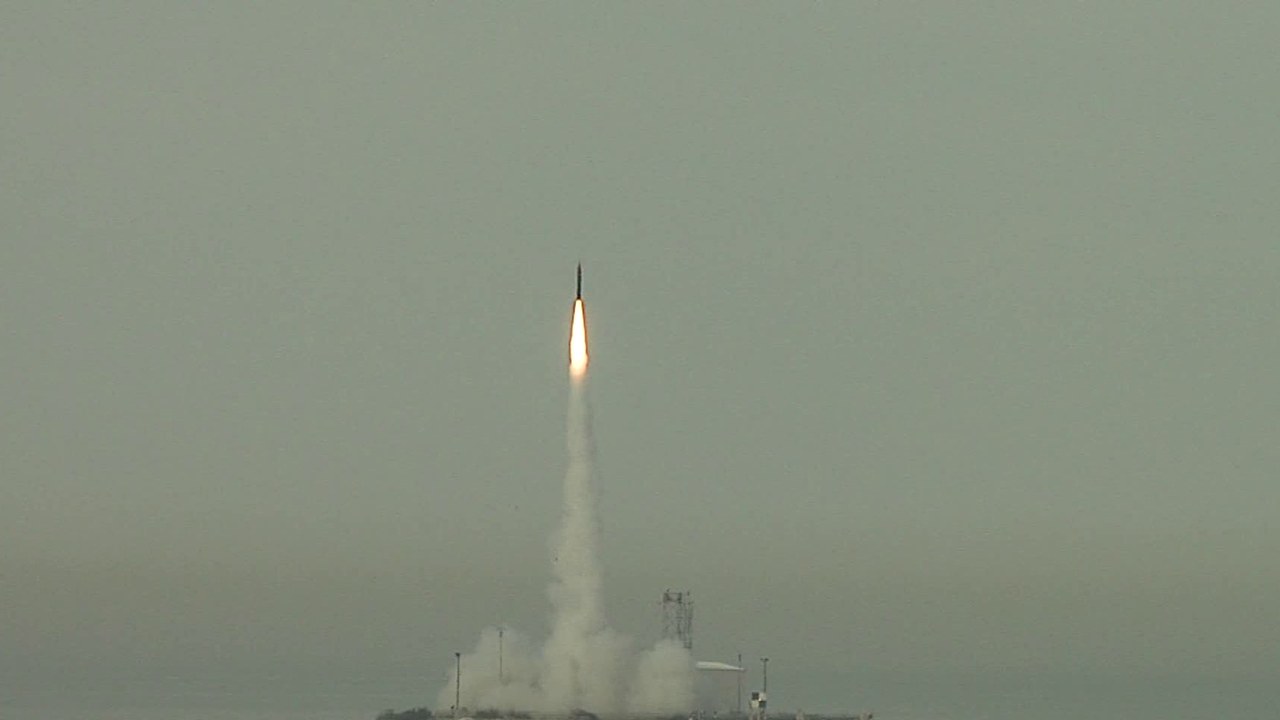
The Arrow 3, built jointly by the United States and Israel, is designed to defeat medium-range ballistic missiles and uses a hit-to-kill warhead to strike targets in space, the CSIS Missile Defense Project says. It entered service in 2017.
Its two-stage booster carries a separating kill vehicle steered by a single pivoting rear thruster, and the missile has an estimated flyout range of up to 2,400 kilometers. Israel reportedly chose to develop Arrow 3 instead of buying America’s THAAD, and its first intercept test succeeded in December 2015.
3. David’s Sling: The Middle Tier
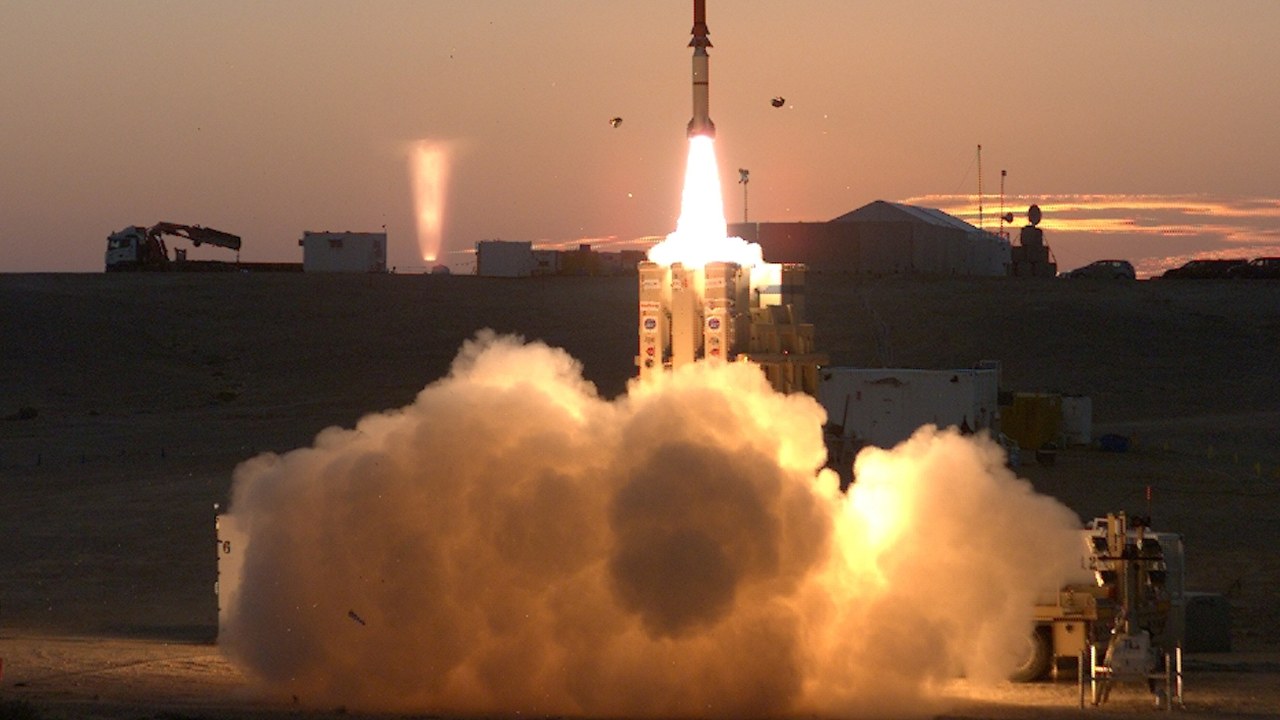
David’s Sling sits between Iron Dome and Arrow in Israel’s layered defenses and is built to stop short-range ballistic missiles, large rockets and cruise missiles at 40 to 300 kilometers, according to CSIS.
Its Stunner interceptor has no warhead at all, destroying targets by striking them directly at speeds up to Mach 7.5. Co-developed with the United States, which supplied $1.99 billion in aid from fiscal 2006 to 2020, the system was first used in combat on July 23, 2018, against two Syrian ballistic missiles.
4. THAAD: Inside or Outside the Atmosphere
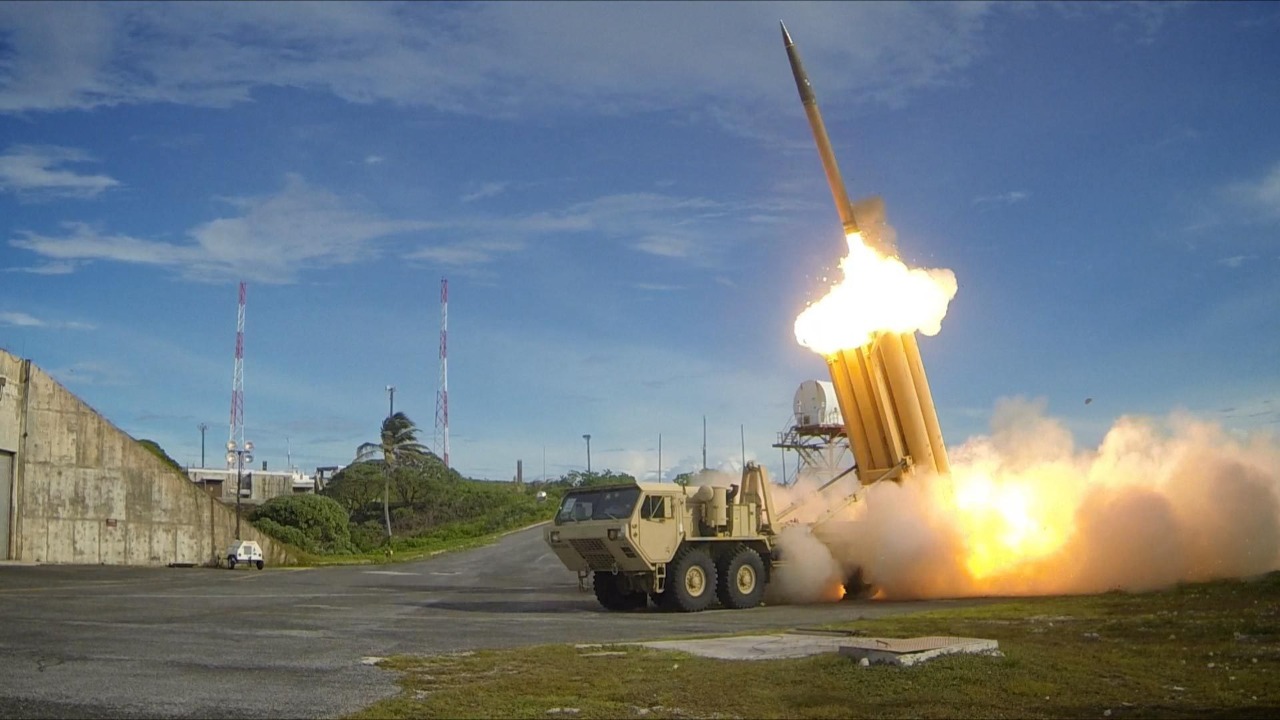
Terminal High Altitude Area Defense, or THAAD, intercepts ballistic missiles in their final phase of flight using an X-band radar and a single-stage, hit-to-kill interceptor, the CSIS Missile Defense Project explains.
Unlike most systems, it can hit targets both inside and outside the atmosphere, defending ranges of 150 to 200 kilometers. Each truck-mounted launcher carries eight interceptors, and a typical battery has six launchers. Development began in 1992, and early tests were plagued by failures before the program was redesigned.
5. Patriot PAC-3 MSE: The Patriot’s Longer Reach
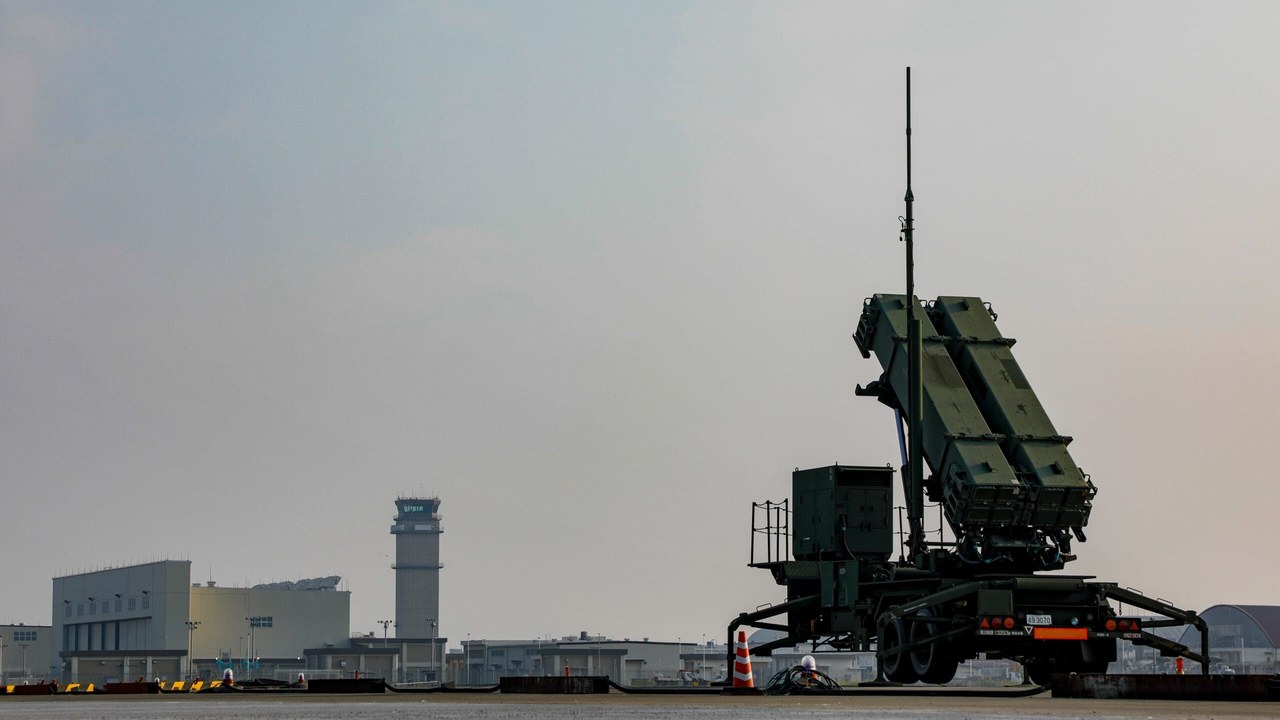
The Patriot’s most significant upgrade was a hit-to-kill interceptor, the PAC-3, which strikes its targets directly and was declared combat ready in August 2002, according to the CSIS Missile Defense Project.
The newer PAC-3 Missile Segment Enhancement, or MSE, adds an enlarged motor and other changes that nearly double the PAC-3’s range. Its first guided flight test in March 2009 failed when the second motor pulse did not ignite, but later tests intercepted ballistic missiles, aircraft and cruise missile targets.
6. S-400 Triumf: Russia’s Long-Range Workhorse
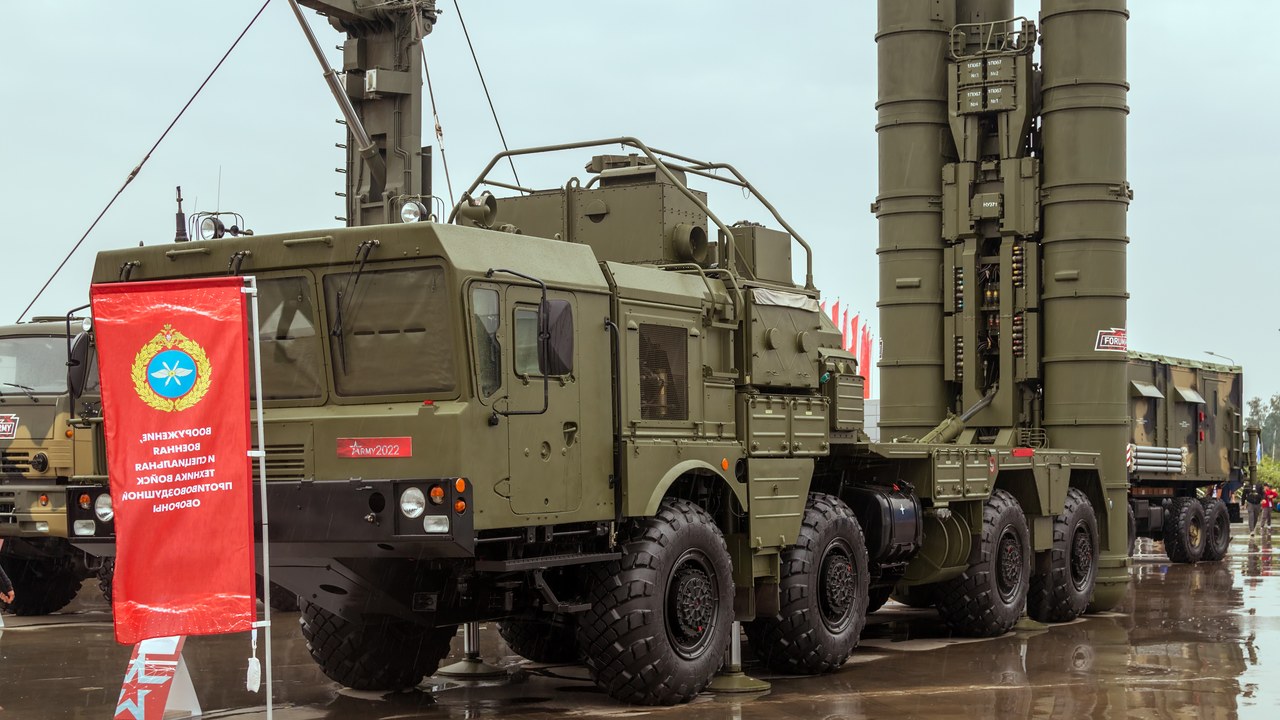
The S-400 Triumf, known to NATO as the SA-21 Growler, is a mobile Russian system that can engage aircraft, drones and cruise missiles and has a terminal ballistic missile defense capability, the CSIS Missile Defense Project says.
The first systems became operational in 2007, defending Moscow. Between 70% and 80% of the original design’s technology was adapted from the S-300. Its 48N6 missiles reach aerial targets up to 250 kilometers away and ballistic missiles within 60 kilometers, while the long-range 40N6 is meant to stretch coverage to 400 kilometers.
7. S-300: A Soviet Classic
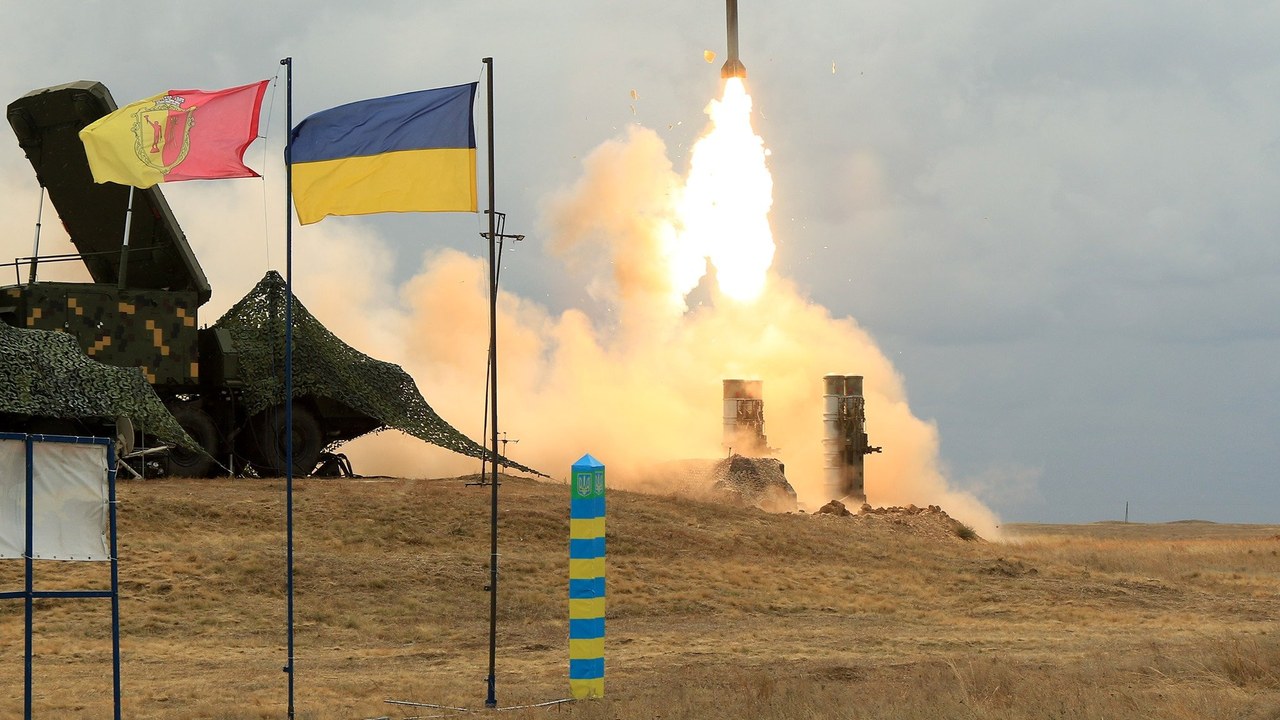
The S-300 is a family of Soviet-designed surface-to-air missiles able to engage aircraft and drones, with some cruise and ballistic missile defense capability, according to CSIS. Development of the S-300P began in 1967, and it entered service in 1978.
The system has served with nearly two dozen nations, and CSIS notes its testing record suggests performance similar to the Patriot PAC-2. In 1994 and 1995, the United States quietly acquired S-300 components, missiles and launchers from Belarus to study them.
8. Standard Missile-3 (SM-3): Fired From the Sea
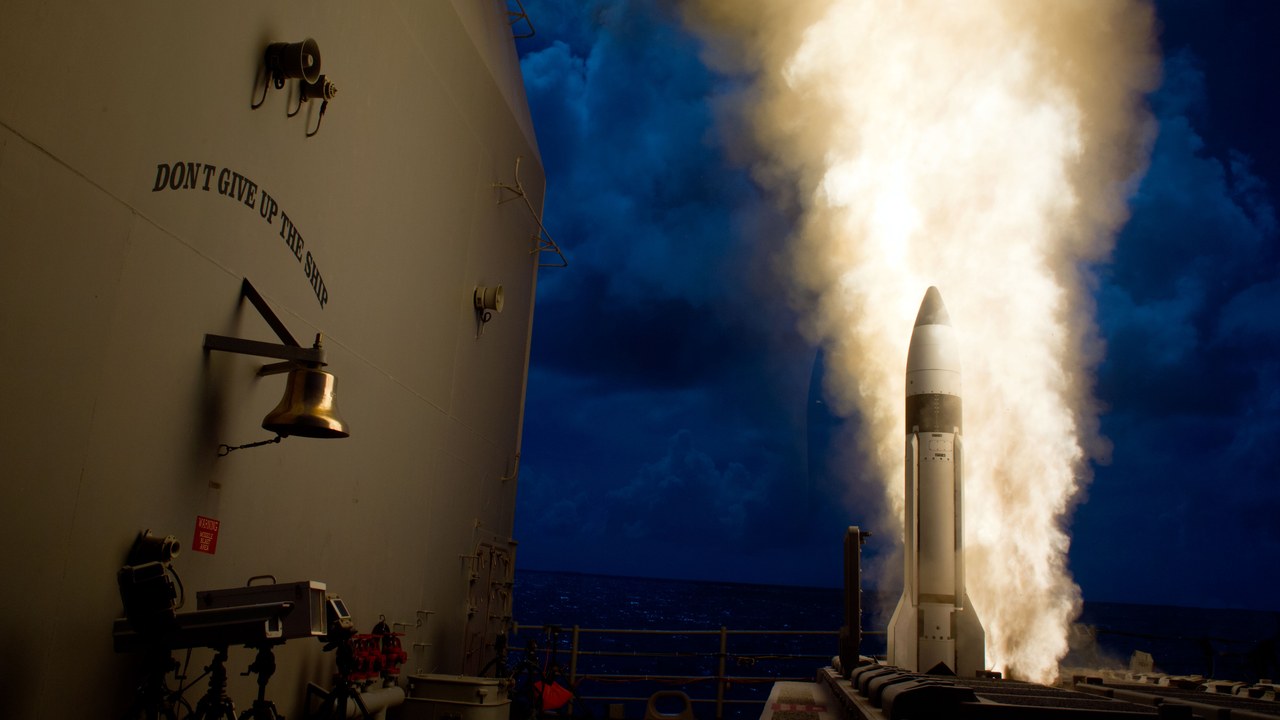
The Standard Missile-3, fired from Navy cruisers and destroyers equipped with the Aegis combat system, is a hit-to-kill midcourse interceptor with a three-stage booster and a kill vehicle, the Arms Control Association explains.
In April 2024, U.S. Navy ships in the Middle East used SM-3s to intercept Iranian ballistic missiles headed toward Israel, the first combat use of a U.S. missile defense system other than Patriot. As of August 2024, the SM-3 had a flight test record of 40 intercepts in 50 attempts.
9. Ground-Based Interceptor: America’s Homeland Guard
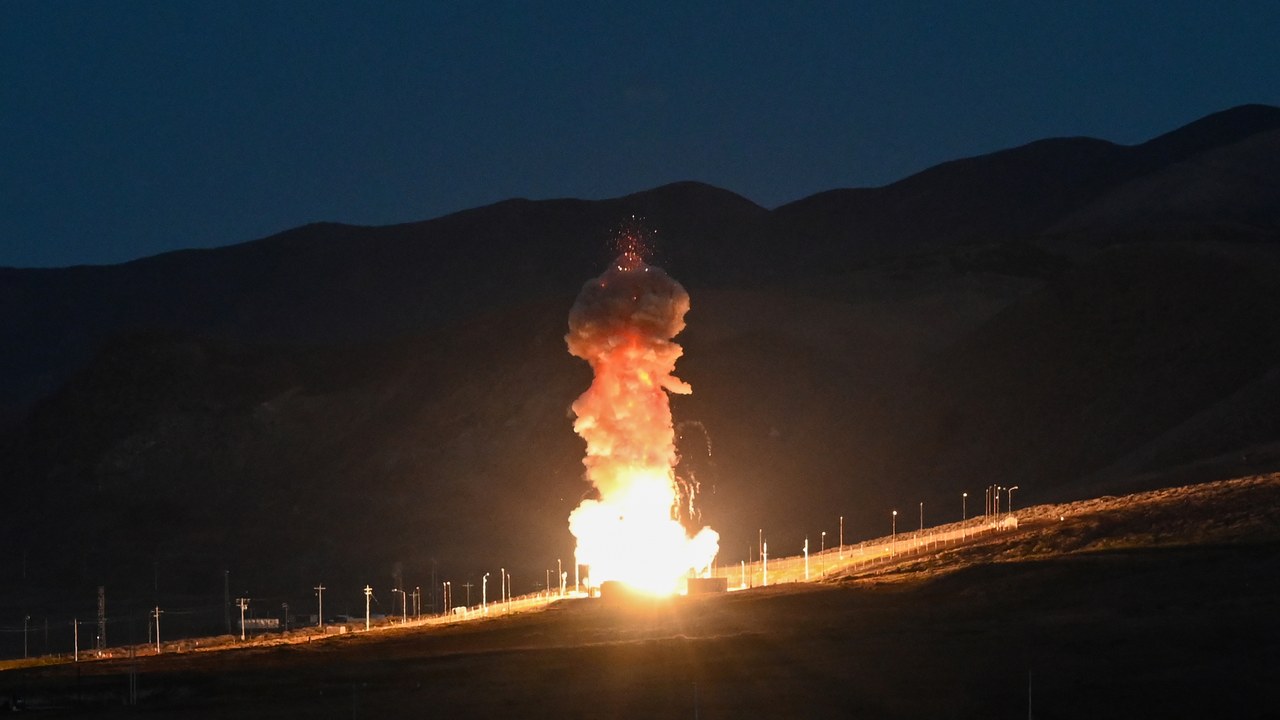
The Pentagon deploys 44 Ground-Based Interceptors, 40 at Fort Greely, Alaska, and four at Vandenberg in California, to stop long-range missiles in midcourse, according to the Arms Control Association.
Each interceptor pairs a multistage booster with an exoatmospheric kill vehicle. The system’s first test against an ICBM-class target with simple countermeasures, on May 30, 2017, was deemed successful, and a first test firing two interceptors at one ICBM target followed in March 2019. Congress has since mandated a third interceptor site on the East Coast by 2031.
10. Pantsir-S1: Guns and Missiles Together
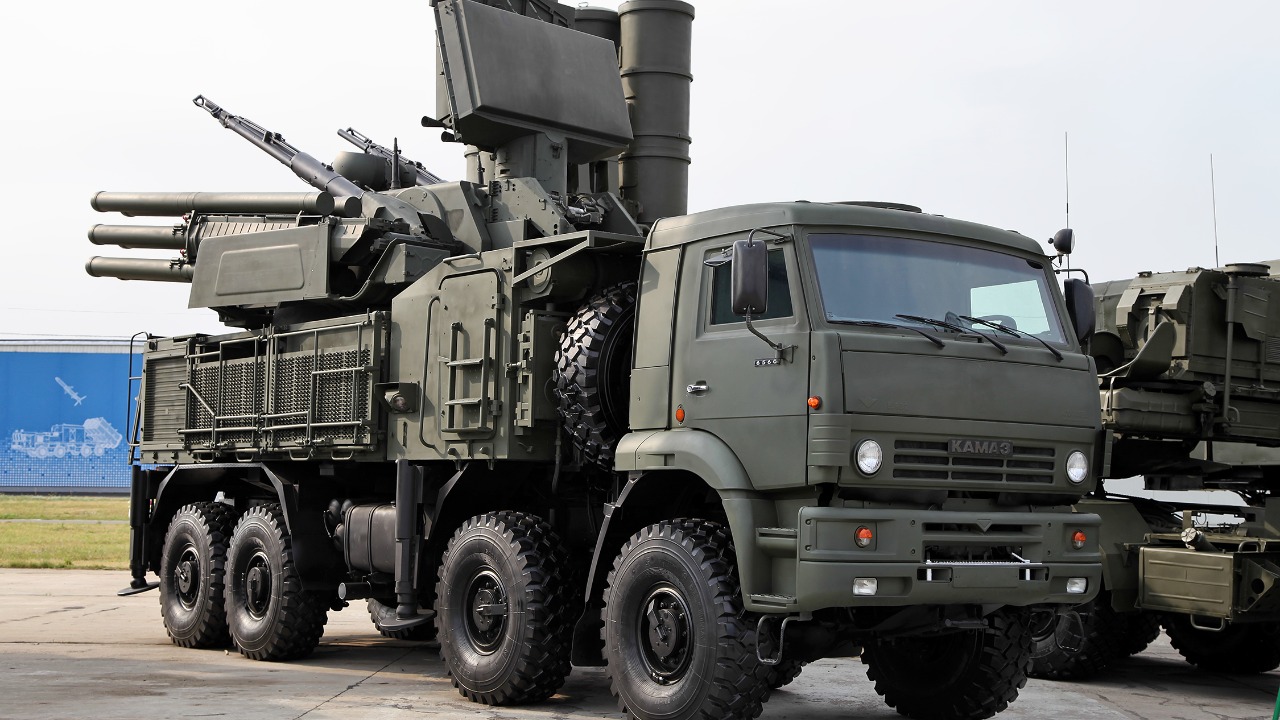
Russia’s Pantsir-S1 combines anti-aircraft guns and missiles on one vehicle, carrying up to twelve 57E6 missiles and two 30 mm cannons and engaging up to four targets at once, the CSIS Missile Defense Project reports.
Development began in 1989 as a replacement for the Tunguska system. Russia has deployed Pantsir to Syria since 2013 to protect its forces, missile fragments turned up in Ukraine in 2014, and operators abroad include Algeria, Brazil, Iran, Iraq, Libya, Saudi Arabia, Syria and Vietnam.
More from Morning Overview
- Melting permafrost is setting off a newly identified kind of catastrophic landslide, scientists say
- Cadillac cut the price of its cheapest EV, which goes up to 317 miles on a charge
- Winter weather advisories cover I-80, I-70 and the Bighorns with up to 15 inches of snow
- Arizona’s governor declared a statewide emergency after Flagstaff logged its wettest Nov. 1 on record
