
A main battle tank is designed around one goal: keep its crew alive while it fights at the front. Layered armor, active protection systems and clever engine placement all play a part, and the war in Ukraine has shown how much each one matters. Here are ten main battle tanks built to survive a direct hit.
Read next on Morning Overview: 11 engines built to run well past 200,000 miles
1. M1 Abrams: America’s Heavyweight
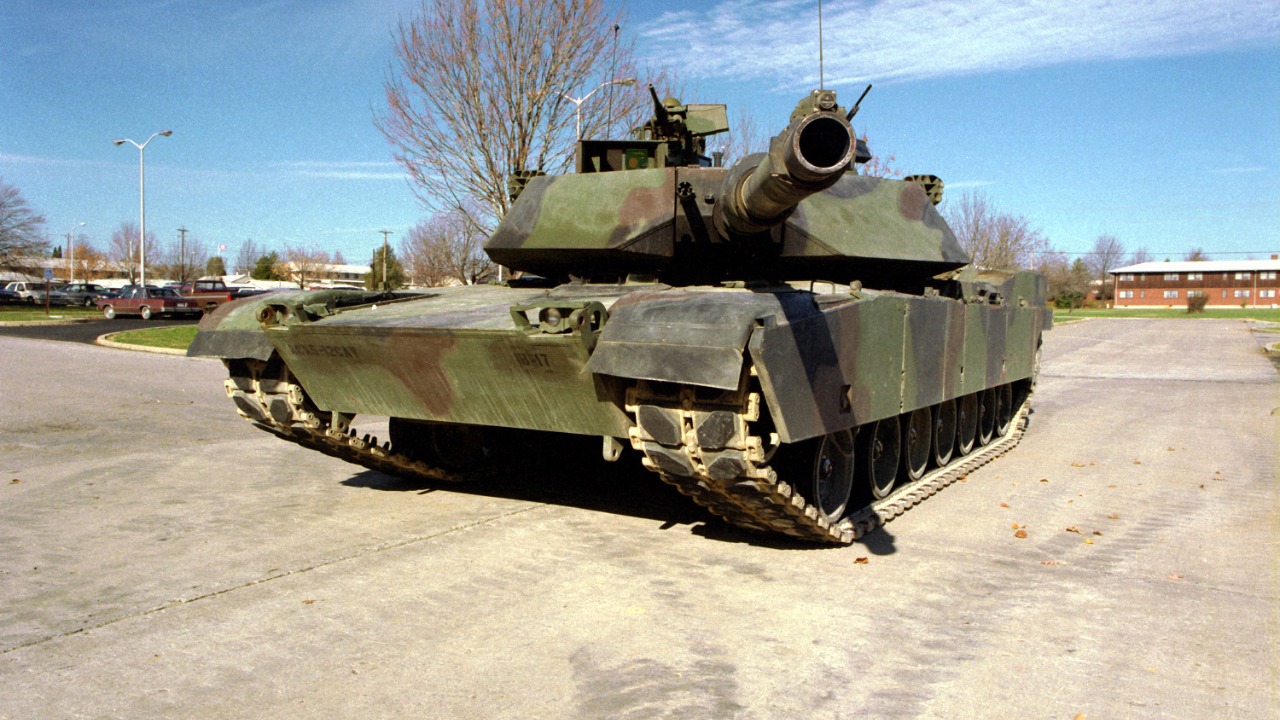
The M1 Abrams weighs about 67 tonnes and carries a 120 mm main gun, according to the Australian Army’s equipment profile of the M1A2. Its composite armor and compartmentalized ammunition storage were designed to protect the crew if the tank is hit.
Ukraine has tested that design under fire. Of roughly 80 M1A1s sent there without the Trophy active protection system, about 20 have been reported destroyed or disabled, a reminder that even heavy armor struggles against drones and modern anti-tank weapons when added defenses are missing.
2. Leopard 2: Germany’s Export Success
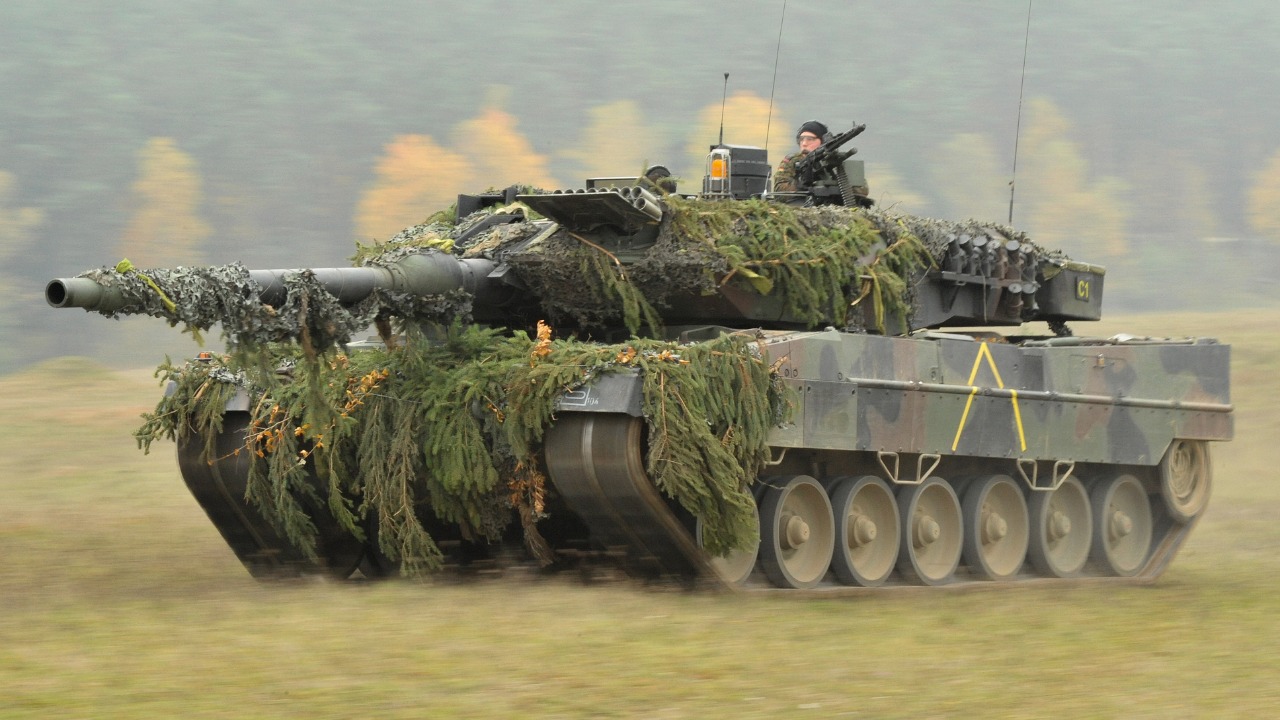
The Leopard 2A8 adds the Trophy active protection system, weighs about 65 tonnes and mounts a 120 mm L/55A1 gun, according to a 2026 ranking of main battle tanks. Trophy detects incoming missiles and fires a countermeasure to destroy them before impact.
Older Leopard 2A4 and 2A6 tanks have seen intense fighting in Ukraine, which has given armies real combat data on the design. Many European countries now operate or have ordered Leopard 2s, making it one of the most widely used Western tanks in service.
3. T-14 Armata: An Unmanned Turret
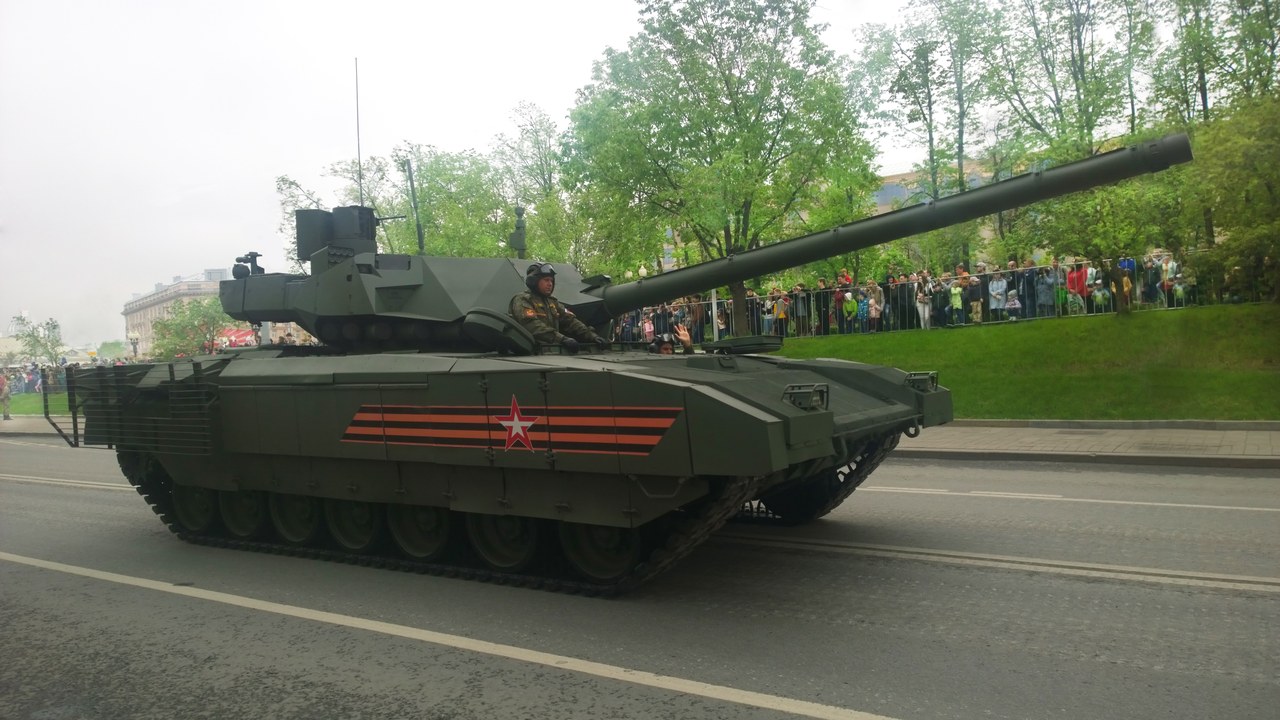
Russia’s T-14 Armata carries a 125 mm gun in an unmanned turret and uses the Afghanit active protection system, according to the same 2026 tank ranking. Placing the crew in an armored capsule in the hull keeps them away from the gun and ammunition.
The design looks advanced on paper, but the ranking notes there is no verified evidence that the T-14 has been used in Ukraine. Production has been limited, so the tank remains more of a showcase at parades than a proven battlefield vehicle.
4. Challenger 3: Britain’s Rebuilt Workhorse
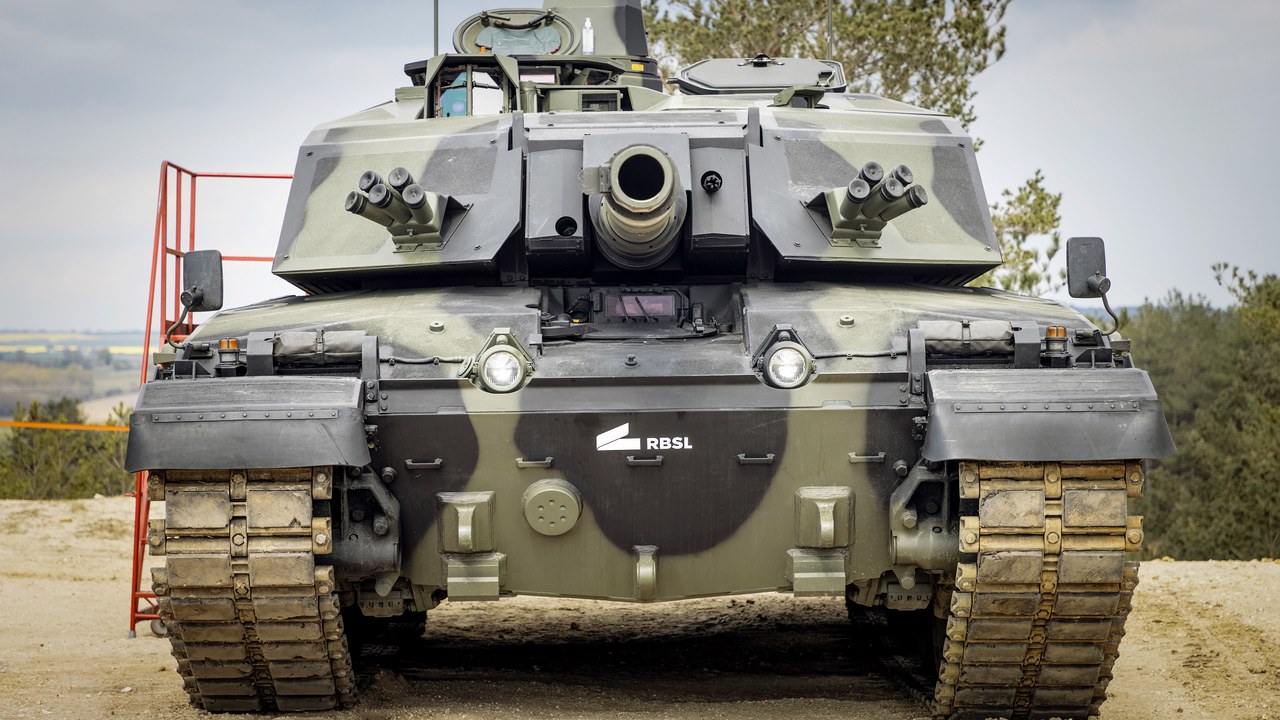
The Challenger 3 is a British upgrade that adds a Rheinmetall L55A1 120 mm smoothbore gun and weighs about 66 tonnes, according to the 2026 main battle tank ranking. It keeps upgraded Chobham-type armor and adds modular protection that can be bolted on.
Switching to a smoothbore gun brings Britain in line with NATO allies and lets it use their ammunition. The Challenger 3 is built by converting existing Challenger 2 hulls, a cheaper path than designing a new tank from scratch.
5. Merkava: The Engine as Armor
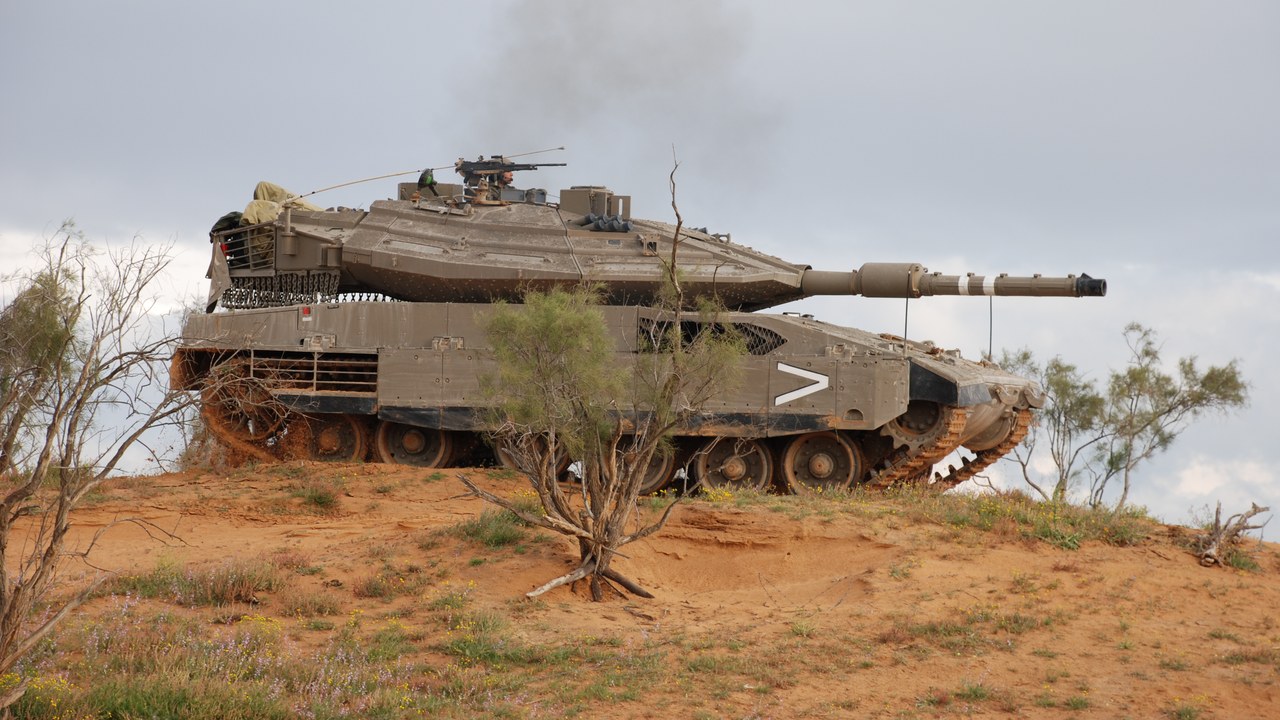
Israel’s Merkava places its engine at the front of the tank, so the powerpack itself shields the crew, according to a review of early 21st-century tanks. The Merkava V entered Israeli service in 2023 with modular composite armor and a 120 mm gun.
The front-engine layout also leaves room for a rear door, which lets the crew exit under cover and allows the tank to carry a few infantry or wounded soldiers. That design reflects Israel’s priority on crew survival above almost everything else.
6. Leclerc: France’s Only Battle Tank
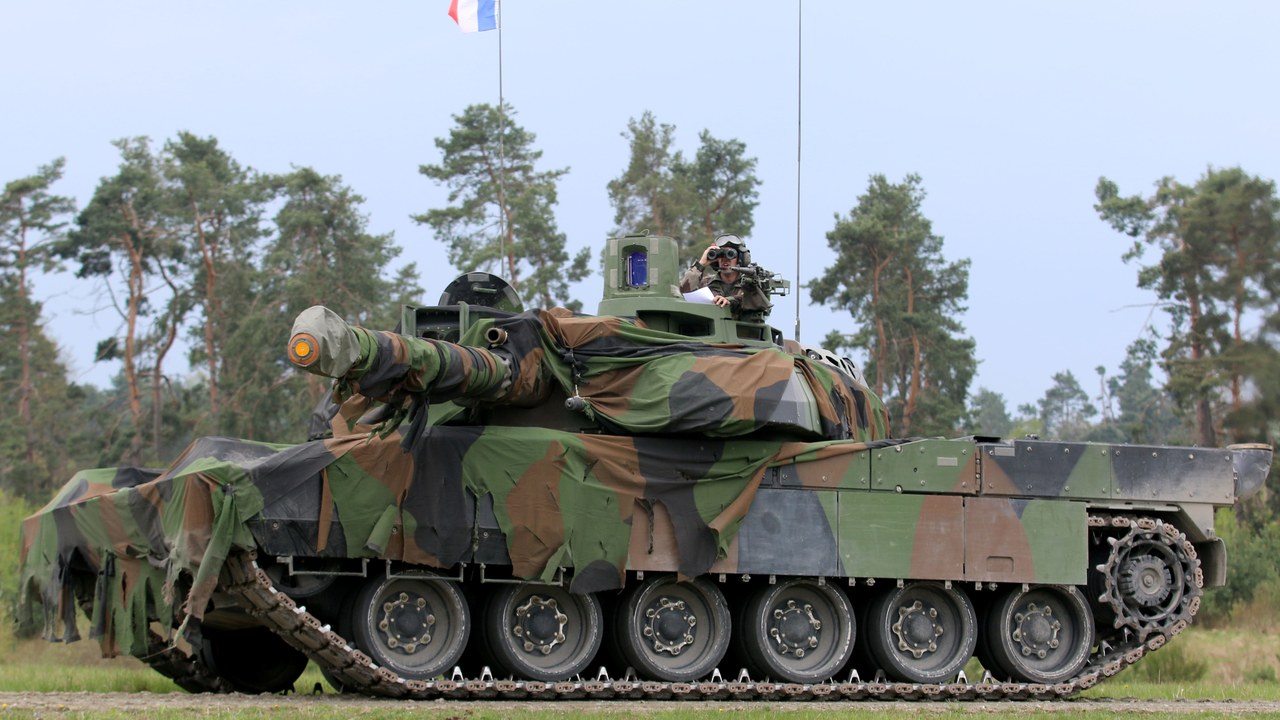
The Leclerc is France’s only main battle tank in service, armed with a 120 mm smoothbore gun and a 12.7 mm machine gun, according to the same review of modern tanks. It was designed in the 1990s by the French state firm GIAT.
The Leclerc uses an autoloader, which lets it operate with a crew of three instead of four. France is upgrading its fleet to keep the tank in service while European partners work on a future replacement. It remains in service.
7. T-90: Russia’s Production Tank
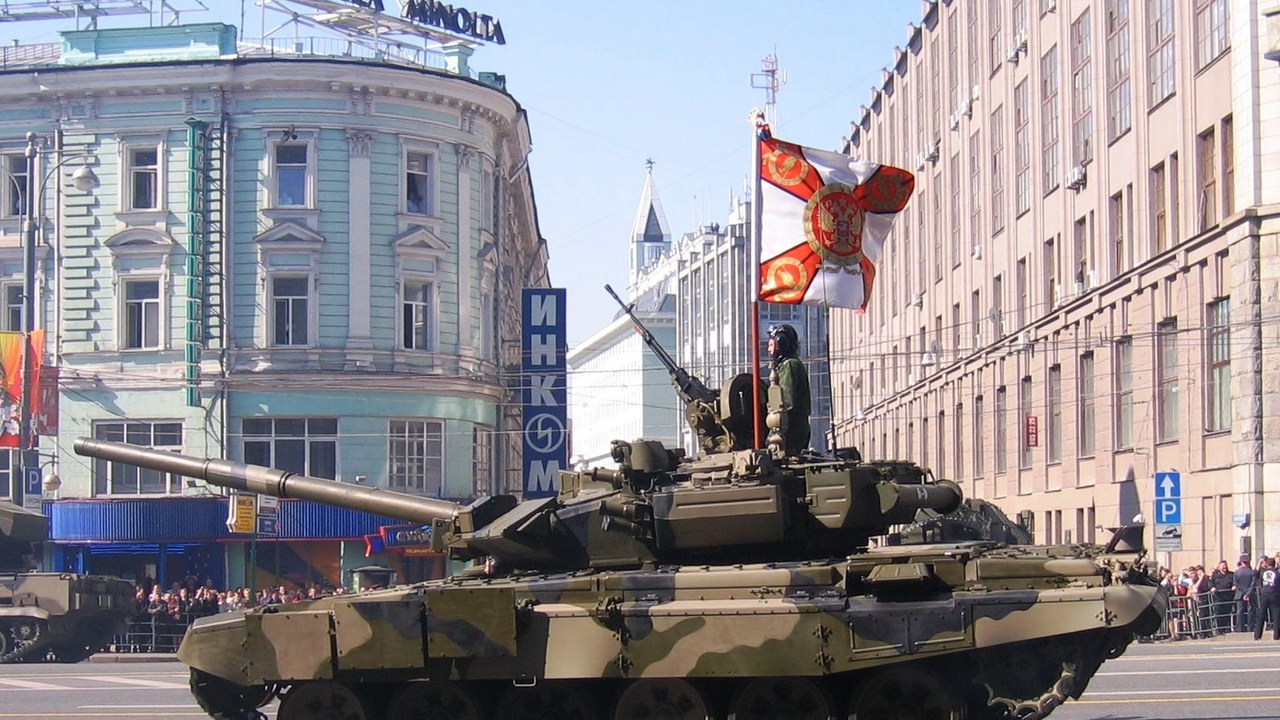
The T-90 is Russia’s only tank produced in quantity, and the T-90M version adds thermal sights, a panoramic commander’s sight and Relikt reactive armor, according to the review of early 21st-century tanks.
Reactive armor uses explosive tiles that detonate outward when struck to disrupt an incoming warhead. The T-90M has been used heavily in Ukraine, and several have been captured, giving Western analysts a close look at the design. Its armor has been tested repeatedly in combat, with mixed results against drones.
8. Type 99: China’s Most Advanced
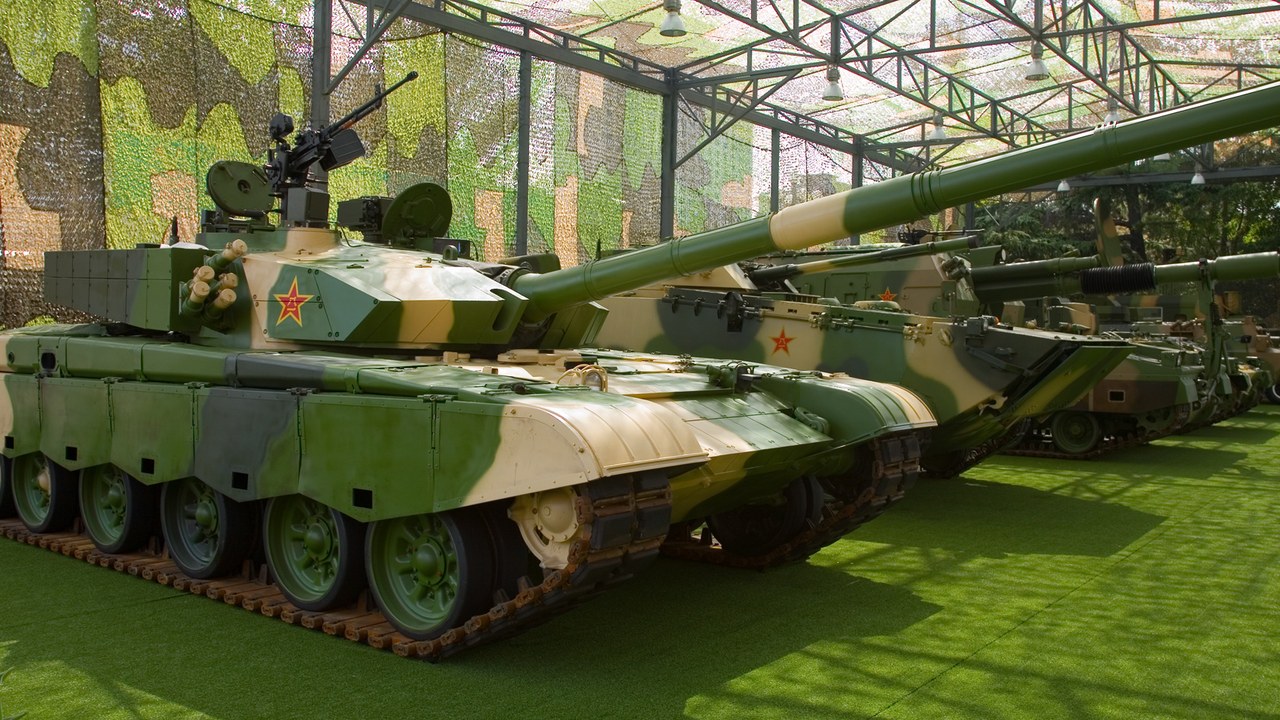
The Type 99 is China’s most advanced domestically produced tank, according to a 2026 survey of advanced tanks. It carries a 125 mm smoothbore gun and combines composite armor with explosive reactive armor.
The Type 99 is a heavy tank built for China’s main armored units, while lighter designs serve in mountainous and southern regions. It has never been used in combat, so its protection has been judged only in testing and exercises. It often appears in Chinese military parades and exercises.
9. Type 10: Built for Speed and Networking
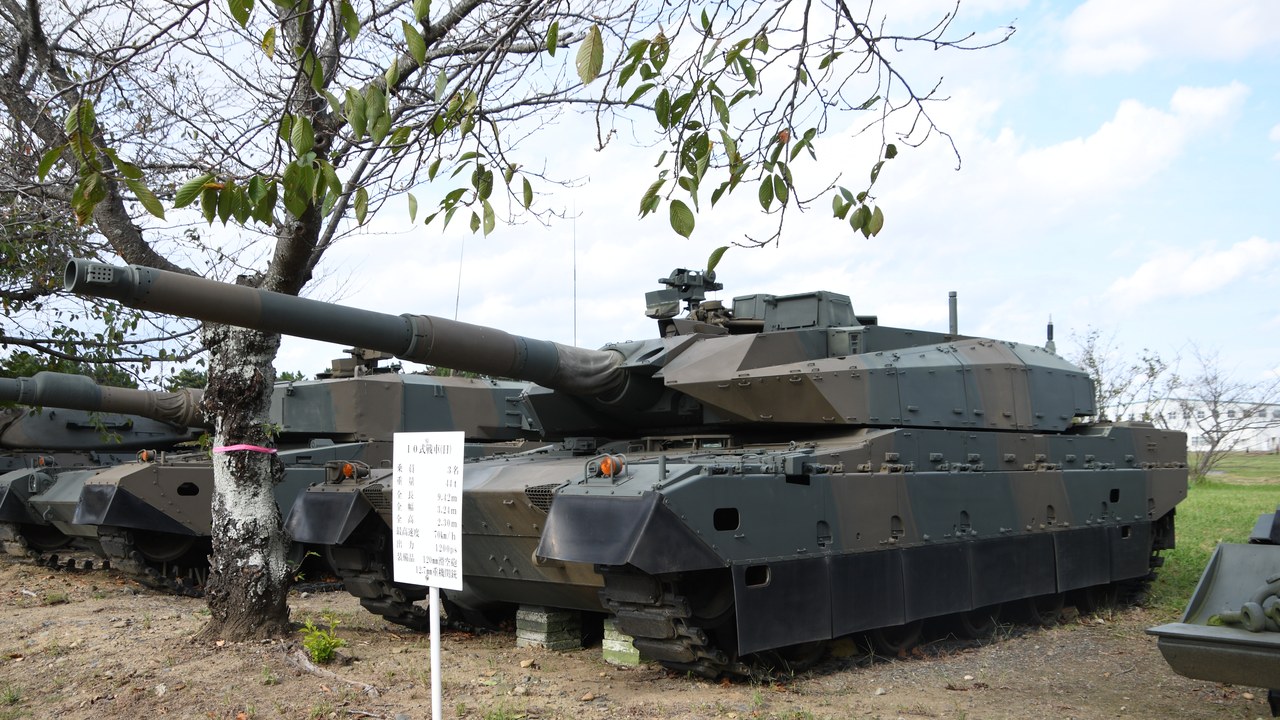
Japan’s Type 10 is a lightweight tank with a 120 mm gun, designed for rapid deployment and networked operations, according to the same 2026 survey. Its lower weight lets it cross Japan’s bridges and move by road more easily than heavier Western tanks.
Modular armor lets crews add or remove protection depending on the mission. The Type 10’s focus on networking means it can share targeting data with other units, a growing part of how modern tanks avoid being hit in the first place.
10. Altay: Turkey’s Flagship
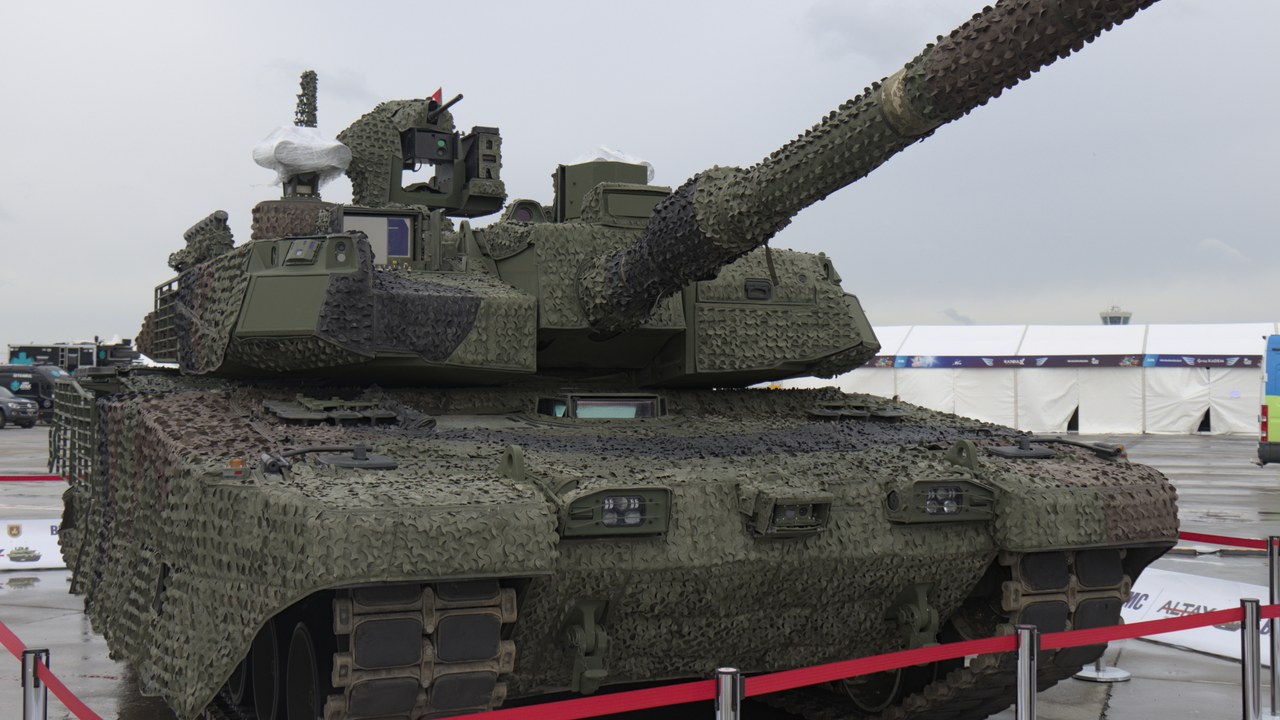
The Altay is Turkey’s flagship tank, armed with a 120 mm smoothbore gun and protected by composite armor with provisions for explosive reactive armor, according to the 2026 survey of advanced tanks.
The Altay has not seen combat, so its protection has yet to be tested in war. Turkey has invested heavily in a domestic defense industry, and the Altay is meant to reduce its reliance on imported tanks such as the Leopard 2 and M60. Production is now under way.
More from Morning Overview
- A $1 billion gas plant planned for Superior, Wisconsin, has been abandoned
- Shaq spent $1.3 million on three Rolls-Royce Phantoms to prove a point to a salesman
- The Justice Department asked courts to undo approvals for three offshore wind farms, one already making power
- Over 20 trillion gallons of rain fell on the Four Corners states and Nevada in two weeks
