
Electric and plug-in hybrid vehicles rarely catch fire, but when a battery defect turns up, the recall can come with unusual instructions. Owners have been told to cap their charging, skip charging entirely or park outdoors until a fix arrives. These are 10 battery-powered models that were recalled because their packs could overheat or burn.
Read next on Morning Overview: Neanderthals in Spain carved a wooden object that matches nothing archaeologists have ever found
1. Audi Q4 e-tron (2024-2025): Keep the Charge Under 80%
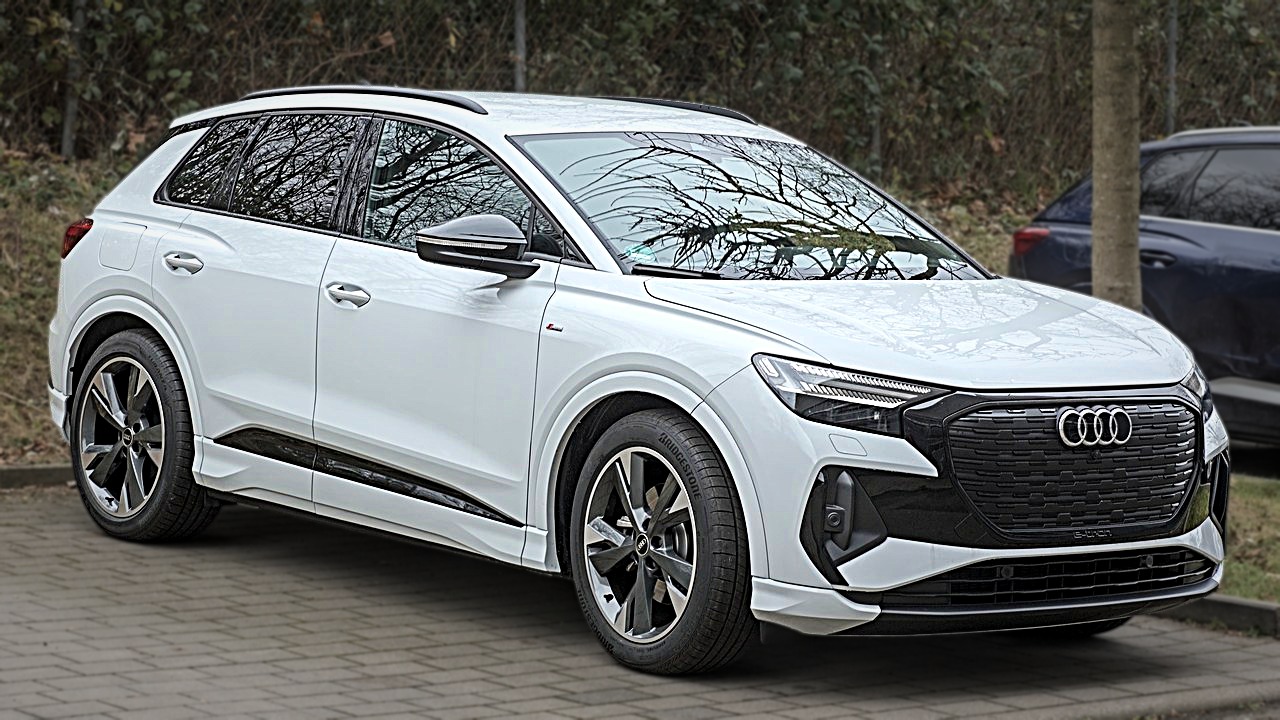
In October 2026, Volkswagen Group of America told NHTSA it was recalling 9,048 Audi Q4 e-tron and Q4 Sportback e-tron SUVs from the 2024 and 2025 model years because the battery could overheat and potentially catch fire when charged above 80%.
Volkswagen said certain charging profiles combined with a state of charge over 80% may trigger thermal propagation. The root cause is still unknown, so owners were urged to limit charging to 80%. Audi found the same battery and production characteristics as other affected Volkswagen Group EVs, and it said it was not aware of any crashes, fires, injuries or deaths tied to the Q4’s battery issue.
2. Volkswagen ID.4 (2023-2026): The Recall That Started It
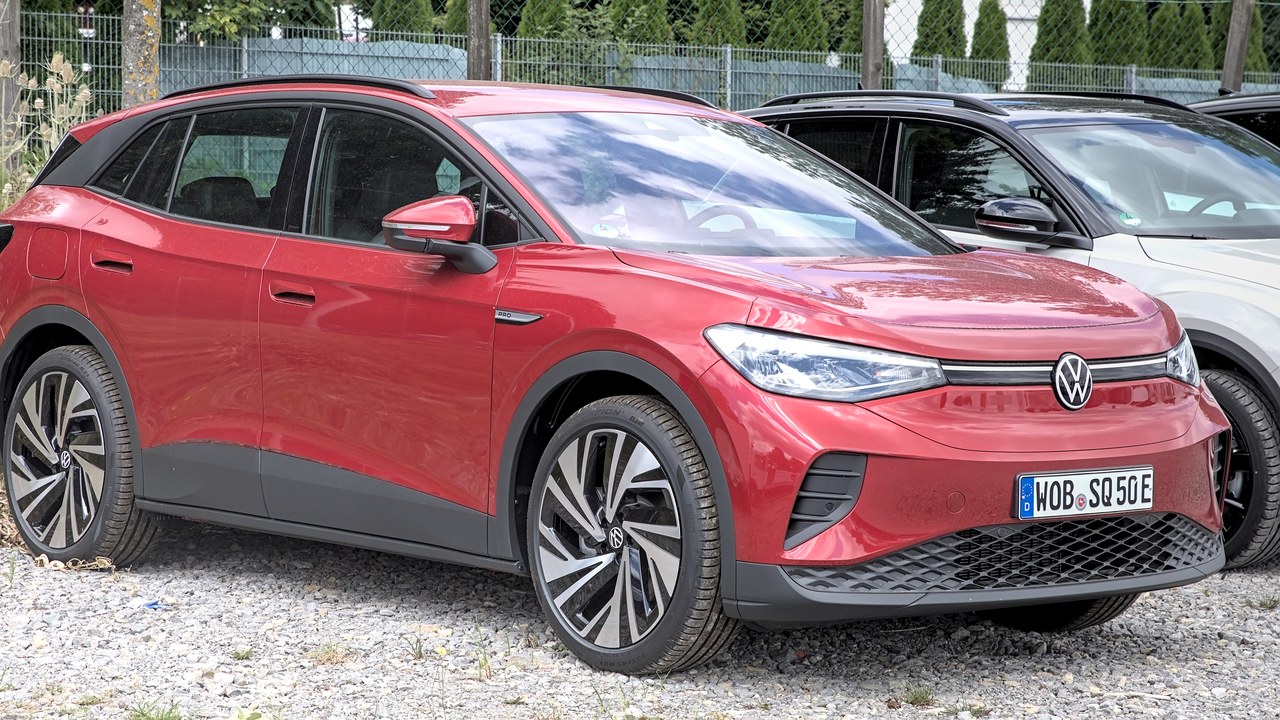
Earlier in October 2026, Volkswagen filed a recall with NHTSA covering 22,524 ID.4 electric SUVs from the 2023 to 2026 model years over the same overheating risk.
German regulators later revealed that several thousand more Volkswagen Group EVs were affected worldwide. Three separate recalls covered 72,668 vehicles, including batches of the ID.3, ID.4 and ID.7 and the Cupra Born, and once Audi was added the total reached 85,402 EVs globally, Electrek reported. As with the Audi, owners were told to keep their batteries charged to no more than 80% while the investigation continued.
3. Mercedes-Benz EQB (2022-2024): A Full Battery Replacement
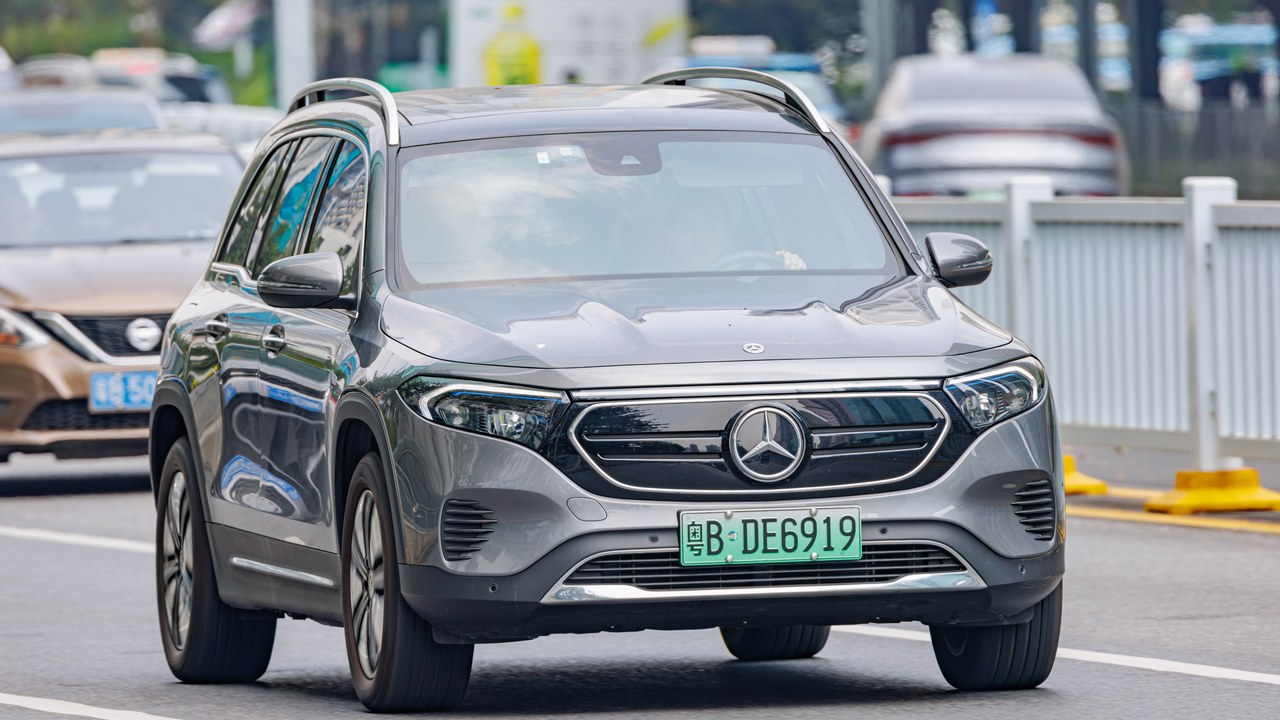
In February 2026, Mercedes-Benz recalled 11,895 EQB electric SUVs built between December 2021 and May 2024, saying that a risk of fire of the high-voltage battery cannot be ruled out.
Earlier recalls had used a software update to limit charging, but Mercedes later judged those to be failed remedies. This time dealers will replace the entire battery pack at no cost. Mercedes blamed production deviations at battery supplier Farasis Energy and documented two U.S. fires in the original recall group. Until repairs are done, owners were told to park outdoors and limit charging to 80%.
4. Jaguar I-Pace (2020-2021): Jaguar’s Electric SUV
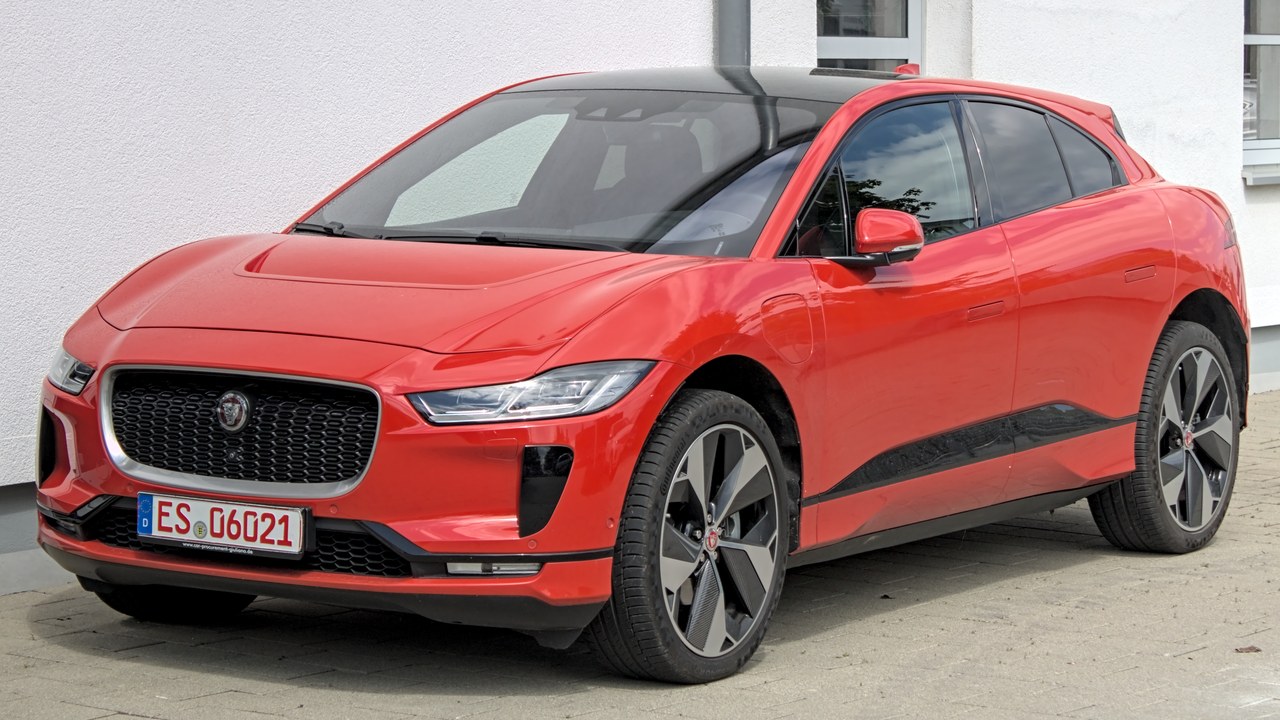
In February 2026, Jaguar Land Rover recalled 2,278 I-Pace electric SUVs built between 2020 and 2021 because the high-voltage battery may overheat, raising the chance of a fire.
According to the NHTSA recall notice, owners were urged to park outside and away from buildings, charge outside and limit their charge to a maximum of 90% until the repair is completed. Dealers can install a battery software update, or owners can receive an over-the-air update that caps the state of charge at 90%. A final remedy is still under development, and repairs will be free.
5. Ford Escape plug-in hybrid (2023-2025): A Third Recall for the Same Problem
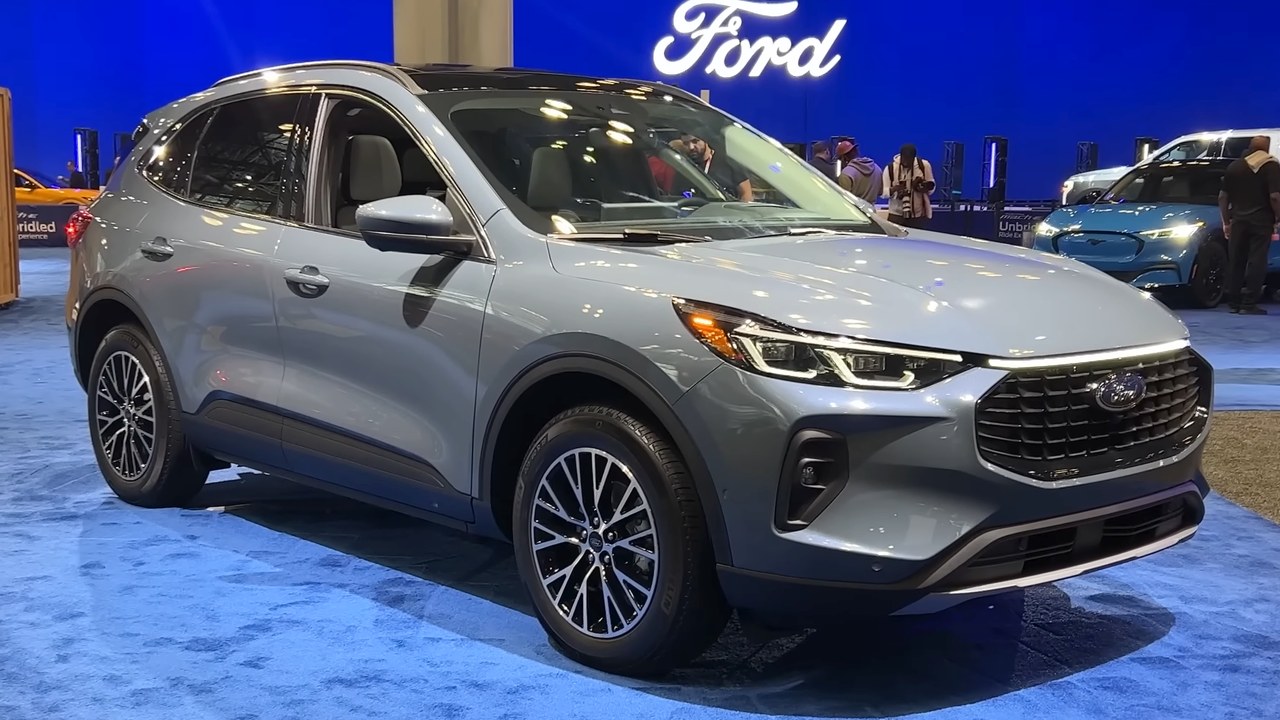
In February 2026, Ford expanded a recall to 24,690 plug-in hybrid crossovers, including 2023 to 2025 Escape plug-in hybrids, because a manufacturing defect in their high-voltage battery cells can cause an internal short circuit.
If that happens, the vehicle could lose drive power or catch fire. It was the third recall tied to the same problem, bringing the combined recall population to 61,526 vehicles, Carscoops reported. Ford had no fix yet, so it advised owners to use only Auto EV mode and limit charging to 80%. New, unsold models were also placed under a stop-sale order.
6. Lincoln Corsair plug-in hybrid (2023-2026): The Escape’s Luxury Twin
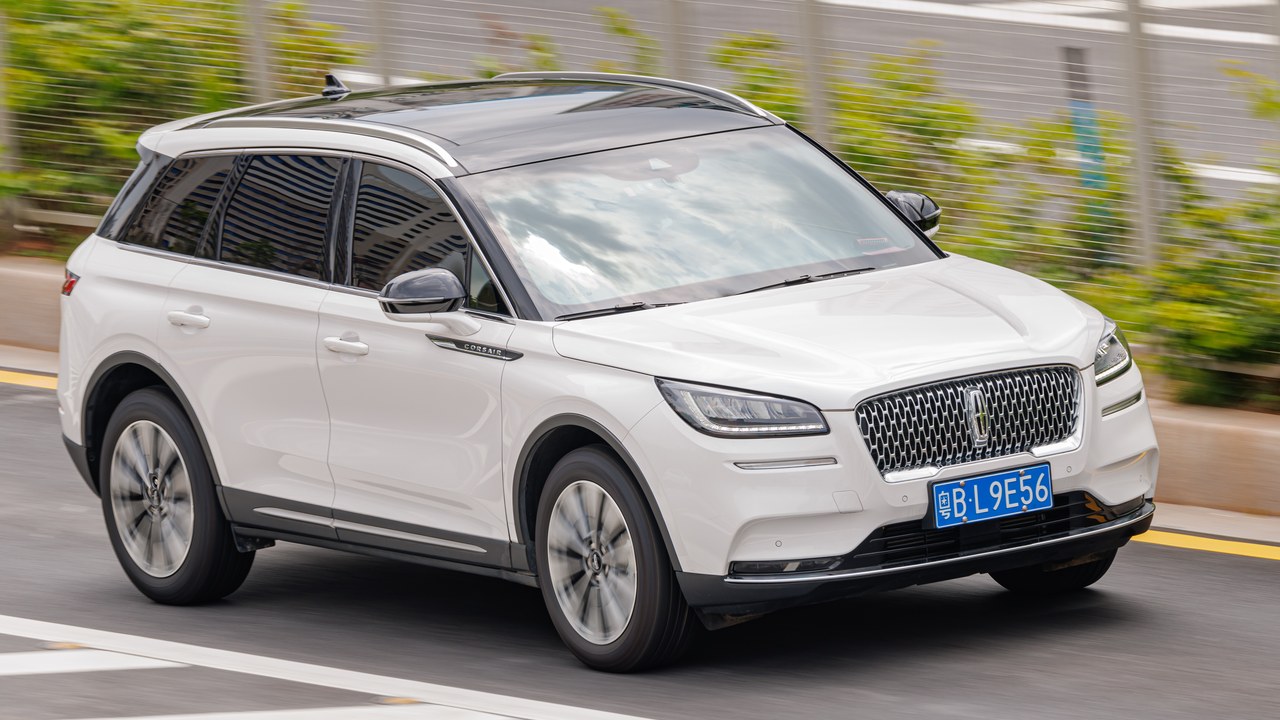
The same February 2026 recall covers 2023 to 2026 Lincoln Corsair plug-in hybrids, which face the same risk of a high-voltage battery cell short circuit as the Escape.
The batteries were made by Samsung SDI, and the safety recall report blamed variability in the supplier’s production process, which can create micro-defects and stresses that damage the separator layer inside a cell. Ford believes only about 1% of the latest recall population actually has the defect. Owners will receive interim letters and a second notice once a remedy is available.
7. Chevrolet Bolt (2017-2022): Every Bolt Was Recalled
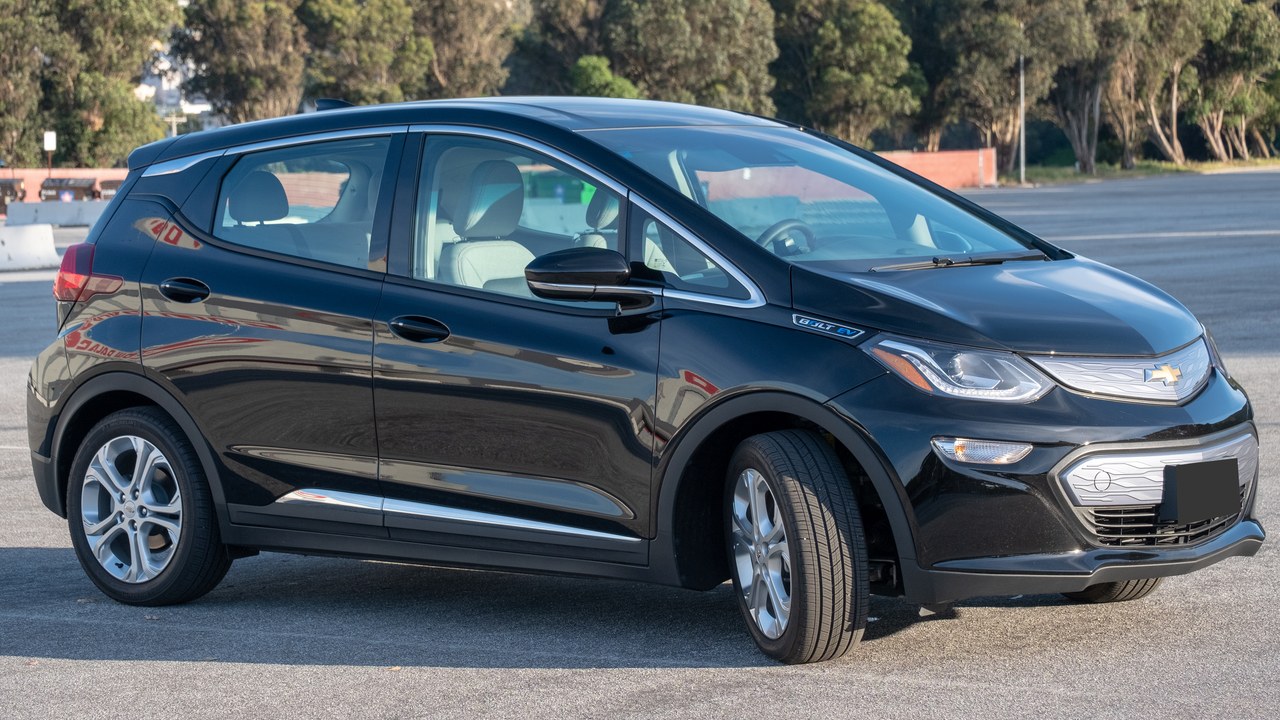
Starting in November 2020, Chevrolet recalled 50,932 Bolts from the 2017 to 2019 model years because batteries made at LG Chem’s Ochang plant could pose a fire risk when charged to full or nearly full, and in August 2021 it extended the recall to all Bolt models.
That brought the total to nearly 142,000 Bolt EV and EUV cars from 2017 to 2022. NHTSA recommended parking recalled cars outside, away from homes, until they were repaired. GM halted Bolt production in August 2021 and redirected battery output to replacement packs, citing manufacturing defects by its partner LG, and did not restart the line until April 2022.
8. Hyundai Ioniq 5 (2023-2024): A Supplier Defect From Korea
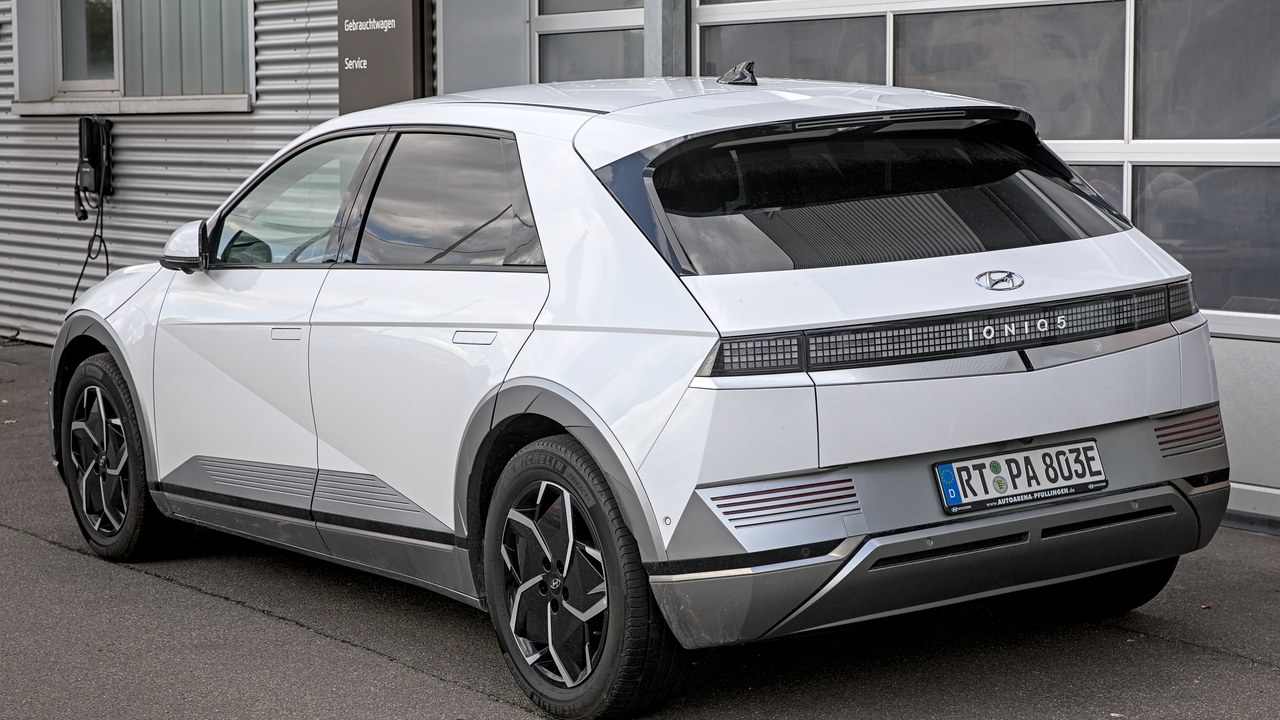
In July 2026, Hyundai filed a recall covering six Ioniq 5 electric SUVs from the 2023 and 2024 model years because misaligned electrodes in their battery cells could cause an internal short circuit and a fire, whether parked or moving.
The investigation reached North America after Hyundai and Kia learned of battery-related fires in South Korea. Hyundai found a limited number of U.S. vehicles with defective modules made by supplier SK On during a specific production period. It said it knew of no U.S. incidents, but it advised owners to keep the battery under 80% and park outside, away from buildings.
9. Kia EV6 (2022, 2024): Shared Platform, Shared Risk
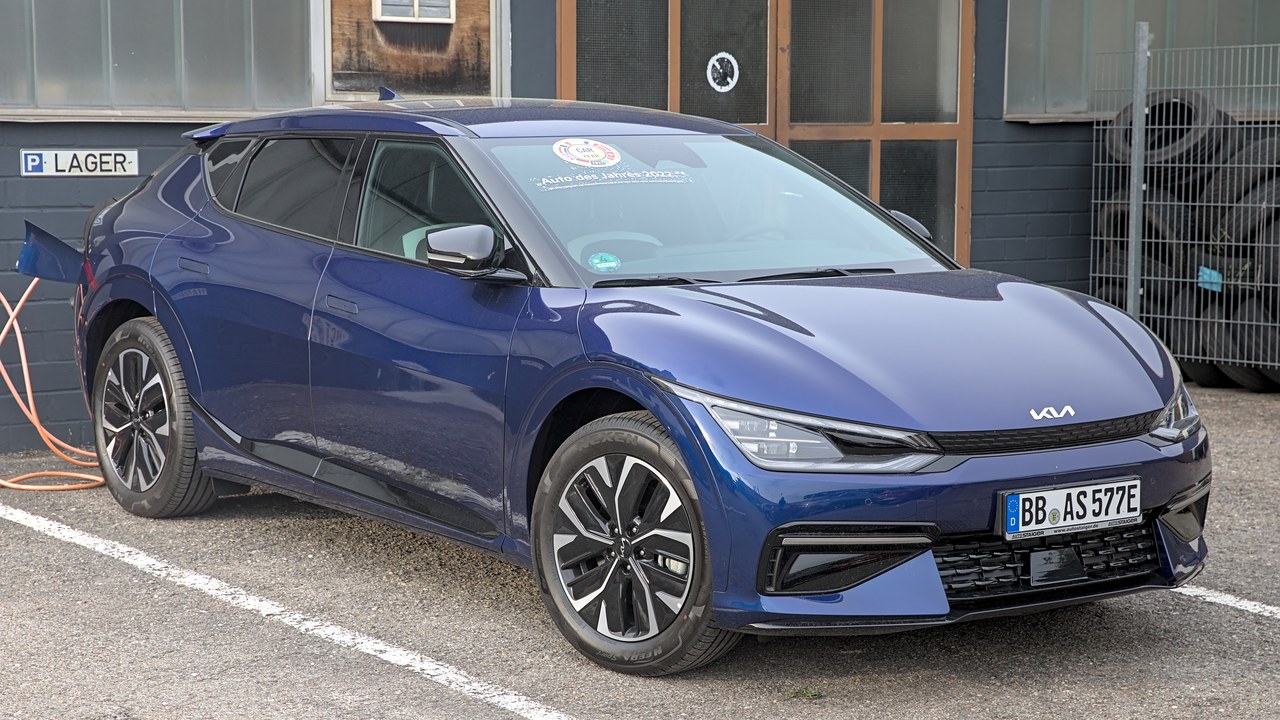
Kia’s matching recall covered seven EV6 models from 2022 and 2024, plus a single 2024 EV9, for the same misaligned-electrode condition in battery cells from SK On.
The EV6 and Ioniq 5 both ride on Hyundai Motor Group’s E-GMP electric platform, and shared battery supply chains mean a manufacturing deviation can echo across both brands. When the car is driven or charged on a DC fast charger, a severe defect like electrode misalignment can cause a short circuit and localized heat that leads to thermal runaway. The recalls were filed as NHTSA campaigns 26V431 and 26V432.
10. Volkswagen ID. Buzz: The Electric Microbus
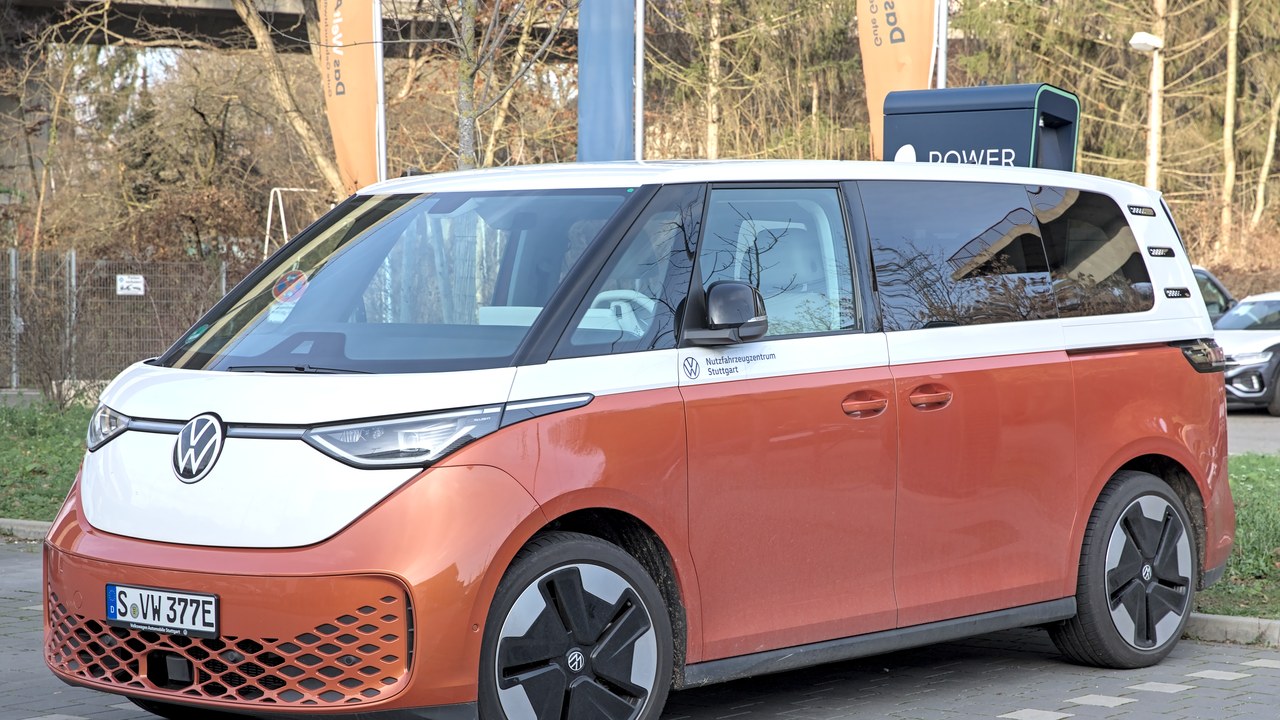
Volkswagen’s electric microbus is also caught up in the battery problem: German records show the recalls cover certain batches of the ID. Buzz produced between 2022 and 2025, along with other Volkswagen Group EVs using the same cells.
The recalls stem from a risk that the battery overheats and potentially catches fire under certain conditions when charged above 80%. Volkswagen has said that certain charging profiles combined with a high state of charge may trigger thermal propagation, and while the root cause remains unknown, it moved in the United States to limit charging on affected models to 80%.
More from Morning Overview
- Winter weather advisories cover I-80, I-70 and the Bighorns with up to 15 inches of snow
- Arizona’s governor declared a statewide emergency after Flagstaff logged its wettest Nov. 1 on record
- Zero Motorcycles unveiled an electric motorcycle targeted at under $8K and a street-legal dirt bike at EICMA
- New FCC rules on how people can stop robocalls and texts take effect Nov. 25
